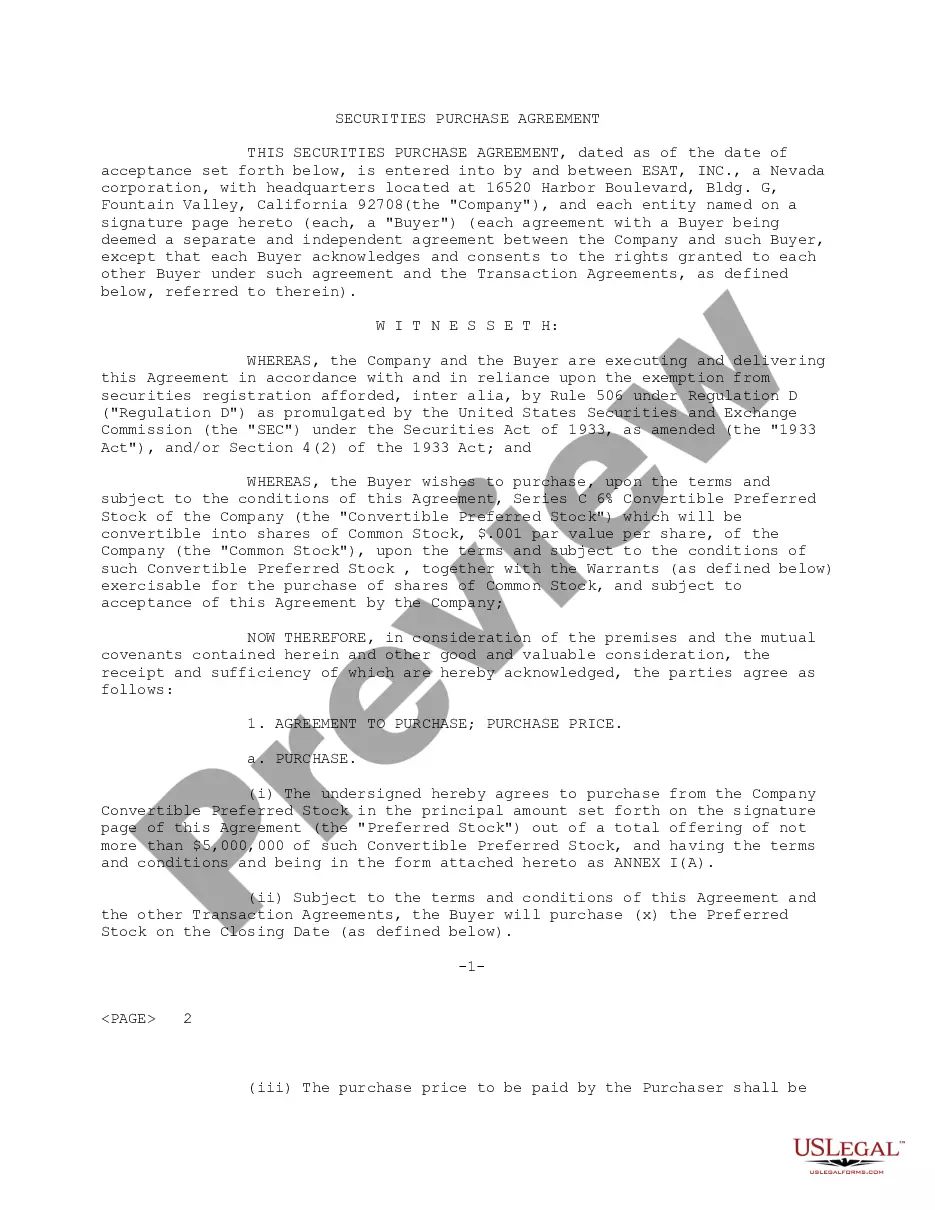
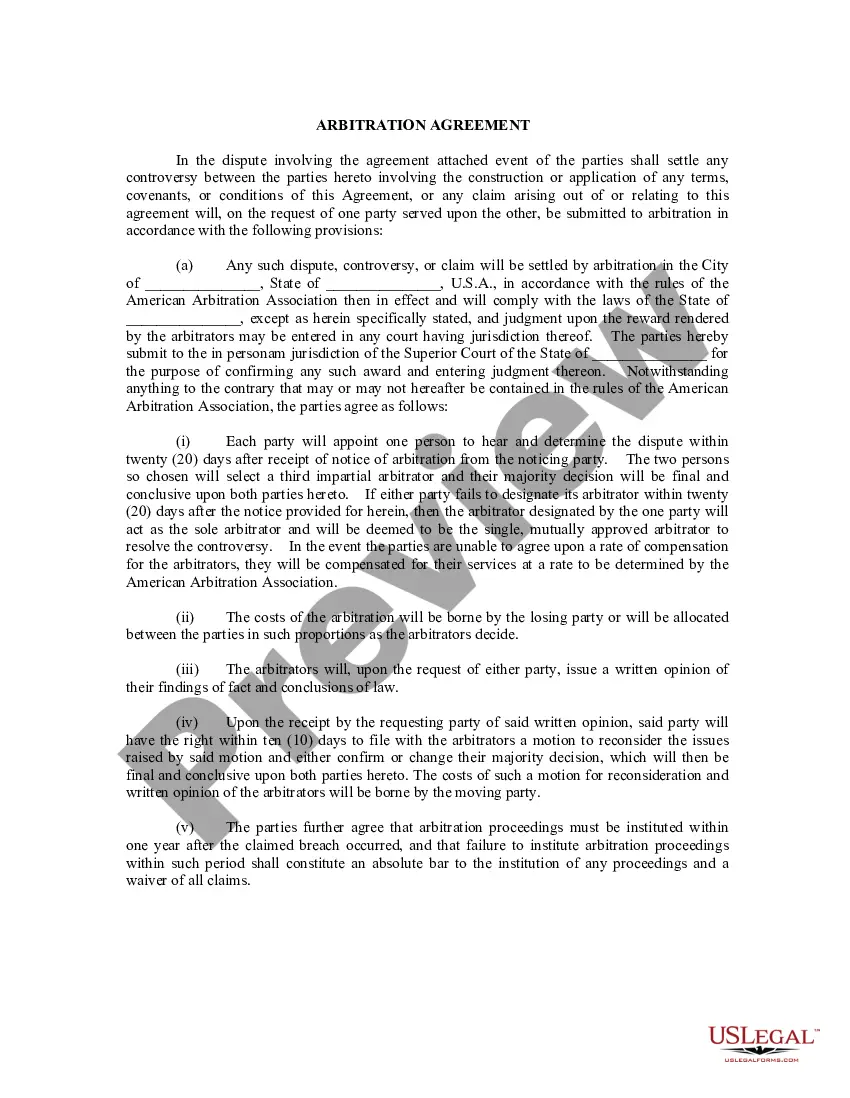
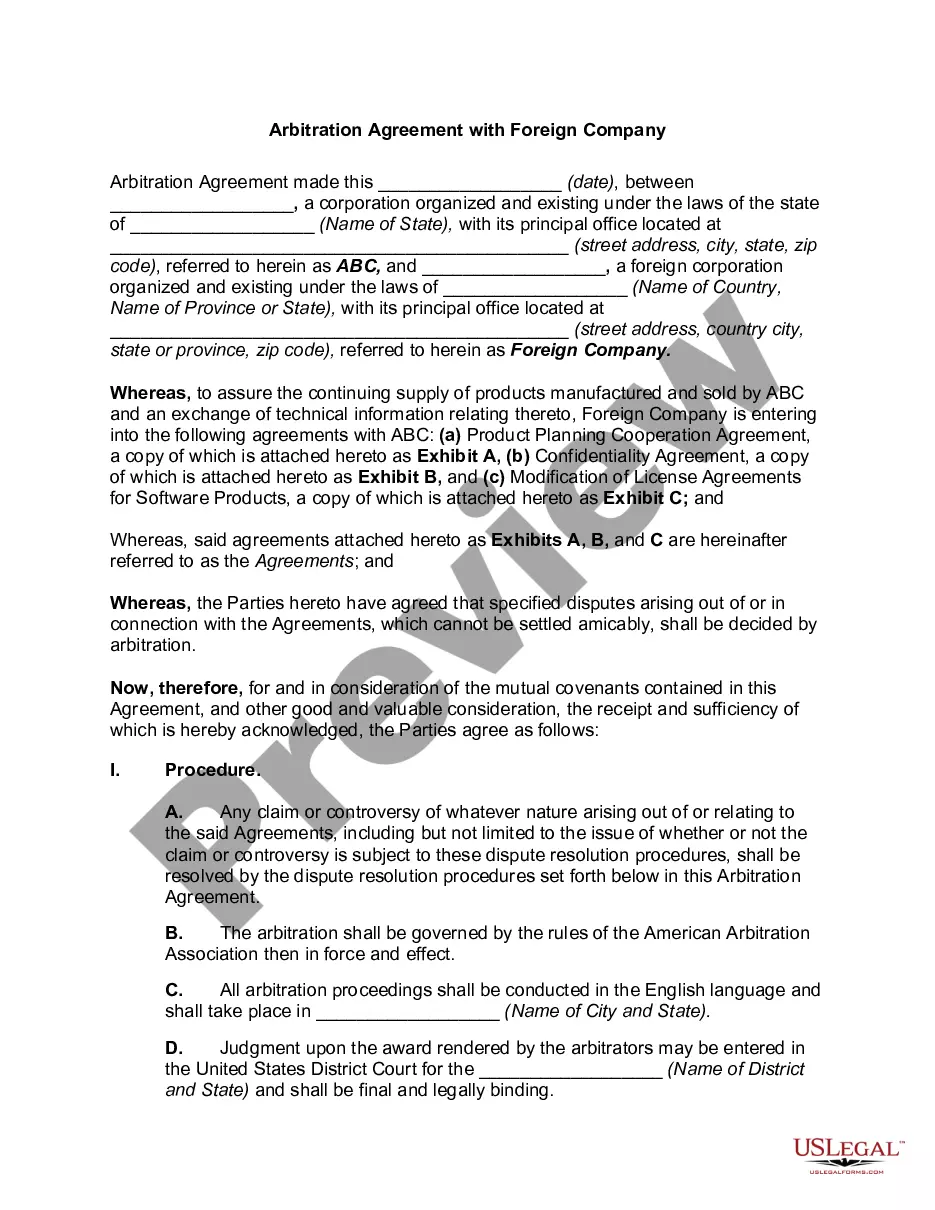
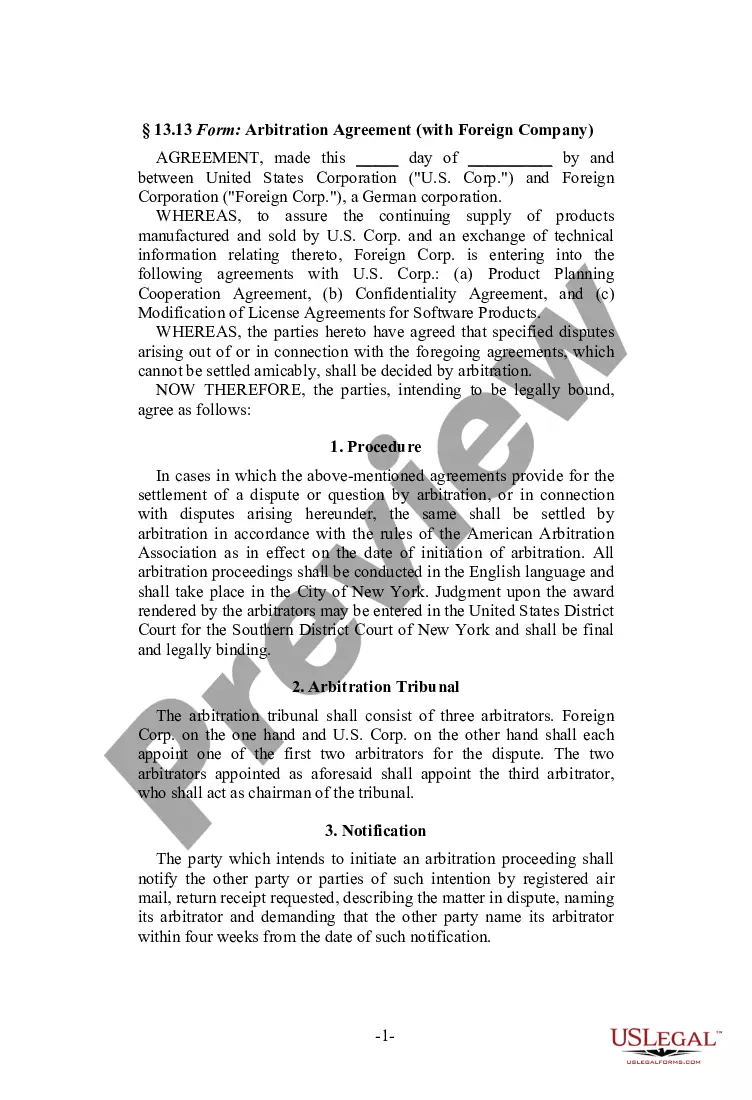
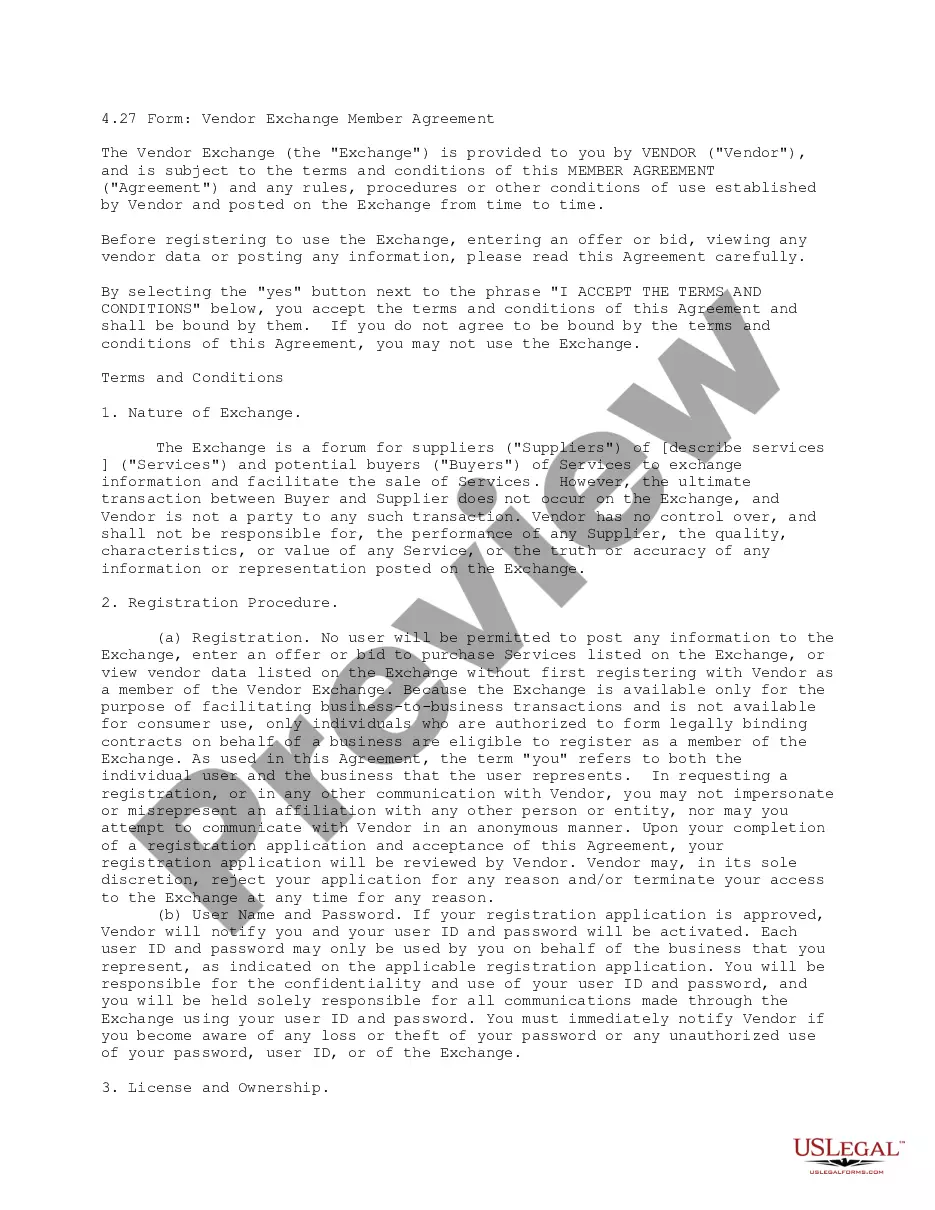
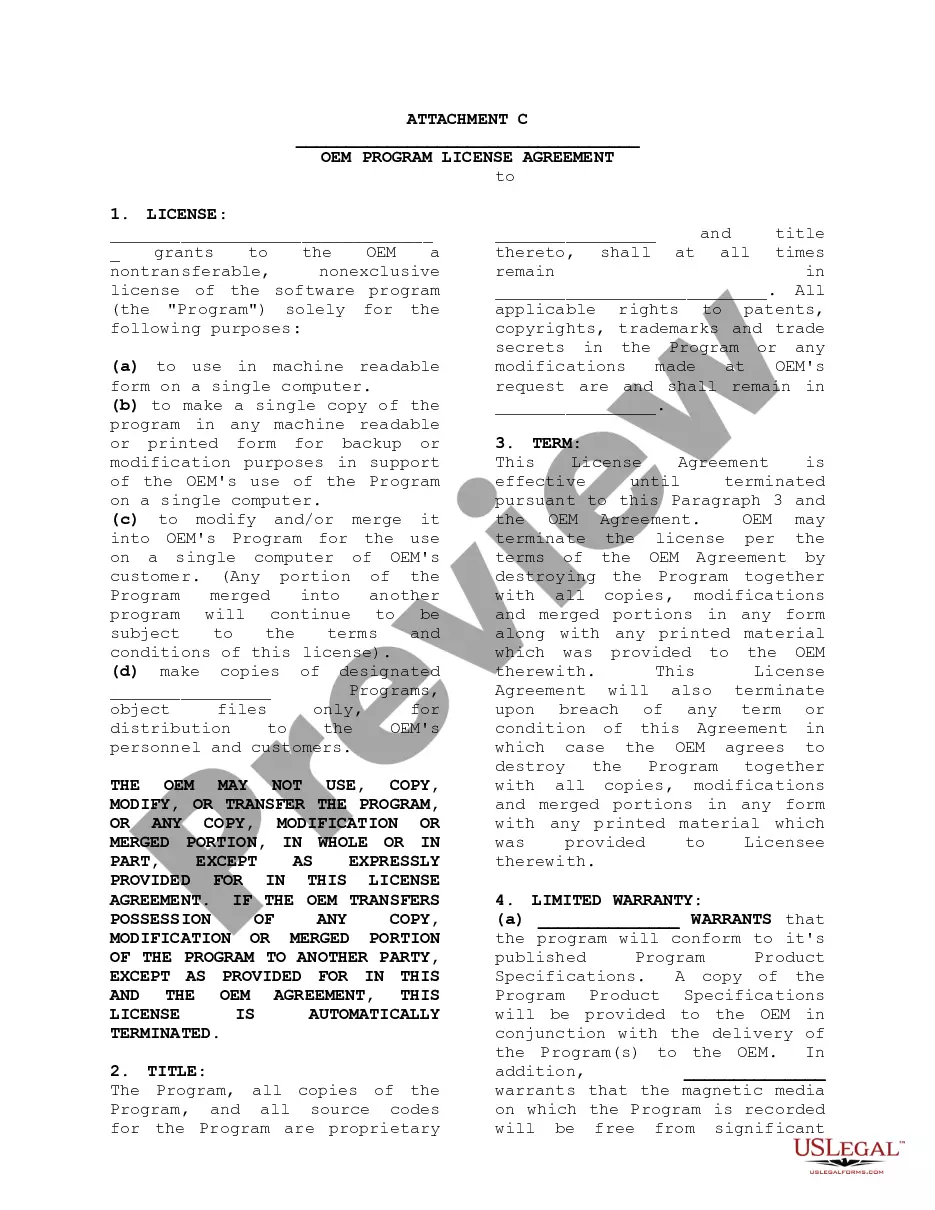
This form is an Arbitration Agreement. The form provides that each party will appoint one person to hear and determine the dispute within twenty days after receipt of notice of arbitration from the noticing party. The costs of the arbitration will be absorbed by the losing party or will be allocated between the parties in such proportions as the arbitrators decide.
Hawaii OEM Arbitration Agreement
Category:
State:
Multi-State
Control #:
US-KWP-0046
Format:
Word;
Rich Text
Instant download
Description

Get your form ready online
Our built-in tools help you complete, sign, share, and store your documents in one place.
Built-in online Word editor
Make edits, fill in missing information, and update formatting in US Legal Forms—just like you would in MS Word.
Export easily
Download a copy, print it, send it by email, or mail it via USPS—whatever works best for your next step.
E-sign your document
Sign and collect signatures with our SignNow integration. Send to multiple recipients, set reminders, and more. Go Premium to unlock E-Sign.
Notarize online 24/7
If this form requires notarization, complete it online through a secure video call—no need to meet a notary in person or wait for an appointment.
Store your document securely
We protect your documents and personal data by following strict security and privacy standards.

Make edits, fill in missing information, and update formatting in US Legal Forms—just like you would in MS Word.

Download a copy, print it, send it by email, or mail it via USPS—whatever works best for your next step.

Sign and collect signatures with our SignNow integration. Send to multiple recipients, set reminders, and more. Go Premium to unlock E-Sign.

If this form requires notarization, complete it online through a secure video call—no need to meet a notary in person or wait for an appointment.

We protect your documents and personal data by following strict security and privacy standards.
Looking for another form?
How to fill out OEM Arbitration Agreement?
Are you in a situation where you require documents for either business or personal purposes almost every workday? There are numerous official document templates accessible online, but finding ones you can trust is not easy.
US Legal Forms provides thousands of form templates, including the Hawaii OEM Arbitration Agreement, that are designed to comply with state and federal regulations.
If you are already acquainted with the US Legal Forms website and possess an account, simply Log In. Then, you can download the Hawaii OEM Arbitration Agreement template.
- Obtain the form you require and make sure it is for the correct city/state.
- Utilize the Review option to evaluate the document.
- Check the outline to confirm that you have selected the right form.
- If the form is not what you're looking for, use the Search field to find the form that meets your needs and requirements.
- Once you locate the appropriate form, click on Acquire now.
- Choose the payment plan you prefer, complete the necessary information to create your account, and pay for the order using your PayPal or Visa or Mastercard.
- Select a suitable file format and download your copy.
Form popularity
FAQ
The first step in filing an arbitration request typically involves reviewing the arbitration clause in your agreement to ensure compliance with its terms. Next, prepare and submit a written notice of arbitration to the relevant arbitration organization, detailing the nature of the dispute and the relief sought. Utilizing the resources available on platforms like US Legal Forms can simplify this process and help you structure your Hawaii OEM Arbitration Agreement effectively.
An example of an arbitration clause in an agreement may state that any disputes arising from the agreement will be settled through binding arbitration administered under the laws of Hawaii. This clause should specify that both parties agree to submit their disputes to a neutral arbitrator and outline the procedures for selecting an arbitrator. Including such a clause enhances the effectiveness of your Hawaii OEM Arbitration Agreement by providing a clear path for dispute resolution.
To write an arbitration agreement, start by clearly stating the intent for arbitration. Include details such as the scope of disputes covered, the arbitration process, and the choice of arbitration rules. It is important to reference the specific terms related to your Hawaii OEM Arbitration Agreement to ensure clarity. Additionally, consider including a confidentiality clause to protect sensitive information.
The two main types of arbitration agreements are binding and non-binding arbitrations. A binding arbitration agreement, like the Hawaii OEM Arbitration Agreement, requires parties to adhere to the arbitrator's decision, which is typically final and enforceable in court. In contrast, a non-binding agreement allows parties to reject the arbitrator’s decision and opt for a court trial instead. Understanding these distinctions is vital for anyone considering an arbitration agreement.
The timeline for settlement after arbitration can vary significantly. Generally, it could take weeks to months, depending on the complexity of the case and the willingness of both parties to negotiate. Many individuals find that the Hawaii OEM Arbitration Agreement facilitates quicker conclusions compared to court procedures. Engaging a knowledgeable mediator can also speed up this process if further negotiations are necessary.
Signing a Hawaii OEM Arbitration Agreement typically means you agree to resolve disputes through arbitration, not through litigation. This means that, in general, you will not have the option to sue in a traditional courtroom setting. However, if there are serious breaches of the contract or legal misconduct, you might have a chance to pursue legal action. Always review your specific arbitration agreement with a lawyer for clear guidance.
Not necessarily. A Hawaii OEM Arbitration Agreement can offer benefits, such as faster resolutions and lower costs than court cases. While some may view it as a red flag, especially in employment contracts, many reputable companies use arbitration agreements to streamline disputes. Understanding its terms and implications is crucial for making an informed decision.
In most cases, you cannot sue after arbitration. The Hawaii OEM Arbitration Agreement is designed to resolve disputes outside the traditional court system. When you agree to arbitration, you typically forfeit your right to pursue the matter in court. However, certain exceptions exist, so it's essential to review the agreement and consult a legal expert.
Yes, an arbitration agreement is a legally binding document that outlines the terms under which disputes will be resolved through arbitration, such as the Hawaii OEM Arbitration Agreement. This agreement plays a critical role in establishing how arbitration will be conducted, including the selection of arbitrators and procedures to resolve disputes. By having a clear arbitration agreement in place, parties can avoid the uncertainties of court litigation, providing a streamlined path for conflict resolution.
To request arbitration, you should send a written request to the other party, referencing your Hawaii OEM Arbitration Agreement. This request typically includes essential information regarding the nature of the dispute and the relief you seek. Furthermore, ensure that you follow any specific procedures outlined in the agreement, such as timelines or required documents. Following these guidelines facilitates a smoother transition into the arbitration process.