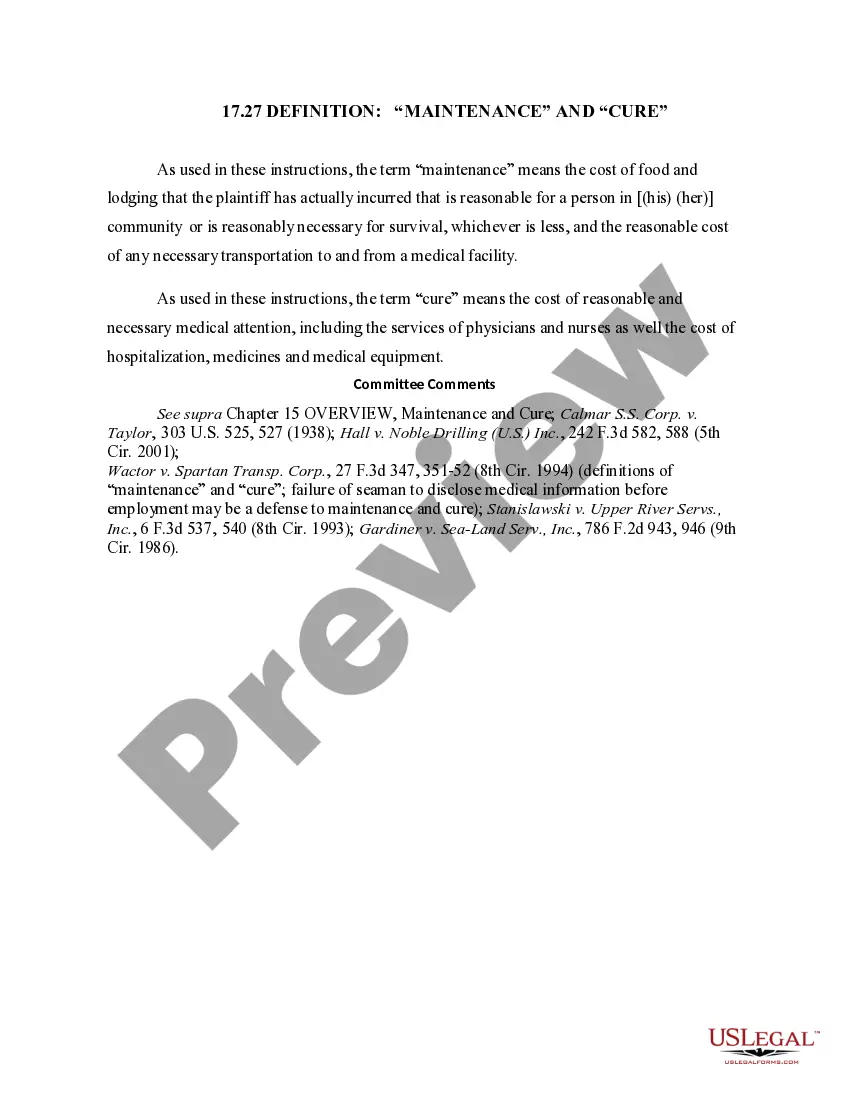
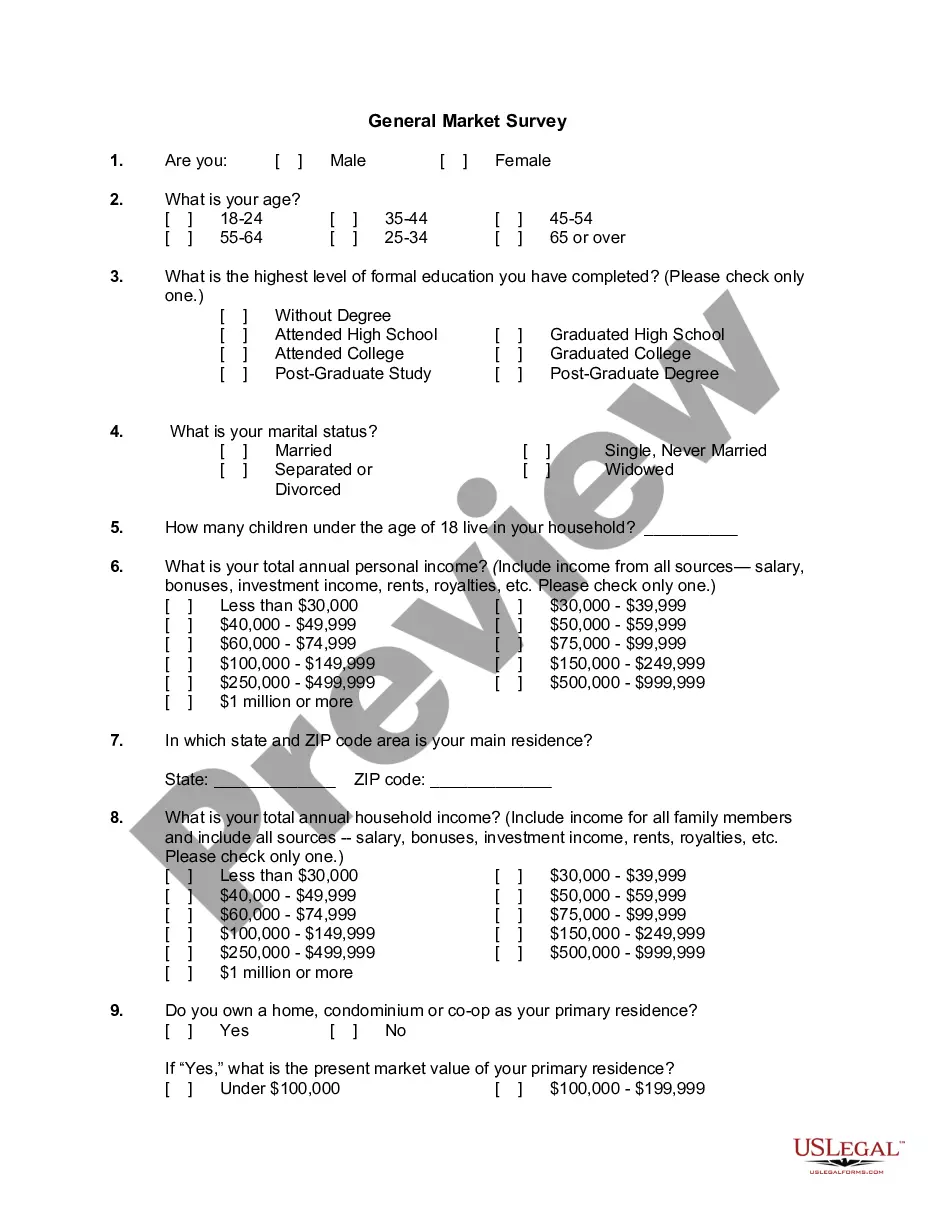
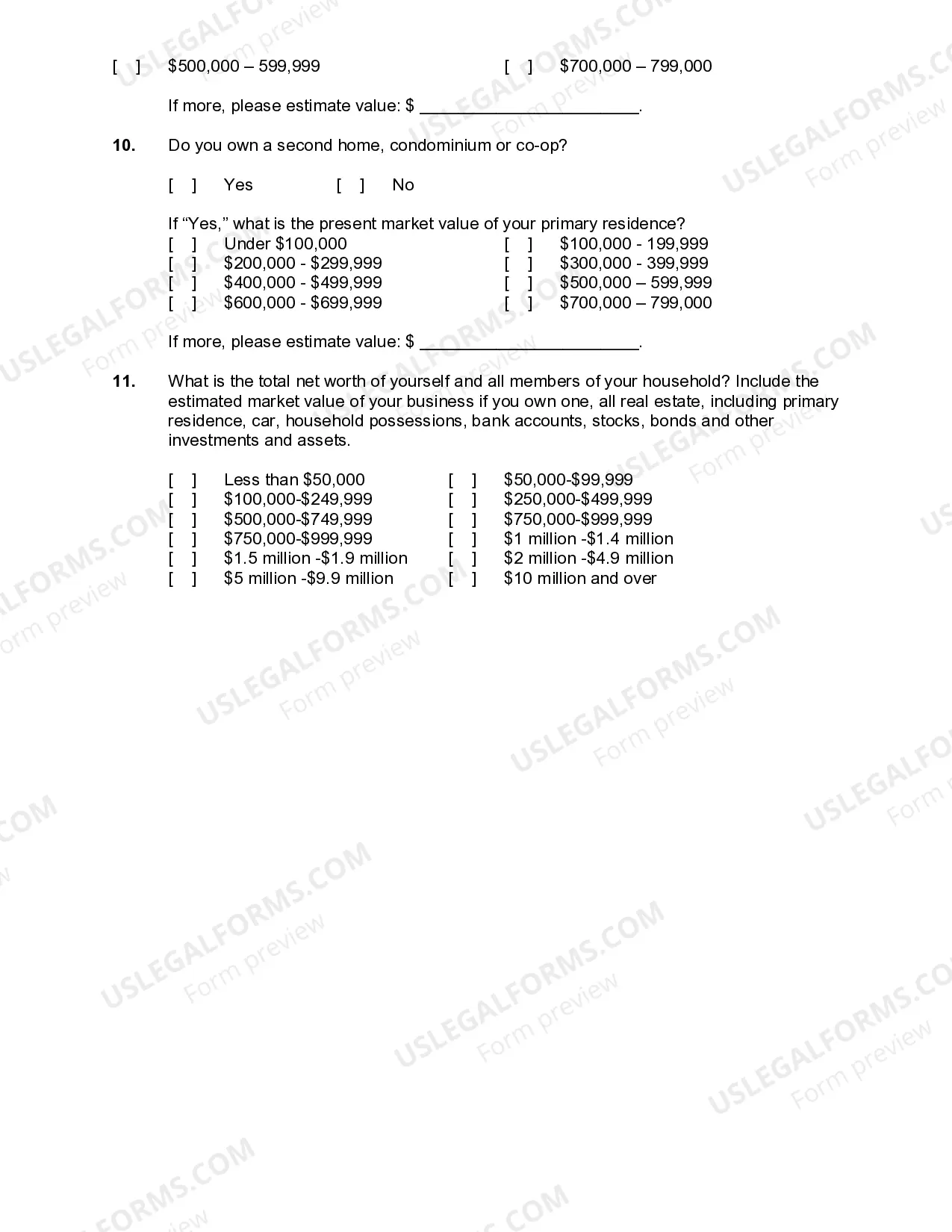
Iowa General Market Survey
Description

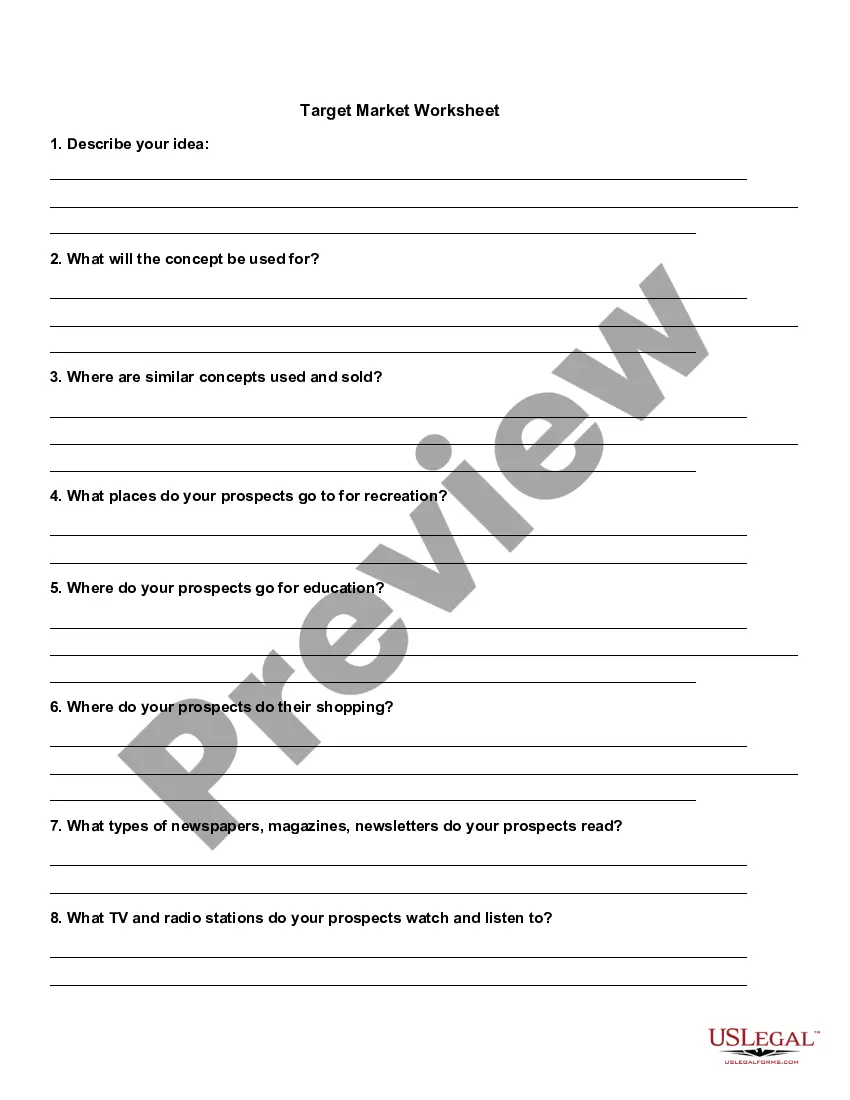
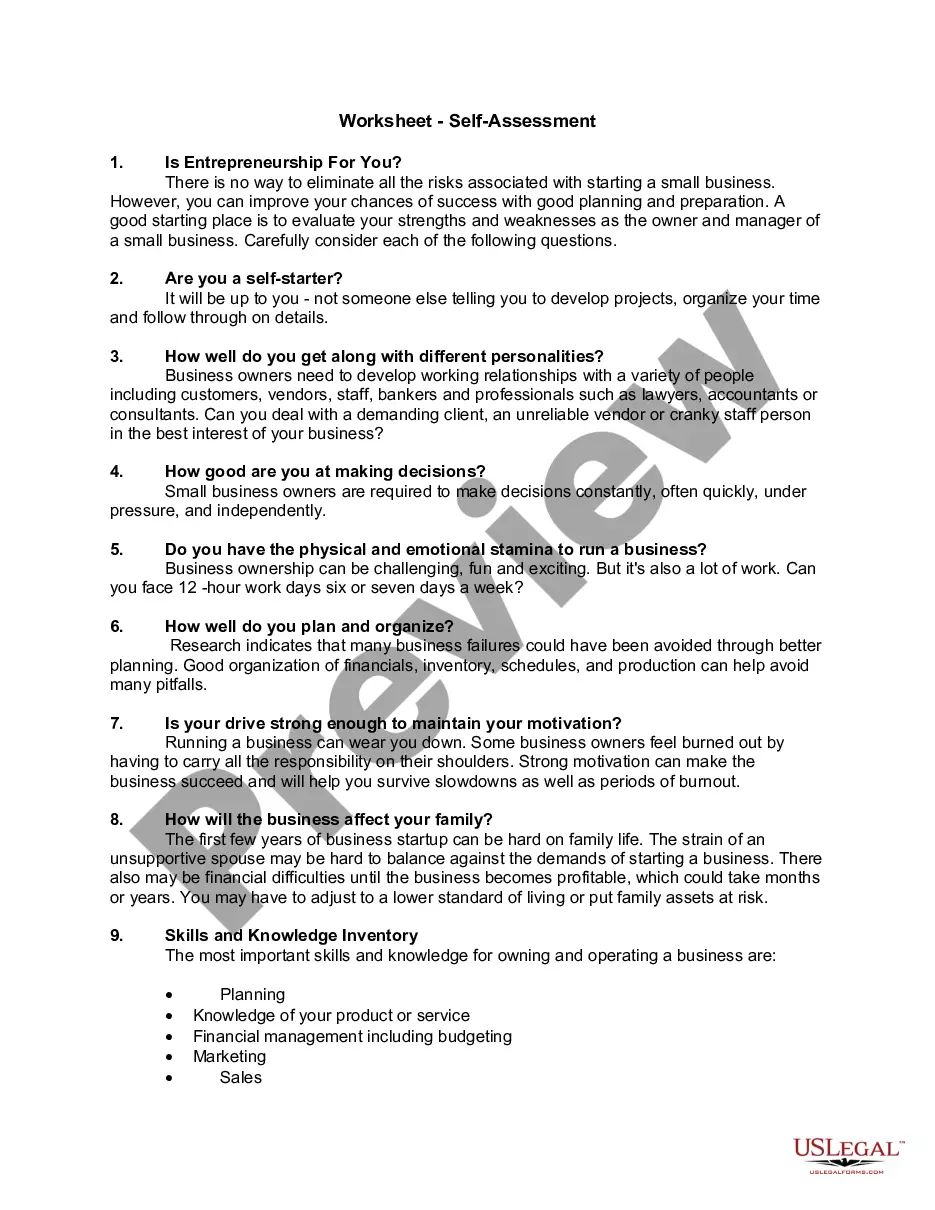
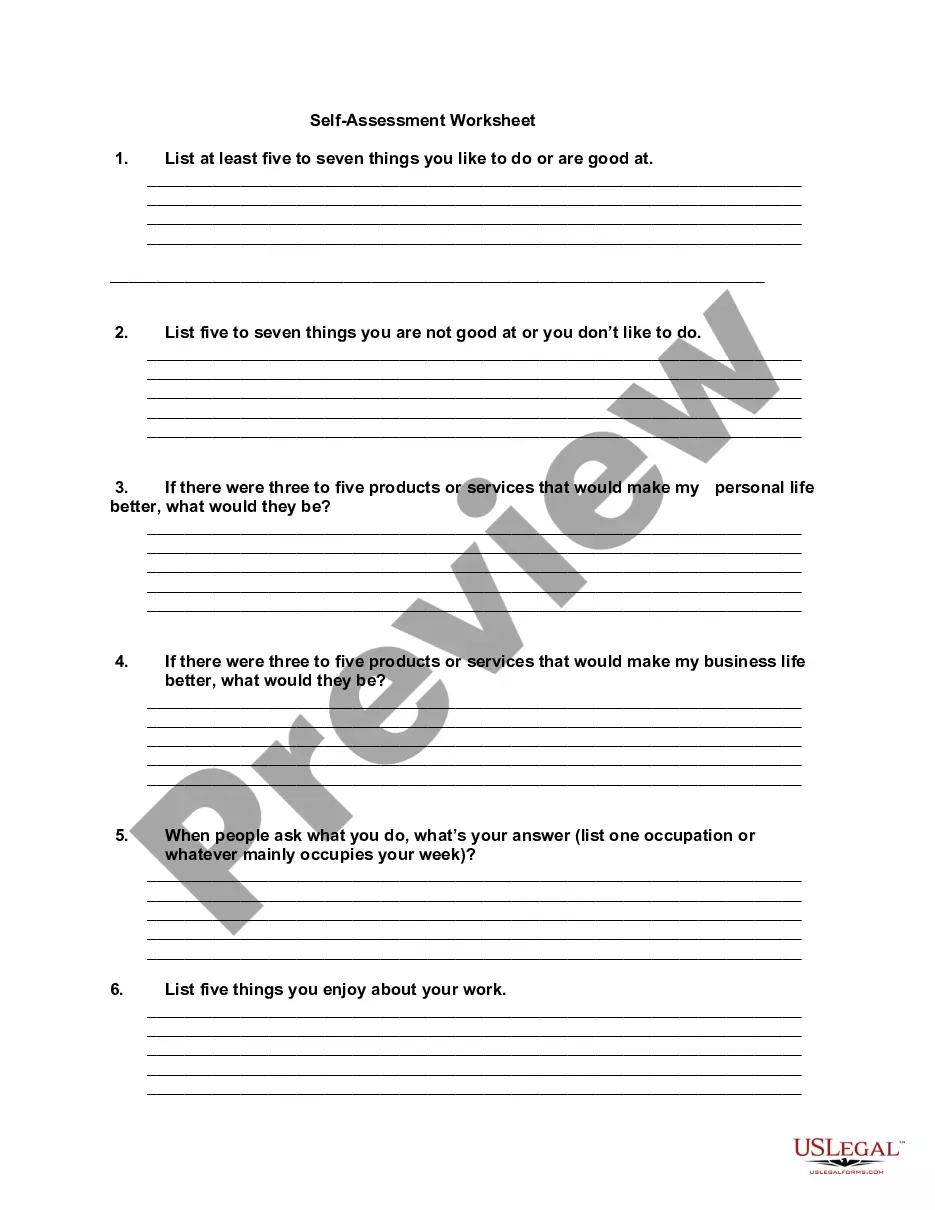
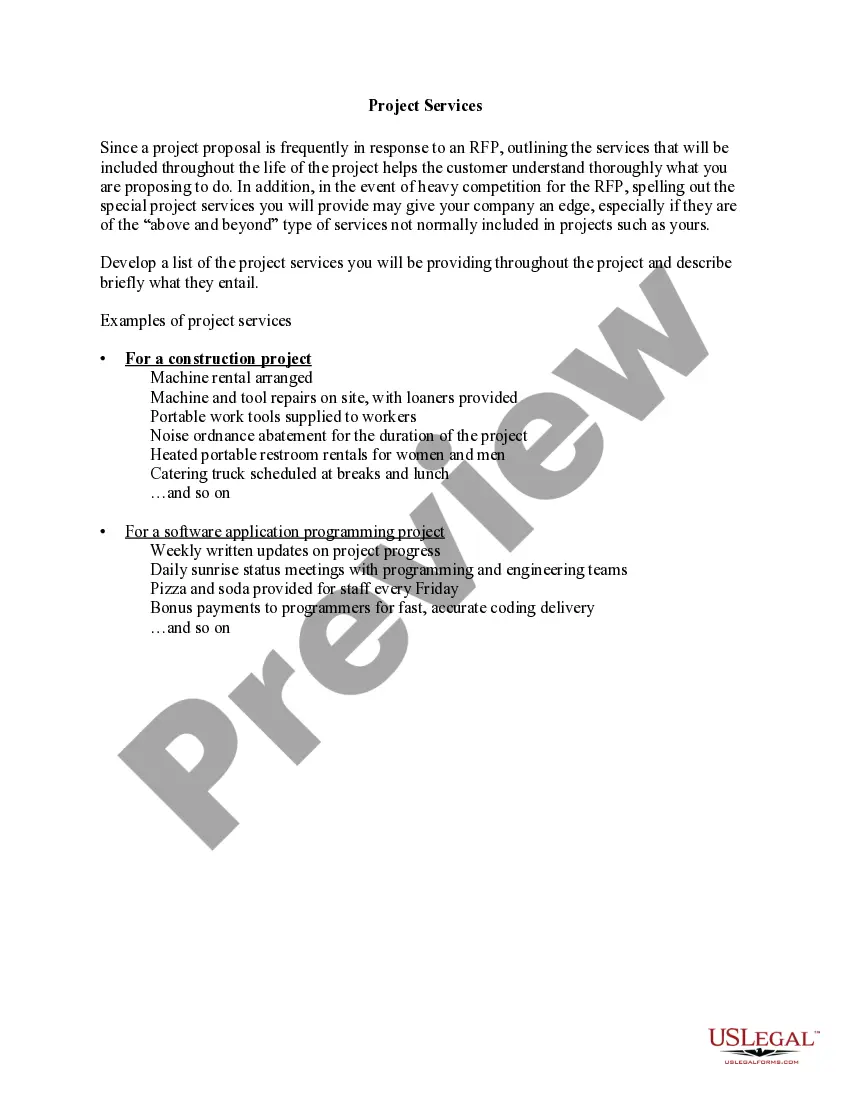
Get your form ready online
Our built-in tools help you complete, sign, share, and store your documents in one place.
Make edits, fill in missing information, and update formatting in US Legal Forms—just like you would in MS Word.
Download a copy, print it, send it by email, or mail it via USPS—whatever works best for your next step.
Sign and collect signatures with our SignNow integration. Send to multiple recipients, set reminders, and more. Go Premium to unlock E-Sign.
If this form requires notarization, complete it online through a secure video call—no need to meet a notary in person or wait for an appointment.
We protect your documents and personal data by following strict security and privacy standards.

Make edits, fill in missing information, and update formatting in US Legal Forms—just like you would in MS Word.

Download a copy, print it, send it by email, or mail it via USPS—whatever works best for your next step.

Sign and collect signatures with our SignNow integration. Send to multiple recipients, set reminders, and more. Go Premium to unlock E-Sign.

If this form requires notarization, complete it online through a secure video call—no need to meet a notary in person or wait for an appointment.

We protect your documents and personal data by following strict security and privacy standards.
Looking for another form?


How to fill out General Market Survey?
If you need to finalize, obtain, or print sanctioned document templates, utilize US Legal Forms, the premier collection of legal forms available online.
Employ the site’s straightforward and user-friendly search tool to find the documents you require.
Numerous templates for business and personal purposes are organized by categories and states or keywords. Use US Legal Forms to locate the Iowa General Market Survey in just a few clicks.
Every legal document template you purchase is yours forever. You have access to every form you downloaded in your account. Click the My documents section and select a form to print or download again.
Stay competitive and download, and print the Iowa General Market Survey with US Legal Forms. There are thousands of professional and state-specific forms you can utilize for your business or personal needs.
- If you are an existing US Legal Forms user, Log In to your account and click the Download button to obtain the Iowa General Market Survey.
- You can also access forms you have previously downloaded in the My documents section of your account.
- If you are using US Legal Forms for the first time, follow these steps.
- Step 1. Ensure you have selected the form for the correct city/state.
- Step 2. Use the Review feature to check the form's content. Be sure to review the details.
- Step 3. If you are not satisfied with the template, use the Search field at the top of the screen to find other versions of the legal document template.
- Step 4. Once you have located the form you need, click the Download now button. Select the pricing plan you prefer and enter your details to register for an account.
- Step 5. Complete the transaction. You may use your credit card or PayPal account to finalize the payment.
- Step 6. Choose the format of the legal document and download it to your device.
- Step 7. Complete, modify, and print or sign the Iowa General Market Survey.
Form popularity
FAQ
The seven basic questions in market research often include inquiries about consumer preferences, satisfaction, and trends. For the Iowa General Market Survey, focus on understanding what drives your audience’s decisions, their spending habits, and the effectiveness of your product or service. These foundational queries will guide your analysis and help shape your strategies.
To conduct a market survey effectively, begin by defining your target market for the Iowa General Market Survey. Design a survey that is straightforward and engaging, then share it via email, social media, or other platforms to reach your audience. Collect and assess the responses, allowing you to gain valuable insights into consumer preferences.
Running a market survey involves several steps. First, define your goals and the specific data you want to collect for the Iowa General Market Survey. Next, create a structured questionnaire and distribute it through appropriate channels. Finally, analyze the data to derive meaningful conclusions that will support your business decisions.
To qualify for the Iowa General Market Survey, businesses should define their target audience clearly. You must gather relevant demographic information such as age, location, and purchasing behavior. This data helps create accurate profiles that will yield insightful results from your market research.
The steps taken for an Iowa General Market Survey are integral to ensuring quality results. First, establish your goals for the survey. Next, select your target market segment and methodology for data collection. After gathering responses, analyze the data thoroughly and summarize your key findings in a report that informs your business strategy.
The marketing research process related to the Iowa General Market Survey typically includes seven critical steps. Start by identifying the problem you want to solve, followed by gathering relevant information. Next, analyze the data and interpret your findings. After that, present your conclusions and recommendations, then take action based on this research.
The eight steps of an effective Iowa General Market Survey cover the process from start to finish. Begin by defining your purpose and objectives. Next, conduct background research, identify your target audience, develop your survey questions, choose a method of distribution, collect data, analyze results, and finally, report your findings to stakeholders.
There are four primary types of market surveys you might consider in the Iowa General Market Survey. These include customer satisfaction surveys, product usage surveys, brand awareness surveys, and competitive analysis surveys. Each type serves a unique purpose and can provide different insights to enhance your business strategy.
Completing an Iowa General Market Survey involves several systematic steps. After designing your survey questions, distribute it to your target audience using your chosen method. Once you collect the responses, analyze the data to draw meaningful conclusions. Finally, communicate your findings in a structured report to guide your next steps.
Preparing a market survey report starts with gathering and organizing your data from the Iowa General Market Survey. Include summaries of your findings, visual representations like graphs or charts, and interpret the data clearly. Ensure your report addresses your original objectives and offers actionable insights for decision-making.