Idaho Grant Deed
Overview of this form
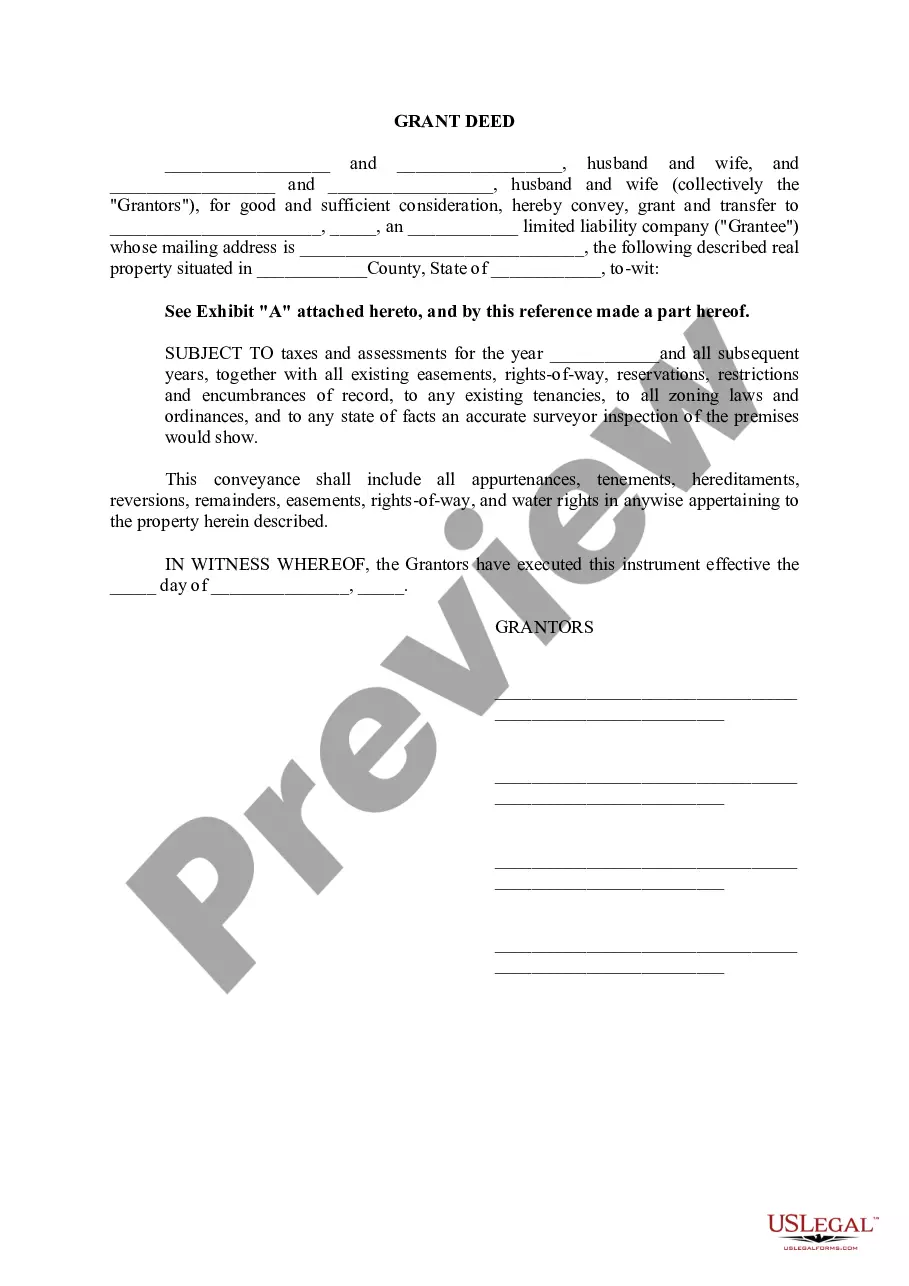
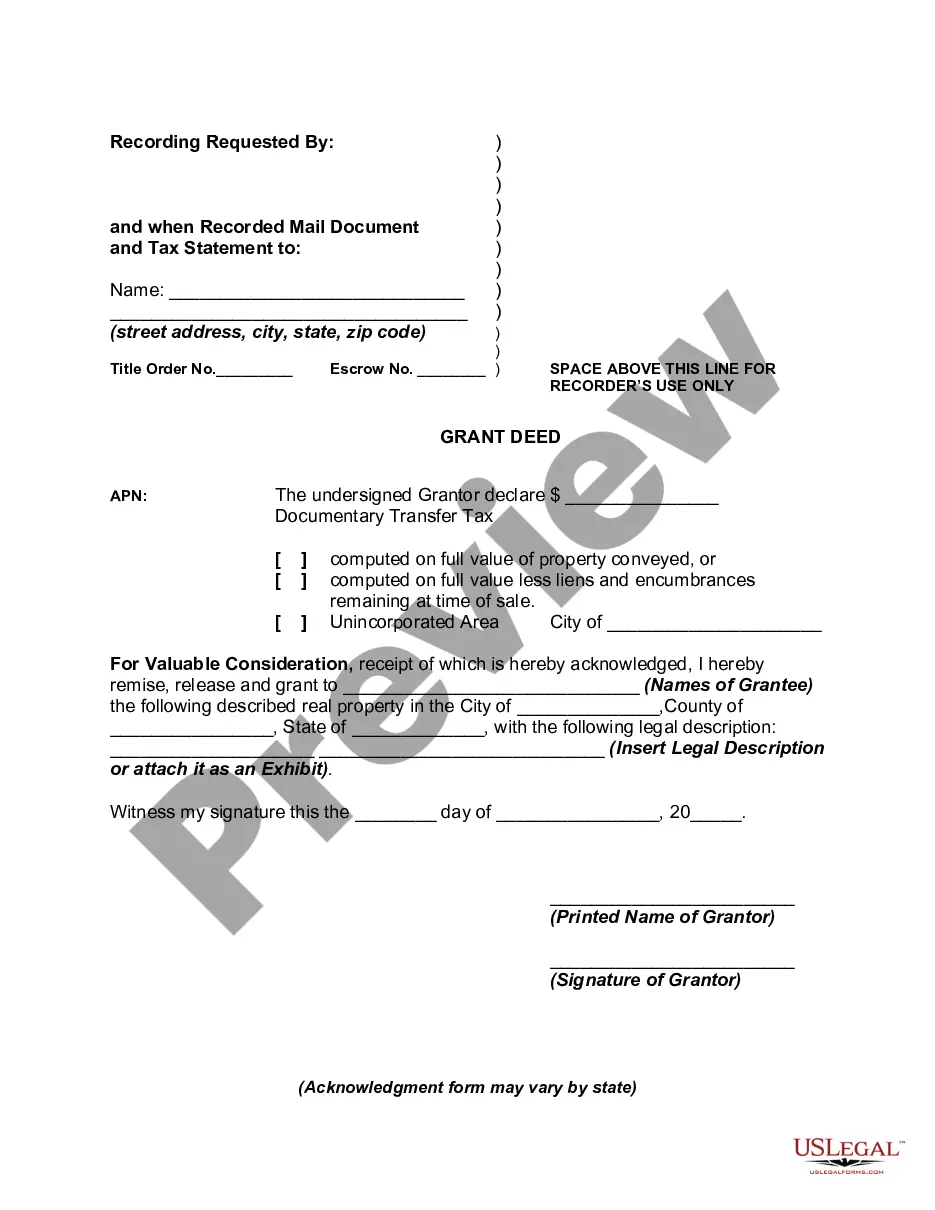
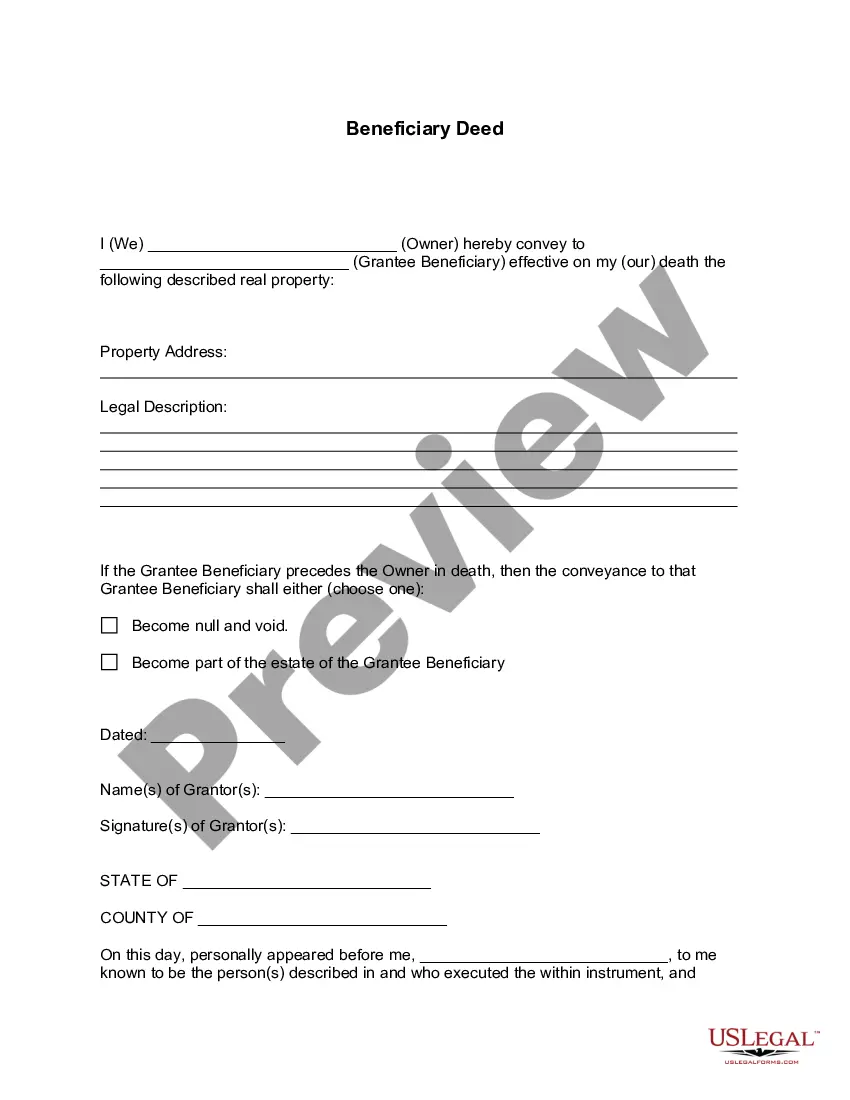
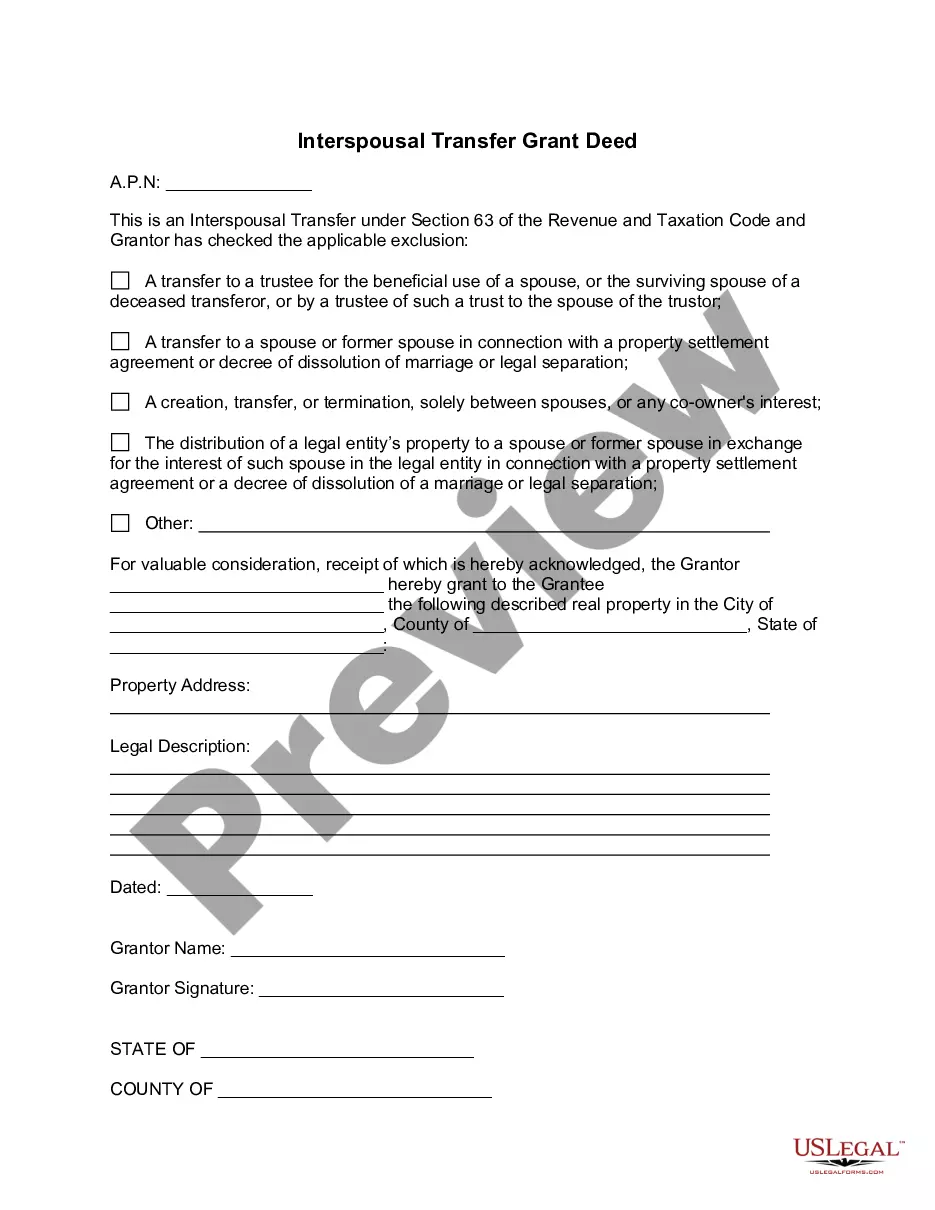
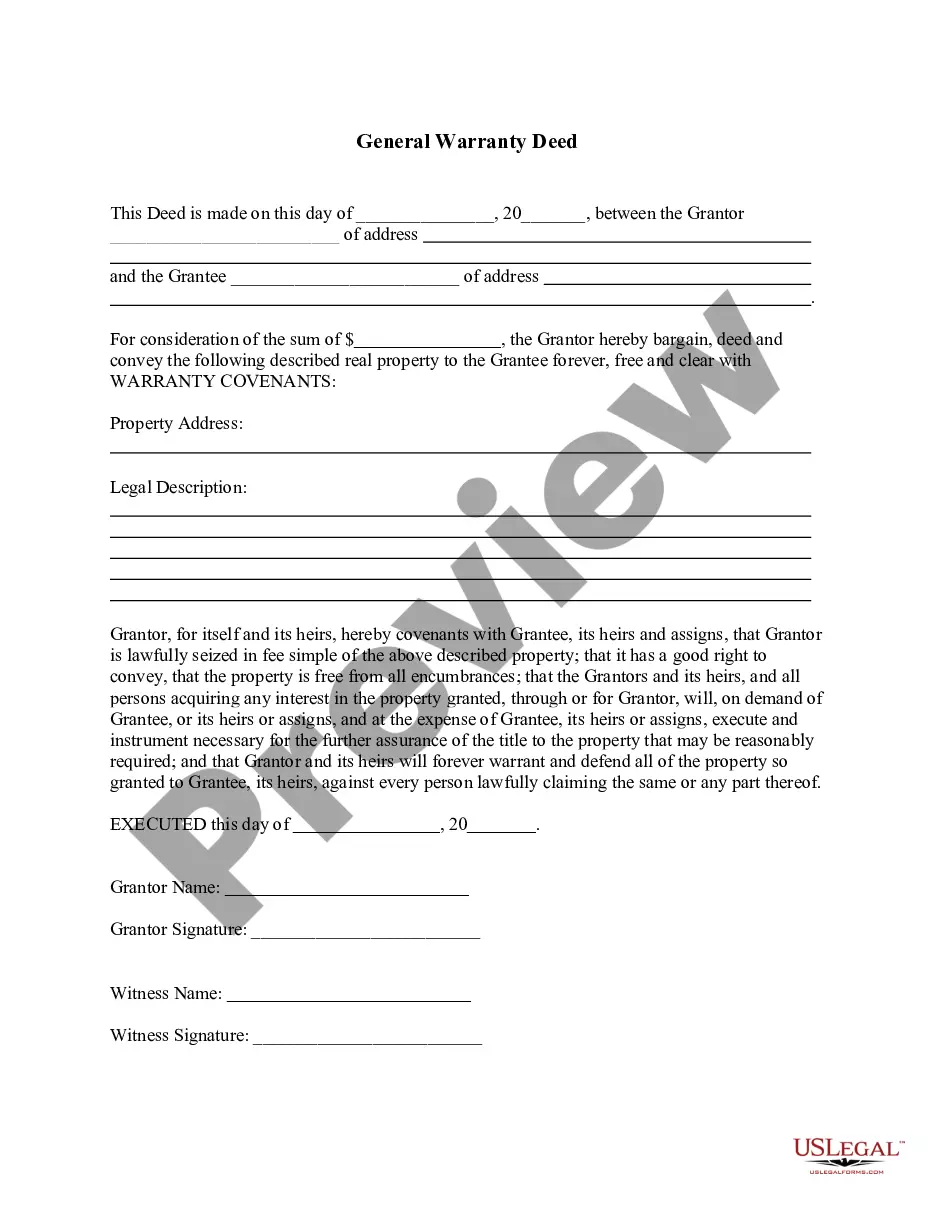
A grant deed is a legal document used to transfer ownership of real estate from one party (the grantor) to another (the grantee). Unlike other types of deeds, a grant deed specifically provides certain guarantees about the title, ensuring that the property is free from any undisclosed encumbrances. This form is essential for formally conveying title to land, even when the transfer is a gift.
Main sections of this form
- Names of the grantors and grantee
- Description of the property being transferred
- Details regarding any easements, encumbrances, or existing tenancies
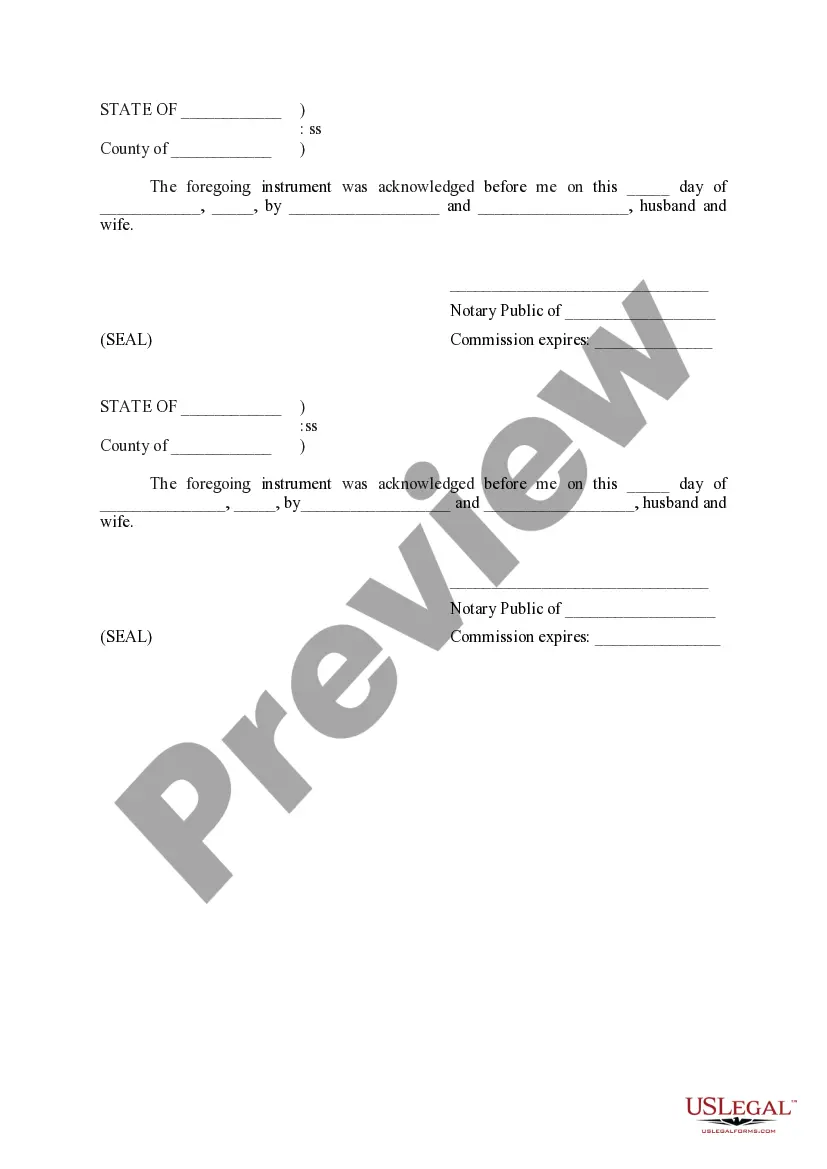
- Signing and notarization requirements
- Reference to an attached exhibit containing detailed property information
When to use this document
This form is used when property owners wish to transfer ownership of real estate, whether as a gift or for consideration. If you are selling or gifting a property, or if you need to ensure the legal transfer of title, this grant deed is necessary.
Who this form is for
Use this form if:
- You are transferring real property to another individual or entity.
- You are a property owner who needs to ensure a clear title transfer.
- You are involved in a real estate transaction where legal documentation is required.
Completing this form step by step
- Identify the full names of the grantors (the current owners) and the grantee (the new owner).
- Specify the legal description of the property being transferred.
- Include any relevant details regarding existing easements or encumbrances.
- Indicate the date of the transfer and ensure signatures from all grantors.
- Affix the necessary notarization to validate the document.
Notarization requirements for this form
Yes, this form must be notarized to be legally valid. Notarization ensures that the signatories are who they claim to be and that they are signing the document willingly. US Legal Forms offers an integrated online notarization service, available 24/7, providing a secure video call to complete your notarization without the need to travel.
Get your form ready online
Our built-in tools help you complete, sign, share, and store your documents in one place.
Make edits, fill in missing information, and update formatting in US Legal Forms—just like you would in MS Word.
Download a copy, print it, send it by email, or mail it via USPS—whatever works best for your next step.
Sign and collect signatures with our SignNow integration. Send to multiple recipients, set reminders, and more. Go Premium to unlock E-Sign.
If this form requires notarization, complete it online through a secure video call—no need to meet a notary in person or wait for an appointment.
We protect your documents and personal data by following strict security and privacy standards.

Make edits, fill in missing information, and update formatting in US Legal Forms—just like you would in MS Word.

Download a copy, print it, send it by email, or mail it via USPS—whatever works best for your next step.

Sign and collect signatures with our SignNow integration. Send to multiple recipients, set reminders, and more. Go Premium to unlock E-Sign.

If this form requires notarization, complete it online through a secure video call—no need to meet a notary in person or wait for an appointment.

We protect your documents and personal data by following strict security and privacy standards.
Avoid these common issues
- Failing to provide a clear legal description of the property.
- Not including all required signatures from grantors.
- Neglecting to have the document notarized.
- Omitting necessary disclosures about encumbrances or tenancies.
Summary of main points
- A grant deed is necessary for transferring real property ownership legally.
- Ensure all details about the property and parties involved are accurate and complete.
- Notarization is required for the deed to be valid.
- Consult specific state laws for any additional requirements that may apply.
Looking for another form?
Form popularity
FAQ
Contrary to normal expectations, the Deed DOES NOT have to be recorded to be effective or to show delivery, and because of that, the Deed DOES NOT have to be signed in front of a Notary Public. However, if you plan to record it, then it does have to be notarized as that is a County Recorder requirement.
Updated November 9, 2020. Quitclaim deeds in Idaho allow a property's owner, known as a grantor, to convey rights and interest in a property to someone else, known as a grantee, without any guarantees.
Quitclaim Deed. Deed of Trust. Warranty Deed. Grant Deed. Bargain and Sale Deed. Mortgage Deed.
Three basic types of deeds commonly used are the grant deed, the quitclaim deed, and the warranty deed. A sample grant deed. the property he or she is transferring is implied from such language.
A deed of sale is also called a property title. It is an authentic deed drafted and signed by a public officer, generally a notary, which makes mention of the legal situation of the building and its nature. For more definitions, consult the real estate glossary of leshypotheques.com.
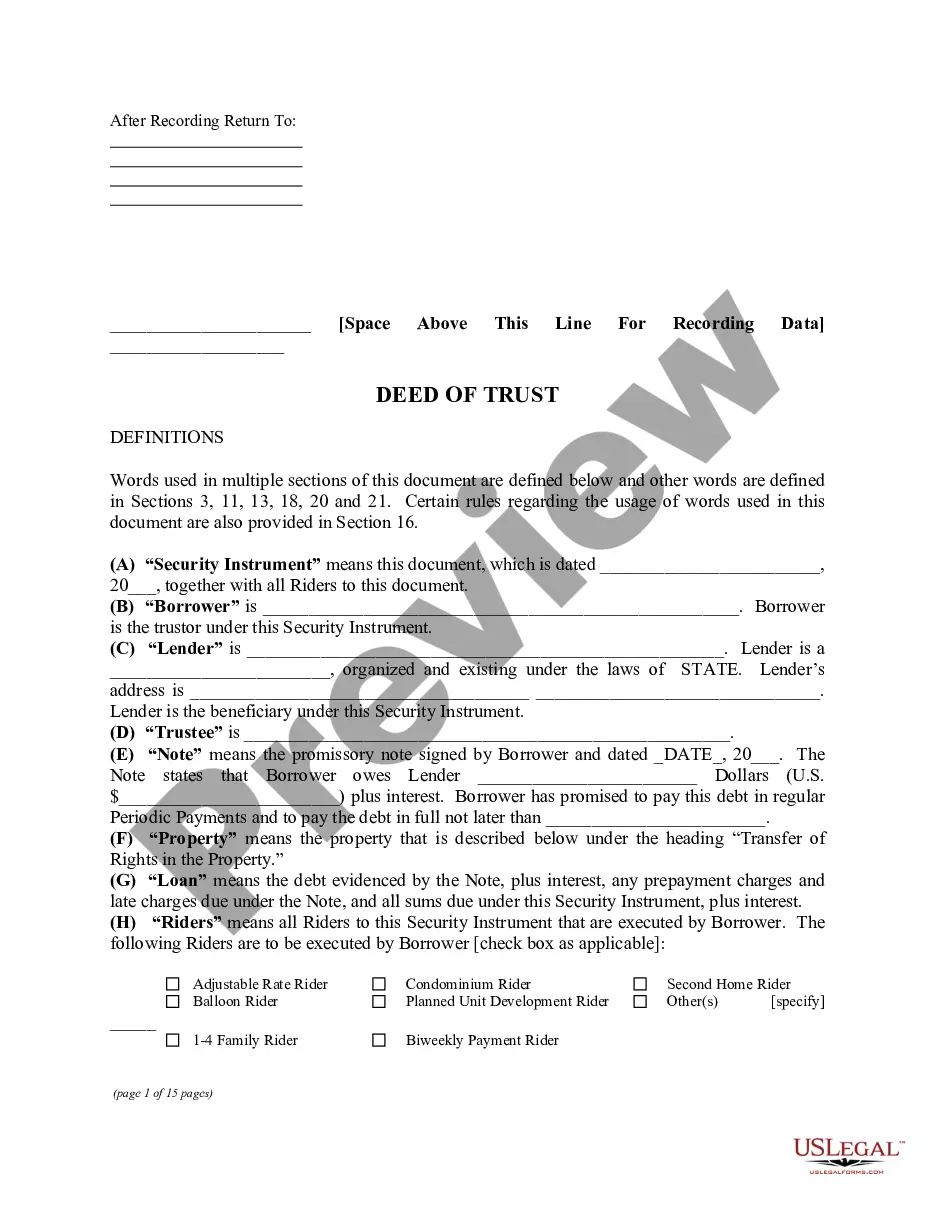
A grant deed is the instrument used to transfer title to an interest in real property from one owner to someone else.A deed of trust is the security instrument given to a lender to secure a loan or other obligation. Bare naked title is deeded to the trustee, who holds the power of sale or the power to re-convey.
The seller or the seller's broker will hire an attorney to prepare the real estate deed to ensure that all of the requirements in the creation of a valid deed are met before the seller conveys title to the property. All real estate deeds must be in writing.
A grant deed (also known as a special warranty deed) is a property deed that makes two guarantees: The property has not been sold to anyone else. The house is not under any liens or restrictions that have not already been disclosed to the buyer.
When you own a home, you own both the deed and title for that property. In real estate, title means you have ownership and a right to use the property.The deed is the physical legal document that transfers ownership. It shows who you bought your house from, and when you sell it, it shows who you sold it to.