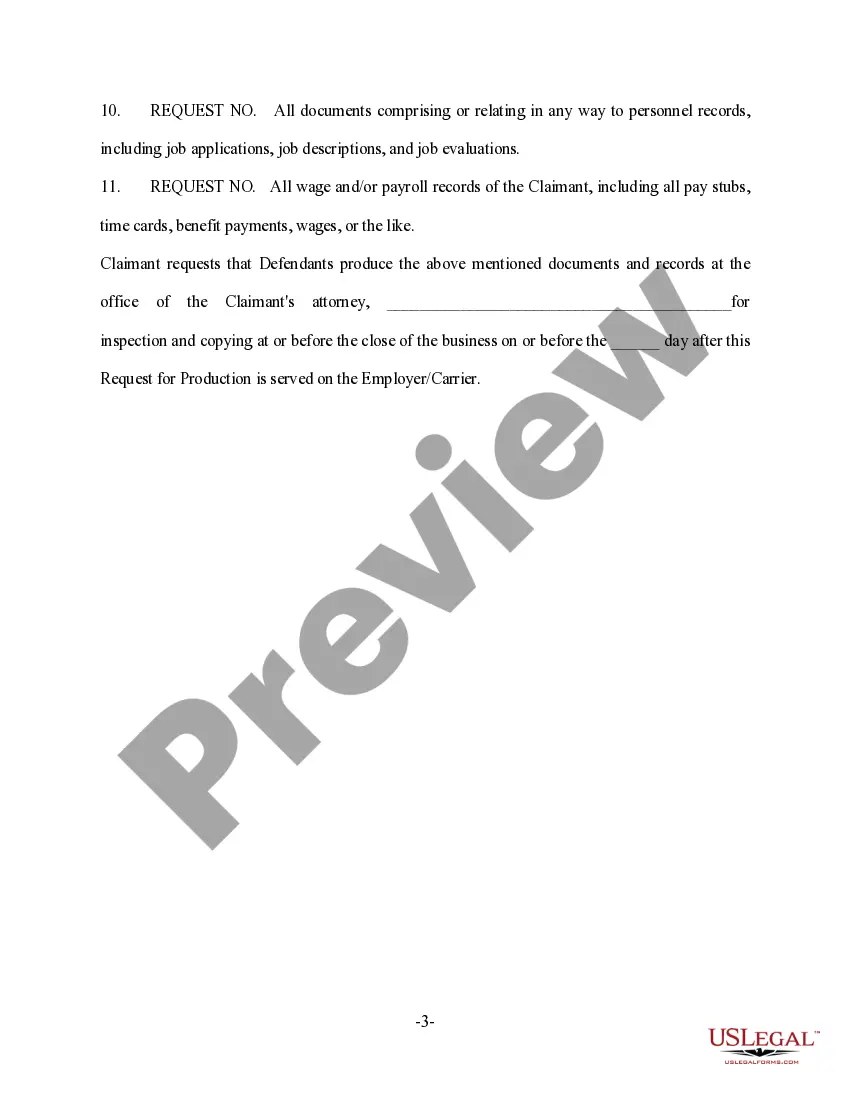
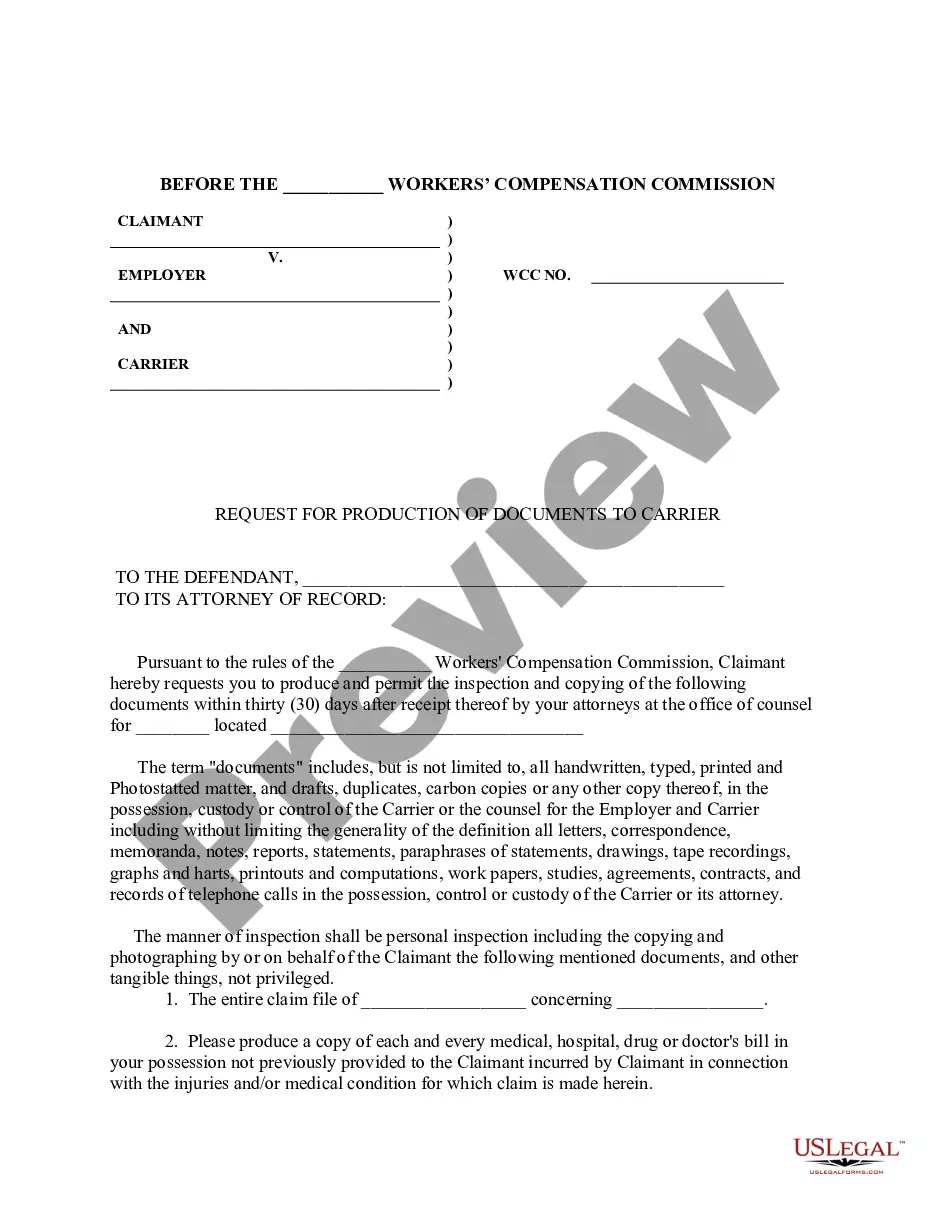
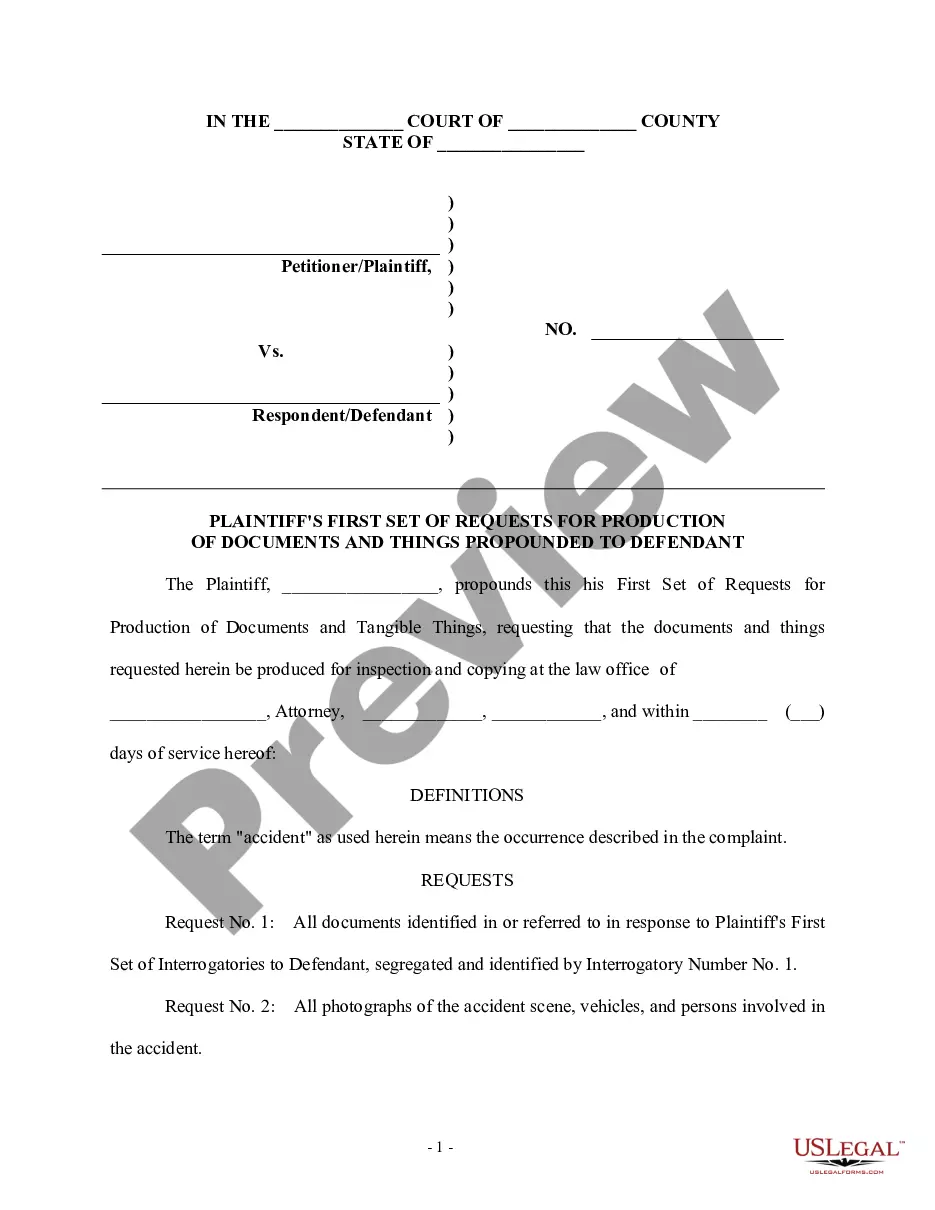
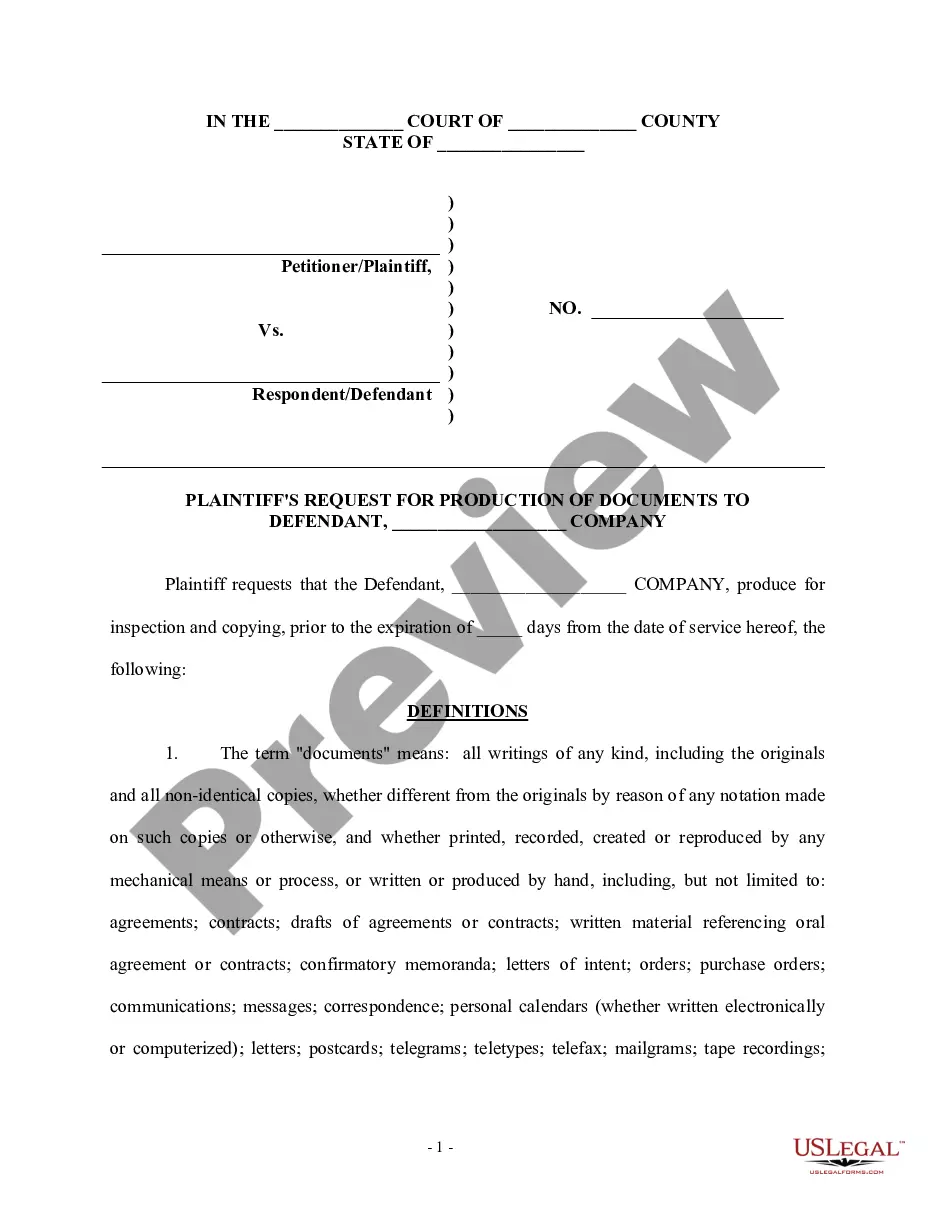
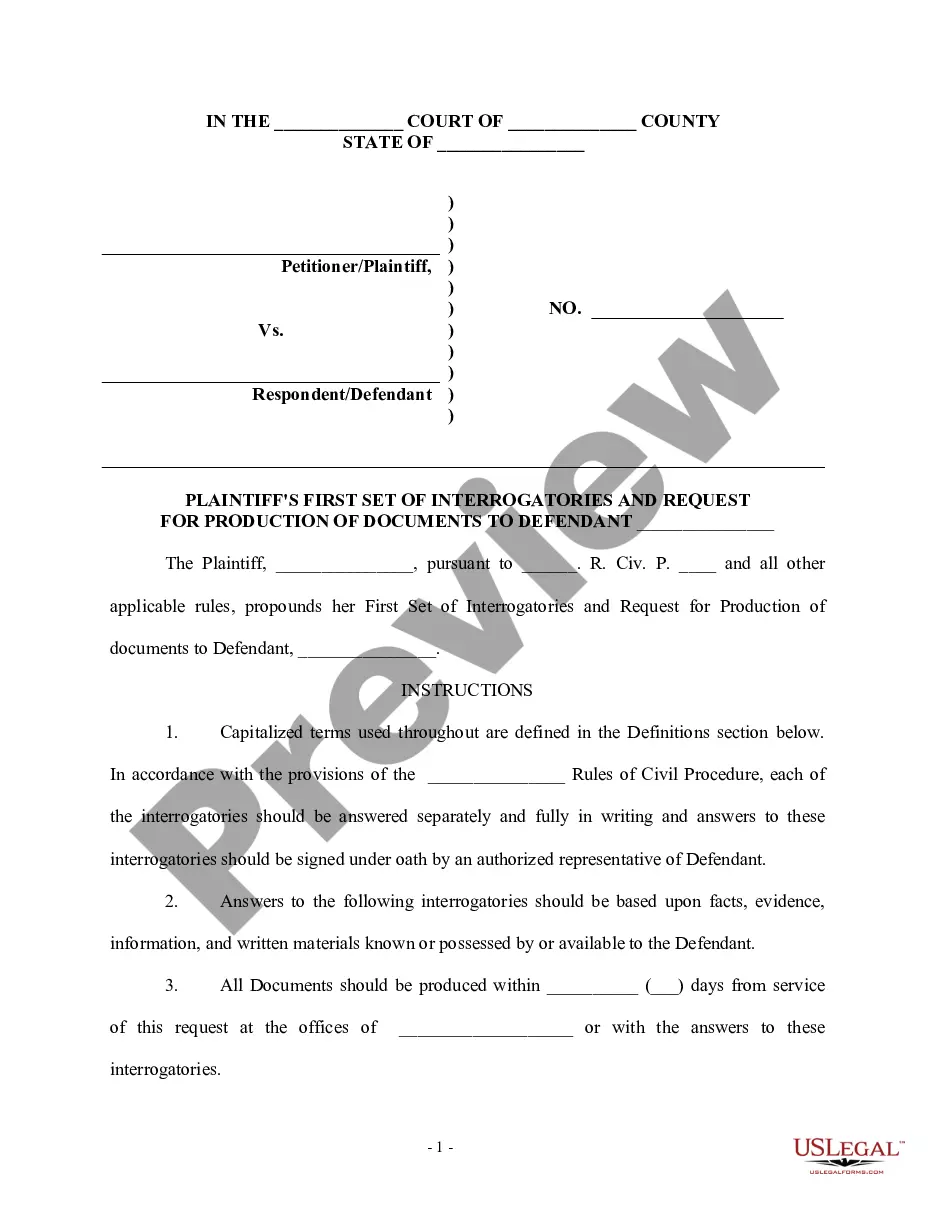
Idaho Claimant's First Set of Requests for Production
Description
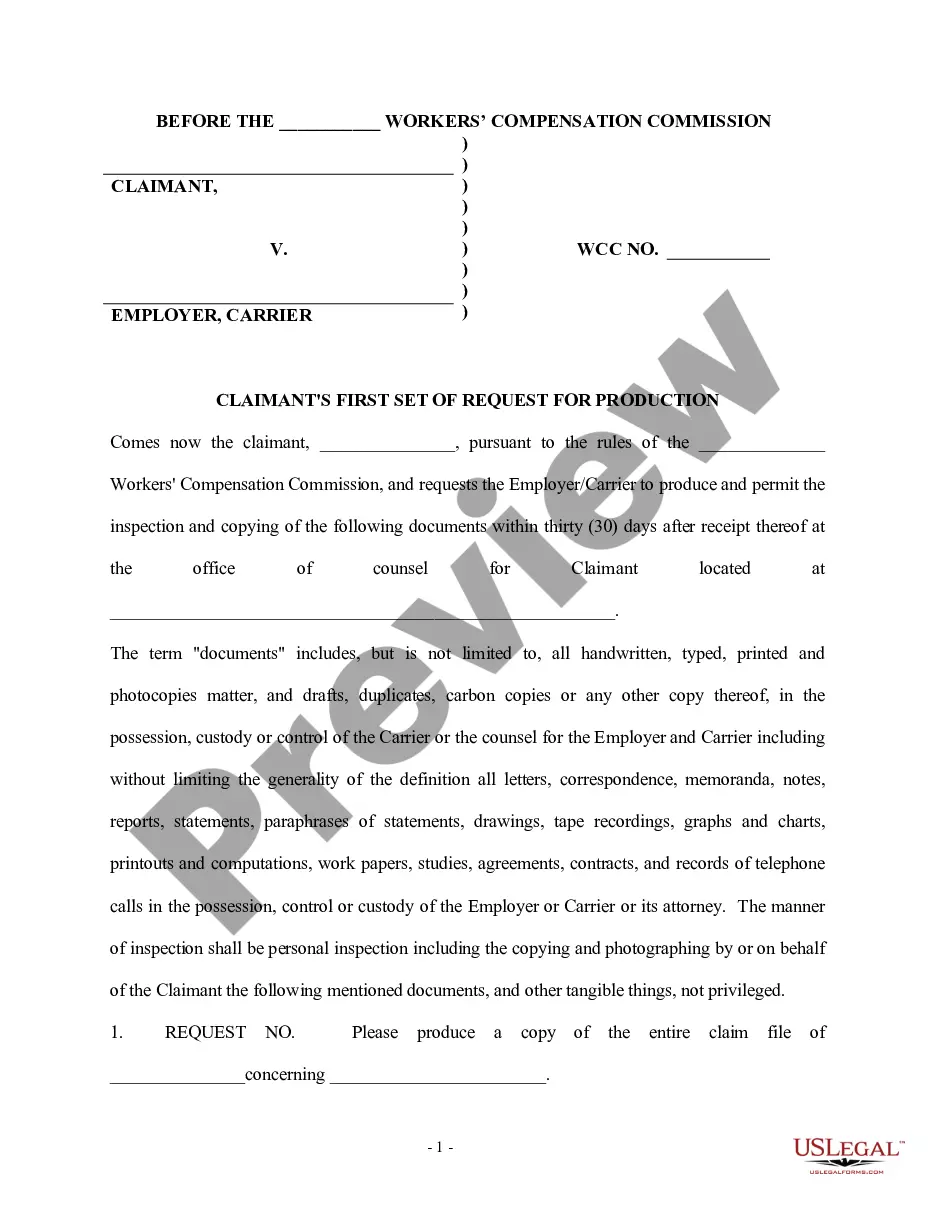
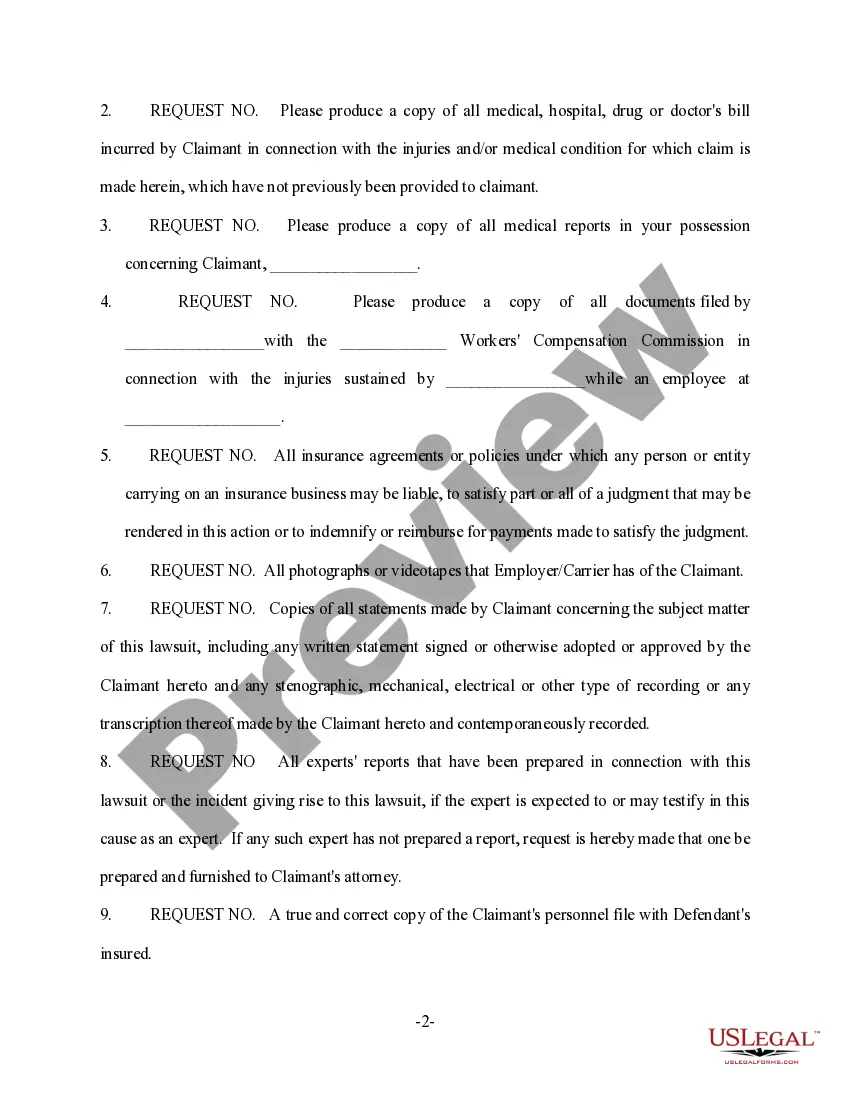
Get your form ready online
Our built-in tools help you complete, sign, share, and store your documents in one place.
Make edits, fill in missing information, and update formatting in US Legal Forms—just like you would in MS Word.
Download a copy, print it, send it by email, or mail it via USPS—whatever works best for your next step.
Sign and collect signatures with our SignNow integration. Send to multiple recipients, set reminders, and more. Go Premium to unlock E-Sign.
If this form requires notarization, complete it online through a secure video call—no need to meet a notary in person or wait for an appointment.
We protect your documents and personal data by following strict security and privacy standards.
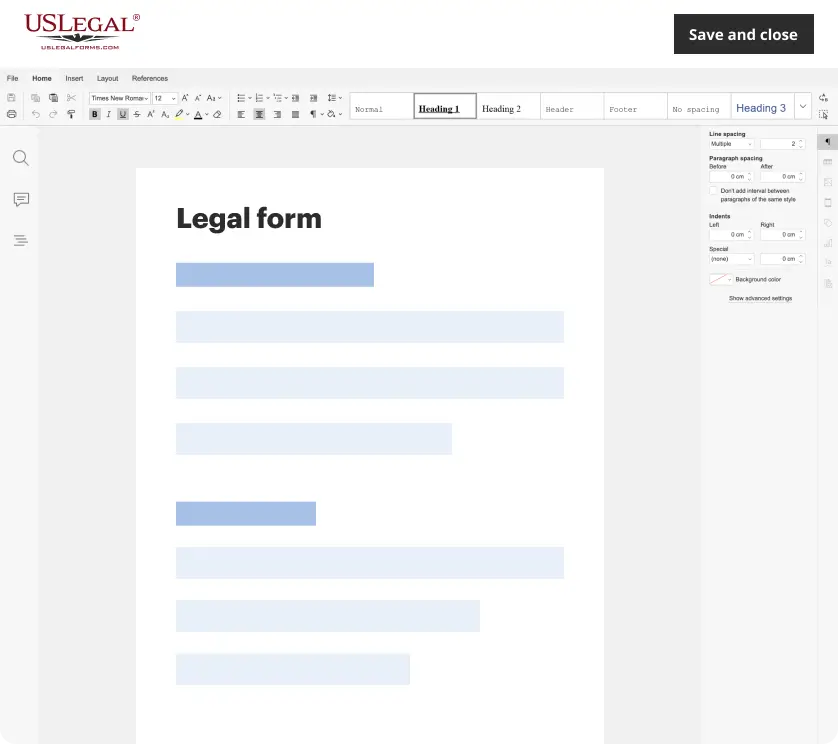
Make edits, fill in missing information, and update formatting in US Legal Forms—just like you would in MS Word.
Download a copy, print it, send it by email, or mail it via USPS—whatever works best for your next step.
Sign and collect signatures with our SignNow integration. Send to multiple recipients, set reminders, and more. Go Premium to unlock E-Sign.

If this form requires notarization, complete it online through a secure video call—no need to meet a notary in person or wait for an appointment.
We protect your documents and personal data by following strict security and privacy standards.
Looking for another form?
How to fill out Claimant's First Set Of Requests For Production?
Selecting the optimal authentic document format can be a challenge. Clearly, there are numerous templates accessible online, but how will you secure the genuine type you need? Utilize the US Legal Forms website. The service offers thousands of templates, including the Idaho Claimant's First Set of Requests for Production, that you can apply for business and personal needs. All of the forms are verified by experts and meet federal and state requirements.
If you are already registered, Log In to your account and click on the Download button to obtain the Idaho Claimant's First Set of Requests for Production. Use your account to browse through the authentic forms you may have purchased previously. Navigate to the My documents tab of your account and retrieve another copy of the document you need.
If you are a new user of US Legal Forms, here are simple steps for you to follow: First, ensure you have chosen the correct form for your city/state. You can browse the form using the Review button and read the form description to confirm this is the right one for you. If the form does not meet your needs, use the Search field to find the appropriate form. Once you are certain that the form is suitable, click the Get now button to obtain the form. Select the pricing plan you prefer and enter the required information. Create your account and pay for your order using your PayPal account or Visa or Mastercard. Choose the file format and download the authentic document to your device. Complete, edit, print, and sign the acquired Idaho Claimant's First Set of Requests for Production.
- US Legal Forms is the largest repository of authentic forms where you can find a variety of document templates.
- Utilize the service to access professionally crafted documents that adhere to state regulations.
- The platform offers ease of use for both new and existing users.
- All documents are reviewed for compliance with legal standards.
- Files are available in multiple formats to suit your needs.
- Secure your legal documents efficiently and effectively.
Form popularity
FAQ
Interrogatories, which are written questions about things that are relevant or important to the case. (NRCP 33; JCRCP 33) Requests for production of documents or things, which are written requests that demand the other side provide particular documents or items. (NRCP 34; JCRCP 34.)
Rule 5(a) of the Idaho Rules of Civil Procedure requires that all pleadings be served upon all parties or attorneys. Proof of service must be provided to the court. Rule 11(a)(1) of the Idaho Rules of Civil Procedure requires that all pleadings be signed by the attorney or party.
After giving any notice it considers appropriate, the court may at any time correct a clerical error in a judgment, order, or other part of the record, or correct an error in the record arising from oversight or omission.
Unless the parties stipulate or the court finds good cause to allow a specific number of requests for production, a party may serve on any other party no more than 40 requests for production. (2) Scope. (ii) any designated tangible things. (B) Entry onto Land for Inspection and Other Purposes.
(B) Protection Against Disclosure. If the court orders discovery of those materials, it must protect against disclosure of the mental impressions, conclusions, opinions, or legal theories of a party's attorney or other representative concerning the litigation.
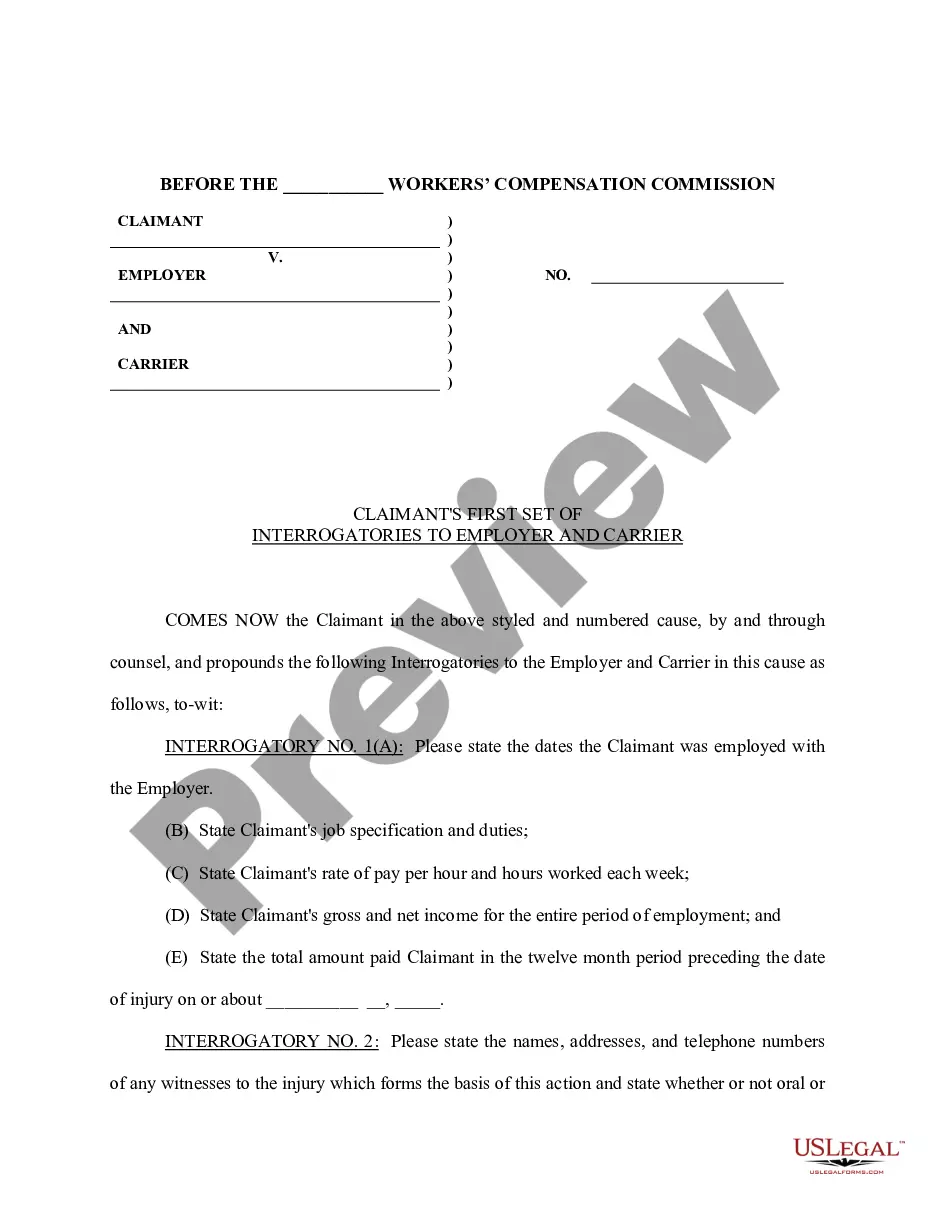
(a) In General. (1) Number. Unless otherwise stipulated or ordered by the court for good cause allowing a specific additional number of interrogatories, a party may serve on any other party no more than 40 written interrogatories, including all discrete subparts.