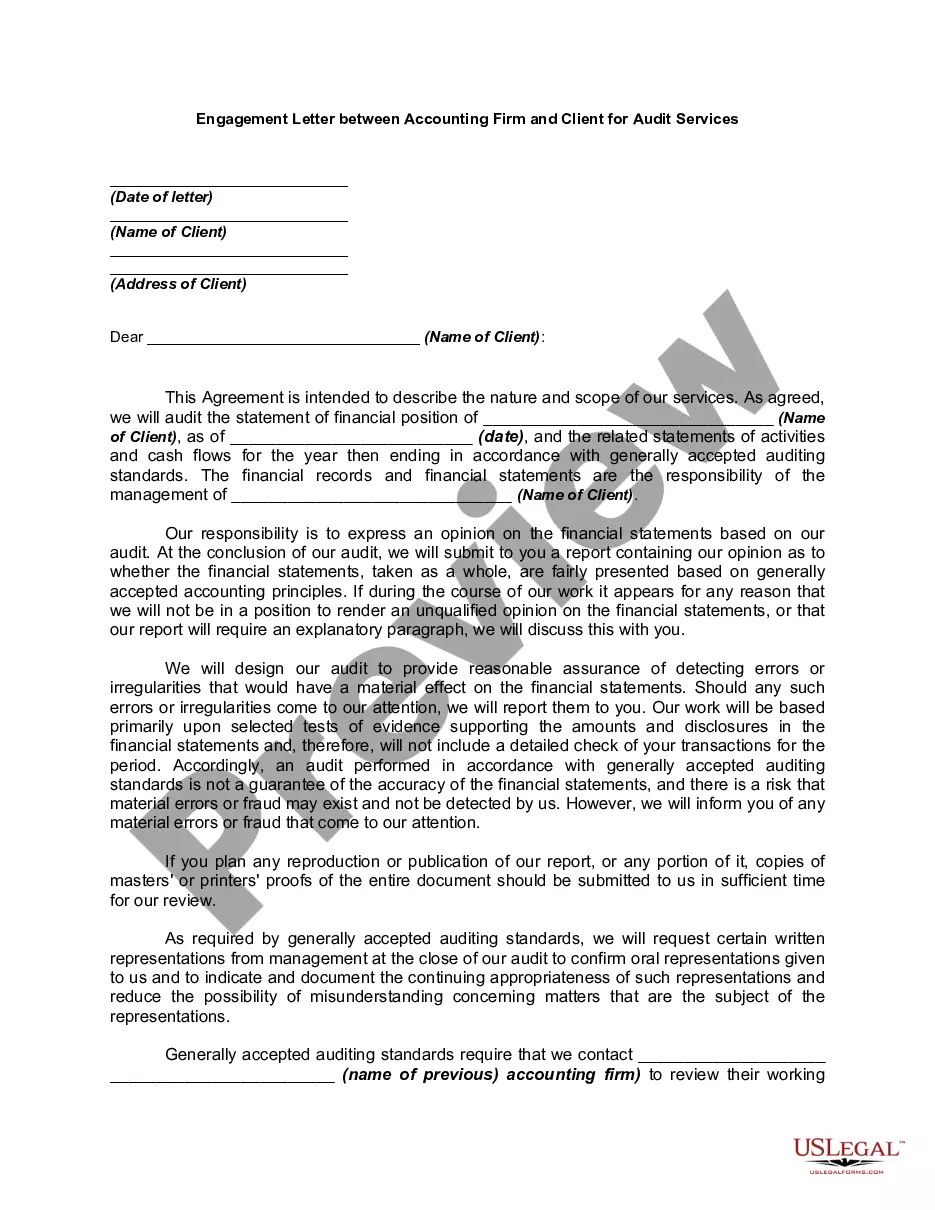
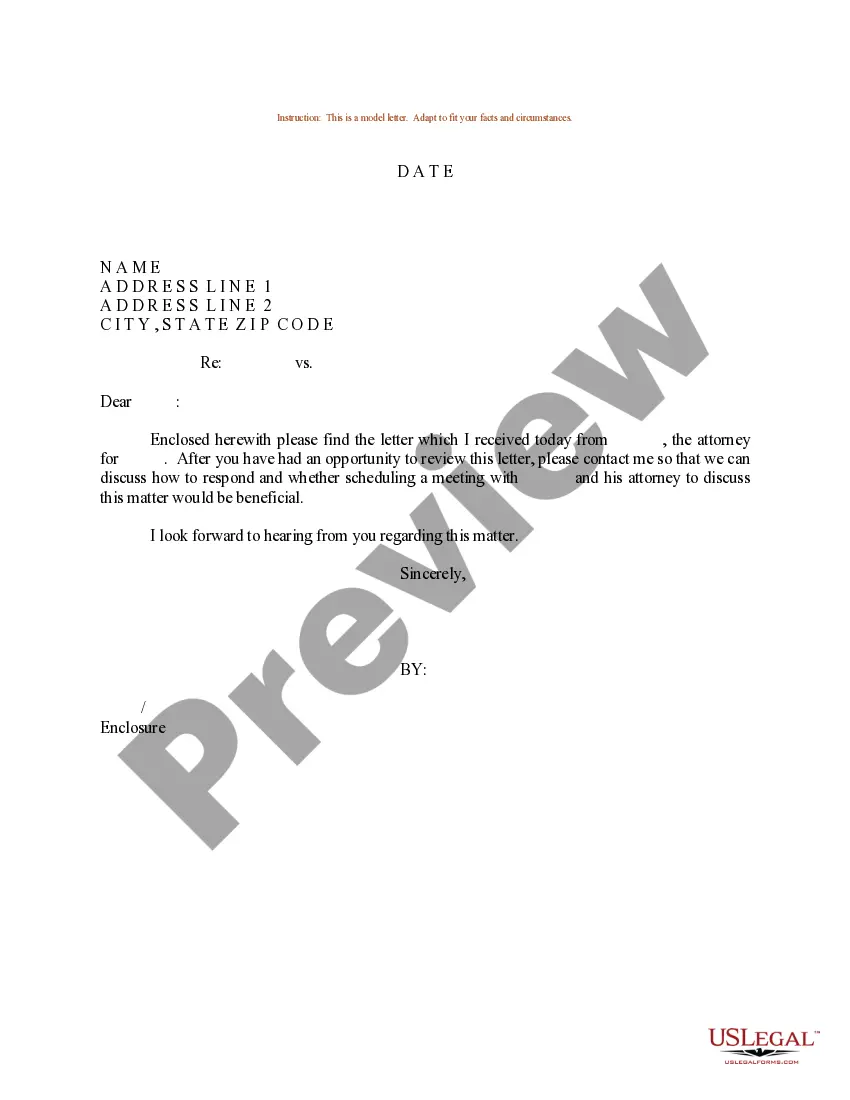
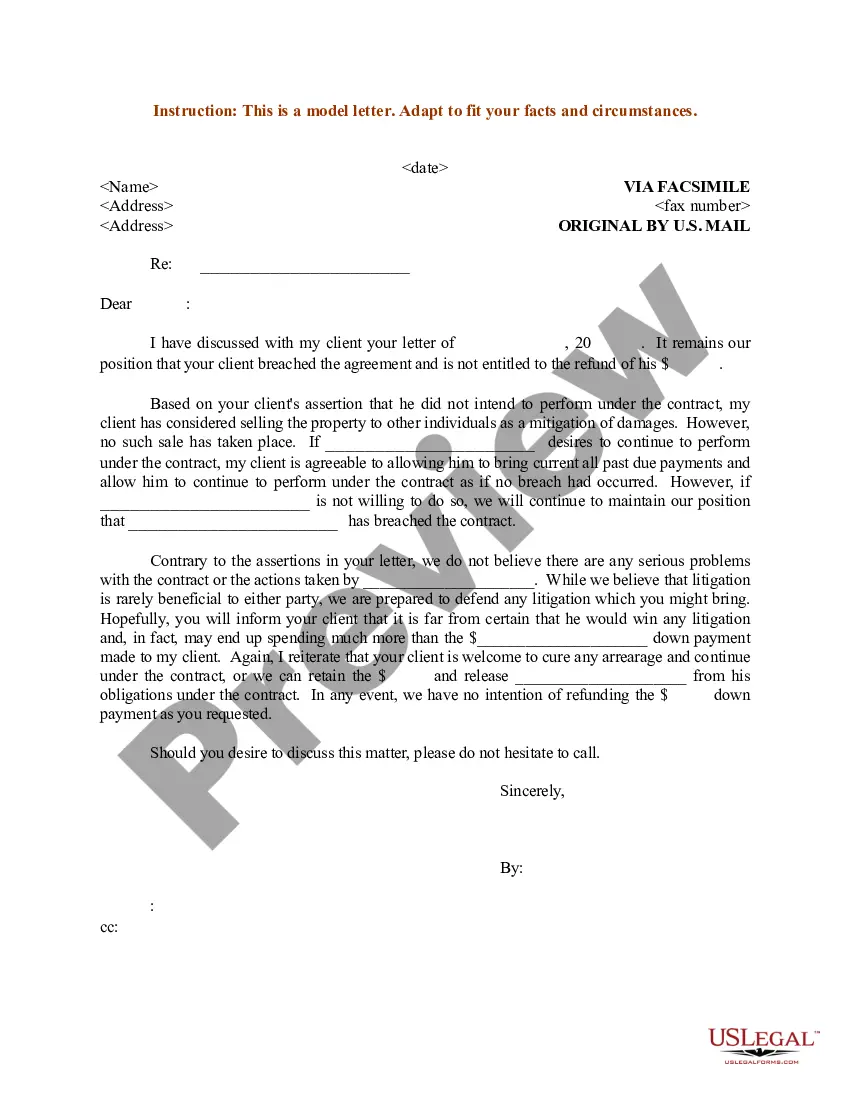
Idaho Sample Letter for Meeting Opposing Attorney
Description
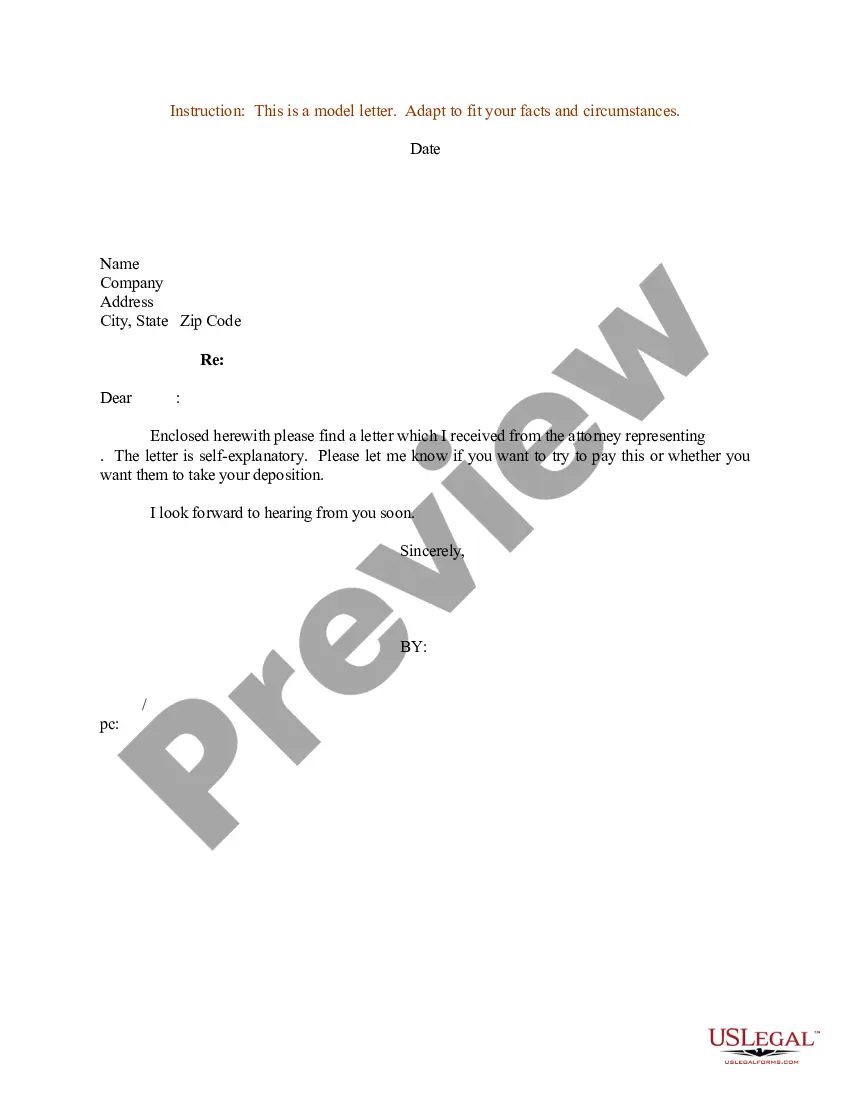
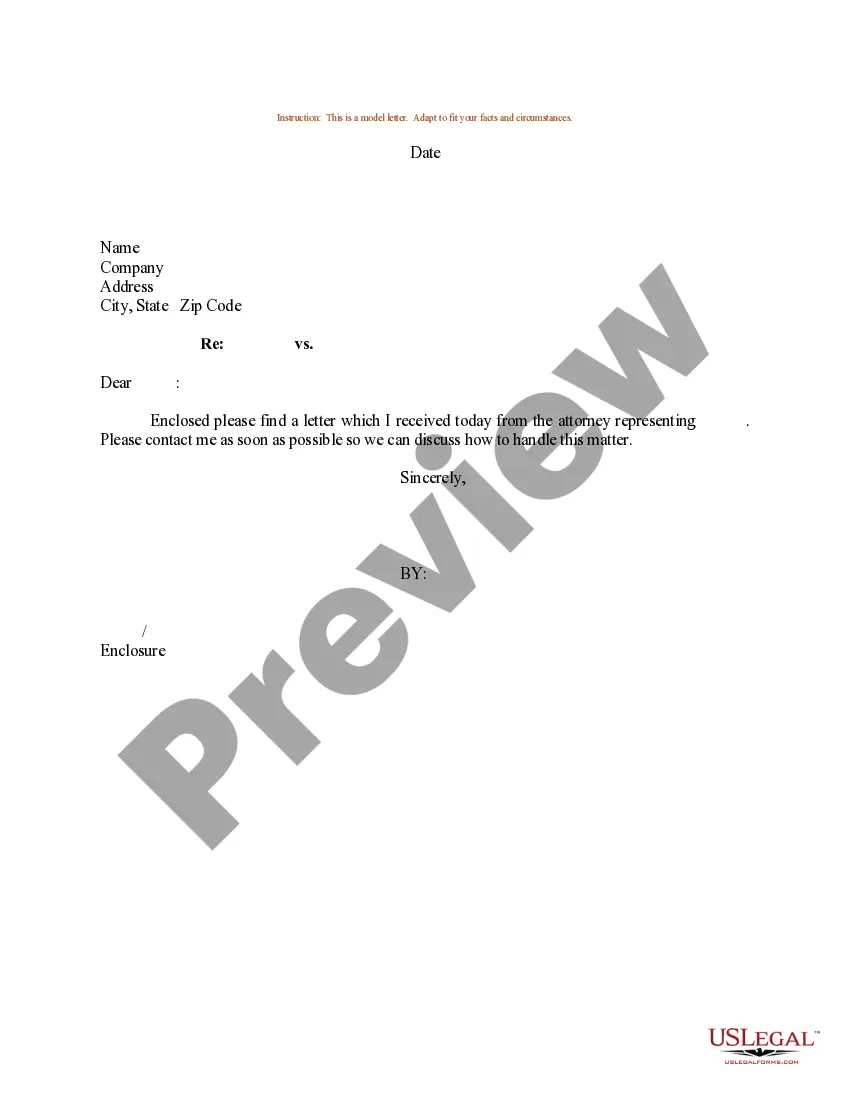
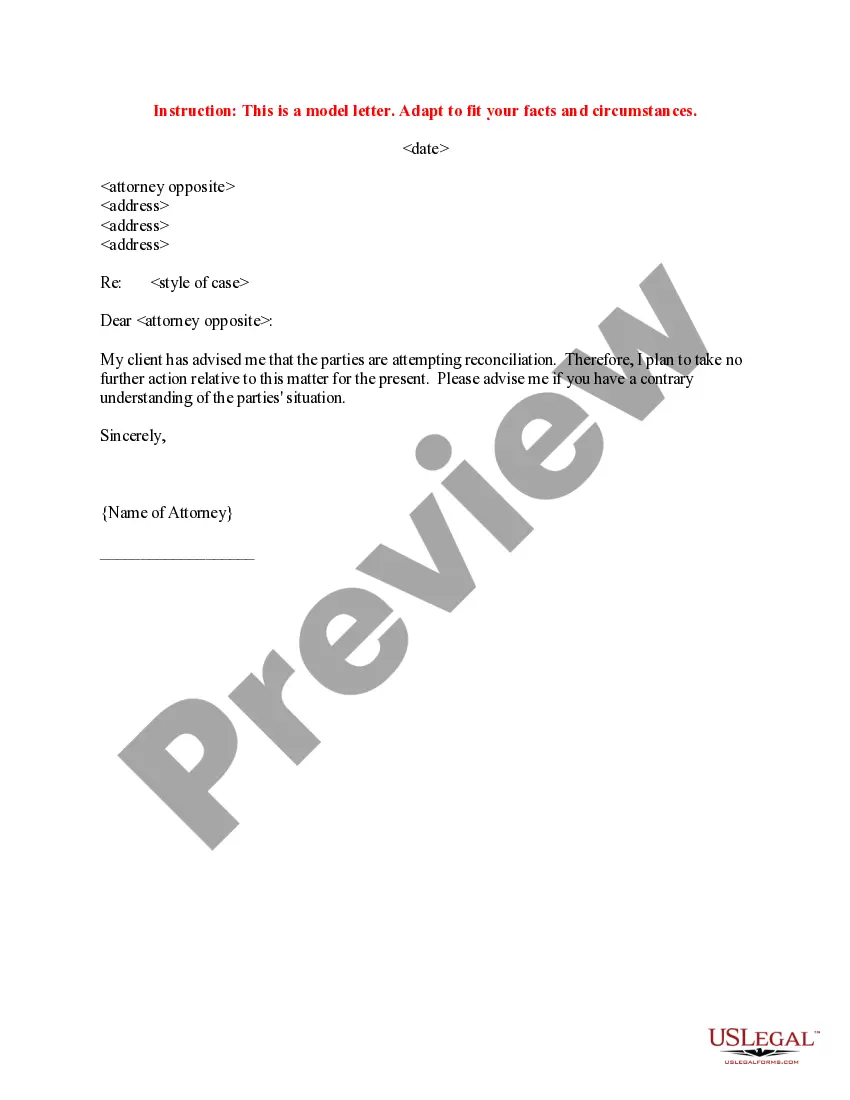
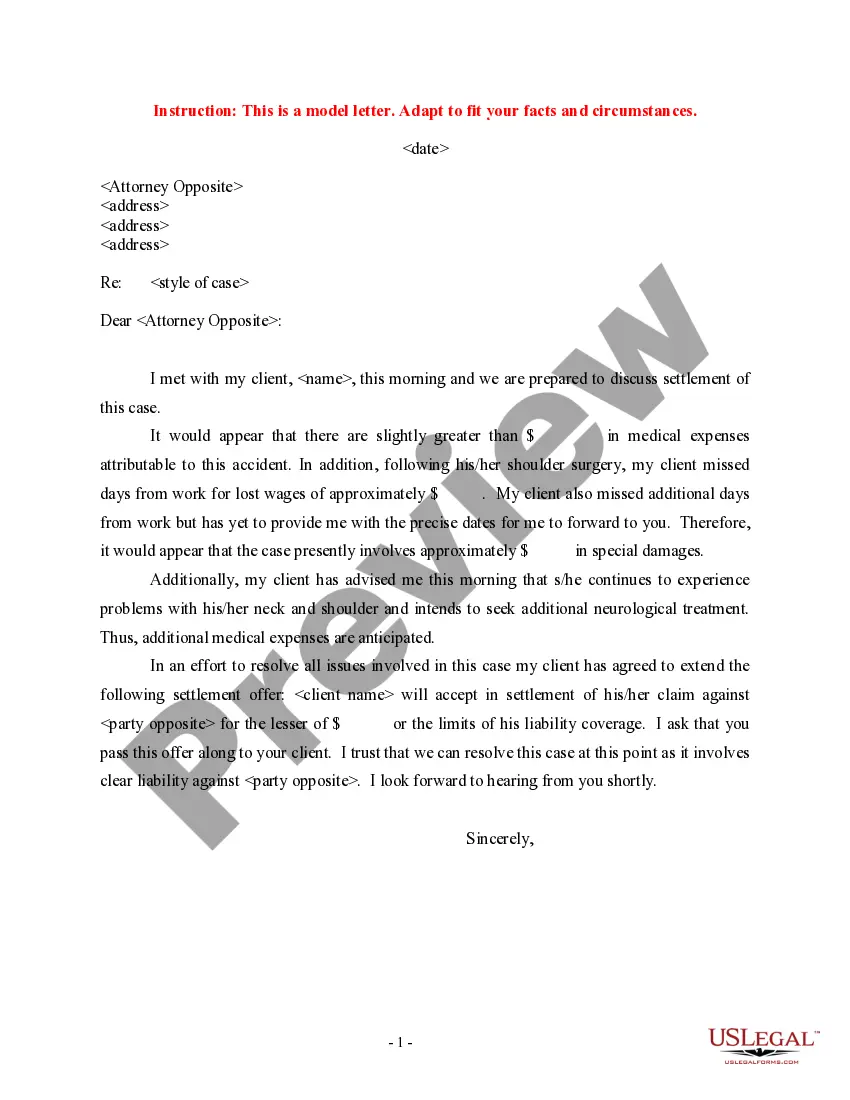
How to fill out Sample Letter For Meeting Opposing Attorney?
US Legal Forms - among the largest libraries of lawful types in the States - delivers an array of lawful document web templates you are able to download or produce. While using website, you can find 1000s of types for business and person functions, sorted by groups, claims, or keywords and phrases.You will discover the newest versions of types like the Idaho Sample Letter for Meeting Opposing Attorney in seconds.
If you already have a subscription, log in and download Idaho Sample Letter for Meeting Opposing Attorney in the US Legal Forms library. The Download button will show up on each kind you look at. You get access to all formerly saved types inside the My Forms tab of the profile.
If you would like use US Legal Forms the first time, listed below are straightforward instructions to help you started off:
- Ensure you have picked the proper kind for the metropolis/state. Click on the Preview button to analyze the form`s content material. Read the kind information to ensure that you have chosen the right kind.
- If the kind doesn`t satisfy your needs, use the Research discipline towards the top of the display screen to discover the one which does.
- If you are pleased with the shape, affirm your selection by visiting the Get now button. Then, choose the pricing strategy you like and give your qualifications to register to have an profile.
- Procedure the transaction. Utilize your charge card or PayPal profile to finish the transaction.
- Choose the formatting and download the shape in your device.
- Make alterations. Fill out, revise and produce and signal the saved Idaho Sample Letter for Meeting Opposing Attorney.
Each and every format you included in your bank account lacks an expiry particular date which is the one you have permanently. So, if you wish to download or produce yet another backup, just check out the My Forms segment and then click in the kind you require.
Get access to the Idaho Sample Letter for Meeting Opposing Attorney with US Legal Forms, one of the most considerable library of lawful document web templates. Use 1000s of skilled and express-specific web templates that fulfill your company or person demands and needs.
Form popularity
FAQ
Try to Be Cooperative To that end, create an accommodating tone at the beginning of your dealings with the other attorney. If you set that tone, you may see a measure of reciprocal, even pleasant behavior.
This letter is often called a good faith letter. And it is needed under many courts' rules before you can file a motion to compel discovery if the other party ignores your requests or provides evasive responses or move for sanctions if your opponent refuses to comply with the court's discovery order.
A good faith attempt is more than arguing with opposing counsel. Instead, the law requires you to discuss the issues, compare views, exchange information (including statutes and case law supporting your position), and propose solutions to discovery fights without court interference.
Dear [Opposing Counsel Name], I am writing to follow up on our recent communication regarding [case name]. I have not yet received a response from you regarding [list the specific issue or question]. Please let me know your thoughts as soon as possible so that we can continue to move forward with the case.
Rule 37 authorizes the court to direct that parties or attorneys who fail to participate in good faith in the discovery process pay the expenses, including attorney's fees, incurred by other parties as a result of that failure.
Good faith is a legal term that describes the intention of the party or parties in a contract to deal in an honest manner with each other. In contracts, the parties signing abide by and uphold the contract. It requires people to act honestly without taking advantage of others.