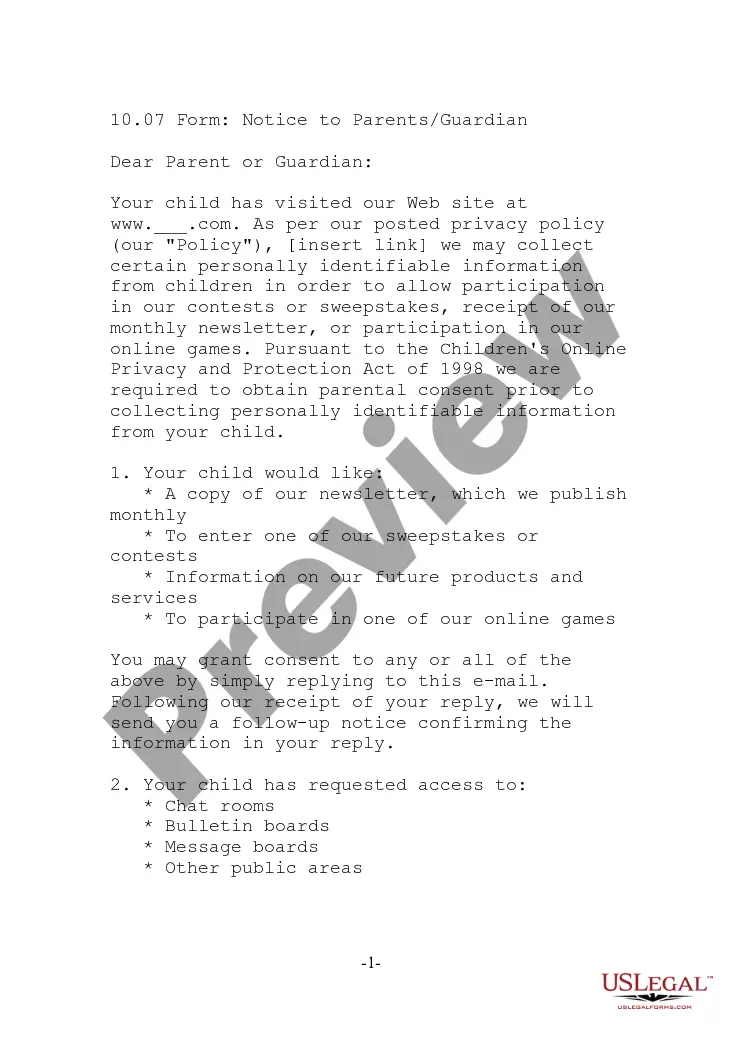
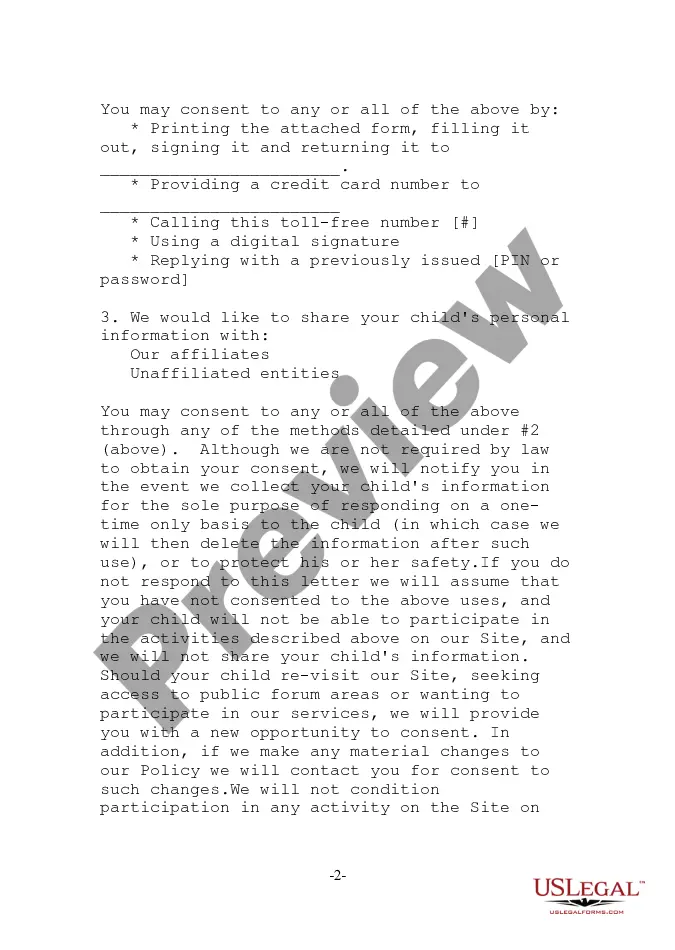
Idaho Notice to Parents Guardian
Description
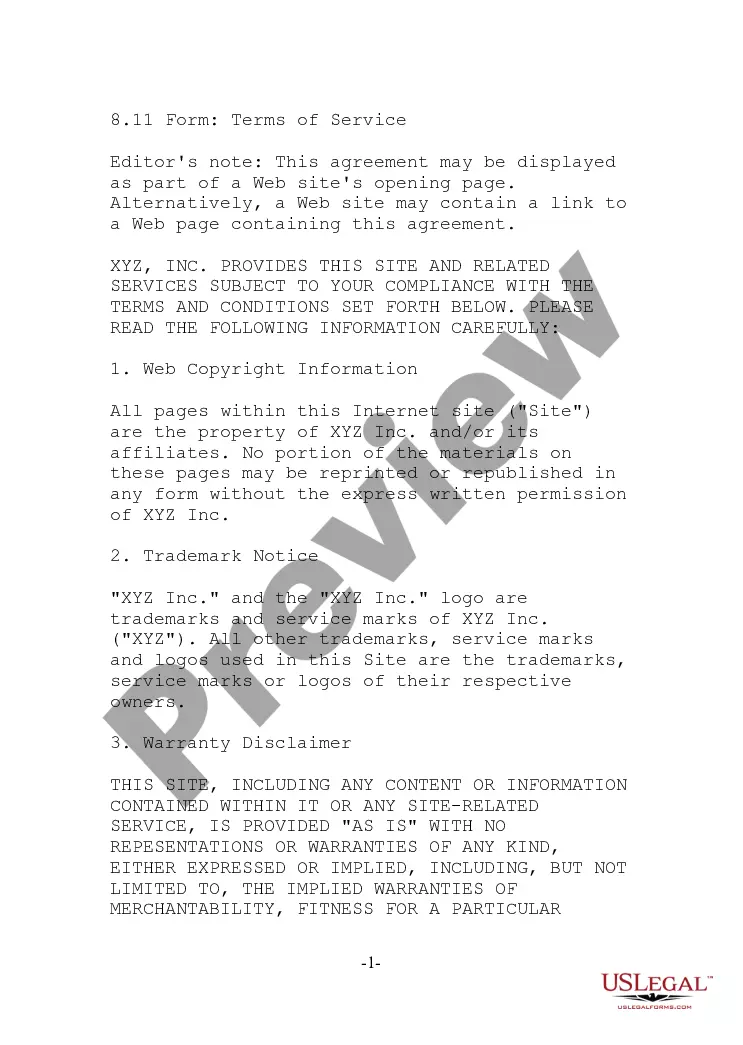
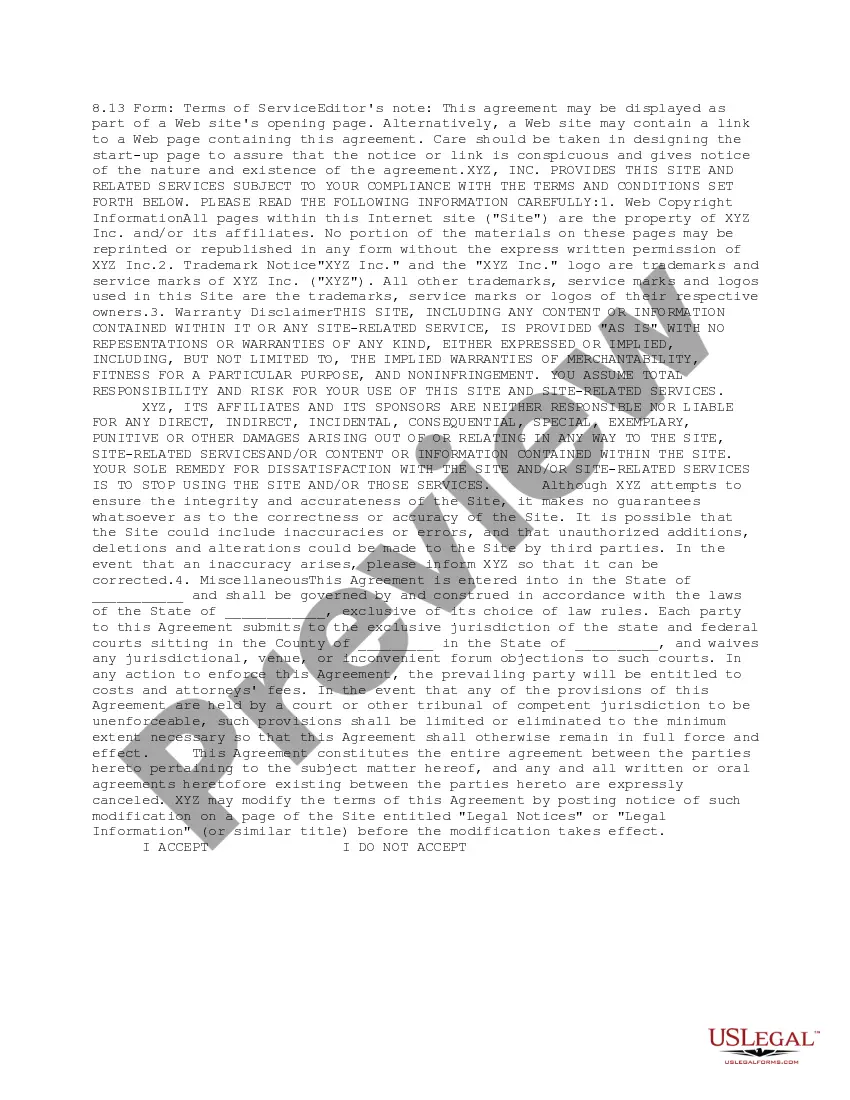
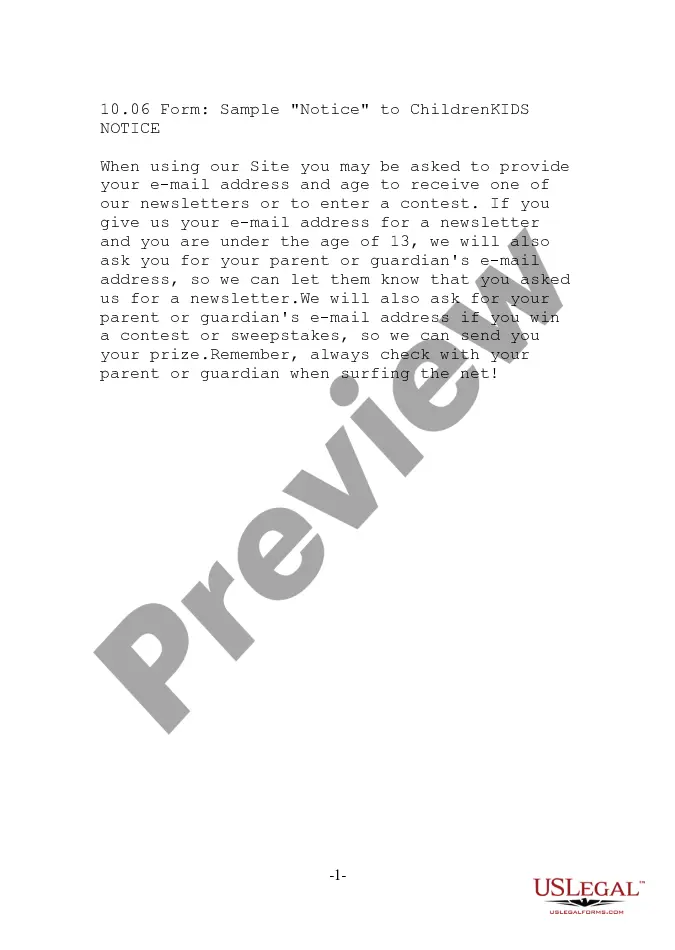
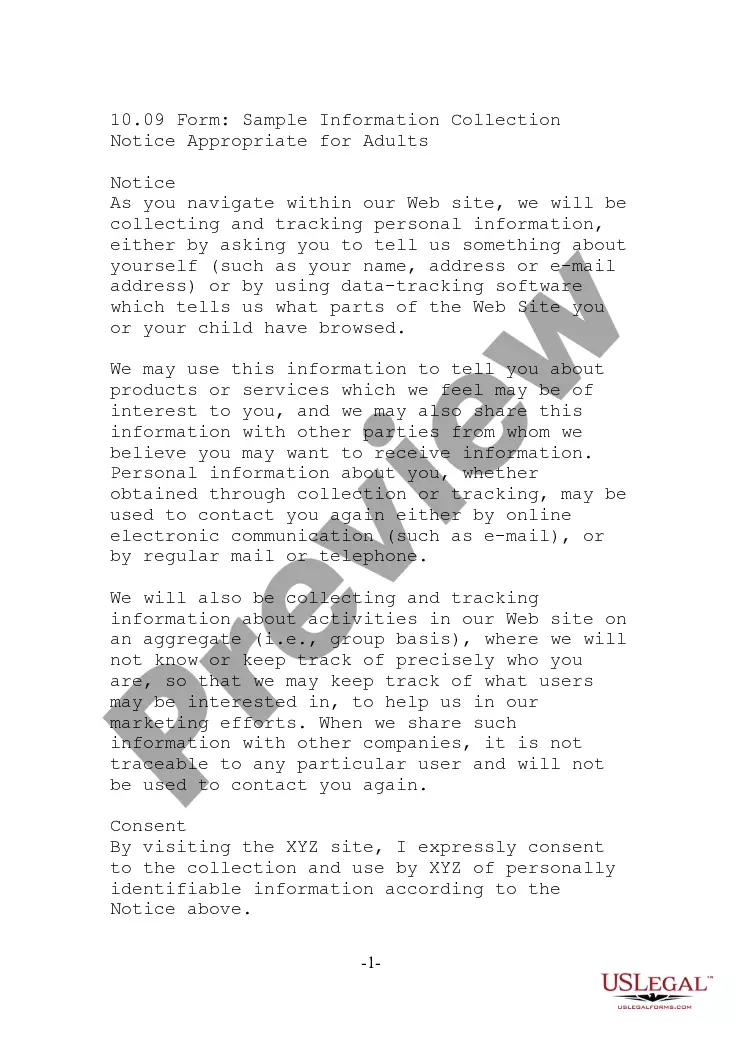
Get your form ready online
Our built-in tools help you complete, sign, share, and store your documents in one place.
Make edits, fill in missing information, and update formatting in US Legal Forms—just like you would in MS Word.
Download a copy, print it, send it by email, or mail it via USPS—whatever works best for your next step.
Sign and collect signatures with our SignNow integration. Send to multiple recipients, set reminders, and more. Go Premium to unlock E-Sign.
If this form requires notarization, complete it online through a secure video call—no need to meet a notary in person or wait for an appointment.
We protect your documents and personal data by following strict security and privacy standards.
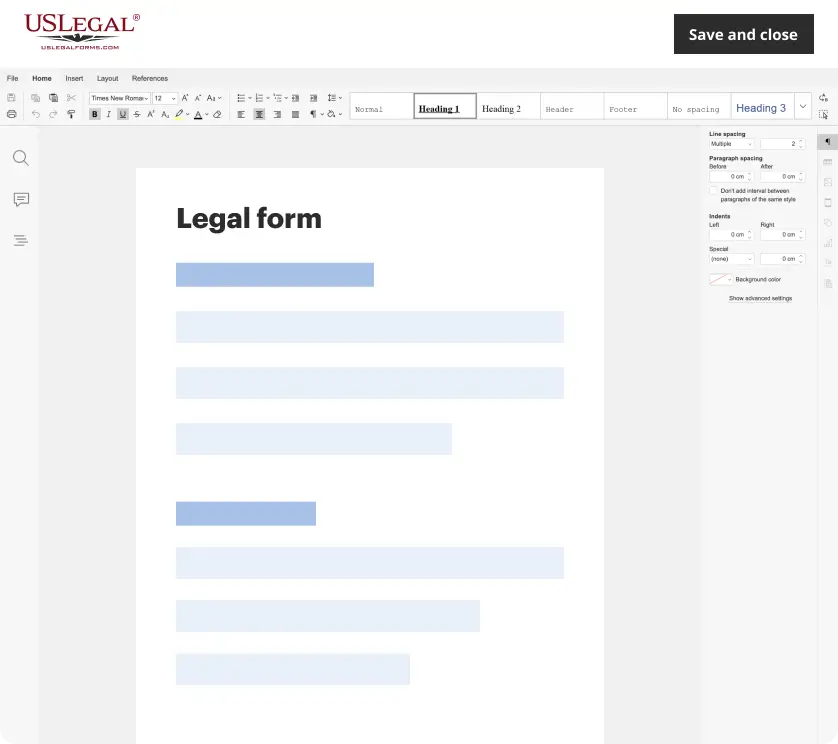
Make edits, fill in missing information, and update formatting in US Legal Forms—just like you would in MS Word.
Download a copy, print it, send it by email, or mail it via USPS—whatever works best for your next step.
Sign and collect signatures with our SignNow integration. Send to multiple recipients, set reminders, and more. Go Premium to unlock E-Sign.

If this form requires notarization, complete it online through a secure video call—no need to meet a notary in person or wait for an appointment.
We protect your documents and personal data by following strict security and privacy standards.
Looking for another form?


How to fill out Notice To Parents Guardian?
US Legal Forms - among the largest libraries of authorized varieties in the United States - gives a variety of authorized papers web templates you can down load or print out. Utilizing the internet site, you will get 1000s of varieties for business and individual purposes, categorized by classes, suggests, or search phrases.You will find the most recent versions of varieties like the Idaho Notice to Parents Guardian within minutes.
If you currently have a subscription, log in and down load Idaho Notice to Parents Guardian from your US Legal Forms collection. The Acquire option will appear on every form you perspective. You have access to all formerly delivered electronically varieties inside the My Forms tab of your bank account.
If you would like use US Legal Forms the very first time, listed here are easy recommendations to get you started:
- Ensure you have picked the proper form for your personal area/region. Click the Preview option to examine the form`s content material. Look at the form outline to actually have selected the appropriate form.
- When the form doesn`t suit your specifications, utilize the Research discipline towards the top of the screen to find the one that does.
- If you are happy with the form, validate your decision by simply clicking the Get now option. Then, select the costs plan you favor and give your references to register for the bank account.
- Process the deal. Use your charge card or PayPal bank account to complete the deal.
- Choose the file format and down load the form on the product.
- Make modifications. Complete, revise and print out and sign the delivered electronically Idaho Notice to Parents Guardian.
Each and every design you included in your bank account does not have an expiration day which is your own forever. So, if you want to down load or print out yet another copy, just visit the My Forms segment and click on the form you need.
Get access to the Idaho Notice to Parents Guardian with US Legal Forms, the most considerable collection of authorized papers web templates. Use 1000s of expert and status-specific web templates that meet your business or individual demands and specifications.
Form popularity
FAQ
Legal guardianship means a court grants someone other than a biological parent the right to care for a minor. Custody (most often) generally describes a parent caring for his or her own child.
Understanding Guardianship vs. Conservatorship Idaho Stat. § 15-5-201 says that a guardian is appointed by acceptance of a testamentary appointment or by the court. Conservatorship grants a third party responsibility over the finances of a minor or an incapacitated person.
Under Idaho Statute § 15-5-209, a guardian is defined as a person who "has the powers and responsibilities of a parent who has not been deprived of custody of his minor and unemancipated child." The guardian is not obligated, however, to provide for the ward out of his or her own funds and is not liable to third ...
(1) A guardianship terminates upon the death of the ward or upon order of the court. (2) On petition of a ward, a guardian, or another person interested in the ward's welfare, the court may terminate a guardianship if the ward no longer needs the assistance or protection of a guardian.
The court may appoint as guardian any person whose appointment would be in the best interests of the minor. The court shall appoint a person nominated by the minor, if the minor is fourteen (14) years of age or older, unless the court finds the appointment contrary to the best interests of the minor.
(1) The court may appoint a guardian for an unmarried minor if all parental rights of custody have been terminated by prior court order or upon a finding that the child has been neglected, abused, or abandoned or whose parents are unable to provide a stable home environment.
(1) Whenever the parents or guardians of any child between the ages of seven (7) years, as qualified in section 33-202, Idaho Code, and sixteen (16) years, have failed, neglected or refused to place the child in school as provided in this chapter or to have the child instructed as defined in section 33-202, Idaho Code, ...
(1) A guardianship terminates upon the death of the ward or upon order of the court. (2) On petition of a ward, a guardian, or another person interested in the ward's welfare, the court may terminate a guardianship if the ward no longer needs the assistance or protection of a guardian.
In simple terms, legal guardianship is when the court appoints someone other than the biological parent the right to care for a minor. Custody, on the other hand, usually describes a parent caring for their own child.
Under Idaho Statute § 15-5-209, a guardian is defined as a person who "has the powers and responsibilities of a parent who has not been deprived of custody of his minor and unemancipated child." The guardian is not obligated, however, to provide for the ward out of his or her own funds and is not liable to third ...