Illinois Special Warranty Deed from an Individual Grantor to Non-Profit Corporation as Grantee with Reserved LIfe Estate
Understanding this form
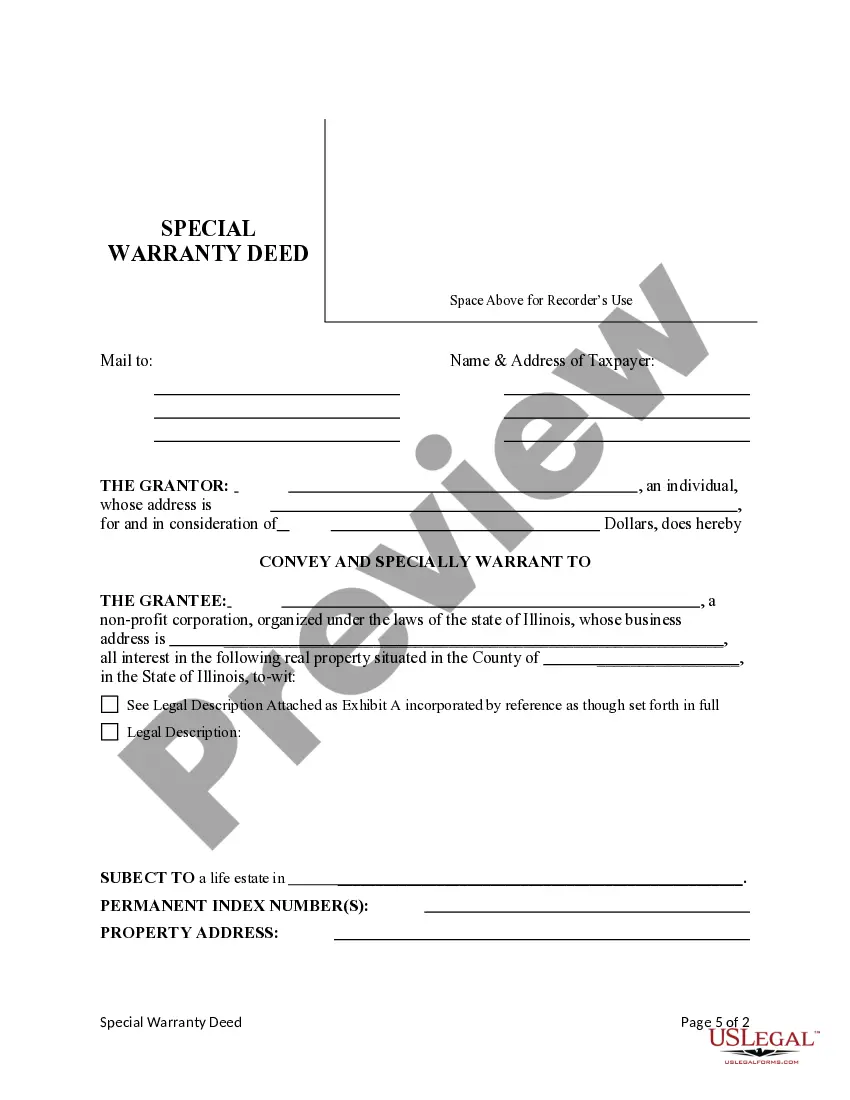
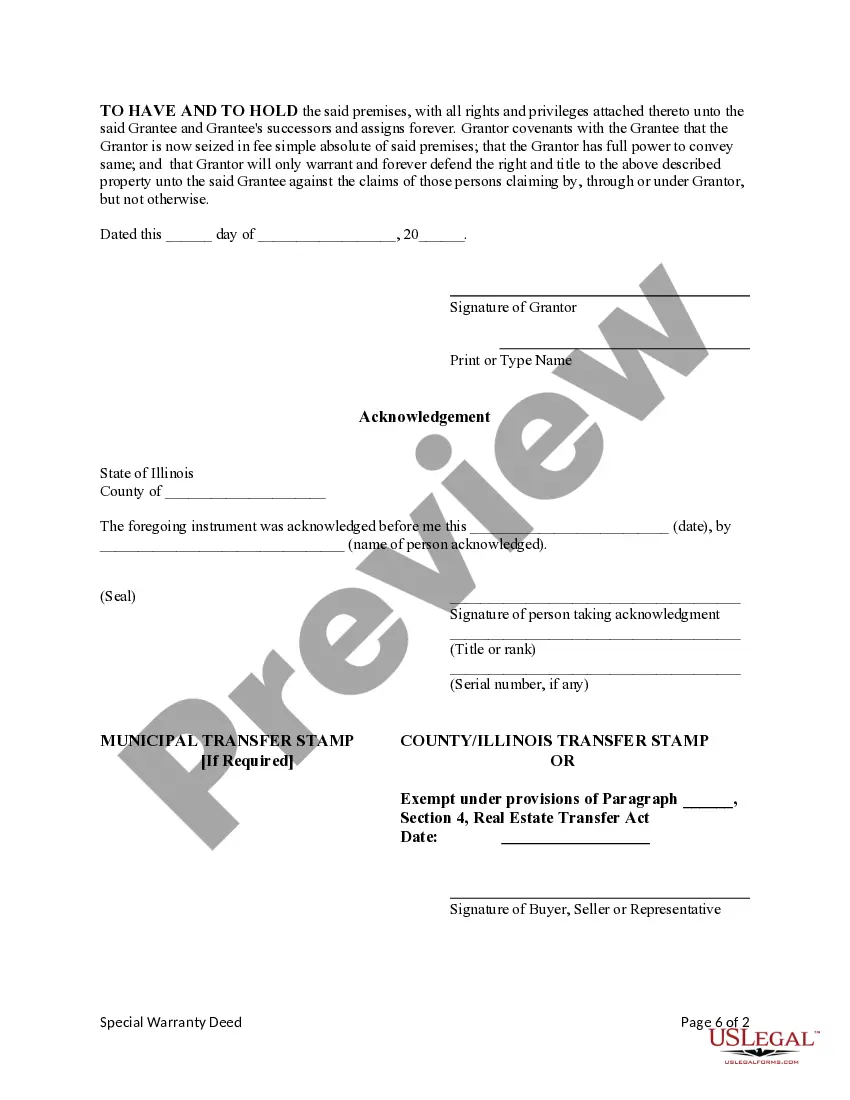
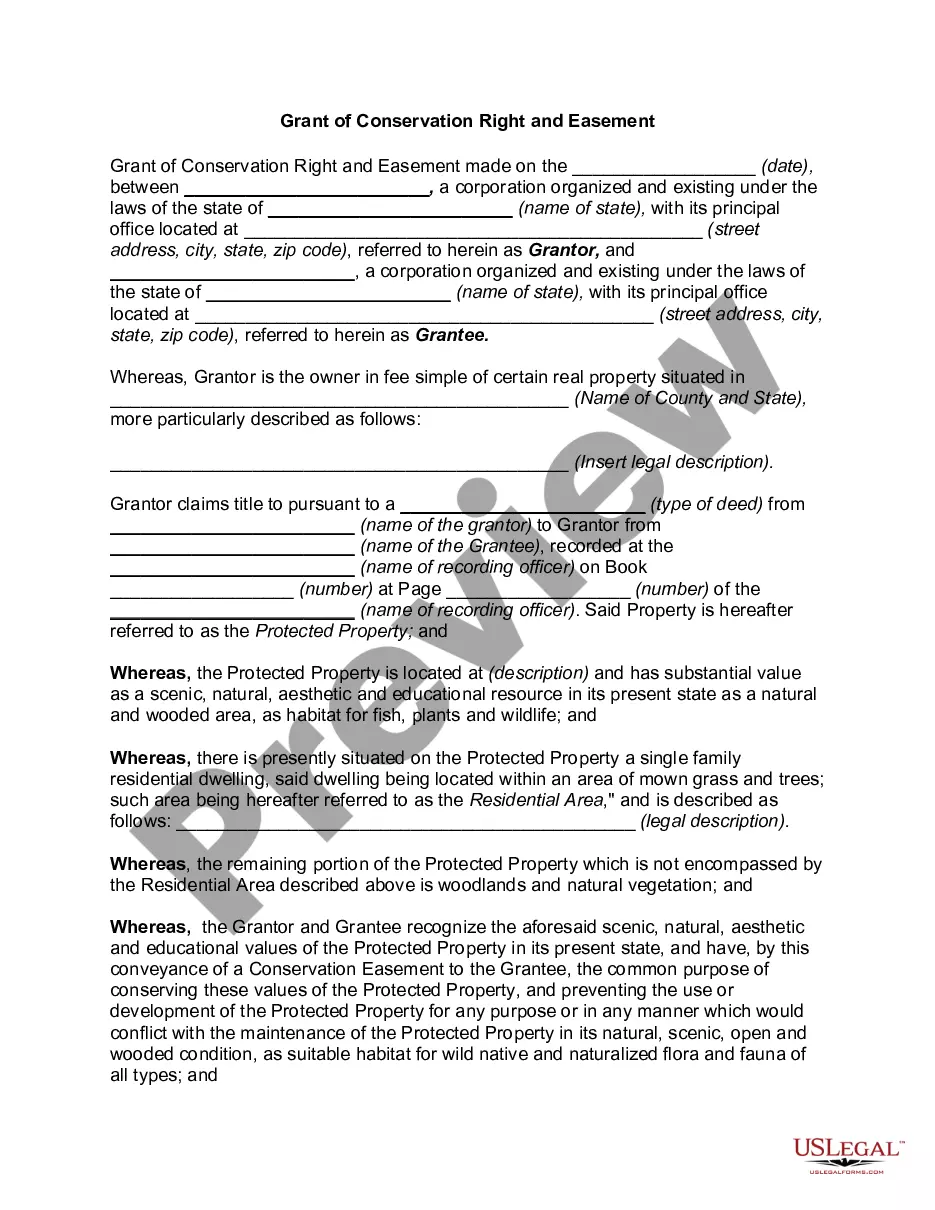
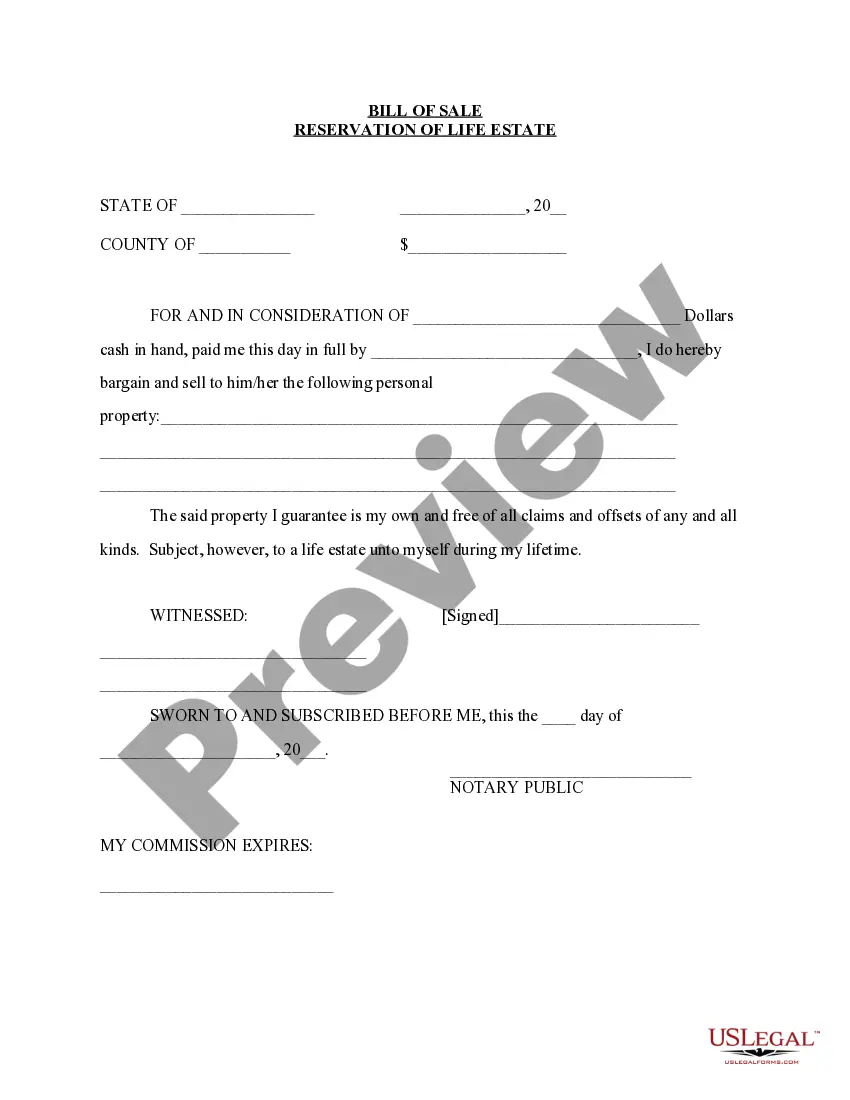
This form is a Special Warranty Deed from an individual Grantor to a non-profit corporation as Grantee. It conveys the specified property to the Grantee while reserving a life estate for the Grantor. Unlike a general warranty deed, this form limits the warranty to claims made by people through the Grantor. This deed complies with all relevant state laws ensuring its legality and enforceability.
Key parts of this document
- Identification of the Grantor (individual) and Grantee (non-profit corporation).
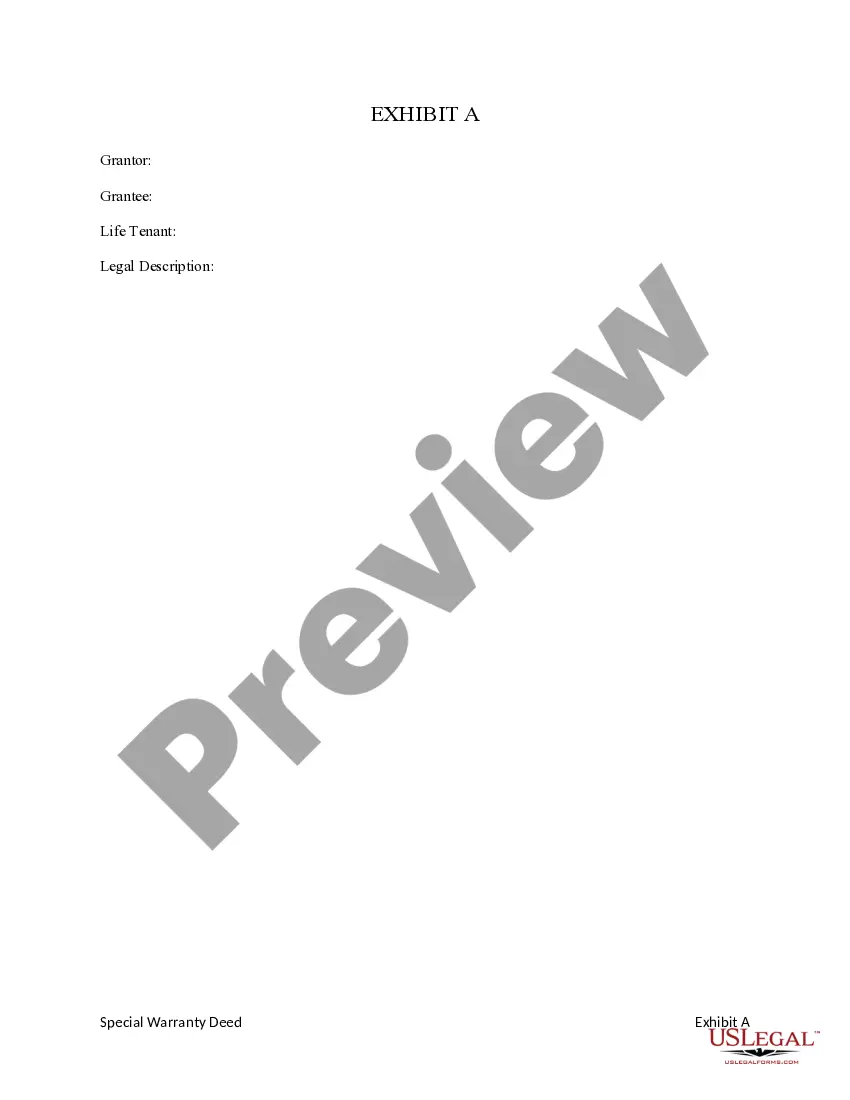
- Description of the property being conveyed.
- Reservation of life estate, specifying the Grantor's rights over the property during their lifetime.
- Limited warranty provisions stating the Grantor's warranty is limited to claims made by individuals claiming through the Grantor.
- Compliance assurance with state statutory laws.



When to use this form
This form is used when an individual wishes to transfer property ownership to a non-profit organization while retaining the right to live on the property for the duration of their life. It is commonly utilized in scenarios where property is gifted to charitable organizations, providing benefits both to the Grantor and the Grantee.
Who can use this document
- Individuals planning to donate property to a non-profit corporation.
- Grantors who wish to ensure they maintain living rights on the property during their lifetime.
- Non-profit organizations receiving property as a donation.
How to prepare this document
- Identify and enter the names of the Grantor and Grantee.
- Provide a clear description of the property being transferred.
- Specify the terms of the reserved life estate for the Grantor.
- Review warranty terms, ensuring understanding of limitations.
- Sign and date the deed, ensuring compliance with any additional local requirements.
Notarization requirements for this form
Yes, this form must be notarized to be legally valid. U.S. Legal Forms offers integrated online notarization services, making the process convenient, secure, and available 24/7 without the need to travel.
Get your form ready online
Our built-in tools help you complete, sign, share, and store your documents in one place.
Make edits, fill in missing information, and update formatting in US Legal Forms—just like you would in MS Word.
Download a copy, print it, send it by email, or mail it via USPS—whatever works best for your next step.
Sign and collect signatures with our SignNow integration. Send to multiple recipients, set reminders, and more. Go Premium to unlock E-Sign.
If this form requires notarization, complete it online through a secure video call—no need to meet a notary in person or wait for an appointment.
We protect your documents and personal data by following strict security and privacy standards.

Make edits, fill in missing information, and update formatting in US Legal Forms—just like you would in MS Word.

Download a copy, print it, send it by email, or mail it via USPS—whatever works best for your next step.

Sign and collect signatures with our SignNow integration. Send to multiple recipients, set reminders, and more. Go Premium to unlock E-Sign.

If this form requires notarization, complete it online through a secure video call—no need to meet a notary in person or wait for an appointment.

We protect your documents and personal data by following strict security and privacy standards.
Common mistakes to avoid
- Failing to accurately describe the property, which can lead to challenges in ownership claims.
- Not specifying the terms of the life estate clearly, which could result in confusion about rights.
- Neglecting to comply with local recording requirements which can invalidate the deed.
Advantages of online completion
- Convenient access to legal forms anytime, anywhere.
- Edit the document easily to customize it for your specific needs.
- Reliable templates drafted by licensed attorneys to ensure legal compliance.
- Print and download the form in various formats for easy submission.
Main things to remember
- A Special Warranty Deed allows an individual to transfer property to a non-profit while retaining a life estate.
- Understanding the limitations of warranties is crucial before execution.
- Notarization is a necessary step for legal validity of this form.
Looking for another form?
Form popularity
FAQ
Absolutely, when a corporation transfers ownership of property, the deed must be signed by an authorized representative of the corporation. This ensures the transfer is legally valid and binding. If you are drafting an Illinois Special Warranty Deed from an Individual Grantor to Non-Profit Corporation as Grantee with Reserved Life Estate, make certain that the signatory has the proper authority and all necessary documentation to support the transfer.
Yes, in most cases, the grantor is indeed the same as the owner of the property. When executing an Illinois Special Warranty Deed from an Individual Grantor to a Non-Profit Corporation as Grantee with Reserved Life Estate, the grantor transfers property ownership to the grantee. This distinction is crucial during transactions. If you’re unsure about owner status, our user-friendly tools can guide you to the right legal documentation.
In the context of an Illinois Special Warranty Deed from an Individual Grantor to a Non-Profit Corporation as Grantee with Reserved Life Estate, the grantor is the person transferring the property. The grantee is the non-profit corporation that receives the property. Understanding the roles of grantor and grantee is essential for a seamless transaction. When you use our platform, you can ensure your documents reflect these crucial roles accurately.
Retrieve your original deed. Get the appropriate deed form. Draft the deed. Sign the deed before a notary. Record the deed with the county recorder. Obtain the new original deed.
A quitclaim deed in Illinois is often used to transfer property between close family members or trusted friends.A quitclaim deed requires trust on the part of the person receiving the deed, because the person transferring it, also known as the grantor, isn't guaranteeing they actually own the property.
Yes you can. This is called a transfer of equity but you will need the permission of your lender. If you are not married or in a civil partnership you may wish to consider creating a deed of trust and a living together agreement which we can explain to you.
Recording - A quit claim deed in Illinois is to be filed with the appropriate County Recorder's Office along with the appropriate fees (if they haven't already been paid). Signing - Before being filed with the County Recorder's Office, a quit claim deed must be signed by the Grantor in the presence of a Notary Public.
One of the most common ways property owners add spouses to real estate titles is by using quitclaim deeds. Once completed and filed, quitclaim deed forms effectually transfer a share of ownership from the owners, or grantors, to their spouses, or the grantees.
Discuss the terms of the deed with the new owners. Hire a real estate attorney to prepare the deed. Review the deed. Sign the deed in front of a notary public, with witnesses present. File the deed on public record.
In Illinois, a special warranty deed transfers title in fee simple to the grantee with warranties and covenants of title that are limited to only the acts of the grantor or that result from the acts of the grantor and is the form of deed customarily used in commercial real estate transactions.