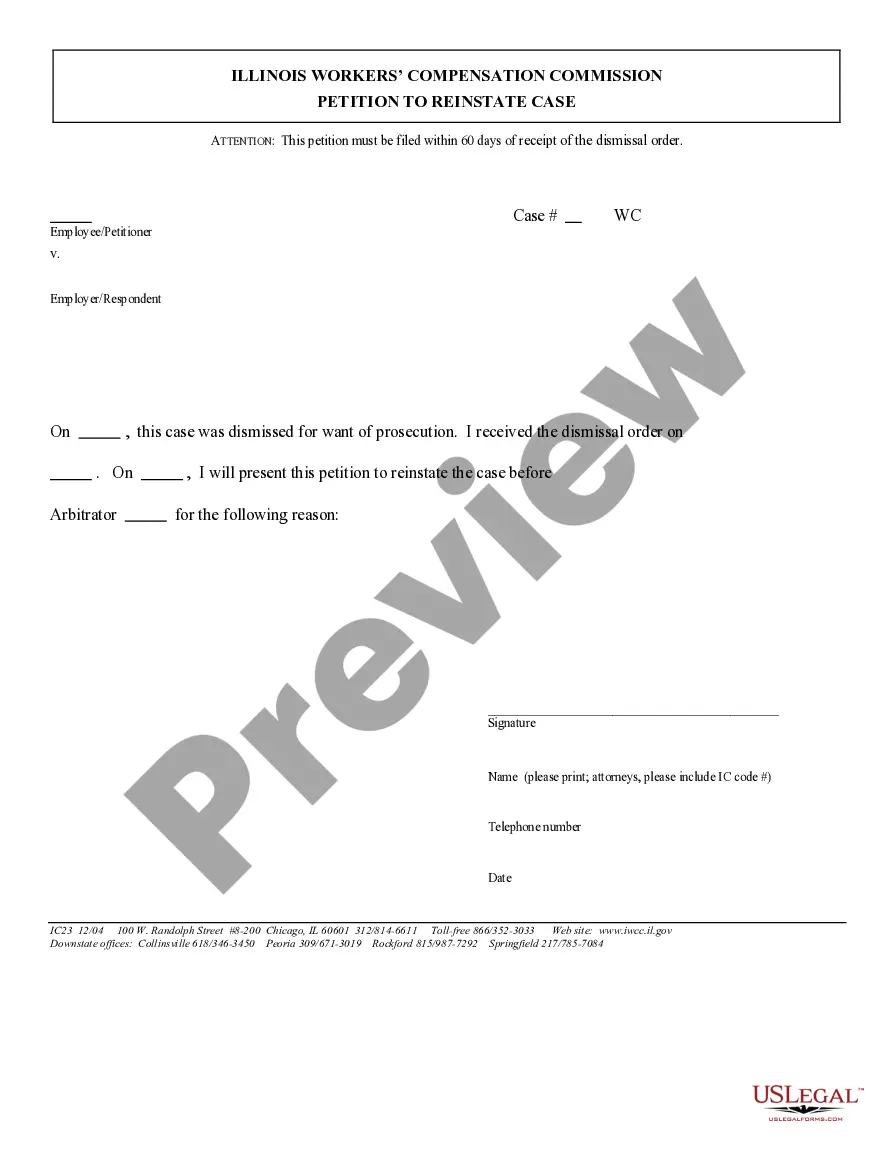
This is one of the official workers' compensation forms for the state of Illinois
Illinois Petition to Reinstate for Workers' Compensation
State:
Illinois
Control #:
IL-IC23-WC
Format:
Word;
PDF;
Rich Text
Instant download
This website is not affiliated with any governmental entity
Public form
Description
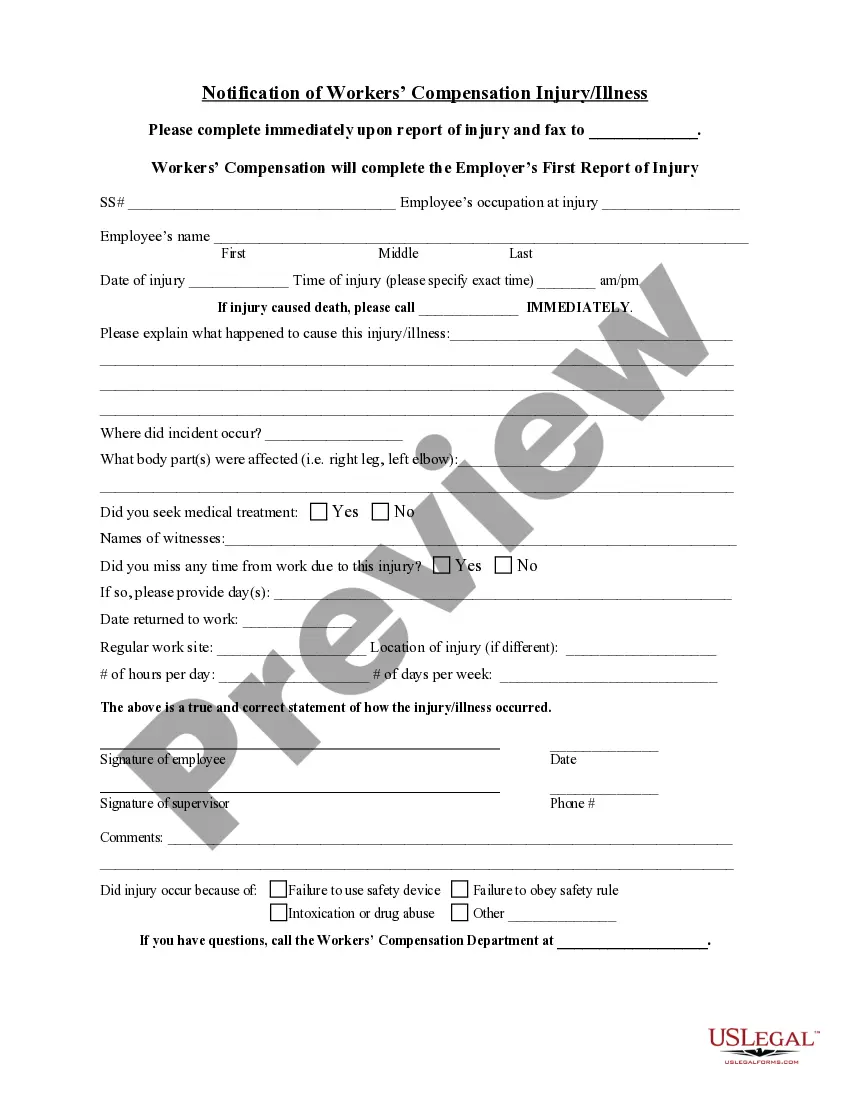
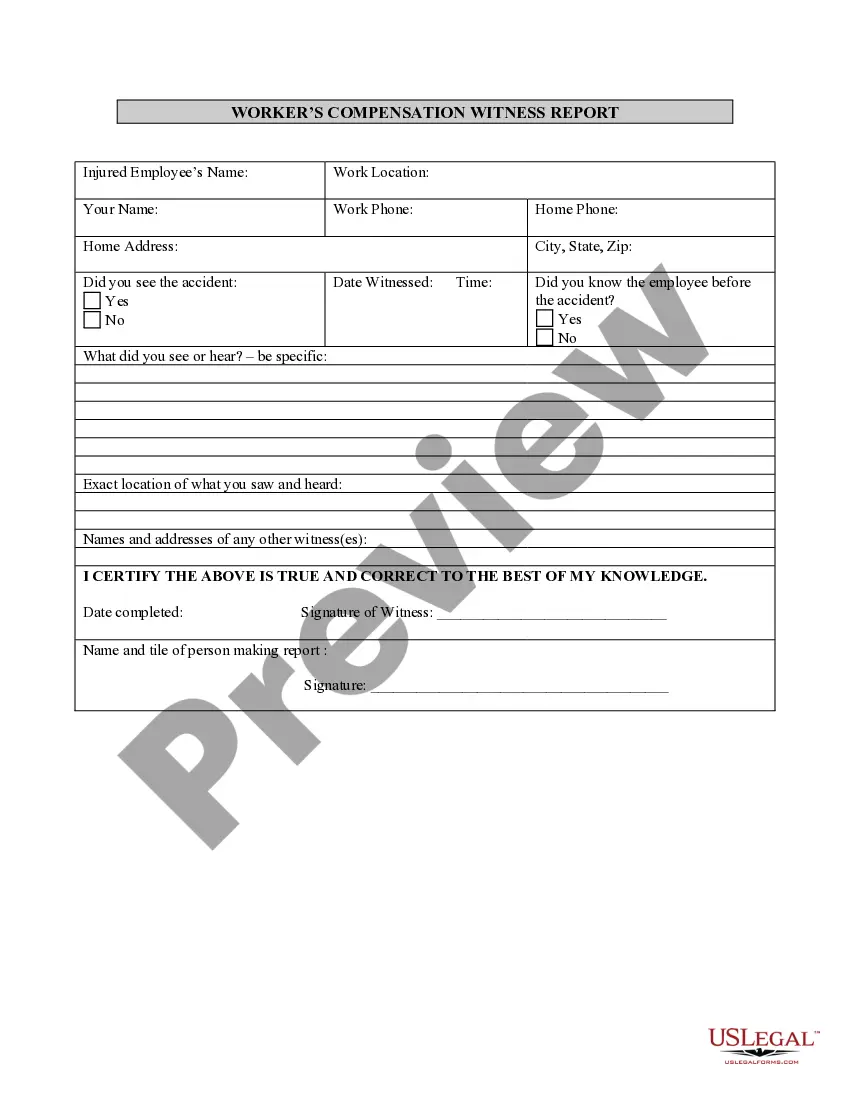
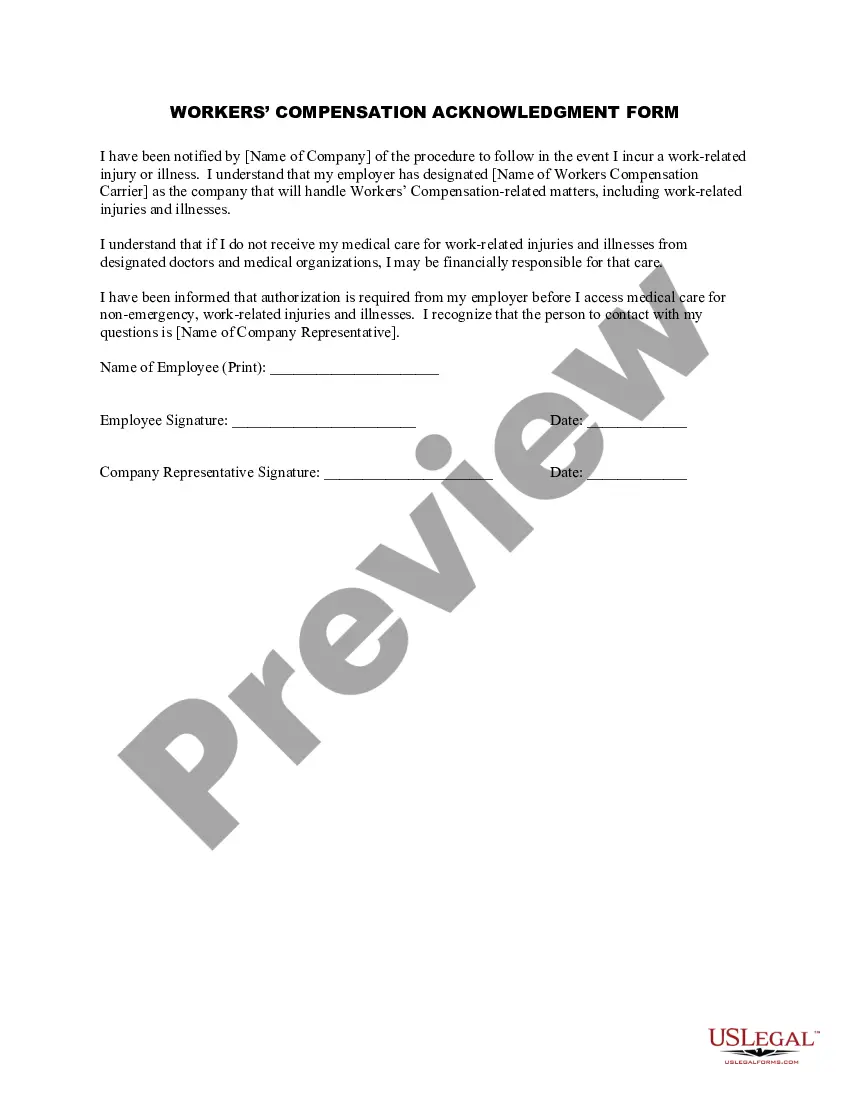
Get your form ready online
Our built-in tools help you complete, sign, share, and store your documents in one place.
Built-in online Word editor
Make edits, fill in missing information, and update formatting in US Legal Forms—just like you would in MS Word.
Export easily
Download a copy, print it, send it by email, or mail it via USPS—whatever works best for your next step.
E-sign your document
Sign and collect signatures with our SignNow integration. Send to multiple recipients, set reminders, and more. Go Premium to unlock E-Sign.
Notarize online 24/7
If this form requires notarization, complete it online through a secure video call—no need to meet a notary in person or wait for an appointment.
Store your document securely
We protect your documents and personal data by following strict security and privacy standards.

Make edits, fill in missing information, and update formatting in US Legal Forms—just like you would in MS Word.

Download a copy, print it, send it by email, or mail it via USPS—whatever works best for your next step.

Sign and collect signatures with our SignNow integration. Send to multiple recipients, set reminders, and more. Go Premium to unlock E-Sign.

If this form requires notarization, complete it online through a secure video call—no need to meet a notary in person or wait for an appointment.

We protect your documents and personal data by following strict security and privacy standards.
Looking for another form?
How to fill out Illinois Petition To Reinstate For Workers' Compensation?
Looking for Illinois Petition to Reinstate for Workers' Compensation example and completing them can be challenging.
To conserve time, expenses, and effort, utilize US Legal Forms and discover the appropriate template specifically for your state in just a few clicks.
Our lawyers prepare all paperwork, so you merely need to complete them.
Select your payment plan on the pricing page and set up your account. Choose to pay with a card or via PayPal. Save the document in your chosen file format. Now you can print the Illinois Petition to Reinstate for Workers' Compensation document or complete it using any online editor. Don't worry about making errors since your template may be used and submitted, and printed as frequently as you wish. Explore US Legal Forms and gain access to over 85,000 state-specific legal and tax documents.
- Log in to your account and navigate back to the form's page to download the template.
- Your saved samples are stored in My documents and are available at all times for future reference.
- If you haven't registered yet, you need to create an account.
- Review our comprehensive guide on how to obtain the Illinois Petition to Reinstate for Workers' Compensation example in a few moments.
- To acquire a qualified template, verify its relevance for your state.
- View the sample using the Preview option (if provided).
- If there's a summary, read it to grasp the key aspects.
- Click Buy Now if you have found what you're searching for.
Form popularity
FAQ
After you report your injury or illness, you'll usually have to file a workers' comp claim with the state workers' comp agency (although your employer may take care of this step in some states). The deadlines for filing claims are typically in the range of one to three years after the injury.
Whether your workers' compensation case goes to trial depends on whether the work comp carrier has denied your claim for claim or refused to provide benefits you're entitled to.Within 14 days after receipt of a PFB, the carrier must either pay the requested benefits, or file a response to the Petition.
Approximately five percent of workers' compensation cases go to trial.In absence of any evidence, the employee may lose the case, so it is essential for the employee to prepare all evidence before the trial starts. The judge reviews evidence, rules on objections, and provides a ruling after the trial.
The statute of limitations for filing claims in Illinois is three years from the date of the accident or two years from the last date of payment of compensation wherein he has been paid, whichever shall be later.
The 19(b) petition is filed with the Commission and a copy is sent to your employer. The employer has 15 days to respond. Your attorney will start to prepare your case for the hearing. At the hearing, the arbitrator will determine whether you are entitled to benefits and sign an arbitration decision.
These benefits are two-thirds of the difference between what you're earning in your new job and what you would be earning at your pre-injury job. The payments will stop after five years or when you turn 67, whichever happens later.
You must file your claim within 3 years after the date of the accident, or within 2 years from the last compensation payment you received, whichever is later.
You must notify your employer of the accidental injury or illness within 45 days, either orally or in writing. To avoid possible delays, it is recommended the notice also include your name, address, telephone number, Social Security number, and a brief description of the injury or illness.