Illinois Bill of Sale
What this document covers
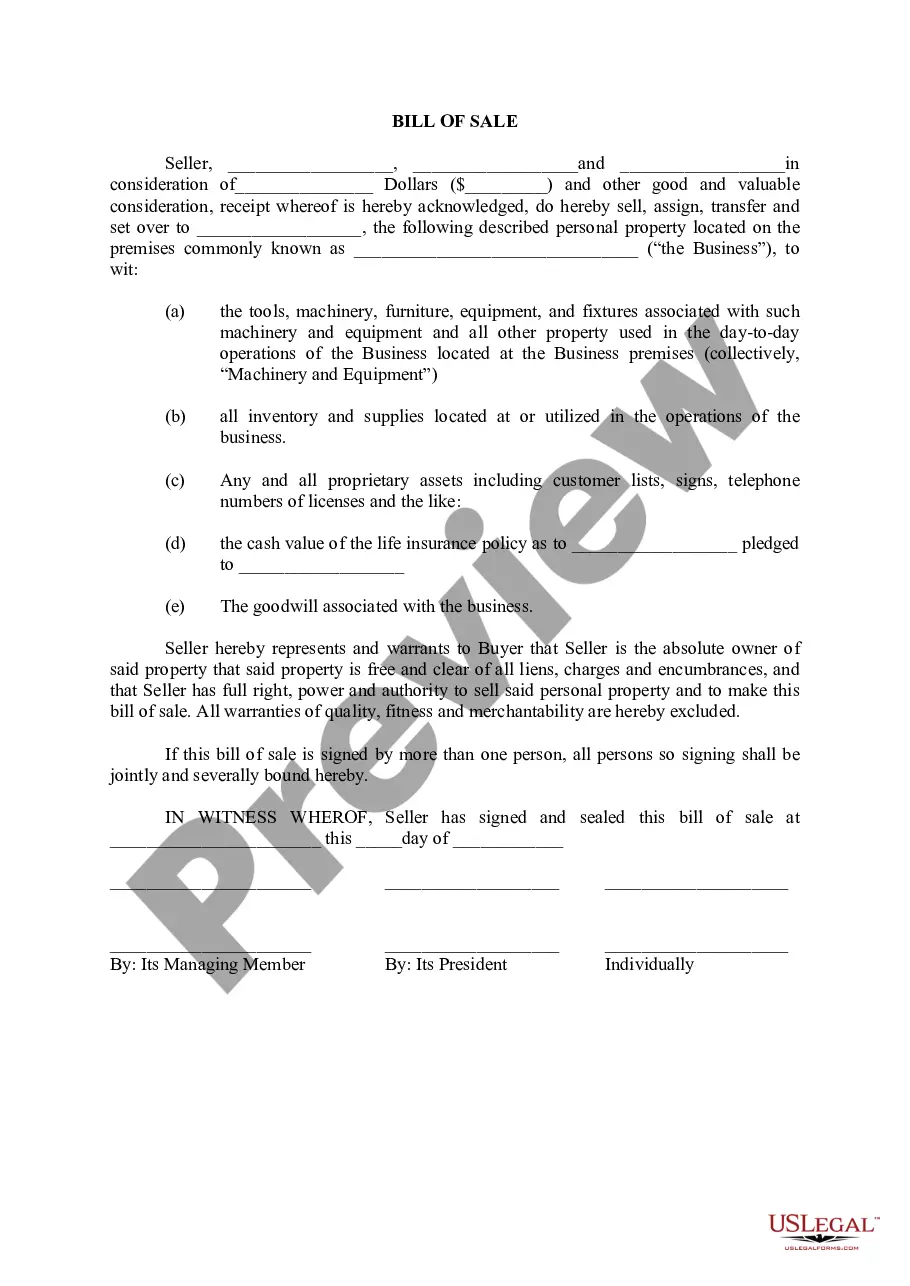
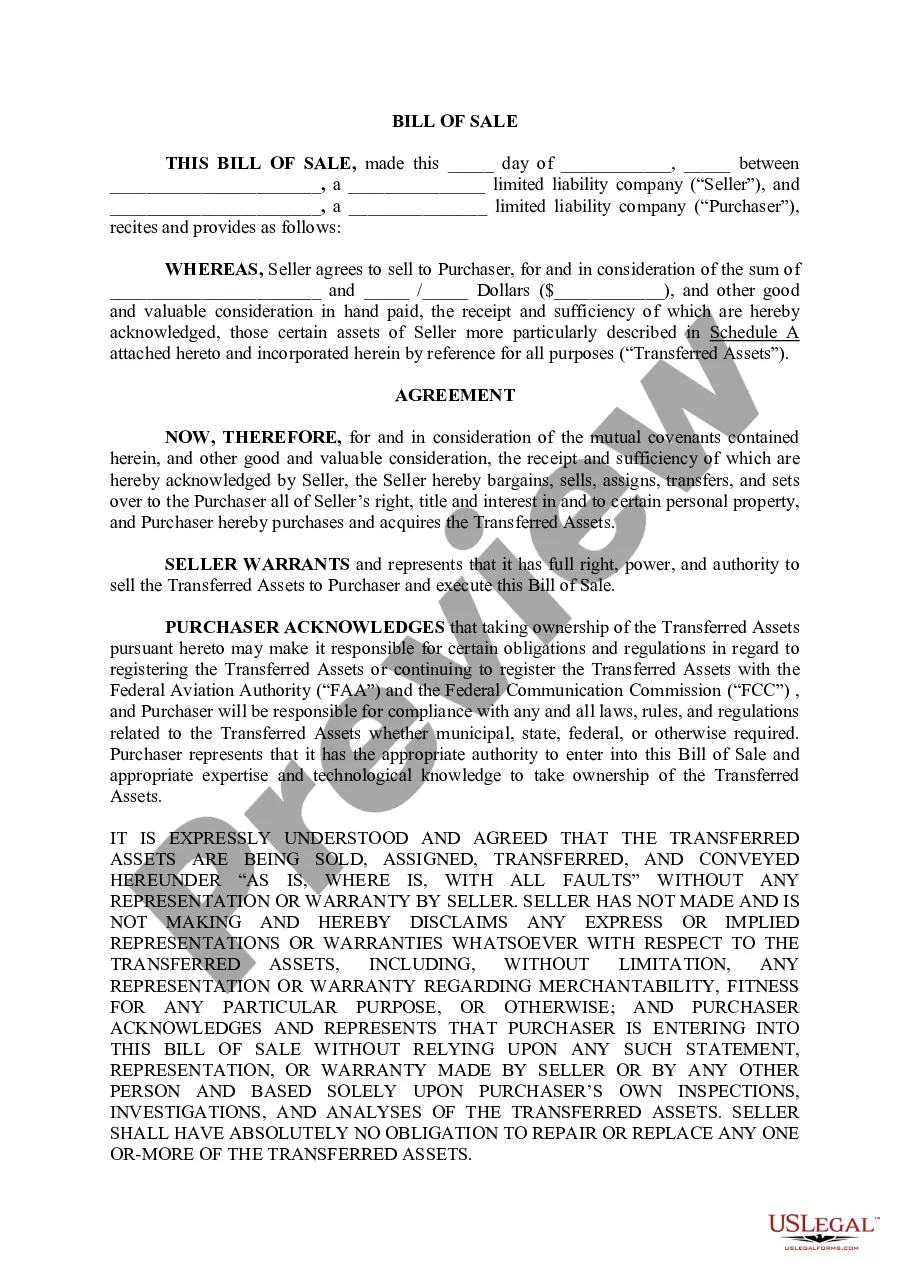
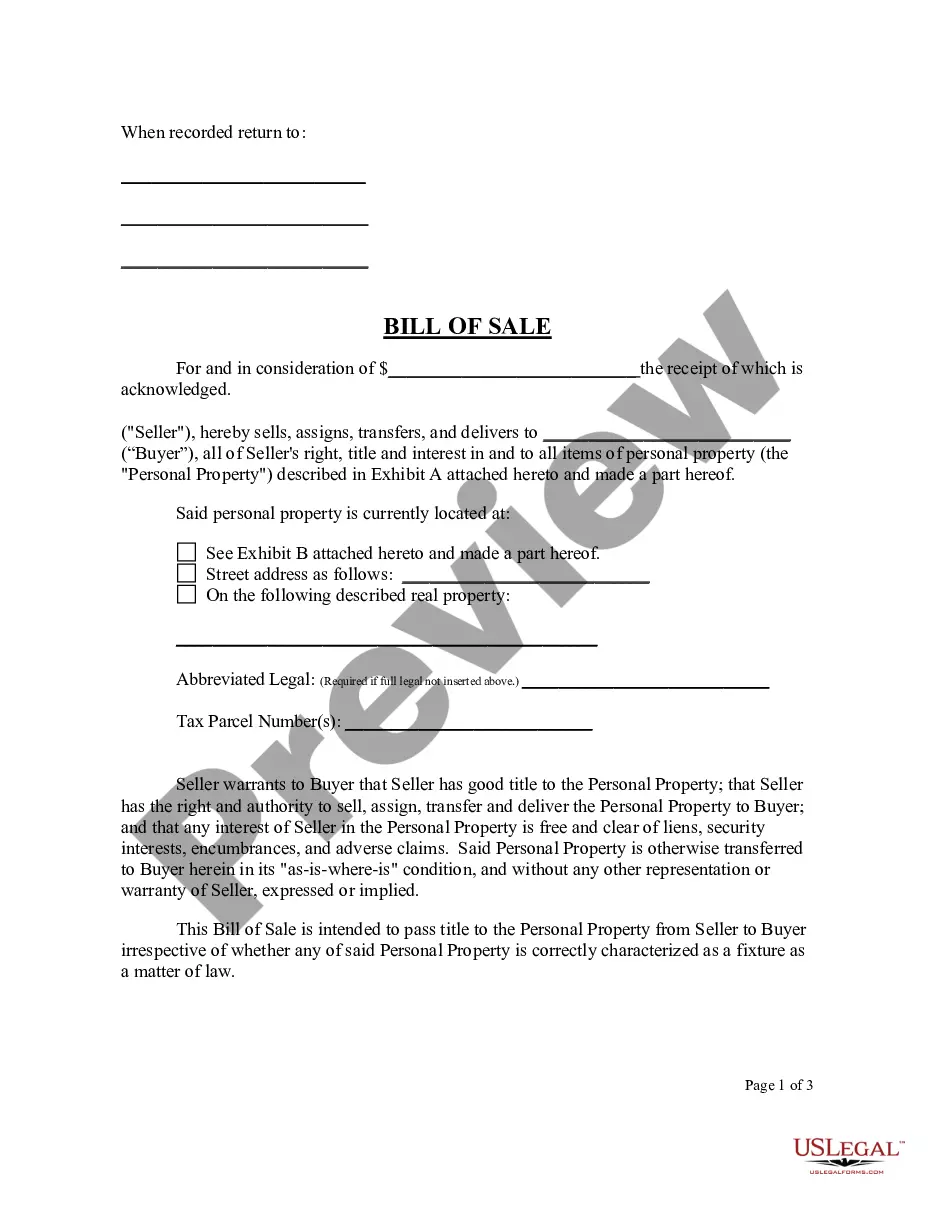
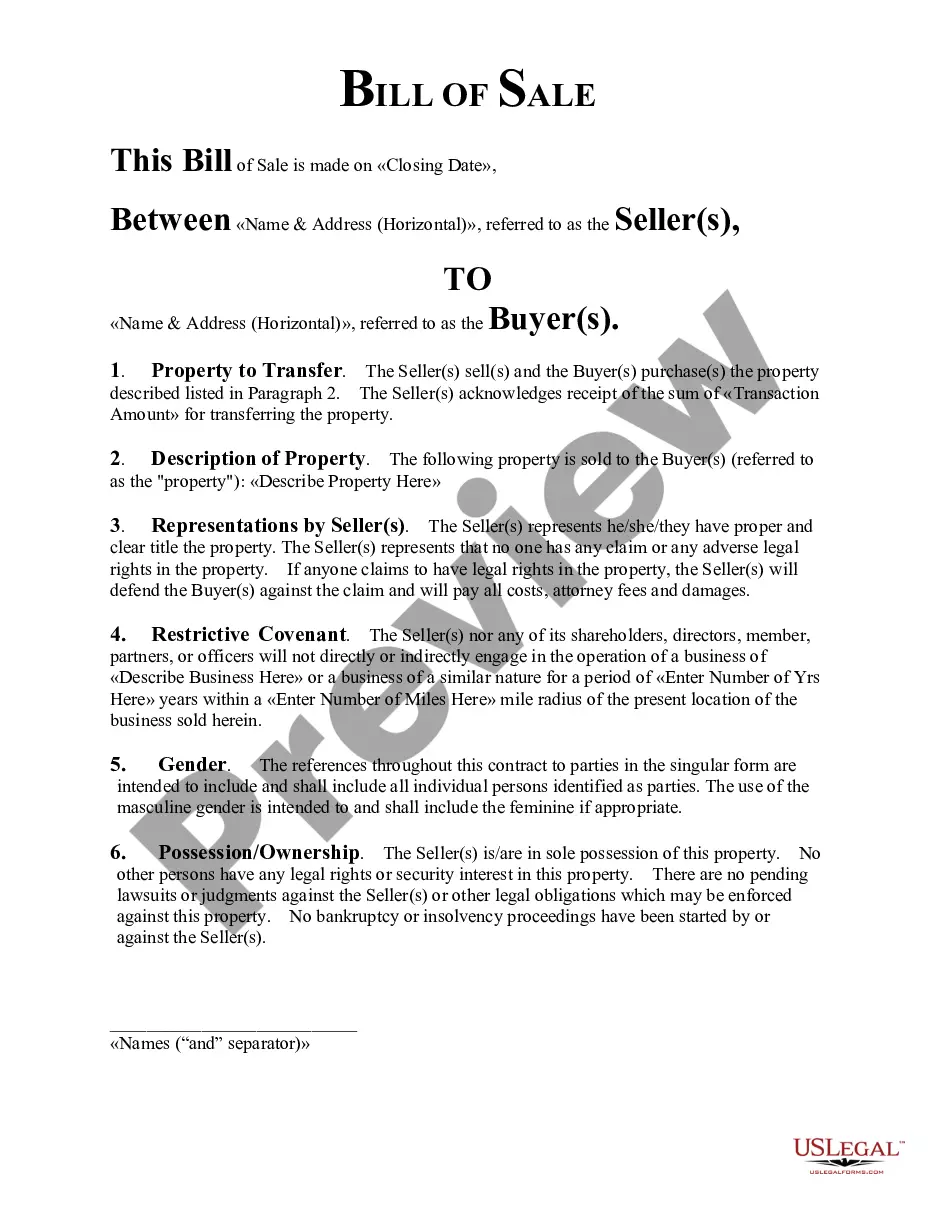
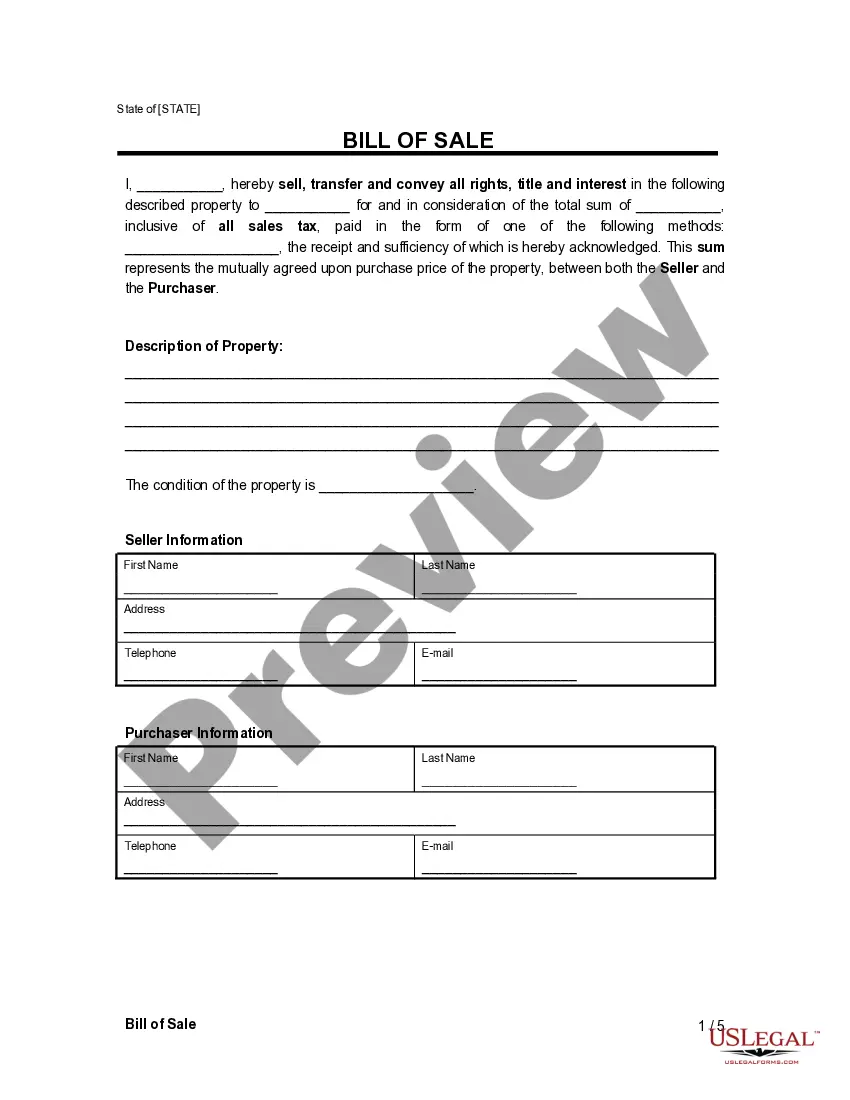
A Bill of Sale is a legal document used to transfer ownership of personal property, such as equipment or inventory, from one party to another. This specific Bill of Sale is tailored for transactions involving the sale of a business, whether conducted by an individual or a corporation. It outlines the assets involved in the sale, ensuring both parties understand what is being transferred and that all legal obligations are met. Unlike a simple receipt, the Bill of Sale formalizes the transaction and can protect both the buyer's and seller's interests.
Main sections of this form
- Identification of the seller and buyer, including their legal names.
- The consideration amount paid for the property being sold.
- A detailed list of the personal property being sold, including machinery, inventory, and goodwill.
- Representations and warranties of the seller, ensuring the property is free of liens.
- Space for signatures and dates to make the document legally binding.
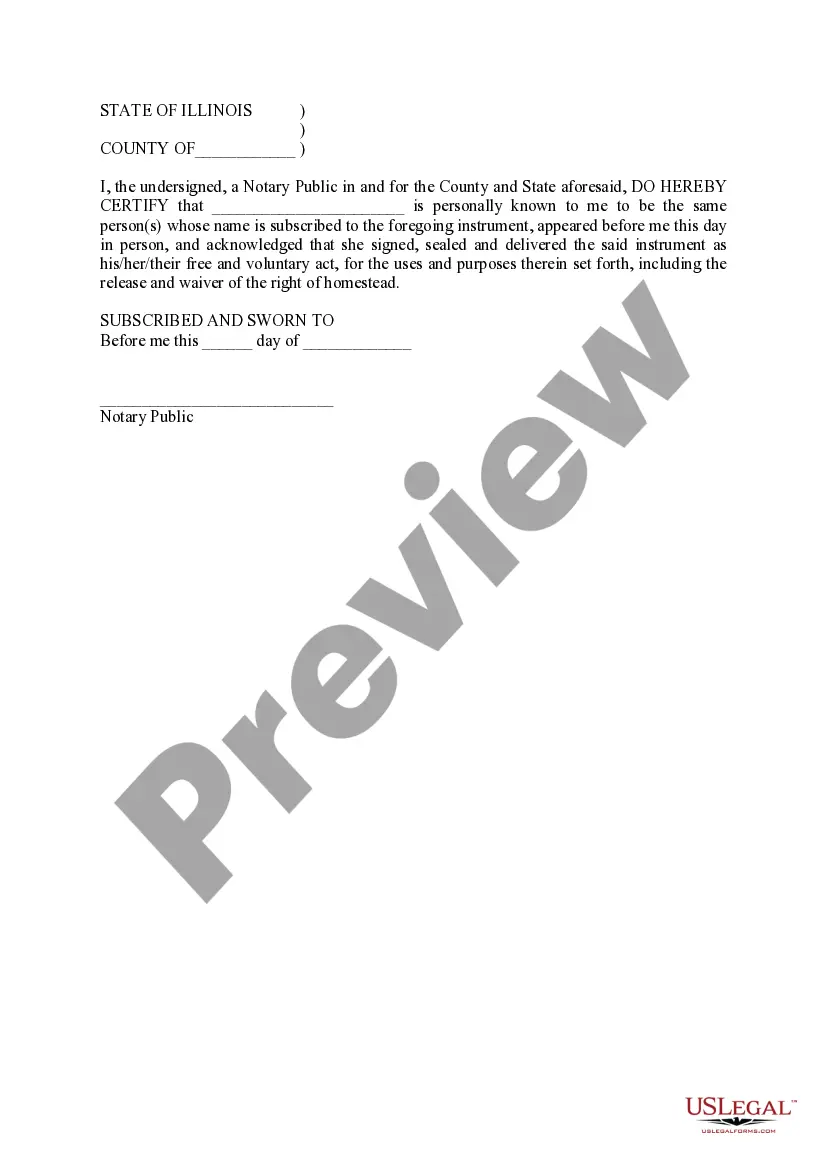
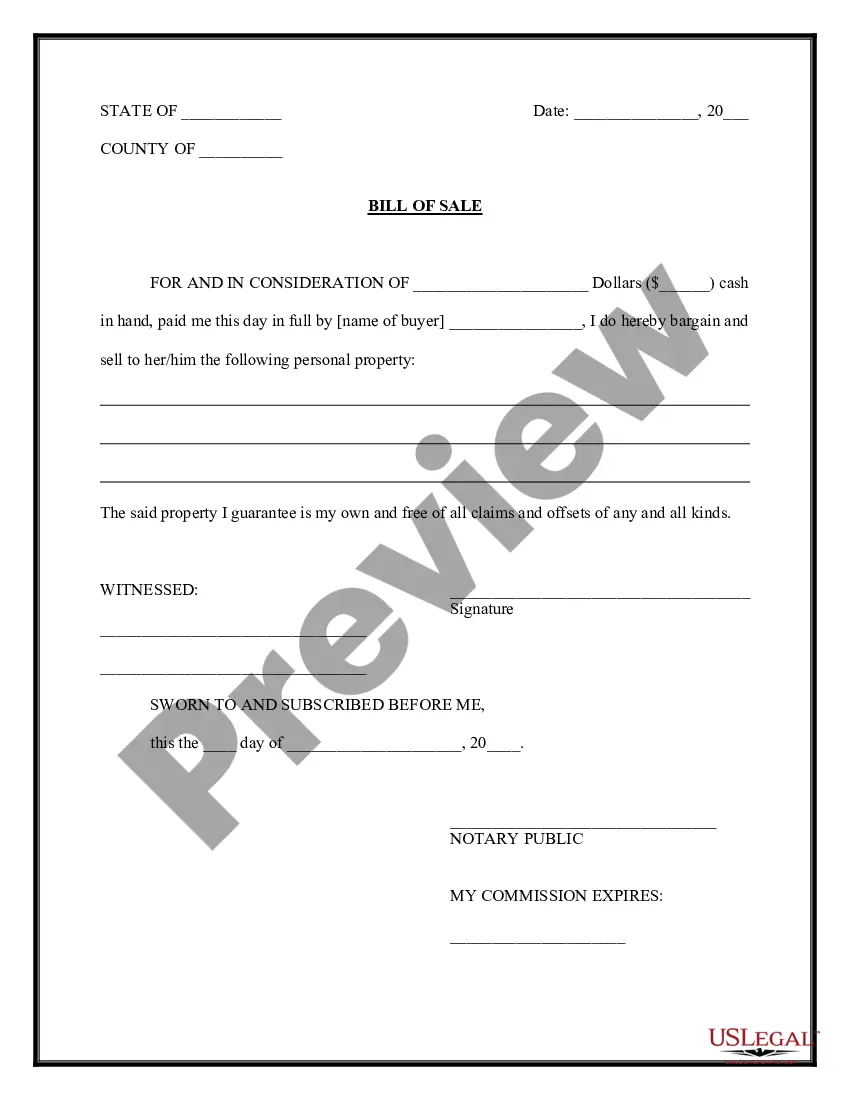
- Notary section for verification of signatures, adding an extra layer of authenticity.
When to use this form
You should use this Bill of Sale when you are engaging in a business transaction that involves the sale of business assets. Such scenarios include selling a retail store, a restaurant, or any business that has tangible and intangible assets. It is particularly useful to formalize the sale and protect your rights as either the seller or the buyer by clearly specifying what is included in the transaction.
Who this form is for
This Bill of Sale is intended for:
- Business owners looking to sell their enterprise, whether as an individual or part of a corporation.
- Buyers interested in purchasing a business and needing a formal record of the asset transfer.
- Attorneys or legal professionals assisting clients with the sale or purchase of a business.
- Parties involved in transactions that require clear documentation of the assets being transferred.
Steps to complete this form
- Identify the seller and buyer by entering their full legal names.
- State the sale price and any other consideration being exchanged.
- List all items being sold, including descriptions of equipment, inventory, and intangible assets.
- Have all parties sign and date the form to validate the agreement.
- Complete the notary section if required, ensuring the document is notarized to confirm signatures.
Notarization requirements for this form
This form does not typically require notarization unless specified by local law. However, notarizing the Bill of Sale adds an extra layer of verification and can help prevent disputes regarding its authenticity.
Get your form ready online
Our built-in tools help you complete, sign, share, and store your documents in one place.
Make edits, fill in missing information, and update formatting in US Legal Forms—just like you would in MS Word.
Download a copy, print it, send it by email, or mail it via USPS—whatever works best for your next step.
Sign and collect signatures with our SignNow integration. Send to multiple recipients, set reminders, and more. Go Premium to unlock E-Sign.
If this form requires notarization, complete it online through a secure video call—no need to meet a notary in person or wait for an appointment.
We protect your documents and personal data by following strict security and privacy standards.

Make edits, fill in missing information, and update formatting in US Legal Forms—just like you would in MS Word.

Download a copy, print it, send it by email, or mail it via USPS—whatever works best for your next step.

Sign and collect signatures with our SignNow integration. Send to multiple recipients, set reminders, and more. Go Premium to unlock E-Sign.

If this form requires notarization, complete it online through a secure video call—no need to meet a notary in person or wait for an appointment.

We protect your documents and personal data by following strict security and privacy standards.
Common mistakes to avoid
- Failing to list all items included in the sale, which may lead to disputes later.
- Not providing complete names or incorrect details of the seller and buyer.
- Omitting signatures or dates, making the document unenforceable.
- Not having the document notarized when it is required by local law.
Benefits of using this form online
- Convenience of downloading and printing the form from anywhere.
- Editable fields allow for customization specific to your transaction.
- Templates are created by legal professionals, ensuring reliability and adherence to legal standards.
- Quick access to necessary forms without the need for in-person visits.
Summary of main points
- A Bill of Sale formalizes the transfer of ownership in business transactions.
- Clear identification of involved parties and assets is crucial for validity.
- Notarization may not be required, but it can enhance the document's legitimacy.
- Customization and adherence to legal standards are ensured when using professionally drafted templates.
Looking for another form?
Form popularity
FAQ
In Illinois, a bill of sale does not necessarily need to be notarized to be valid. However, having it notarized can add an extra layer of legitimacy and protection for both parties involved. Using templates from uslegalforms can help you create a well-drafted document that meets your needs, promoting a smooth transaction.
In Illinois, registering a car without a title can be challenging, but it is possible under certain circumstances. You may present the Illinois Bill of Sale along with an application for a duplicate title or other supporting documentation. Using uslegalforms can help you craft the necessary documents to navigate this process smoothly.
Car Registration. You must have your car registration when selling your vehicle. Notice of Sale Form. You will need to advise the Illinois Secretary of State that you have sold your car. Odometer Disclosure Statement Form. Vehicle History Report.
An Illinois bill of sale is not required to register a vehicle. However, a bill of sale can be a helpful document.To register a vehicle in Illinois, you need to apply for registration and title on the vehicle. You can use a bill of sale along with the proper VSD form depending on your needs.
Can a bill of sale be handwritten? If your state does not provide a bill of sale form, yes, you can handwrite one yourself. As long as the document includes all of the necessary parts of a bill of sale and is signed by both parties and a notary, it is valid. Some states require a bill of sale while others don't.
The seller's name and address. The buyer's name and address. A description of the item being sold, including serial numbers, identification numbers, make, model, size, color, design, any distinguishing marks, features or faults source: Cooper.