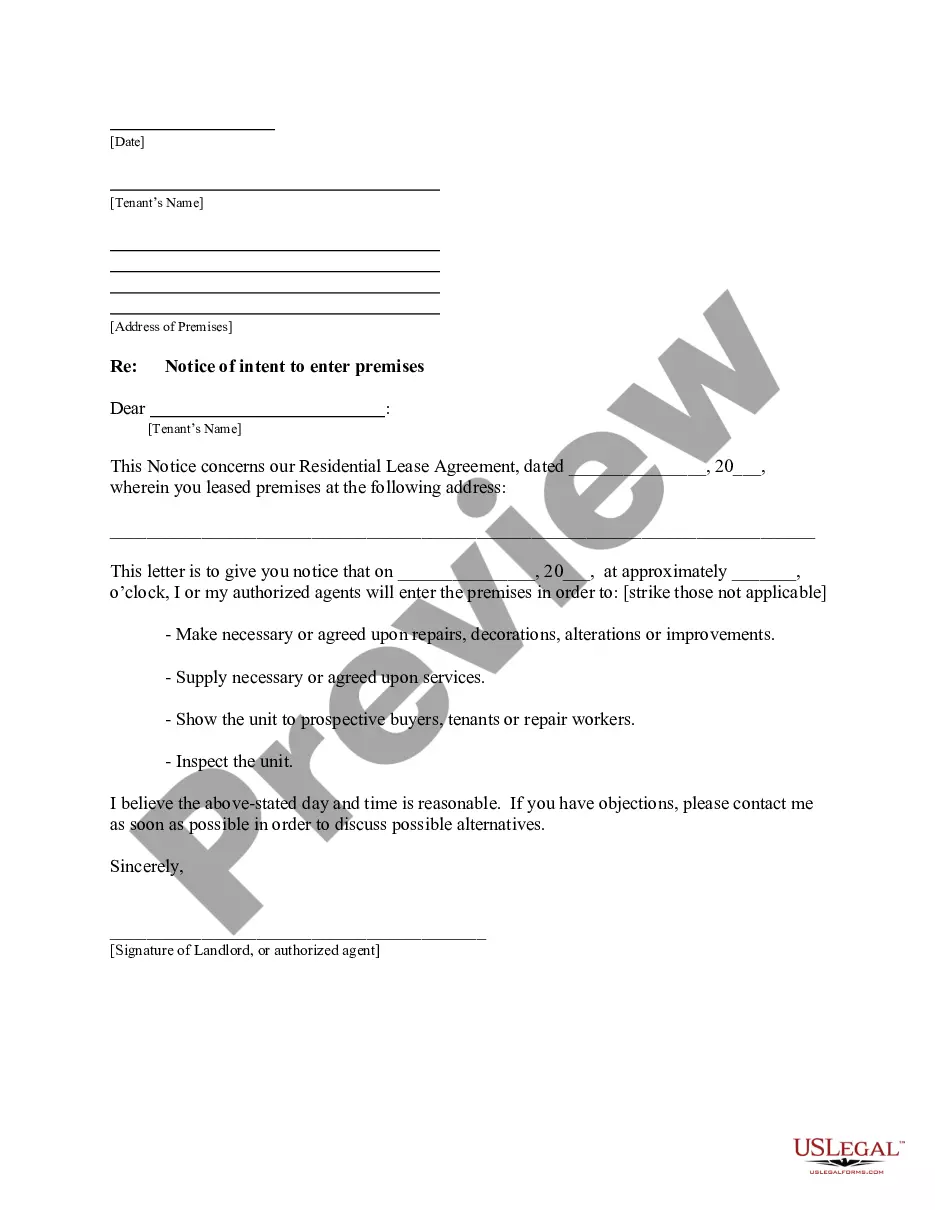
Illinois Civil/Family Warrants are court orders that authorize law enforcement to arrest and detain an individual for a specified crime. These warrants may be issued in a variety of civil and family matters, including but not limited to, child support delinquency, contempt of court, failure to appear in court, and criminal matters. There are three main types of Illinois Civil/Family Warrants: civil body attachment, bench warrant, and search warrant. A civil body attachment is a warrant issued by a court for the arrest and detention of an individual for failing to comply with a court order. This type of warrant is commonly used in cases of child support delinquency. A bench warrant is a court order that authorizes law enforcement to arrest and detain an individual for failing to appear in court. This type of warrant is commonly issued when the individual fails to appear at a scheduled court date. A search warrant is a court order that authorizes law enforcement to search an individual’s property for evidence of a crime. This type of warrant is commonly used in criminal matters. In order to apply for an Illinois Civil/Family Warrant, an individual must file an affidavit with the court, describing the alleged violation of the court order or criminal act. The court will then review the affidavit and, if necessary, issue a warrant for the individual’s arrest.
Illinois Civil / Family Warrant application
Description


How to fill out Illinois Civil / Family Warrant Application?
How much time and resources do you frequently allocate for drafting official documents.
There’s a superior alternative to obtaining such forms than engaging legal professionals or expending hours searching online for an appropriate template.
An additional advantage of our library is that you can retrieve previously downloaded documents that are securely stored in your profile in the My documents tab. Access them at any time and redo your paperwork as often as needed.
Conserve time and effort in preparing formal documents with US Legal Forms, one of the most reliable online services. Join us now!
- Assess the form content to confirm it complies with your state regulations. To do so, review the form description or utilize the Preview option.
- If your legal template does not fulfill your requirements, locate another one by using the search bar at the top of the page.
- If you already possess an account with us, Log In and download the Illinois Civil / Family Warrant application. If not, continue to the next steps.
- Click Buy now upon finding the correct blank. Select the subscription plan that best suits you to access our library’s complete offerings.
- Register for an account and complete your subscription payment. You may use your credit card or PayPal - our service is entirely secure for that.
- Download your Illinois Civil / Family Warrant application to your device and fill it out on a printed hard copy or electronically.
Form popularity
FAQ
A warrant can only be issued by a judge on the basis of probable cause. A person requesting for an arrest warrant must show ample evidence that links the accused to the crime. Even if a person has a warrant out for his or her arrest, he or she can still get bail which will release the warrant.
There are two types of warrants issued, one for an arrest and one to conduct a search for evidence. The reason law enforcement are required to get a warrant in most cases comes from the Constitution.
To clear a bench warrant, you'll need to appear in court, and your Illinois warrant lawyer can help you with that. If you've been charged with a felony, you're generally required to appear in court. However, misdemeanors can be dismissed if the related warrant wasn't properly served to you.
Under California Penal Code 801 PC, felonies (or offenses punishable by imprisonment) have a statute of limitations of three years. Less severe charges involving misdemeanors have an SOL of one year (in general).
First, be aware that arrest warrants generally do not expire. Therefore, if the new state finds the old warrant, you risk spending up to 30 days in jail before you are turned over to Illinois. But there are steps you can take to clear up your problem.
We cannot give out information over the phone. You can visit the online Warrants Search - .willcountywarrants.com and see if you have any warrants issued for you. Or it is recommended to go to your local police department and have them check.
(c) A warrant or summons may be issued by the court for the arrest or appearance of the person complained against if it appears from the contents of the complaint and the examination of the complainant or other witnesses, if any, that the person against whom the complaint was made has committed an offense.