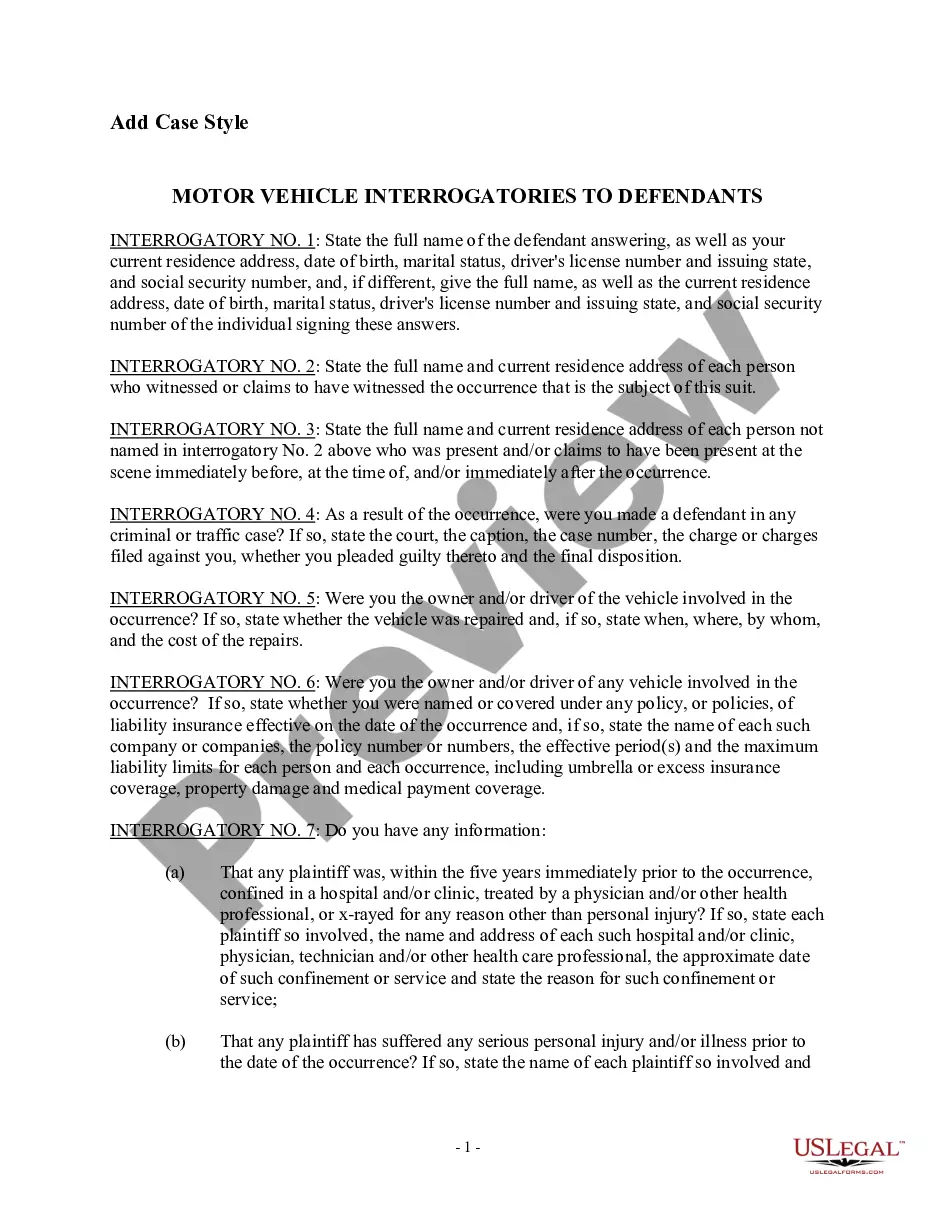
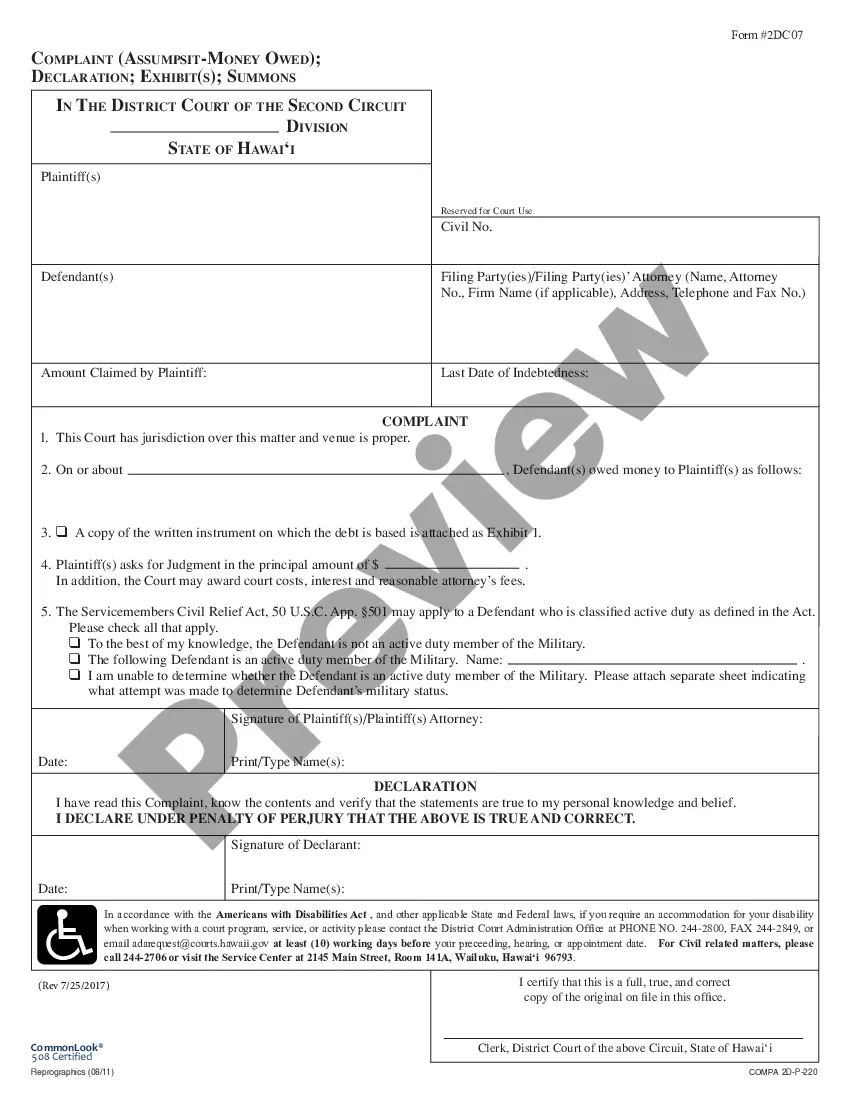
Illinois Supplementary Wage Deduction Order-Turnover Order (also known as SOD) is an order issued by the State of Illinois that requires employers to deduct a certain amount of wages from an employee’s paycheck and turn them over to the state for collection. This order is typically issued when an employee has an indebtedness to the state, such as unpaid taxes or child support payments. The deduction amount varies depending on the type of debt and the employee’s income. There are two types of Illinois Supplementary Wage Deduction Order-Turnover Order: the Turnover Order and the Garnishment Order. The Turnover Order requires the employer to immediately deduct and turn over the amount stated in the order from the employee’s wages. The Garnishment Order requires the employer to deduct and turn over a certain percentage of the employee’s wages. The employer is responsible for calculating the withholding amount and ensuring that the correct amount is deducted and turned over to the state.
Illinois Supplementary Wage Deduction Order-Turnover Order
Description
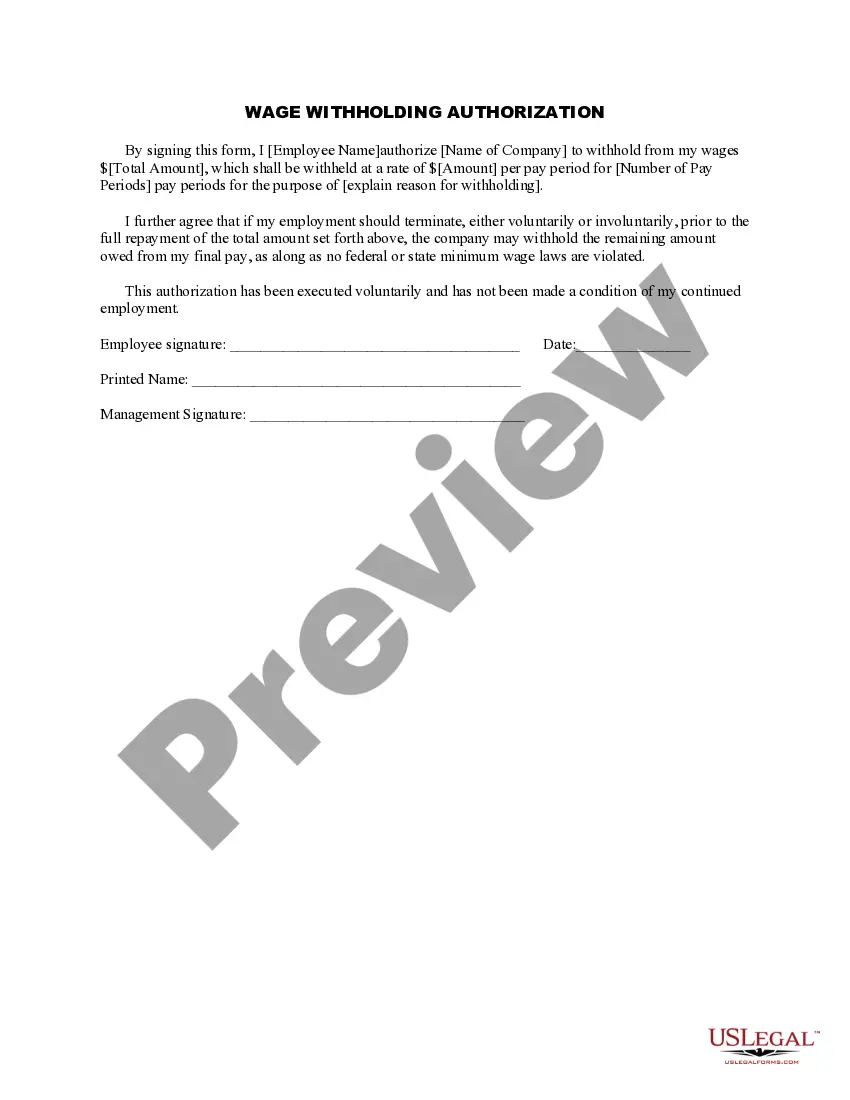
Get your form ready online
Our built-in tools help you complete, sign, share, and store your documents in one place.
Make edits, fill in missing information, and update formatting in US Legal Forms—just like you would in MS Word.
Download a copy, print it, send it by email, or mail it via USPS—whatever works best for your next step.
Sign and collect signatures with our SignNow integration. Send to multiple recipients, set reminders, and more. Go Premium to unlock E-Sign.
If this form requires notarization, complete it online through a secure video call—no need to meet a notary in person or wait for an appointment.
We protect your documents and personal data by following strict security and privacy standards.

Make edits, fill in missing information, and update formatting in US Legal Forms—just like you would in MS Word.

Download a copy, print it, send it by email, or mail it via USPS—whatever works best for your next step.

Sign and collect signatures with our SignNow integration. Send to multiple recipients, set reminders, and more. Go Premium to unlock E-Sign.

If this form requires notarization, complete it online through a secure video call—no need to meet a notary in person or wait for an appointment.

We protect your documents and personal data by following strict security and privacy standards.
Looking for another form?
How to fill out Illinois Supplementary Wage Deduction Order-Turnover Order?
US Legal Forms is the simplest and most economical method to locate appropriate official templates.
It possesses the largest online collection of business and personal legal documents created and verified by legal experts.
Here, you can access printable and fillable forms that adhere to national and local regulations - just like your Illinois Supplementary Wage Deduction Order-Turnover Order.
Review the form description or preview the document to ensure you’ve located the one that meets your needs, or find another one through the search feature above.
Click Buy now when you are confident of its suitability with all the requirements, and select the subscription plan that you prefer most.
- Acquiring your document involves just a few easy steps.
- Users who already have an account with an active subscription need only to Log In to the site and download the file onto their device.
- Afterward, they can locate it in their account within the My documents section.
- And here’s how you can obtain a correctly drafted Illinois Supplementary Wage Deduction Order-Turnover Order if you are using US Legal Forms for the first time.
Form popularity
FAQ
The Debt Collection Improvement Act authorizes federal agencies or collection agencies under contract with them to garnish up to 15% of disposable earnings to repay defaulted debts owed to the U.S. government.
A wage garnishment is when a part of a person's wages are taken to pay for a debt they owe. This is also called a turnover order. The person who owes the money is called the debtor. The person they owe the money to is called the creditor.
Some states set a lower limit on how much of your wages are subject to garnishment. In Illinois, consumer creditors, such as credit card issuers and hospitals, must have a money judgment against you, and even then, can deduct only as much as 15% of your wages.
A garnishment order lets lenders take money until a debt is satisfied. They can go to the employer and have money deducted from their pay. They can go to their bank and drain their savings and checking accounts, too. The amount garnished is typically up to 25 percent of disposable income.
Earnings Withholding Order for Taxes (EWOTs) These are wage garnishments, where employers are required to withhold a portion of the employee's income and pay that money to the issuing agency in order to repay an outstanding debt.
A wage or bank account garnishment occurs when a creditor takes a portion of your paycheck or money from your bank account to collect a debt.
However, the IRS is unfortunately not bound by this law. This means that they can choose how much to garnish from your wages each month, depending on how much you owe and how much you earn. The limit is typically between 25-50% of your disposable earnings after deductions are made.
An EWOT is a wage garnishment. Wage garnishment is a legal procedure in which a portion of an employee's earnings are required by law to be withheld and remitted to the issuing agency by an employer for the payment of a debt such as child support or taxes.