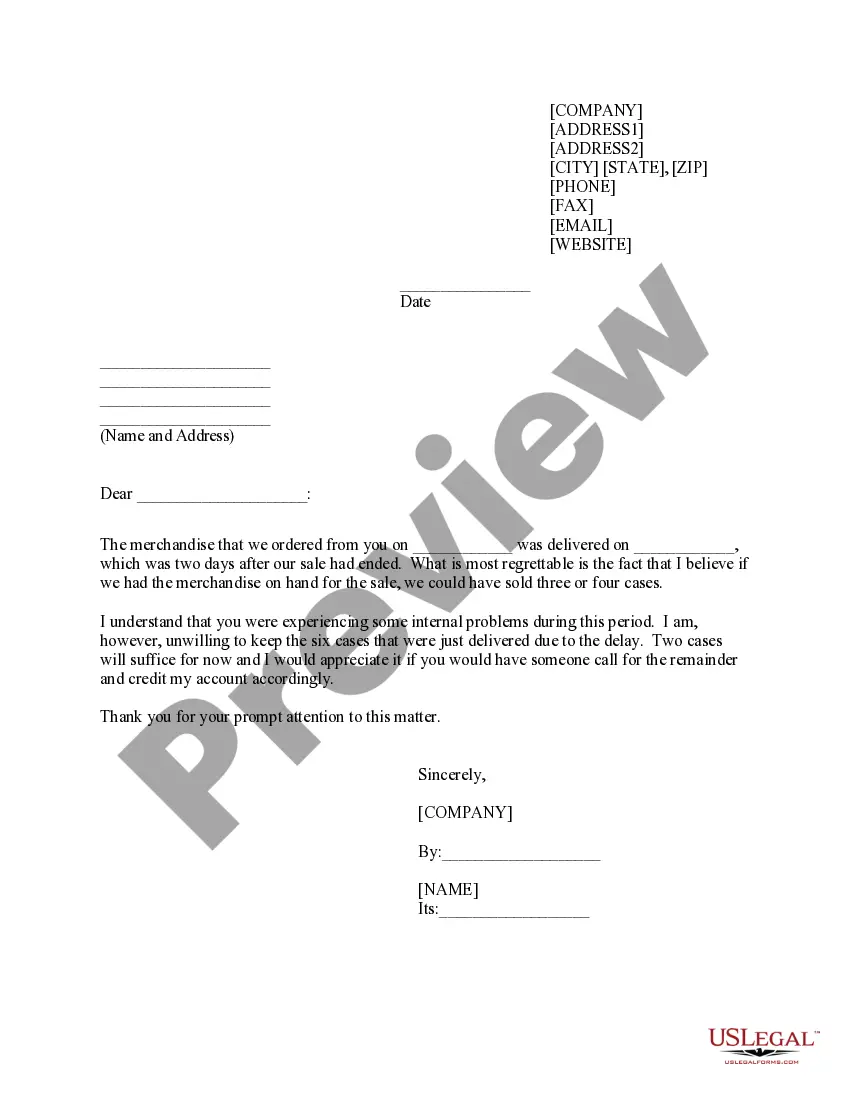
Illinois Tenant Finish and Leasing Agreement
Description
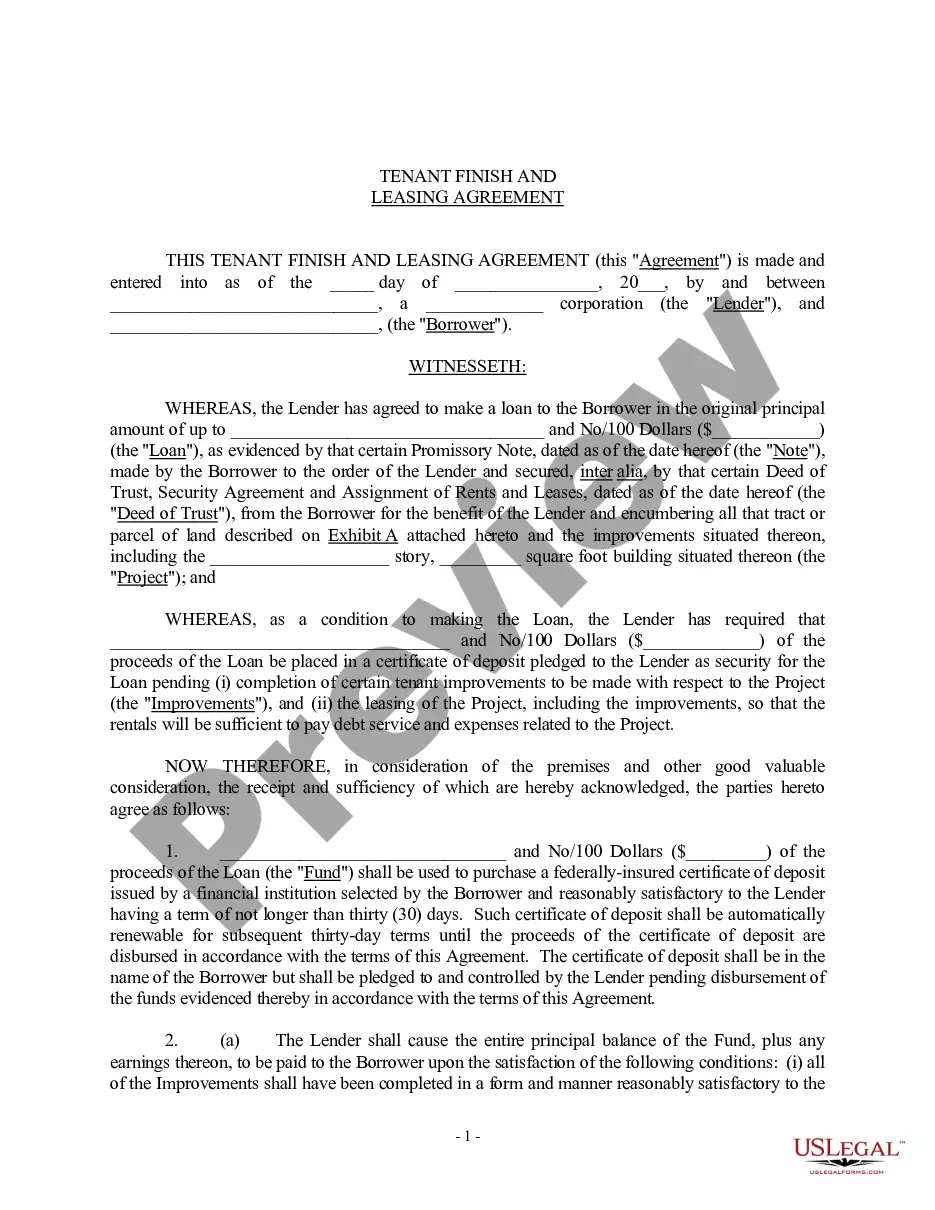
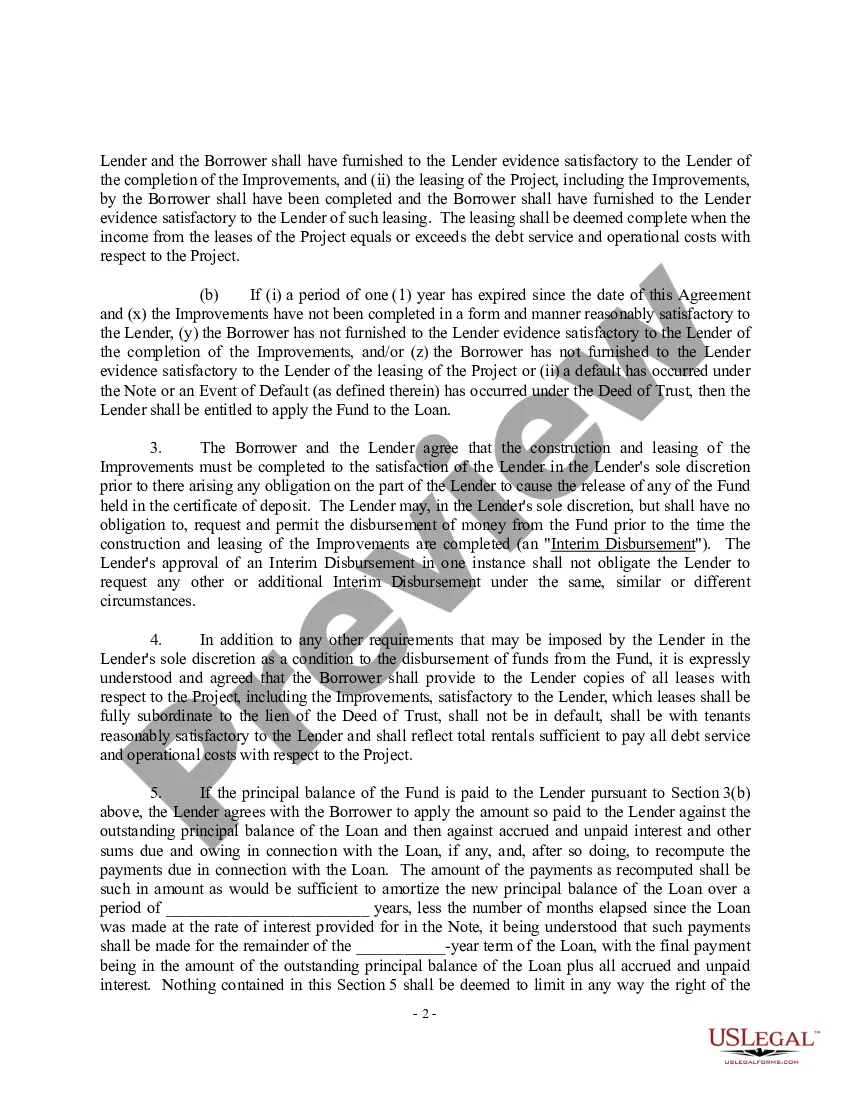
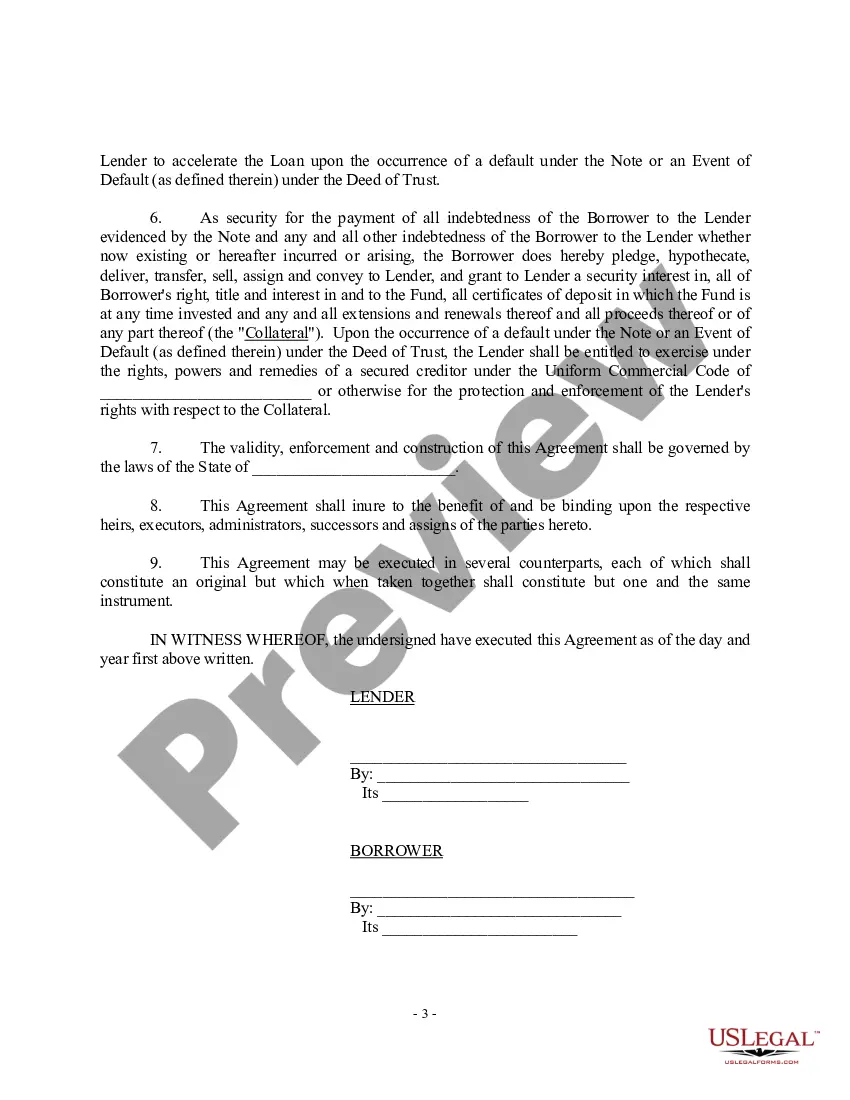

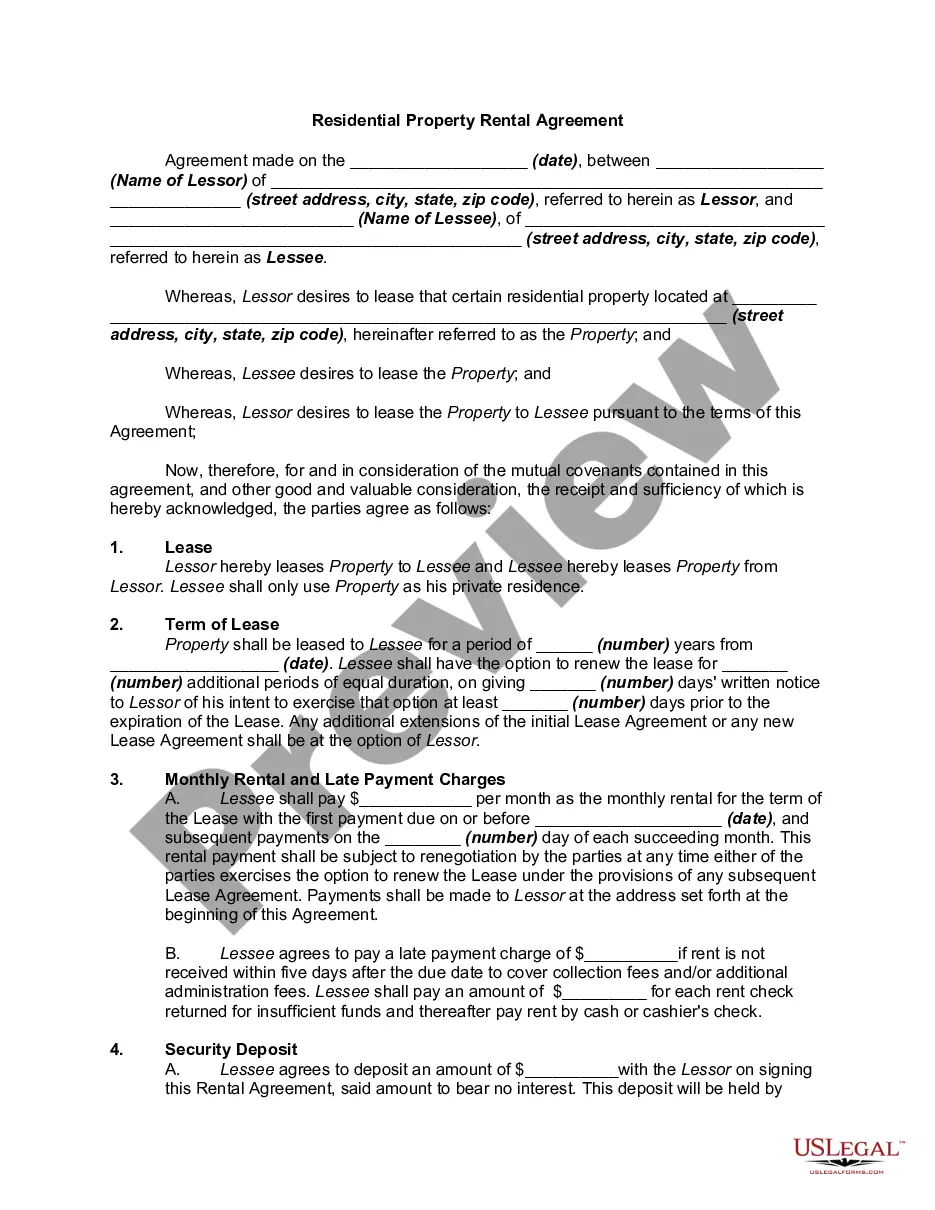
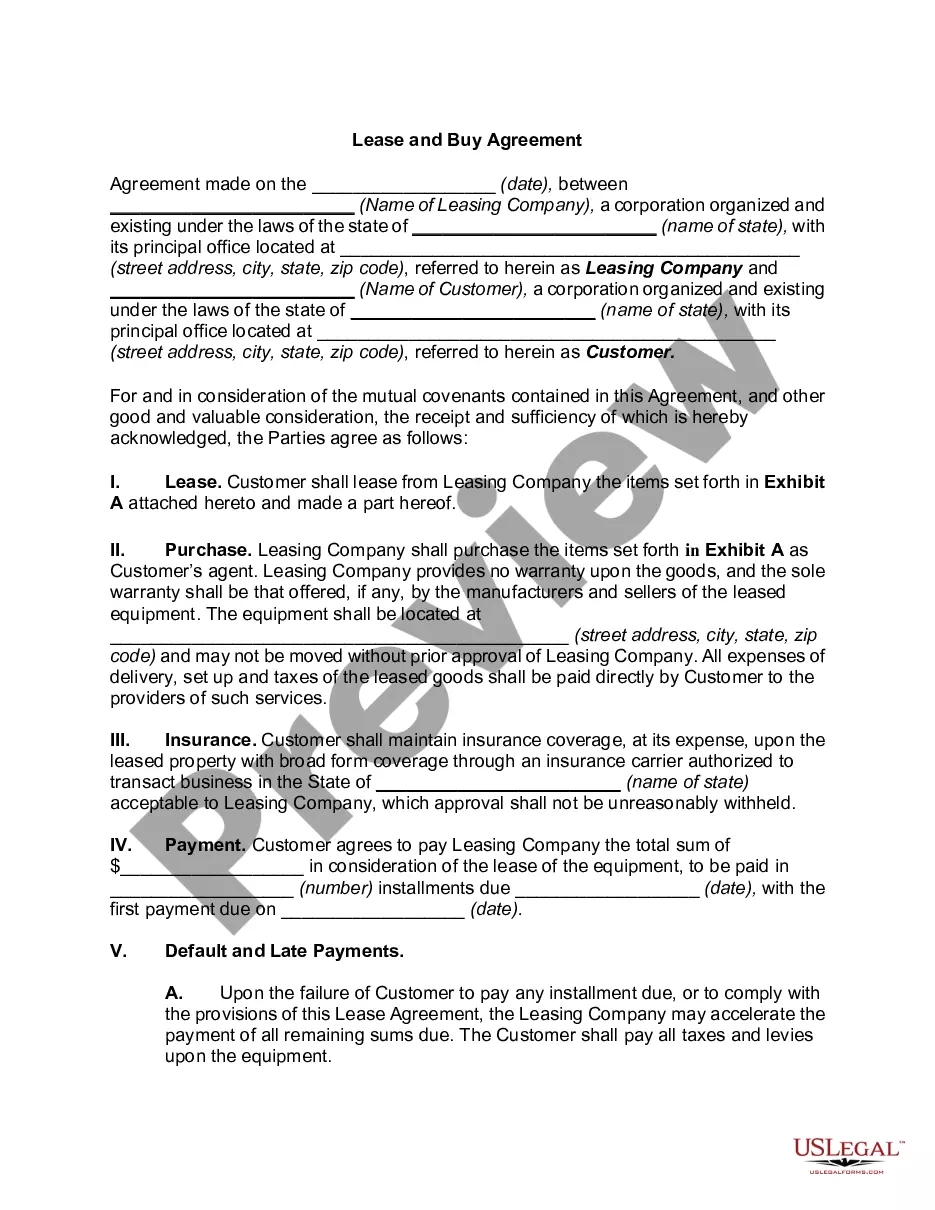
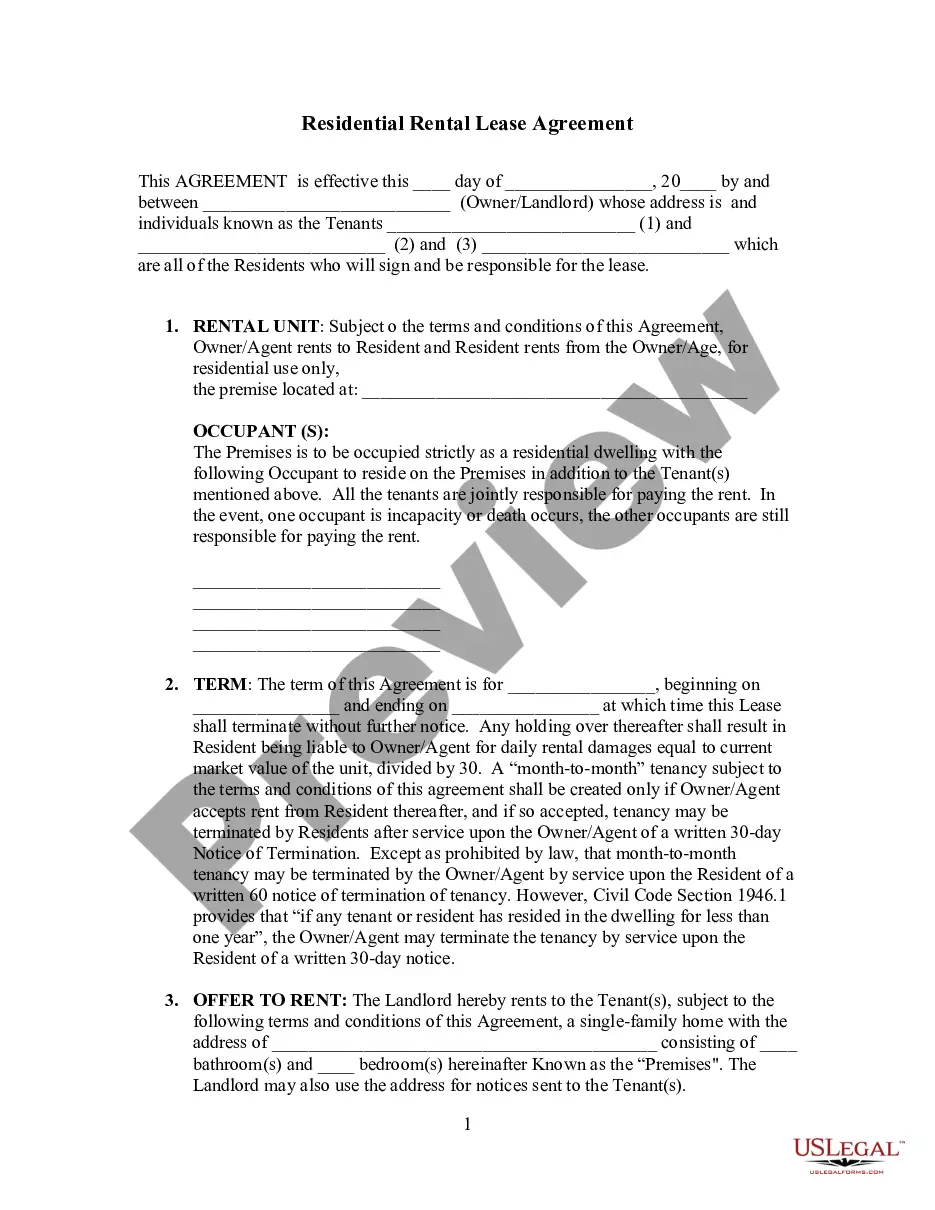
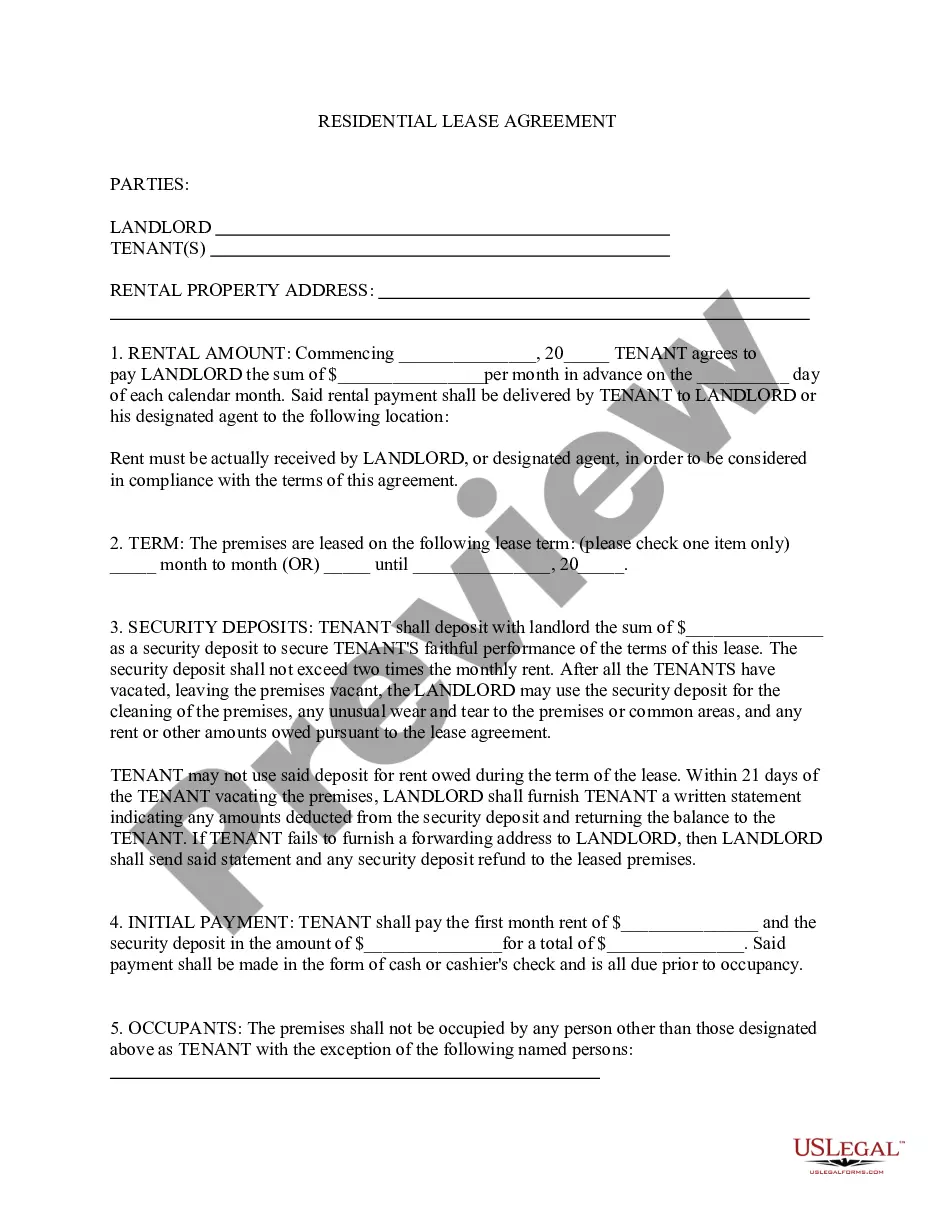
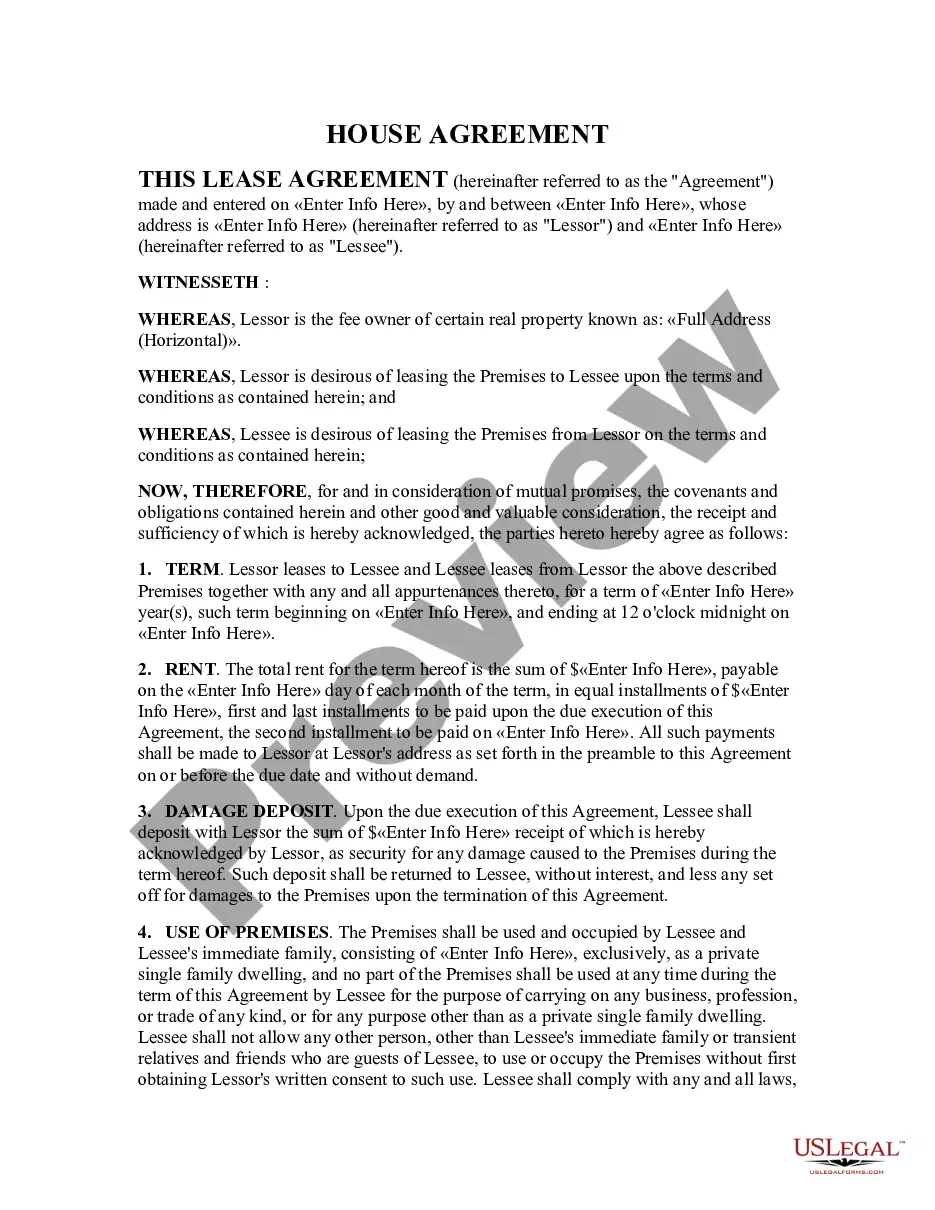


How to fill out Tenant Finish And Leasing Agreement?
Locating the appropriate legal document template can be a challenge. Obviously, there are numerous templates available online, but how do you discover the legal form you require? Utilize the US Legal Forms website. This service offers thousands of templates, including the Illinois Tenant Finishing and Leasing Agreement, that can be employed for both business and personal purposes. All of the forms are reviewed by experts and comply with federal and state regulations.
If you are already registered, Log In to your account and click the Download button to obtain the Illinois Tenant Finishing and Leasing Agreement. Use your account to browse through the legal documents you have acquired previously. Navigate to the My documents section of your account and download another copy of the document you require.
If you are a new user of US Legal Forms, here are simple instructions for you to follow: First, ensure you have selected the correct form for your city/region. You can view the form using the Preview button and read the form description to confirm it is suitable for you. If the form does not meet your needs, use the Search field to find the appropriate form. Once you are confident the form is correct, click the Download now button to obtain the form. Choose the pricing plan you desire and enter the necessary information. Create your account and complete the purchase using your PayPal account or credit card. Select the document format and download the legal document template to your device. Complete, modify, print, and sign the downloaded Illinois Tenant Finishing and Leasing Agreement.
- US Legal Forms is the largest repository of legal documents where you can find numerous document templates.
- Utilize the service to acquire professionally crafted documents that adhere to state regulations.
Form popularity
FAQ
If the landlord doesn't give the required 30 days' notice, tenants can stay in their rental up to 60 days after the end date on the lease without being considered holdover tenants.
For tenancies 6 months-3 years, must give 60 days notice or tenant can stay for 60 days. For tenancies over 3 years, must give 120 days notice or tenant can stay for 120 days.) In Cook County, a landlord cannot ask the tenant to renew more than 60 days before the lease ends.
If the Tenants Have Moved out So, if the tenants have moved out by that date, then that is the end of it. The tenants no longer have any liability under the tenancy and the landlord no longer has any right to charge rent. Landlords often get upset about this if the tenants have moved out without giving them any notice.
Your tenancy becomes a periodic tenancy automatically if you stay past the end of the fixed term without a renewal agreement. A joint tenancy becomes periodic if any of the tenants stay on, unless there's a new agreement in place. A periodic tenancy continues on the same terms and you should pay your rent as normal.
Once your lease expired, it did not automatically renew. If you have not already, you should provide your landlord with written 30 days notice of your intention to move out. Once the 30 days has expired, you are free to move out.
If a tenant disagrees to leave even after the completion of the lease period, you can approach the Civil Court, under the jurisdiction of which your property falls. You may seek the eviction of your tenant but you will have to abide by the Court's decision, whether or not it is in your favor.
It normally ranges from 20 to 30 days. At times the lease agreement may provide for longer periods of more than 30 days. The Consumer Protection Act (CPA), which regulates residential lease agreements states that such a notice period can not be less than 20 working days.
Evicting Without a Lease At will tenants, or those who live in a unit without a lease do not automatically receive protection from evictions or other landlord actions. However, when this type of tenant pays the landlord rent, they earn rights.
If the Tenants Have Moved outIt will no longer exist. This is under a rule quaintly known by lawyers as 'effluxion of time'. So, if the tenants have moved out by that date, then that is the end of it. The tenants no longer have any liability under the tenancy and the landlord no longer has any right to charge rent.
When a written lease for a specified term expires, the default rule is that the tenant is required to move out and may be evicted as a holdover tenant if he or she fails to do so. See: How to Evict a Tenant in Illinois.