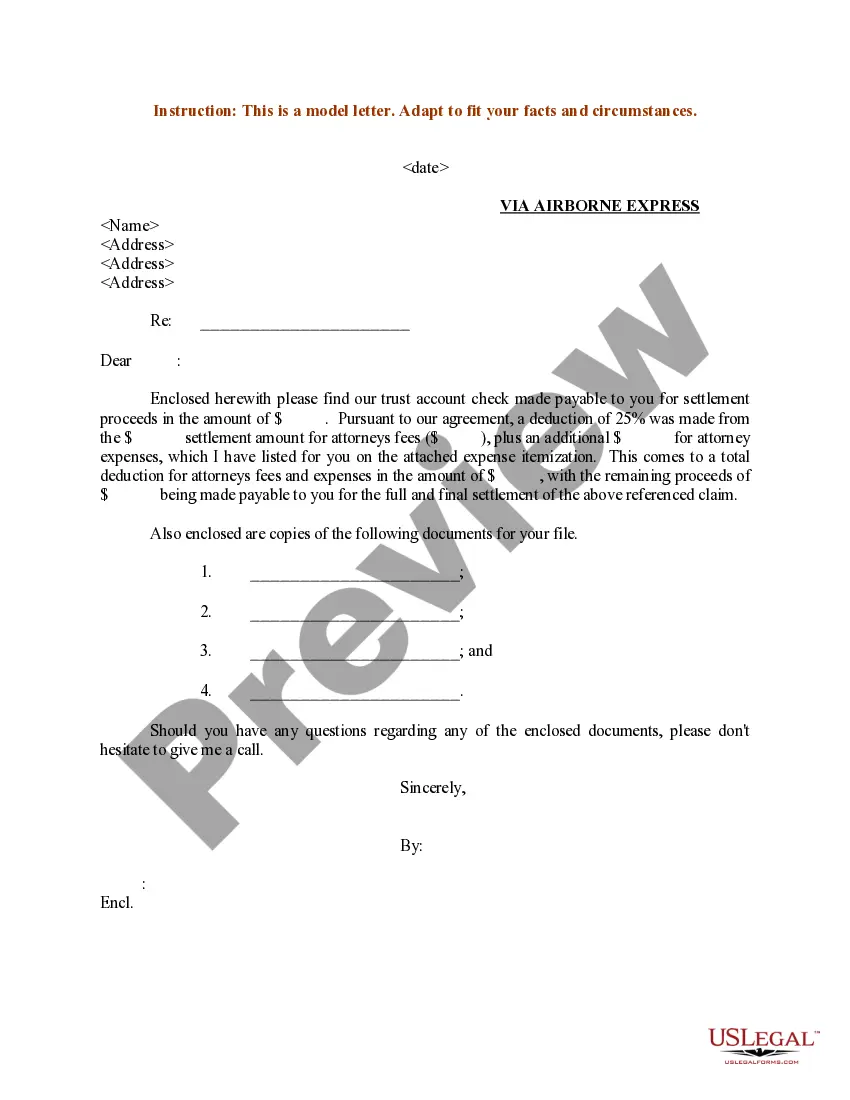
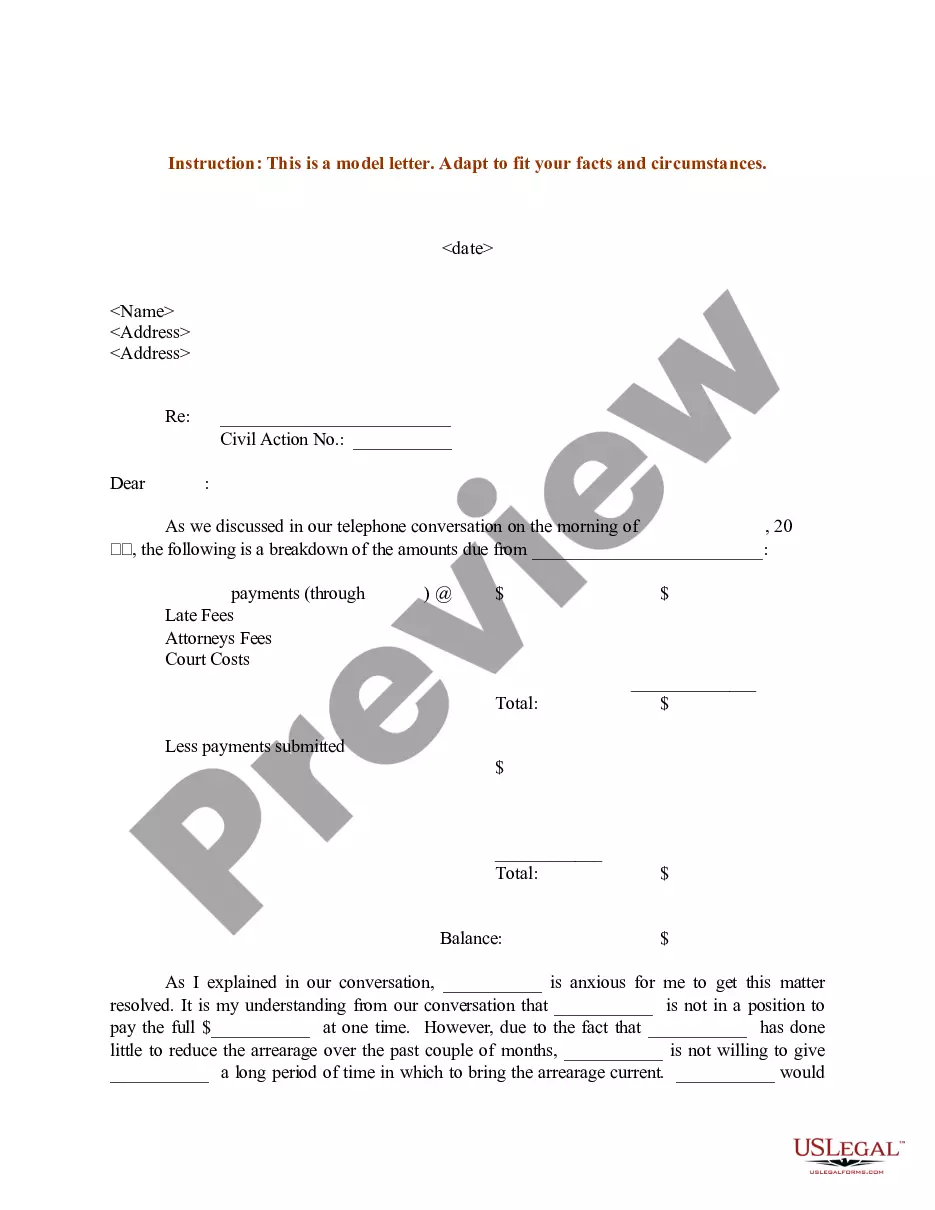
Indiana Sample Letter for Explanation of Attorneys Fees and Settlement Payment
Description
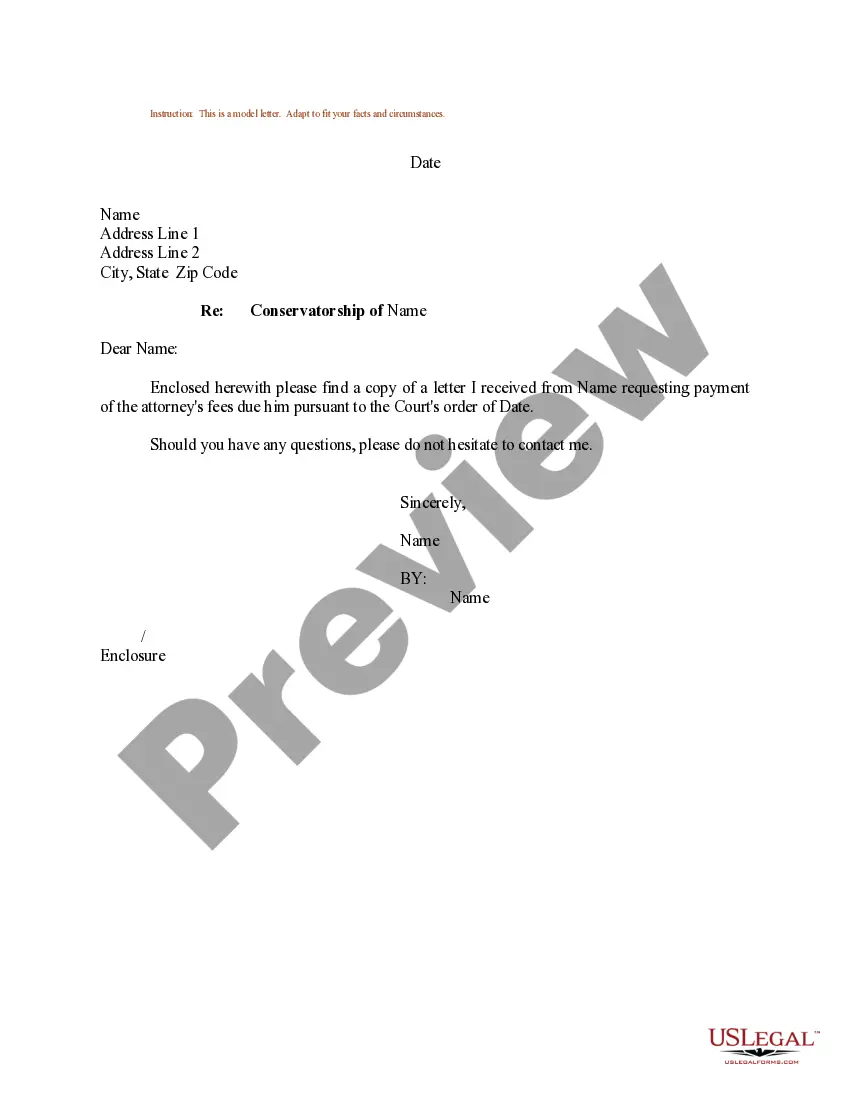
Get your form ready online
Our built-in tools help you complete, sign, share, and store your documents in one place.
Make edits, fill in missing information, and update formatting in US Legal Forms—just like you would in MS Word.
Download a copy, print it, send it by email, or mail it via USPS—whatever works best for your next step.
Sign and collect signatures with our SignNow integration. Send to multiple recipients, set reminders, and more. Go Premium to unlock E-Sign.
If this form requires notarization, complete it online through a secure video call—no need to meet a notary in person or wait for an appointment.
We protect your documents and personal data by following strict security and privacy standards.

Make edits, fill in missing information, and update formatting in US Legal Forms—just like you would in MS Word.

Download a copy, print it, send it by email, or mail it via USPS—whatever works best for your next step.

Sign and collect signatures with our SignNow integration. Send to multiple recipients, set reminders, and more. Go Premium to unlock E-Sign.

If this form requires notarization, complete it online through a secure video call—no need to meet a notary in person or wait for an appointment.

We protect your documents and personal data by following strict security and privacy standards.
Looking for another form?
How to fill out Sample Letter For Explanation Of Attorneys Fees And Settlement Payment?
Are you presently in a situation where you require documentation for potential business or personal reasons nearly every day.
There are numerous legal document templates available online, but locating reliable ones is not straightforward.
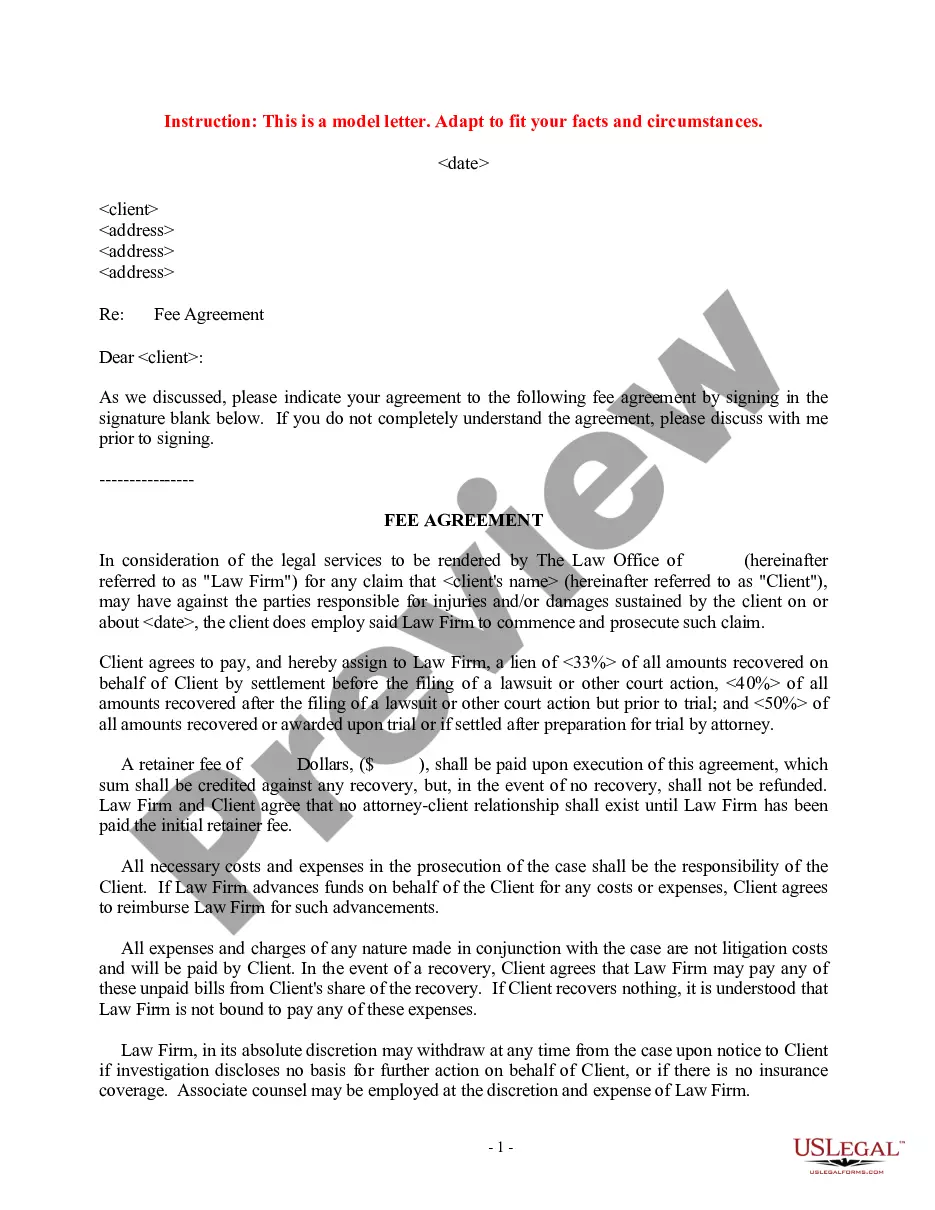
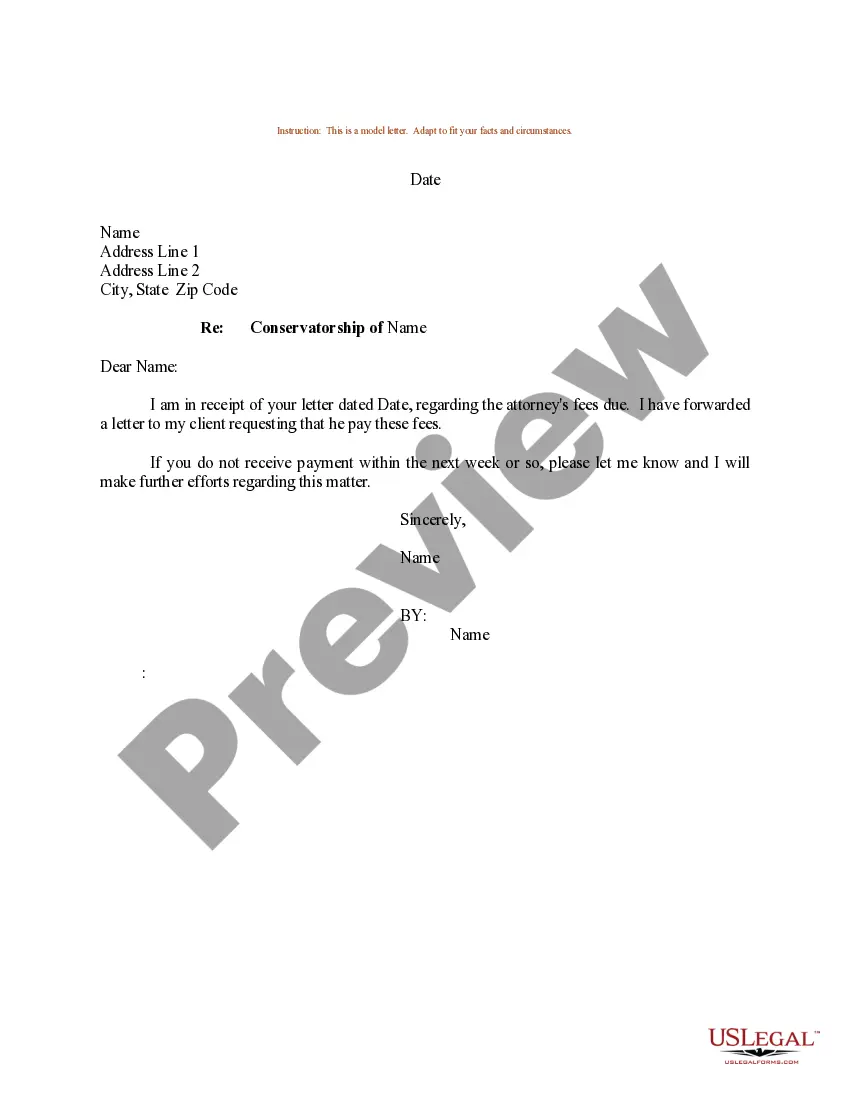
US Legal Forms provides thousands of form templates, such as the Indiana Sample Letter for Clarification of Attorneys Fees and Settlement Payment, designed to comply with state and federal regulations.
Once you find the appropriate form, click Buy now.
Choose a payment plan you prefer, fill in the required information to create your account, and complete your purchase using PayPal or a credit card.
- If you are already familiar with the US Legal Forms website and have an account, just Log In.
- Then, you can download the Indiana Sample Letter for Clarification of Attorneys Fees and Settlement Payment template.
- If you do not have an account and wish to start using US Legal Forms, follow these steps.
- Find the form you need and ensure it is for the correct city/state.
- Use the Review button to check the form.
- Read the description to ensure you have selected the correct form.
- If the form isn’t what you’re looking for, use the Search area to find the form that meets your needs.
Form popularity
FAQ
The American Rule is a rule in the U.S. justice system that says two opposing sides in a legal matter must pay their own attorney fees, regardless of who wins the case. The rationale of the rule is that a plaintiff should not be deterred from bringing a case to court for fear of prohibitive costs.
The ?American Rule? requires each party to bear its own attorney's fees in litigation absent a statutory or contractual exception. [i] Fee-shifting provisions are the exceptions to that general rule.
The American rule for attorney fees requires each party to pay its attor- ney, win or lose; the English rule (applicable in most of the world) requires the losing party to pay the winner's reasonable attorney fees.
In the United States, the general rule, which derives from common law, is that each side in a legal proceeding pays for its own attorney. There are many exceptions, however, in which federal courts, and occasionally federal agencies, may order the losing party to pay the attorneys' fees of the prevailing party.
Suing for legal fees is common in many lawsuits. However, just because you sue for legal fees doesn't mean the judge will give them to you. Some states have laws that require the party that loses a lawsuit to pay the winning side's legal fees in certain cases. These are called prevailing party provisions.