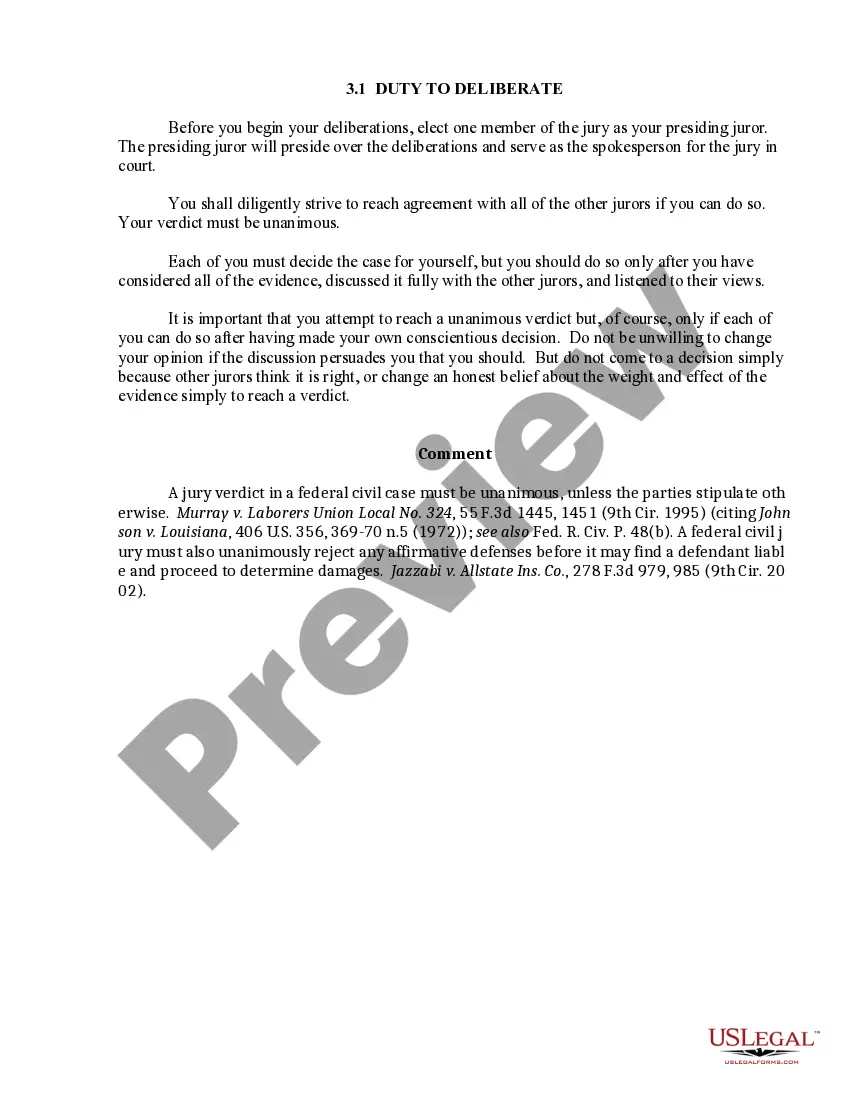
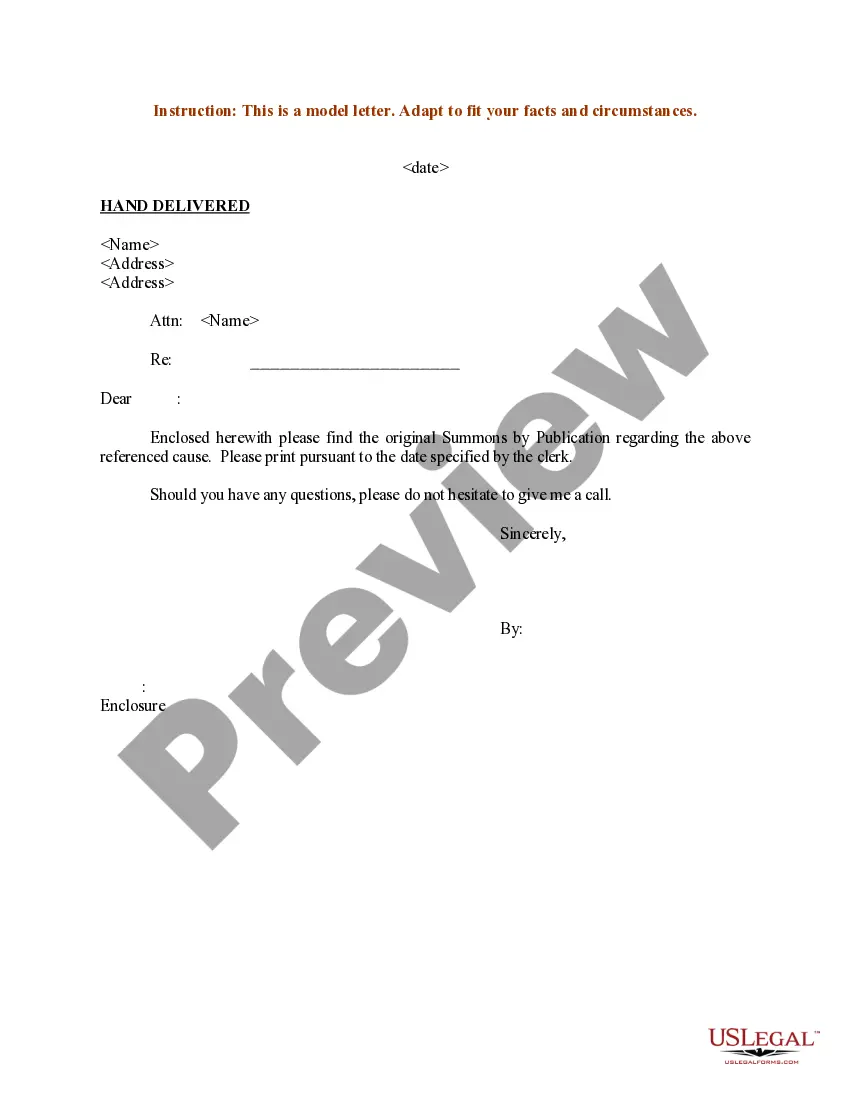
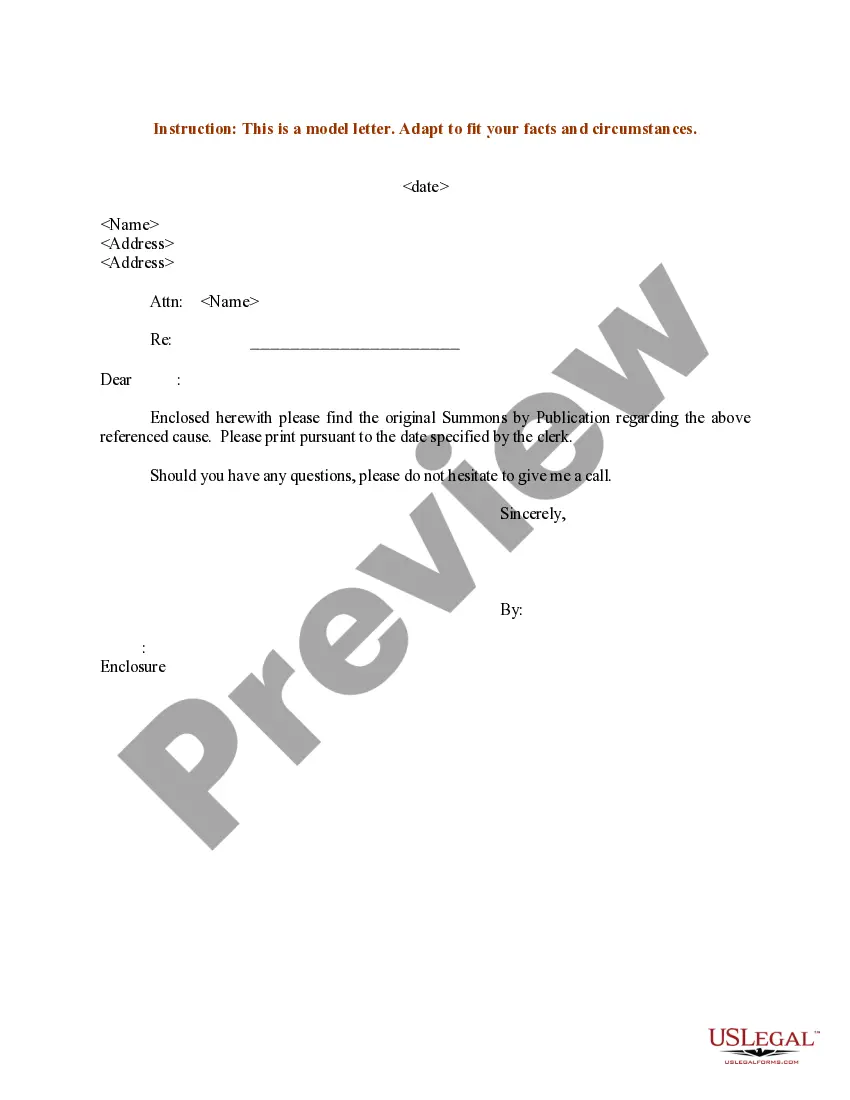
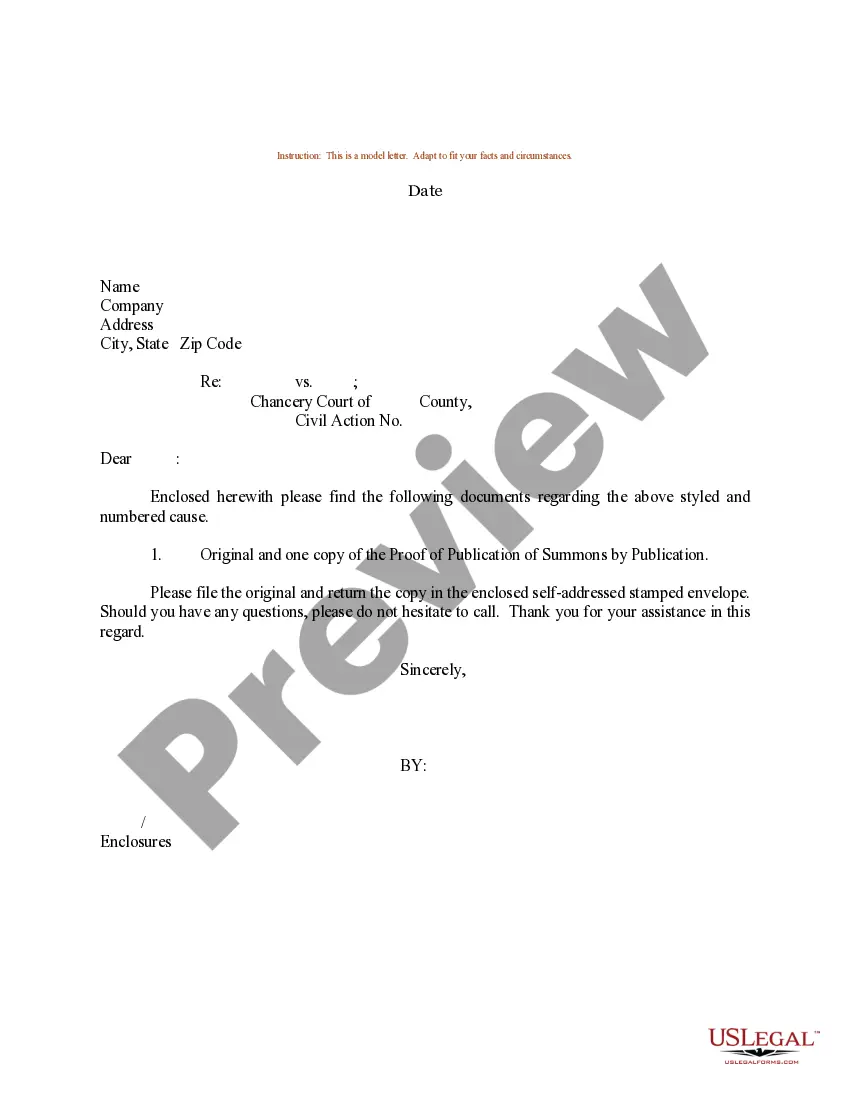
Indiana Sample Letter for Summons by Publication - Hand Delivered
Description
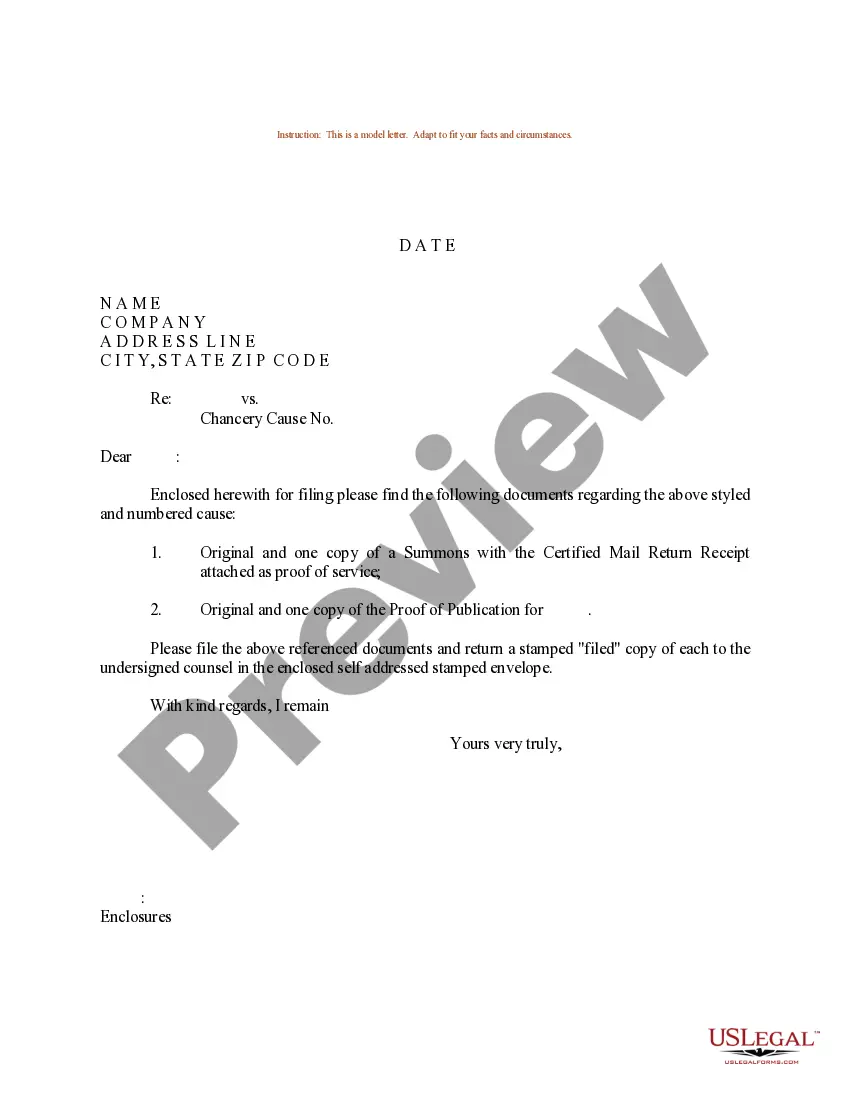
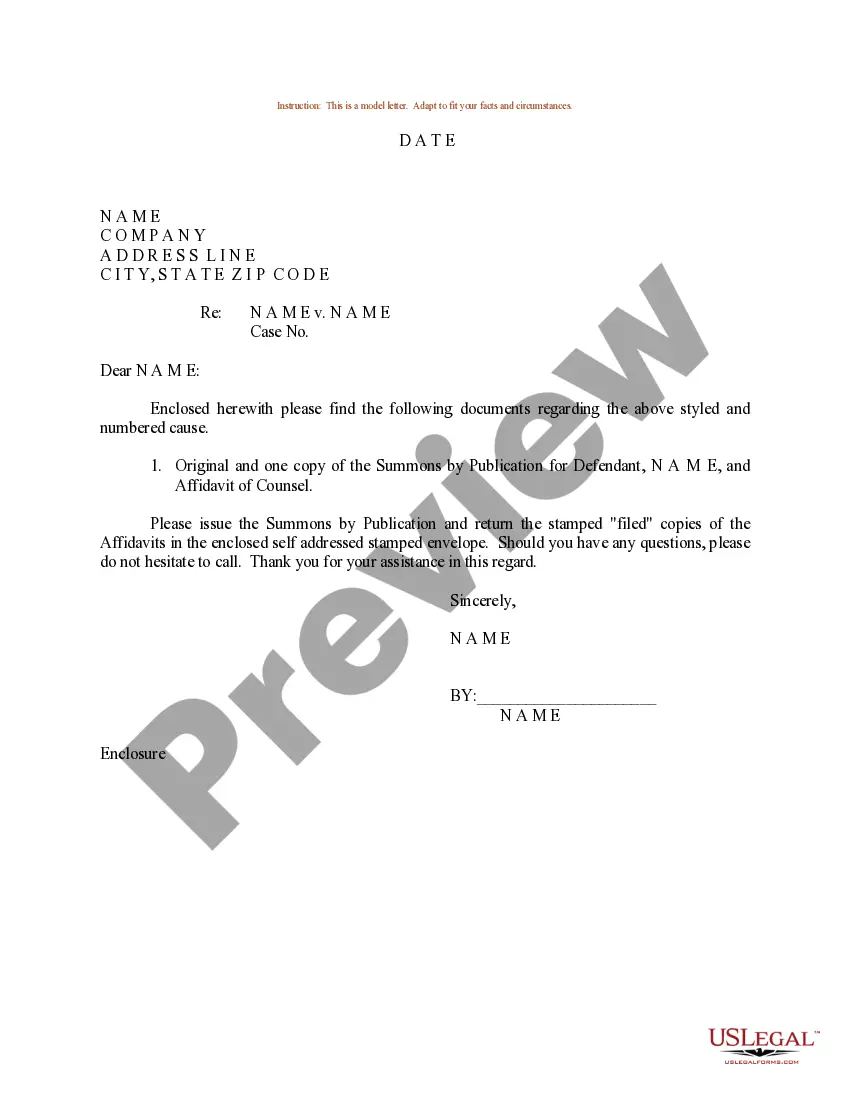
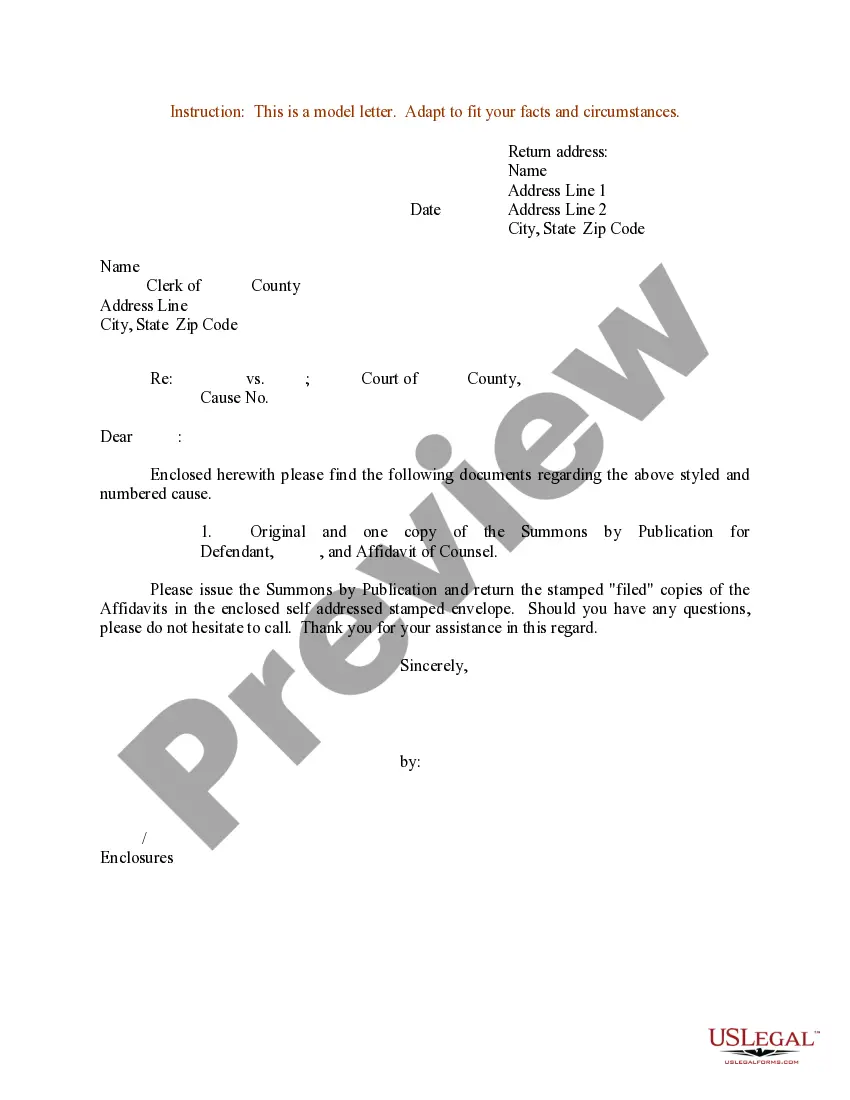
Get your form ready online
Our built-in tools help you complete, sign, share, and store your documents in one place.
Make edits, fill in missing information, and update formatting in US Legal Forms—just like you would in MS Word.
Download a copy, print it, send it by email, or mail it via USPS—whatever works best for your next step.
Sign and collect signatures with our SignNow integration. Send to multiple recipients, set reminders, and more. Go Premium to unlock E-Sign.
If this form requires notarization, complete it online through a secure video call—no need to meet a notary in person or wait for an appointment.
We protect your documents and personal data by following strict security and privacy standards.

Make edits, fill in missing information, and update formatting in US Legal Forms—just like you would in MS Word.

Download a copy, print it, send it by email, or mail it via USPS—whatever works best for your next step.

Sign and collect signatures with our SignNow integration. Send to multiple recipients, set reminders, and more. Go Premium to unlock E-Sign.

If this form requires notarization, complete it online through a secure video call—no need to meet a notary in person or wait for an appointment.

We protect your documents and personal data by following strict security and privacy standards.
Looking for another form?
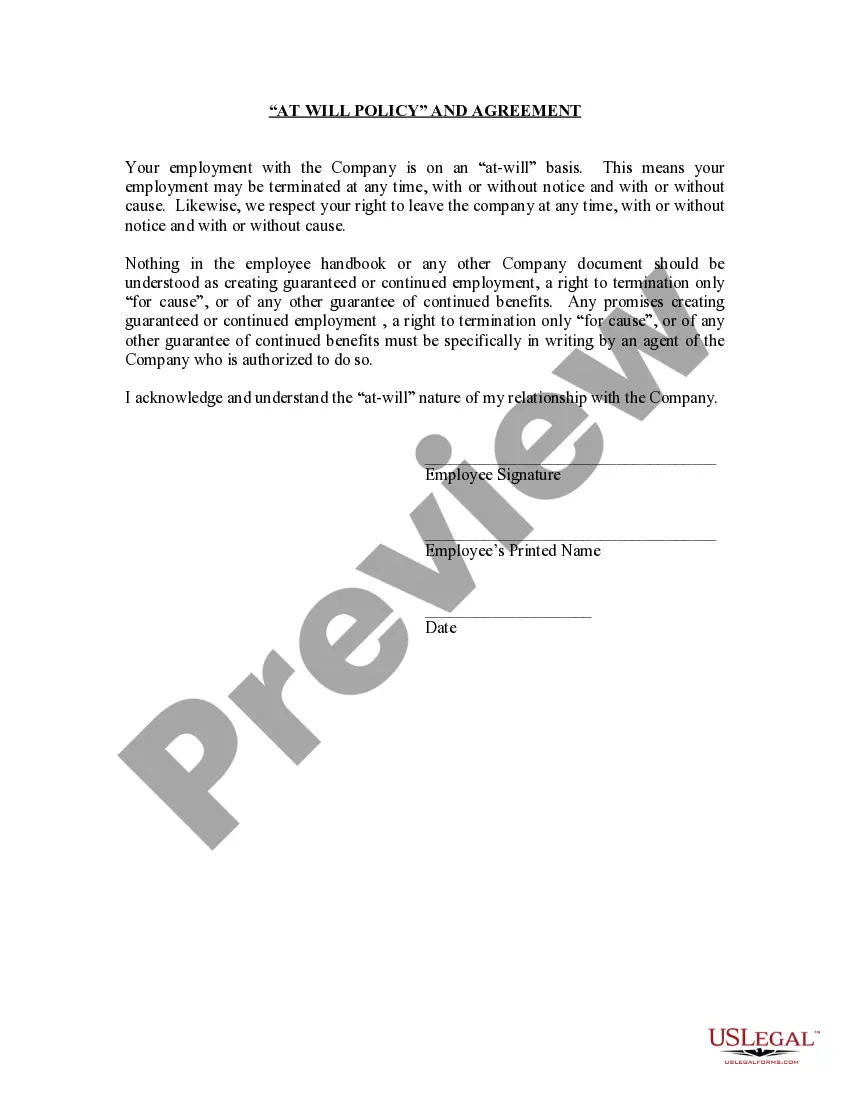
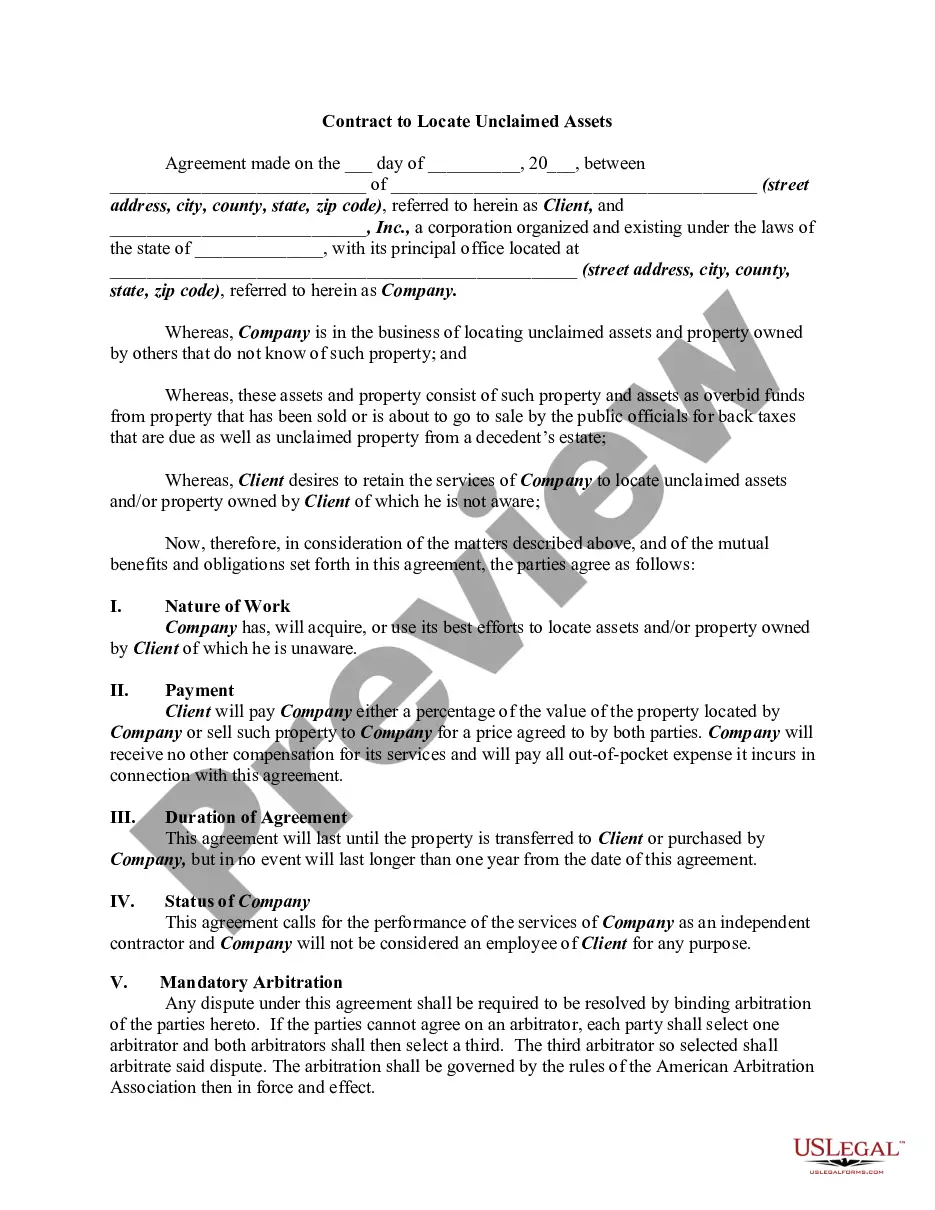
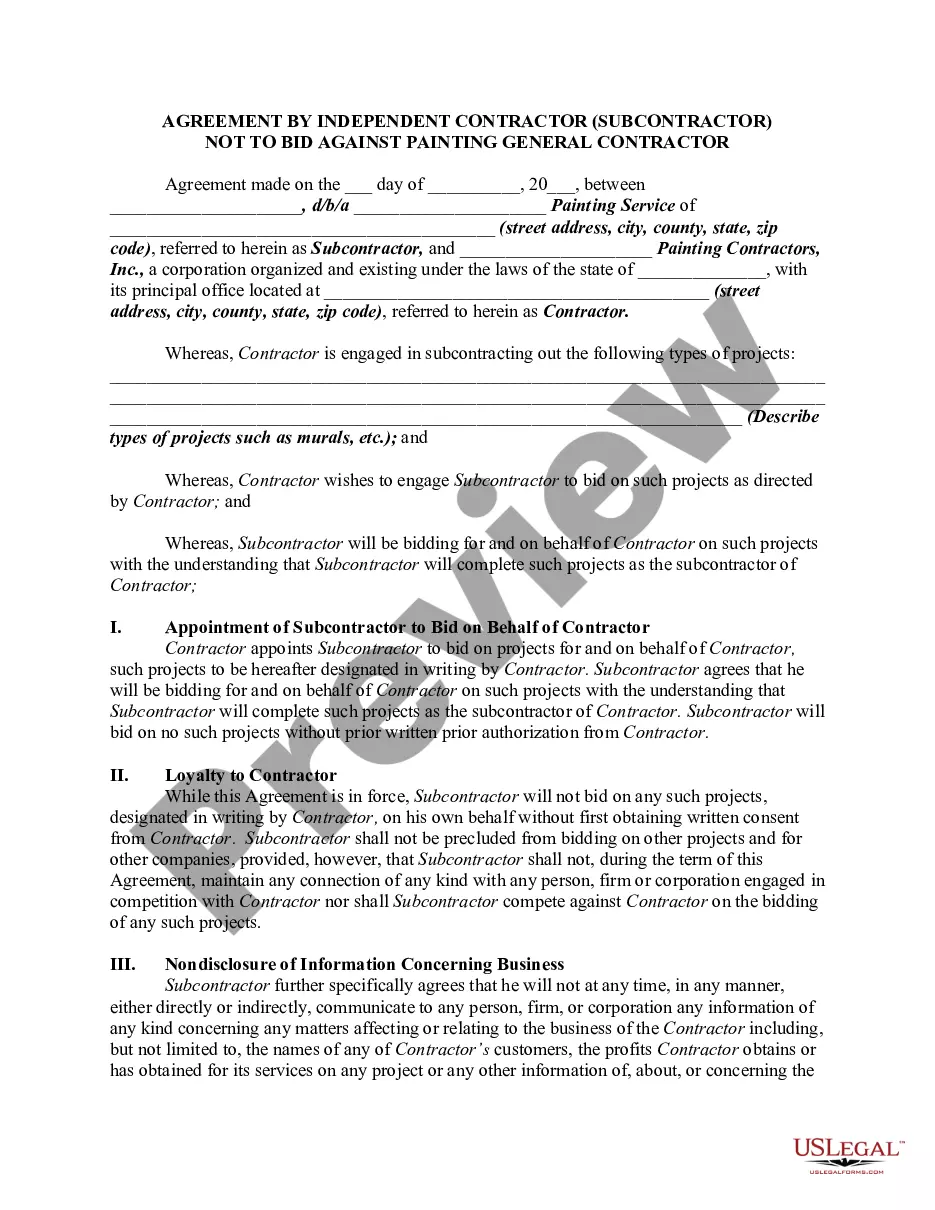
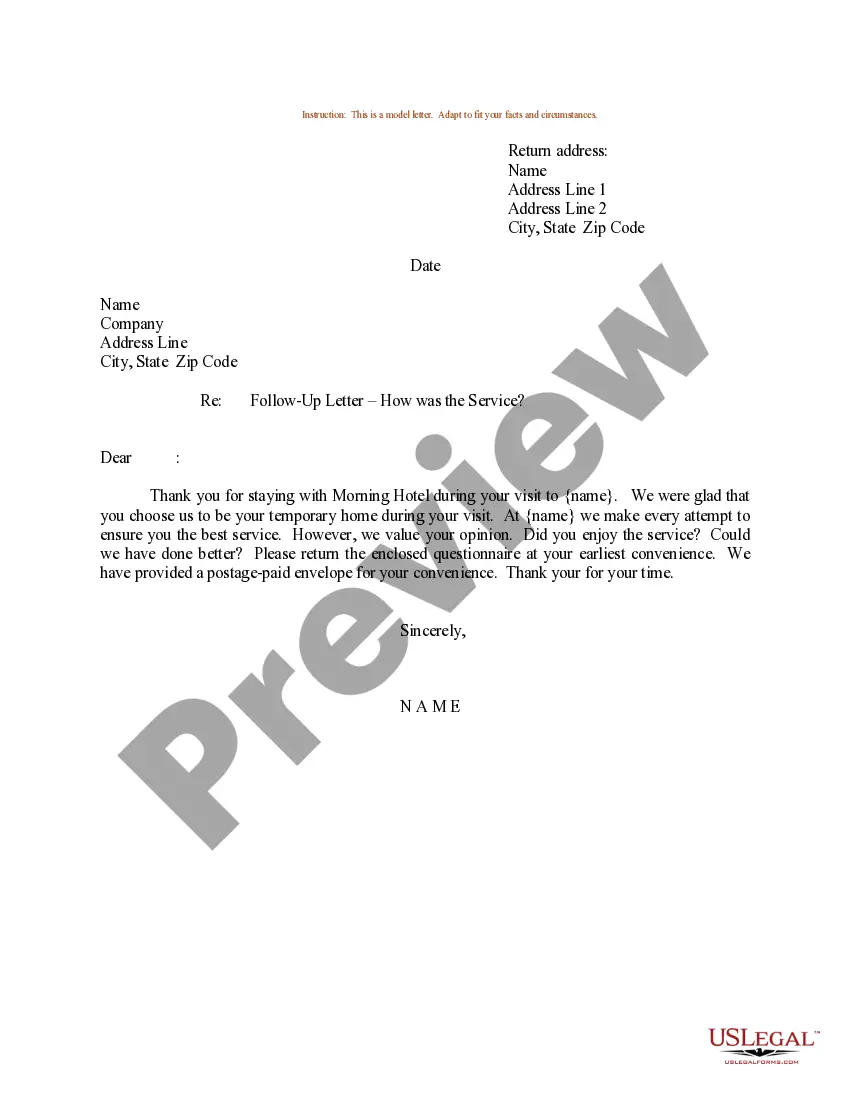
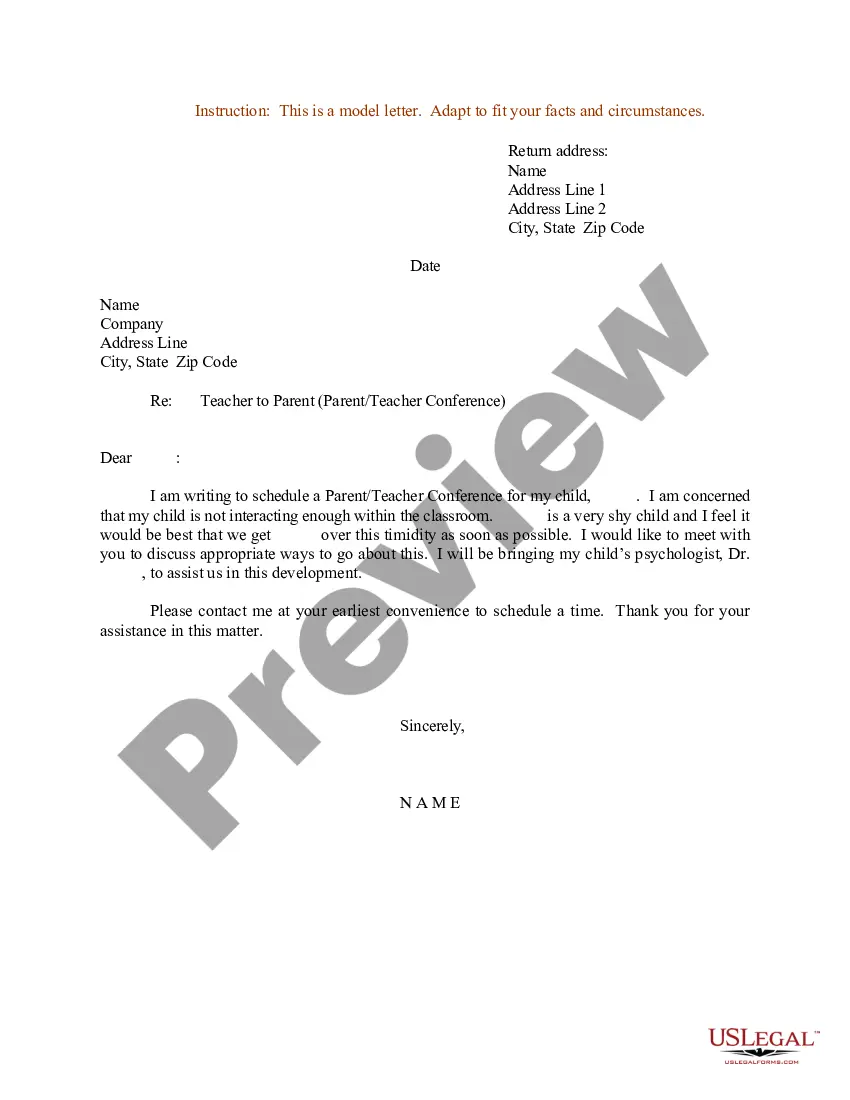
How to fill out Sample Letter For Summons By Publication - Hand Delivered?
You can spend hours online trying to discover the valid document format that meets the state and federal requirements you need.
US Legal Forms provides a multitude of valid templates that can be reviewed by experts.
You can obtain or print the Indiana Sample Letter for Summons by Publication - Hand Delivered from my service.
Refrain from altering or removing any HTML tags. Only synonymize plain text outside of the HTML tags.
- If you possess a US Legal Forms account, you may Log In and click on the Obtain button.
- After that, you can fill out, modify, print, or sign the Indiana Sample Letter for Summons by Publication - Hand Delivered.
- Every legal document format you purchase is yours to keep indefinitely.
- To acquire an additional copy of the purchased form, navigate to the My documents tab and click on the corresponding button.
- If you're using the US Legal Forms site for the first time, follow the simple instructions below.
- First, ensure that you have selected the correct format for your desired region.
- Read the form description to confirm you have chosen the right document.
- If available, utilize the Preview button to review the format as well.
- If you wish to find an additional version of the document, use the Search section to locate the format that fits your needs and specifications.
- Once you have identified the format you want, simply click Buy now to proceed.
- Choose the pricing plan you prefer, enter your credentials, and register for a free account on US Legal Forms.
- Complete the transaction. You can use your credit card or PayPal account to purchase the legal document.
- Select the format of the document and download it to your device.
- Make modifications to your document if necessary.
- You can fill out, edit, sign, and print the Indiana Sample Letter for Summons by Publication - Hand Delivered.
- Access and print numerous document templates using the US Legal Forms site, which offers the most extensive collection of legal forms.
- Utilize professional and state-specific templates to address your business or personal needs.
Form popularity
FAQ
The simple practice of keeping your clients informed is not only required under the Rules of Professional Conduct, but it can save you from dealing with unwanted claims down the line. At a minimum, there are ten times you should always communicate with your client. 1. To begin the attorney-client relationship.
Rule 1.6. (a) A lawyer shall not reveal information relating to representation of a client unless the client consents after consultation, except for disclosures that are impliedly authorized in order to carry out the representation, and except as stated in paragraph (b).
Cond. 6.1. A lawyer should render public interest legal service.
Rule 1.9 - Duties to Former Clients (a) A lawyer who has formerly represented a client in a matter shall not thereafter represent another person in the same or a substantially related matter in which that person's interests are materially adverse to the interests of the former client unless the former client gives ...
Rule 5.5 - Unauthorized Practice of Law; Multijurisdictional Practice of Law (a) A lawyer shall not practice law in a jurisdiction in violation of the regulation of the legal profession in that jurisdiction, or assist another in doing so.
Rule of Professional Conduct 1.15 imposes on the lawyer a duty to keep this property safe for the client and requires it to be identified and appropriately safeguarded. Furthermore, records of client funds and other property must be preserved for five years after repre- sentation ends.
Service may be made upon an individual, or an individual acting in a representative capacity, by: (1) sending a copy of the summons and complaint by registered or certified mail or other public means by which a written acknowledgment of receipt may be requested and obtained to his residence, place of business or ...