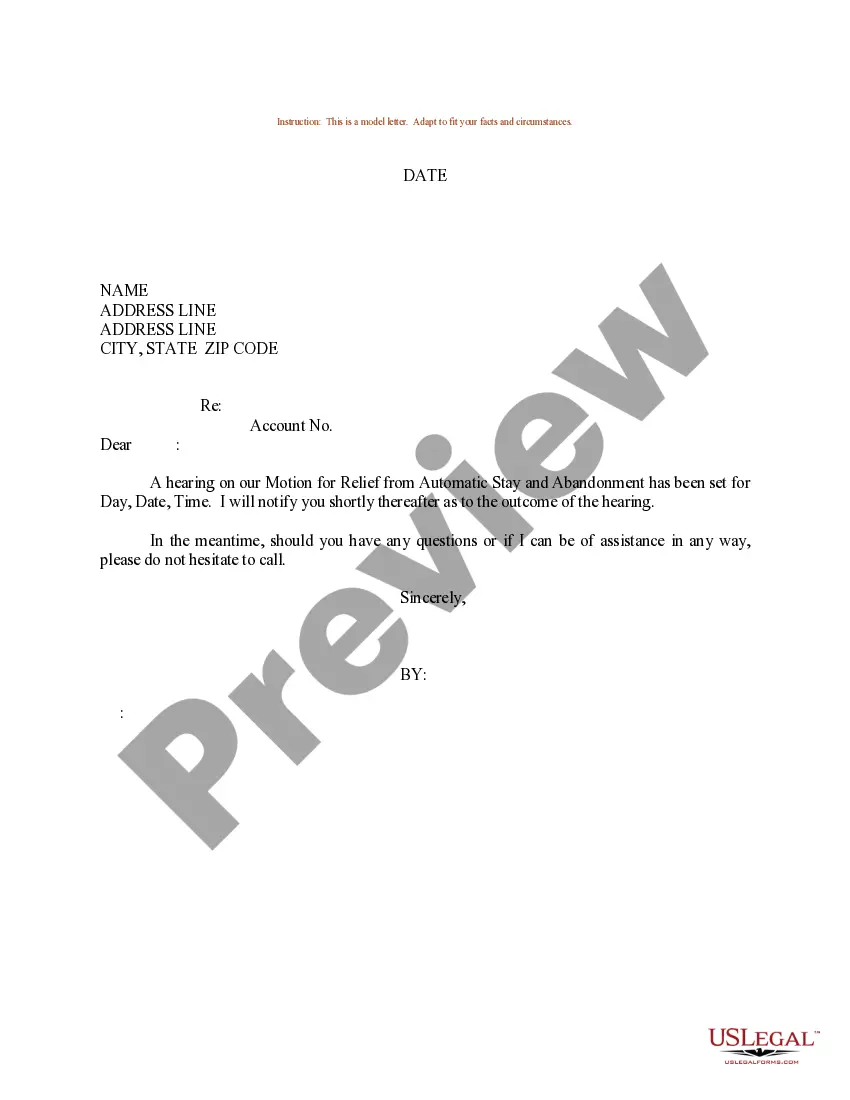
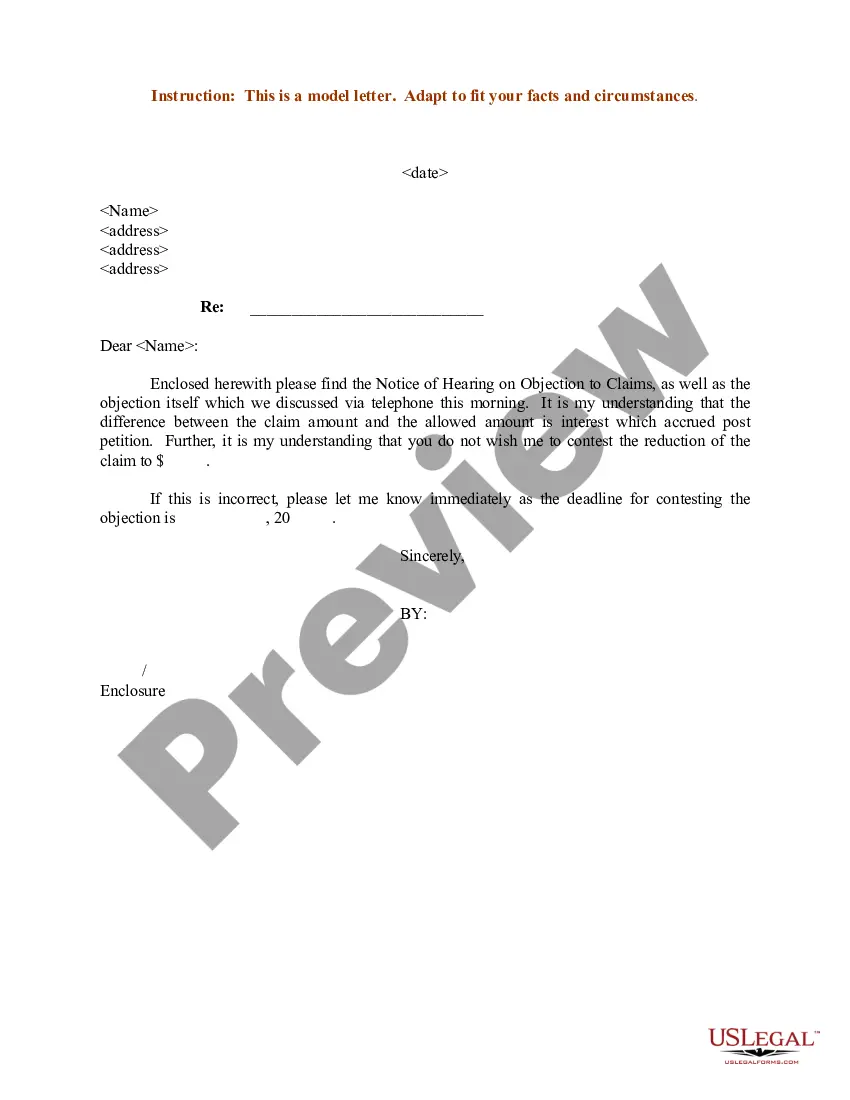
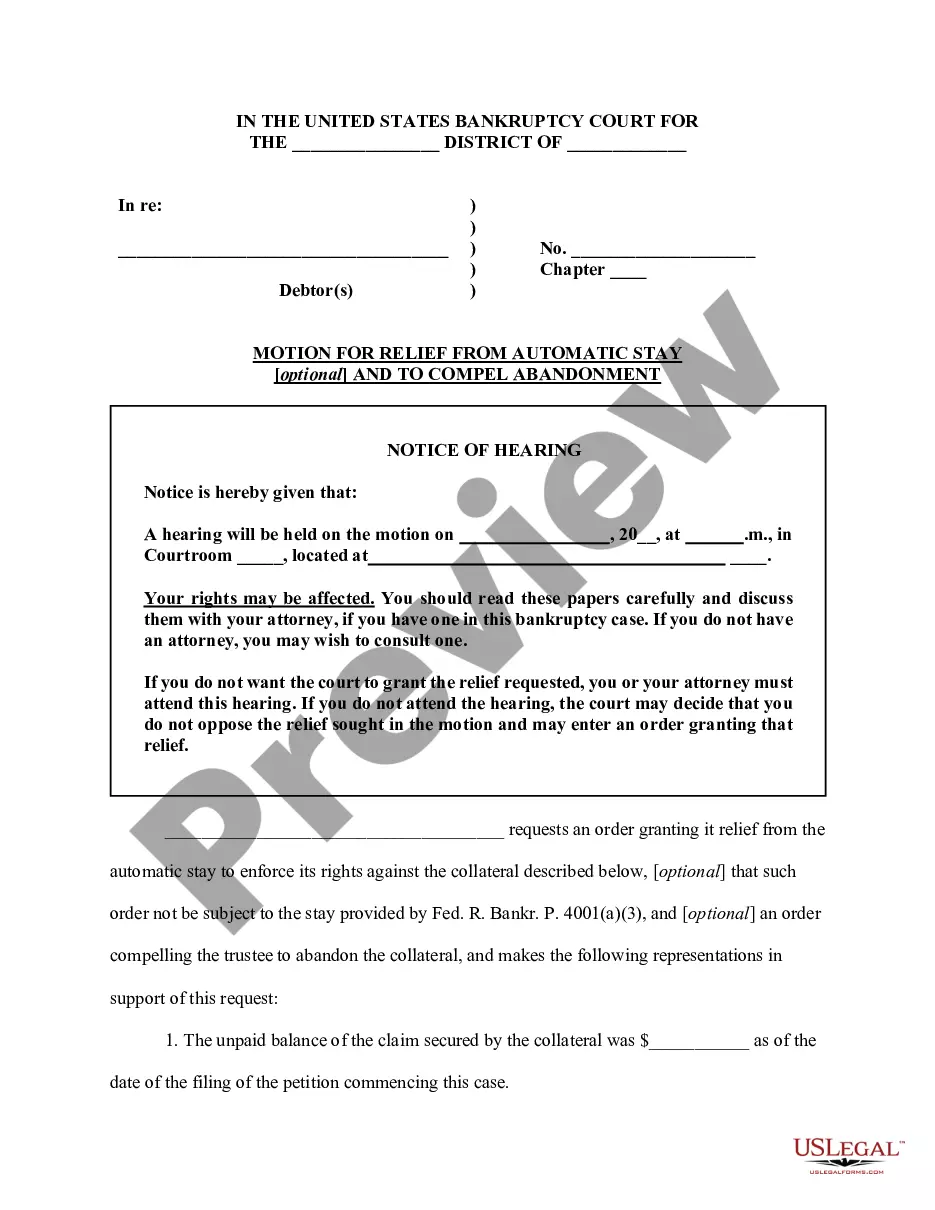
Indiana Sample Letter for Hearing on Motion for Relief from Automatic Stay
Description
Get your form ready online
Our built-in tools help you complete, sign, share, and store your documents in one place.
Make edits, fill in missing information, and update formatting in US Legal Forms—just like you would in MS Word.
Download a copy, print it, send it by email, or mail it via USPS—whatever works best for your next step.
Sign and collect signatures with our SignNow integration. Send to multiple recipients, set reminders, and more. Go Premium to unlock E-Sign.
If this form requires notarization, complete it online through a secure video call—no need to meet a notary in person or wait for an appointment.
We protect your documents and personal data by following strict security and privacy standards.

Make edits, fill in missing information, and update formatting in US Legal Forms—just like you would in MS Word.

Download a copy, print it, send it by email, or mail it via USPS—whatever works best for your next step.

Sign and collect signatures with our SignNow integration. Send to multiple recipients, set reminders, and more. Go Premium to unlock E-Sign.

If this form requires notarization, complete it online through a secure video call—no need to meet a notary in person or wait for an appointment.

We protect your documents and personal data by following strict security and privacy standards.
Looking for another form?
How to fill out Sample Letter For Hearing On Motion For Relief From Automatic Stay?
If you wish to complete, acquire, or print legal document templates, utilize US Legal Forms, the largest collection of legal forms available online.
Make use of the site’s simple and convenient search feature to obtain the documents you require. Various templates for business and personal use are categorized by groups and states, or keywords.
Use US Legal Forms to obtain the Indiana Sample Letter for Hearing on Motion for Relief from Automatic Stay in just a few clicks.
Every legal document template you acquire is yours forever. You have access to every form you obtained within your account. Go to the My documents section and choose a form to print or download again.
Complete and obtain, and print the Indiana Sample Letter for Hearing on Motion for Relief from Automatic Stay with US Legal Forms. There are numerous professional and state-specific forms available for your business or personal needs.
- If you are already a US Legal Forms customer, Log In to your account and click on the Download button to get the Indiana Sample Letter for Hearing on Motion for Relief from Automatic Stay.
- You can also access forms you previously obtained in the My documents tab of your account.
- If you are using US Legal Forms for the first time, follow the instructions below.
- Step 1. Ensure you have selected the form for the correct region/state.
- Step 2. Use the Review option to examine the form’s content. Remember to read the description.
- Step 3. If you are not satisfied with the form, use the Search area at the top of the screen to find other versions of the legal form template.
- Step 4. Once you have found the form you need, click on the Purchase now button. Choose the pricing plan you prefer and enter your details to register for an account.
- Step 5. Complete the transaction. You can use your credit card or PayPal account to finalize the purchase.
- Step 6. Select the format of the legal form and download it to your device.
- Step 7. Complete, edit, and print or sign the Indiana Sample Letter for Hearing on Motion for Relief from Automatic Stay.
Form popularity
FAQ
In most Chapter 13 Plans, the Debtor is required to make payments to their secured creditors outside the Plan. When these payments are not made, a secured creditor can file a Motion for Relief seeking relief from the Automatic Stay so they can take action against the collateral (i.e. your house or car).
Motion for Relief from the Automatic Stay is a request by a creditor to allow the creditor to take action against the debtor or the debtor's property that would otherwise be prohibited by the automatic stay.
A borrower's pre-bankruptcy waiver of the automatic stay is more likely to be enforced if contained in a forbearance agreement or an agreement approved by the court in a previous bankruptcy case.
Two main methods exist for fighting a motion for relief from automatic stay. These types are ?procedural? and ?substantive? objections. Basically, procedural objections challenge the manner in which the motion was filed, while substantive objections challenge the actual substance of the motion.
In some situations, a creditor might file a motion to lift the automatic stay. This would allow them to resume collection actions. One situation would be if you were behind on your payments for a secured loan, such as a mortgage or car payment, and the loan amount was greater than the value of the home or car.
The most sought exceptions are actions by parties to securities contracts to close out open positions; eviction of a debtor by a landlord where the lease has been fully terminated prior to the bankruptcy filing; actions by taxing authorities to conduct tax audits, issue deficiency notices, demand tax returns and make ...