Indiana Special Needs Irrevocable Trust Agreement for Benefit of Disabled Child of Trustor
Description
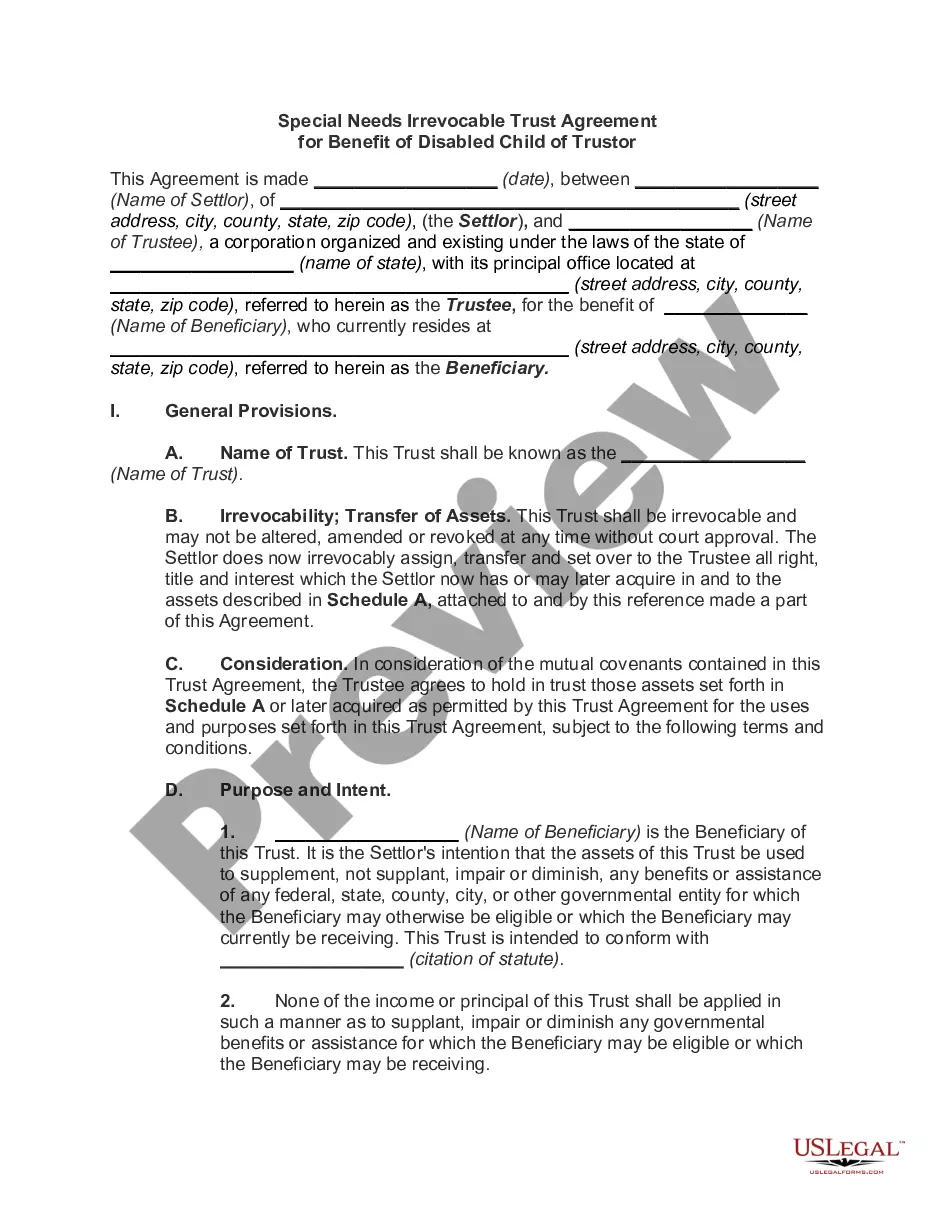
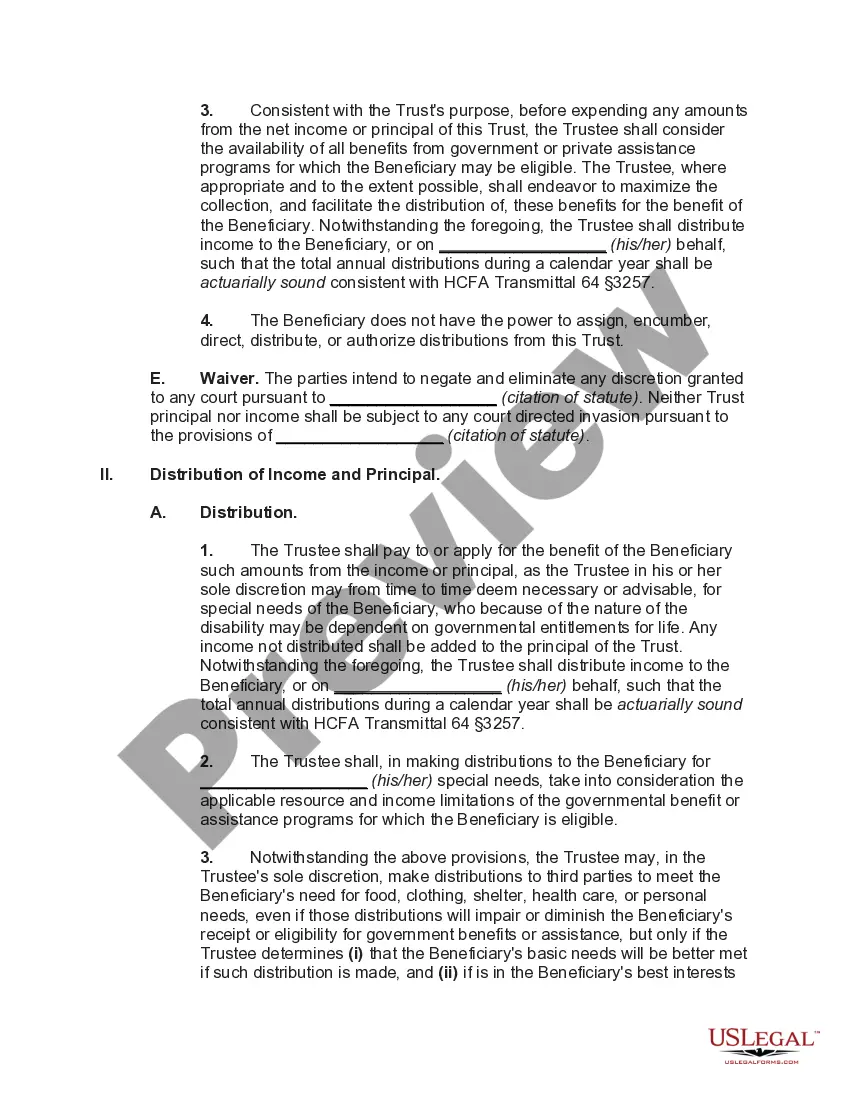
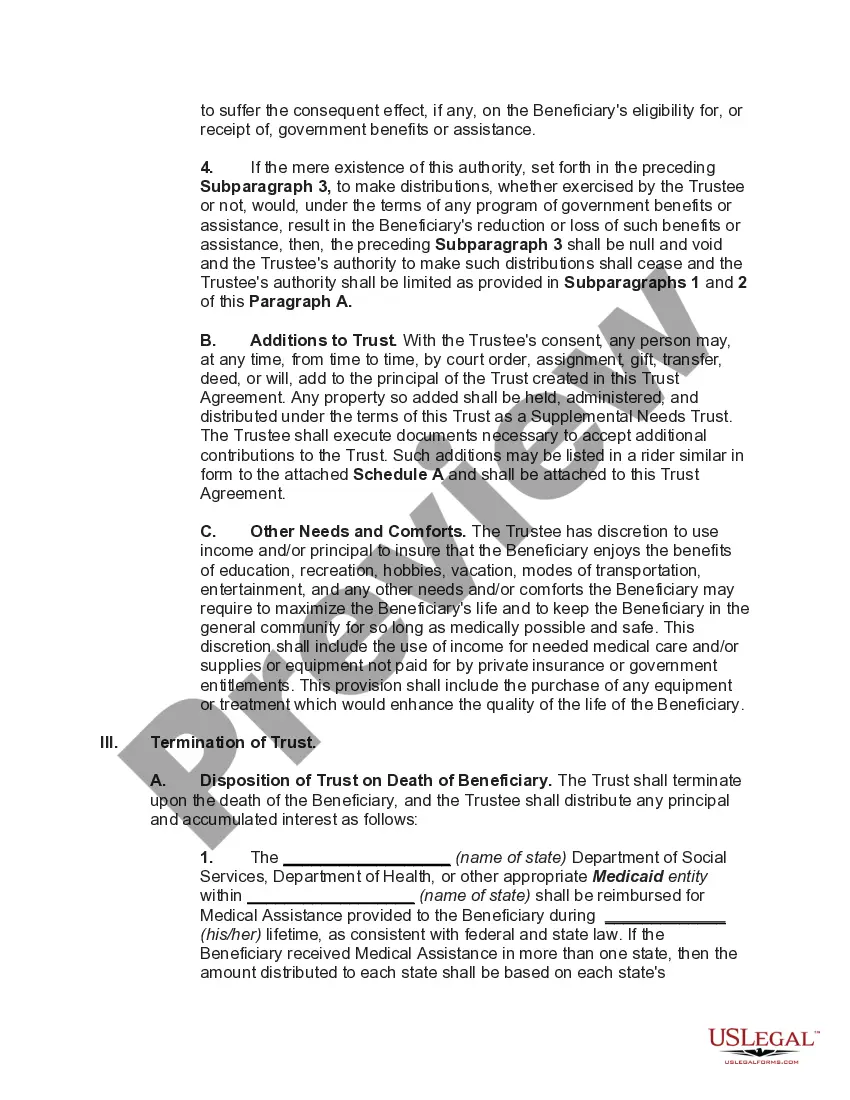
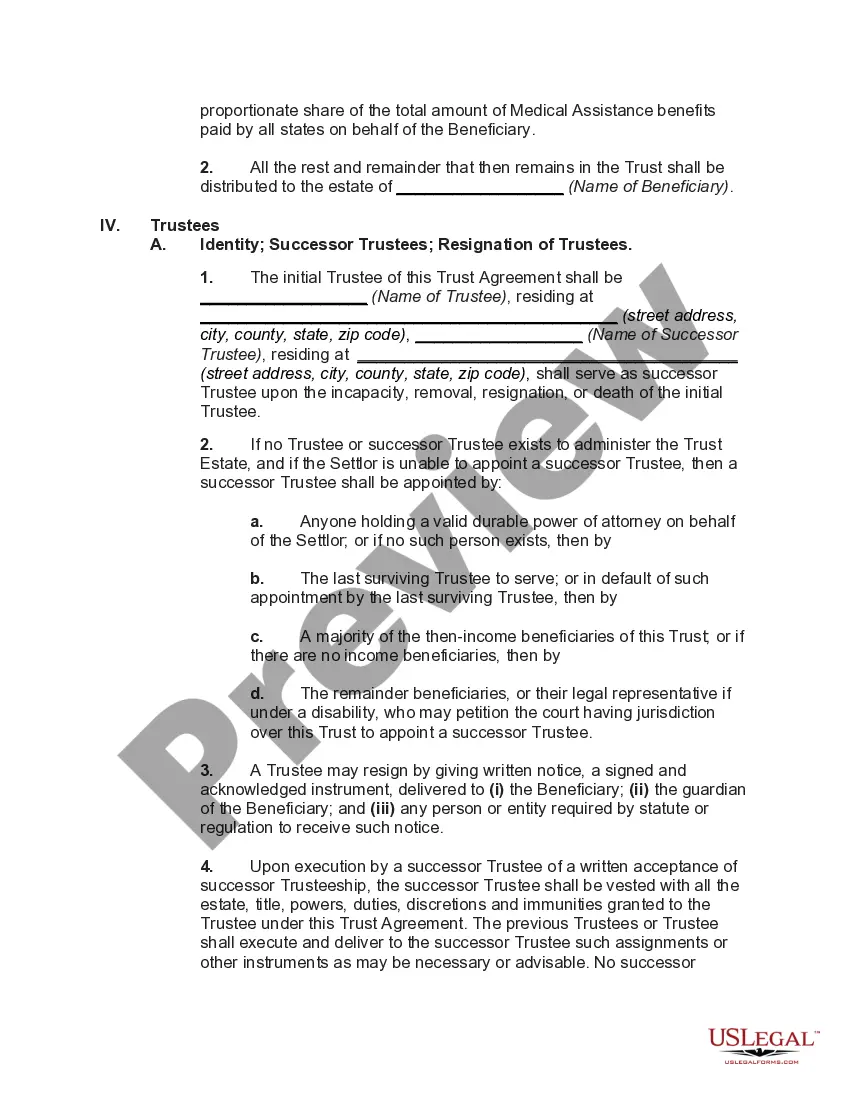
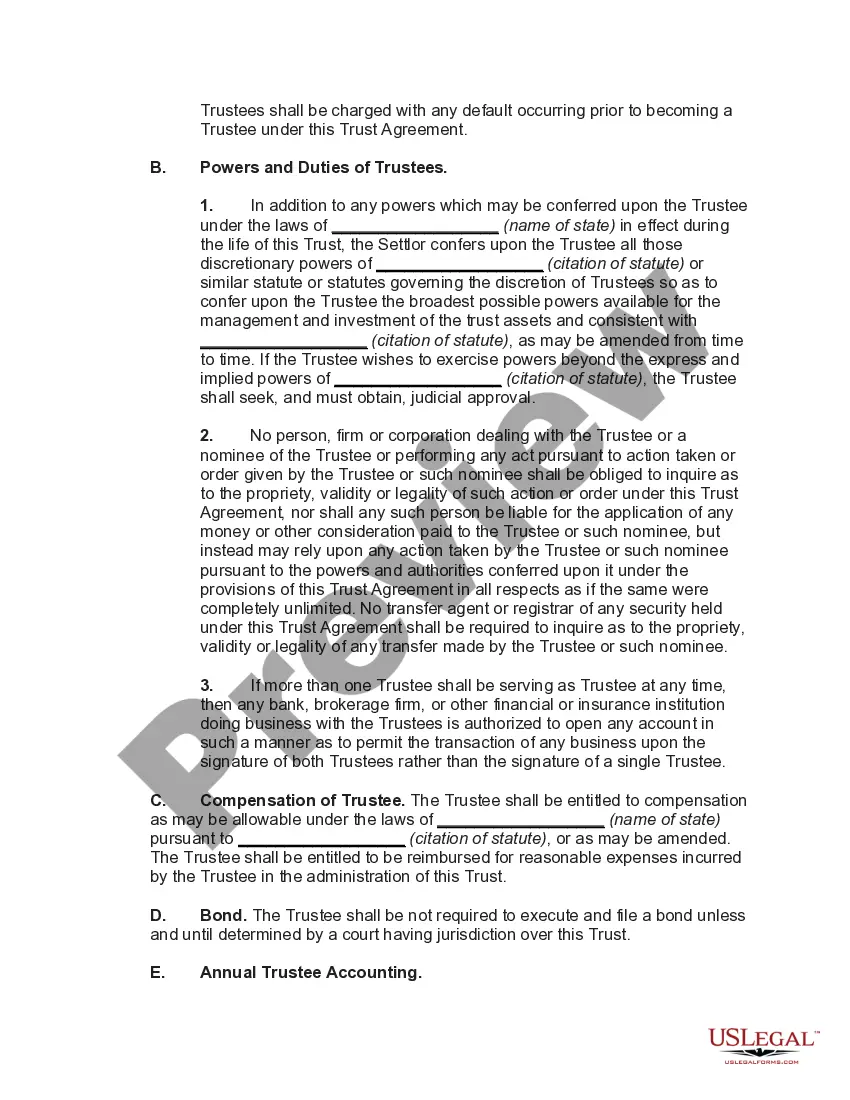
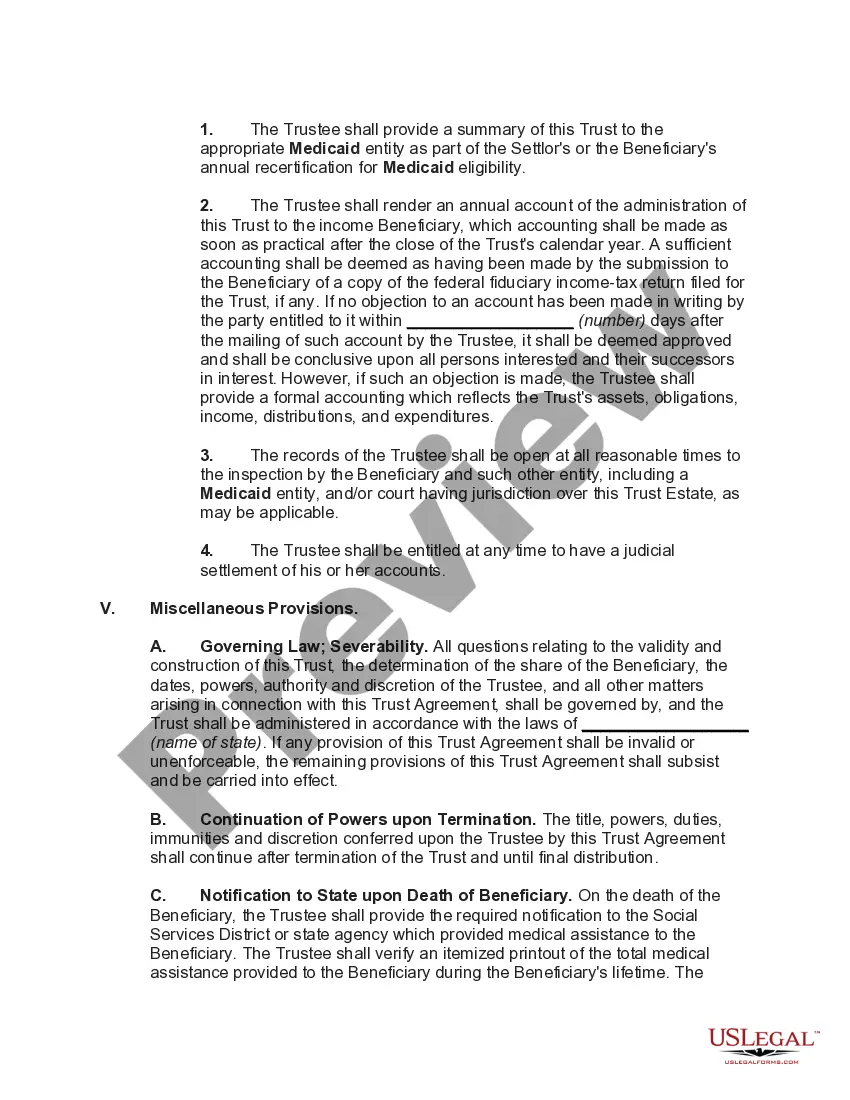
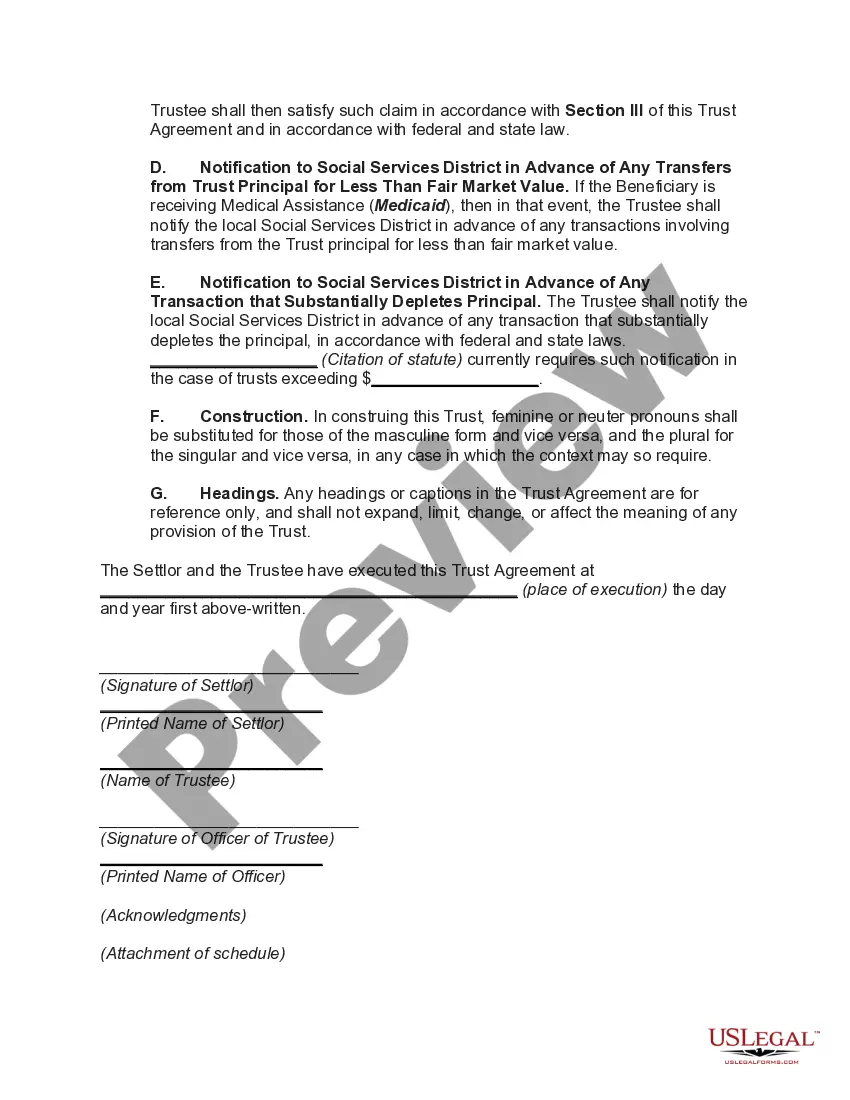
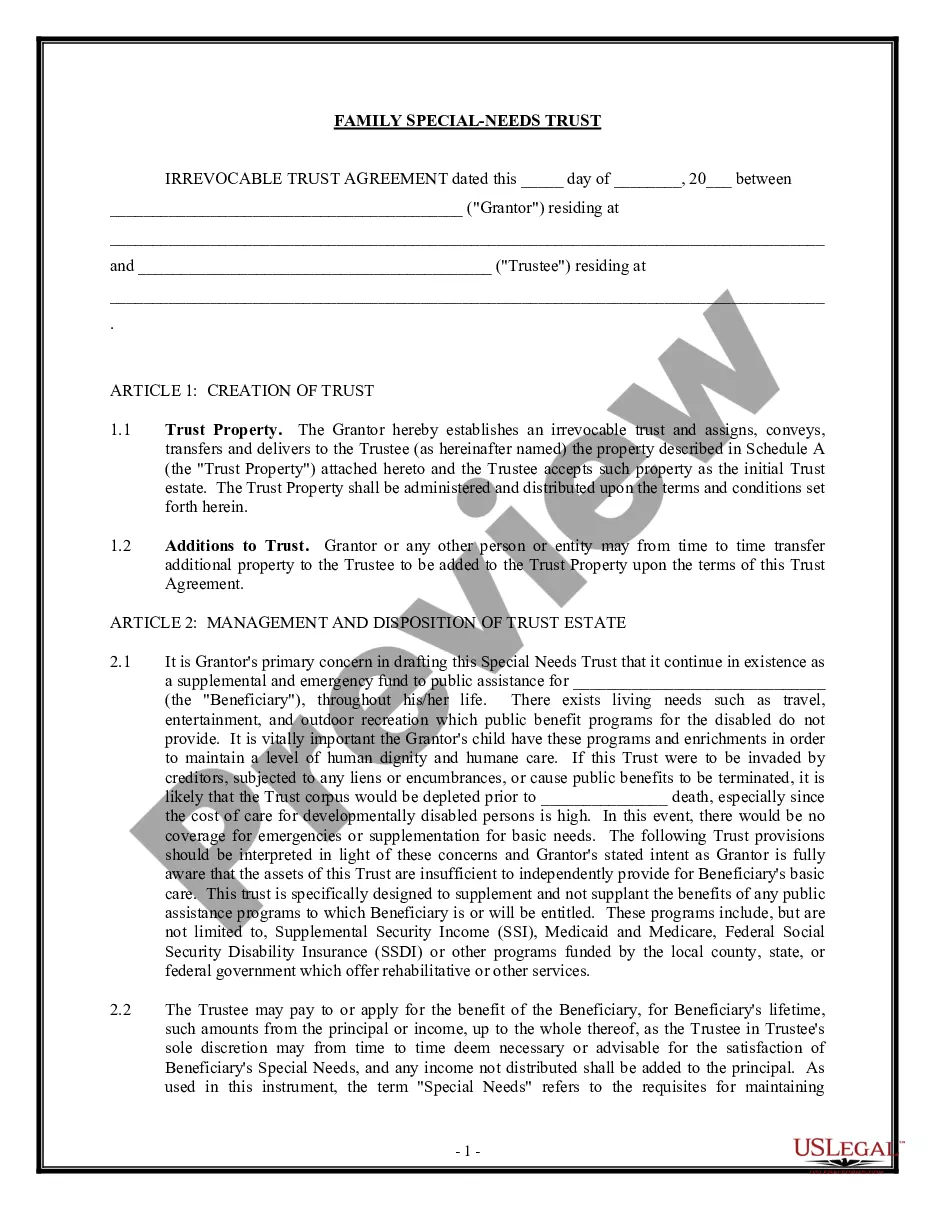

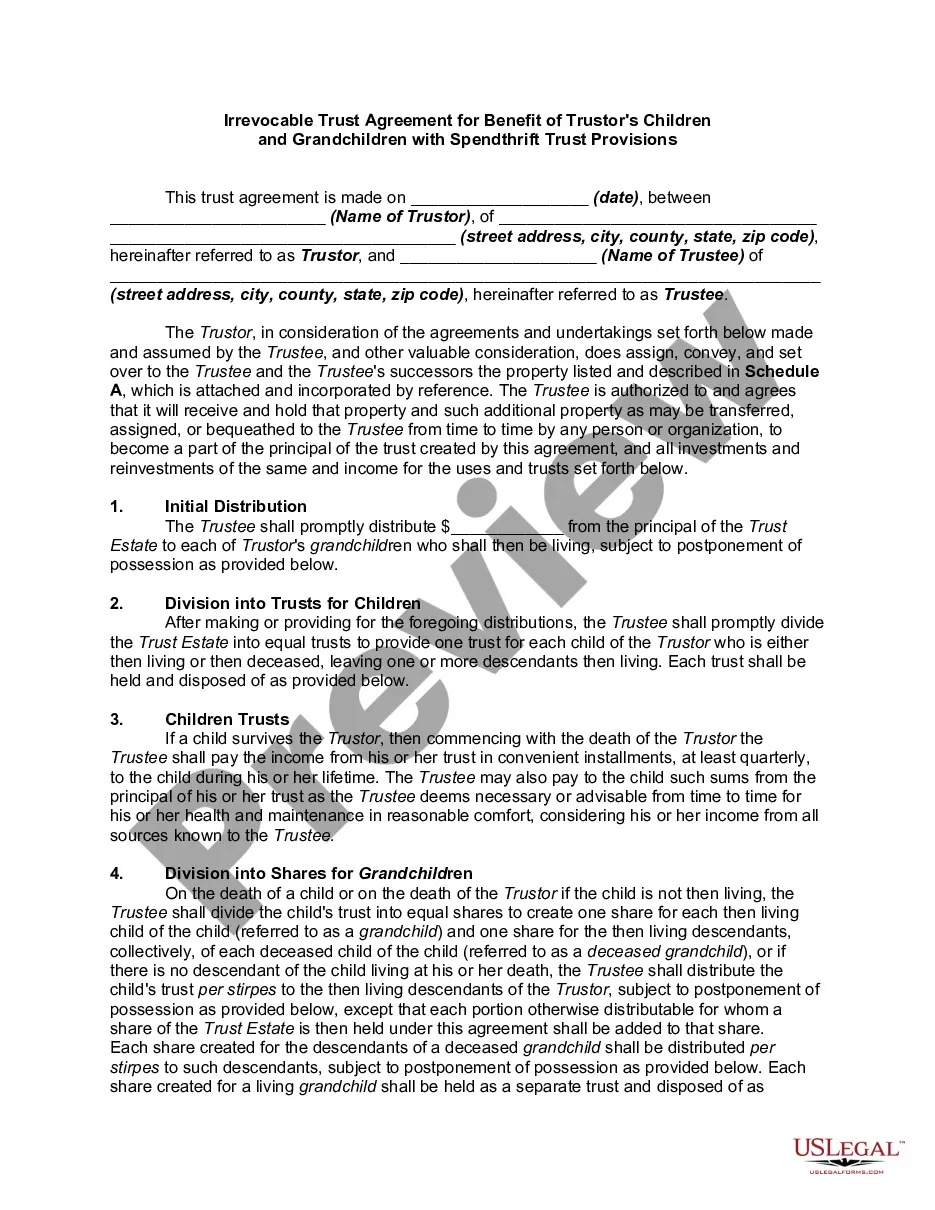
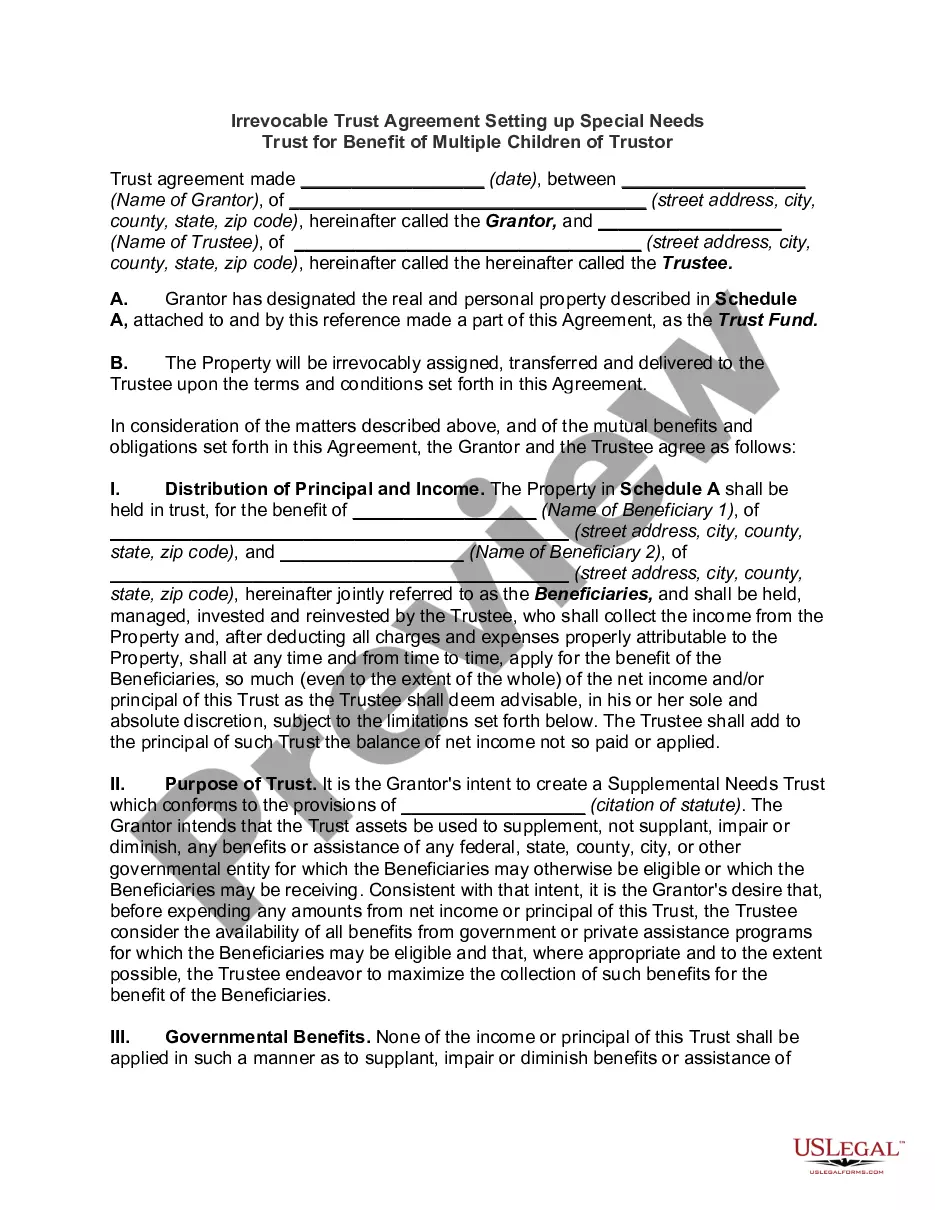
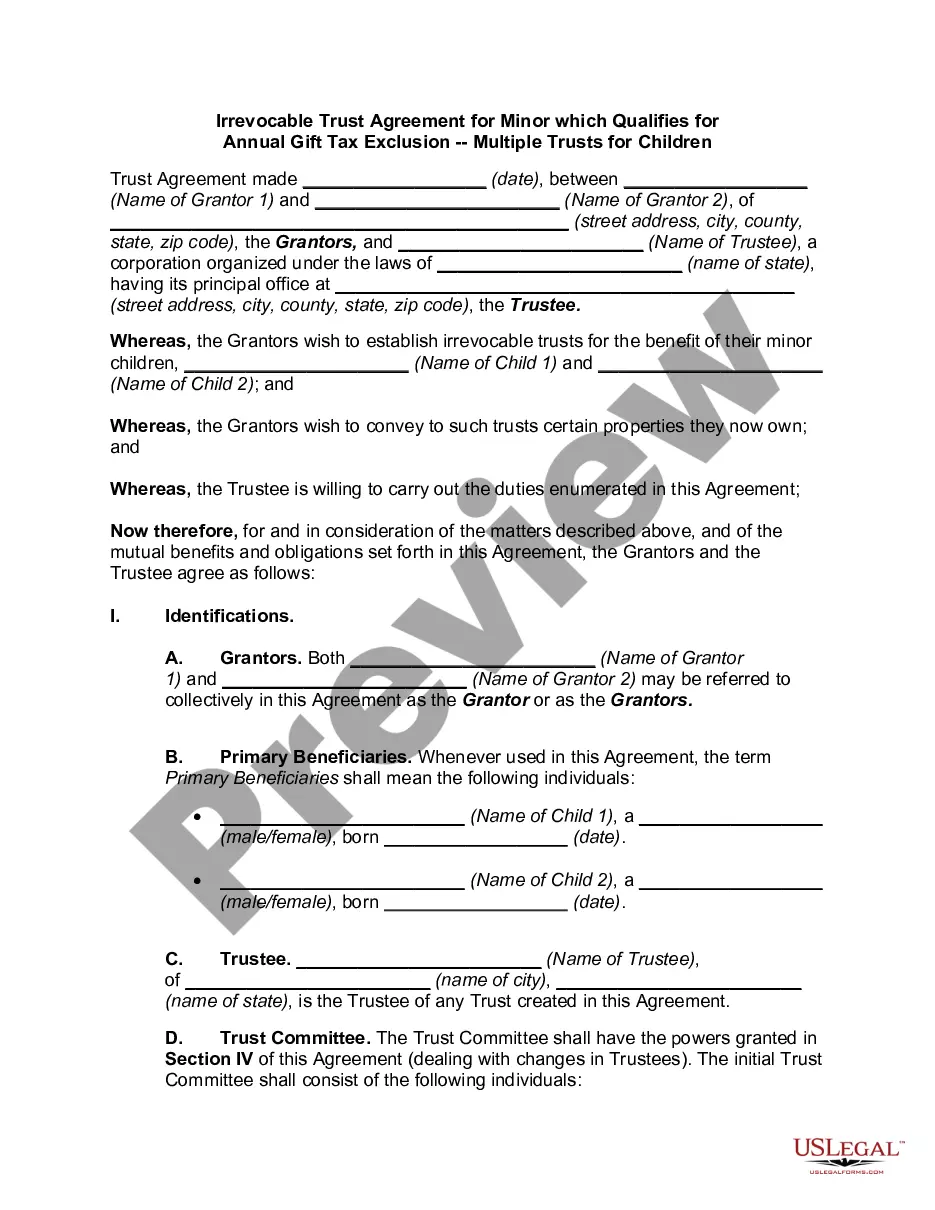
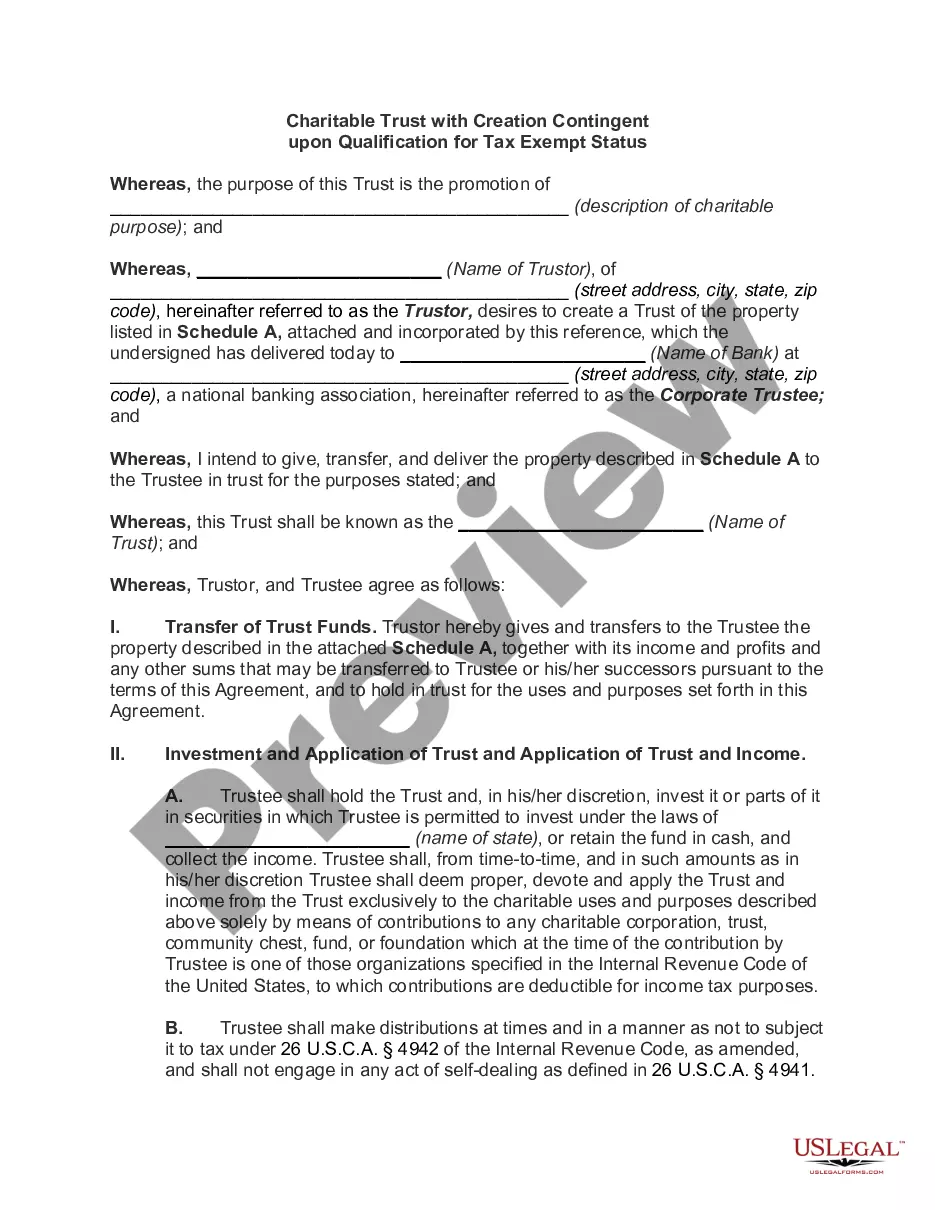





How to fill out Special Needs Irrevocable Trust Agreement For Benefit Of Disabled Child Of Trustor?
Locating the appropriate valid document template can be a challenge.
Of course, there are numerous templates accessible online, but how do you find the valid form you need.
Utilize the US Legal Forms website.
If you are a new user of US Legal Forms, here are simple steps to follow: First, ensure you have selected the correct form for your city/region. You can preview the form using the Preview button and review the form description to confirm it is suitable for you. If the form does not meet your requirements, utilize the Search area to find the correct document. Once you are certain the form is adequate, click the Acquire now button to download the form. Choose the pricing plan you prefer and enter the required information. Create your account and process the order using your PayPal account or credit card. Select the file format and download the legal document template for your device. Complete, edit, print, and sign the finalized Indiana Special Needs Irrevocable Trust Agreement for Benefit of Disabled Child of Trustor. US Legal Forms is the largest repository of legal forms where you can discover various document templates. Use the service to obtain professionally crafted documents that comply with state regulations.
- The service provides a vast array of templates, such as the Indiana Special Needs Irrevocable Trust Agreement for the Benefit of Disabled Child of Trustor, suitable for business and personal needs.
- All forms are reviewed by experts and comply with state and federal regulations.
- If you're already registered, Log Into your account and click the Download button to retrieve the Indiana Special Needs Irrevocable Trust Agreement for Benefit of Disabled Child of Trustor.
- Use your account to view the legal forms you have previously ordered.
- Go to the My documents tab in your account to obtain another copy of the document you need.
Form popularity
FAQ
The major disadvantages that are associated with trusts are their perceived irrevocability, the loss of control over assets that are put into trust and their costs. In fact trusts can be made revocable, but this generally has negative consequences in respect of tax, estate duty, asset protection and stamp duty.
Disadvantages to SNTCost. Annual fees and a high cost to set up a SNT can make it financially difficult to create a SNT The yearly costs to manage the trust can be high.Lack of independence.Medicaid payback.06-Sept-2012
So the special-needs trust is a type of trust that is used to provide assets and resources to take care of a person with a disability, while the living trust is a will substitute that I might use in place of having a will for my estate plan.
Some of the benefits of utilizing an SNT include asset management and maximizing and maintaining government benefits (including Medicaid and Supplemental Security Income). Some possible negatives of utilizing an SNT include lack of control and difficulty or inability to identify an appropriate Trustee.
In order to qualify as disabled, the beneficiary must meet the IRS definition under IRC 72(m)(7) which states, For purposes of this section, an individual shall be considered to be disabled if he is unable to engage in any substantial gainful activity by reason of any medically determinable physical or mental
The term special needs trust refers to the purpose of the trust to pay for the beneficiary's unique or special needs. In short, the name is focused more on the beneficiary, while the name supplemental needs trust addresses the shortfalls of our public benefits programs.
A special needs trust is a legal arrangement that lets a physically or mentally ill person, or someone chronically disabled, have access to funding without potentially losing the benefits provided by public assistance programs.
Basically, a special needs trust is a discretionary trust designed to preserve governmental benefits for a disabled or aged beneficiary. Distributions from the special needs trust are supposed to supplement public benefits, not supplant them.
A Special Disability Trust allows parents or other family members to leave assets in trust for an individual which can be used to fund ongoing care, medical expenses, accommodation, and some discretionary expenditure for that person into the future, without affecting their entitlement to a disability support pension.
Using a will trust can help you to look after a disabled relative in the future so that it does not affect their benefits. If your loved one is vulnerable or lacks capacity, a will trust can also help: protect them from the risk of financial abuse. support them if they need someone to manage their money.