Kansas Forest Products Timber Sale Contract
About this form
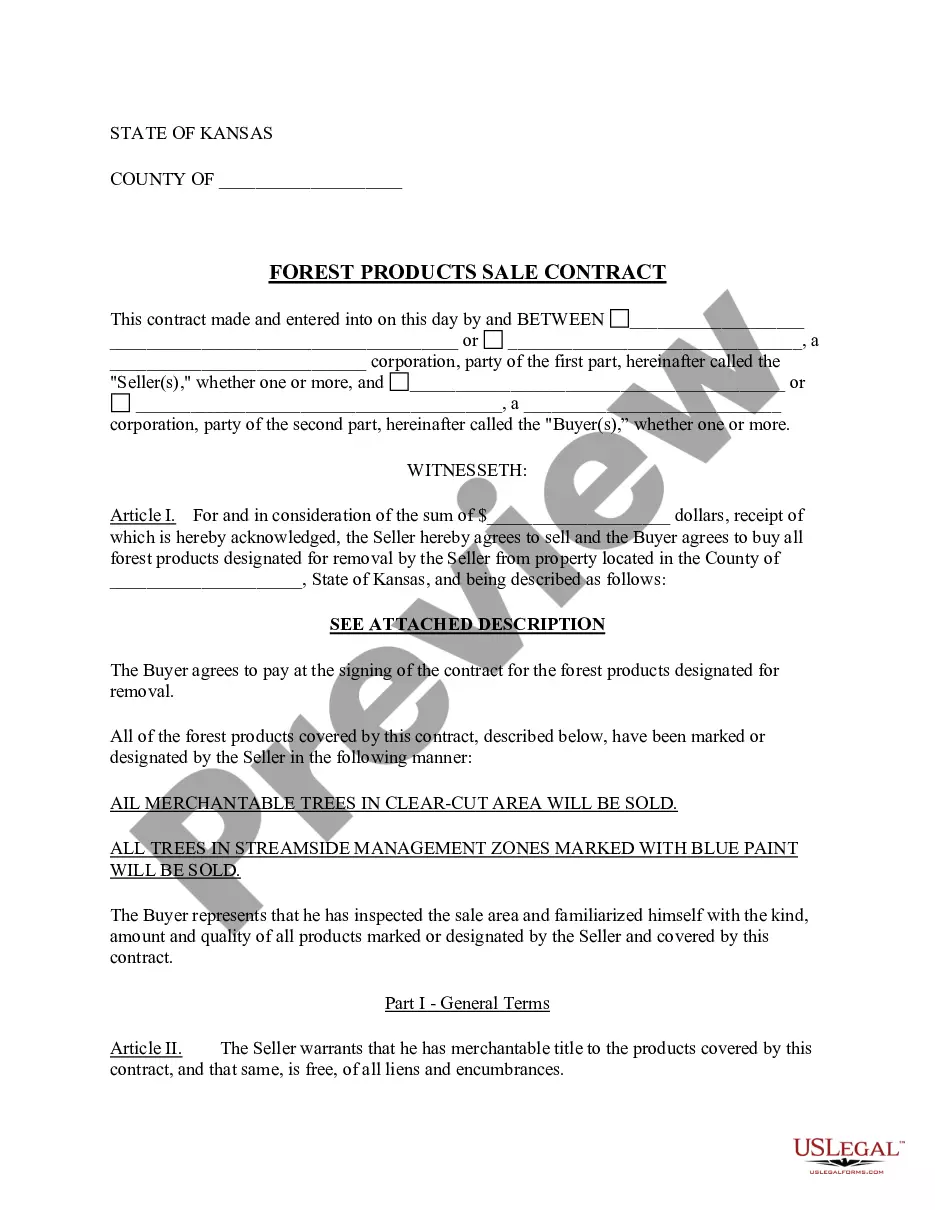
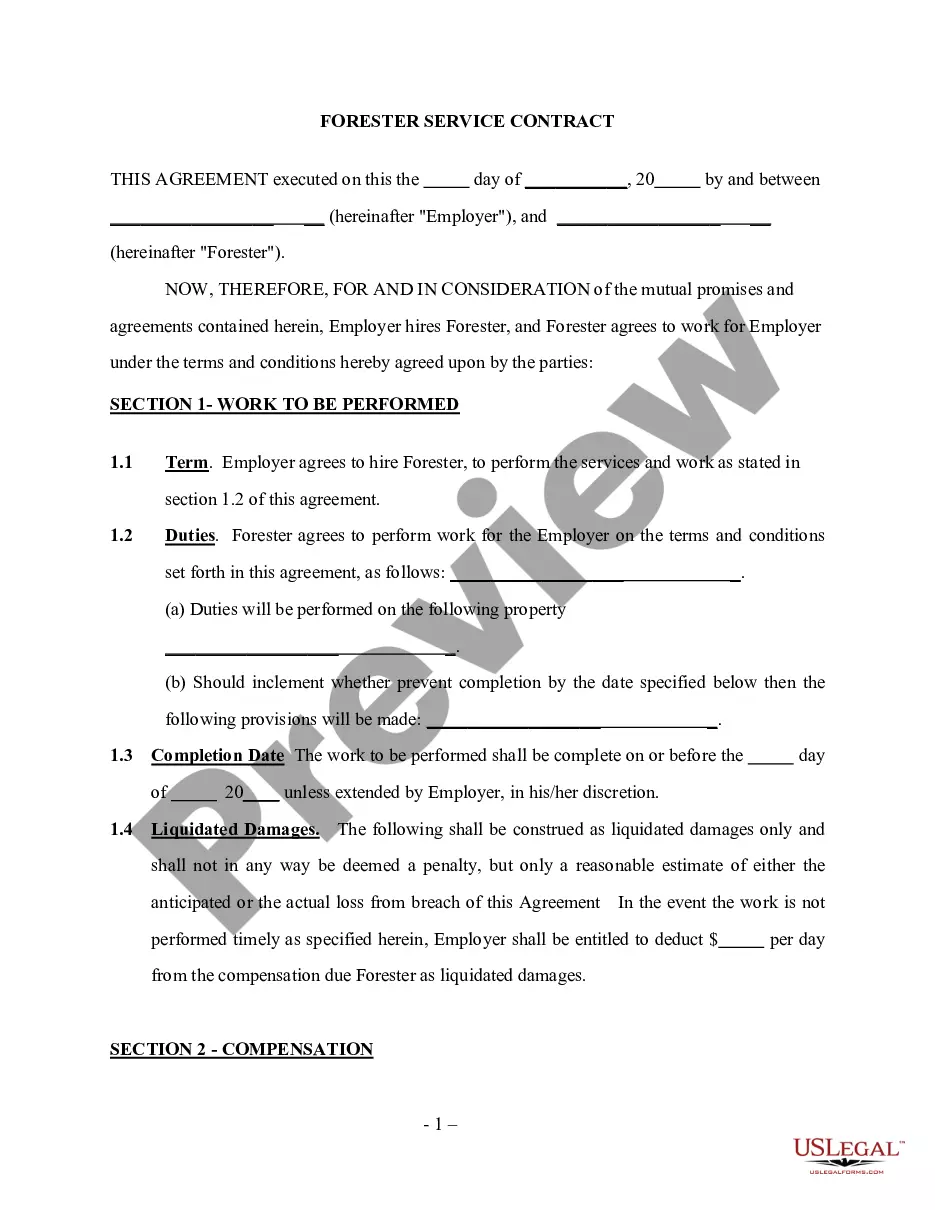
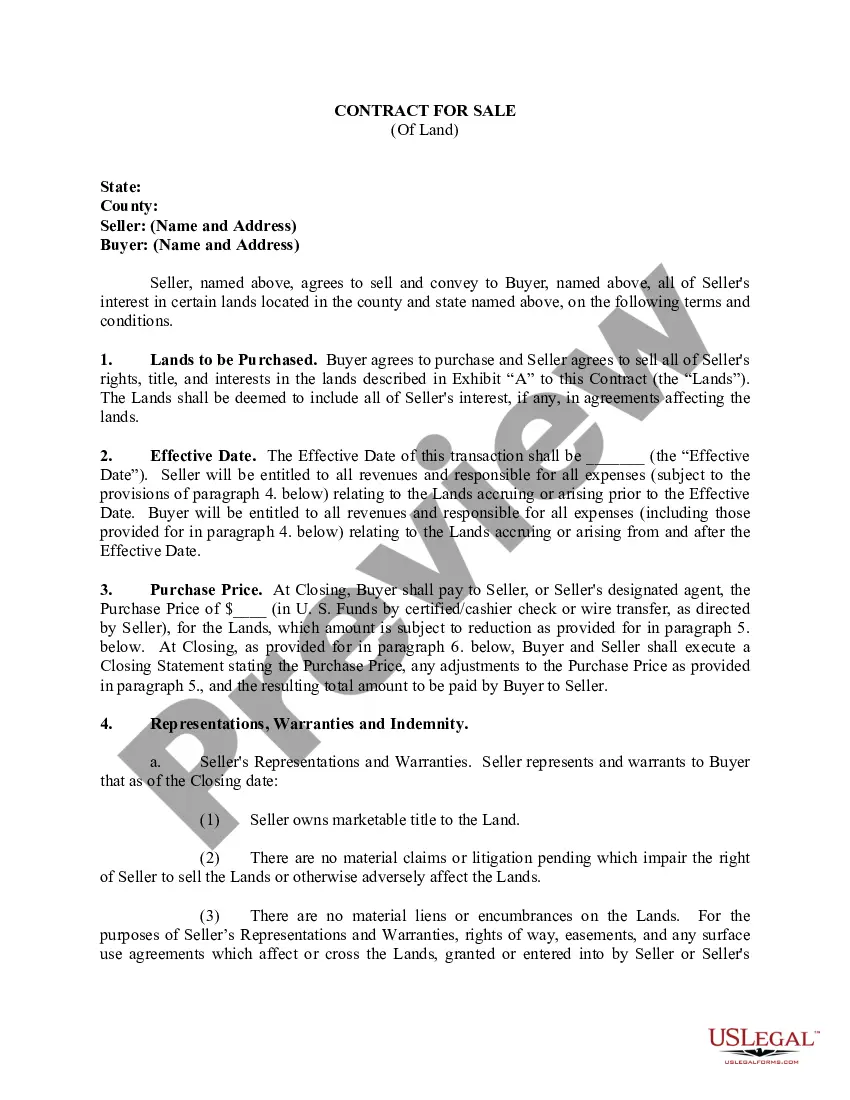
The Kansas Forest Products Timber Sale Contract is a legal agreement that outlines the terms under which a buyer can purchase timber from a seller's land. This contract specifies the rights granted to the buyer, including access to the property for timber removal. It is essential for anyone looking to engage in the sale of timber in Kansas, ensuring that both parties' rights and responsibilities are clearly defined, and it differs from other timber contracts by focusing specifically on forest products sales in the state of Kansas.
Form components explained
- Identification of the seller and buyer, including their corporate status if applicable.
- Details on the property and specific timber designated for sale.
- Terms of payment and payment schedule for the timber.
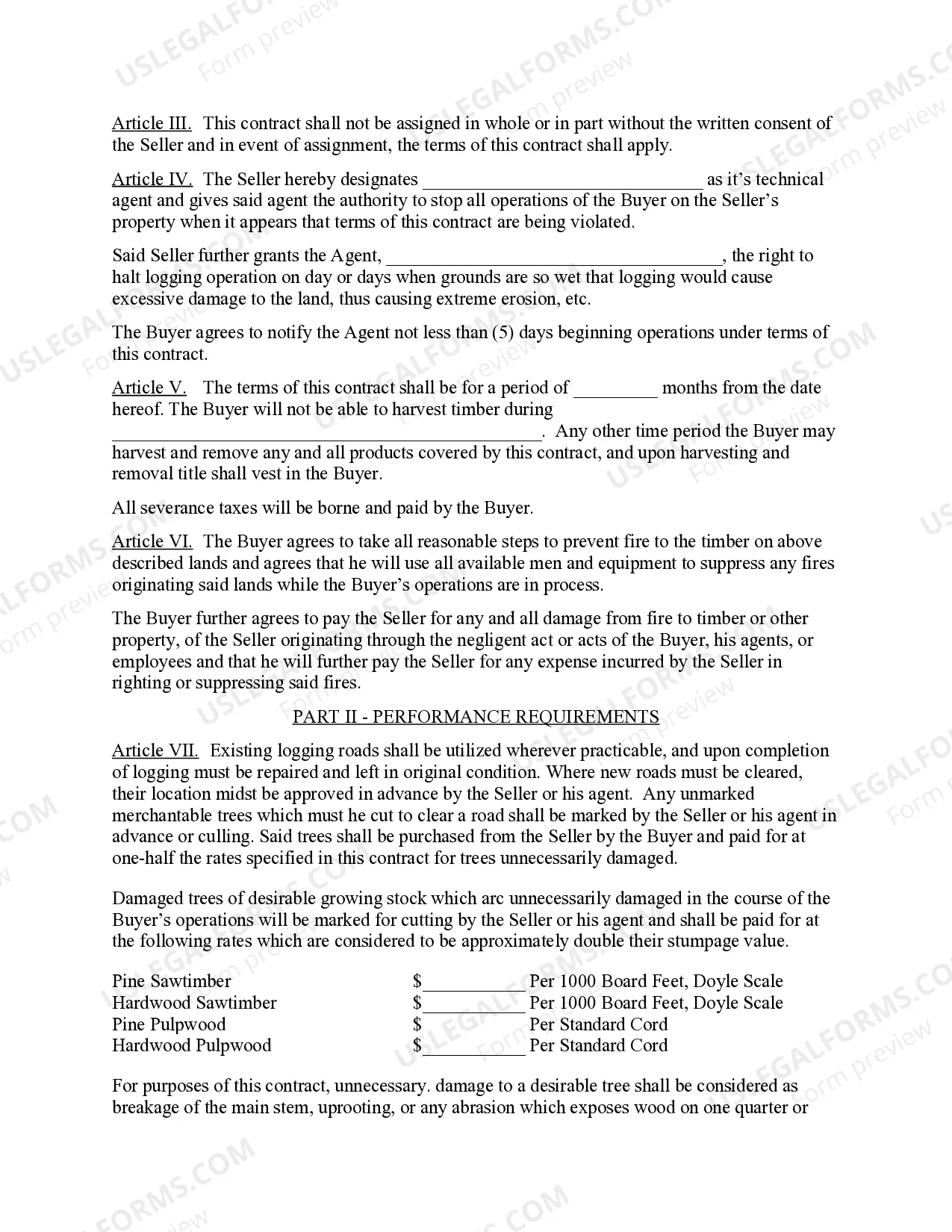
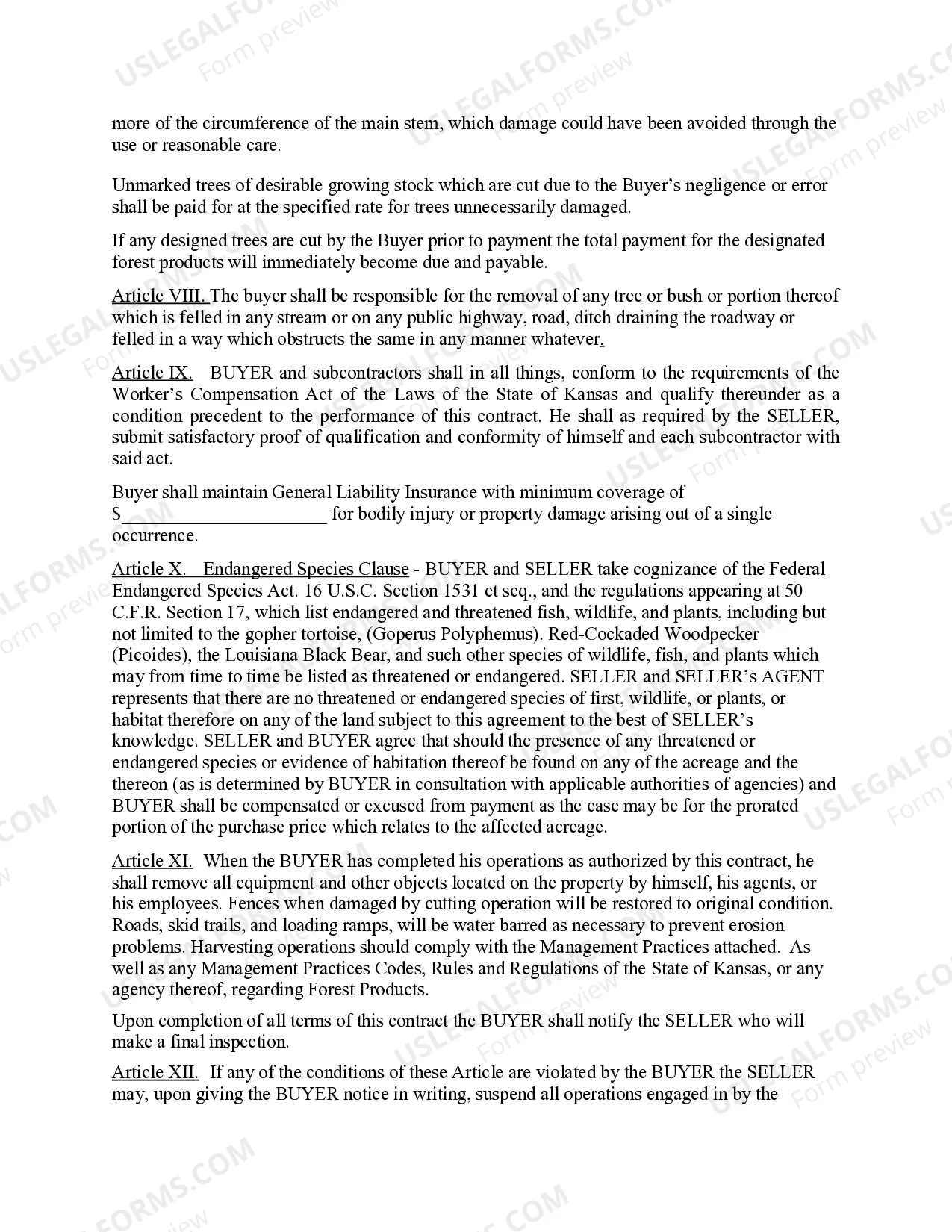
- Responsibilities regarding the protection of the environment and management of the logging process.
- Instructions on the use of existing logging roads and repair obligations post-harvesting.
- Endangered species consideration clause to address environmental compliance.
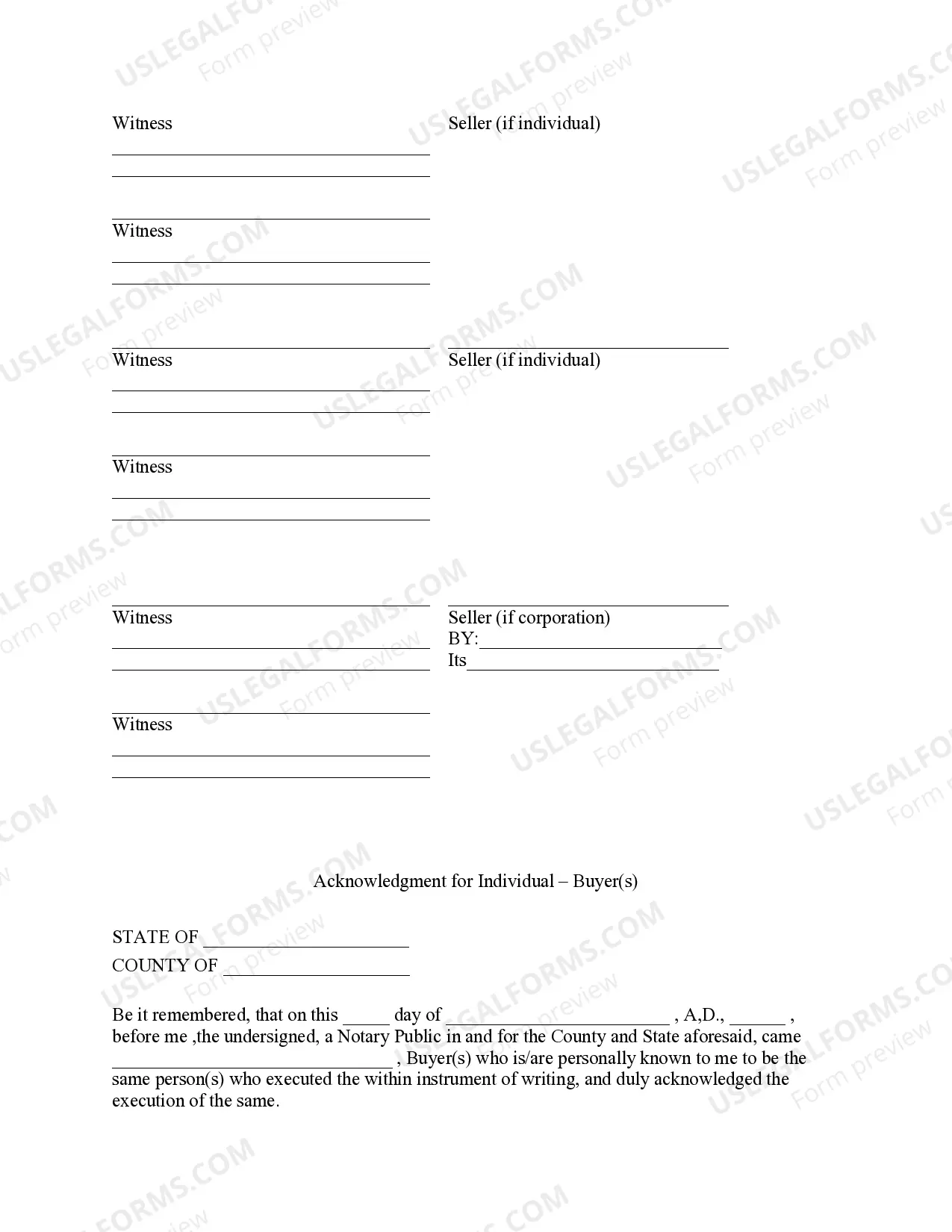
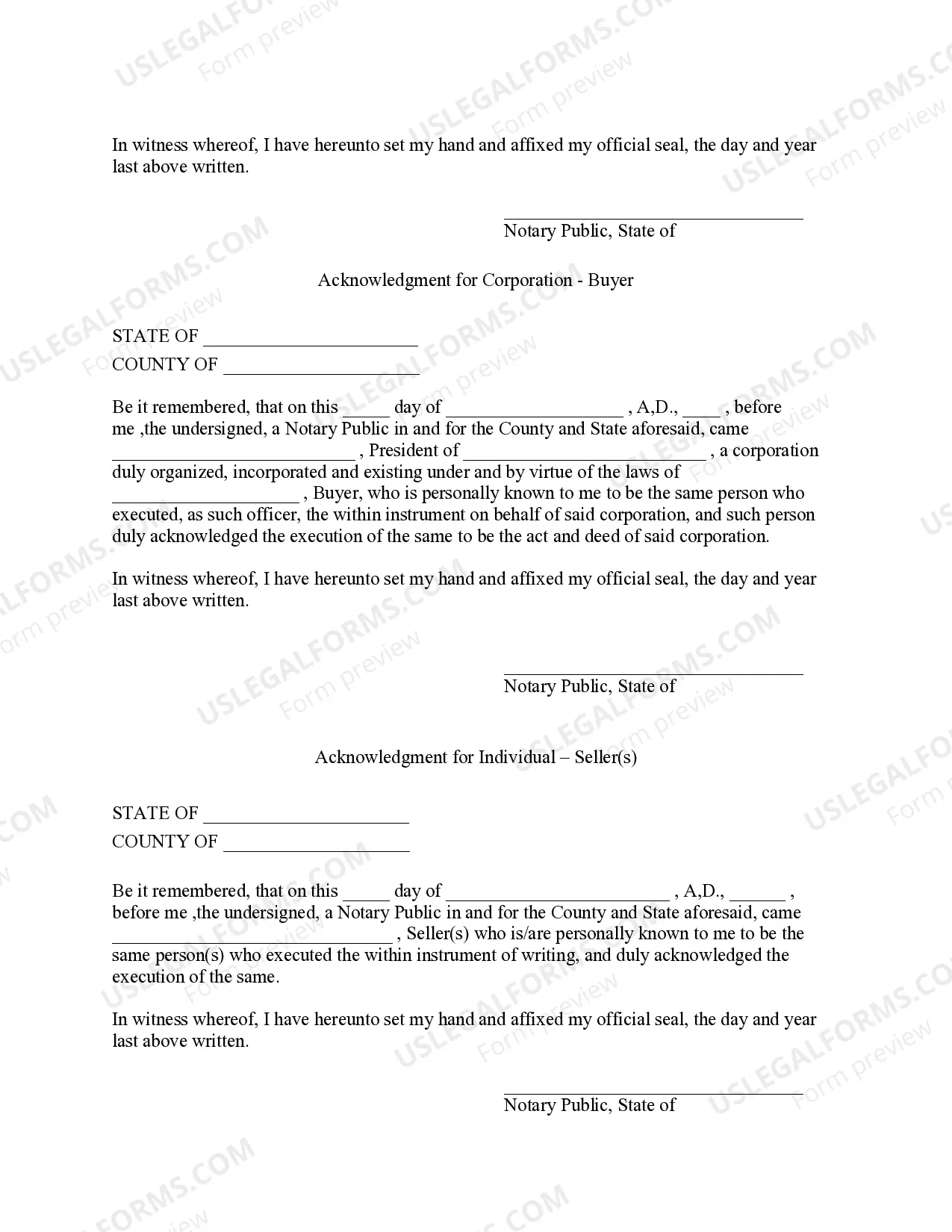
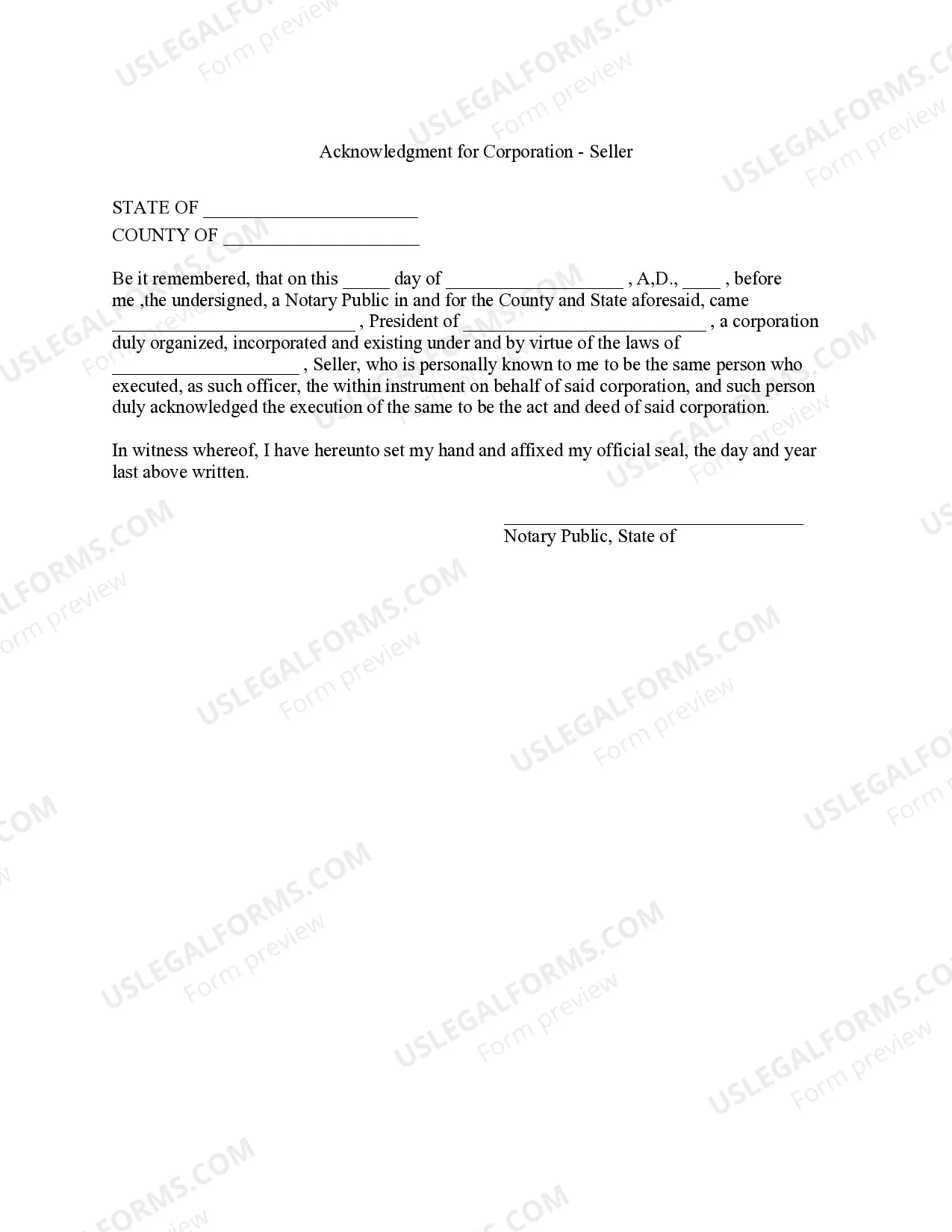
When to use this form
This form should be used when a seller intends to sell timber from their property and the buyer wishes to purchase it. It is appropriate in situations where the seller has a clear title to the timber, and both parties agree on the specific terms regarding payment, harvesting methods, and environmental concerns. Common scenarios include private landowners selling timber to logging companies or individuals looking to harvest trees for personal or commercial use.
Who can use this document
- Property owners or sellers of timber seeking to formalize a sale.
- Buyers or logging companies interested in purchasing timber from a specified property.
- Legal representatives assisting clients with timber sale agreements.
Steps to complete this form
- Identify the parties involved by filling in their names and corporate statuses.
- Specify the property where the timber is located, including a detailed legal description.
- Enter the designated timber to be sold and the agreed-upon payment amount.
- Outline any terms regarding logging operations, including environmental protections and road usage.
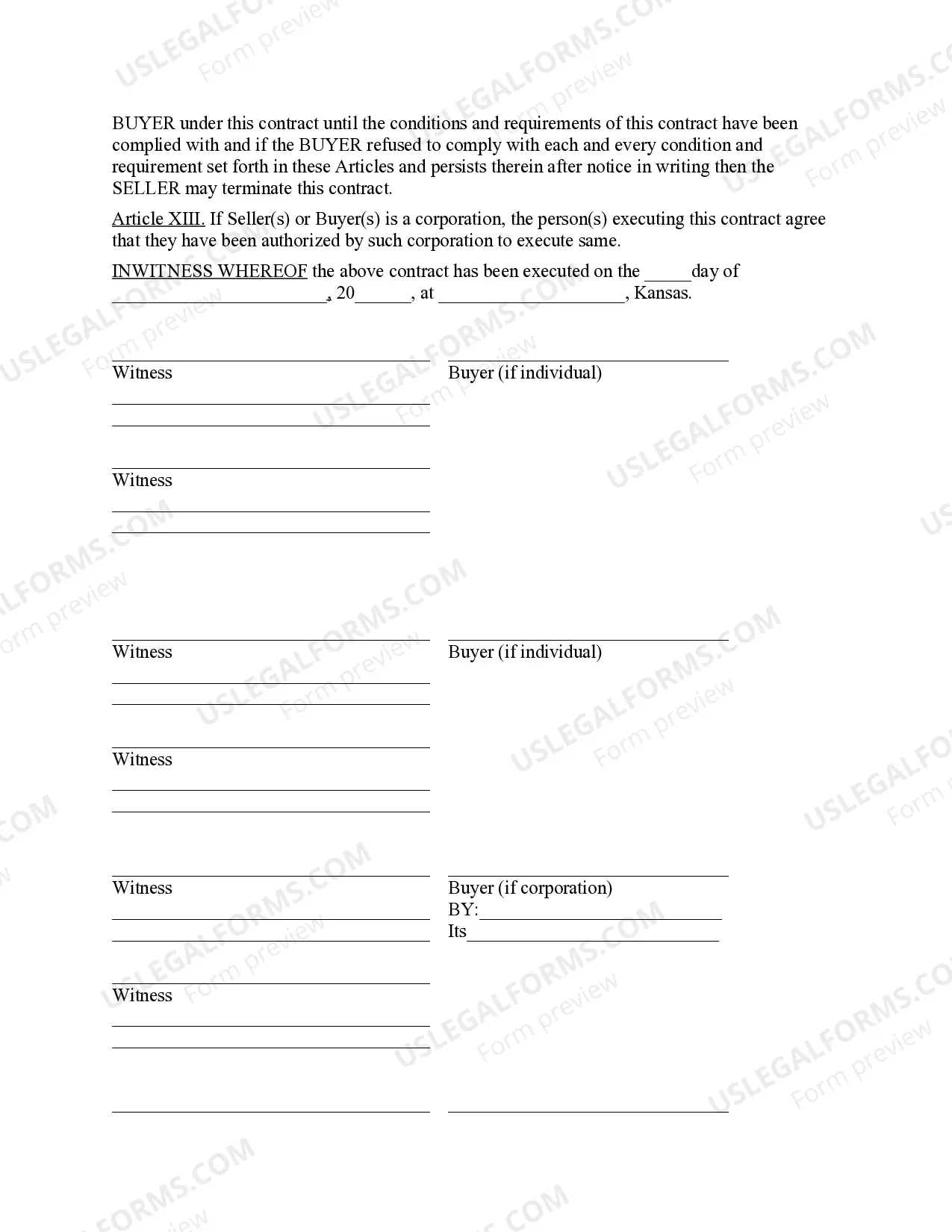
- Sign and date the contract, ensuring all required parties are present at the signing.
Is notarization required?
This form needs to be notarized to ensure legal validity. US Legal Forms provides secure online notarization powered by Notarize, allowing you to complete the process through a verified video call, available anytime.
Get your form ready online
Our built-in tools help you complete, sign, share, and store your documents in one place.
Make edits, fill in missing information, and update formatting in US Legal Forms—just like you would in MS Word.
Download a copy, print it, send it by email, or mail it via USPS—whatever works best for your next step.
Sign and collect signatures with our SignNow integration. Send to multiple recipients, set reminders, and more. Go Premium to unlock E-Sign.
If this form requires notarization, complete it online through a secure video call—no need to meet a notary in person or wait for an appointment.
We protect your documents and personal data by following strict security and privacy standards.

Make edits, fill in missing information, and update formatting in US Legal Forms—just like you would in MS Word.

Download a copy, print it, send it by email, or mail it via USPS—whatever works best for your next step.

Sign and collect signatures with our SignNow integration. Send to multiple recipients, set reminders, and more. Go Premium to unlock E-Sign.

If this form requires notarization, complete it online through a secure video call—no need to meet a notary in person or wait for an appointment.

We protect your documents and personal data by following strict security and privacy standards.
Mistakes to watch out for
- Failing to clearly describe the timber or property in the contract.
- Omitting payment terms or schedule, leading to disputes later.
- Not addressing environmental responsibilities adequately.
- Ignoring the need for signatures from all parties involved.
Advantages of online completion
- Convenient access to the form, allowing for quick and easy completion.
- Editability to customize the contract based on specific needs and details.
- Reliability of professional legal language crafted by licensed attorneys.
Legal use & context
- This form establishes a legally binding agreement for the sale of timber.
- It provides protections for both the seller's ownership rights and the buyer's interest in the purchased timber.
- Failure to comply with the contract terms can lead to disputes and potential legal action.
Key takeaways
- The Kansas Forest Products Timber Sale Contract is essential for legally transferring timber ownership.
- It details the responsibilities and rights of both the seller and the buyer.
- Proper completion of this contract helps prevent disputes and ensures compliance with state laws.
Looking for another form?

Form popularity
FAQ
Timber has been one of the most consistent investments over time, and a great hedge against inflation. According to value investor Jeremy Grantham, it's risen 3% more than inflation for more than 90 years. Timberland has also beaten the stock market over the long run, and with less volatility.
The total volume of the tree would be 225 board feet. The value of this tree would be $195.00 for an average of $866.00 per thousand board feet. A fourteen inch Red Oak with a grade 3 rating would be worth $12.00 for an average price per thousand board feet of $265.00.
Depending on the type of trees and the market when the timber is sold, you could earn $500 to $2000 per acre (at $1500, you would be looking at $60 per year in income if you were to annualize it over 25 years).
For these reasons, it's not uncommon for a tree grower to net $40,000 to $60,000 per acre every year producing high quality trees that are healthy and bring premium prices in the marketplace.
Salaries for loggers depend on the task in which they specialize. Fallers cut down trees using mobile felling machines and powered chainsaws. They earned a median $21.46 per hour or $44,650 per year as of May 2019, according to the Bureau of Labor Statistics.
Logging companies rarely have the specialized equipment, not to mention proper insurances, to remove trees from an Urban setting. But even if they did, the cost associated with hauling equipment to a location and removing the bulk of an entire tree including its top is usually far greater than the value of the tree.
To estimate the value of your timber, take the volume, divided by 1,000, and multiply it by the price quoted in your states standing timber stumpage report.