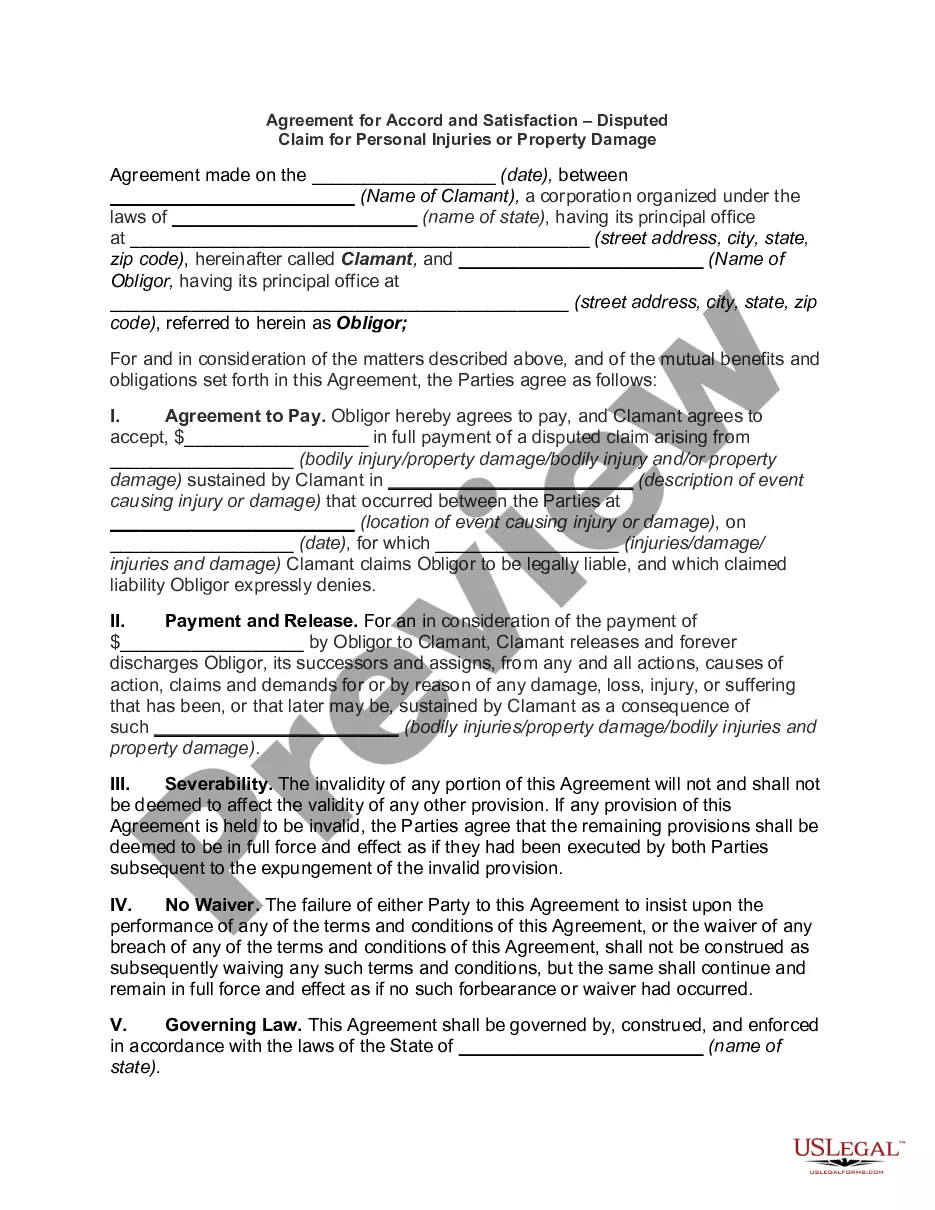
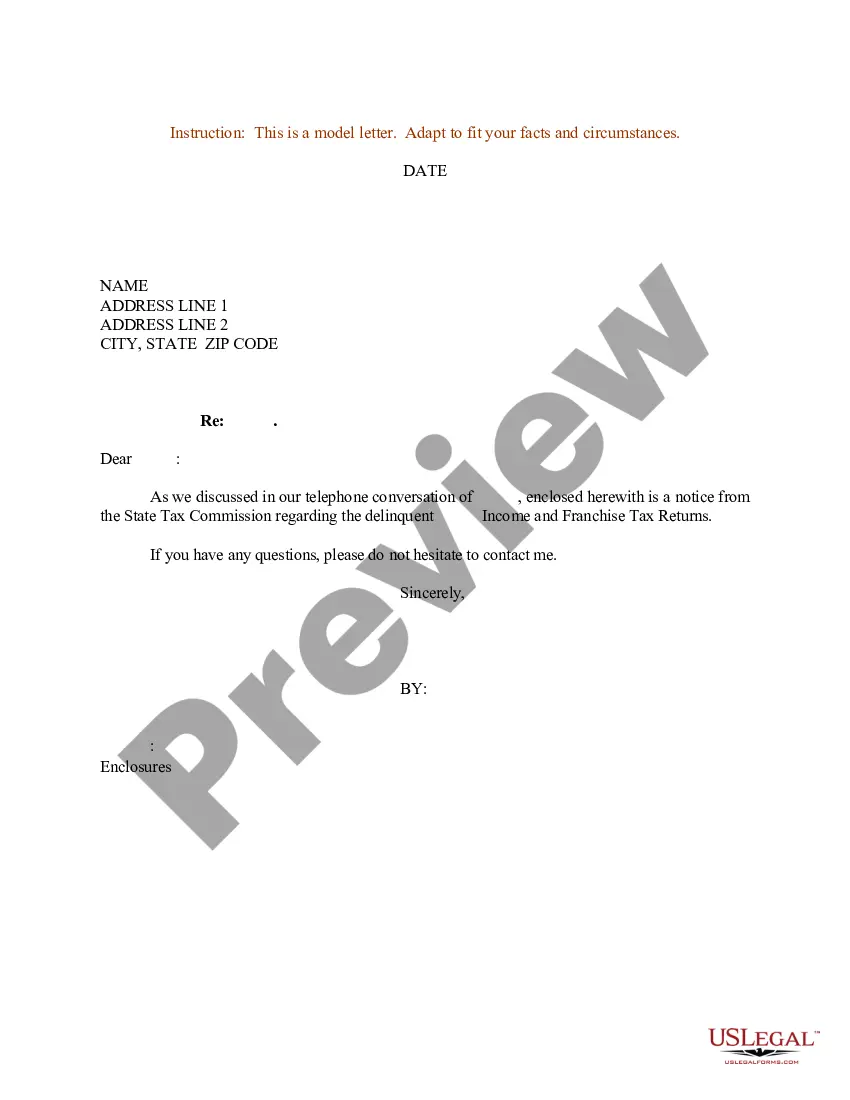
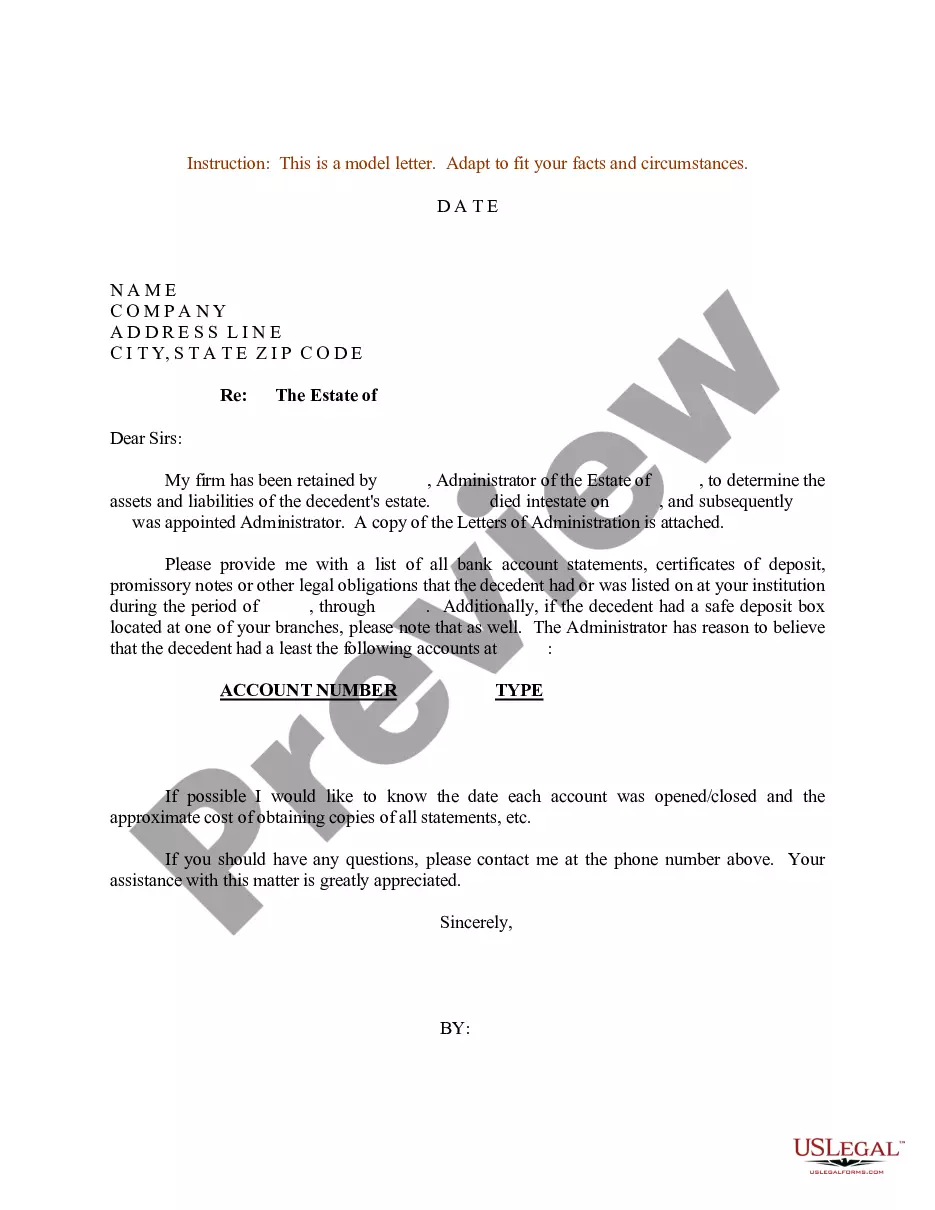
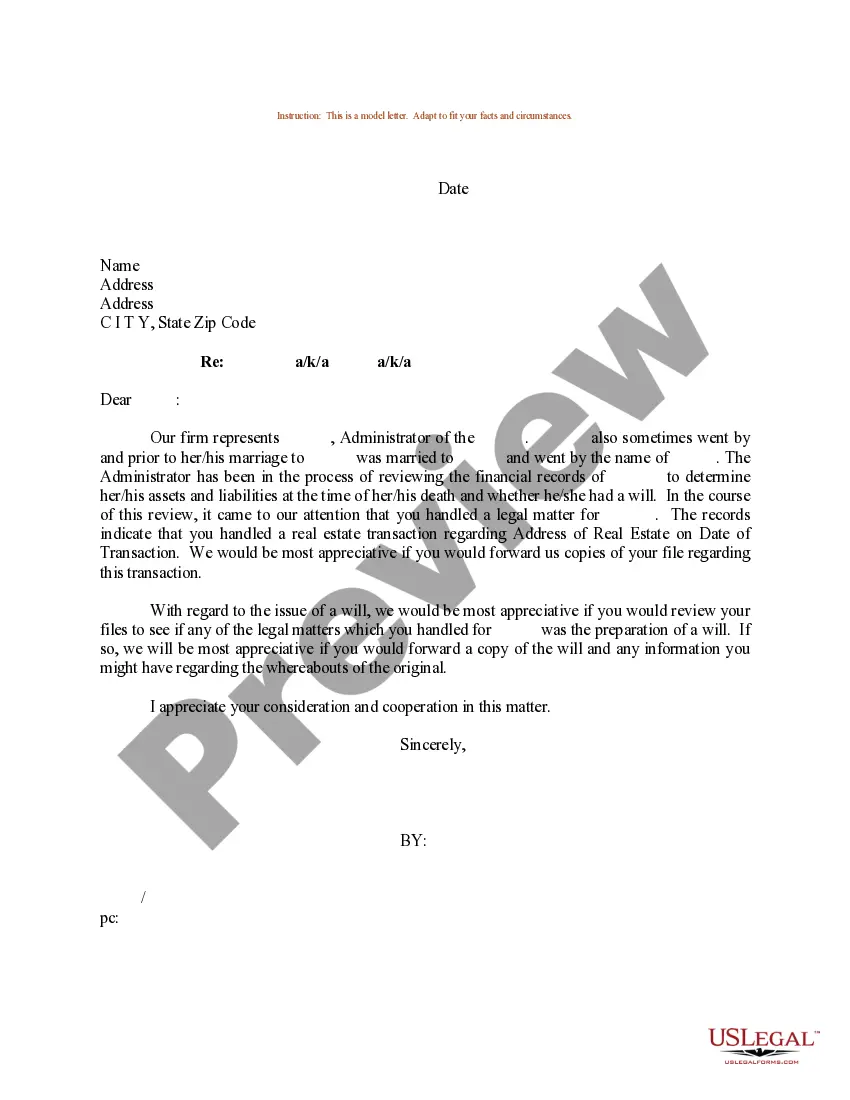
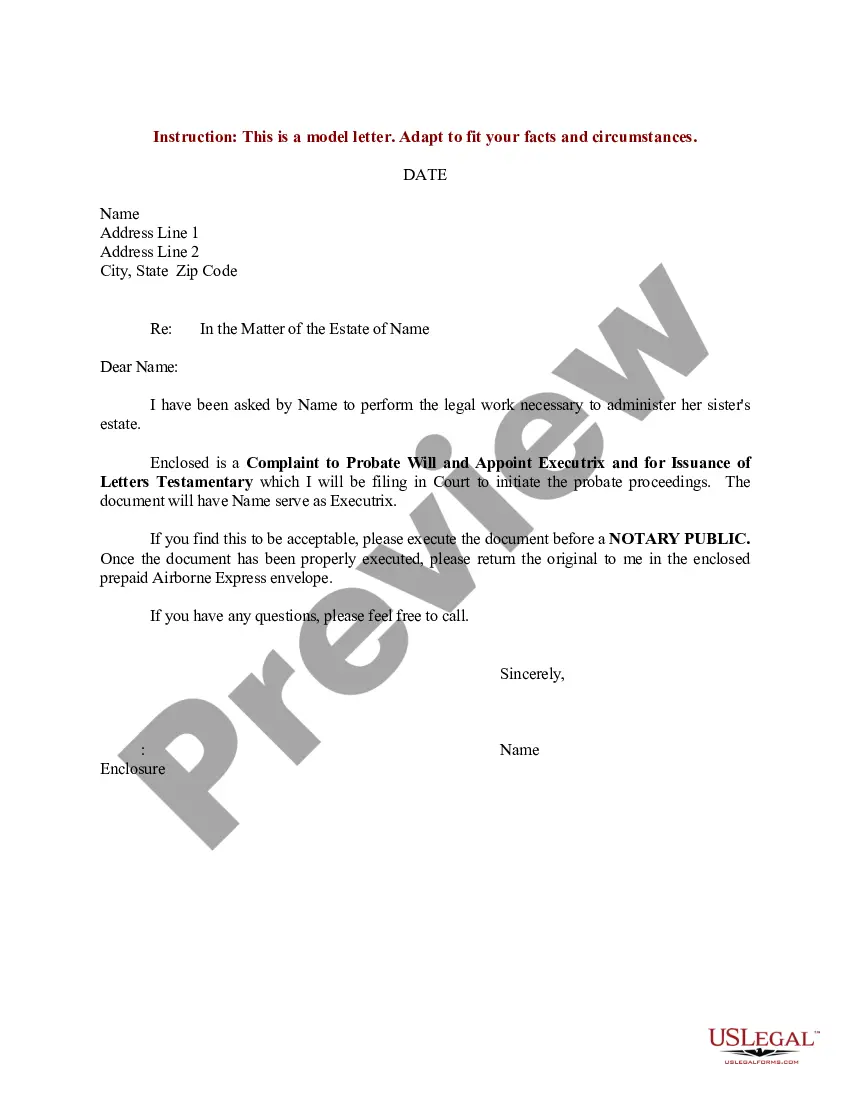
Kansas Sample Letter to State Tax Commission concerning Decedent's Estate
Description
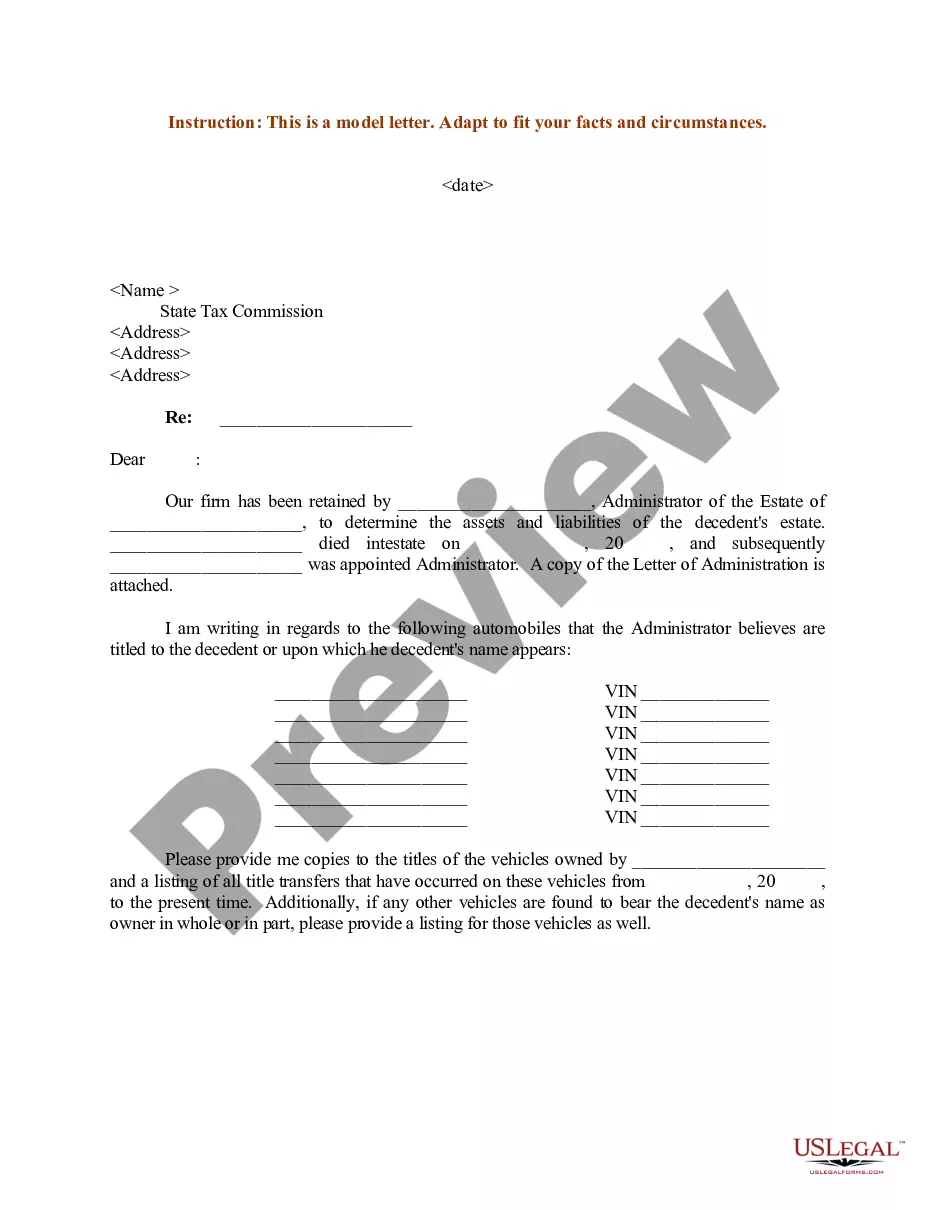
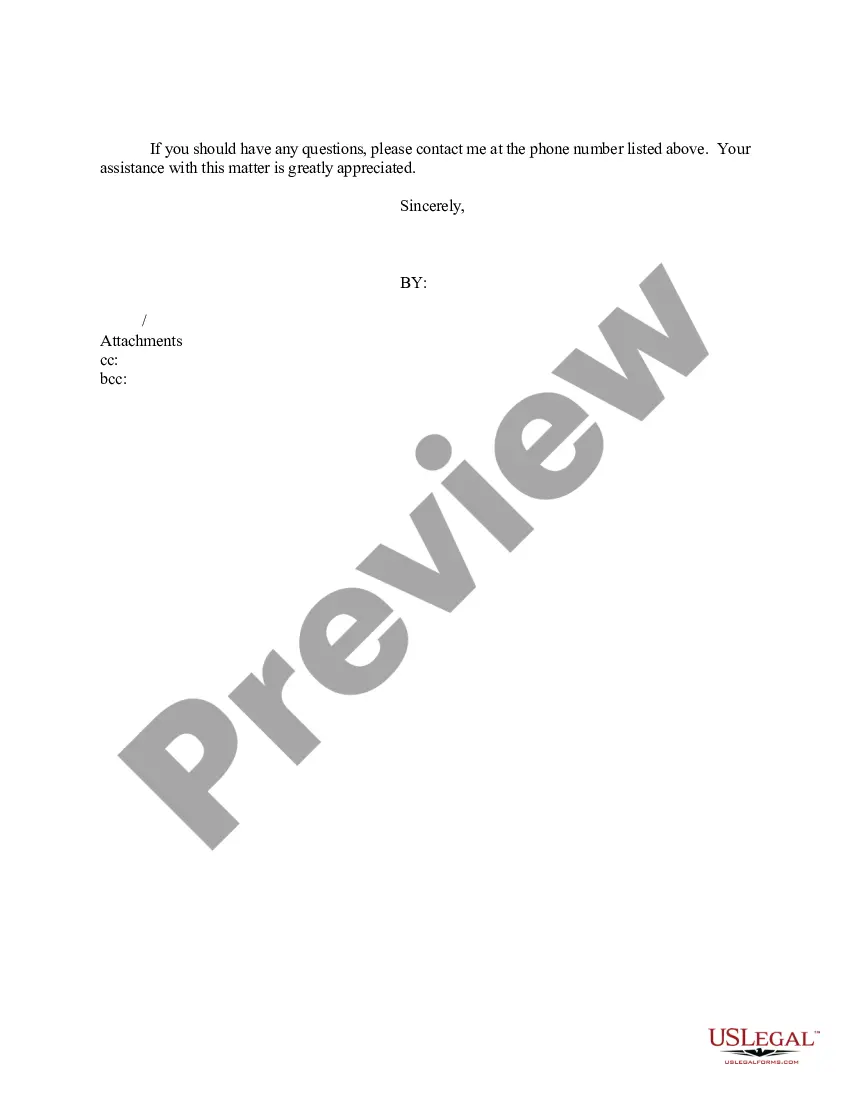
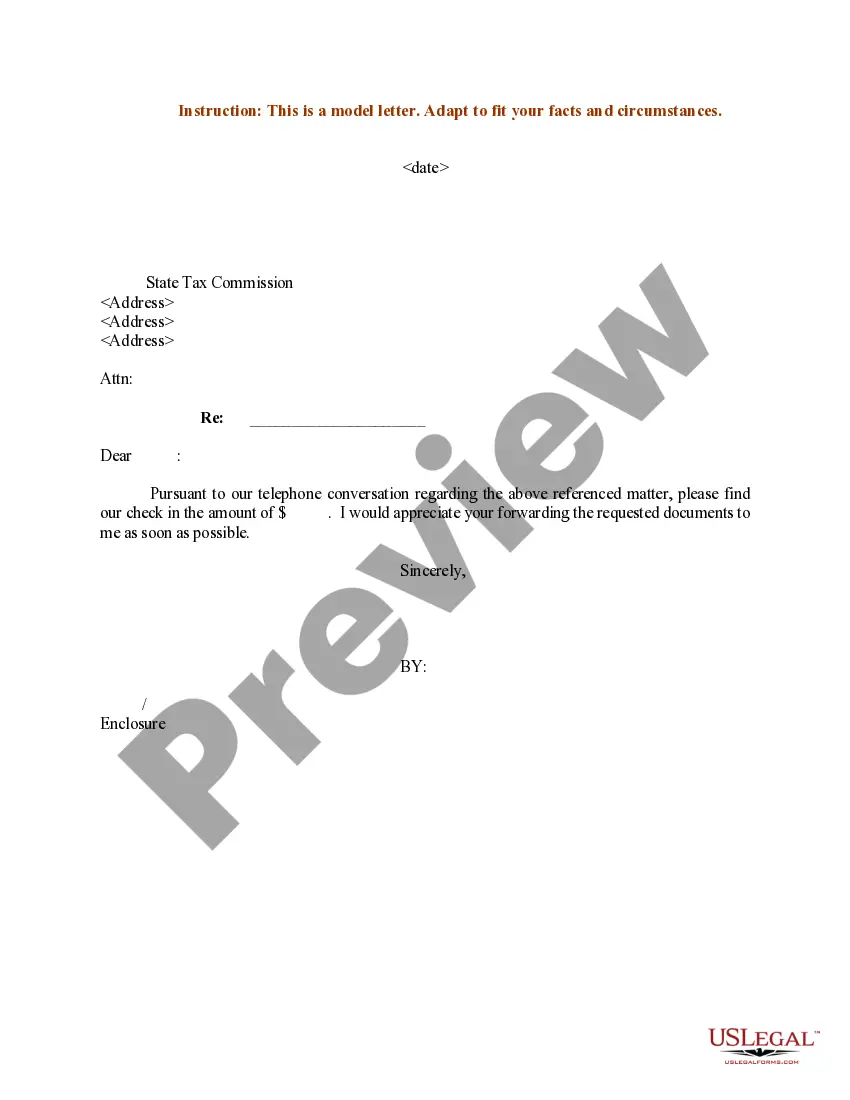
Get your form ready online
Our built-in tools help you complete, sign, share, and store your documents in one place.
Make edits, fill in missing information, and update formatting in US Legal Forms—just like you would in MS Word.
Download a copy, print it, send it by email, or mail it via USPS—whatever works best for your next step.
Sign and collect signatures with our SignNow integration. Send to multiple recipients, set reminders, and more. Go Premium to unlock E-Sign.
If this form requires notarization, complete it online through a secure video call—no need to meet a notary in person or wait for an appointment.
We protect your documents and personal data by following strict security and privacy standards.

Make edits, fill in missing information, and update formatting in US Legal Forms—just like you would in MS Word.

Download a copy, print it, send it by email, or mail it via USPS—whatever works best for your next step.

Sign and collect signatures with our SignNow integration. Send to multiple recipients, set reminders, and more. Go Premium to unlock E-Sign.

If this form requires notarization, complete it online through a secure video call—no need to meet a notary in person or wait for an appointment.

We protect your documents and personal data by following strict security and privacy standards.
Looking for another form?
How to fill out Sample Letter To State Tax Commission Concerning Decedent's Estate?
If you need to sum up, acquire, or print legal document templates, utilize US Legal Forms, the largest collection of legal forms, that are accessible online.
Make use of the website's straightforward and user-friendly search to locate the documents you require.
Various templates for business and personal purposes are organized by categories and states, or keywords. Utilize US Legal Forms to locate the Kansas Sample Letter to State Tax Commission regarding Decedent's Estate in just a few clicks.
Step 5. Process the transaction. You can use your Visa or Mastercard or PayPal account to complete the transaction.
Step 6. Retrieve the format of the legal form and download it to your device. Step 7. Complete, modify, and print or sign the Kansas Sample Letter to State Tax Commission regarding Decedent's Estate. Every legal document template you purchase is your property indefinitely. You have access to each form you downloaded in your account. Click on the My documents section and select a form to print or download again. Stay competitive and obtain, and print the Kansas Sample Letter to State Tax Commission regarding Decedent's Estate with US Legal Forms. There are millions of professional and state-specific forms you can utilize for your business or personal needs.
- If you are already a US Legal Forms user, Log In to your account and click the Download button to obtain the Kansas Sample Letter to State Tax Commission regarding Decedent's Estate.
- You can also access forms you previously downloaded from the My documents tab of your account.
- If you are using US Legal Forms for the first time, refer to the instructions below.
- Step 1. Ensure you have selected the form for the correct city/state.
- Step 2. Use the Preview option to review the form's content. Don't forget to check the details.
- Step 3. If you are not satisfied with the form, use the Search area at the top of the screen to find alternative versions of the legal form template.
- Step 4. After you have found the form you need, select the Get now button. Choose the pricing plan you prefer and provide your credentials to register for an account.
Form popularity
FAQ
Until the decedent's assets are transferred to beneficiaries, any income earned on the assets will be reported on Form 1041. For all three of the above returns, the IRS generally has three years from the date the returns were filed to audit the returns.
Otherwise, do not make your request until at least 9 months after filing the estate's Form 706 (or Form 706-NA). If your return is under examination, make your request at least 30 days after the completion of the examination.
The personal representative (defined earlier) must file the final income tax return (Form 1040 or 1040-SR) of the decedent for the year of death and any returns not filed for preceding years. A surviving spouse, under certain circumstances, may have to file the returns for the decedent. See Joint Return, later.
Otherwise, do not make your request until at least 9 months after filing the estate's Form 706 (or Form 706-NA). If your return is under examination, make your request at least 30 days after the completion of the examination.
For those who wish to continue to receive estate tax closing letters, estates and their authorized representatives may call the IRS at (866) 699-4083 to request an estate tax closing letter no earlier than four months after the filing of the estate tax return.
The IRS can provide an account transcript for estate tax returns using Form 4506-T. The transcript will be mailed to the address of record. Note: The decision to audit a Form 706 is typically made six months after the filing date.
Thus, the receipt of an estate tax closing letter generally indicates that, for purposes of determining the estate tax liability of the decedent's estate, the IRS examination of the estate tax return is closed.
An estate tax closing letter is a form letter that the Internal Revenue Service (IRS) will send to you after your IRS Form 706 has been reviewed and accepted. Form 706 is a rather lengthy return that the executor of an estate will file after the death of an individual.