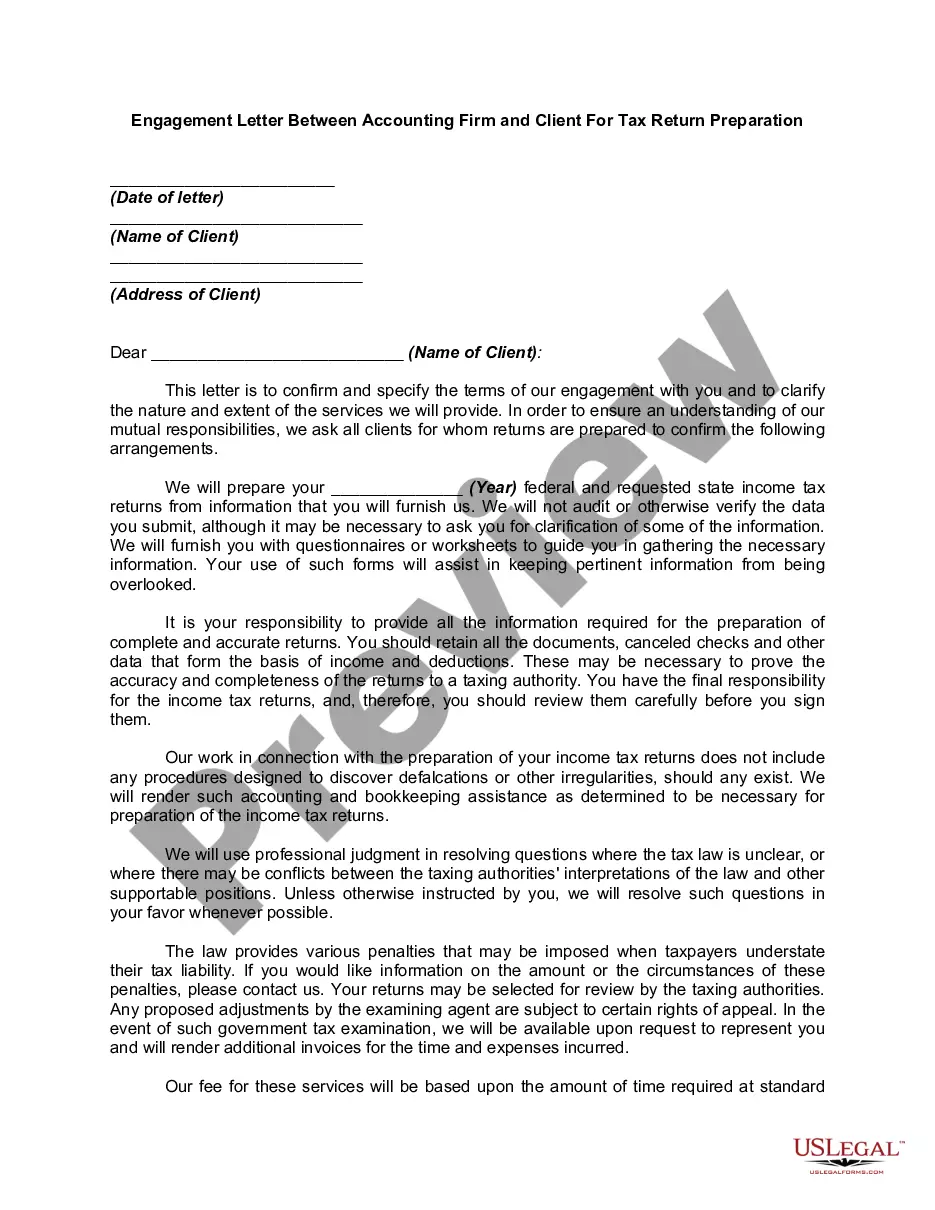
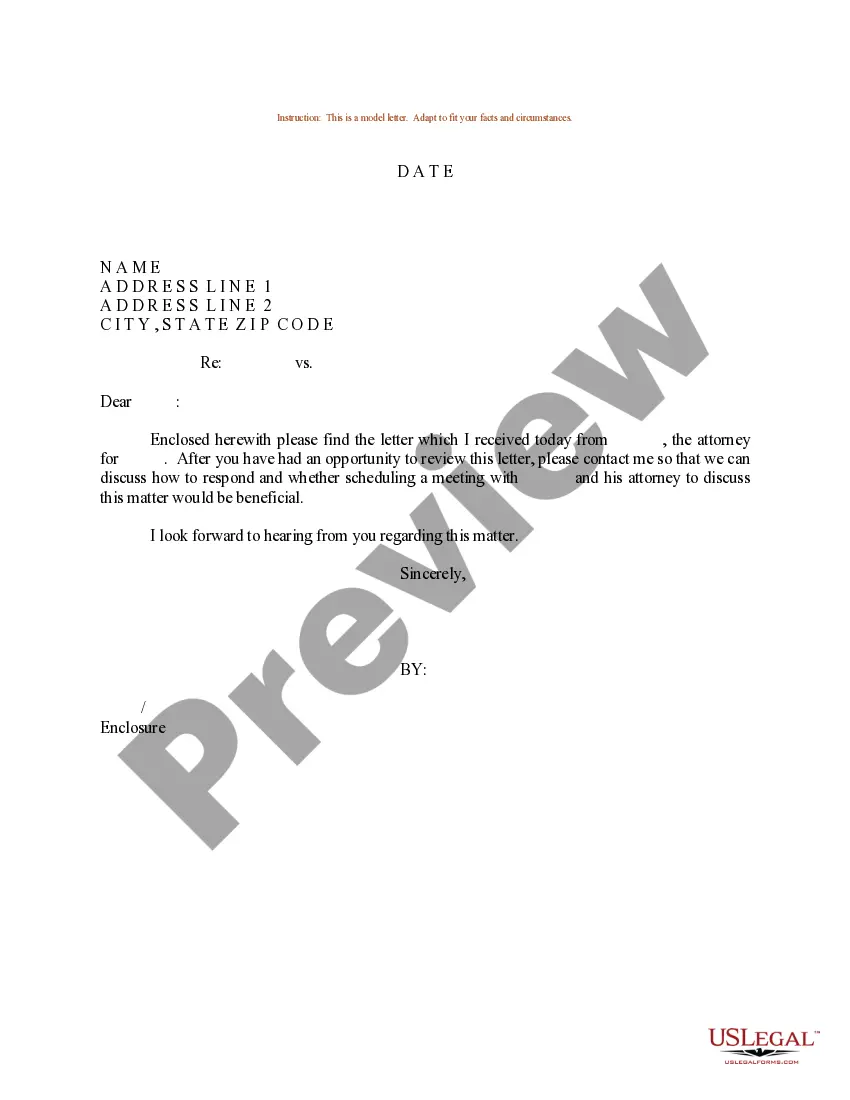
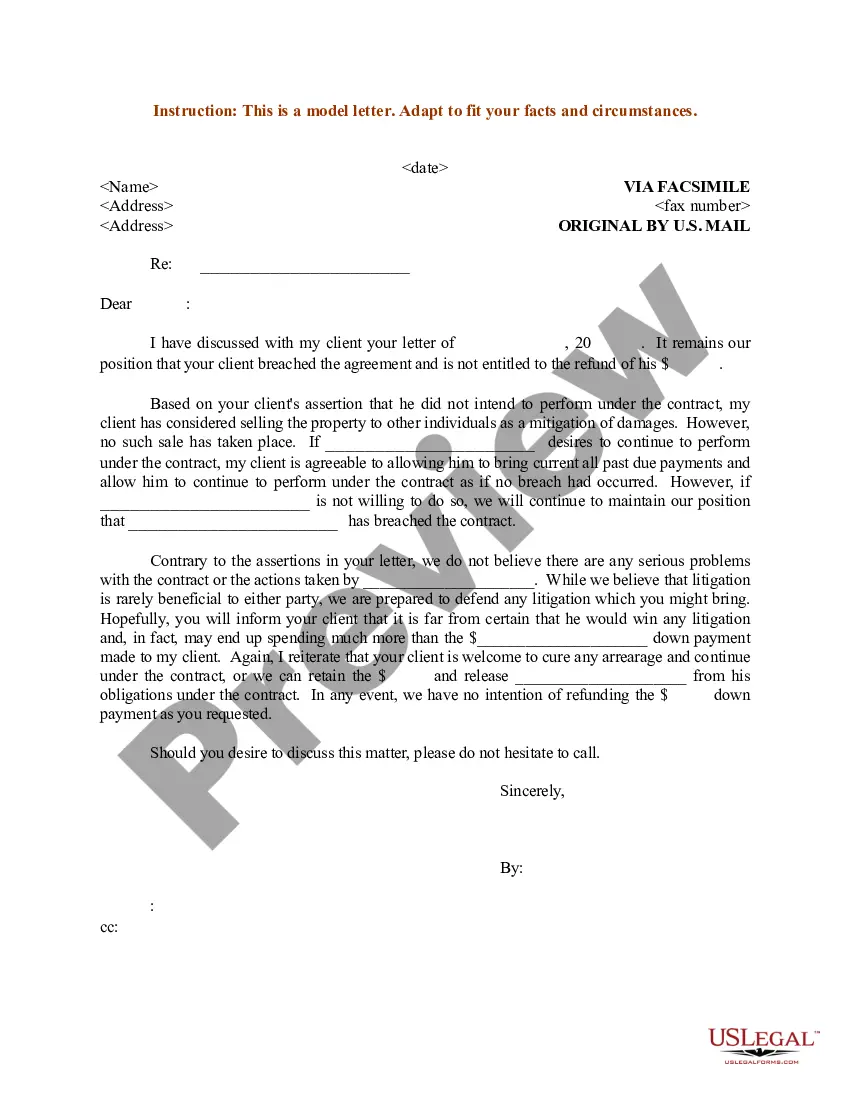
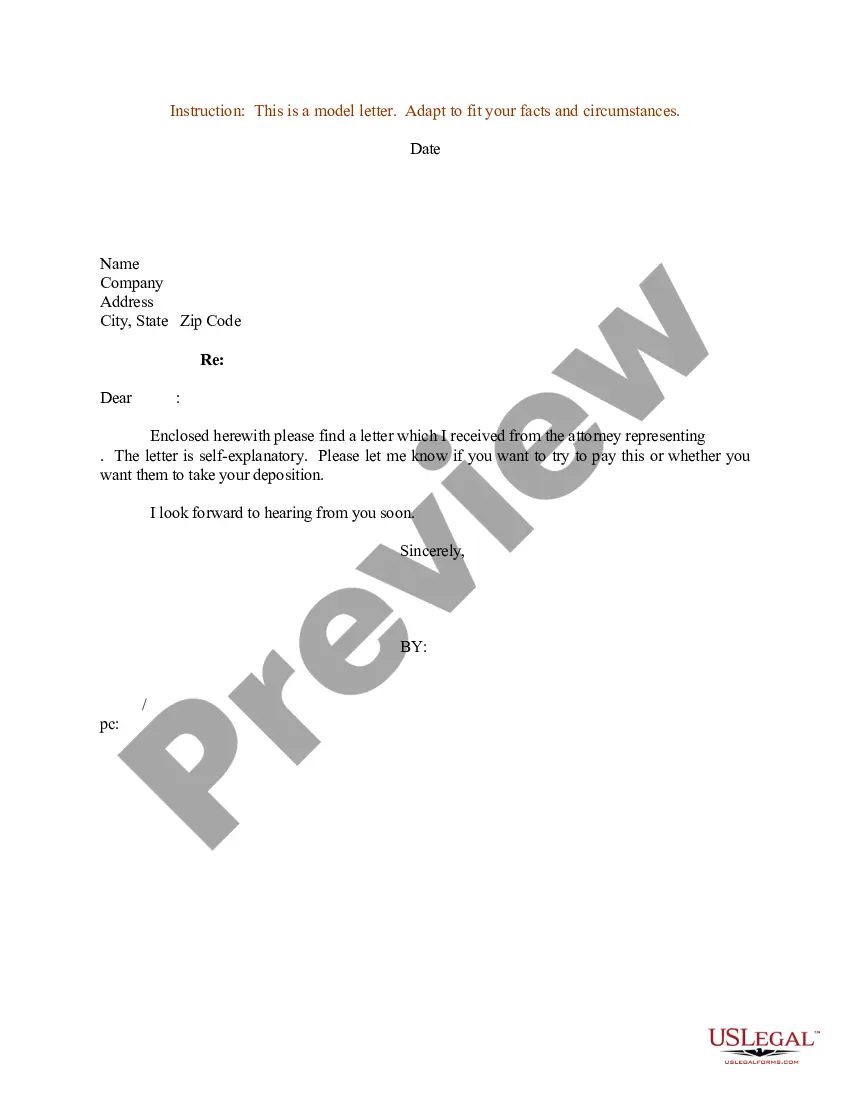
Kansas Sample Letter for Meeting Opposing Attorney
Description
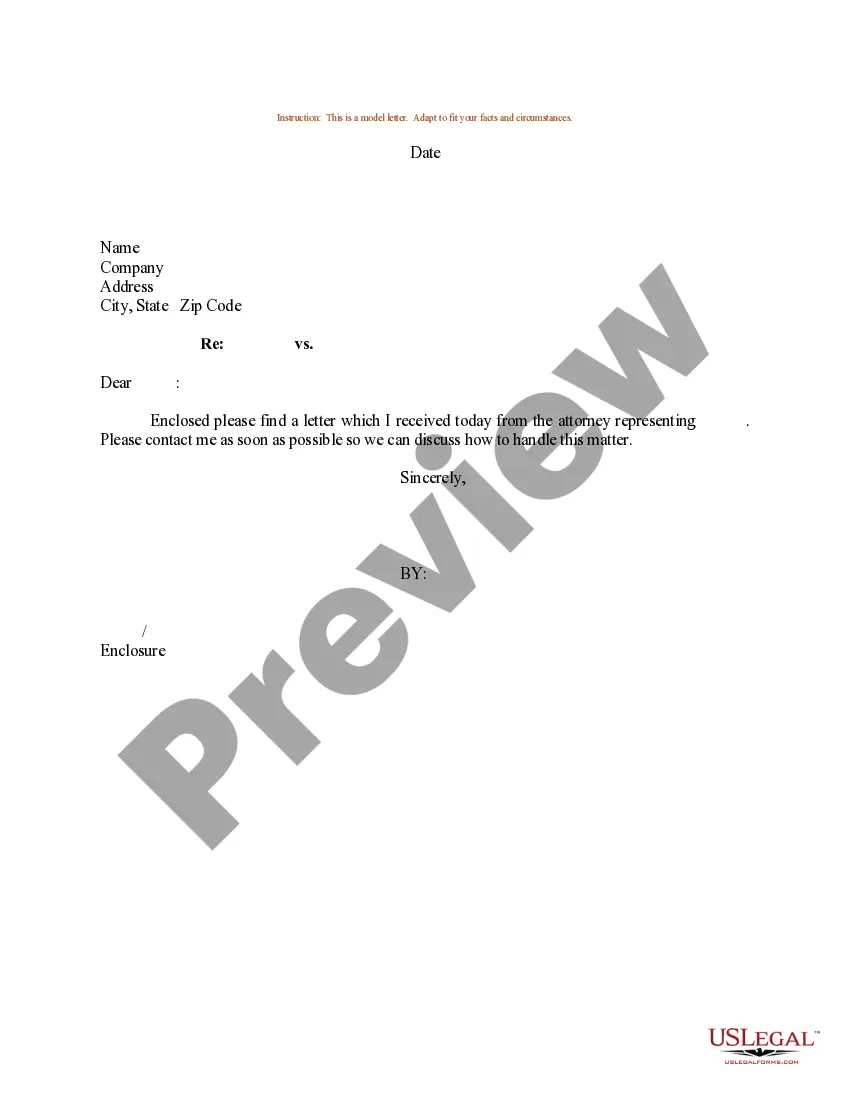
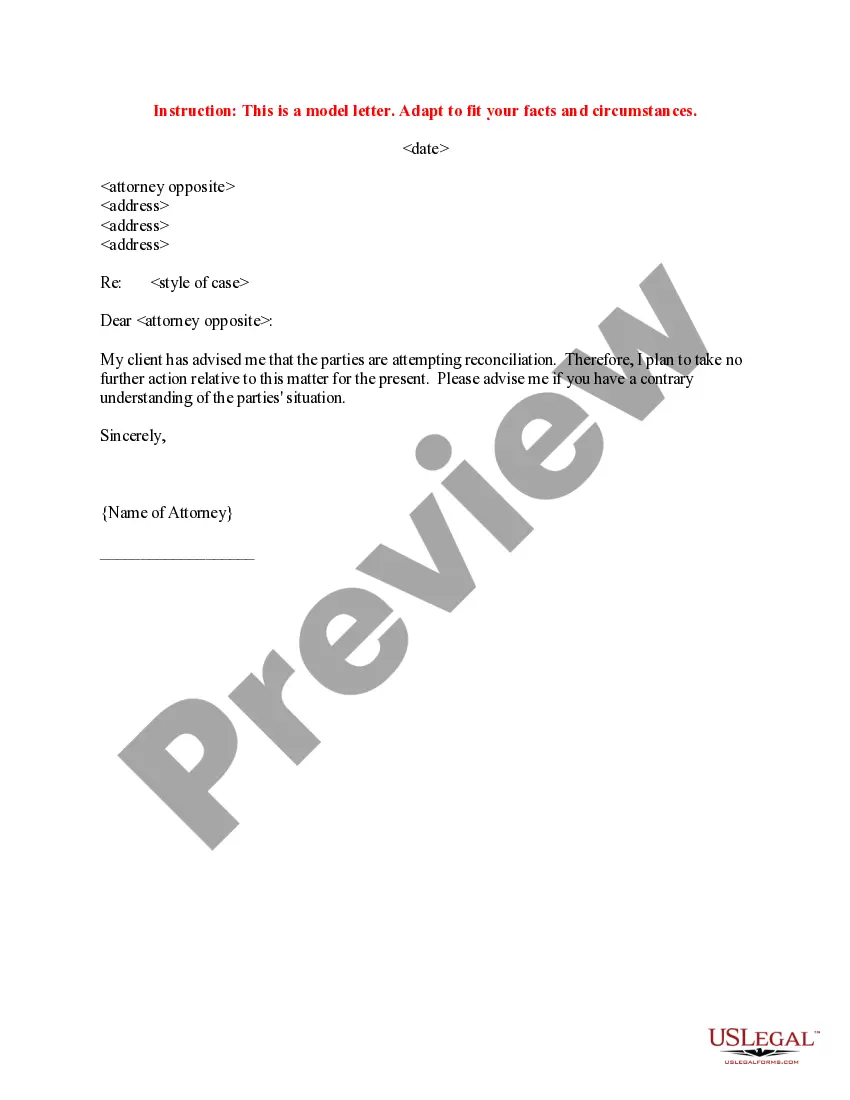
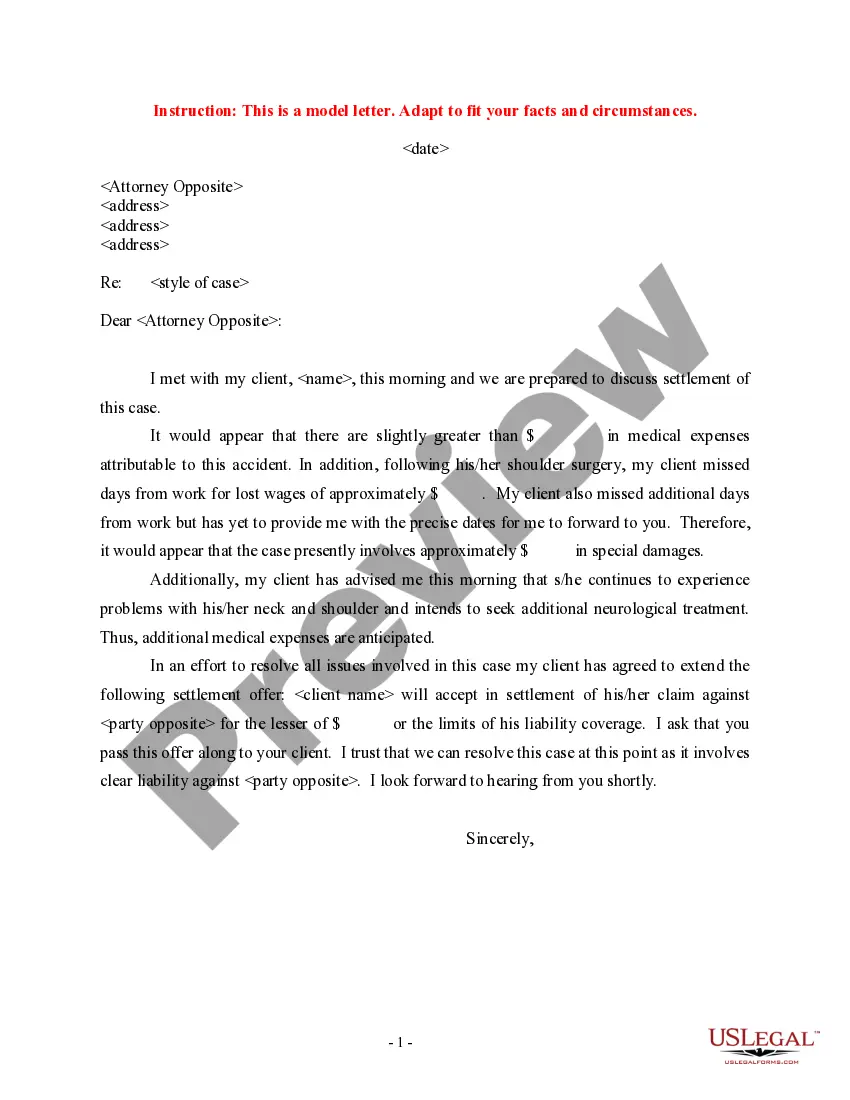
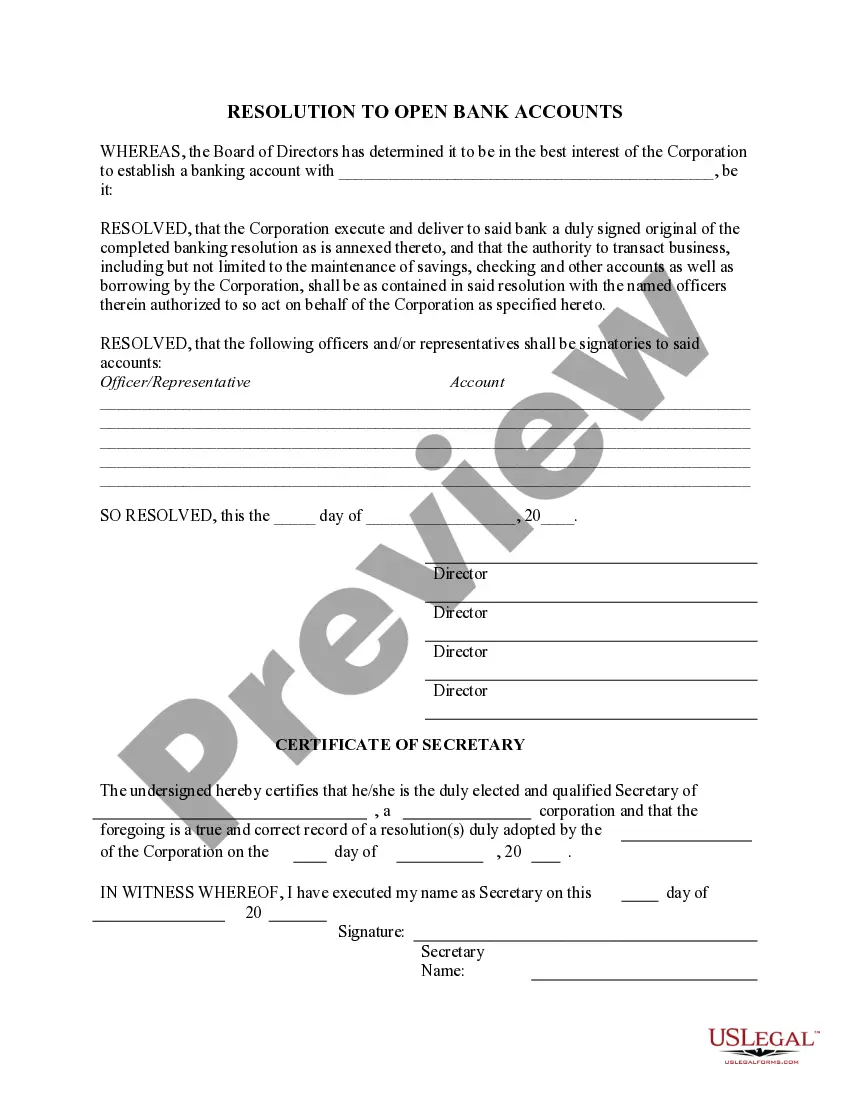



How to fill out Sample Letter For Meeting Opposing Attorney?
If you have to comprehensive, down load, or print out legal papers templates, use US Legal Forms, the largest variety of legal types, which can be found on the Internet. Use the site`s simple and handy lookup to get the paperwork you require. Various templates for business and specific uses are categorized by types and claims, or key phrases. Use US Legal Forms to get the Kansas Sample Letter for Meeting Opposing Attorney in a handful of clicks.
In case you are already a US Legal Forms consumer, log in to your accounts and click on the Download button to find the Kansas Sample Letter for Meeting Opposing Attorney. You may also gain access to types you formerly acquired in the My Forms tab of the accounts.
If you use US Legal Forms initially, refer to the instructions listed below:
- Step 1. Make sure you have chosen the form for your right town/nation.
- Step 2. Take advantage of the Preview method to examine the form`s content. Do not neglect to read through the description.
- Step 3. In case you are not satisfied with the kind, make use of the Look for industry at the top of the display screen to find other versions in the legal kind format.
- Step 4. Upon having found the form you require, click on the Get now button. Opt for the prices program you choose and include your credentials to register for the accounts.
- Step 5. Process the transaction. You may use your Мisa or Ьastercard or PayPal accounts to accomplish the transaction.
- Step 6. Pick the structure in the legal kind and down load it on your own system.
- Step 7. Full, modify and print out or signal the Kansas Sample Letter for Meeting Opposing Attorney.
Every single legal papers format you get is your own property permanently. You have acces to each kind you acquired with your acccount. Click the My Forms portion and decide on a kind to print out or down load yet again.
Be competitive and down load, and print out the Kansas Sample Letter for Meeting Opposing Attorney with US Legal Forms. There are millions of professional and condition-particular types you may use for the business or specific needs.
Form popularity
FAQ
Rule 37 authorizes the court to direct that parties or attorneys who fail to participate in good faith in the discovery process pay the expenses, including attorney's fees, incurred by other parties as a result of that failure.
Write out the body of the letter. Lead with the main purpose of your letter and then explain the reasons for your question or request. ... Be specific when referencing relevant information including names, dates and places. ... Keep to one main topic per paragraph, even if you have several issues to discuss in the letter.
?All parties shall make reasonable efforts to cooperate for the purpose of minimizing the burden or expense of discovery.? Better known as the ?Golden Rule Letter,? it should be attached to a motion to compel to evidence to the court that a good-faith effort has been made.
A good faith attempt is more than arguing with opposing counsel. Instead, the law requires you to discuss the issues, compare views, exchange information (including statutes and case law supporting your position), and propose solutions to discovery fights without court interference.
This letter is often called a good faith letter. And it is needed under many courts' rules before you can file a motion to compel discovery if the other party ignores your requests or provides evasive responses or move for sanctions if your opponent refuses to comply with the court's discovery order.
Dear [Opposing Counsel Name], I am writing to follow up on our recent communication regarding [case name]. I have not yet received a response from you regarding [list the specific issue or question]. Please let me know your thoughts as soon as possible so that we can continue to move forward with the case.
Good faith is a legal term that describes the intention of the party or parties in a contract to deal in an honest manner with each other. In contracts, the parties signing abide by and uphold the contract. It requires people to act honestly without taking advantage of others.