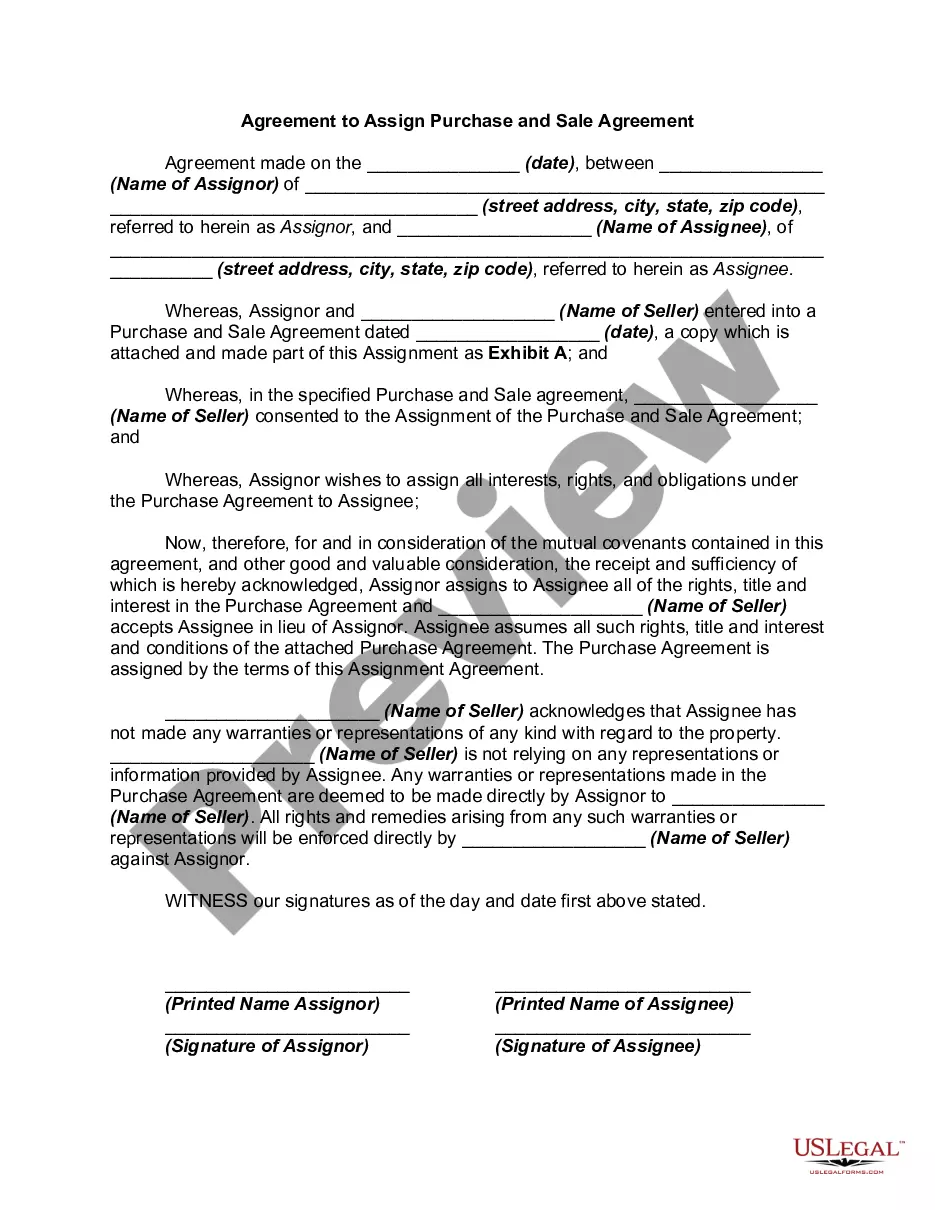
Kansas Fence Line Agreement
Description

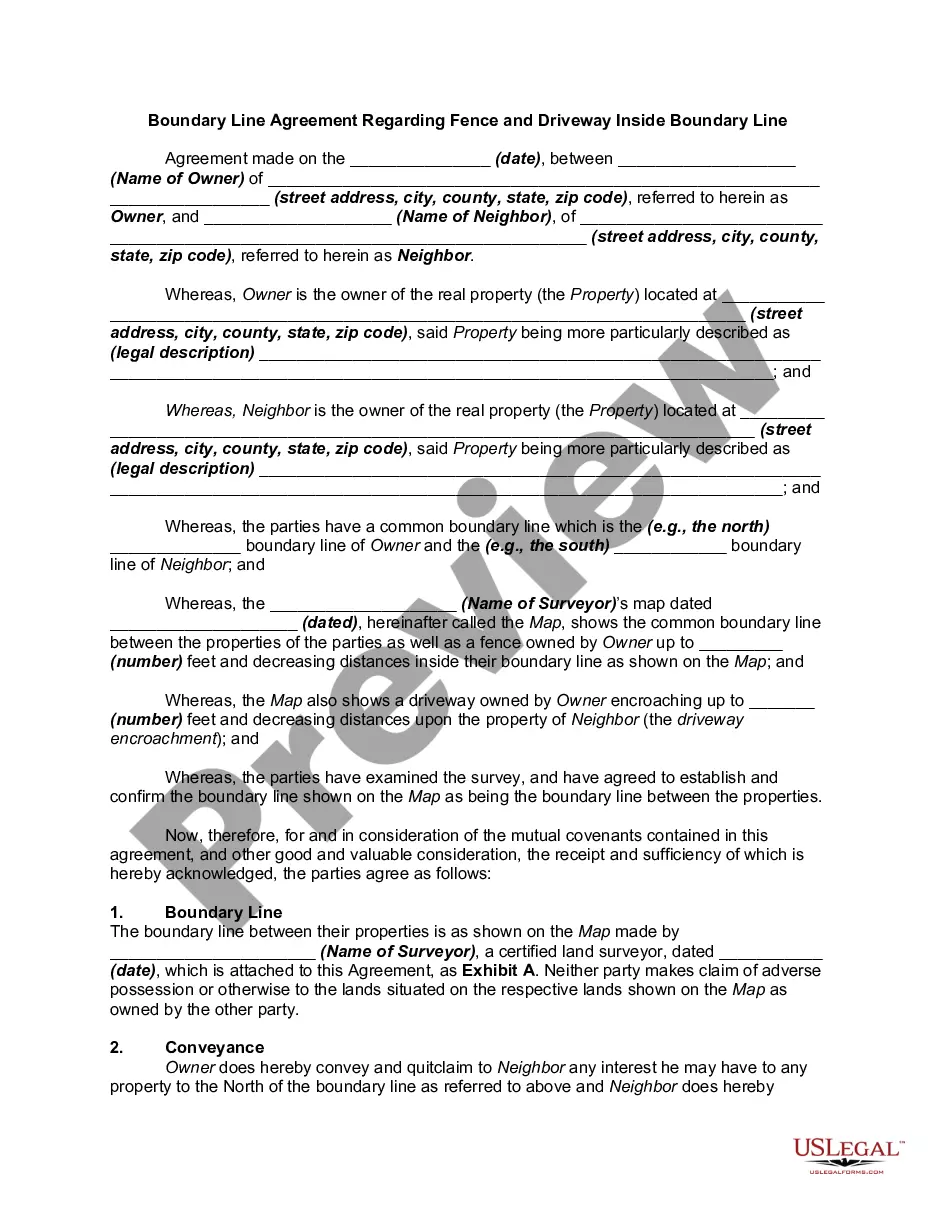
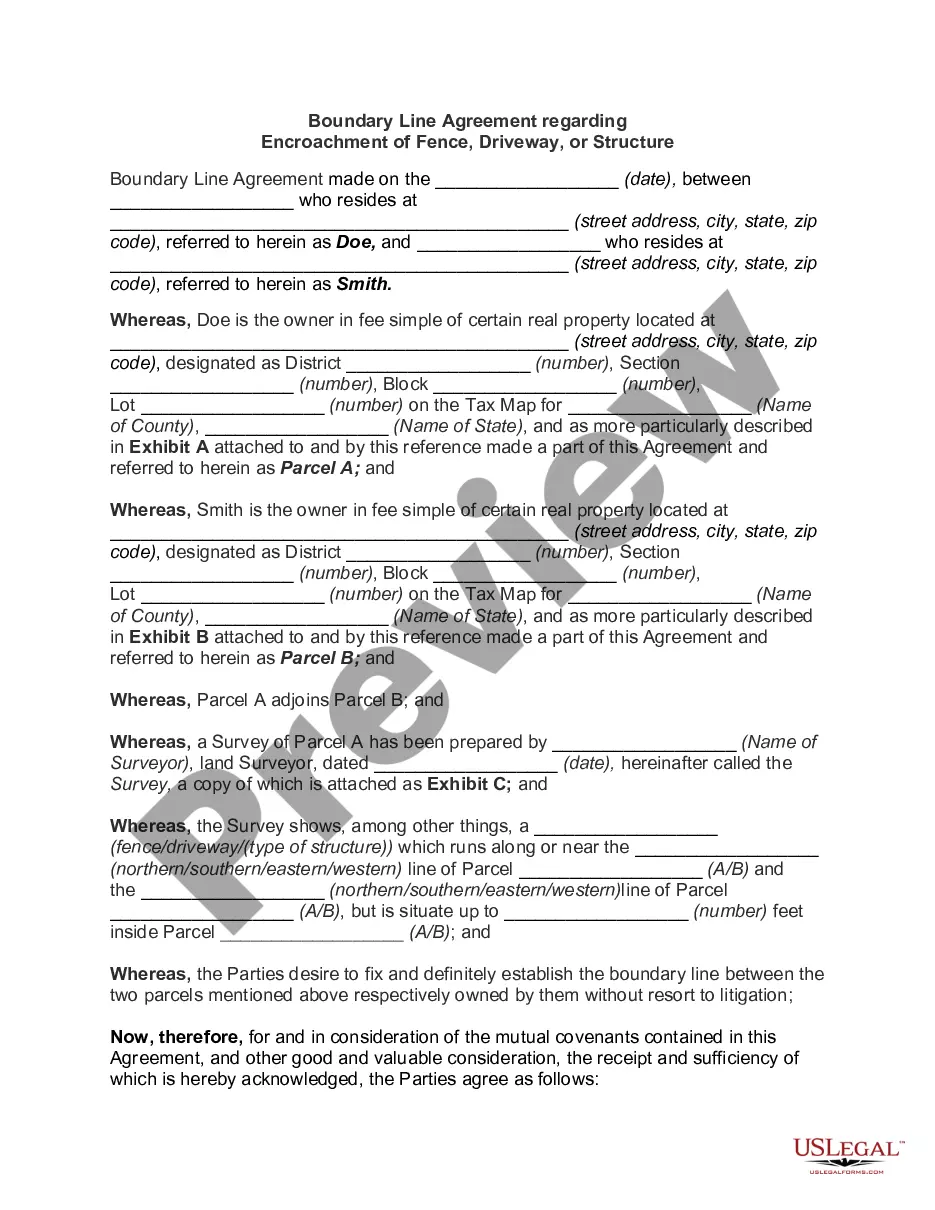
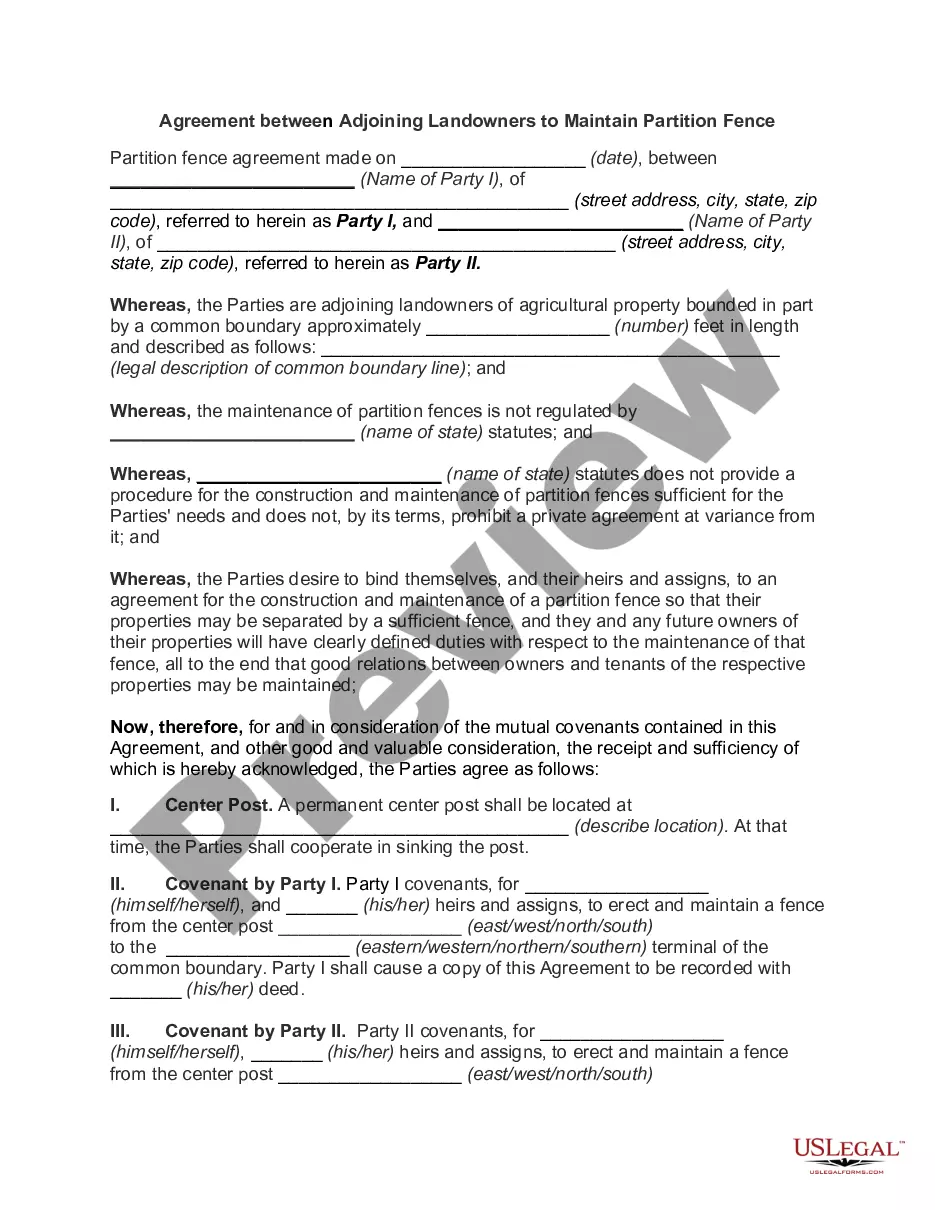
Get your form ready online
Our built-in tools help you complete, sign, share, and store your documents in one place.
Make edits, fill in missing information, and update formatting in US Legal Forms—just like you would in MS Word.
Download a copy, print it, send it by email, or mail it via USPS—whatever works best for your next step.
Sign and collect signatures with our SignNow integration. Send to multiple recipients, set reminders, and more. Go Premium to unlock E-Sign.
If this form requires notarization, complete it online through a secure video call—no need to meet a notary in person or wait for an appointment.
We protect your documents and personal data by following strict security and privacy standards.

Make edits, fill in missing information, and update formatting in US Legal Forms—just like you would in MS Word.

Download a copy, print it, send it by email, or mail it via USPS—whatever works best for your next step.

Sign and collect signatures with our SignNow integration. Send to multiple recipients, set reminders, and more. Go Premium to unlock E-Sign.

If this form requires notarization, complete it online through a secure video call—no need to meet a notary in person or wait for an appointment.

We protect your documents and personal data by following strict security and privacy standards.
Looking for another form?
How to fill out Fence Line Agreement?
Selecting the appropriate legal document template can be a challenge. Clearly, there are numerous templates accessible online, but how can you find the legal form you need? Utilize the US Legal Forms website.
The platform offers a vast array of templates, including the Kansas Fence Line Agreement, which you can use for business and personal purposes. All forms are reviewed by professionals and satisfy federal and state standards.
If you are already registered, Log In to your account and click the Obtain button to acquire the Kansas Fence Line Agreement. Use your account to review the legal forms you have previously purchased. Navigate to the My documents section of your account to retrieve another copy of the document you need.
Complete, modify, print, and sign the downloaded Kansas Fence Line Agreement. US Legal Forms is the largest repository of legal forms where you can find a multitude of document templates. Utilize the service to download professionally crafted documents that comply with state regulations.
- First, ensure you have selected the correct form for your locality/state.
- You may preview the form using the Review button and examine the form summary to confirm its suitability for you.
- If the form does not fulfill your requirements, use the Search field to find the appropriate form.
- Once you have determined that the form is acceptable, click the Get now button to obtain the form.
- Choose the pricing option you prefer and input the necessary information. Create your account and place an order using your PayPal account or credit card.
- Select the file format and download the legal document template to your device.
Form popularity
FAQ
There is no general rule about whether you own the fence on the left or the fence on the right of your property....Replacement fence leads to confusionthe position of the boundary;the position of the fence;the responsibility for maintenance of the boundary;the ownership of the fence.
Farmers put up fences to keep livestock out of their crops. Then specific laws were passed that required landowners to fence in bulls and hogs and Kansas became a fence in state. 2. A legal fence in Kansas must have no fewer than three wires.
You should try to figure out where the boundary between the two properties is. As long as it's not higher than 2m, your neighbour is free to put up a fence on their property. If you have an issue with the fence, you should always try to resolve the situation in an informal way.
The laws actually state that a fence can be as high as 100 meters. However, this is only allowed if proper planning permits have been obtained. This means that any fence under 2 meters in height does not require a permit. This simple law has a few complications to it.
Kansas Fence Law Basics First, a fence dividing two properties is known as a partition fence. In general, the owners of adjoining lands are required to build and maintain all partition fences in equal shares, unless the parties agree otherwise. Kansas law does not force fence ownership.
In 1929, the responsibility for animals being at large was reversed. A Kansas Herd Law established a fence-in policy. Penalties were imposed against ranchers who failed to contain their animals. Ranchers were no longer enabled to allow their animals to run at large with immunity from prosecution.
Kansas Fence Law BasicsKansas law does not force fence ownership. If a non-livestock owner does not want their land enclosed, they cannot be forced to build or pay for an equal share of any partition fence.
Yes. Yes, you can build next to your neighbour's fence. As long as you're inside your property line you're fine. One consideration: your posts might have to be staggered relative to the fence posts of the existing fence.
How Close To The Property Line Can I Build? Fences are typically built between 2 and 8 inches from the line between properties. Some areas will allow the building of fences directly on the property line, but in this case, you'll have to cooperate with your neighbor and potentially share the cost of the fence.
The exact amount a building needs to be set back from the property line will vary from one location to another. However, the required setback on the side is typically between 5 10 feet, while the front and back require around 10 20 feet at a minimum.