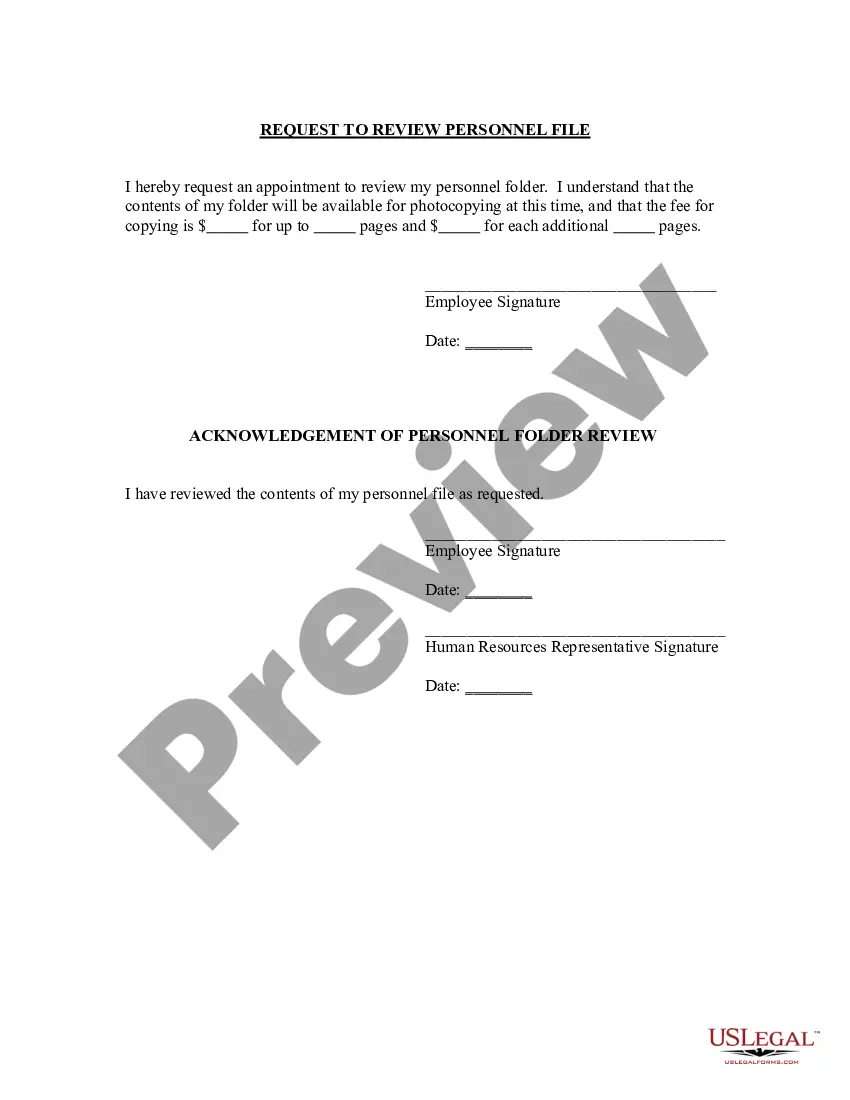
Kansas Request to Review Personnel File
Description
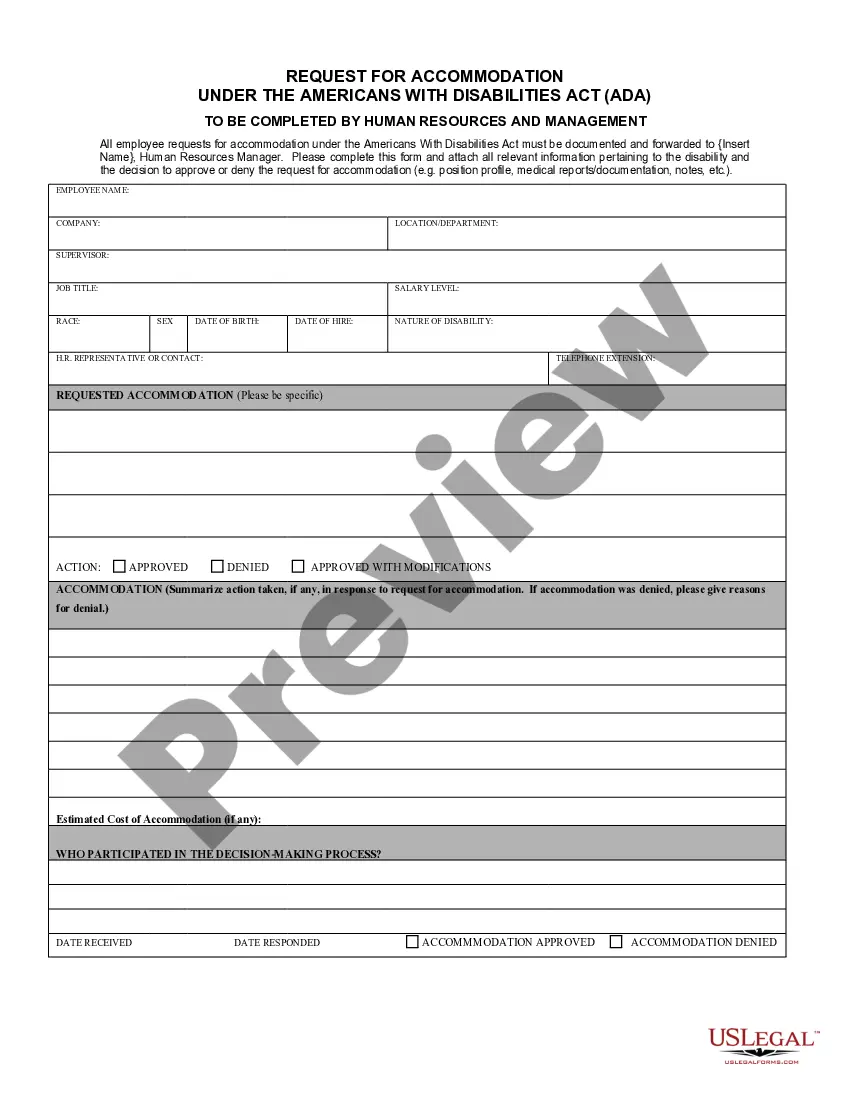
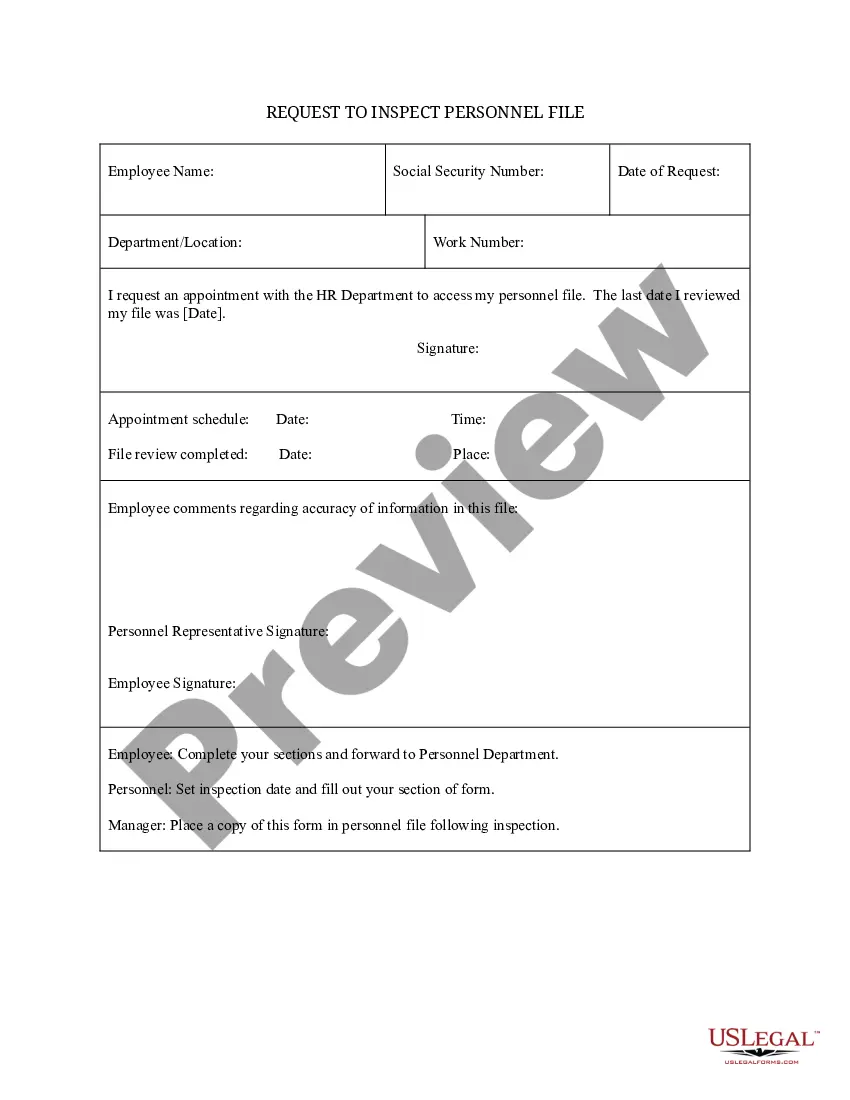
Get your form ready online
Our built-in tools help you complete, sign, share, and store your documents in one place.
Make edits, fill in missing information, and update formatting in US Legal Forms—just like you would in MS Word.
Download a copy, print it, send it by email, or mail it via USPS—whatever works best for your next step.
Sign and collect signatures with our SignNow integration. Send to multiple recipients, set reminders, and more. Go Premium to unlock E-Sign.
If this form requires notarization, complete it online through a secure video call—no need to meet a notary in person or wait for an appointment.
We protect your documents and personal data by following strict security and privacy standards.

Make edits, fill in missing information, and update formatting in US Legal Forms—just like you would in MS Word.

Download a copy, print it, send it by email, or mail it via USPS—whatever works best for your next step.

Sign and collect signatures with our SignNow integration. Send to multiple recipients, set reminders, and more. Go Premium to unlock E-Sign.

If this form requires notarization, complete it online through a secure video call—no need to meet a notary in person or wait for an appointment.

We protect your documents and personal data by following strict security and privacy standards.
Looking for another form?

How to fill out Request To Review Personnel File?
You can devote multiple hours online trying to find the correct legal document template that meets your federal and state requirements.
US Legal Forms provides a vast array of legal forms that have been reviewed by professionals.
You can conveniently download or print the Kansas Request to Review Personnel File from the platform.
If available, utilize the Review option to examine the document template as well.
- If you possess a US Legal Forms account, you may Log In and click on the Download button.
- After that, you can complete, modify, print, or sign the Kansas Request to Review Personnel File.
- Every legal document template you purchase is yours permanently.
- To obtain another copy of any purchased form, navigate to the My documents section and select the corresponding option.
- If you're accessing the US Legal Forms site for the first time, follow the simple steps below.
- First, ensure you have chosen the correct document template for your preferred state/city.
- Review the form details to confirm that you have selected the right form.
Form popularity
FAQ
Make a Verbal Request Be polite and say, "I would like to look through my personnel file so I can view any information that might be important to my career." If your supervisor doesn't grant you permission, issue a formal written request.
Examples of items that should not be included in the personnel file are:Pre-employment records (with the exception of the application and resume)Monthly attendance transaction documents.Whistleblower complaints, notes generated from informal discrimination complaint investigations, Ombuds, or Campus Climate.More items...
Personnel files usually contain documents that the employee has already reviewed and so he or she is familiar with their content. This includes documents such as job applications, performance evaluations, letters of recognition, training records, and forms that relate to transfers and promotion.
As an employee, do I have a right to see my personnel files? The short answer is 'yes'. You have a right to make a SAR to your employer, asking to see your personnel files, at any time. Your employer has the right to ask why you want to see your files, but must then provide all your records to you.
Personnel files are the documents that employers collect with information about their employees, which may include hiring or firing information, salary information, letters to clients, and internal memoranda.
An employee records request is a straightforward matter and there is no reason to overcomplicate it.Be Clear about Your Request. A request for records can be uncomfortable to write.Keep the Tone Respectful. Keep your request cordial and professional.Give a Deadline for a Response.Optional: Reference the Law.
The number one item that should not be kept in the employee's personnel file is medical information. Under California regulations, medical information should be kept separate from the personnel file to protect the employee's confidential information.
Employers should keep all job-related documentation such as hiring records, performance reviews, disciplinary actions and job descriptions in an employee's general personnel file. Consider whether the document would be relevant to a supervisor who may review this file when making employment decisions.
Current employees can request copies of personnel files at least annually and an ex-employee can request access to their files once after termination of employment. The inspection and copying shall occur at the employer's office. The inspection must be at a time that is convenient to both the employee and employer.
Under the California Labor Code, employers are required to give an employee a copy of any document that the employee signed to obtain and/or hold their employment.