Kansas Confidentiality Agreement for Therapists
Description
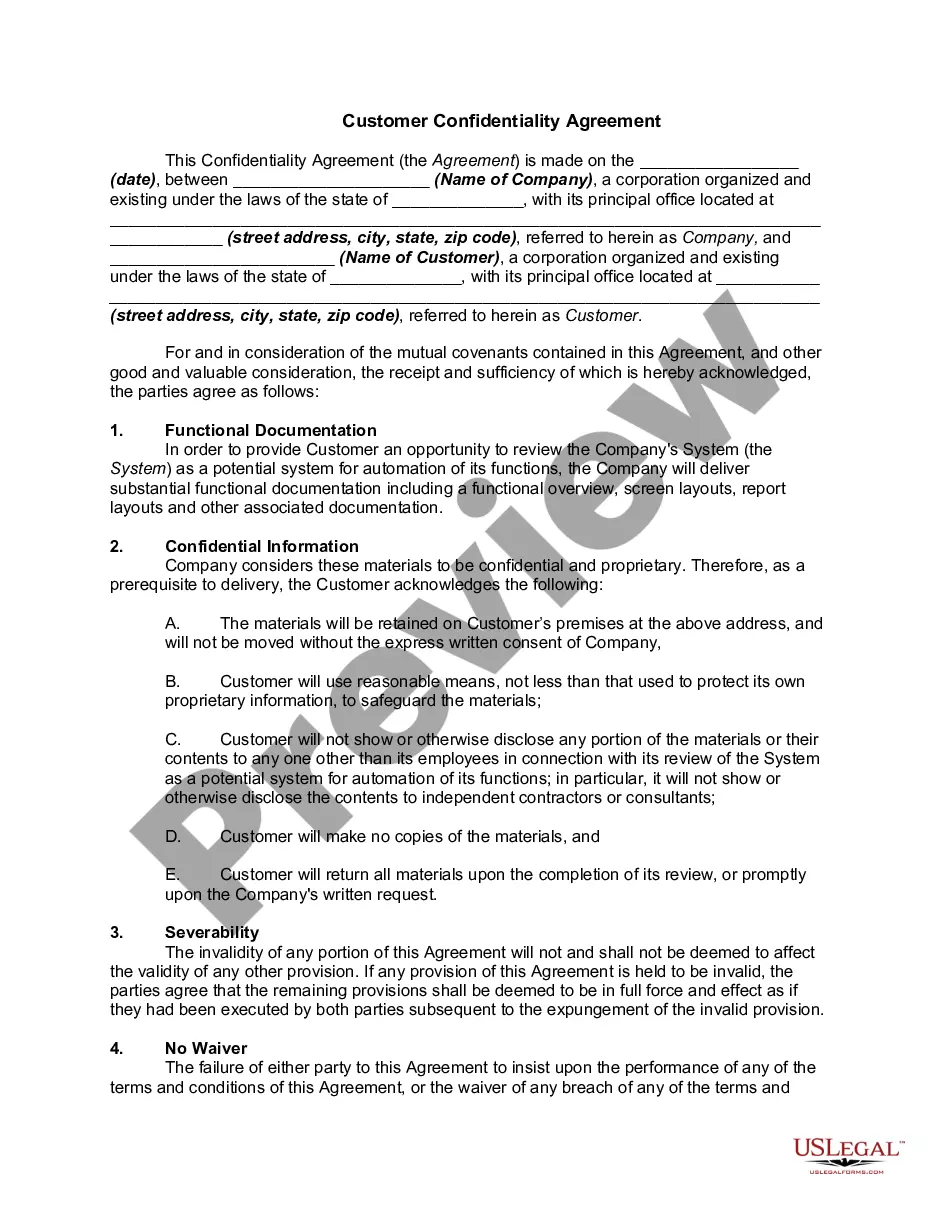
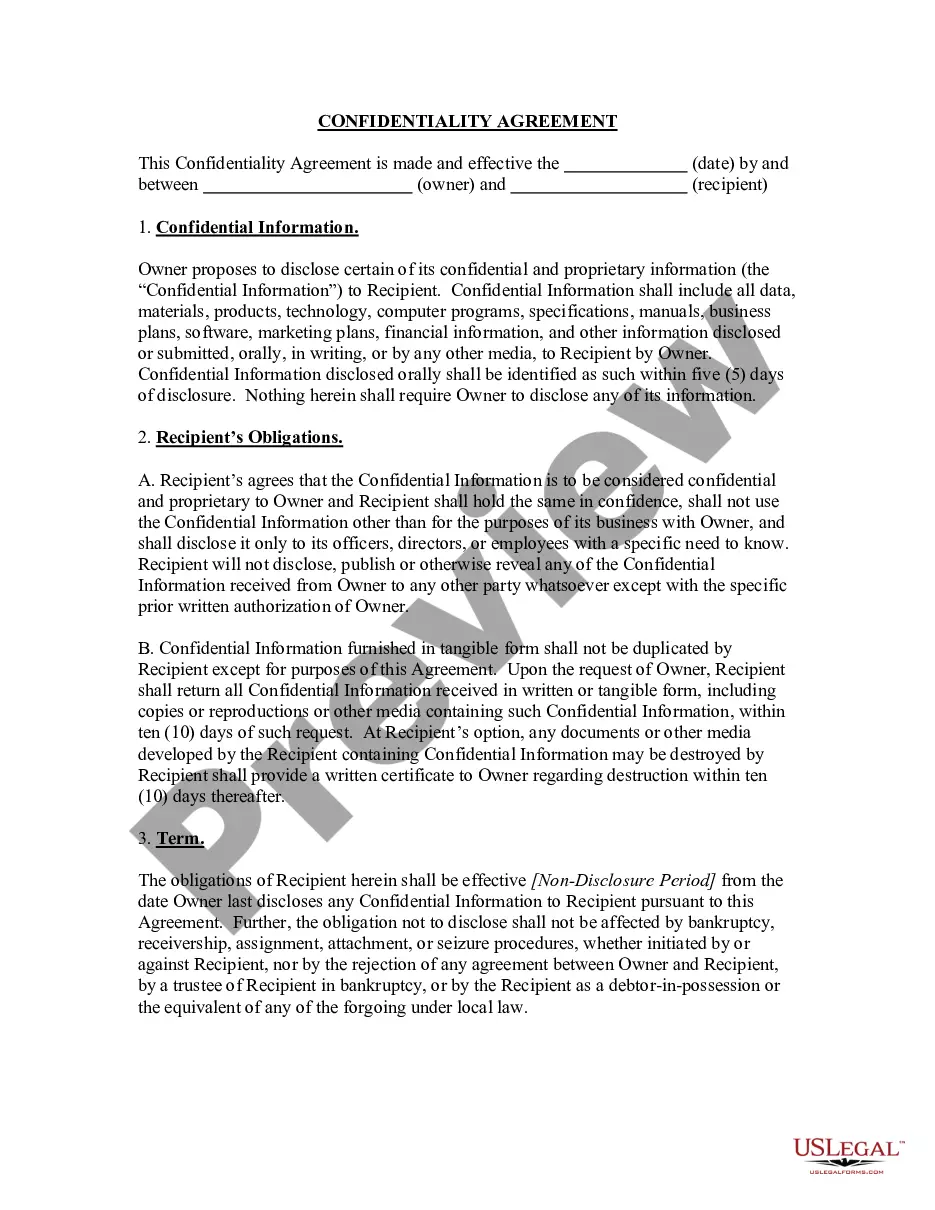
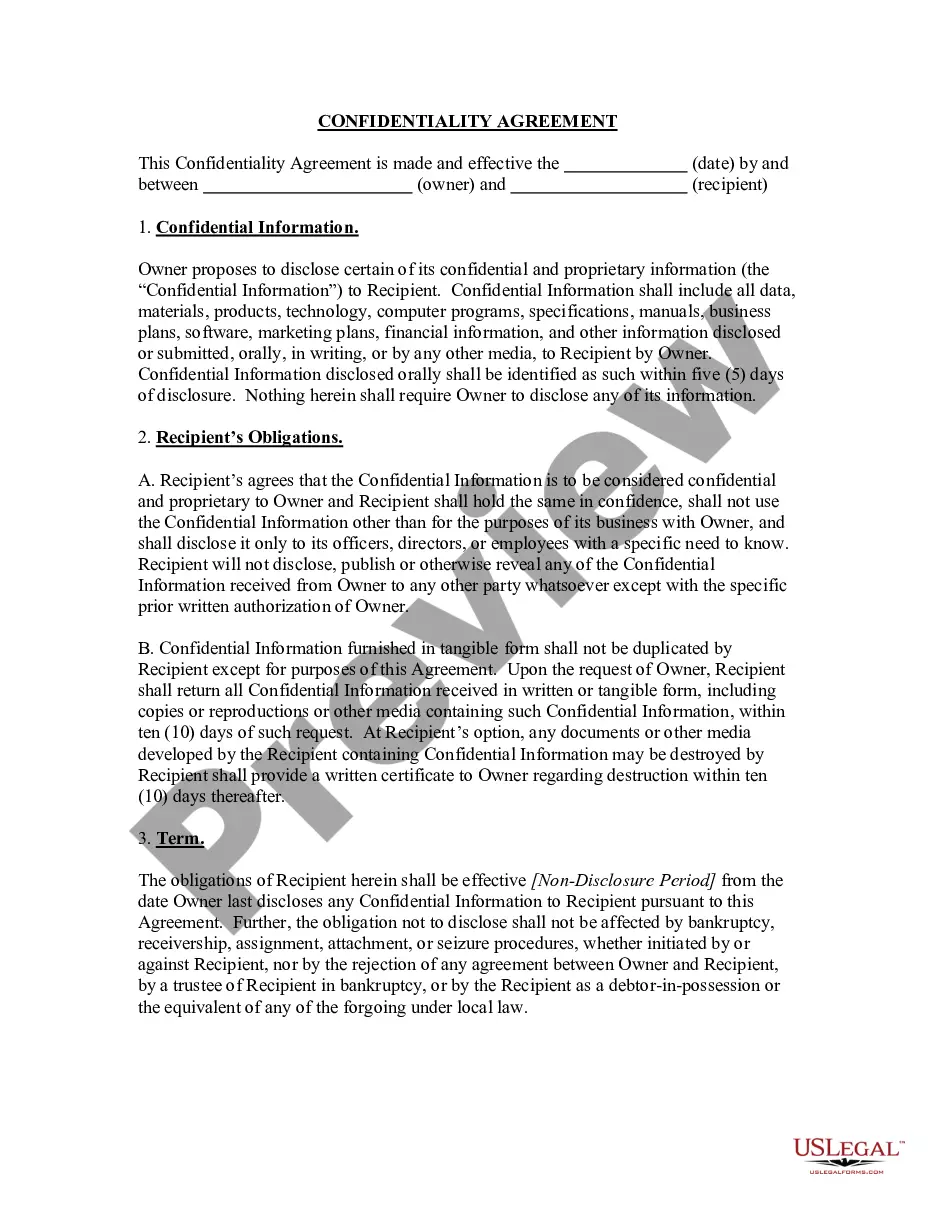
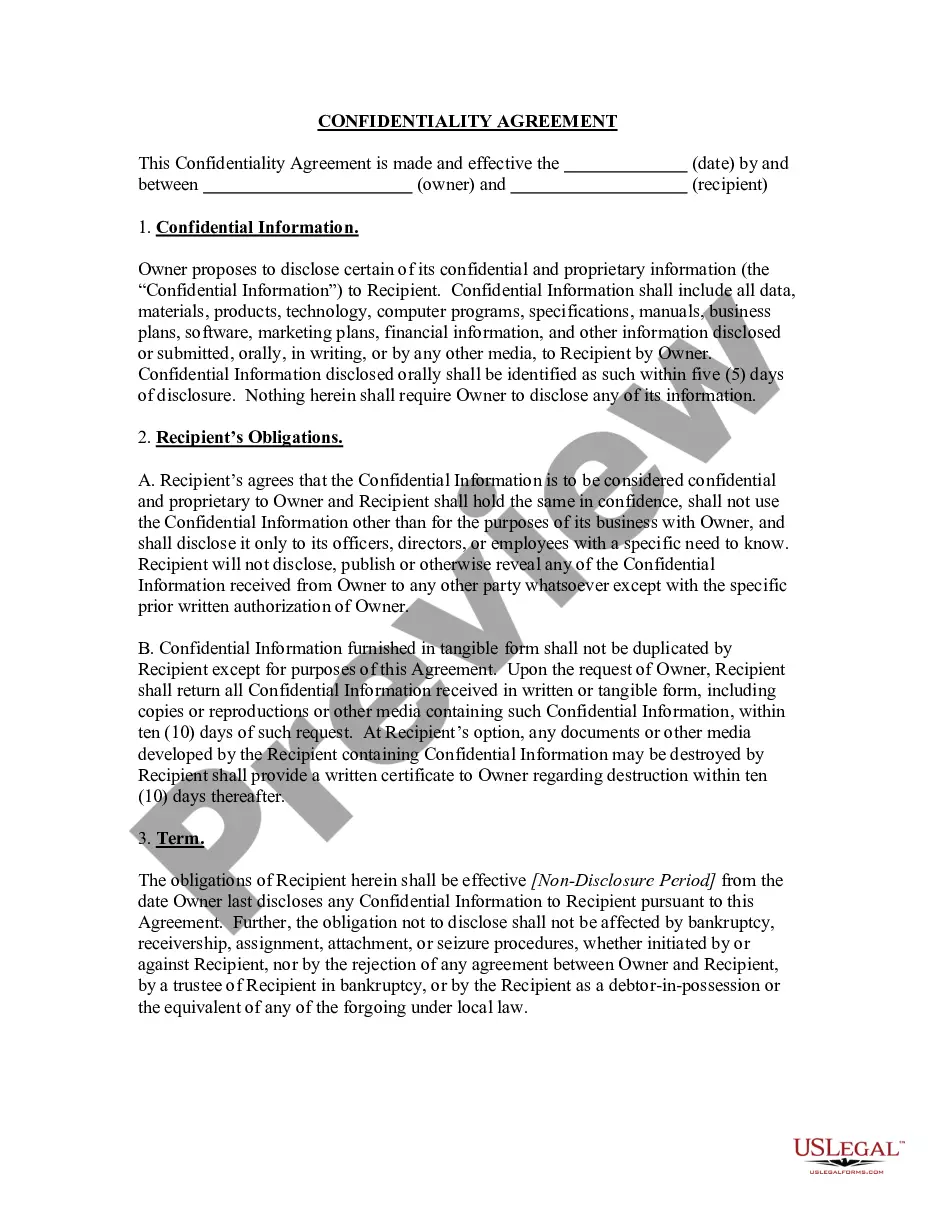
Get your form ready online
Our built-in tools help you complete, sign, share, and store your documents in one place.
Make edits, fill in missing information, and update formatting in US Legal Forms—just like you would in MS Word.
Download a copy, print it, send it by email, or mail it via USPS—whatever works best for your next step.
Sign and collect signatures with our SignNow integration. Send to multiple recipients, set reminders, and more. Go Premium to unlock E-Sign.
If this form requires notarization, complete it online through a secure video call—no need to meet a notary in person or wait for an appointment.
We protect your documents and personal data by following strict security and privacy standards.

Make edits, fill in missing information, and update formatting in US Legal Forms—just like you would in MS Word.

Download a copy, print it, send it by email, or mail it via USPS—whatever works best for your next step.

Sign and collect signatures with our SignNow integration. Send to multiple recipients, set reminders, and more. Go Premium to unlock E-Sign.

If this form requires notarization, complete it online through a secure video call—no need to meet a notary in person or wait for an appointment.

We protect your documents and personal data by following strict security and privacy standards.
Looking for another form?
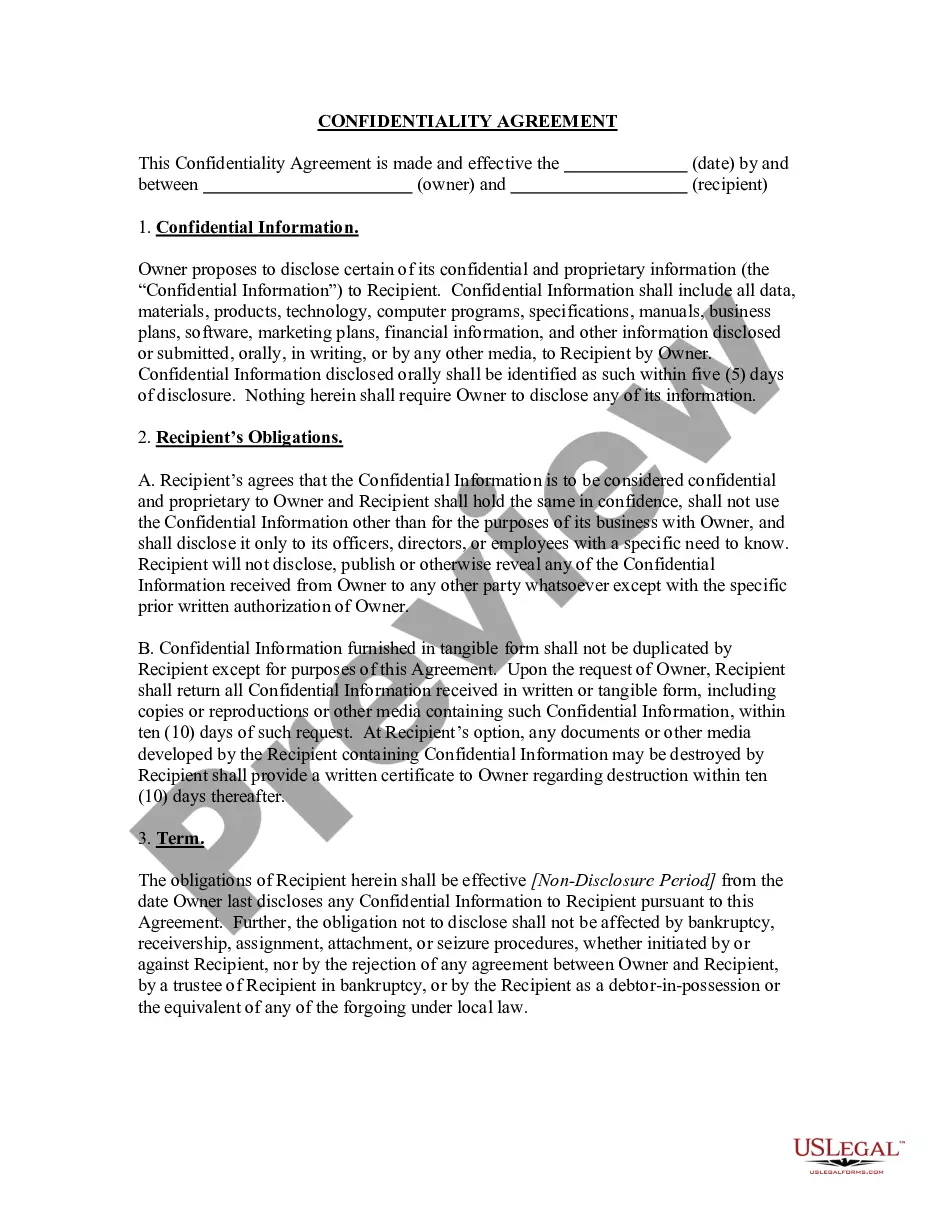
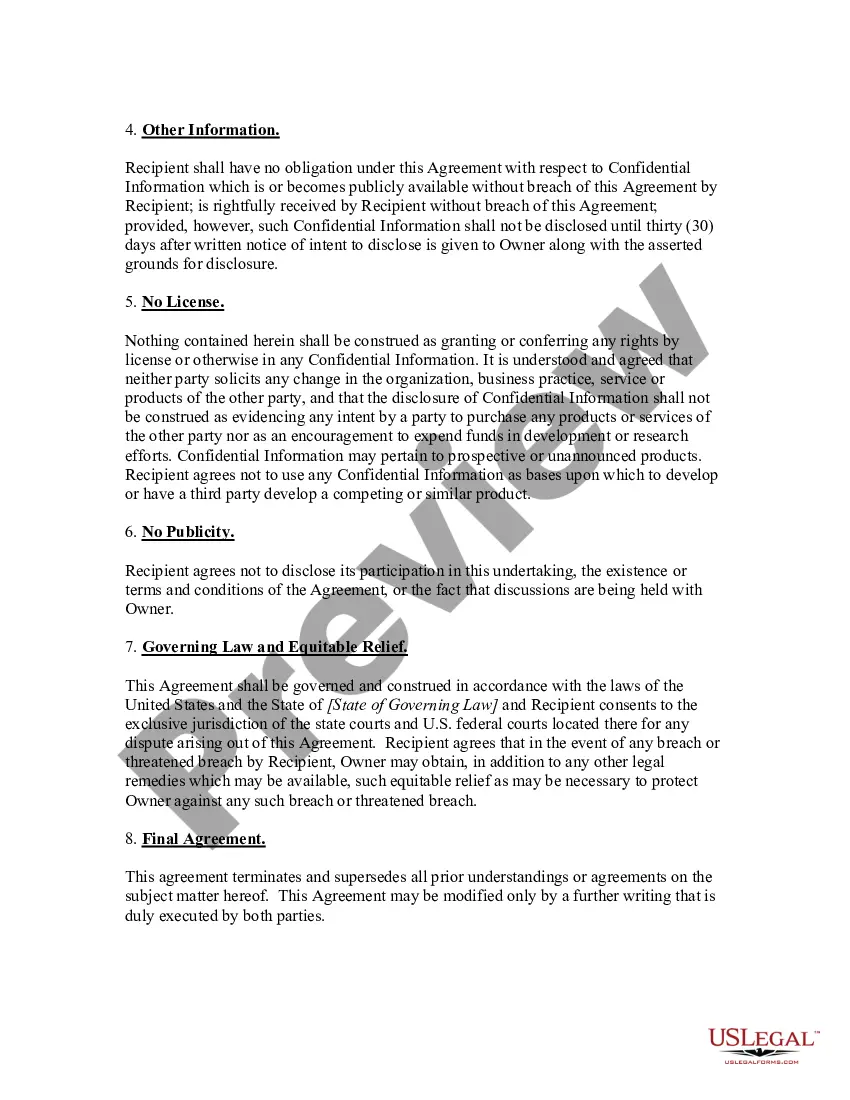
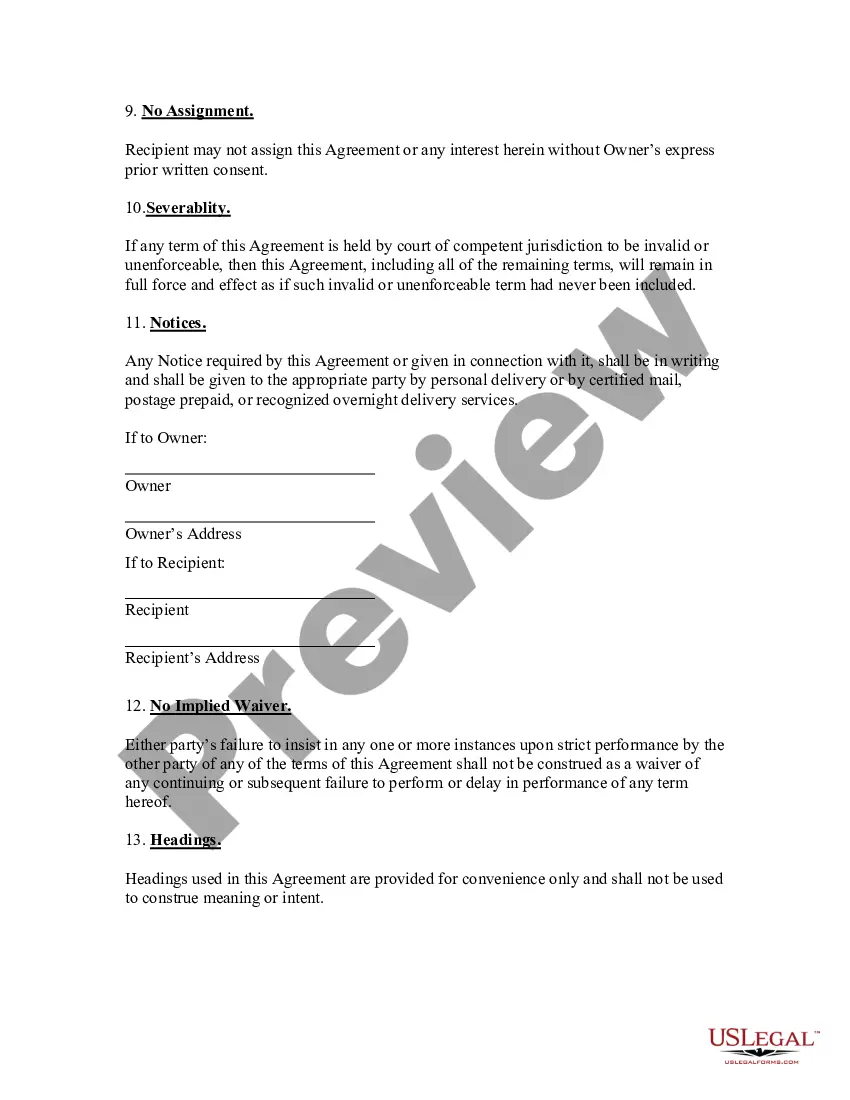
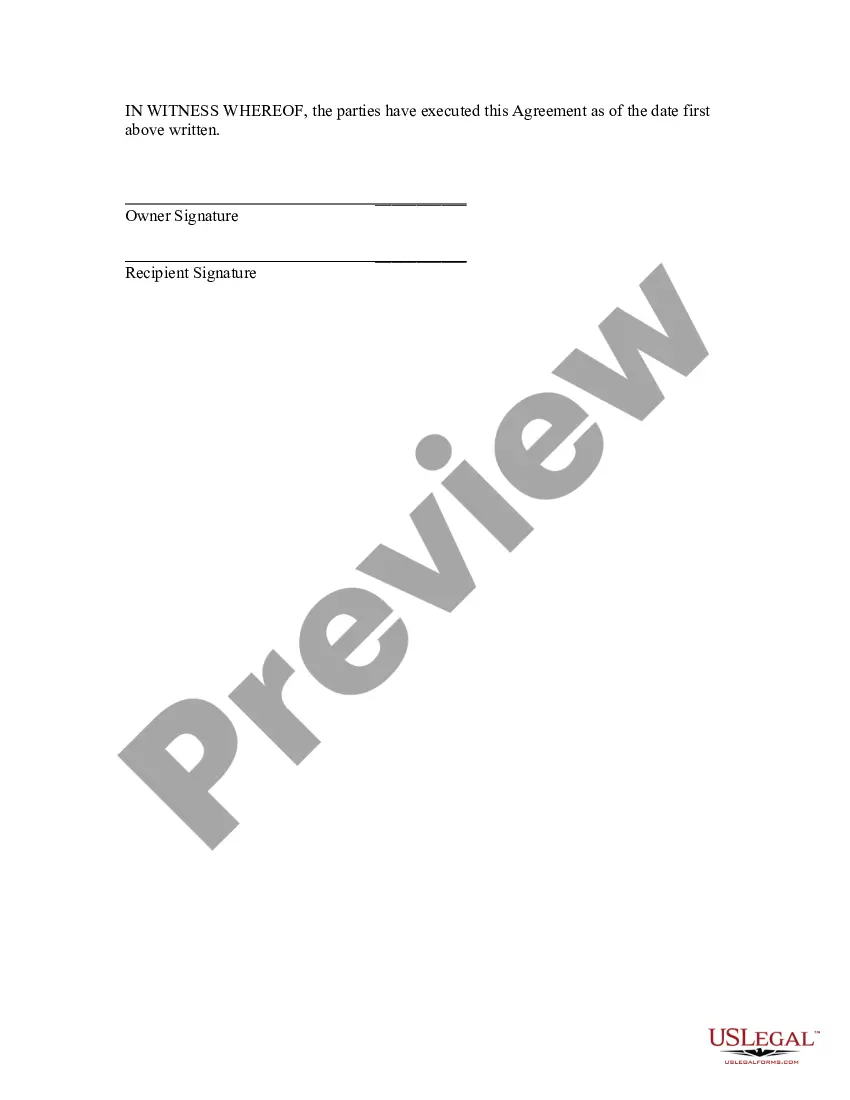
How to fill out Confidentiality Agreement For Therapists?
Have you ever been in a circumstance where you require documents for either organizational or personal tasks nearly every day.
There are numerous legal document templates available online, but locating trustworthy ones is not easy.
US Legal Forms provides a vast selection of form templates, like the Kansas Confidentiality Agreement for Therapists, which can be tailored to meet state and federal requirements.
Once you locate the right document, click Buy now.
Select a convenient file format and download your copy.
- If you are already acquainted with the US Legal Forms website and have an account, just Log In.
- After that, you can download the Kansas Confidentiality Agreement for Therapists template.
- If you do not have an account and wish to start using US Legal Forms, follow these instructions.
- Find the document you need and ensure it pertains to the correct region/area.
- Utilize the Review button to examine the document.
- Check the description to confirm that you have selected the correct document.
- If the document isn't what you are looking for, use the Search field to find the document that meets your requirements.
Form popularity
FAQ
Yes, therapists usually operate under a confidentiality agreement to protect your privacy. This agreement ensures that your discussions remain private, fostering a safe environment for open communication. Utilizing resources like a Kansas Confidentiality Agreement for Therapists through US Legal Forms will help you understand your rights and what to expect.
The confidentiality script is a verbal or written statement that therapists use to explain the limits and expectations of confidentiality to clients. This script typically emphasizes the therapist's commitment to safeguarding your information while outlining any exceptions. Familiarity with a Kansas Confidentiality Agreement for Therapists can enrich your understanding of this crucial aspect of therapy.
While therapists strive for confidentiality, it is not absolute. There are specific situations, such as threats of harm or legal obligations, where they must breach confidentiality. Knowing the ins and outs of the Kansas Confidentiality Agreement for Therapists equips you with the necessary knowledge about these rare exceptions.
Yes, therapists typically maintain confidentiality agreements with their clients. These agreements outline the therapist's commitment to protect your privacy and the limits of that confidentiality. A Kansas Confidentiality Agreement for Therapists serves as a legal framework ensuring that your shared information stays secure under professional standards.
Yes, everything you share with a therapist is generally considered confidential. This means that your therapist cannot disclose information without your consent, except in certain circumstances such as risk of harm to yourself or others. Understanding the Kansas Confidentiality Agreement for Therapists helps clarify the limits of confidentiality, ensuring you know your rights.
A confidentiality statement in therapy might include a pledge that all discussions are private, with limited exceptions. For instance, the statement could say, 'I commit to protecting your privacy, but I may need to share information if you are a harm to yourself or others, or as required by law.' This helps clients understand their rights and the limits of confidentiality in the context of a Kansas Confidentiality Agreement for Therapists.
Every patient, alive or deceased has the right to confidentiality. Despite the exceptions to the clause, under no circumstances can a professional disclose the private and confidential details of their patient's condition and treatment to the media and public at large reiterates Dr. Math.
Here's an example of what counter-transference could look like: A therapist becomes concerned when they develop protective feelings for a client. In discussions with a colleague, they realized that the client reminded them of their sister, leading to counter-transference.
Mandatory Exceptions To Confidentiality They include reporting child, elder and dependent adult abuse, and the so-called "duty to protect." However, there are other, lesserknown exceptions also required by law.
(vi) Reorientation: Reorientation is not just emotional release or clear thinking but it involves a change in the counseleea20ac2122s psychic self through a change in the basic goals and values. Non-directive Counseling: This type of counseling is at the opposite end of the continuum.