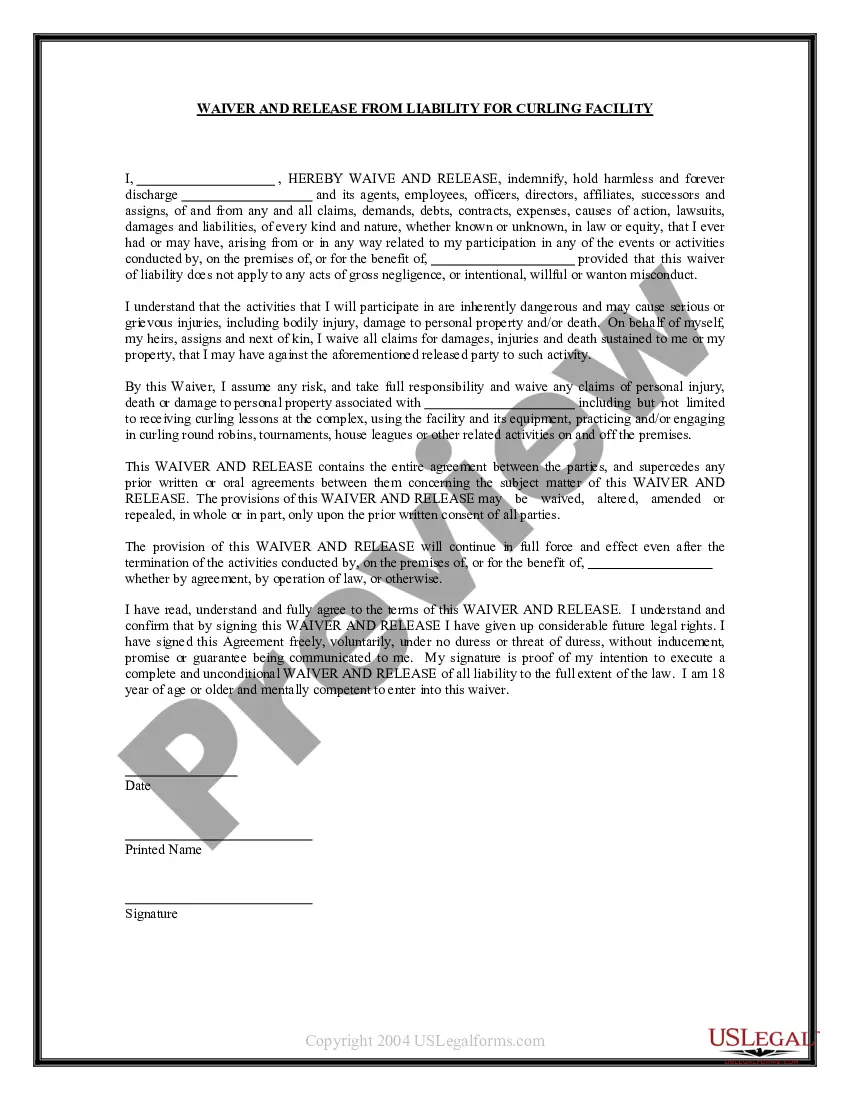
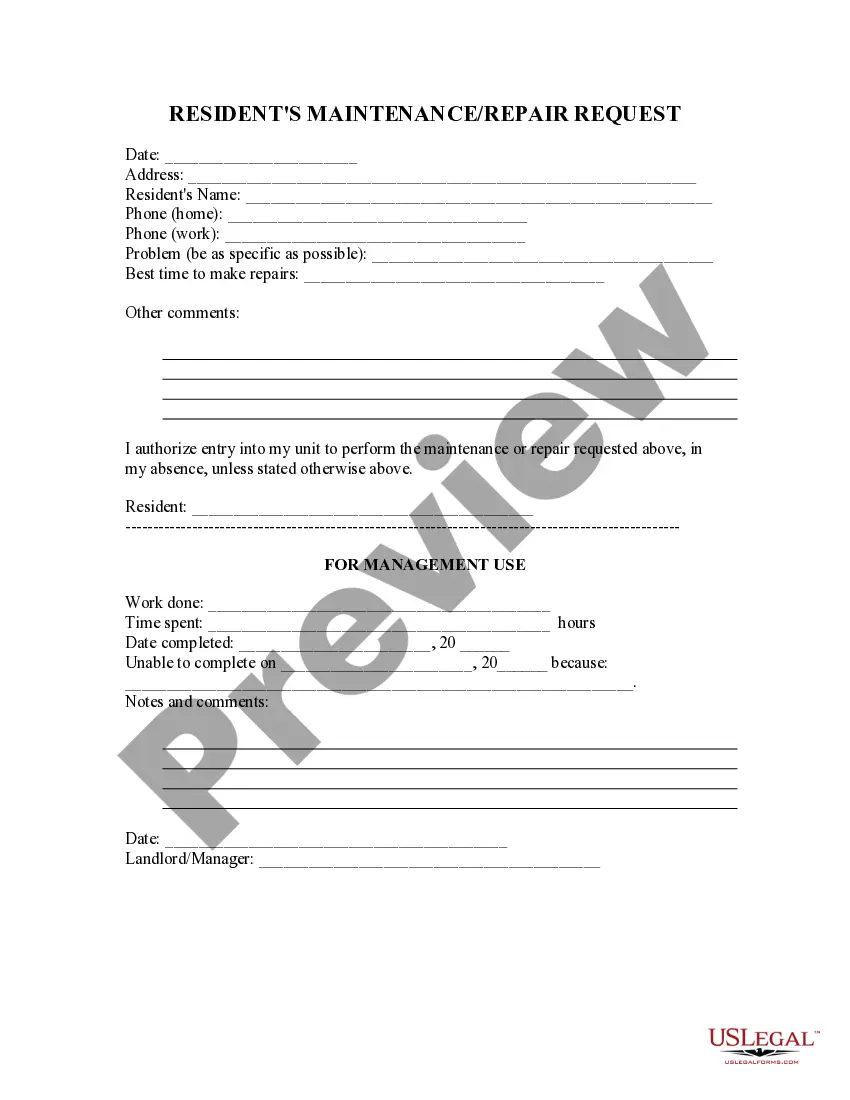
Kansas Lessee Resident Request for Maintenance or Repairs
Description
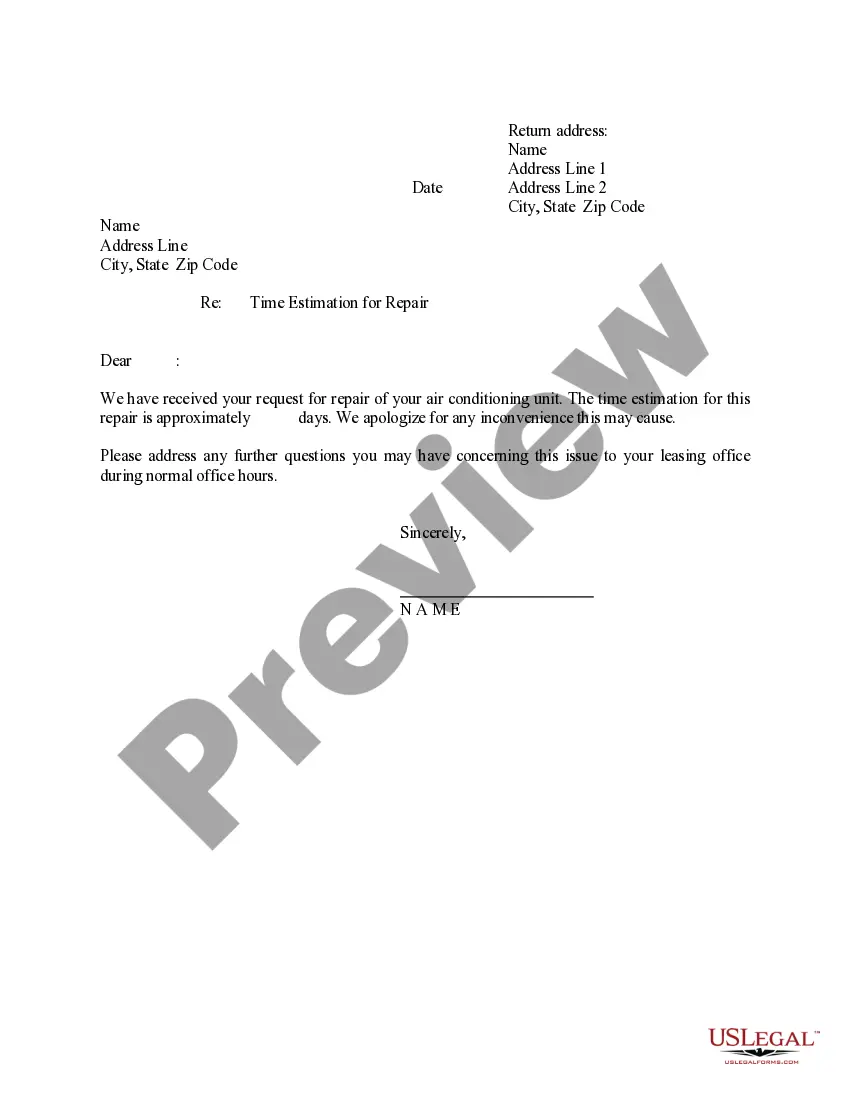
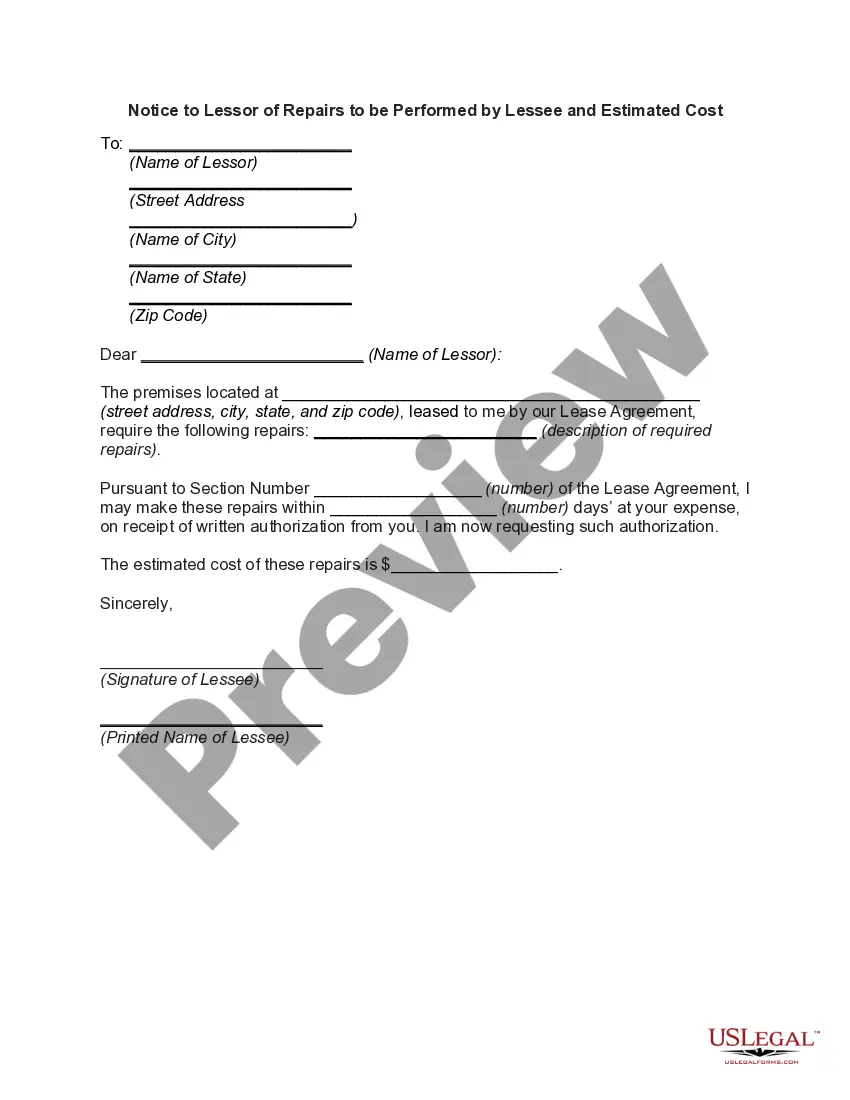
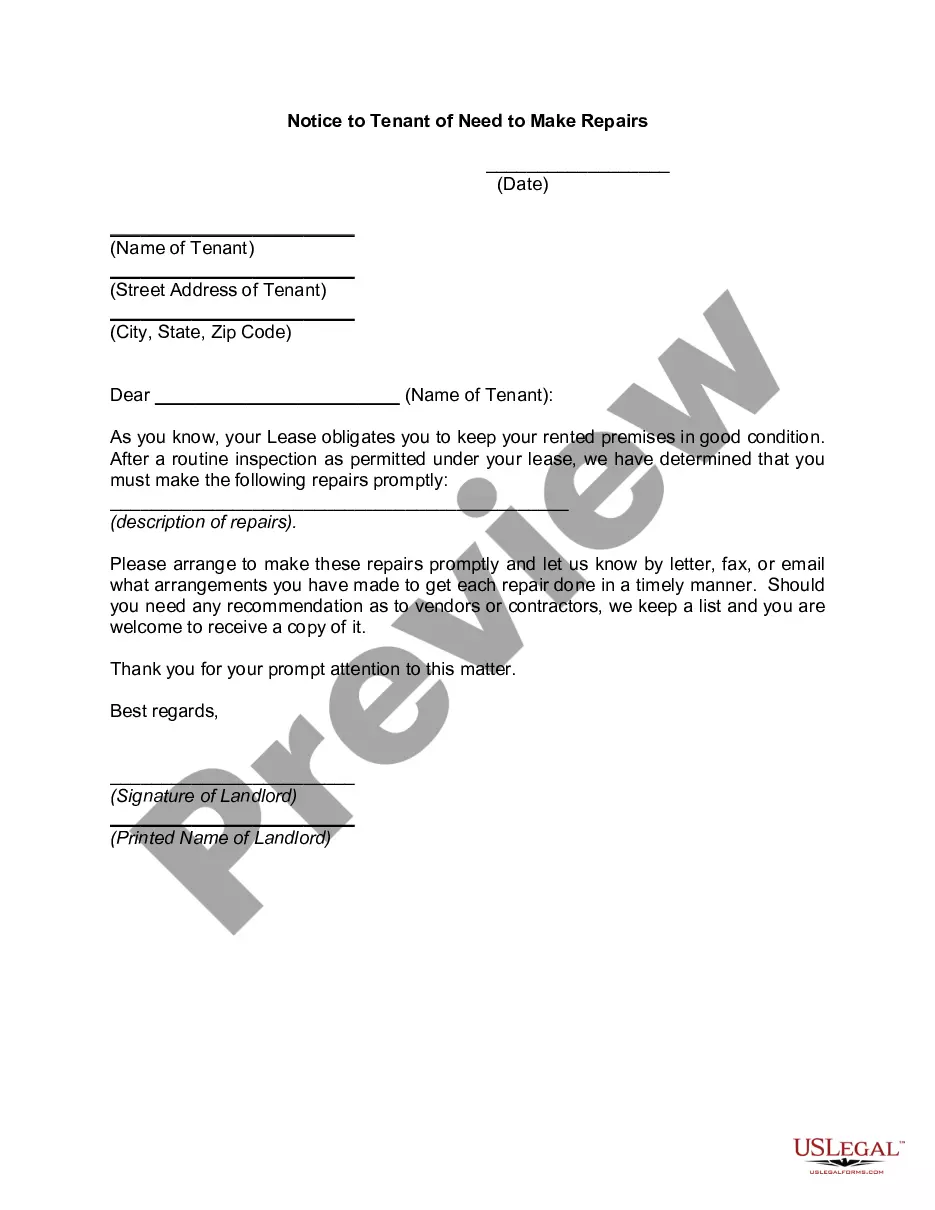
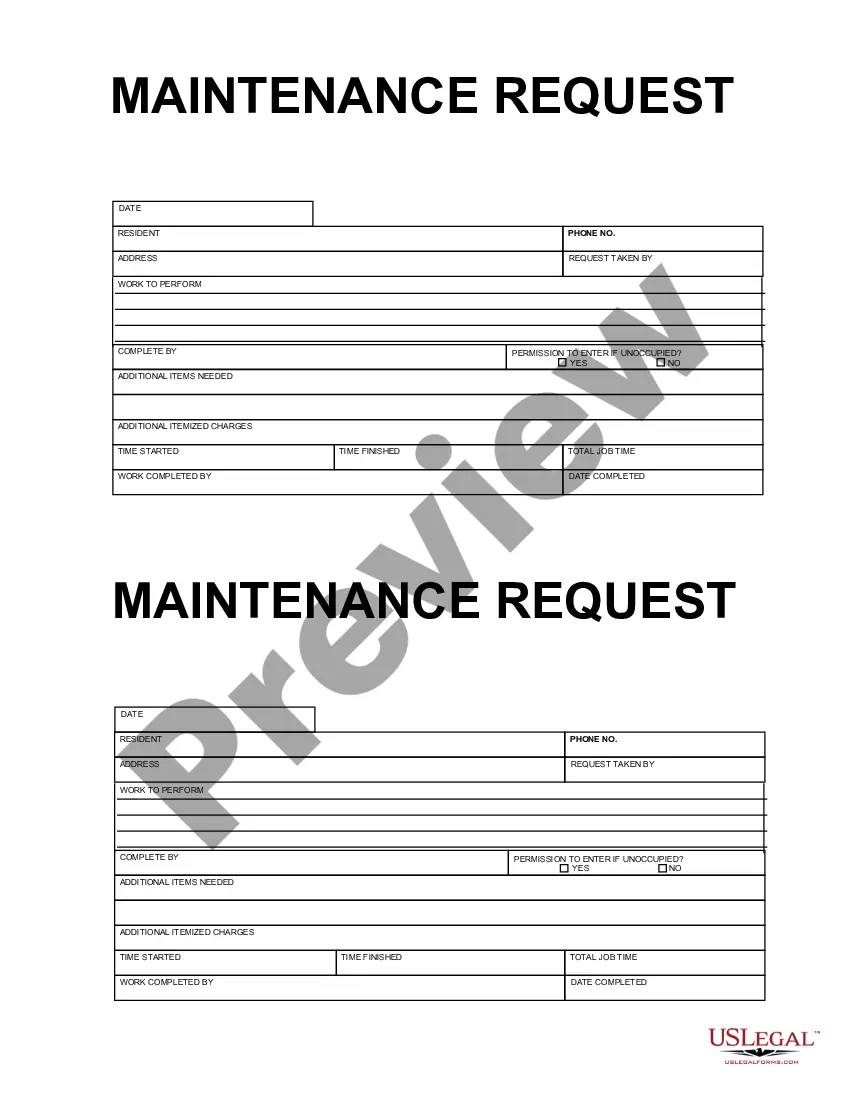
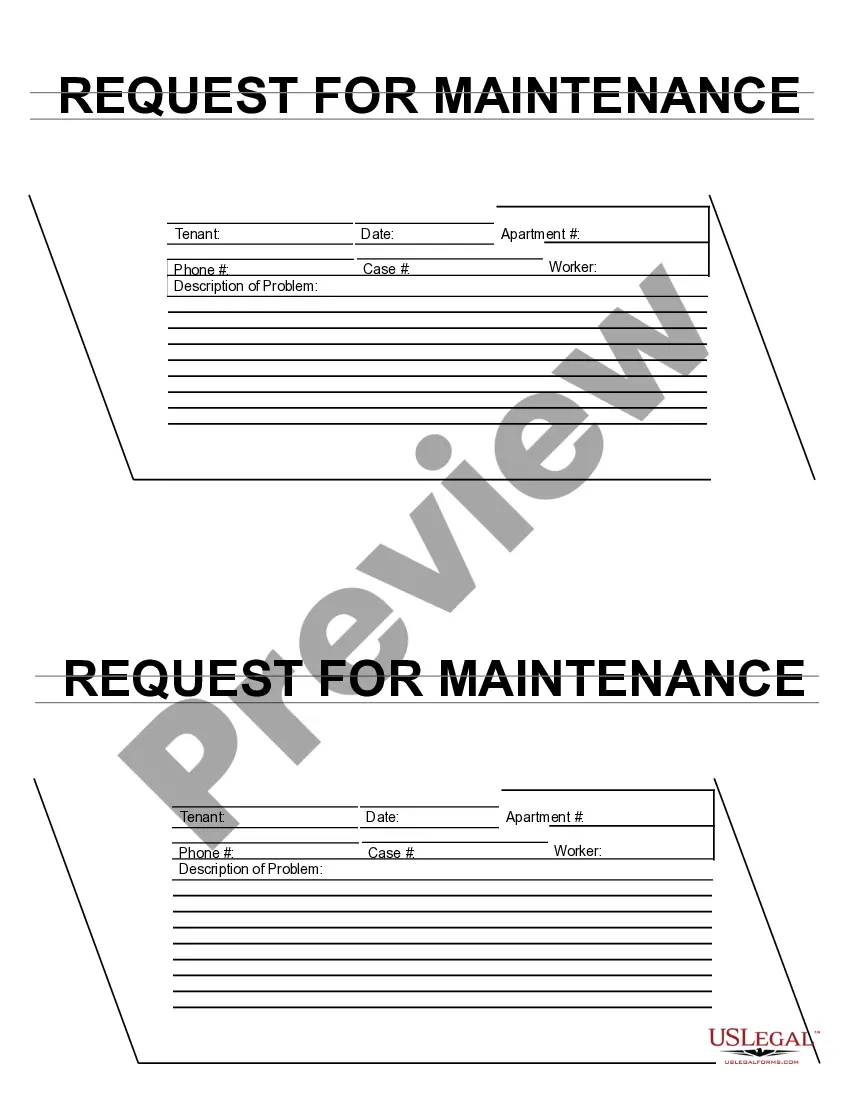
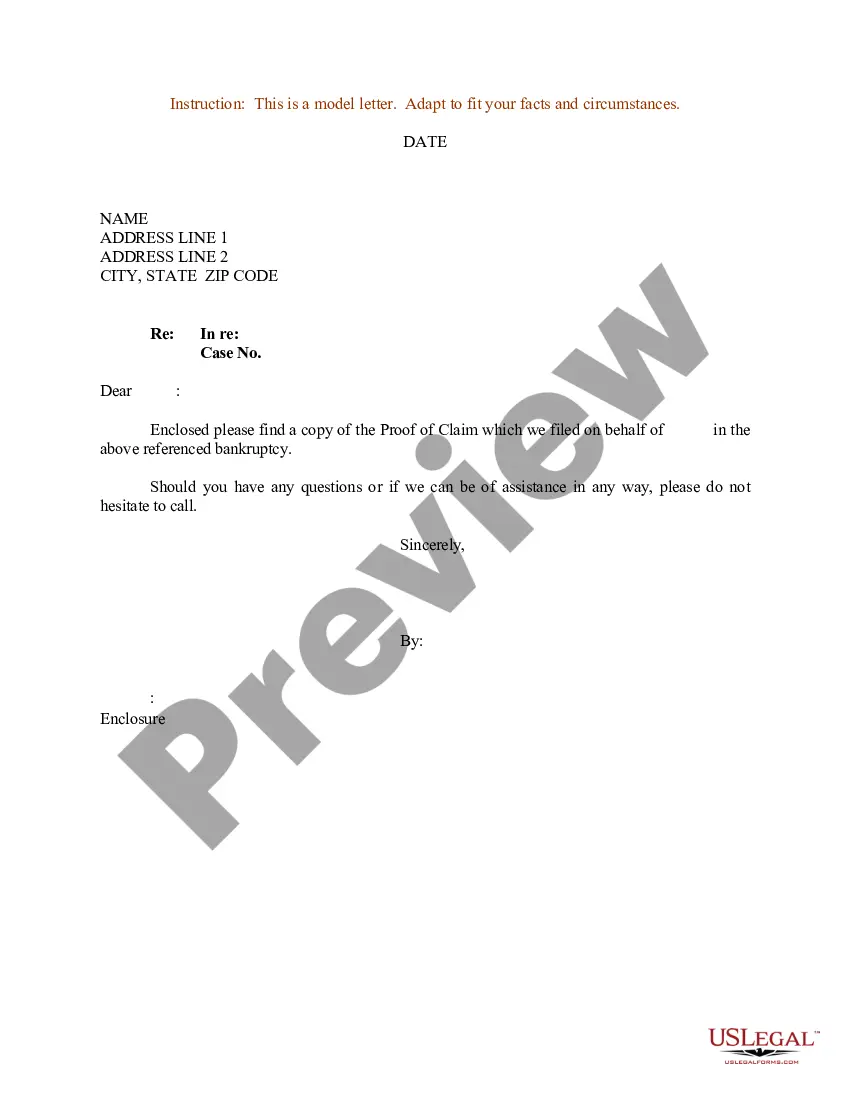
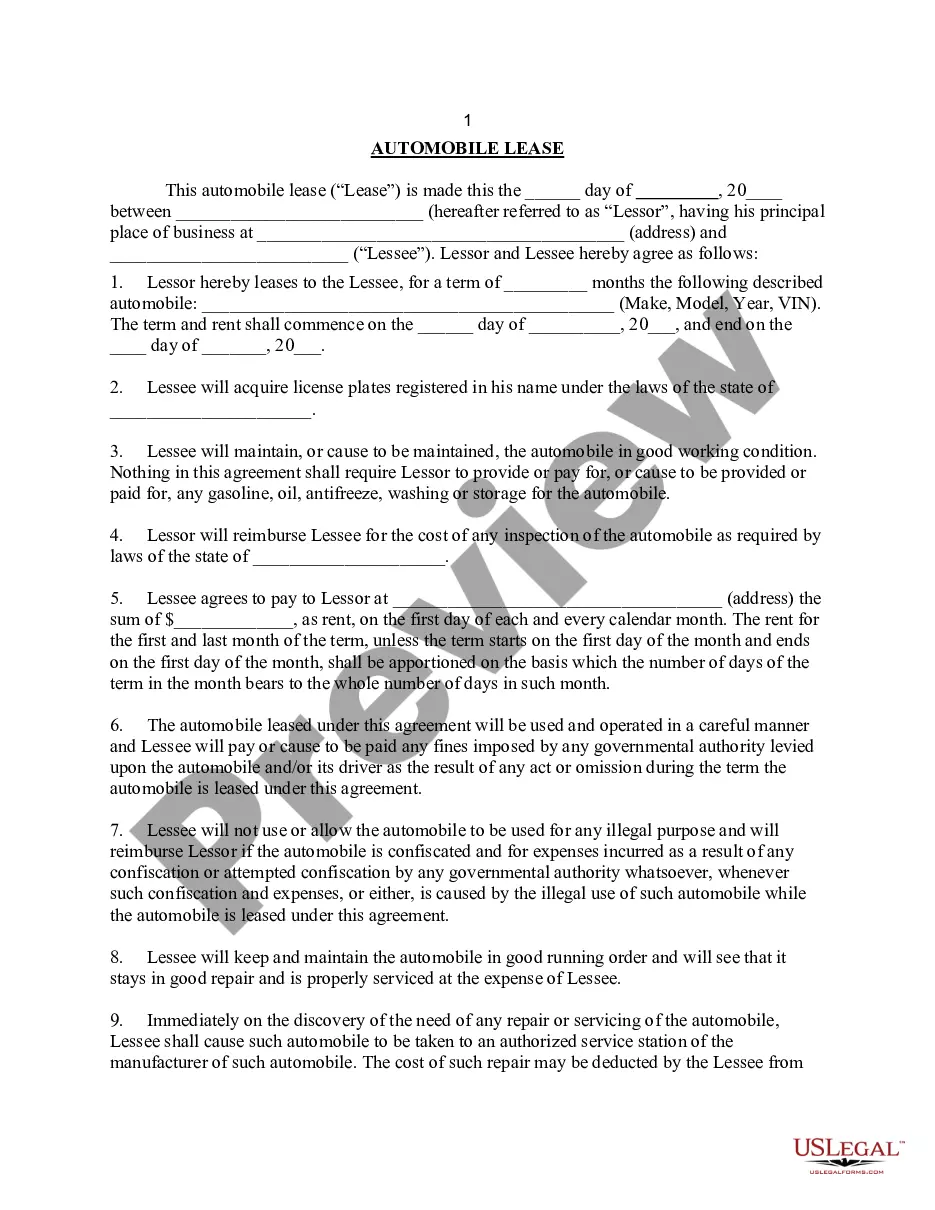
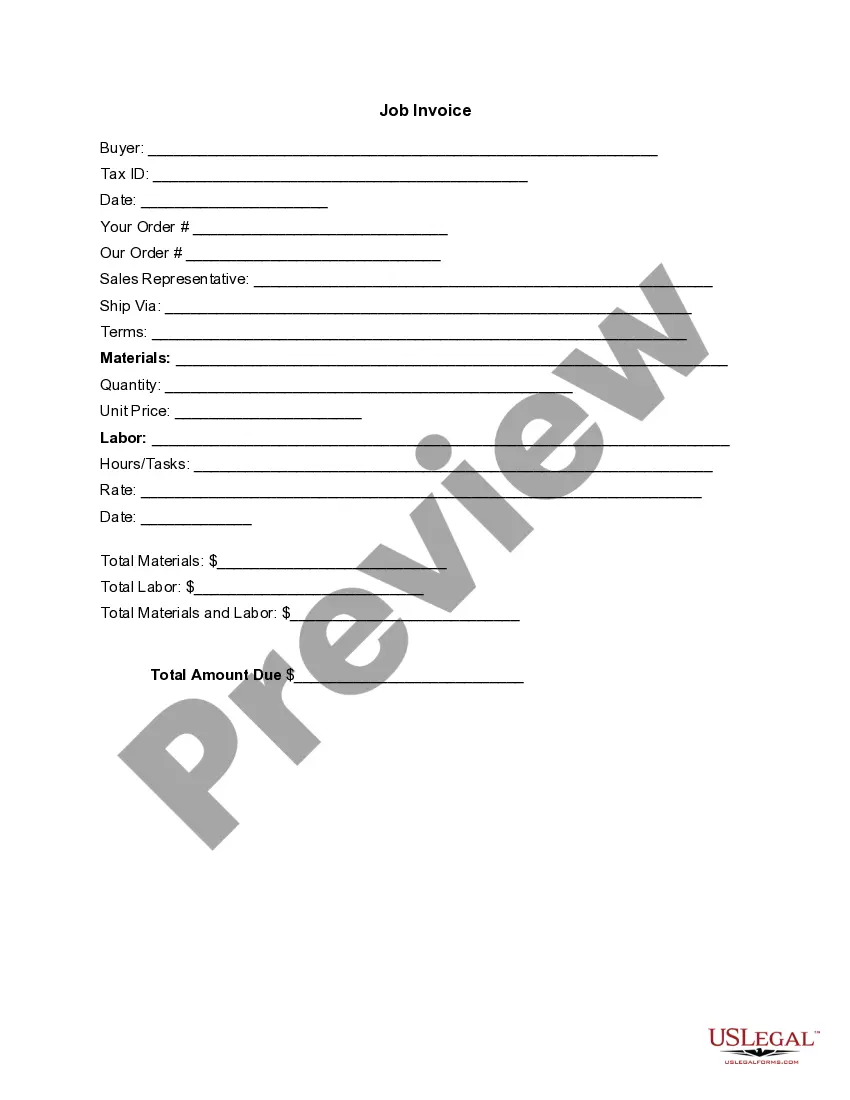
How to fill out Lessee Resident Request For Maintenance Or Repairs?
US Legal Forms - one of the largest collections of legal documents in the United States - offers a variety of legal form templates for you to download or print. By using the site, you can access thousands of forms for business and personal purposes, sorted by categories, states, or keywords.
You can locate the latest versions of forms such as the Kansas Lessee Resident Request for Maintenance or Repairs in just a few minutes.
If you currently hold a monthly subscription, Log In and retrieve the Kansas Lessee Resident Request for Maintenance or Repairs from the US Legal Forms collection. The Download button will appear on each form you view. You have access to all previously obtained forms in the My documents section of your account.
Process the transaction. Use your credit card or PayPal account to complete the transaction.
Choose the format and download the form to your device. Make edits. Complete, modify, print, and sign the downloaded Kansas Lessee Resident Request for Maintenance or Repairs. Each template you have added to your account does not expire and belongs to you permanently. So, if you wish to download or print another copy, simply navigate to the My documents section and click on the form you need. Access the Kansas Lessee Resident Request for Maintenance or Repairs with US Legal Forms, the most extensive library of legal document templates. Utilize thousands of professional and state-specific templates that cater to your business or personal needs.
- If you are using US Legal Forms for the first time, here are some simple steps to help you get started.
- Ensure you have selected the correct form for your city/state. Click on the Preview button to review the form's content.
- Check the form details to confirm that you have chosen the right document.
- If the form does not meet your requirements, utilize the Search feature at the top of the screen to find one that does.
- If you are satisfied with the form, confirm your choice by clicking the Buy now button.
- Then, select your preferred pricing plan and provide your information to sign up for an account.
Form popularity
FAQ
A landlord has both legal and ethical responsibilities to their property. These obligations include adhering to safety codes, performing maintenance and paying bills related to the property.
Make sure you give your landlord a written notice and that you keep a copy for your records. Once your landlord receives that notice, they have 14 days to begin repairs, otherwise the lease terminates on the date you specified. You also may be able to sue your landlord.
These four tips will help you know how to handle a maintenance request in your rental property hassle-free.Use a Maintenance Tracking System.Respond to Maintenance Requests Appropriately and Timely.Decide if You Should Do It Yourself or Hire a Contractor.Budget for Rental Property Maintenance.
Landlord's responsibilities A landlord is responsible for: repairs to the structure and exterior of the property, heating and hot water systems, basins, sinks, baths and other sanitaryware. the safety of gas and electrical appliances. the fire safety of furniture and furnishings provided under the tenancy.
Kansas state law limits how much a landlord can charge for a security deposit (one month's rent if the residence is unfurnished and one and one-half months if it's furnished; additional deposit can be added for pets), when it must be returned (within 30 days after a tenant moves), and sets other restrictions on
Specifically, you are required to: Keep your rental unit in compliance with city or county building or housing codes. Maintain areas of the building and the grounds outside which are open to all tenants. Common areas such as hallways, parking lots, stairways, sidewalks, and laundry rooms are a few examples.
This may include dangerous hazards, like infestations, holes in the floors or walls, exposed electrical, or a broken furnace in the winter. Non-working cable television or out-of-date appliances typically do not make a rental uninhabitable, unless there is a dangerous condition associated with them, such as a gas leak.
Kansas law does not allow tenants to withhold rent or to repair and deduct, but they can collect damages from a landlord if repairs aren't made in a timely manner (read more). Retaliation. Landlords cannot legally threaten, bully, or retaliate against a tenant for exercising their rights (read more).
Kansas law does not allow tenants to withhold rent or to repair and deduct, but they can collect damages from a landlord if repairs aren't made in a timely manner (read more). Retaliation. Landlords cannot legally threaten, bully, or retaliate against a tenant for exercising their rights (read more).
It says landlords should fix major problems within two weeks if they pose a threat to a tenant's health and security, such as a broken boiler in the depths of winter.