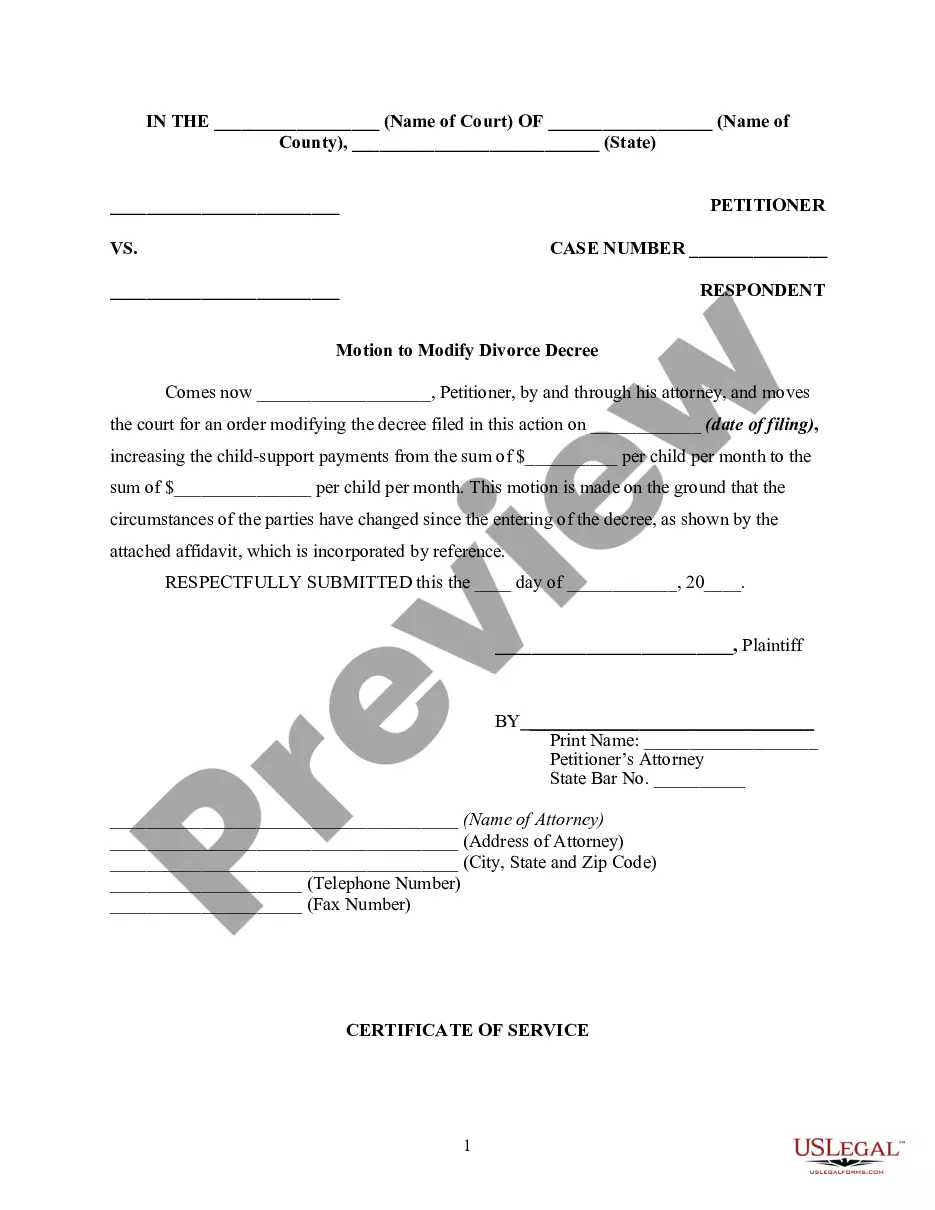
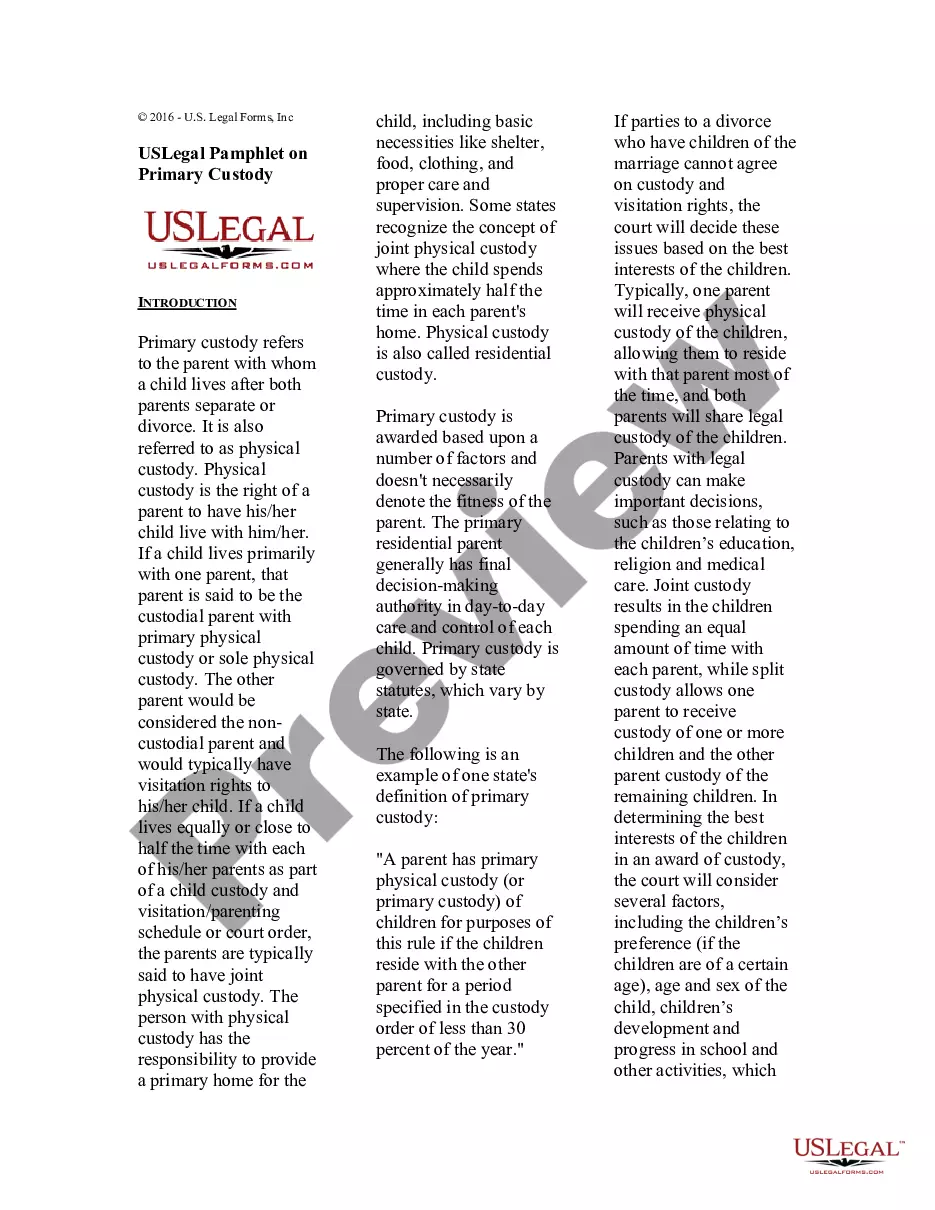
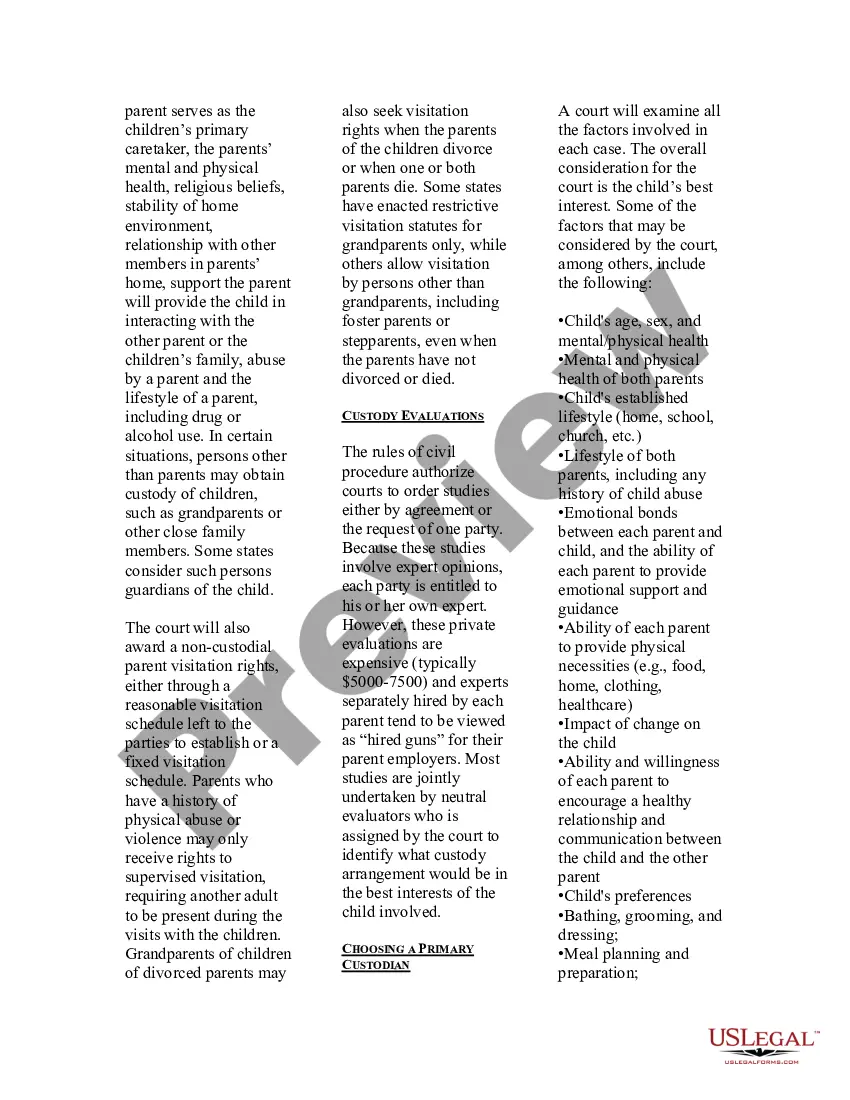
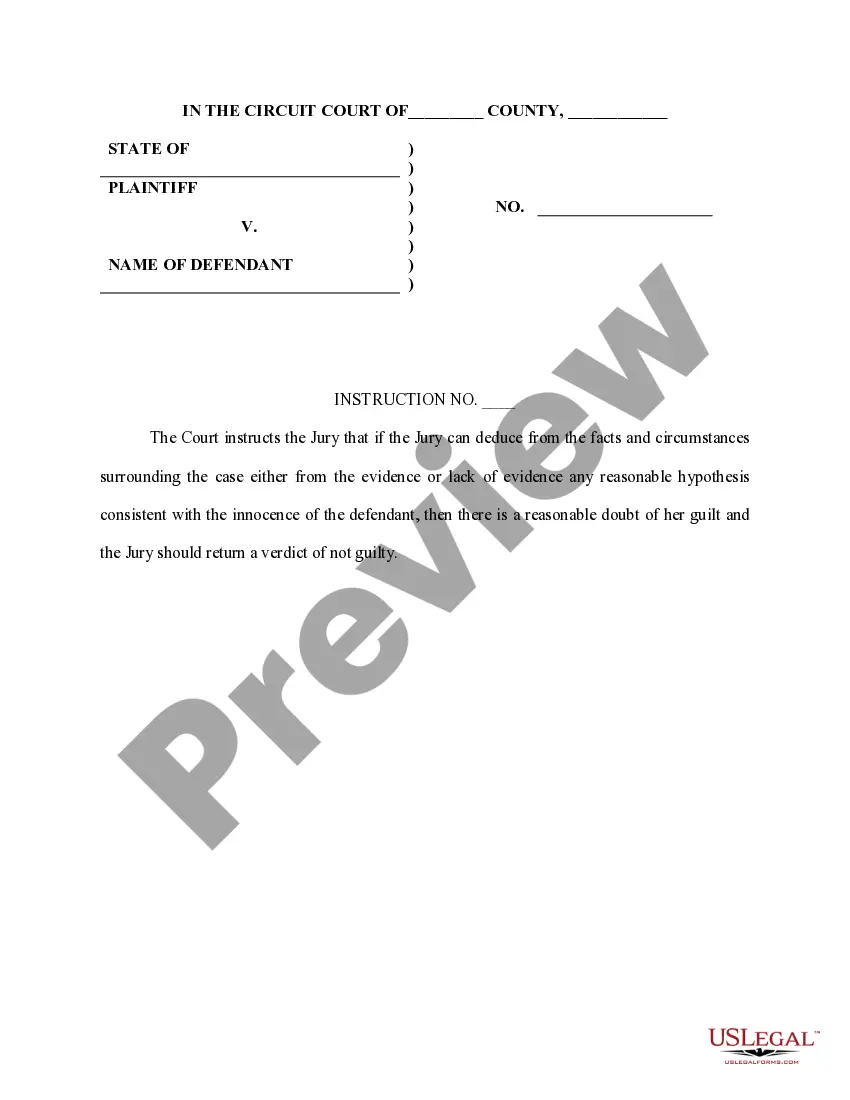
This pamphlet provides an overview of primary custody. Topics covered include what primary custody is, court evaluations, and how primary custody is chosen.
Kansas USLegal Pamphlet on Primary Custody
State:
Multi-State
Control #:
US-PMPH-16
Format:
Word;
Rich Text
Instant download
Description
Free preview
Get your form ready online
Our built-in tools help you complete, sign, share, and store your documents in one place.
Built-in online Word editor
Make edits, fill in missing information, and update formatting in US Legal Forms—just like you would in MS Word.
Export easily
Download a copy, print it, send it by email, or mail it via USPS—whatever works best for your next step.
E-sign your document
Sign and collect signatures with our SignNow integration. Send to multiple recipients, set reminders, and more. Go Premium to unlock E-Sign.
Notarize online 24/7
If this form requires notarization, complete it online through a secure video call—no need to meet a notary in person or wait for an appointment.
Store your document securely
We protect your documents and personal data by following strict security and privacy standards.

Make edits, fill in missing information, and update formatting in US Legal Forms—just like you would in MS Word.

Download a copy, print it, send it by email, or mail it via USPS—whatever works best for your next step.

Sign and collect signatures with our SignNow integration. Send to multiple recipients, set reminders, and more. Go Premium to unlock E-Sign.

If this form requires notarization, complete it online through a secure video call—no need to meet a notary in person or wait for an appointment.

We protect your documents and personal data by following strict security and privacy standards.
Looking for another form?
How to fill out USLegal Pamphlet On Primary Custody?
If you need to comprehensive, download, or print legal record themes, use US Legal Forms, the largest selection of legal varieties, that can be found on-line. Make use of the site`s easy and hassle-free look for to discover the paperwork you require. Different themes for business and specific purposes are categorized by categories and states, or search phrases. Use US Legal Forms to discover the Kansas USLegal Pamphlet on Primary Custody with a few mouse clicks.
When you are previously a US Legal Forms customer, log in to your bank account and then click the Acquire option to find the Kansas USLegal Pamphlet on Primary Custody. You may also entry varieties you earlier acquired within the My Forms tab of your own bank account.
If you are using US Legal Forms the first time, refer to the instructions under:
- Step 1. Ensure you have chosen the form for that proper town/nation.
- Step 2. Take advantage of the Preview option to look over the form`s articles. Do not neglect to learn the outline.
- Step 3. When you are unhappy using the type, utilize the Research field at the top of the screen to locate other types from the legal type template.
- Step 4. When you have located the form you require, go through the Purchase now option. Opt for the costs prepare you choose and put your accreditations to sign up on an bank account.
- Step 5. Procedure the purchase. You may use your credit card or PayPal bank account to finish the purchase.
- Step 6. Pick the formatting from the legal type and download it on the device.
- Step 7. Comprehensive, edit and print or signal the Kansas USLegal Pamphlet on Primary Custody.
Each legal record template you get is your own property permanently. You might have acces to each and every type you acquired within your acccount. Click on the My Forms segment and choose a type to print or download once more.
Be competitive and download, and print the Kansas USLegal Pamphlet on Primary Custody with US Legal Forms. There are many professional and express-particular varieties you may use for your business or specific needs.
Form popularity
FAQ
Try to get to the bottom of why your child doesn't want to spend time or stay with your co-parent. Let your child express their feelings to you without judgment. When it's your turn to respond, do so with kindness and understanding. Show them that you understand their concerns by considering those as a whole family.
The first thing you should do when a child refuses visitation is to notify the other parent as soon as possible. Let them know what's happening, and explain the situation as clearly as possible. Some custody orders include preferred communication methods, and you should notify them via that method when possible.
If the child is a teenager, the judge may be willing to consider the child's wishes as to residence and the child's reasons. There is no specific age when a child gets to decide where they live, but normally, the older the child, the more weight that child's desires are given by the court.
It's a common misconception that older children can refuse visitation with a non-custodial parent. On the contrary, until the child turns 18, the custodial parent must follow the visitation order and send the child for visitation. The only exception is if the parent believes the child is in immediate danger.
Here's how to handle parental favoritism: Try not to take it personally. This is tricky: being rejected hurts, and it does feel personal. ... Don't put the emotional burden on your child. ... Validate their feelings, empathize, and reassure. ... Know when to let it go. ... Schedule one-on-one time with each adult. ... Be patient.
To award sole legal custody to a parent, the judge must find that it is not in the child's best interests for both parents to have equal rights in making decisions about the child. The court record must include specific findings of fact supporting the decision to award sole legal custody.
Scenario #2: If Robert and Mary agree to a 50/50 split and both earn the same amount of money, there would be no child support paid or received. This is because there is no net difference between the two incomes.
Primary residential custody: The child lives primarily with one parent, with the other parent having visitation rights. Divided residential custody: One child lives with one parent and another child with the other parent. Each party has visitation with the child in the custody of the other parent.