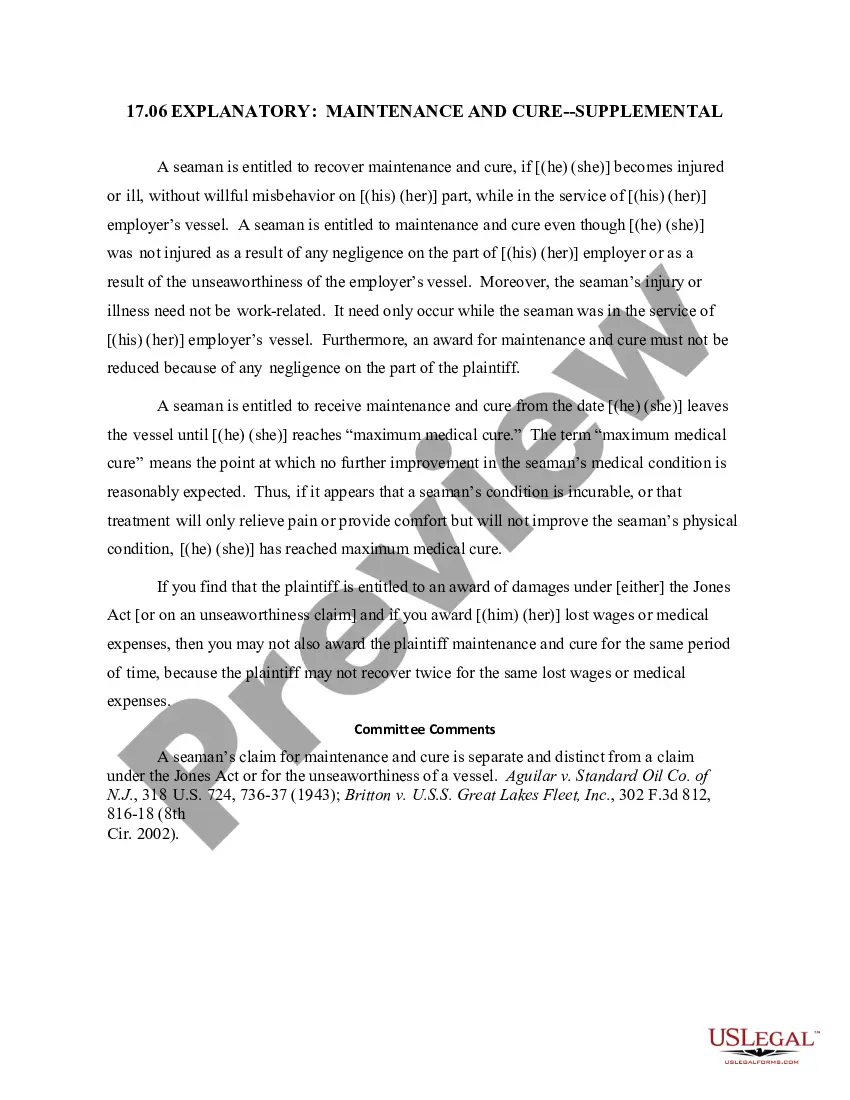
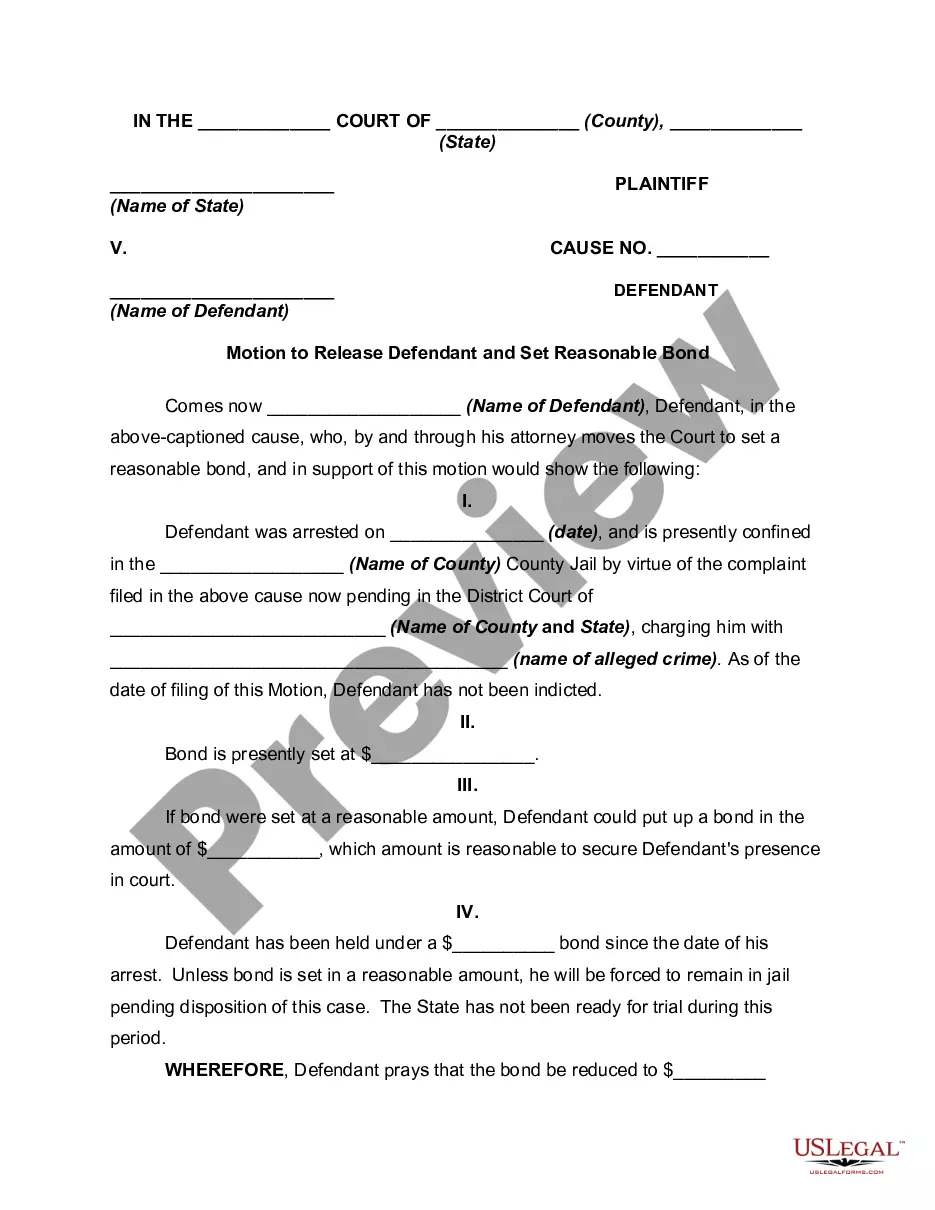
Kentucky Motion to Adjourn at a Reasonable Time
Description
Get your form ready online
Our built-in tools help you complete, sign, share, and store your documents in one place.
Make edits, fill in missing information, and update formatting in US Legal Forms—just like you would in MS Word.
Download a copy, print it, send it by email, or mail it via USPS—whatever works best for your next step.
Sign and collect signatures with our SignNow integration. Send to multiple recipients, set reminders, and more. Go Premium to unlock E-Sign.
If this form requires notarization, complete it online through a secure video call—no need to meet a notary in person or wait for an appointment.
We protect your documents and personal data by following strict security and privacy standards.

Make edits, fill in missing information, and update formatting in US Legal Forms—just like you would in MS Word.

Download a copy, print it, send it by email, or mail it via USPS—whatever works best for your next step.

Sign and collect signatures with our SignNow integration. Send to multiple recipients, set reminders, and more. Go Premium to unlock E-Sign.

If this form requires notarization, complete it online through a secure video call—no need to meet a notary in person or wait for an appointment.

We protect your documents and personal data by following strict security and privacy standards.
Looking for another form?
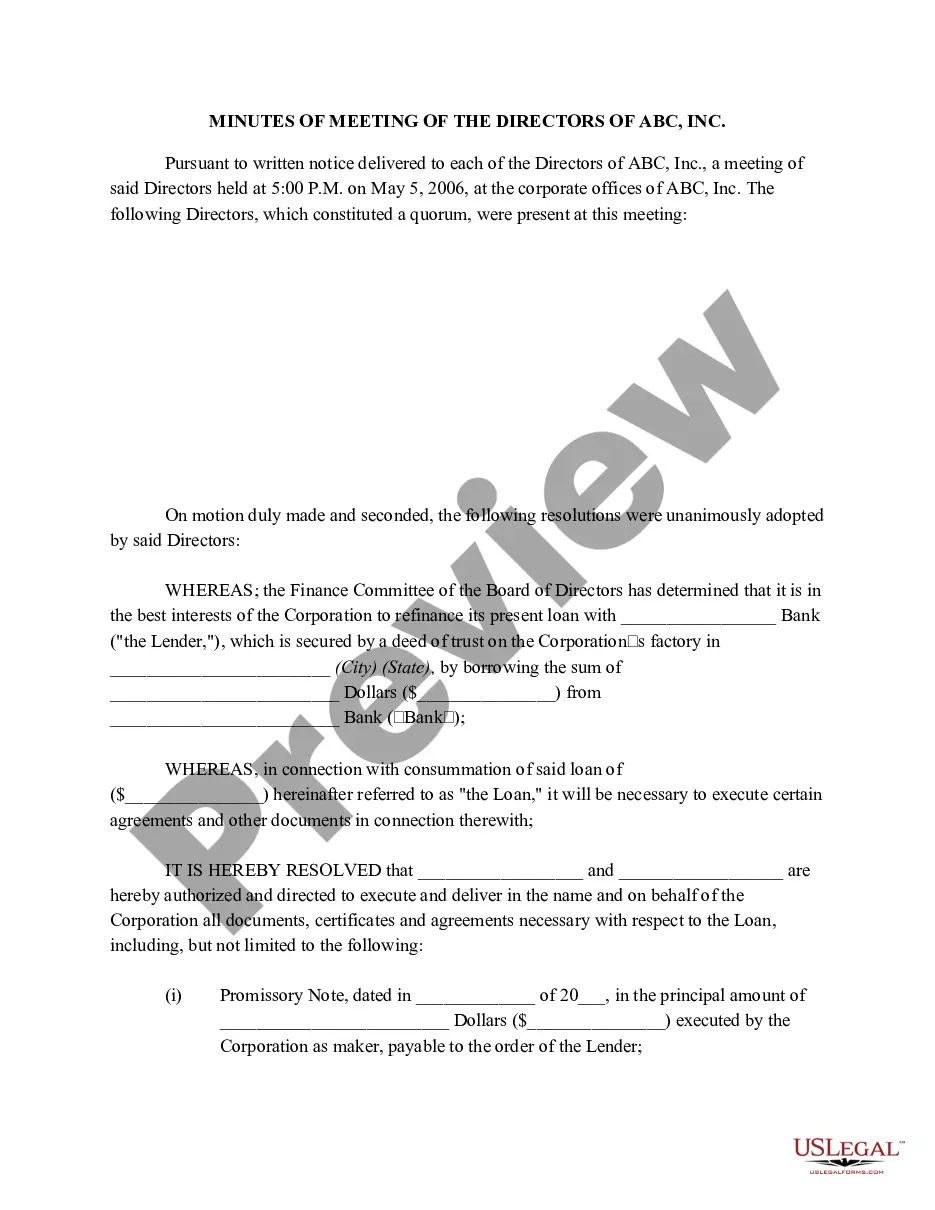

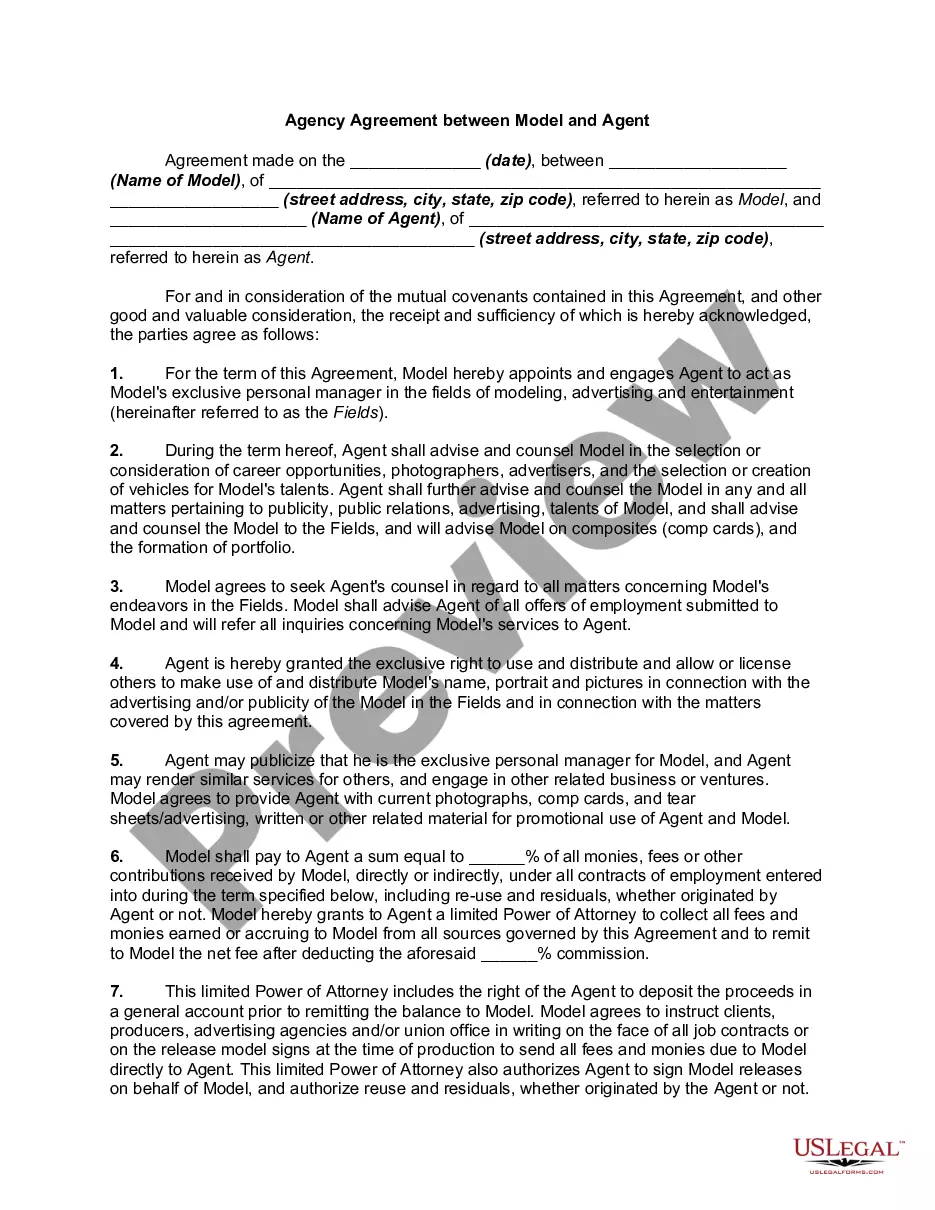
How to fill out Motion To Adjourn At A Reasonable Time?
Are you currently in a scenario where you require documents for both business or personal reasons almost all the time.
There are numerous legal document templates available online, but locating ones you can rely on isn't easy.
US Legal Forms provides a vast array of template options, such as the Kentucky Motion to Adjourn at a Reasonable Time, which are designed to comply with state and federal standards.
Once you acquire the appropriate template, click on Purchase now.
Select the payment plan you require, fill in the necessary details to create your account, and complete the order using your PayPal or credit card.
- If you are currently acquainted with the US Legal Forms website and hold an account, simply Log In.
- Then, you can download the Kentucky Motion to Adjourn at a Reasonable Time template.
- If you do not have an account and wish to start using US Legal Forms, follow these steps.
- Obtain the template you need and ensure it is for the correct city/region.
- Use the Review button to examine the form.
- Read the description to ensure you have selected the correct template.
- If the template isn't what you're looking for, utilize the Search section to find the template that meets your needs.
Form popularity
FAQ
First, a representative sponsors a bill. The bill is then assigned to a committee for study. If released by the committee, the bill is put on a calendar to be voted on, debated or amended. If the bill passes by simple majority (218 of 435), the bill moves to the Senate.
Kentucky follows a bicameral form of government consisting of a Senate and a House of Represen- tatives. Legislators are elected by the citizens of their designated legislative area?district?to be their voice in government.
The Bill Is a Law If a bill has passed in both the U.S. House of Representatives and the U.S. Senate and has been approved by the President, or if a presidential veto has been overridden, the bill becomes a law and is enforced by the government.
Following debate and amendments, a final vote on the bill is taken. To pass, a bill must be approved by at least two-fifths of the members of the chamber (40 representatives or 16 senators) and a majority of the members present and voting.
Public bills pertain to matters that affect the general public or classes of citizens, while private bills affect just certain individuals and organizations. A private bill provides benefits to specified individuals (including corporate bodies).
In order to become law, bills must be approved by both Chambers and the President. Joint resolution: Similar to a bill, joint resolutions originate in either the U.S. House of Representatives or the U.S. Senate, but?opposite of what the name suggests?never jointly in both Chambers.
Session Dates In even-numbered years, sessions may not last more than 60 legislative days, and cannot extend beyond April 15. In odd-numbered years, sessions may not last more than 30 legislative days, and cannot extend beyond March 30.
If passed by both chambers, bill goes to the governor. Bill is signed by the governor into law, becomes law without signature, or is vetoed. If bill is vetoed, it goes back to each chamber. If approved by a constitutional majority in each chamber, the veto is overridden and the bill becomes law.