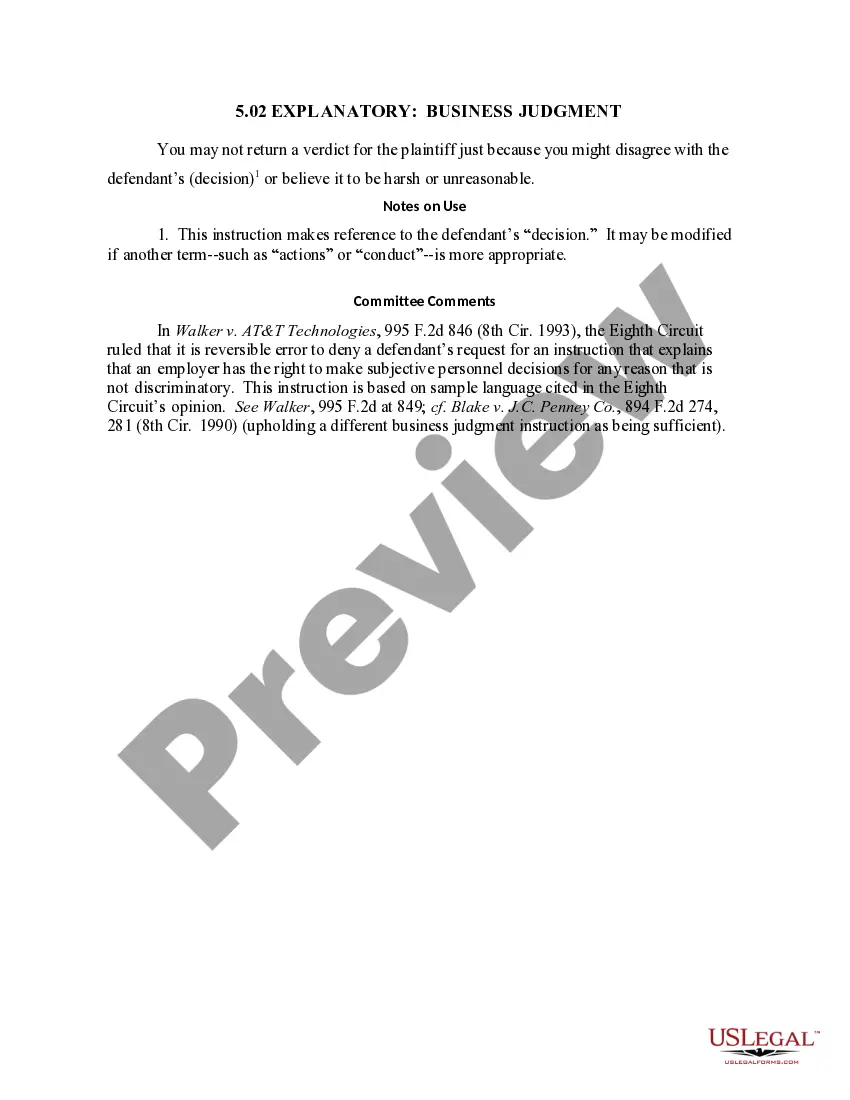
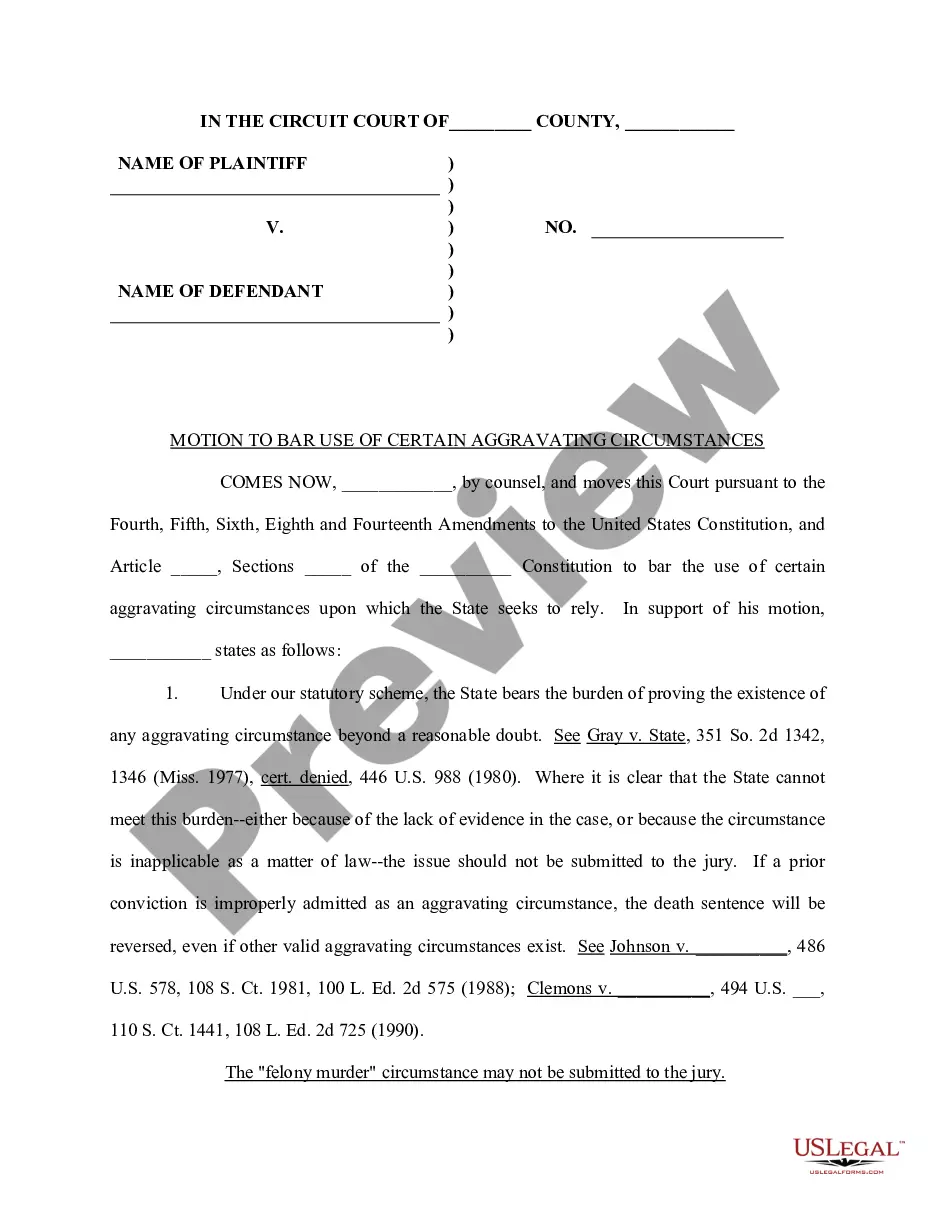
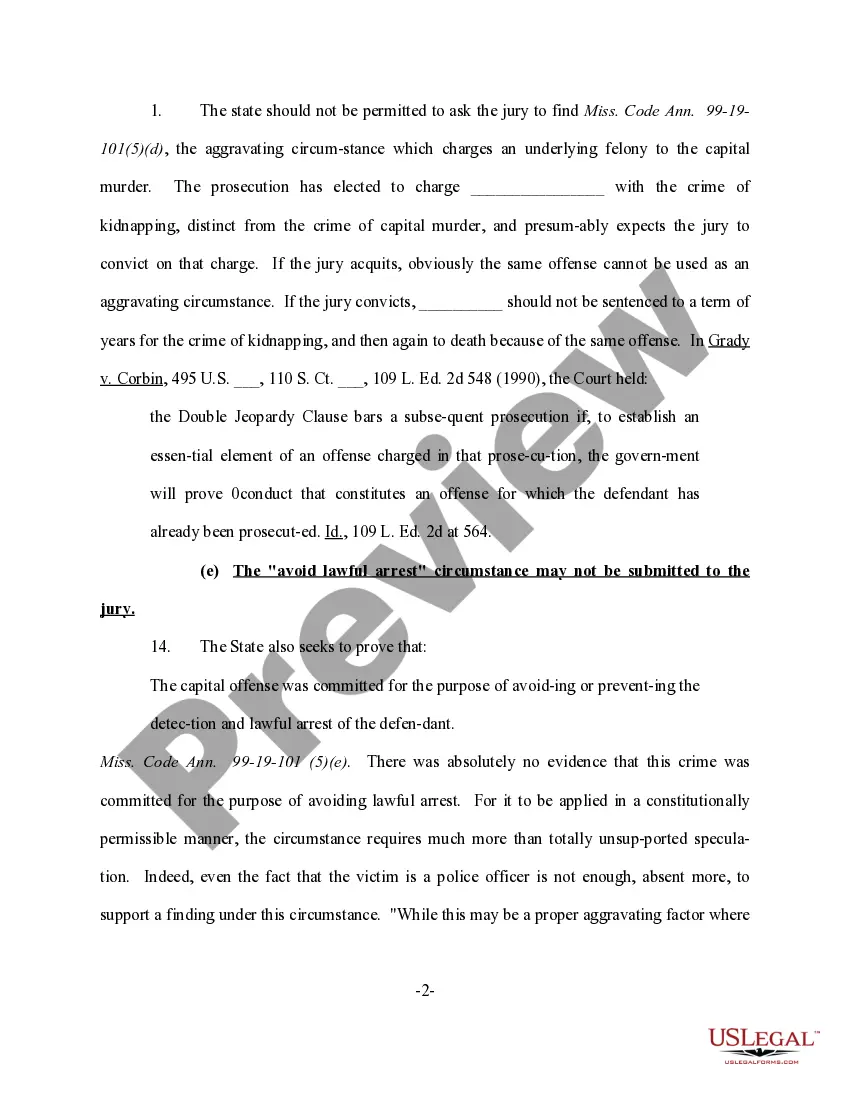
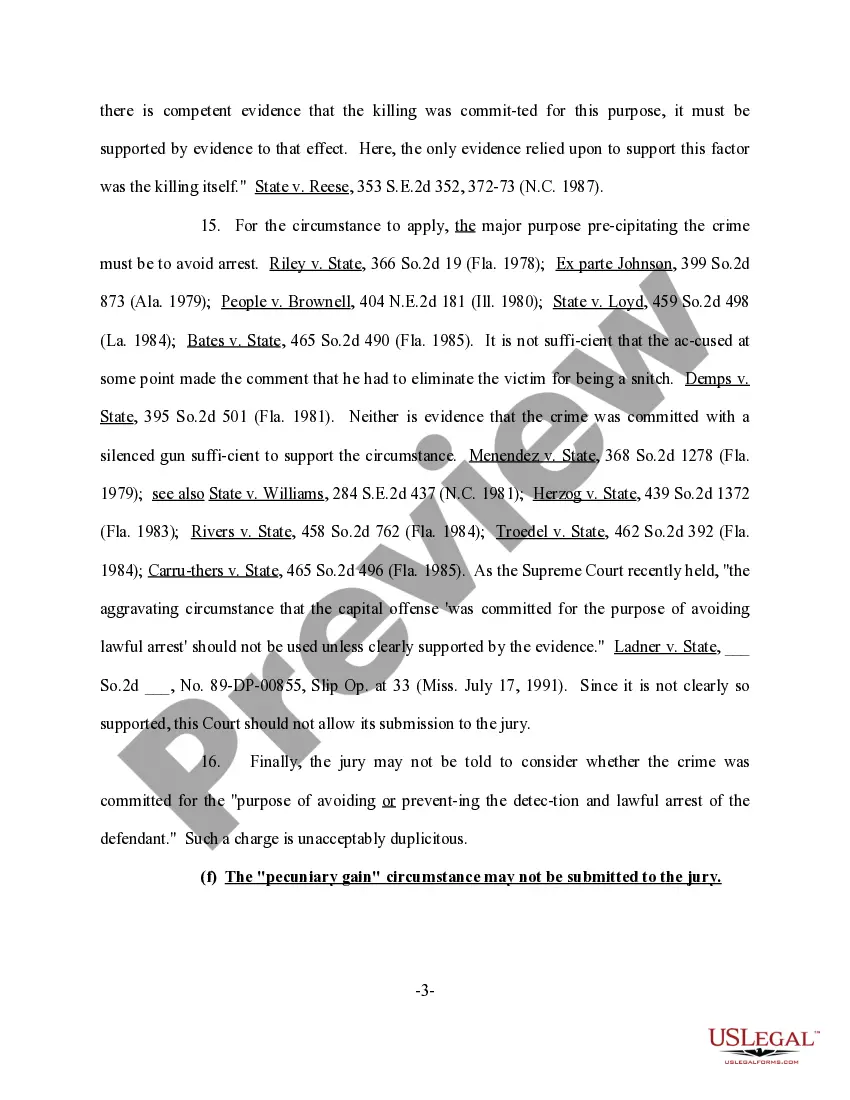
Kentucky Motion to Bar Use of Certain Aggravating Circumstances
Description
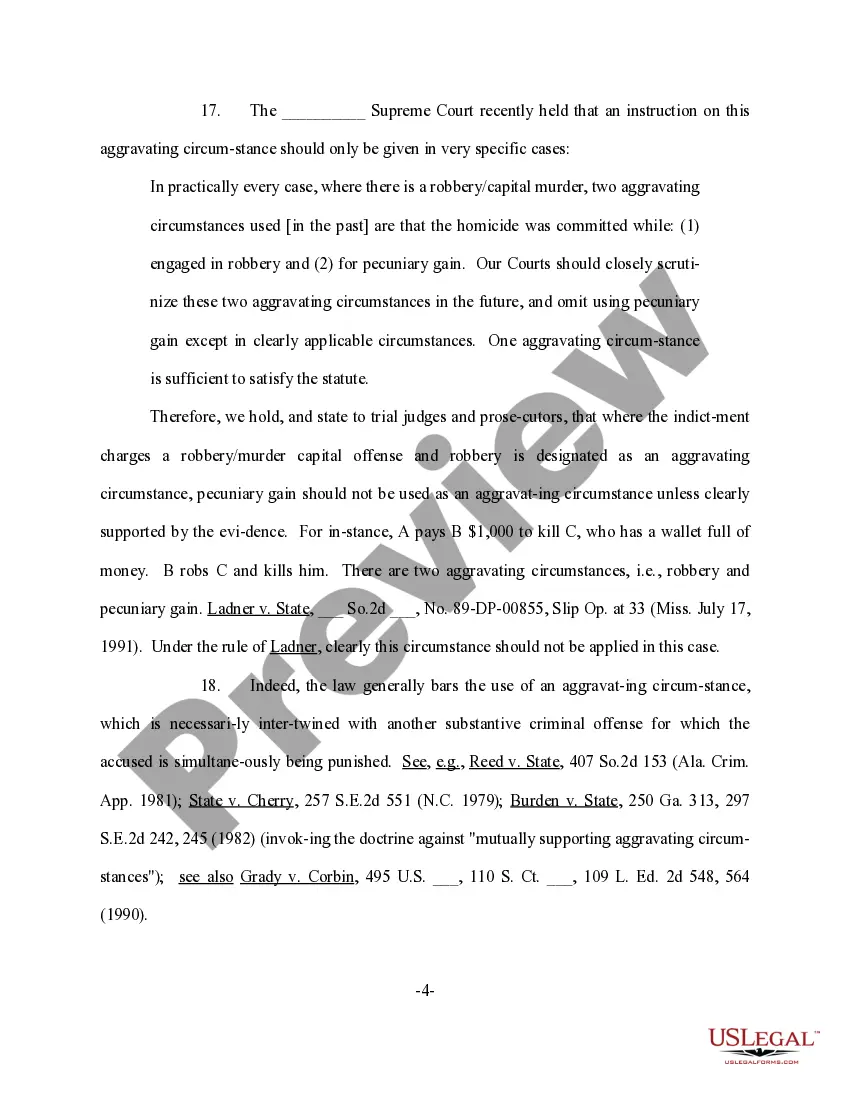
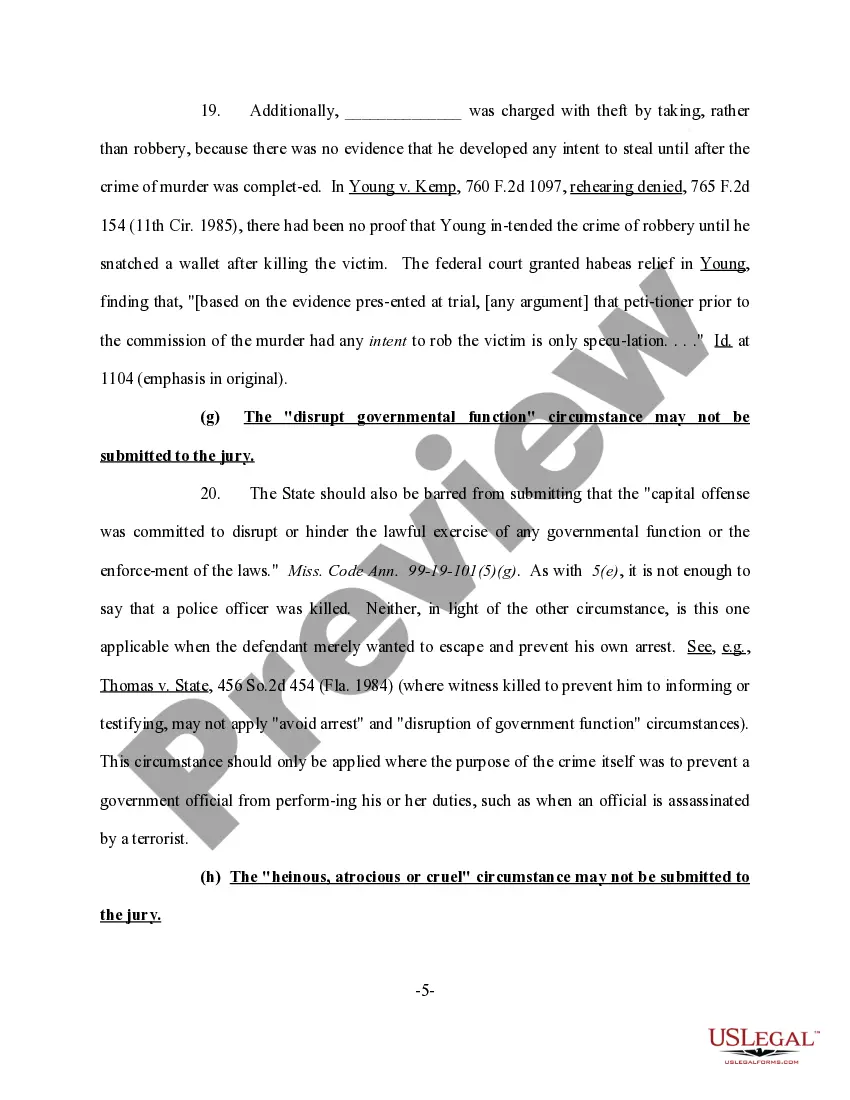
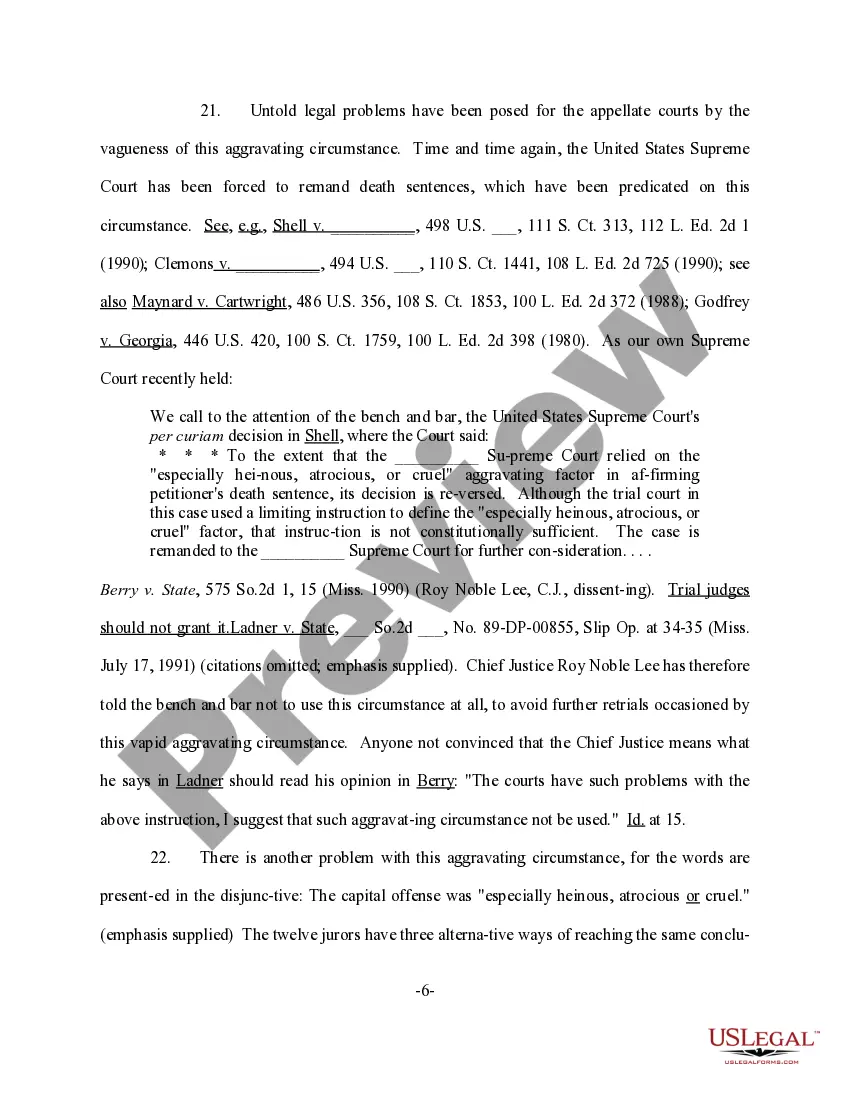
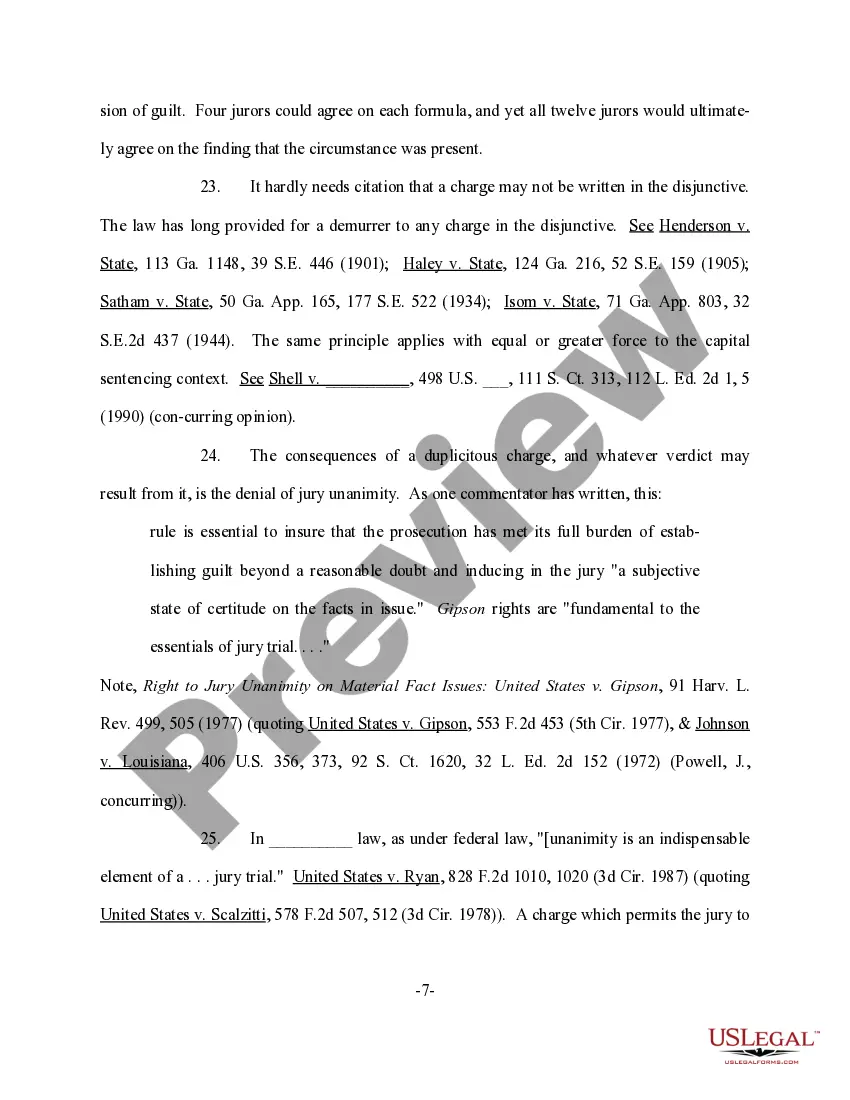
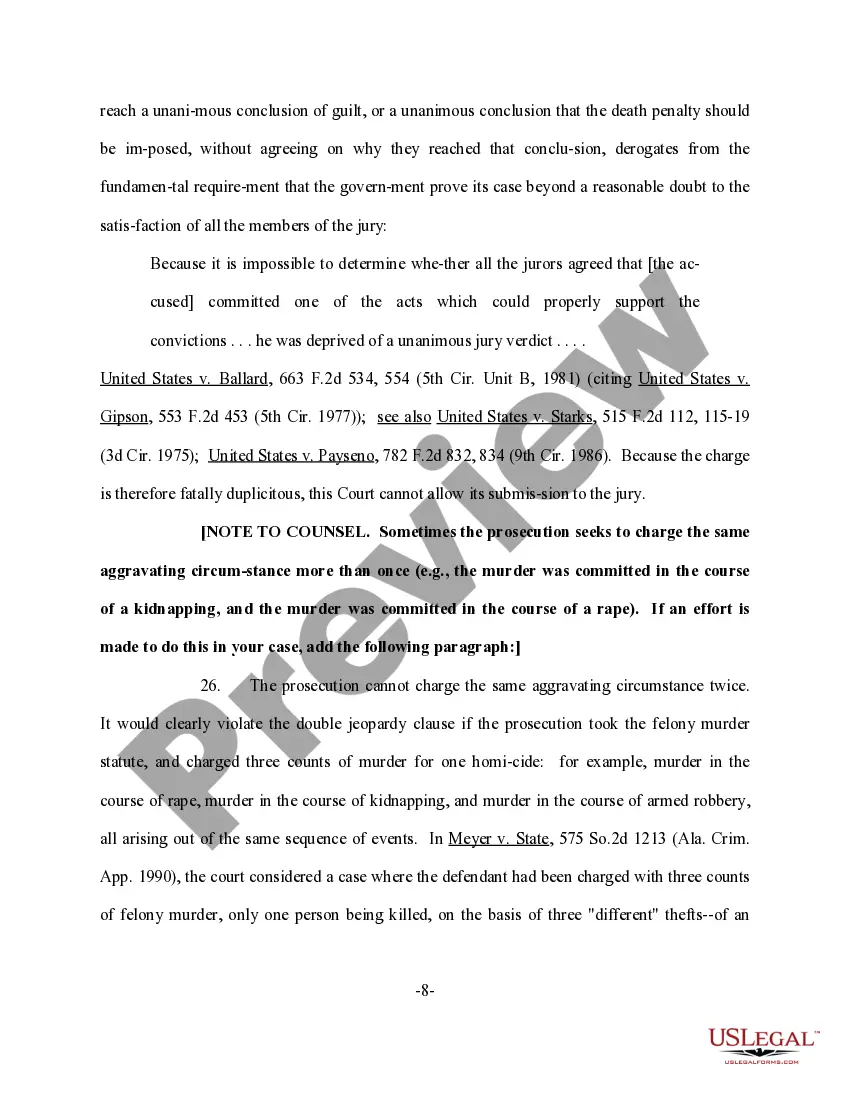
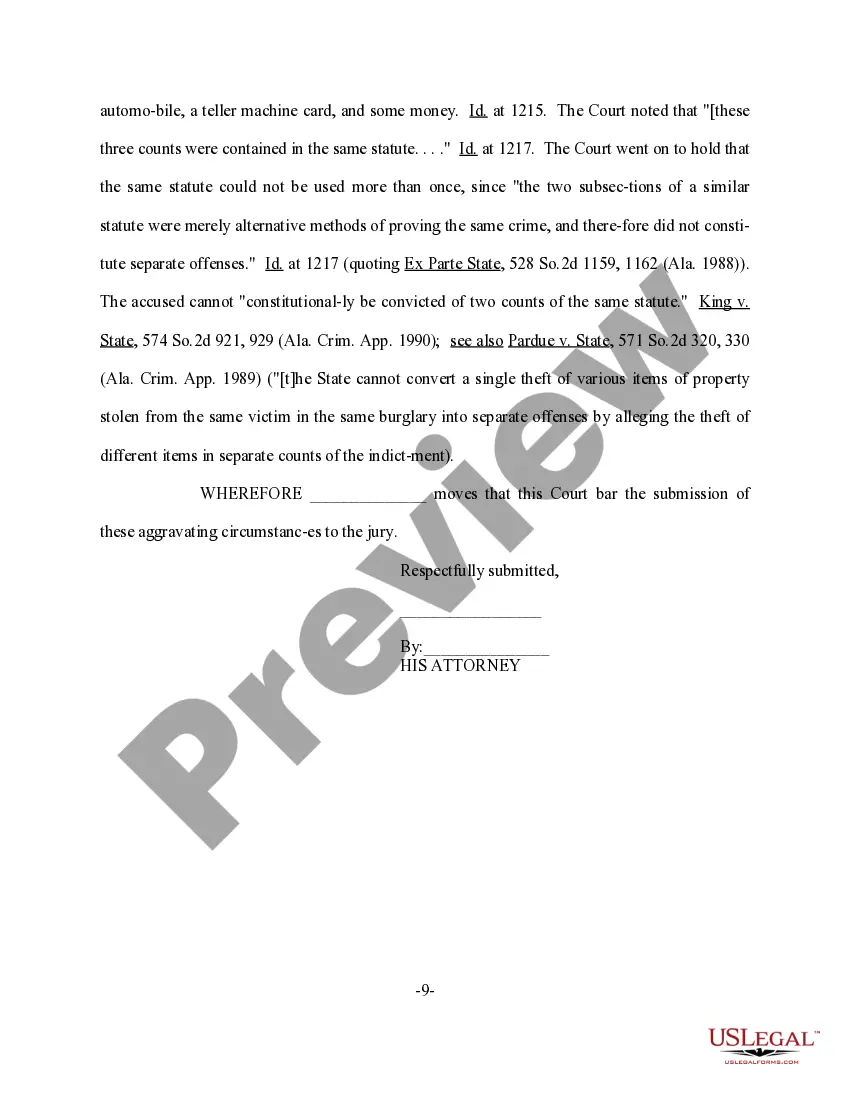
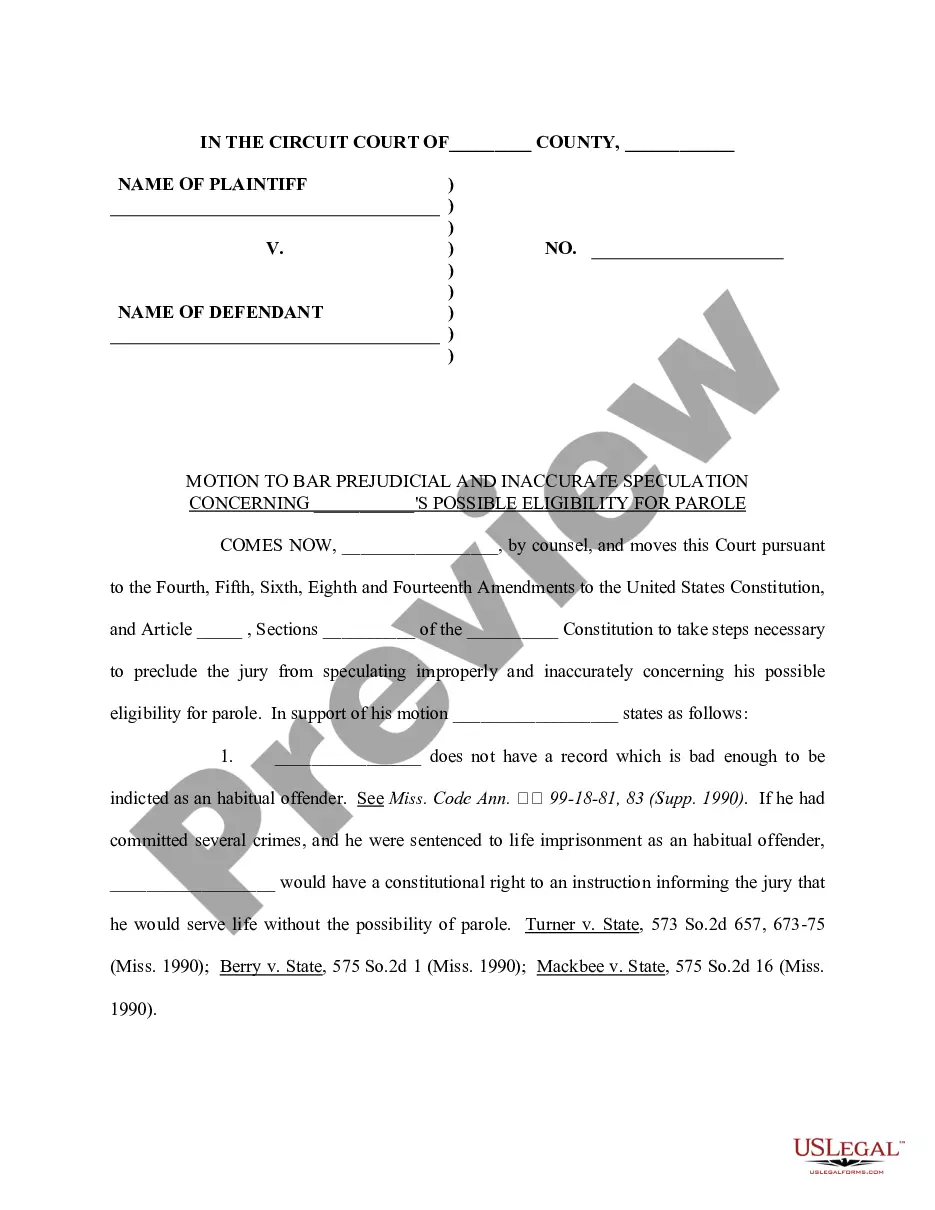
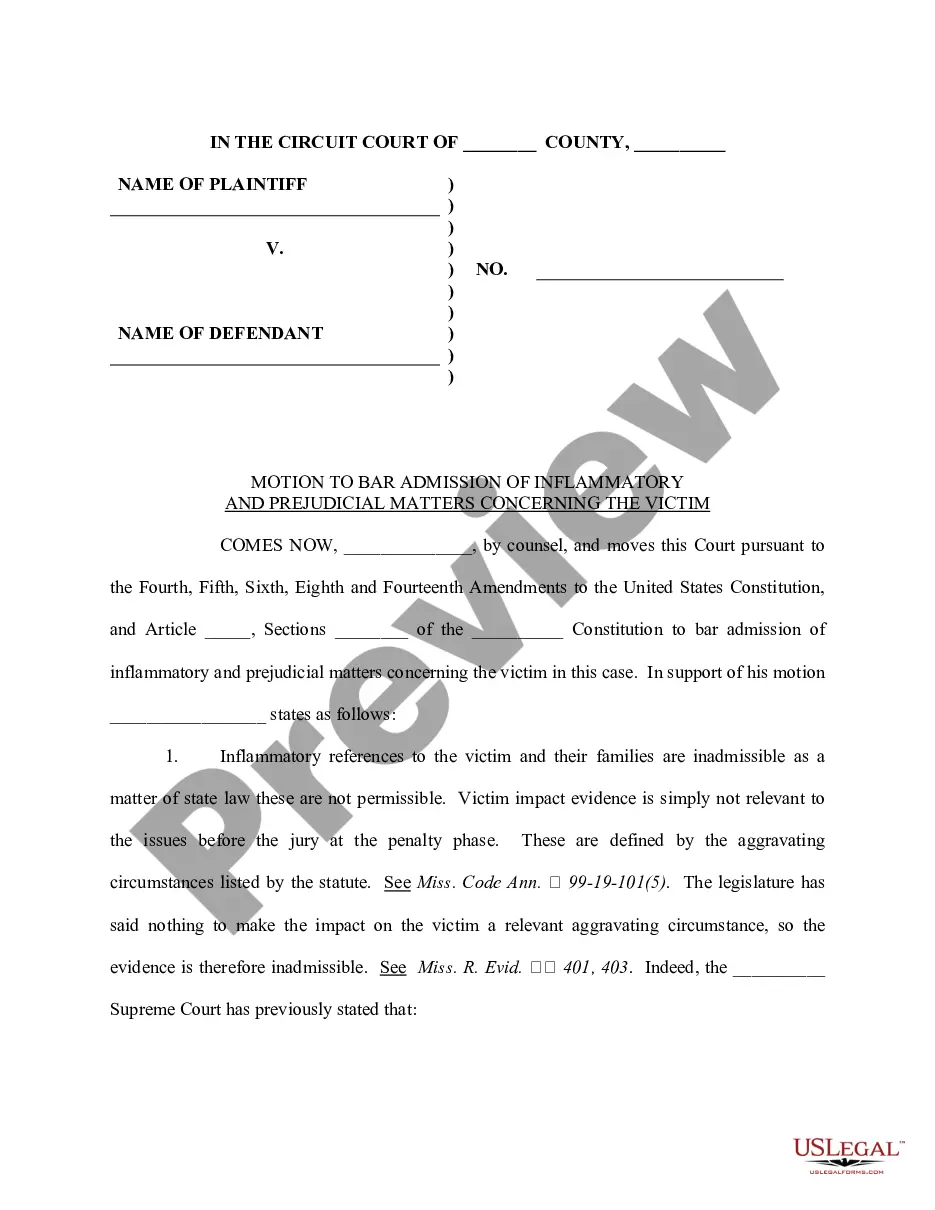
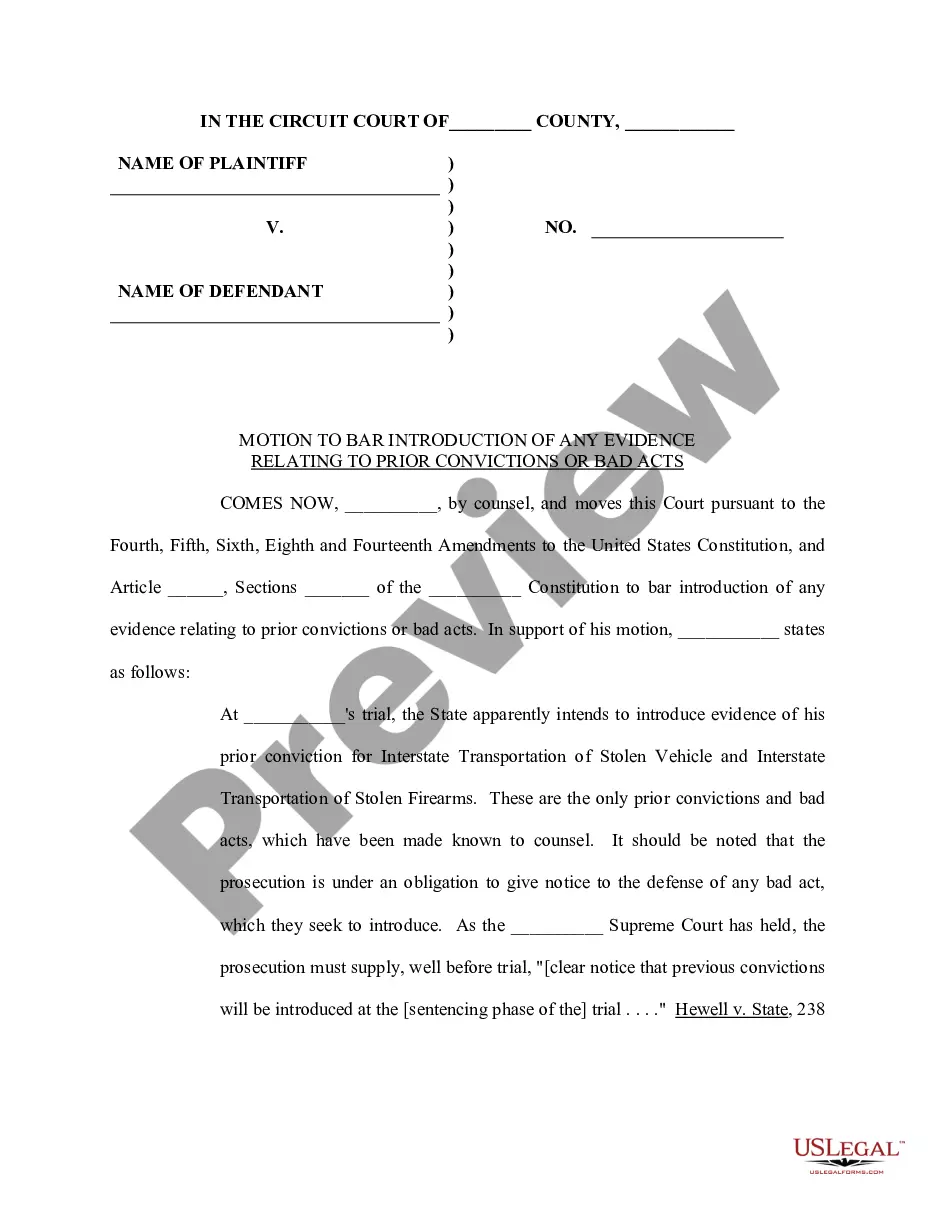
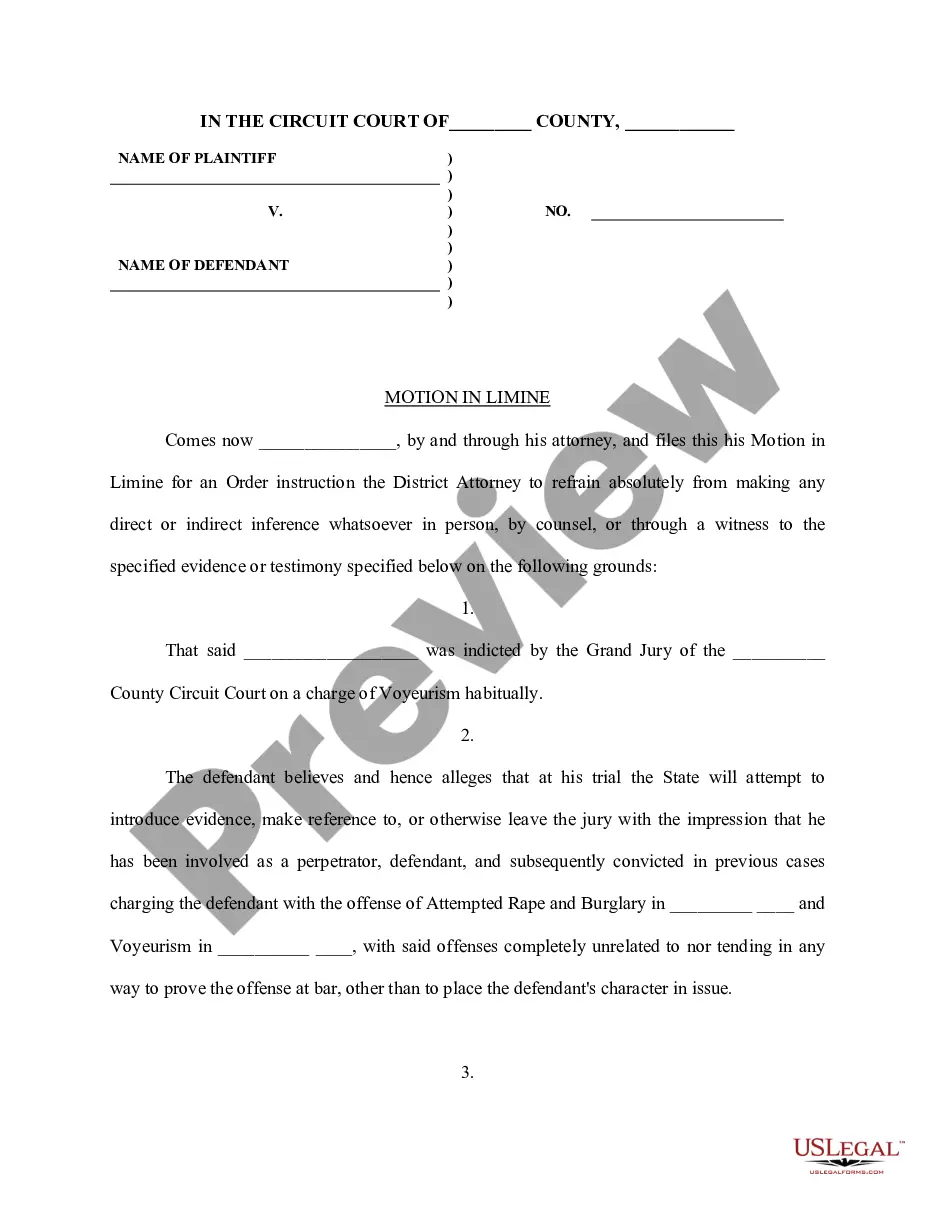
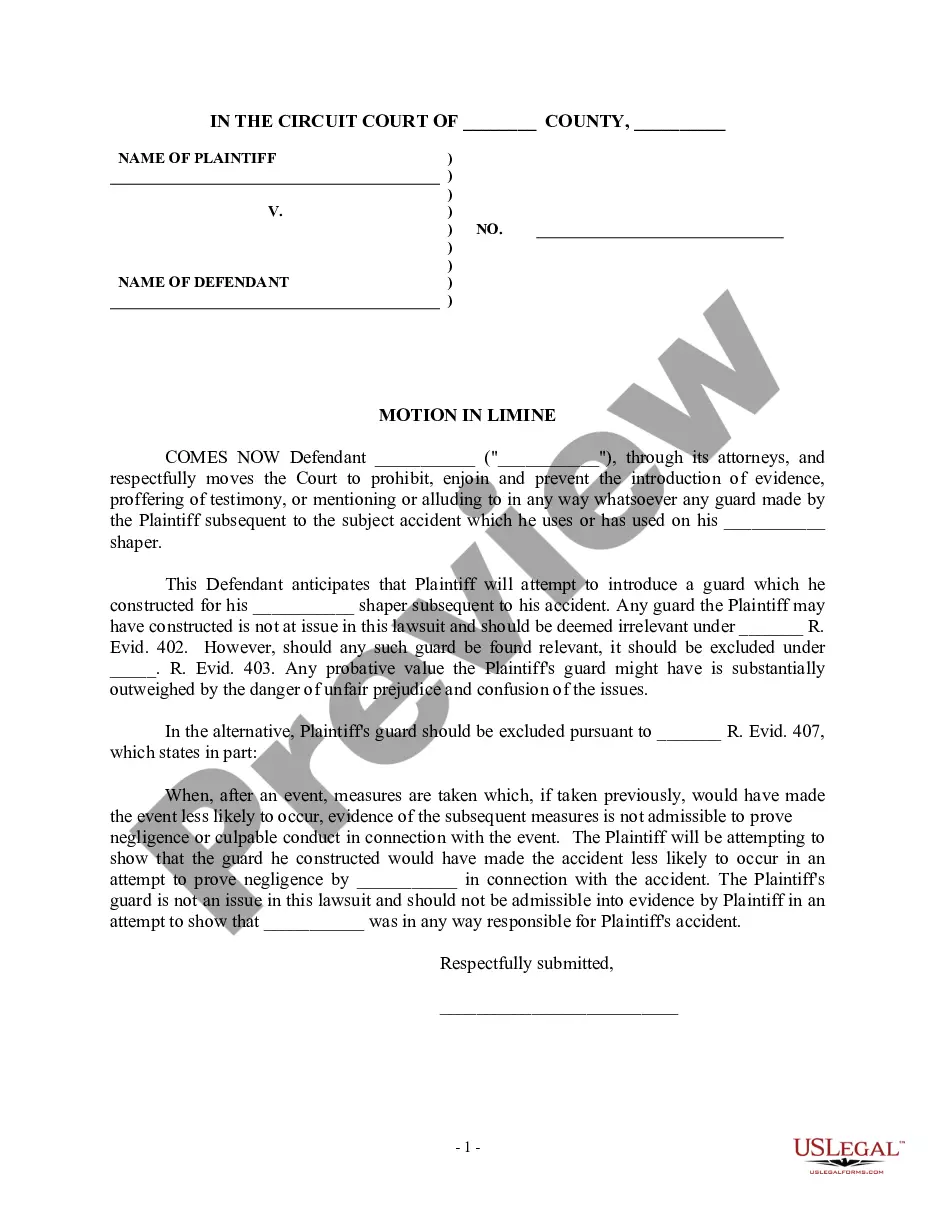


How to fill out Motion To Bar Use Of Certain Aggravating Circumstances?
If you wish to finalize, obtain, or print legal document templates, utilize US Legal Forms, the largest compilation of legal forms that are accessible online.
Employ the website's straightforward and user-friendly search function to locate the documents you require.
Numerous templates for business and personal applications are organized by categories and states, or keywords.
Step 4. Once you have found the form you need, click the Purchase now button. Choose the pricing plan you prefer and provide your details to create an account.
Step 5. Process the payment. You can use your credit card or PayPal account to complete the transaction.
- Utilize US Legal Forms to locate the Kentucky Motion to Bar Use of Certain Aggravating Circumstances in just a few clicks.
- If you are already a US Legal Forms user, Log In to your account and click the Download button to obtain the Kentucky Motion to Bar Use of Certain Aggravating Circumstances.
- You can also access forms you previously saved from the My documents section of your account.
- If you are using US Legal Forms for the first time, follow the steps below.
- Step 1. Ensure you have chosen the form for the correct city/state.
- Step 2. Use the Review option to check the form's details. Do not forget to read the information.
- Step 3. If you are not satisfied with the form, use the Search field at the top of the screen to find other types of the legal form template.
Form popularity
FAQ
Overview of Aggravating and Mitigating Factors Judges have some discretion with regard to sentencing, and a sentencing hearing allows both prosecutors and defendants the chance to present evidence for the court to consider. Aggravating factors may increase a sentence, while mitigating factors may decrease a sentence.
Some generally recognized aggravating circumstances include heinousness of the crime, lack of remorse, and prior conviction of another crime.
Mitigating circumstances include, but are not limited to, the defendant's age, extreme mental or emotional state at the time the crime was committed, developmental disability, and lack of a prior criminal record.
This evidence, which can include mental problems, remorse, youth, childhood abuse or neglect, a minor role in the homicide, or the absence of a prior criminal record, may reduce the culpability of the defendant in the killing or may provide other reasons for preferring a life sentence to death.
Mitigating factors include an ability for the criminal to reform, developmental disability, an addiction to illegal substances or alcohol that contributed to the criminal behavior, and past good deeds, among many others.
The death penalty can only be imposed on defendants convicted of capital offenses ? such as murder, treason, genocide, or the killing or kidnapping of a Congressman, the President, or a Supreme Court justice. Unlike other punishments, a jury must decide whether to impose the death penalty.
Mitigating circumstances might include a significant short-term illness or injury, a long-term or recurring medical or mental health condition, the death or illness of a close family member, acute stress from personal or financial issues, absence for public service (e.g. jury service), or technical issues during an ...
An aggravating factor refers to circumstances surrounding a crime or tort that are sufficient to raise its severity and punishment to the aggravated version of the offense. Aggravating factors are typically laid out by statute and vary depending on the jurisdiction and specific underlying offense.