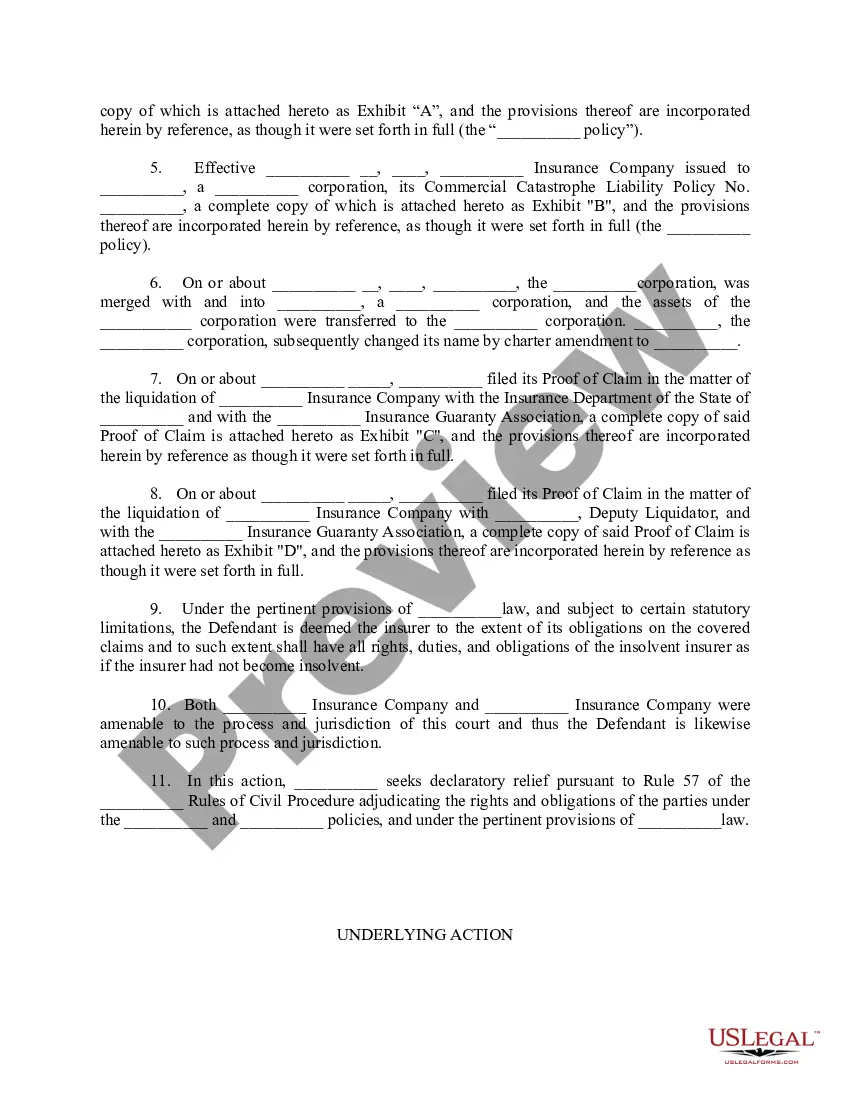
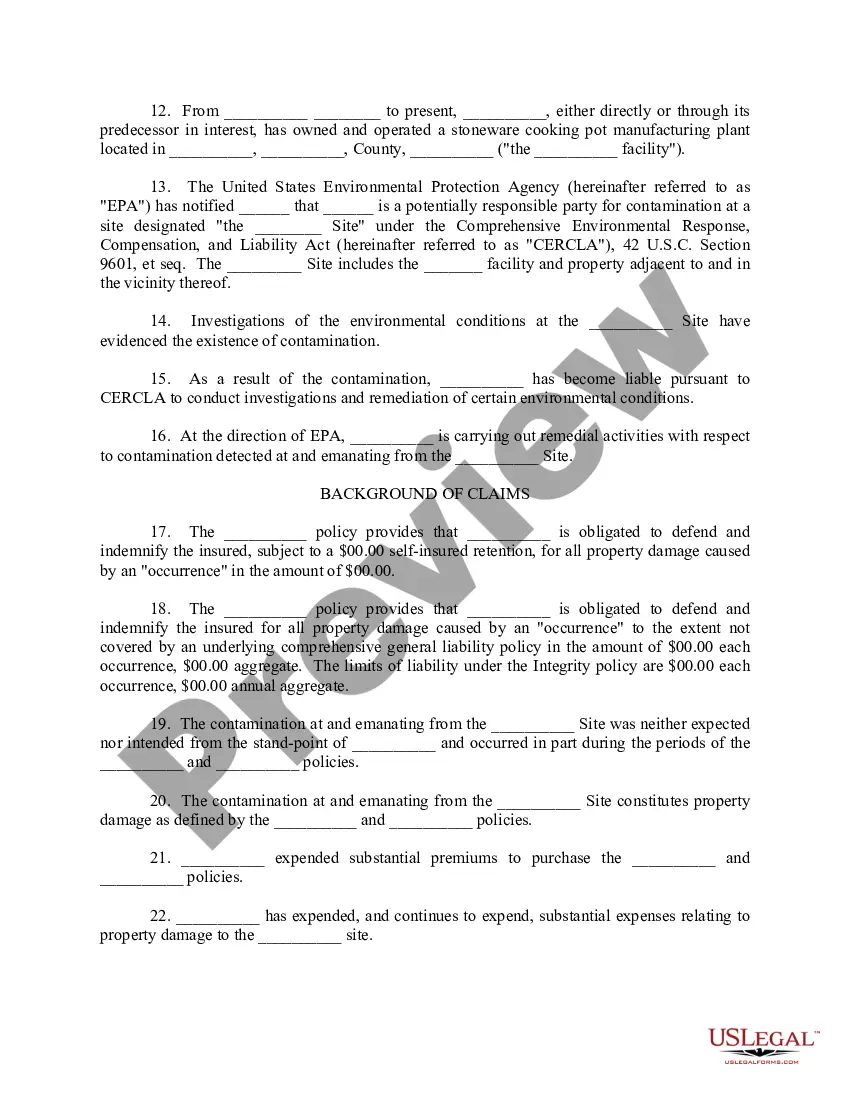
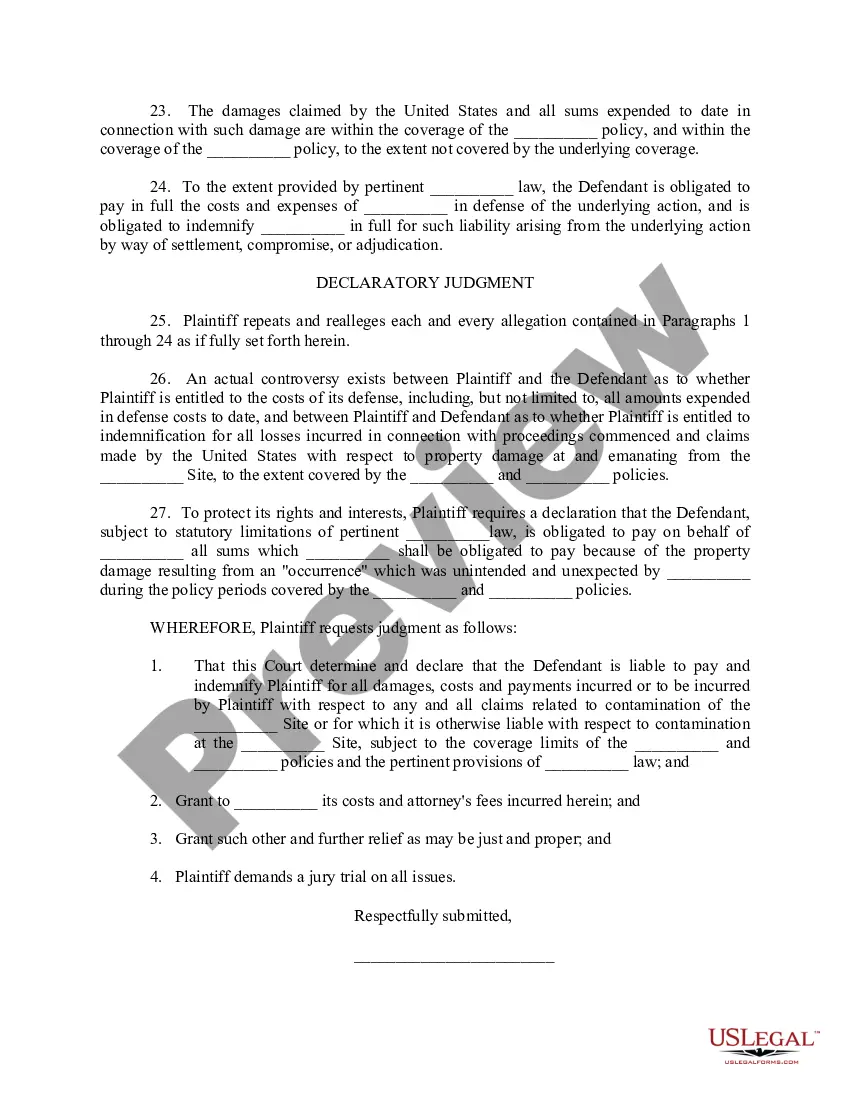
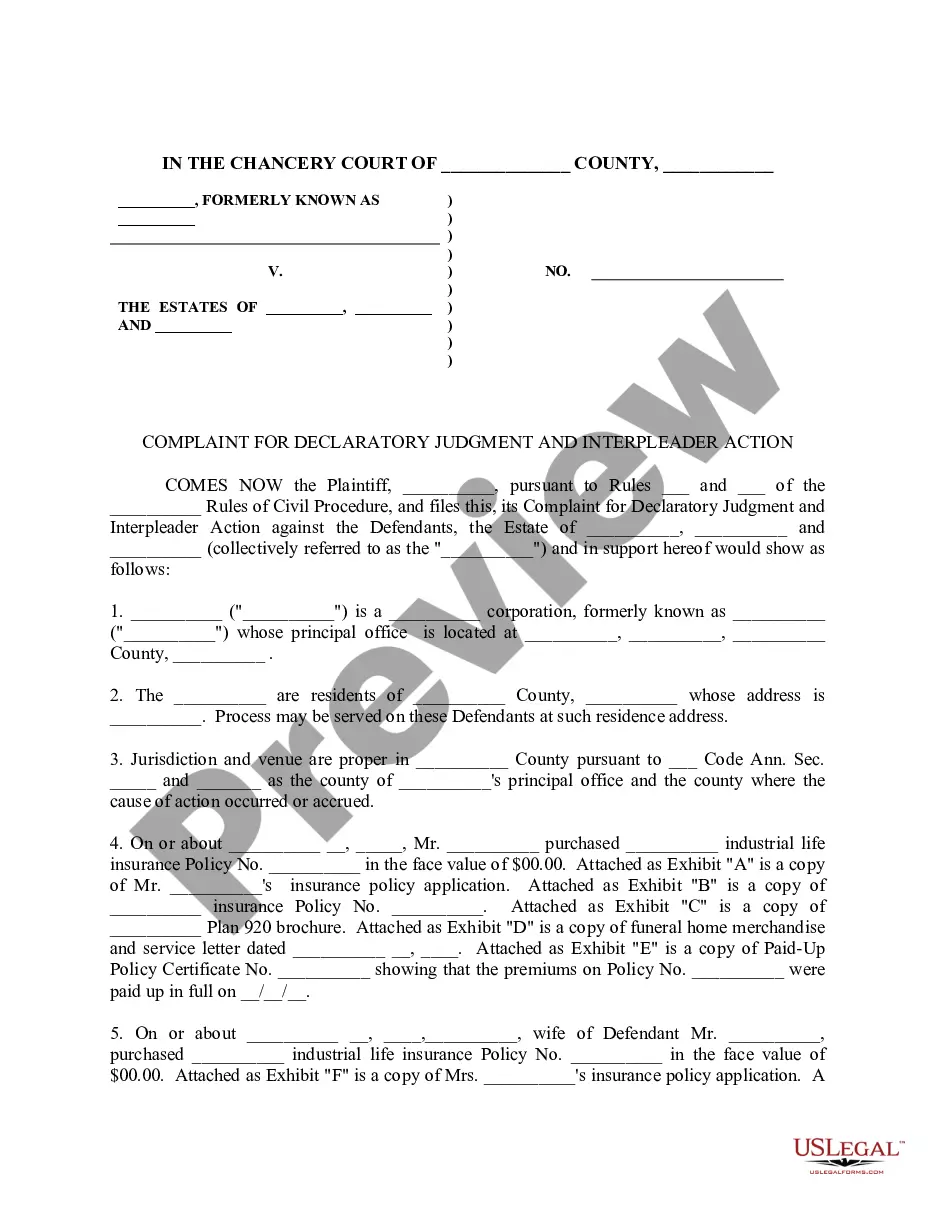
Kentucky Complaint for Declaratory Judgment
Description




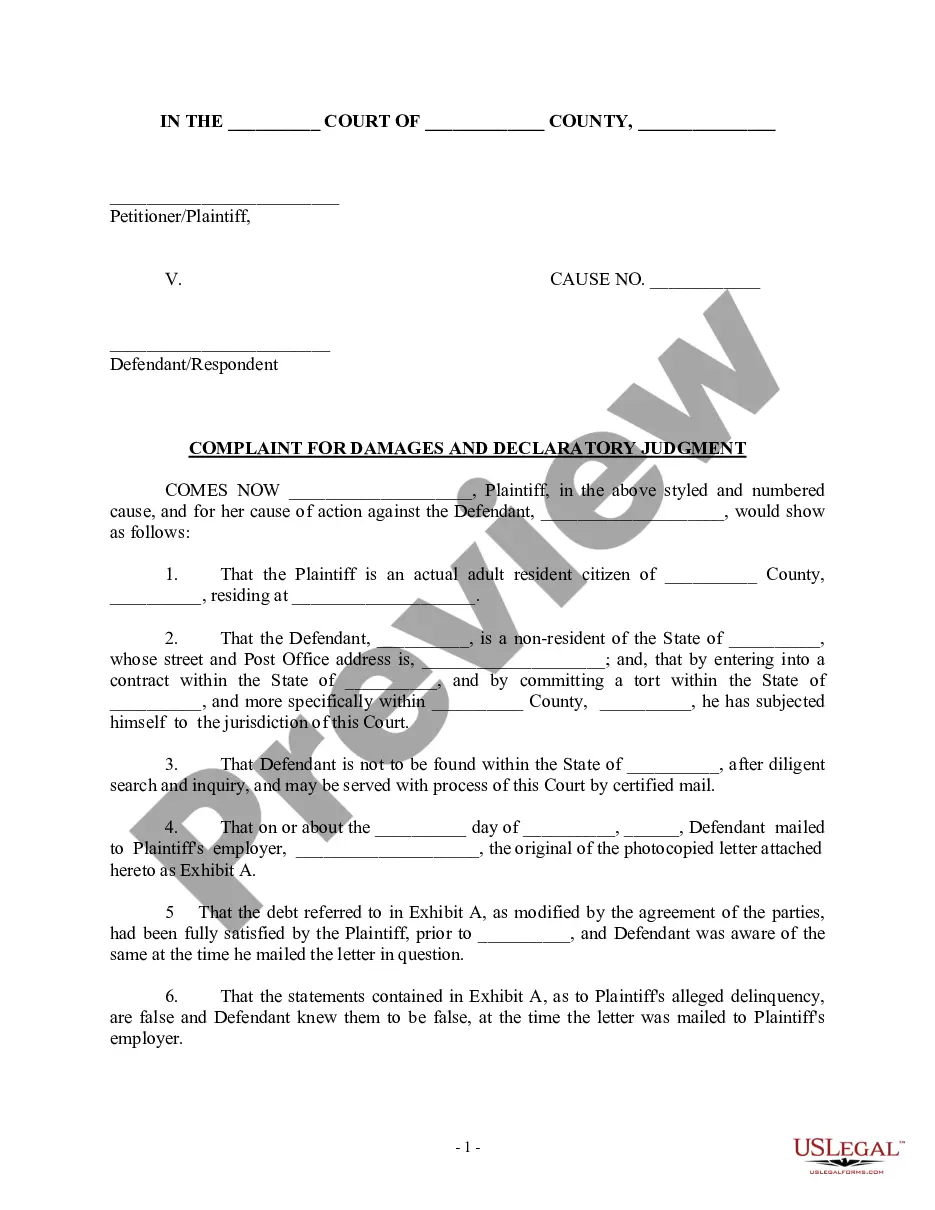
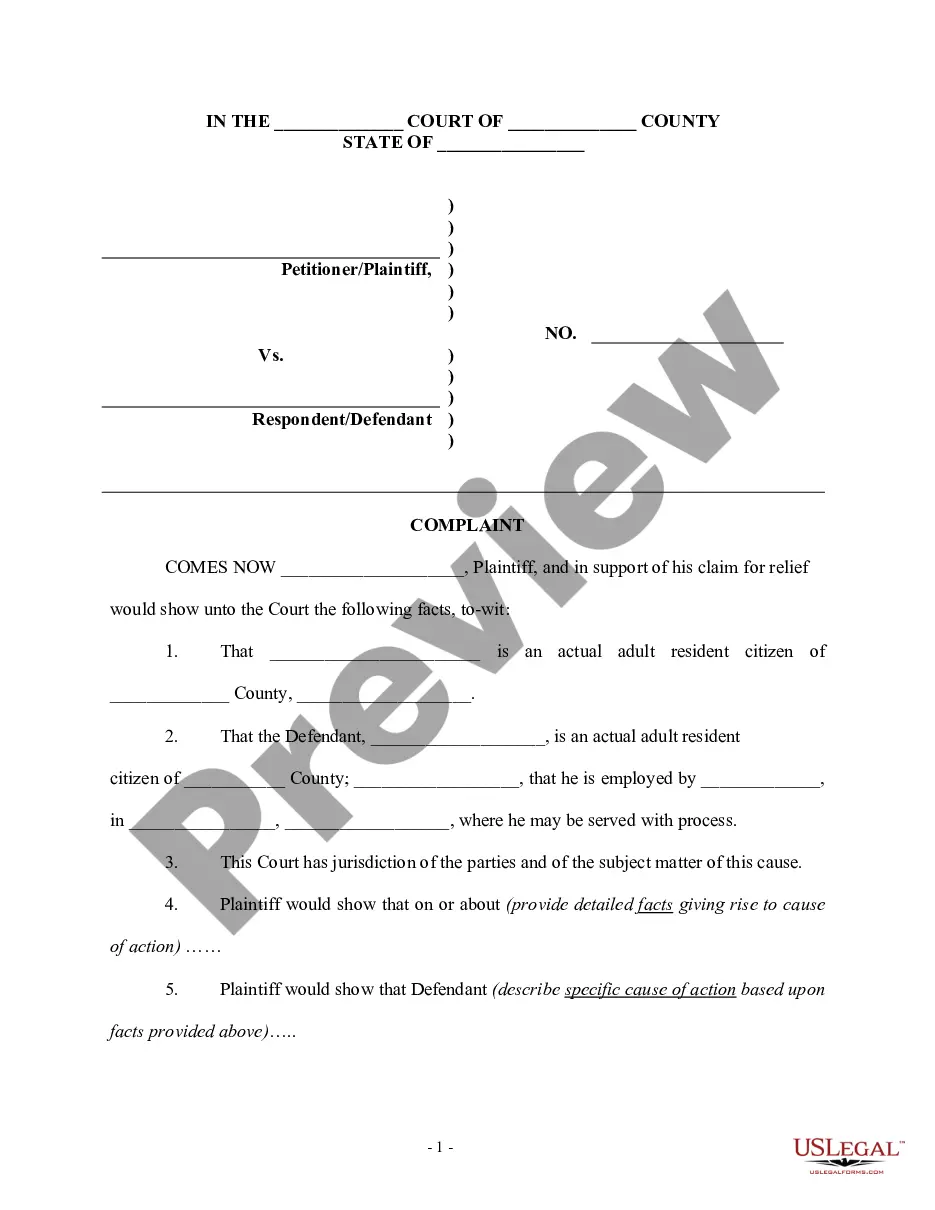
Get your form ready online
Our built-in tools help you complete, sign, share, and store your documents in one place.
Make edits, fill in missing information, and update formatting in US Legal Forms—just like you would in MS Word.
Download a copy, print it, send it by email, or mail it via USPS—whatever works best for your next step.
Sign and collect signatures with our SignNow integration. Send to multiple recipients, set reminders, and more. Go Premium to unlock E-Sign.
If this form requires notarization, complete it online through a secure video call—no need to meet a notary in person or wait for an appointment.
We protect your documents and personal data by following strict security and privacy standards.

Make edits, fill in missing information, and update formatting in US Legal Forms—just like you would in MS Word.

Download a copy, print it, send it by email, or mail it via USPS—whatever works best for your next step.

Sign and collect signatures with our SignNow integration. Send to multiple recipients, set reminders, and more. Go Premium to unlock E-Sign.

If this form requires notarization, complete it online through a secure video call—no need to meet a notary in person or wait for an appointment.

We protect your documents and personal data by following strict security and privacy standards.
Looking for another form?

How to fill out Complaint For Declaratory Judgment?
If you need to obtain, acquire, or create valid document templates, utilize US Legal Forms, the largest repository of legal forms available online.
Employ the site's straightforward and user-friendly search to locate the documents you need.
Various templates for commercial and personal purposes are organized by categories and states, or keywords.
Step 4. Once you have located the form you need, click the Buy Now button. Choose the payment plan you prefer and provide your information to register for an account.
Step 5. Complete the purchase. You can use your credit card or PayPal account to finalize the transaction.
- Utilize US Legal Forms to find the Kentucky Complaint for Declaratory Judgment in just a few clicks.
- If you are already a US Legal Forms user, Log In to your account and then click the Download button to retrieve the Kentucky Complaint for Declaratory Judgment.
- You can also access forms you have previously downloaded in the My documents section of your account.
- If you are using US Legal Forms for the first time, follow the instructions outlined below.
- Step 1. Ensure you have selected the form for your specific city/state.
- Step 2. Use the Preview option to review the form's details. Don't forget to read the description.
- Step 3. If you are not satisfied with the form, utilize the Search field at the top of the screen to find other versions of the legal form template.
Form popularity
FAQ
Declaratory relief refers to a court's declaratory judgment stating the rights of parties without ordering any specific action or listing awards for damages.
A declaratory judgment is a binding judgment from a court defining the legal relationship between parties and their rights in a matter before the court. When there is uncertainty as to the legal obligations or rights between two parties, a declaratory judgment offers an immediate means to resolve this uncertainty.
For example, a party may bring an action for declaratory relief before an actual breach or invasion of rights has occurred. However, the action must be based on an actual controversy with known parameters. It is not available to determine hypothetical or abstract questions.
Declaratory judgments are conclusive and legally binding, but do not have preclusive effect if: A later lawsuit involves issues other than those specifically litigated and ruled on in the declaratory judgment action.
A declaratory judgment is a court-issued judgment that defines and outlines the rights and obligations of each party in a contract. Declaratory judgments have the same effect and force as final judgments and are legally binding. These judgments are also called a declaration or declaratory relief.
A declaratory judgment is typically requested when a party is threatened with a lawsuit but the lawsuit has not yet been filed; or when a party or parties believe that their rights under law and/or contract might conflict; or as part of a counterclaim to prevent further lawsuits from the same plaintiff (for example, ...
A declaratory judgment action may be inappropriate where it is filed to beat the natural plaintiff to the courthouse. This tactic may be intended to deprive the other party of its natural position as plaintiff. Or, it may be intended to deprive the natural plaintiff of its choice of forum.
A declaratory judgment is typically requested when a party is threatened with a lawsuit but the lawsuit has not yet been filed; or when a party or parties believe that their rights under law and/or contract might conflict; or as part of a counterclaim to prevent further lawsuits from the same plaintiff (for example, ...