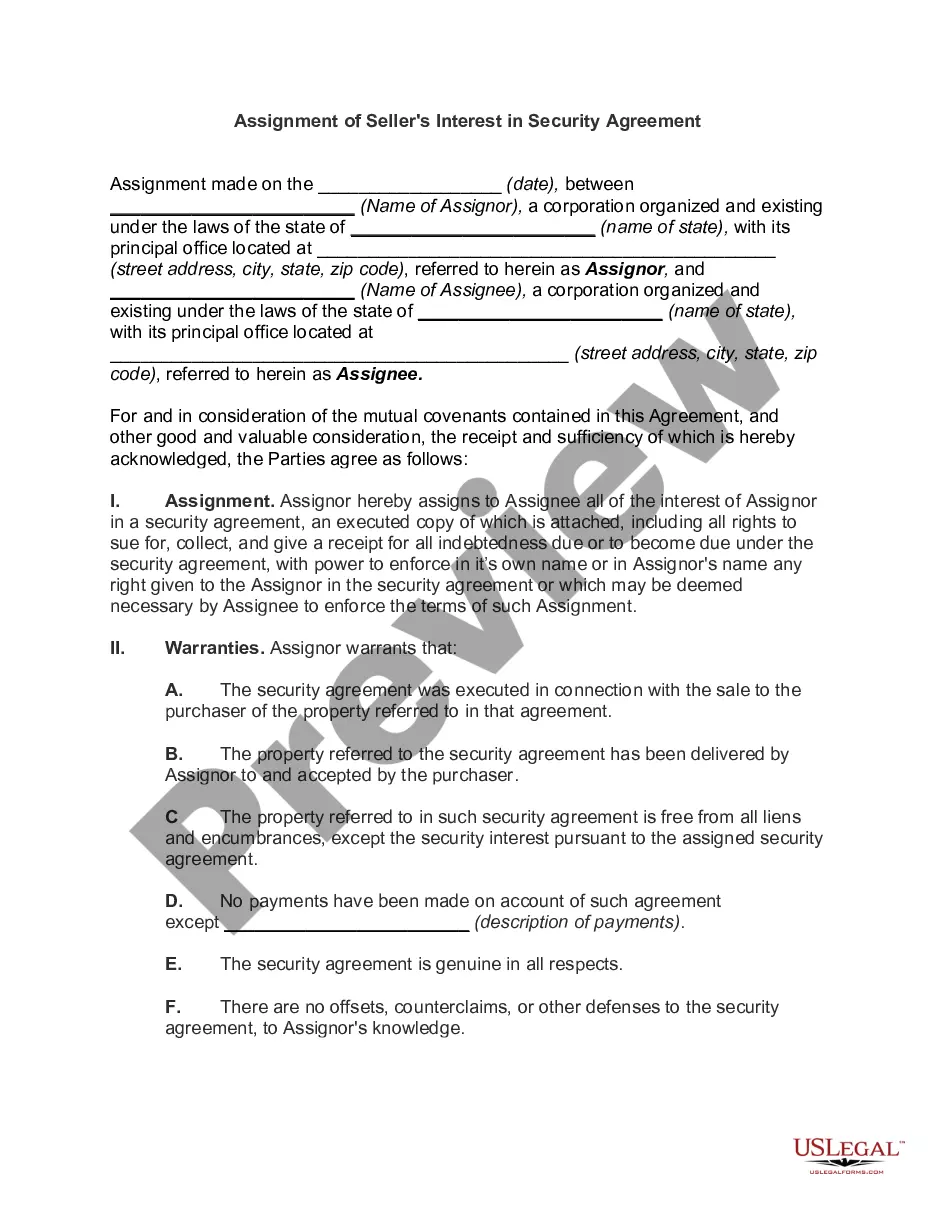
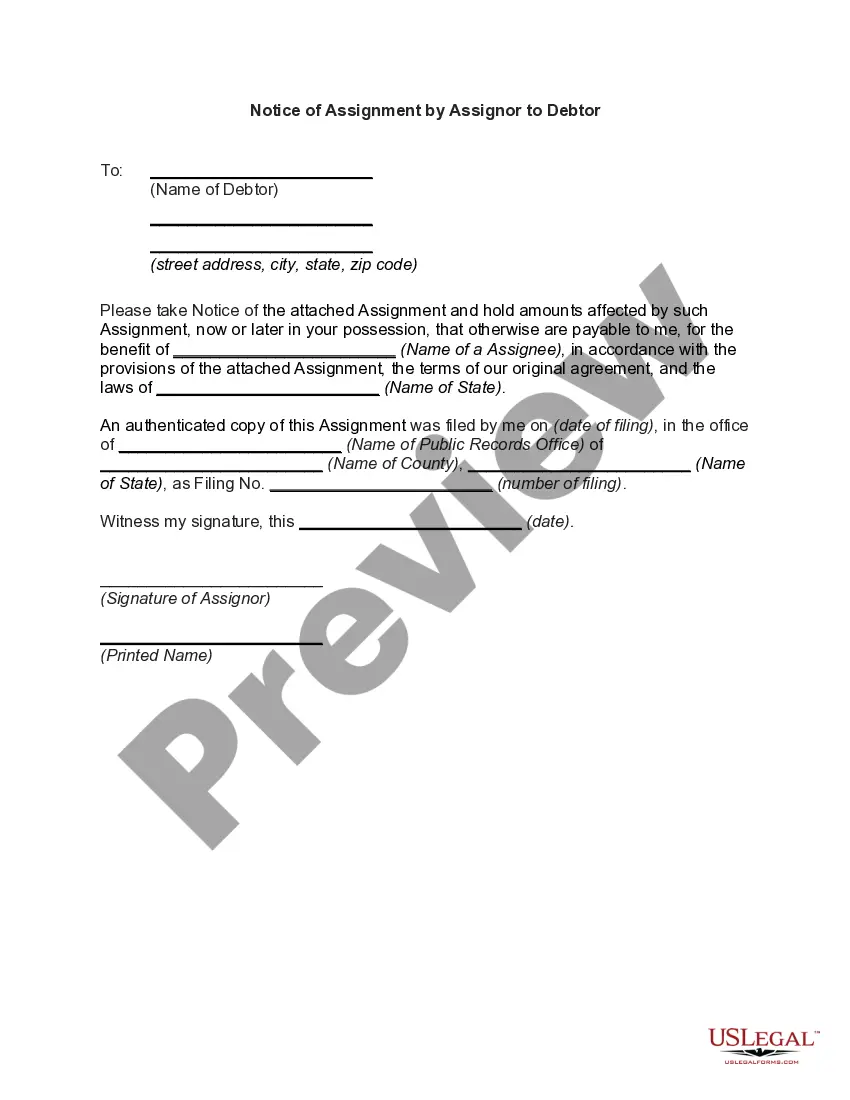
Kentucky Notice of Assignment of Security Interest
Description
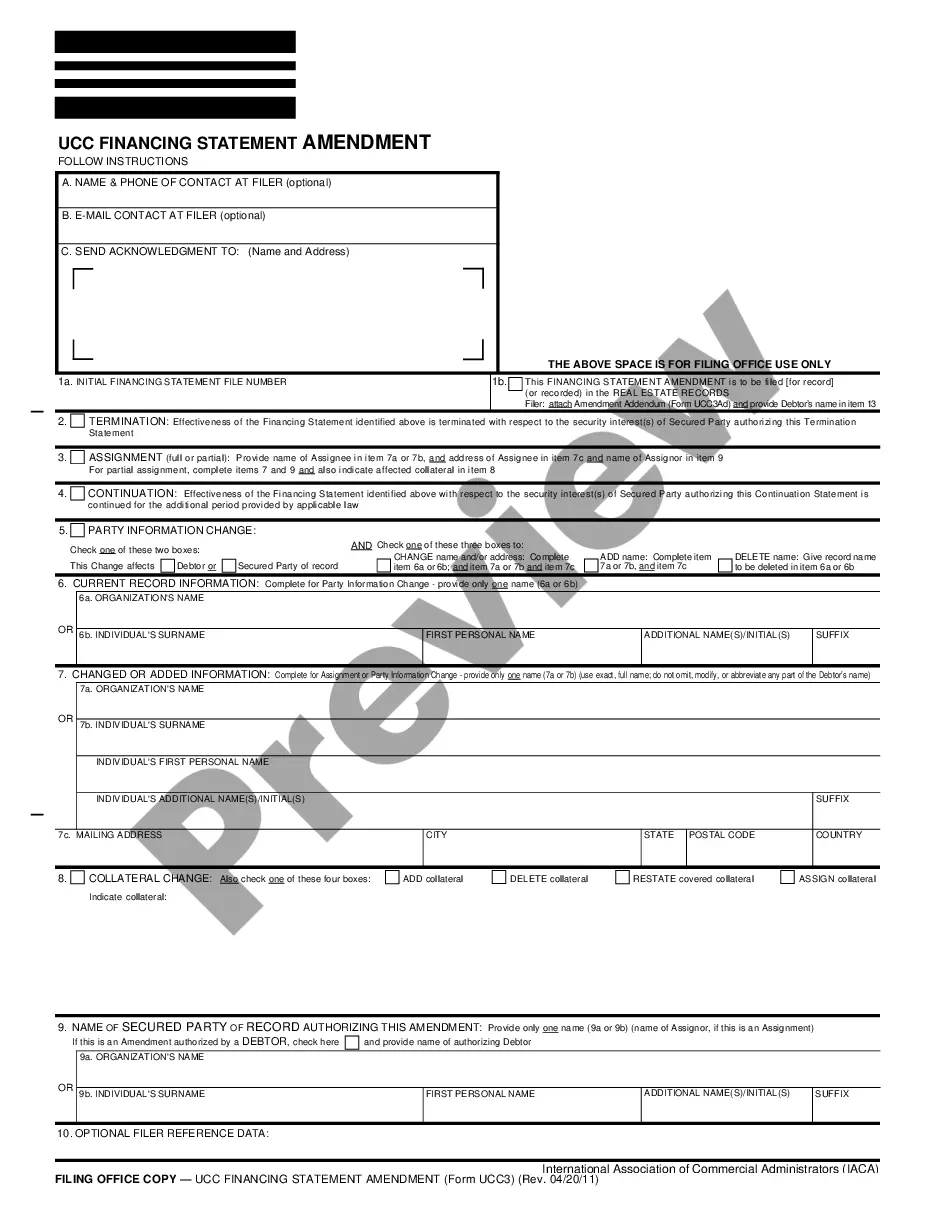
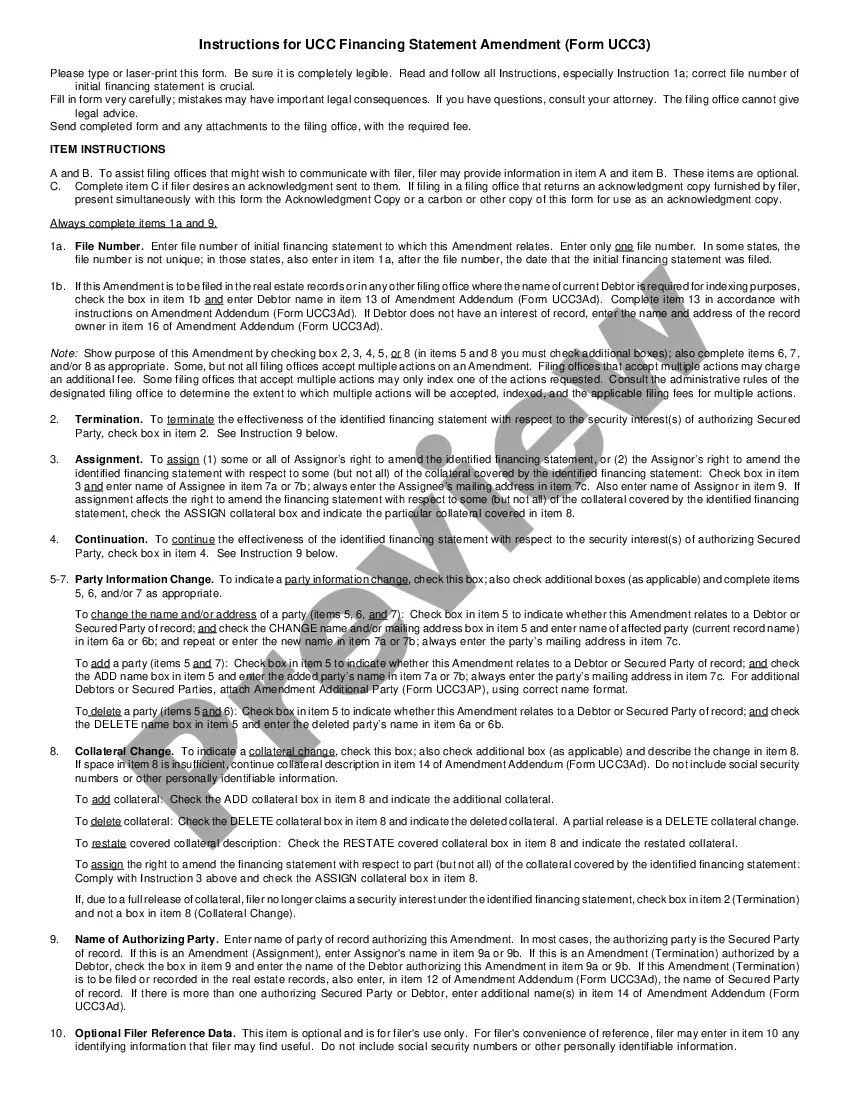

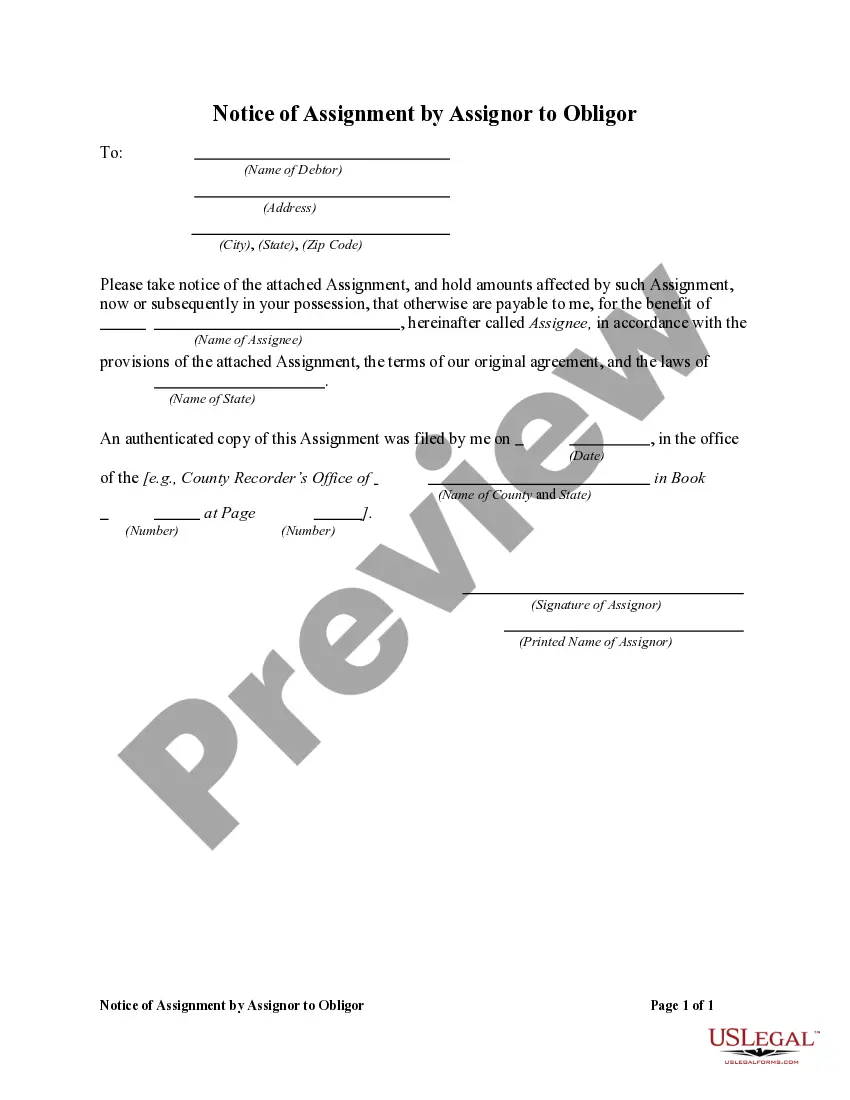
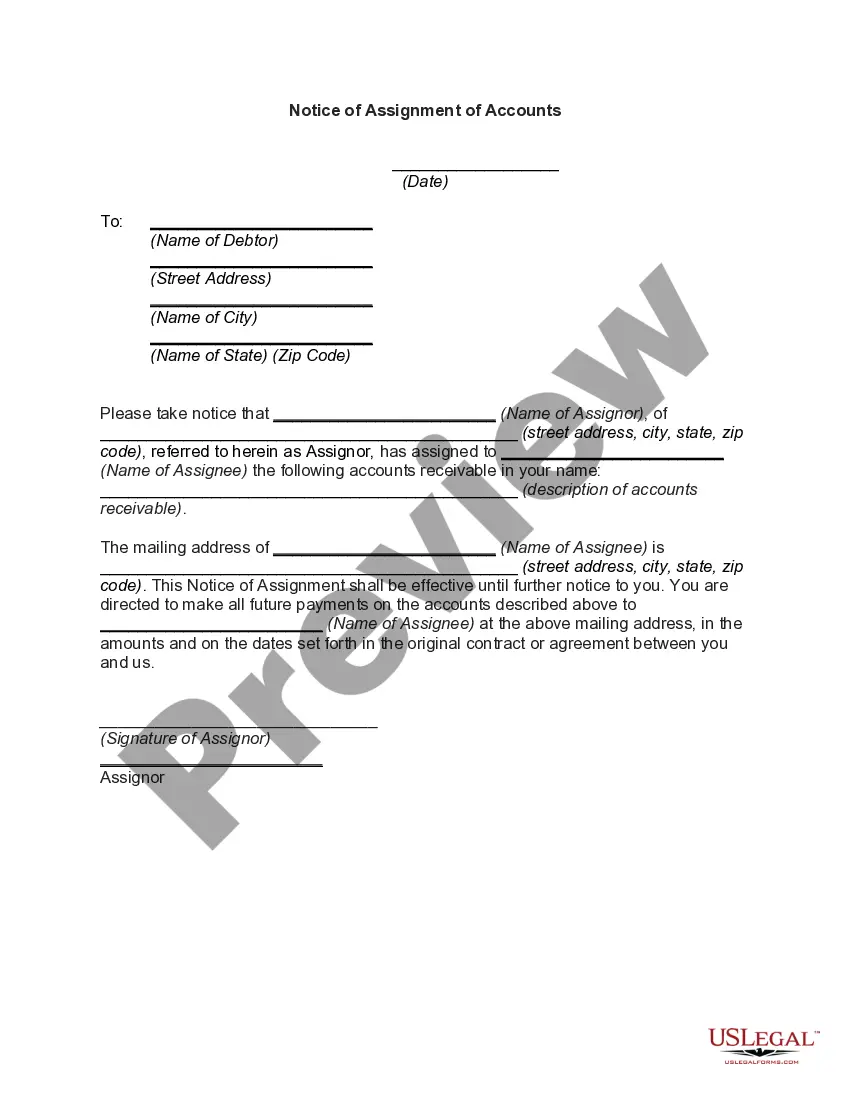
Get your form ready online
Our built-in tools help you complete, sign, share, and store your documents in one place.
Make edits, fill in missing information, and update formatting in US Legal Forms—just like you would in MS Word.
Download a copy, print it, send it by email, or mail it via USPS—whatever works best for your next step.
Sign and collect signatures with our SignNow integration. Send to multiple recipients, set reminders, and more. Go Premium to unlock E-Sign.
If this form requires notarization, complete it online through a secure video call—no need to meet a notary in person or wait for an appointment.
We protect your documents and personal data by following strict security and privacy standards.

Make edits, fill in missing information, and update formatting in US Legal Forms—just like you would in MS Word.

Download a copy, print it, send it by email, or mail it via USPS—whatever works best for your next step.

Sign and collect signatures with our SignNow integration. Send to multiple recipients, set reminders, and more. Go Premium to unlock E-Sign.

If this form requires notarization, complete it online through a secure video call—no need to meet a notary in person or wait for an appointment.

We protect your documents and personal data by following strict security and privacy standards.
Looking for another form?
How to fill out Notice Of Assignment Of Security Interest?
It is feasible to spend hours online searching for the authentic document template that fulfills the state and federal requirements you desire.
US Legal Forms offers thousands of authentic forms that can be evaluated by experts.
You may retrieve or print the Kentucky Notice of Assignment of Security Interest from the services.
If available, use the Preview button to view the document template as well.
- If you already possess a US Legal Forms account, you can Log In and then click the Download button.
- Afterward, you can complete, modify, print, or sign the Kentucky Notice of Assignment of Security Interest.
- Each authentic document template you obtain is yours permanently.
- To acquire another copy of the purchased form, visit the My documents tab and click the appropriate button.
- If you are utilizing the US Legal Forms website for the first time, follow the simple instructions below.
- First, ensure you have selected the correct document template for the county/city of your choice.
- Review the form description to confirm you have chosen the right form.
Form popularity
FAQ
The three requirements of: giving value, debtor rights in the collateral, and an authenticated security agreement apply to the most common types of collateral, such as equipment, inventory and even payments due under a contract.
For a security interest to attach, the following events must have occurred: (A) value must have been given by the Secured Party; (B) the Debtor must have rights in the collateral; and (C) the Secured Party must have been granted a security interest in the collateral.
However, generally speaking, the primary ways for a secured party to perfect a security interest are:by filing a financing statement with the appropriate public office.by possessing the collateral.by "controlling" the collateral; or.it's done automatically upon attachment of the security interest.
In order for a security interest to be enforceable against the debtor and third parties, UCC Article 9 sets forth three requirements: Value must be provided in exchange for the collateral; the debtor must have rights in the collateral or the ability to convey rights in the collateral to a secured party; and either the
Most commonly, a creditor with a valid security interest in a farmer's personal property, in a default situation, can enforce the security agreement by seizing any or all of the security through a civil enforcement agent or by appointing (with or without a court order) a receiver or a receiver and manager.
In order for a security interest to be enforceable against the debtor and third parties, UCC Article 9 sets forth three requirements: Value must be provided in exchange for the collateral; the debtor must have rights in the collateral or the ability to convey rights in the collateral to a secured party; and either the
If at any time any Grantor shall take a security interest in any property of an Account Debtor or any other person to secure payment and performance of an Account, such Grantor shall promptly assign such security interest to the Collateral Agent.
Under Article 9, a security interest is created by a security agreement, under which the debtor grants a security interest in the debtor's property as collateral for a loan or other obligation.
Security interest is an enforceable legal claim or lien on collateral that has been pledged, usually to obtain a loan. The borrower provides the lender with a security interest in certain assets, which gives the lender the right to repossess all or part of the property if the borrower stops making loan payments.
When granting security for a loan, it is common for a borrower to assign to the lender the benefit of its rights under any agreements it has or will enter into. This includes specific agreements already in place and other agreements it might enter into from time to time.