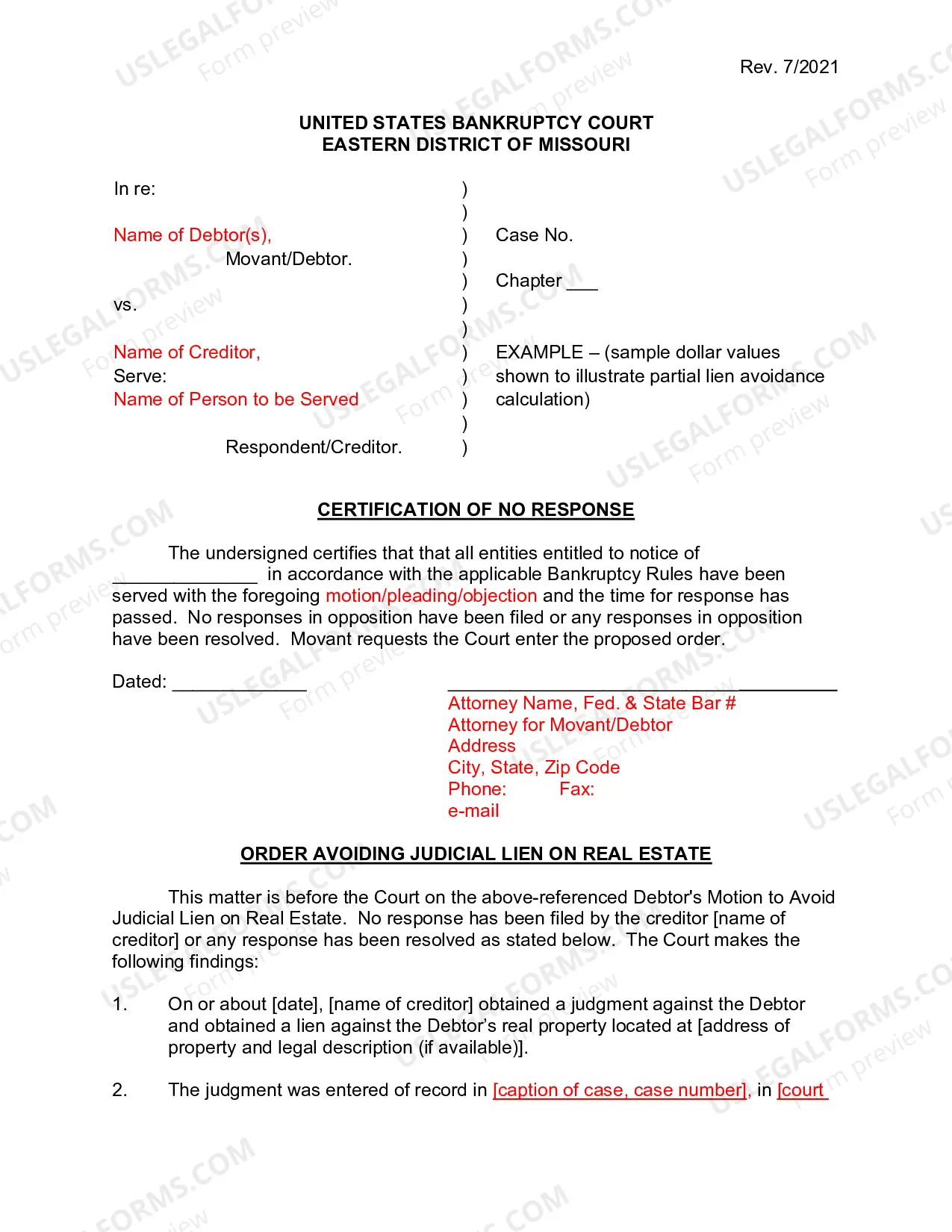
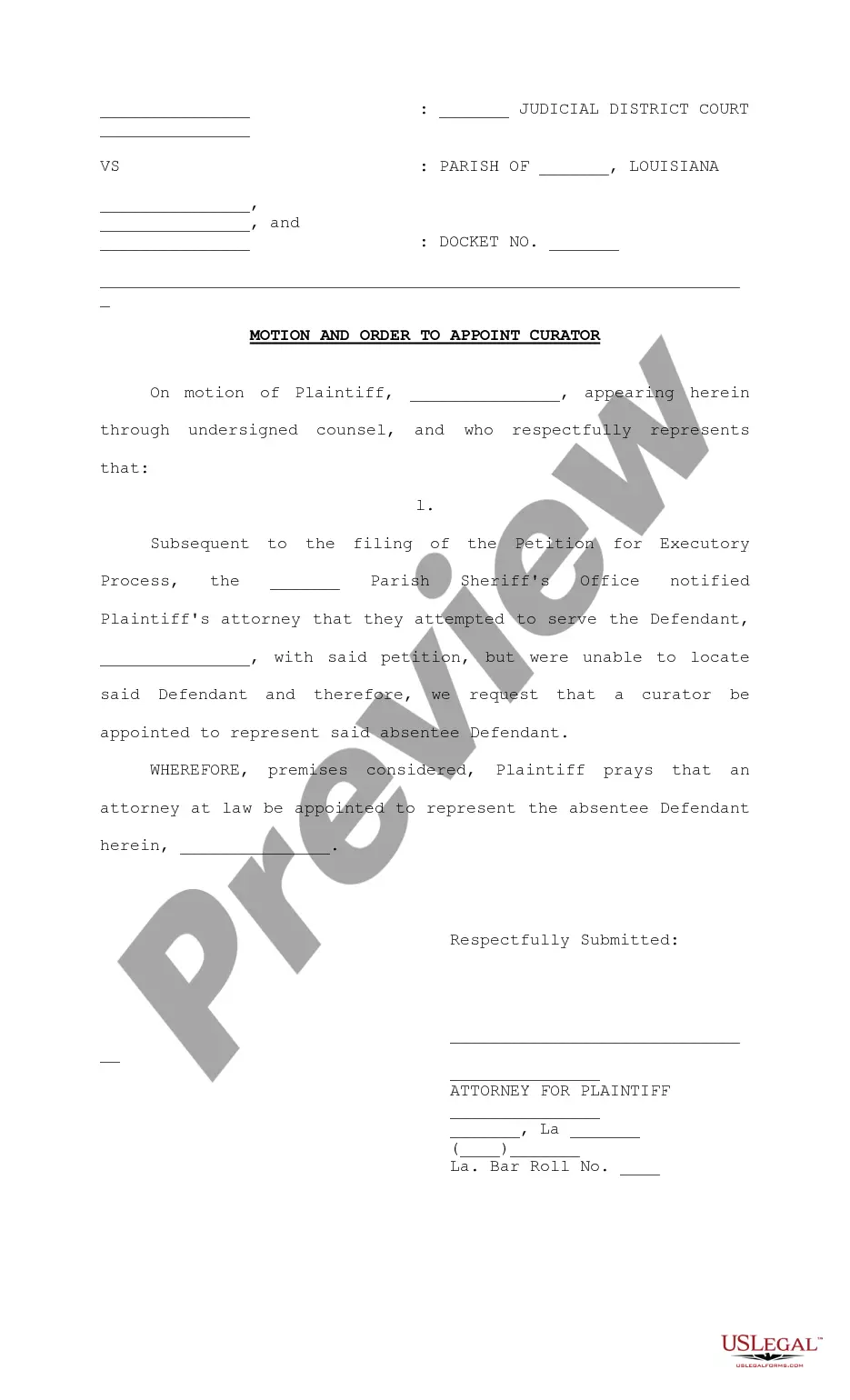
Louisiana Motion and Order to Appoint Curator
Understanding this form
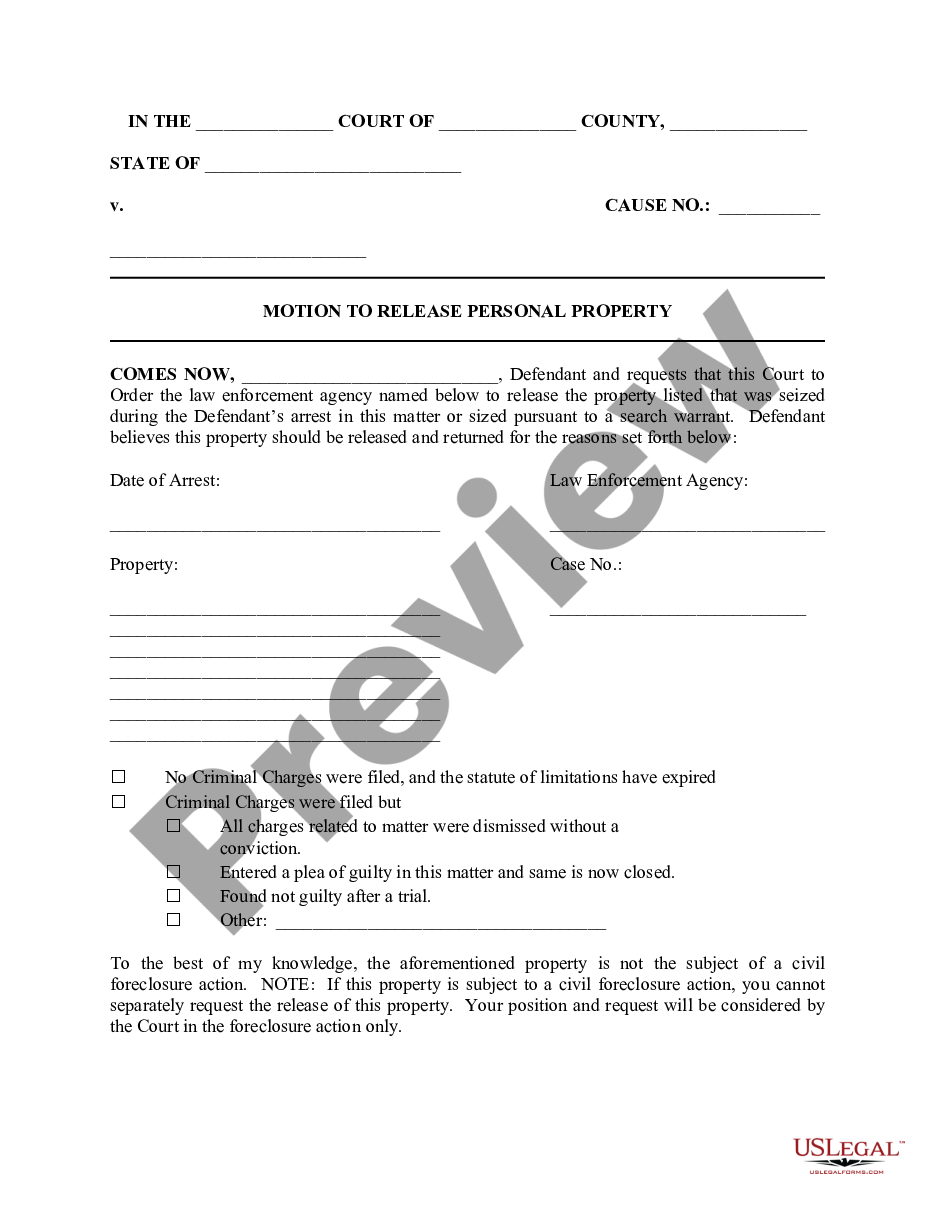
The Motion and Order to Appoint Curator is a legal document used in Louisiana to request a curator be appointed for an absentee defendant in proceedings related to a Petition for Executory Process. This form is crucial when a plaintiff cannot locate the defendant, ensuring that their rights are represented during legal actions concerning mortgage loans. Unlike other legal forms, this motion specifically addresses the need for an attorney to act on behalf of a missing party in a foreclosure context.
Main sections of this form
- Parties involved: Identifies the plaintiff and absentee defendant.
- Case information: Includes the case docket number and parish details.
- Requests for appointment: Details the request for an attorney to represent the absentee defendant.
- Order section: An official order appointing an attorney for the absentee defendant.

When to use this form
This form should be used when a plaintiff has filed a Petition for Executory Process but has been unable to serve the absentee defendant with the necessary legal documents. It is particularly relevant in foreclosure cases where securing legal representation for the defendant is essential to comply with legal procedures in Louisiana.
Who needs this form
- Plaintiffs seeking to enforce a mortgage loan in Louisiana.
- Attorneys representing plaintiffs in real estate foreclosure cases.
- Individuals involved in legal matters concerning absentee defendants.
How to prepare this document
- Identify the plaintiff and defendant, including full names and relevant case information.
- State the attempts made to serve the defendant and the reasons for requesting a curator.
- Enter the name of the attorney proposed for the appointment.
- Review all details for accuracy before submission.
Does this form need to be notarized?
Notarization is not commonly needed for this form. However, certain documents or local rules may make it necessary. Our notarization service, powered by Notarize, allows you to finalize it securely online anytime, day or night.
Get your form ready online
Our built-in tools help you complete, sign, share, and store your documents in one place.
Make edits, fill in missing information, and update formatting in US Legal Forms—just like you would in MS Word.
Download a copy, print it, send it by email, or mail it via USPS—whatever works best for your next step.
Sign and collect signatures with our SignNow integration. Send to multiple recipients, set reminders, and more. Go Premium to unlock E-Sign.
If this form requires notarization, complete it online through a secure video call—no need to meet a notary in person or wait for an appointment.
We protect your documents and personal data by following strict security and privacy standards.

Make edits, fill in missing information, and update formatting in US Legal Forms—just like you would in MS Word.

Download a copy, print it, send it by email, or mail it via USPS—whatever works best for your next step.

Sign and collect signatures with our SignNow integration. Send to multiple recipients, set reminders, and more. Go Premium to unlock E-Sign.

If this form requires notarization, complete it online through a secure video call—no need to meet a notary in person or wait for an appointment.

We protect your documents and personal data by following strict security and privacy standards.
Common mistakes to avoid
- Failing to accurately identify the absentee defendant.
- Not including all required case details, such as the docket number.
- Omitting the specific request for an attorney to be appointed.
Why use this form online
- Convenience of downloading and completing the form at your own pace.
- Editability allows for quick updates and personalizations.
- Access to templates drafted by licensed attorneys ensures reliability.
Looking for another form?
Form popularity
FAQ
You start the process of declaring a person mentally incompetent by filing an official petition with the local district of your state's probate court. At the same time that you are filing to have someone declared mentally incompetent, you are also filing to become their legal guardian.
INTERDICTION is the term used for the plan of having a Court declare a person is not competent to take care of his own affairs and appoints a Curator for that person. In addition to a curator, there will also be an Under-Curator appointed.
Mental incompetence is legally defined as the inability of a person to make or carry out important decisions regarding his or her affairs. This inability prohibits an individual from consenting to their decisions and understanding their consequences.
Transitive verb. 1 : to lay under or prohibit by an interdict. 2 : to forbid in a usually formal or authoritative manner. 3a : to destroy, damage, or cut off (something, such as an enemy line of supply) by firepower to stop or hamper an enemy.
An adult whose competency is in question must be represented by an attorney at a hearing. If the court finds that the person is incompetent to exercise some or all decision-making authority, then the court must decide who is the appropriate person to take on decision-making for the incompetent person.
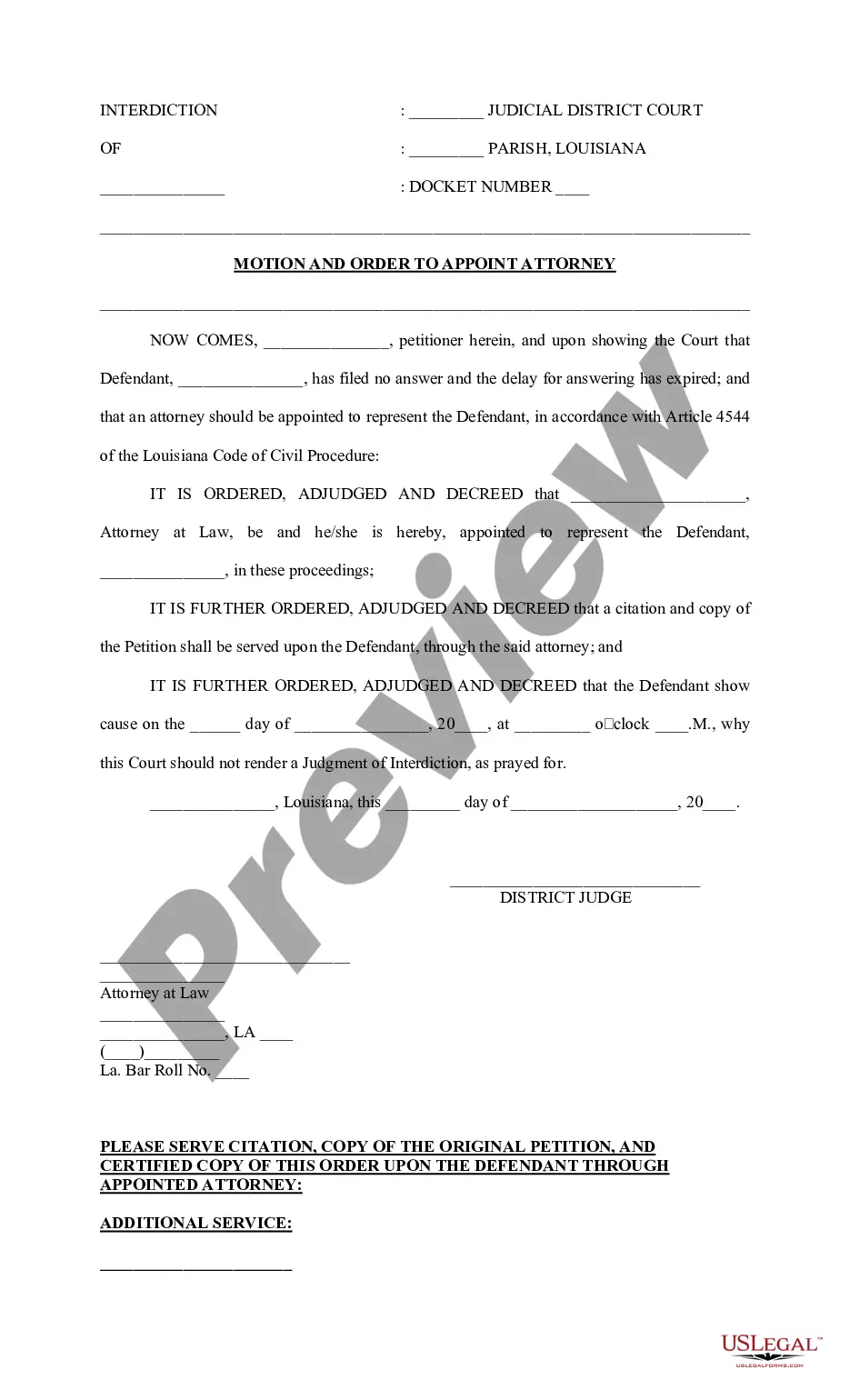
A. A curator is the person appointed by the court to care for the interdicted person or his affairs, make decisions for the interdicted person, or to act in the place of the interdicted person.
What is a Curator? A curator may be appointed by the state's probate courts to take charge of the estate until a letter of administration is issued. Curators are neutral and appointed temporarily. Curators are only appointed to estates that need a person in control to prevent any damage to beneficiaries and creditors.