Louisiana Judgment for Expungement of Juvenile Record
What is this form?
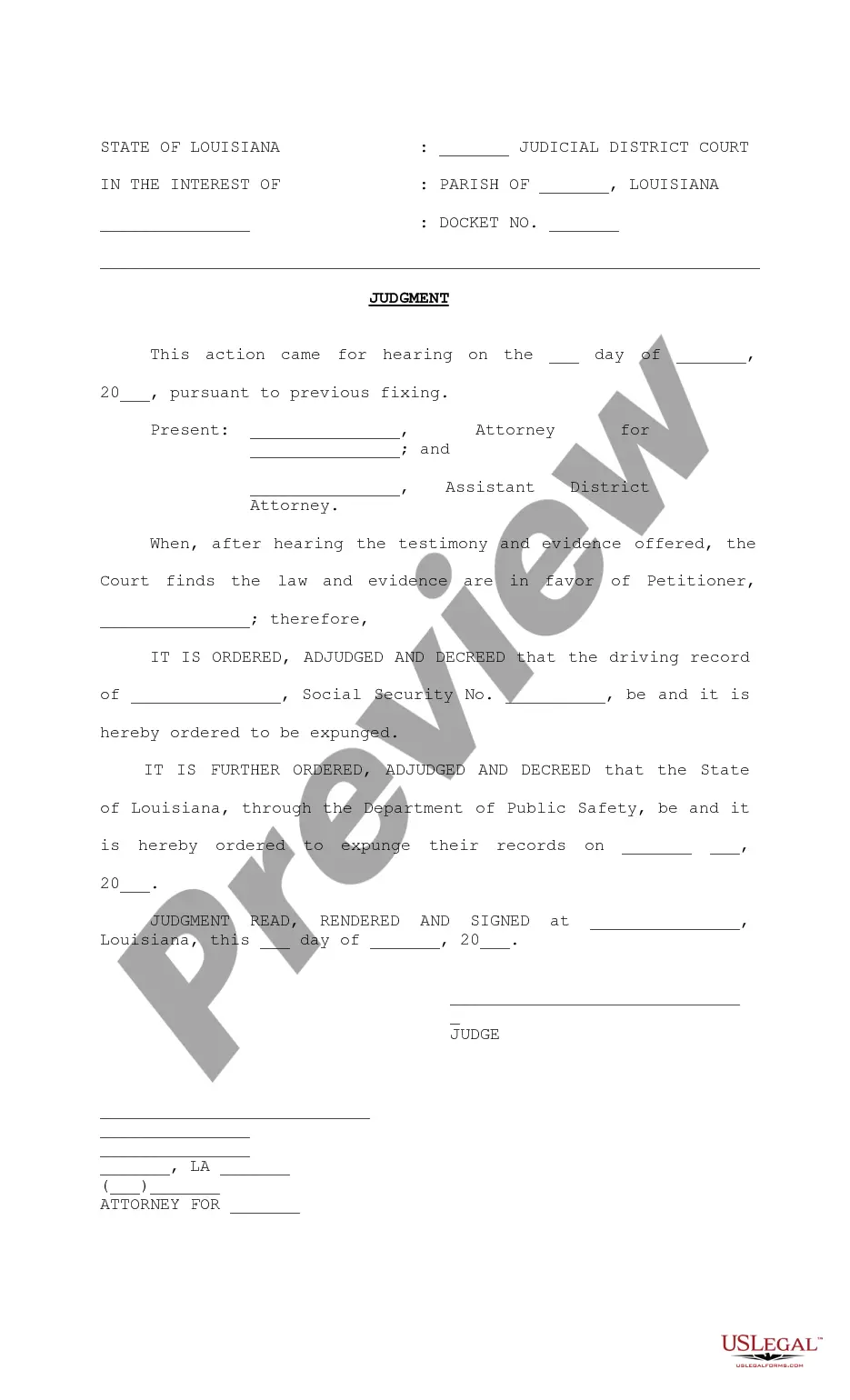
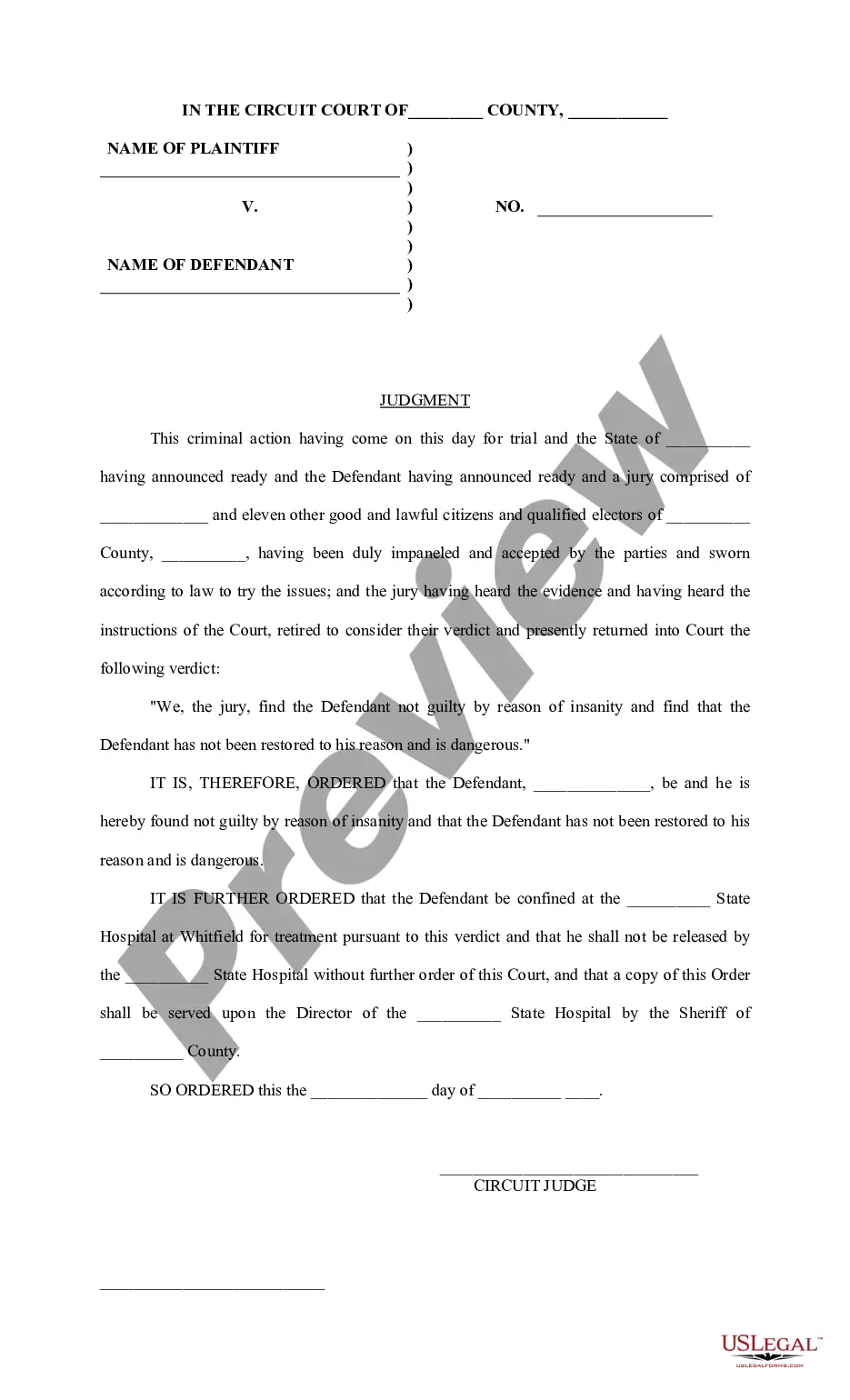
The Judgment for Expungement of Juvenile Record is a legal document that officially orders the expungement of a juvenile's driving record in Louisiana. This form is used to conclude a court's findings in favor of the petitioner, which leads to the annulment and destruction of records related to an arrest or court proceedings. It is specifically designed for cases involving juvenile offenses, distinguishing it from expungement forms for adults or other types of records.
Key parts of this document
- Petitioner's name and Social Security number
- Docket number and court details
- Findings of fact by the court
- Order for the Department of Public Safety to expunge records
- Signatures of the judge and legal representatives
When this form is needed
This form should be used when a juvenile seeks to have their driving record expunged due to a previous offense. It is pertinent in scenarios where the juvenile has completed all requirements set by the court, and is looking to eliminate the records to avoid future implications such as difficulties in employment or educational opportunities.
Who this form is for
- Juveniles who have completed their court-ordered requirements related to the offense.
- Parents or guardians filing on behalf of a minor.
- Legal representatives assisting in the expungement process.
How to complete this form
- Complete the heading with the correct court name and jurisdiction.
- Fill in the docket number and details of the petitioner, including their Social Security number.
- Include the date of the hearing and any relevant legal representation information.
- Clearly state the findings made by the court in favor of the petitioner.
- Finalize the document by obtaining the necessary signatures from the judge and legal representatives.
Does this form need to be notarized?
This form does not typically require notarization unless specified by local law. However, it is important to check with your local court for any specific requirements in Louisiana related to notarization.
Get your form ready online
Our built-in tools help you complete, sign, share, and store your documents in one place.
Make edits, fill in missing information, and update formatting in US Legal Forms—just like you would in MS Word.
Download a copy, print it, send it by email, or mail it via USPS—whatever works best for your next step.
Sign and collect signatures with our SignNow integration. Send to multiple recipients, set reminders, and more. Go Premium to unlock E-Sign.
If this form requires notarization, complete it online through a secure video call—no need to meet a notary in person or wait for an appointment.
We protect your documents and personal data by following strict security and privacy standards.
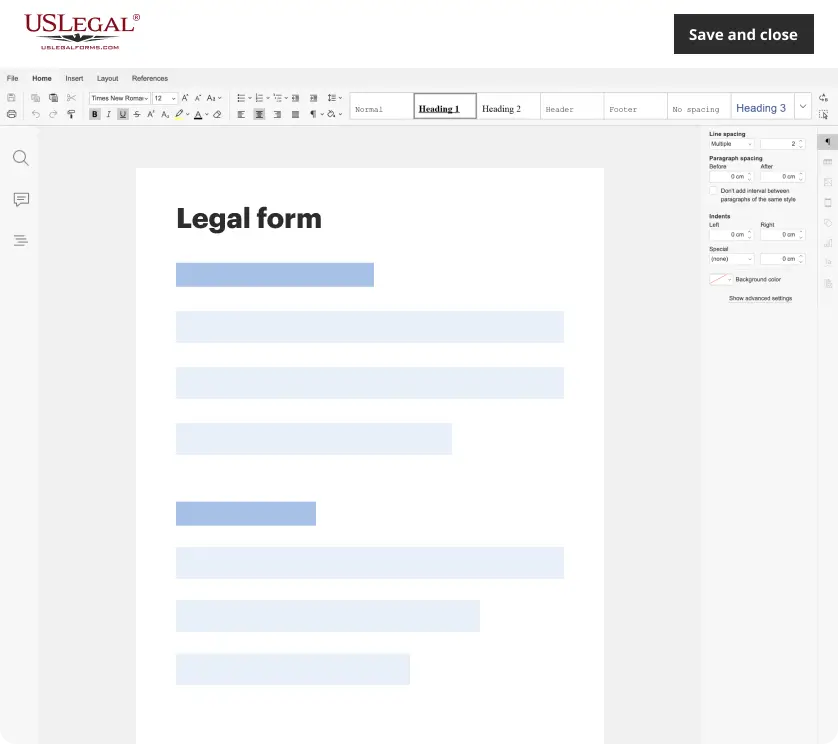
Make edits, fill in missing information, and update formatting in US Legal Forms—just like you would in MS Word.
Download a copy, print it, send it by email, or mail it via USPS—whatever works best for your next step.
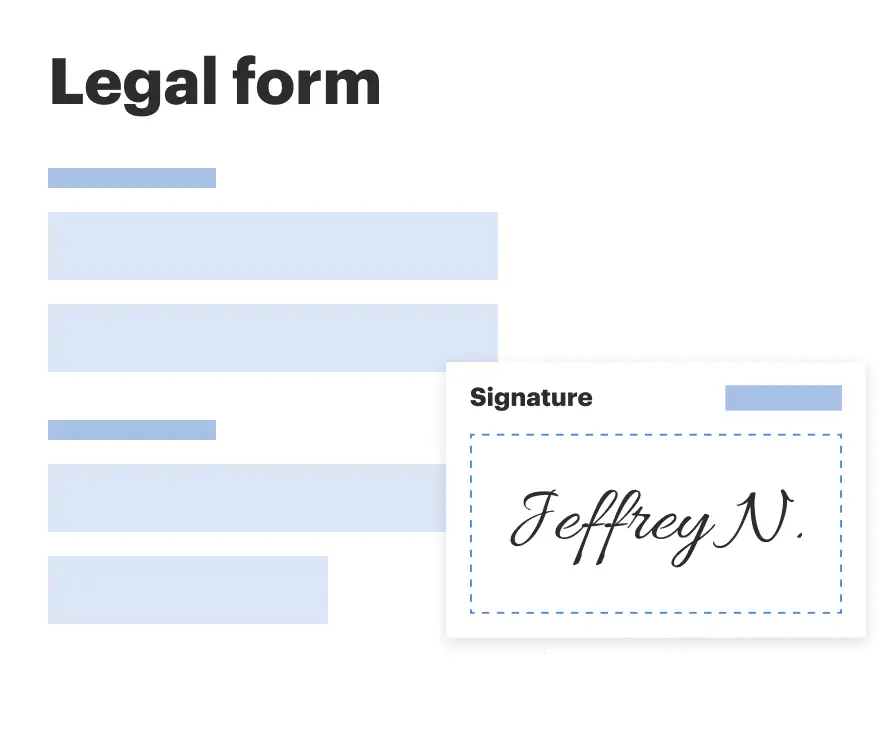
Sign and collect signatures with our SignNow integration. Send to multiple recipients, set reminders, and more. Go Premium to unlock E-Sign.
If this form requires notarization, complete it online through a secure video call—no need to meet a notary in person or wait for an appointment.
We protect your documents and personal data by following strict security and privacy standards.
Mistakes to watch out for
- Incorrectly filling out the petitionerâs personal information.
- Forgetting to include the correct docket number.
- Failing to obtain the judgeâs signature before submitting the form.
- Misunderstanding the courtâs findings and incorrectly stating them in the document.
Why use this form online
- Convenient access to a legally-vetted document that can be downloaded and completed at your own pace.
- Editability ensures that you can make necessary changes before finalizing.
- Reliability with templates drafted by licensed attorneys, reducing the risk of errors.
Main things to remember
- The Judgment for Expungement of Juvenile Record is essential for eliminating a juvenile's driving offenses from public records.
- It is specific to Louisiana and contains important legal components that must be accurately filled out.
- Proper completion and filing can significantly benefit the petitioner by removing barriers to employment and education.
Looking for another form?
Form popularity
FAQ
The Limits of Expunging Your Criminal Record. If you've successfully expunged, or sealed, your criminal record, in most situations you can answer No when asked whether you have a record.
In some states, once sealed or expunged, all records of an arrest and/or subsequent court case are removed from the public record, and the individual may legally deny or fail to acknowledge ever having been arrested for or charged with any crime which has been expunged.
ANSWER: It usually takes three to four months, from beginning to end, to have a matter expunged from your Louisiana criminal history.
Always begin the letter with a formal greeting, such as "Dear Judge...", before composing the rest of the letter. Then, write the first paragraph of your letter by explaining why you are writing, what charge you wish to have expunged, and a short description of why you feel it should be expunged.
To expunge a felony conviction, the rule used to be that ten years must have elapsed since the completion of any sentence, deferred adjudication, or period of probation or parole, and you must not have been convicted of any other criminal offense during the ten-year period, nor have criminal charges pending when you
No, your juvenile record does not automatically go away once you turn 18 years old. In general, juvenile records are kept confidential.To limit who can view your juvenile record, you must file a Petition to Expunge Juvenile Arrest Record.
Always begin the letter with a formal greeting, such as "Dear Judge...", before composing the rest of the letter. Then, write the first paragraph of your letter by explaining why you are writing, what charge you wish to have expunged, and a short description of why you feel it should be expunged.
Records of juvenile convictions and detention that have been sealed by a court typically do not appear in such a search. An FBI background check is typically used to screen candidates for federal government agencies and companies that work with and for them.
In California, employers are prohibited by law from asking applicants about a past conviction that has been expunged.However, if an applicant is applying for a state LICENSE (for instance, a teaching license) rather than a JOB, then he is obligated to disclose anY expunged convictions.