Louisiana Renunciation of Unopened Succession
What is this form?
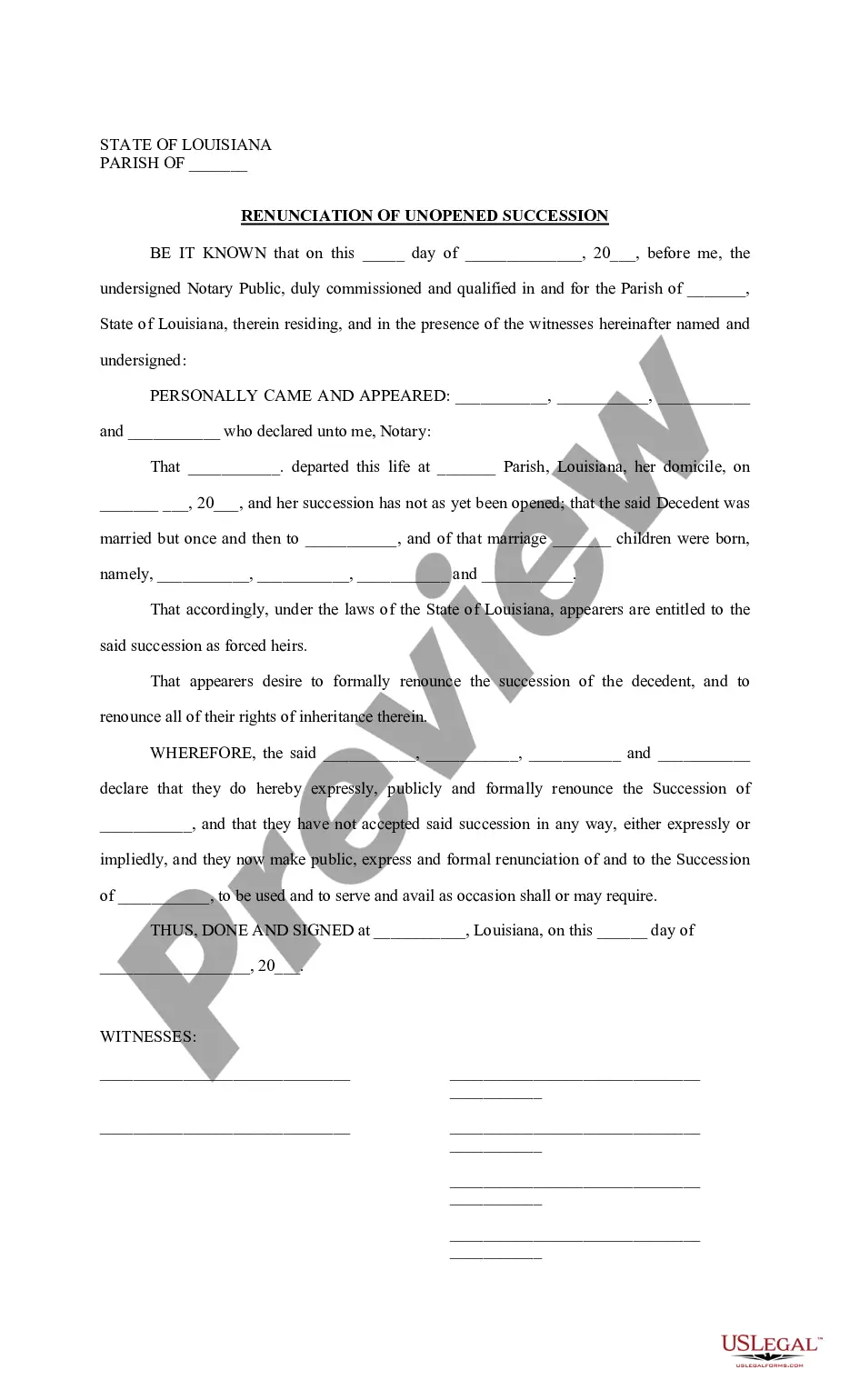
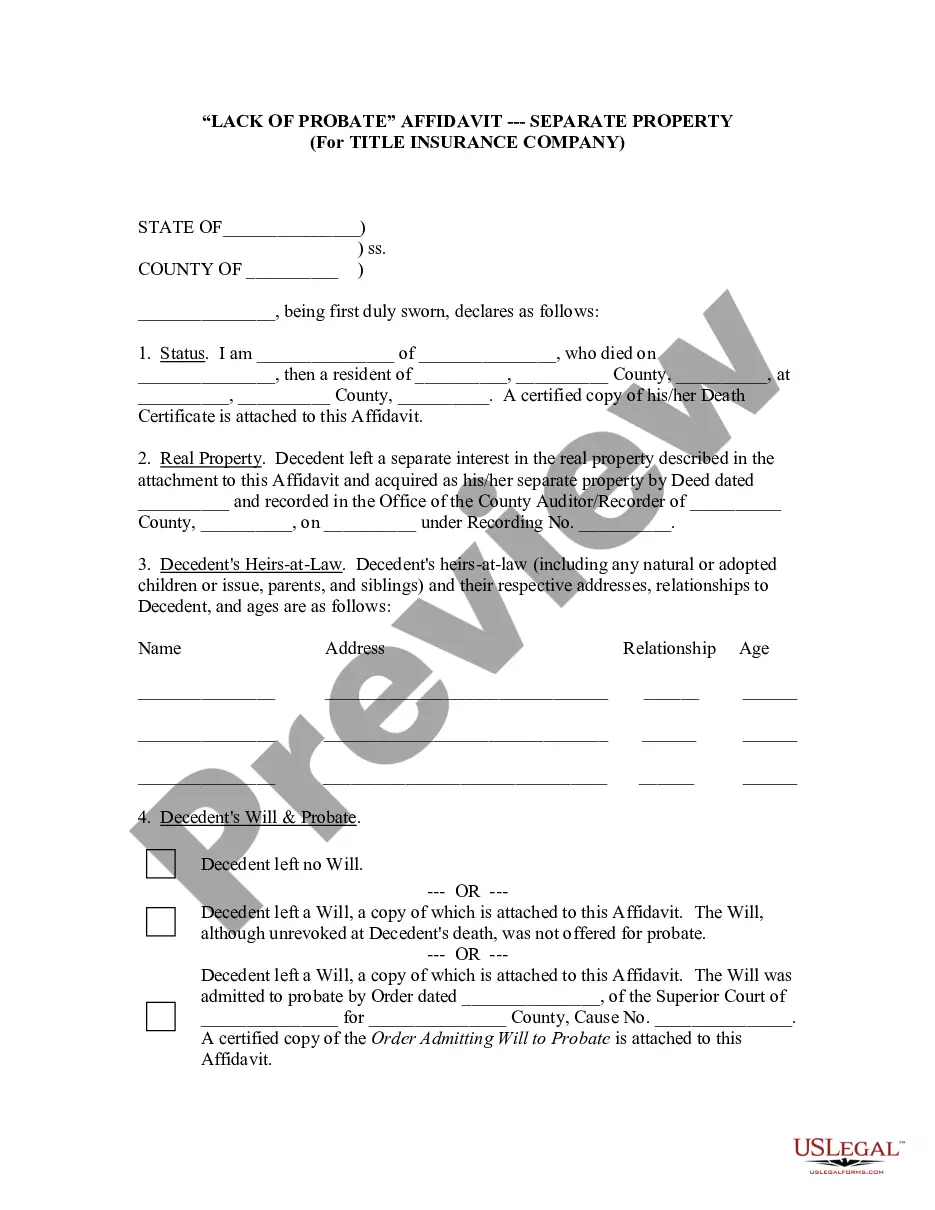
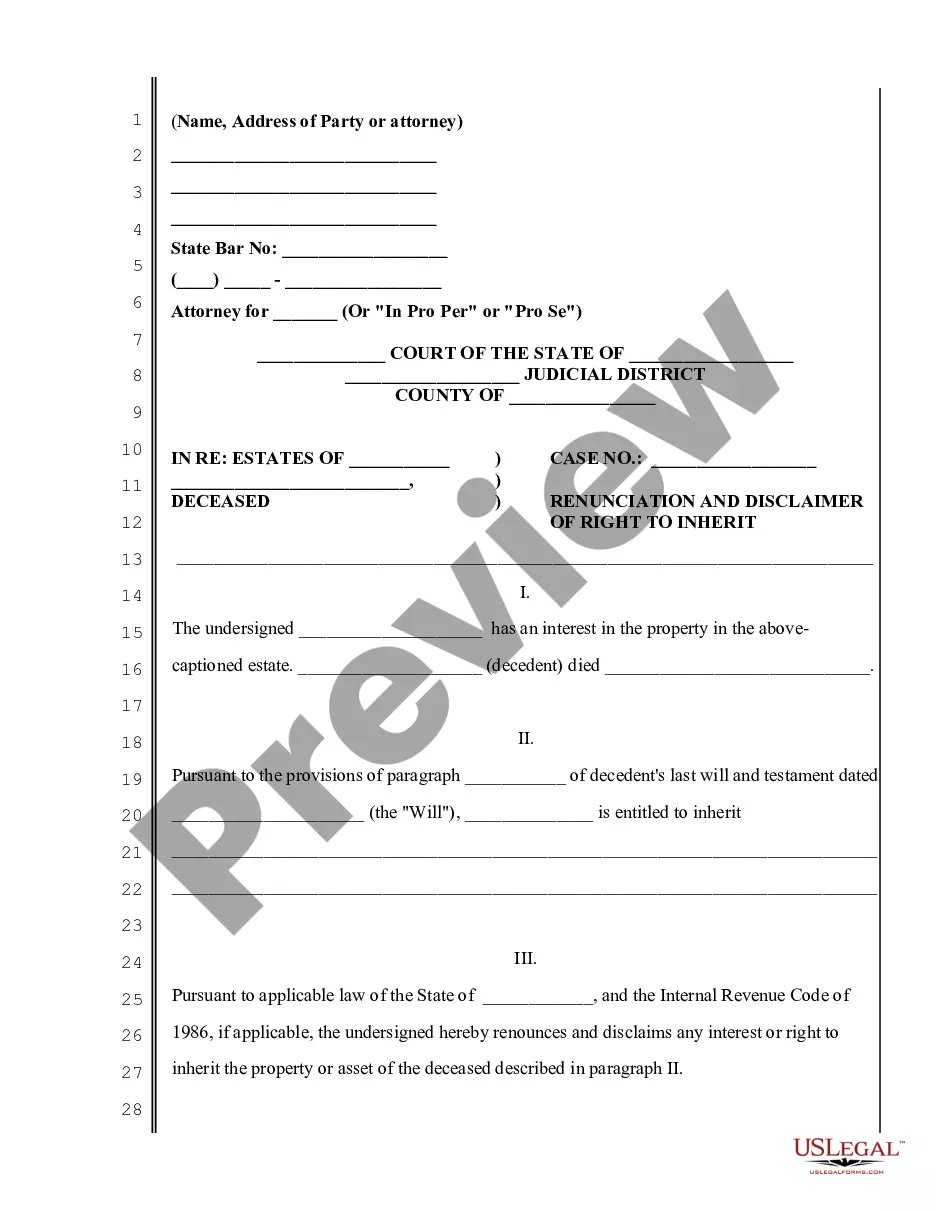
The Renunciation of Unopened Succession is a legal document through which heirs formally renounce their rights to inherit from a deceased individual's estate, known as a succession. This form is specifically designed for scenarios where the succession has not yet been opened, allowing heirs to declare their inability or unwillingness to accept inheritance rights. Unlike other inheritance-related documents, this form serves to officially decline any claims or benefits from the estate before it is administered.
Main sections of this form
- Declaration of Intent: A written statement where the appearers affirm their decision to renounce their succession rights.
- Identification of Heirs: Names and relationships of those renouncing their inheritance.
- Details of the Deceased: Information about the decedent, including name and domicile.
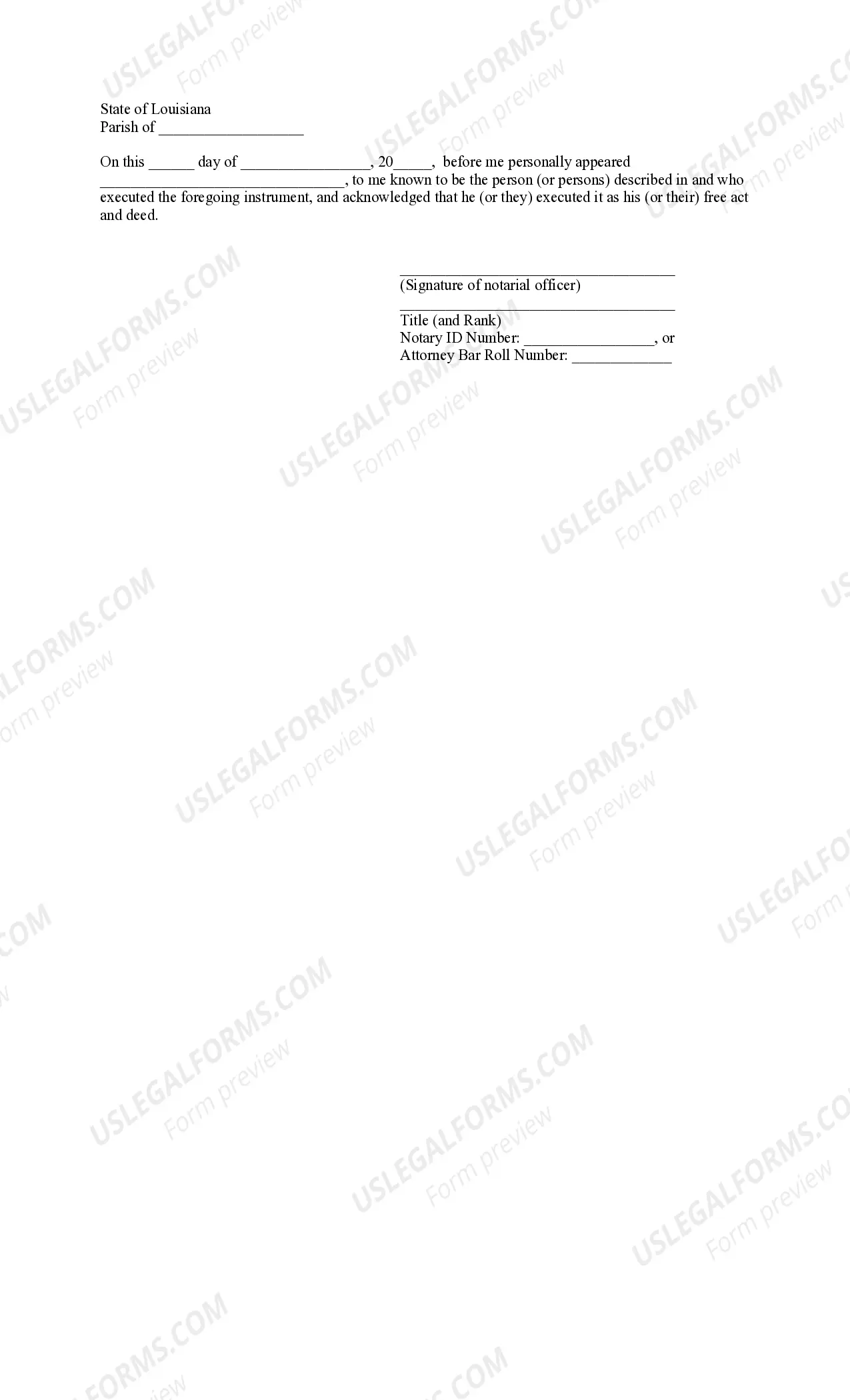
- Notary Acknowledgment: A section for notarization, validating the authenticity of the document.
- Witness Signatures: Spaces for witnesses to sign, adding an extra layer of validation.
When this form is needed
This form should be used when heirs wish to formally reject their rights to an unopened succession after the passing of a decedent. Typical scenarios include when heirs do not want to assume potential liabilities associated with the estate or when they are not interested in any assets. This form is essential for those wanting to clearly communicate their decision to avoid future disputes regarding inheritance rights.
Who this form is for
- Individuals named as heirs in a will or under state inheritance laws.
- Heirs who do not wish to accept their share of the estate.
- Family members and beneficiaries looking to prevent any legal complications related to an unopened succession.
How to complete this form
- Identify the parties involved, ensuring all heirs renouncing their rights are listed.
- Specify the details of the deceased, including their full name and location of domicile.
- Enter the date of death and relevant marital information of the decedent.
- Clearly state the intent to renounce inheritance rights in the designated section.
- Have the form signed in the presence of a notary public and witnesses, as required.
Does this document require notarization?
To make this form legally binding, it must be notarized. Our online notarization service, powered by Notarize, lets you verify and sign documents remotely through an encrypted video session.
Get your form ready online
Our built-in tools help you complete, sign, share, and store your documents in one place.
Make edits, fill in missing information, and update formatting in US Legal Forms—just like you would in MS Word.
Download a copy, print it, send it by email, or mail it via USPS—whatever works best for your next step.
Sign and collect signatures with our SignNow integration. Send to multiple recipients, set reminders, and more. Go Premium to unlock E-Sign.
If this form requires notarization, complete it online through a secure video call—no need to meet a notary in person or wait for an appointment.
We protect your documents and personal data by following strict security and privacy standards.

Make edits, fill in missing information, and update formatting in US Legal Forms—just like you would in MS Word.

Download a copy, print it, send it by email, or mail it via USPS—whatever works best for your next step.

Sign and collect signatures with our SignNow integration. Send to multiple recipients, set reminders, and more. Go Premium to unlock E-Sign.

If this form requires notarization, complete it online through a secure video call—no need to meet a notary in person or wait for an appointment.

We protect your documents and personal data by following strict security and privacy standards.
Mistakes to watch out for
- Failing to include all necessary heirs in the renunciation.
- Not providing complete information about the decedent.
- Omitting witness signatures or notary acknowledgment.
- Using outdated or incorrect versions of the form.
- Not clarifying the specific estate or succession being renounced.
Why use this form online
- Convenient downloads that save time and effort.
- Editability allows users to fill in the form digitally before printing.
- Access to professionally drafted forms ensures legal compliance.
- 24/7 availability for immediate use whenever required.
What to keep in mind
- The Renunciation of Unopened Succession is a vital legal document for heirs wishing to relinquish their inheritance rights.
- This form is specific to Louisiana law, ensuring compliance with local statutes.
- Proper completion and notarization of the form are essential for it to be effective.
Looking for another form?
Form popularity
FAQ
A beneficiary of an estate, whether by Will or the laws of intestacy is perfectly within their rights to reject their inheritance. Beneficiaries may wish to vary dispositions of property following death in order to redirect benefits to other family members who are more in need or less well provided for and to save tax.
Disclaim Inheritance, Definition In a nutshell, it means you're refusing any assets that you stand to inherit under the terms of someone's will, a trust or, in the case of a person who dies intestate, the inheritance laws of your state.
If you refuse to accept an inheritance, you will not be responsible for inheritance taxes, but you'll have no say in who receives the assets in your place. The bequest passes either to the contingent beneficiary listed in the will or, if that person died without a will, according to your state's laws of intestacy.
A succession (probate) is required when there is no other method to transfer a deceased person's assets to their heirs.If someone who owns real estate in Louisiana dies while domiciled in another state, a succession will have to be opened to transfer the Louisiana property to the heirs.
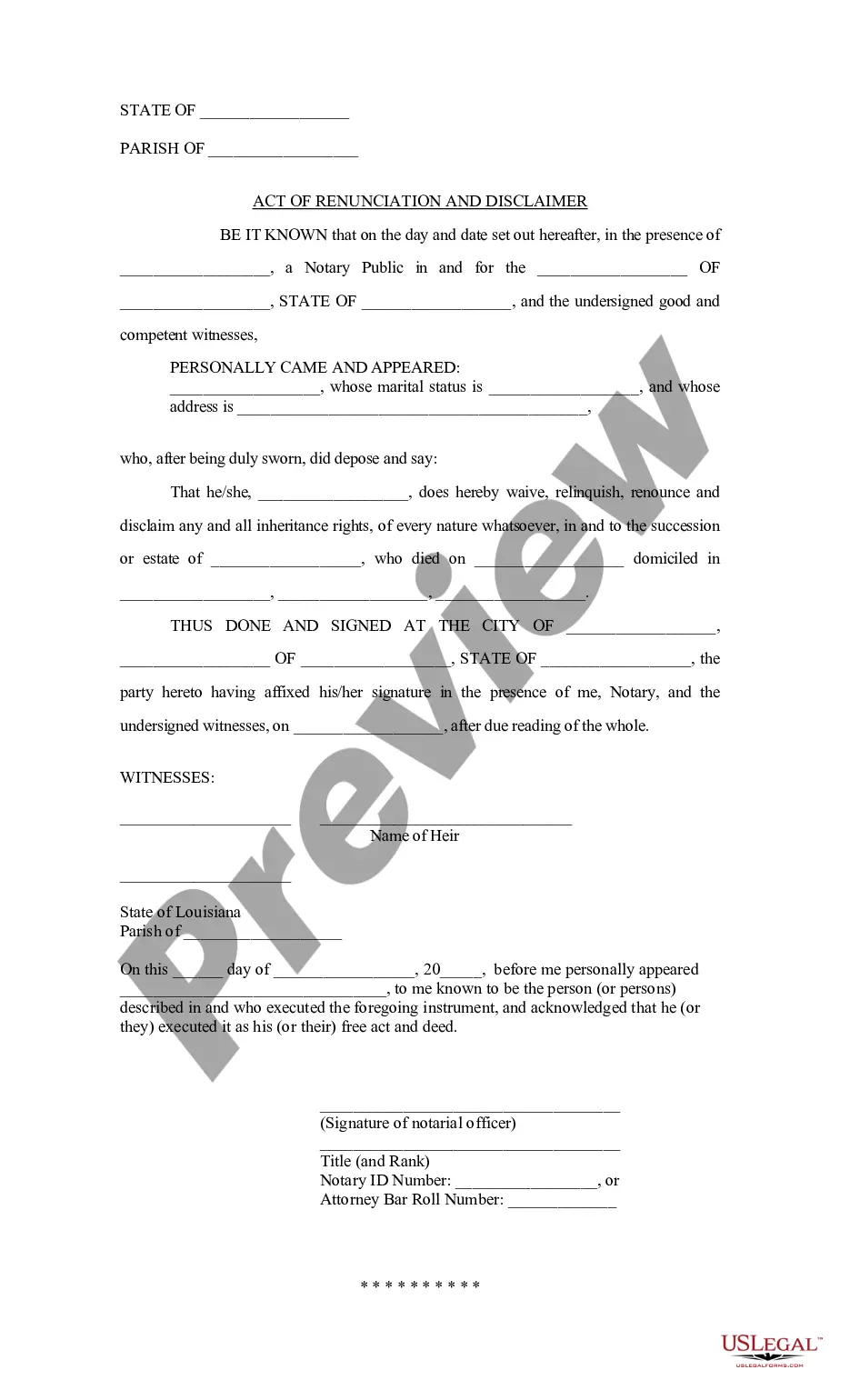
In the law of inheritance, wills and trusts, a disclaimer of interest (also called a renunciation) is an attempt by a person to renounce their legal right to benefit from an inheritance (either under a will or through intestacy) or through a trust.A disclaimer of interest is irrevocable.
Technically, there is no time limit on opening a succession in Louisiana. It can be done months or even years after a person's death. However, it's recommended that the probate process be started soon as possible.
When you relinquish property, you don't get any say in who inherits in your place. If you want to control who gets the inheritance, you must accept it and give it to that person. If you relinquish the property and the deceased didn't name a back-up heir, the court will apply state law to decide who inherits.
Maximum $125,000 (CCP 3421 Small Successions Defined) Laws CCP 3432. Step 1 Write in the full name of the person who died. Step 2 Write in the State and County or Parish in which the decedent resided at the time of death. Step 3 Write in the names of the two people signing the petition.