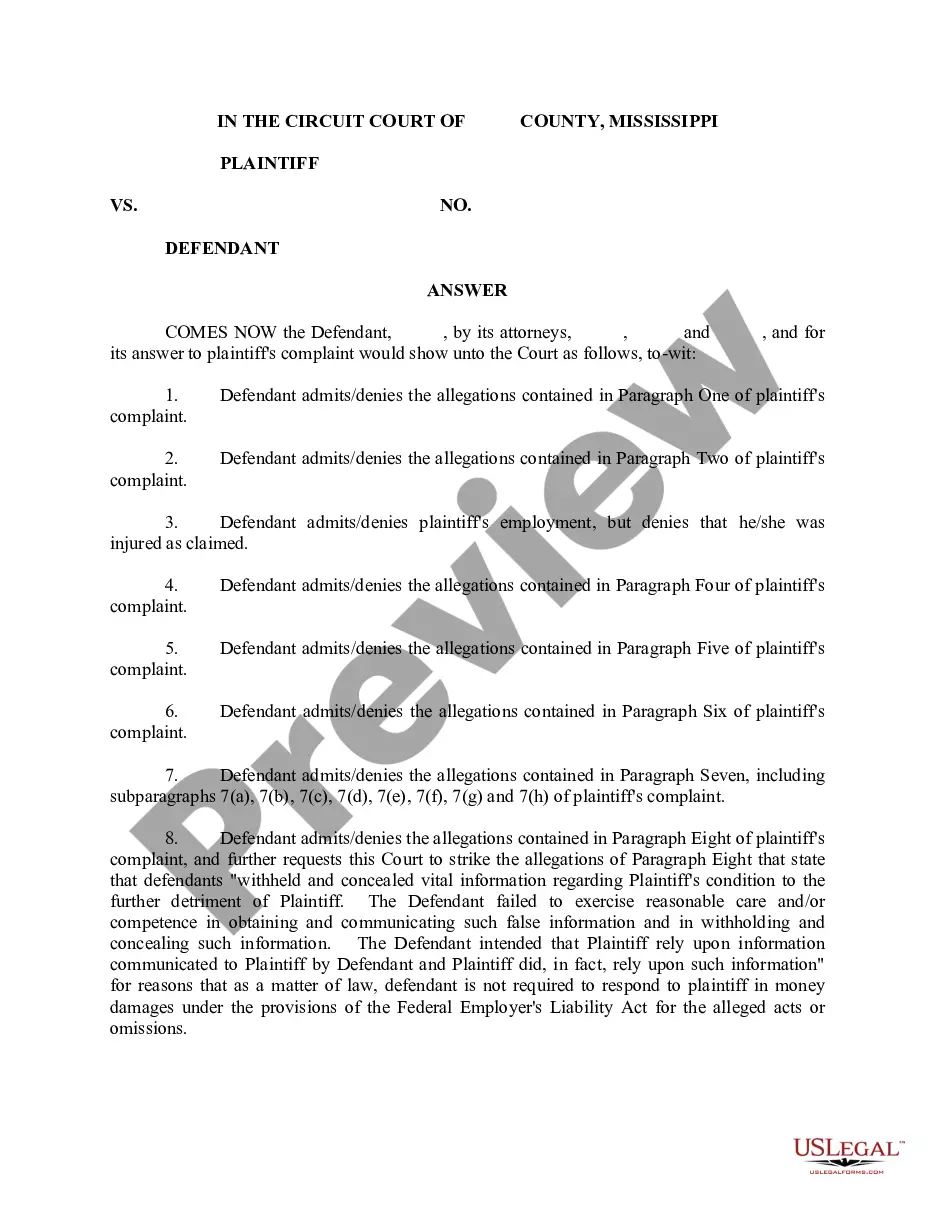
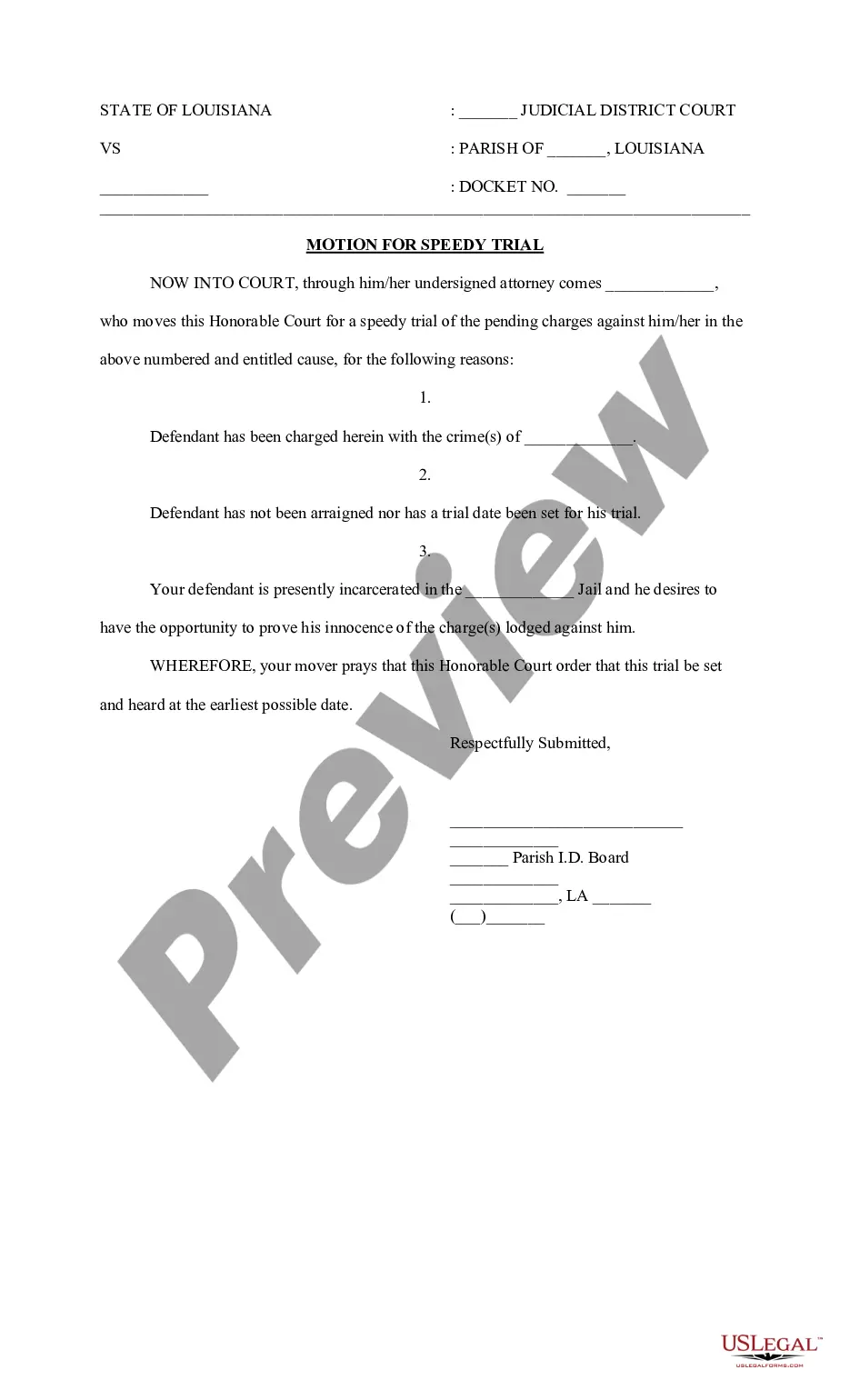
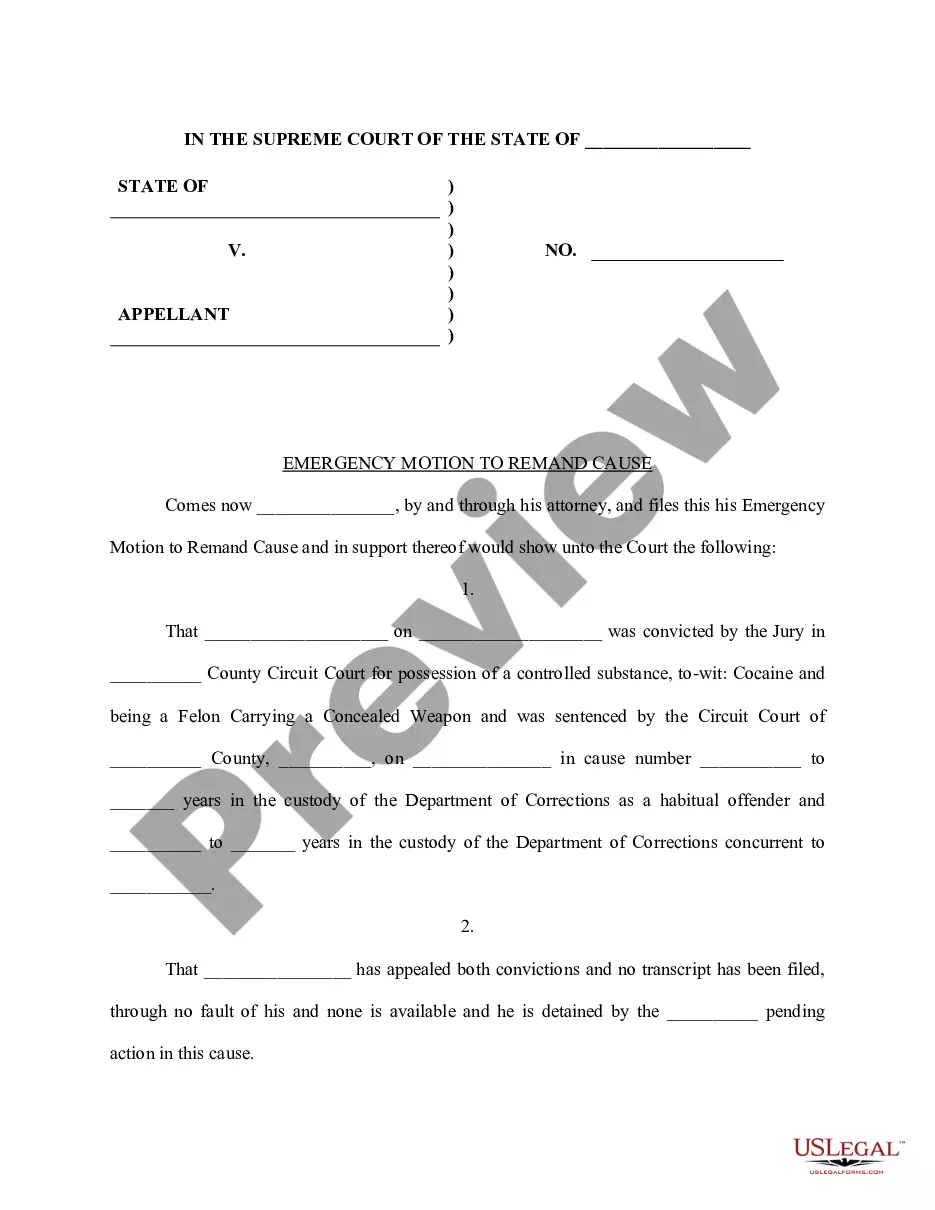
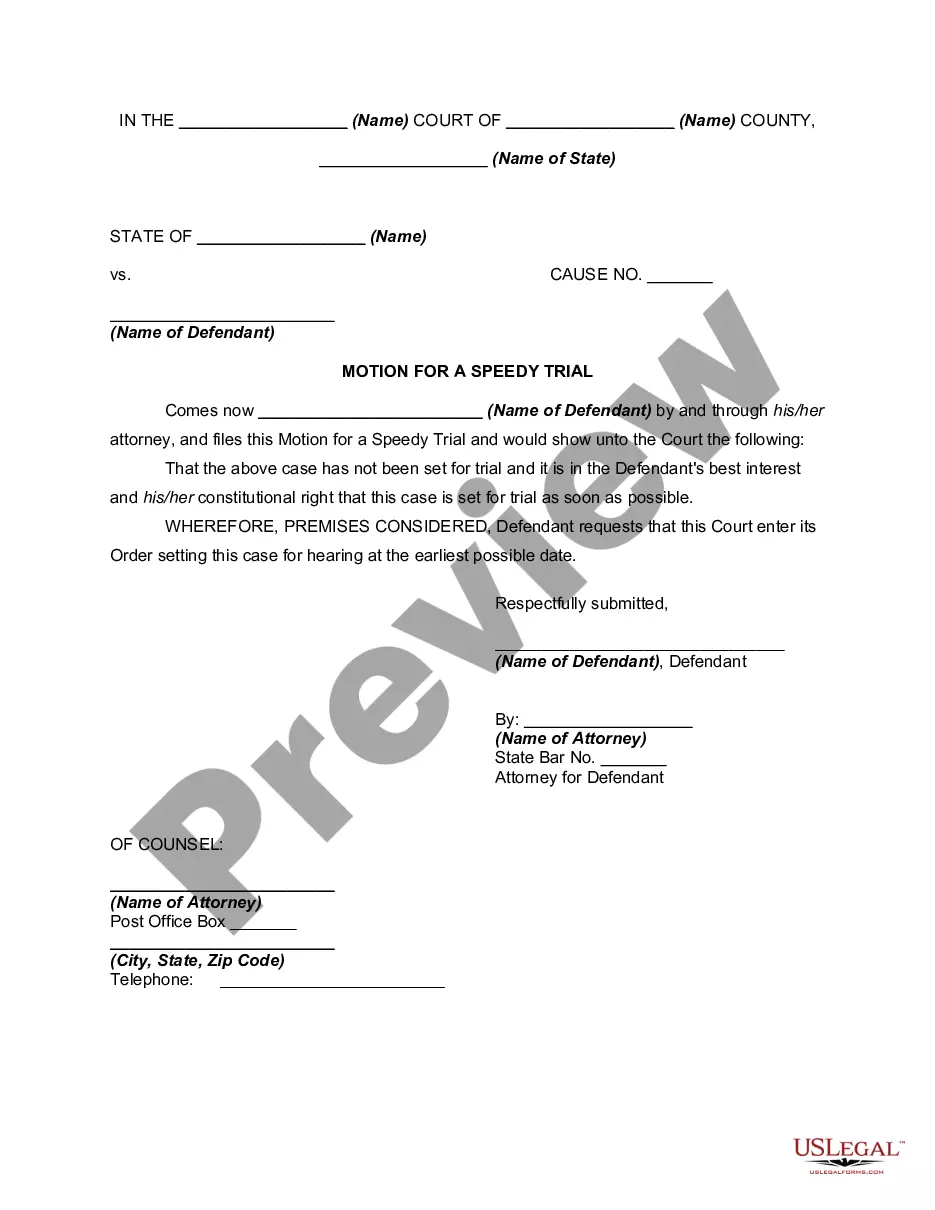
Louisiana Motion for Speedy Trial and Order - Incarcerated Defendant
Description
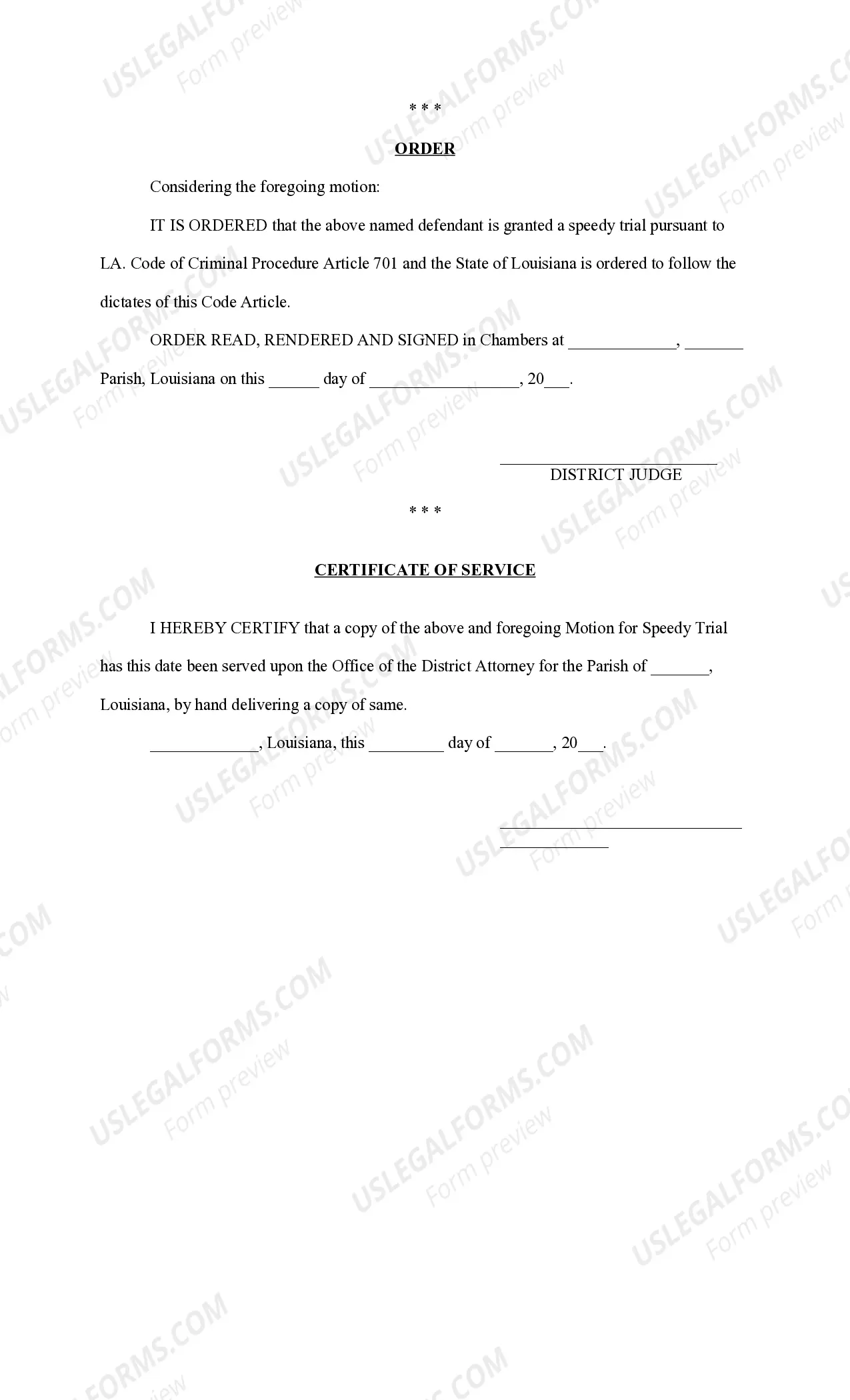
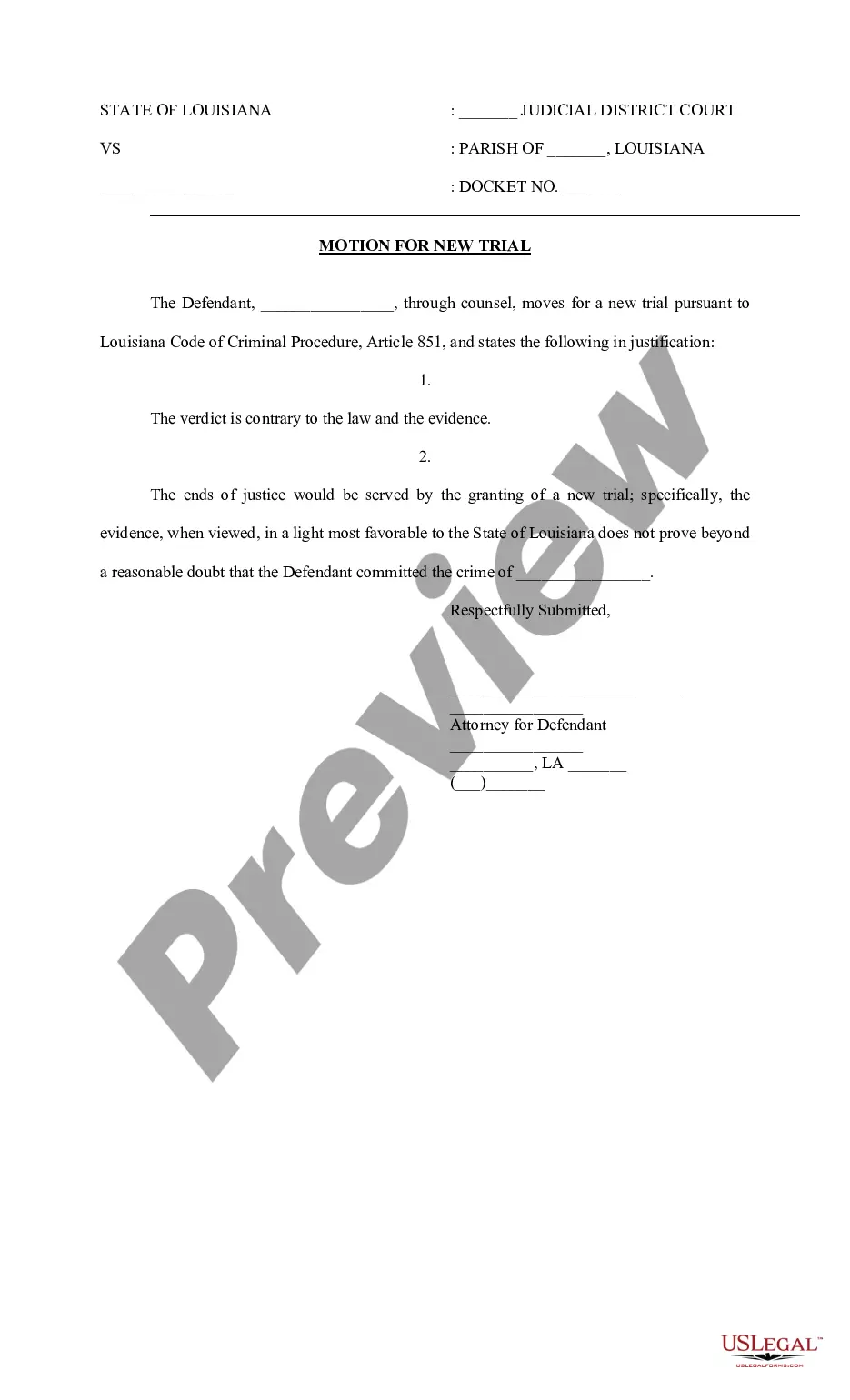
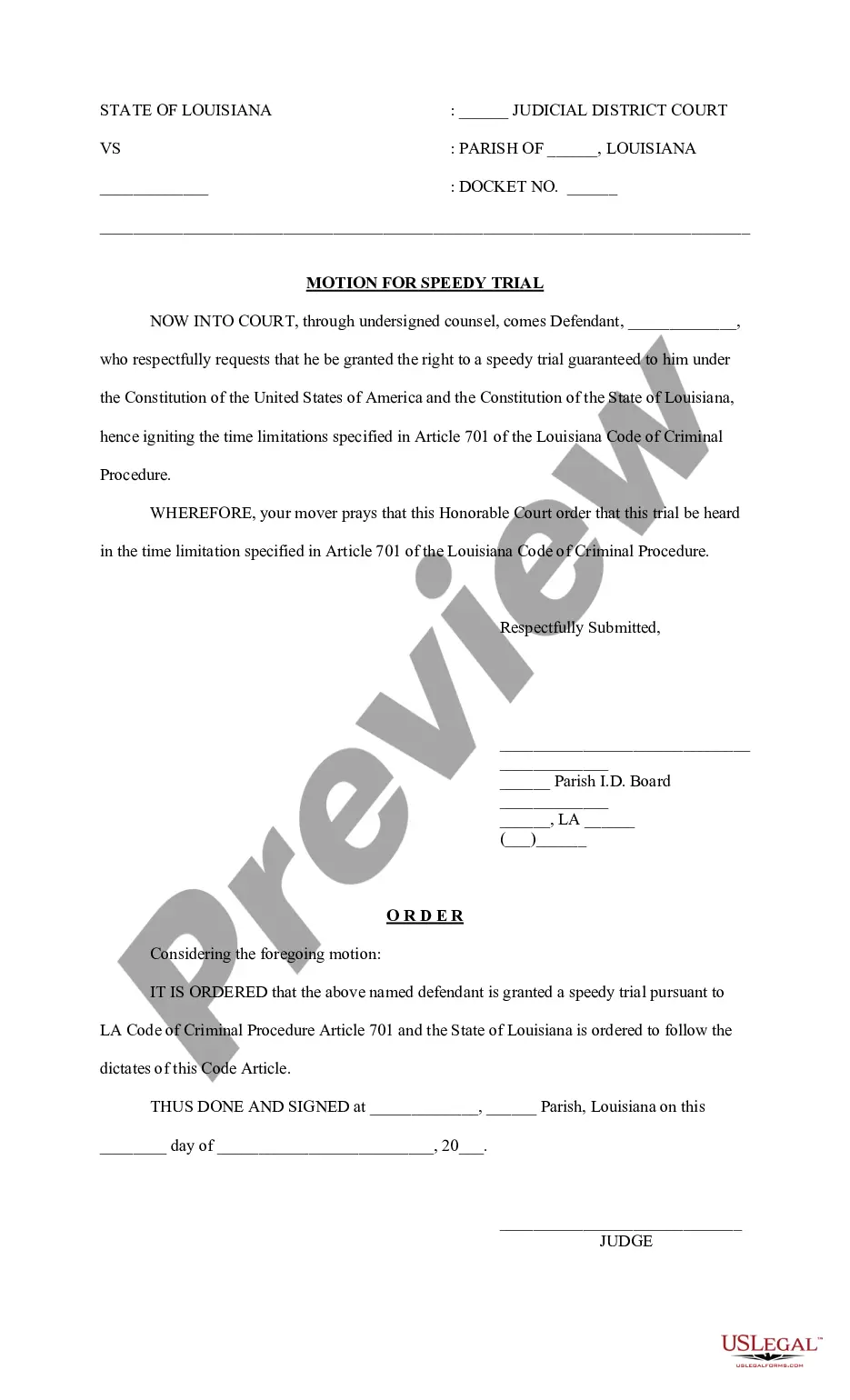
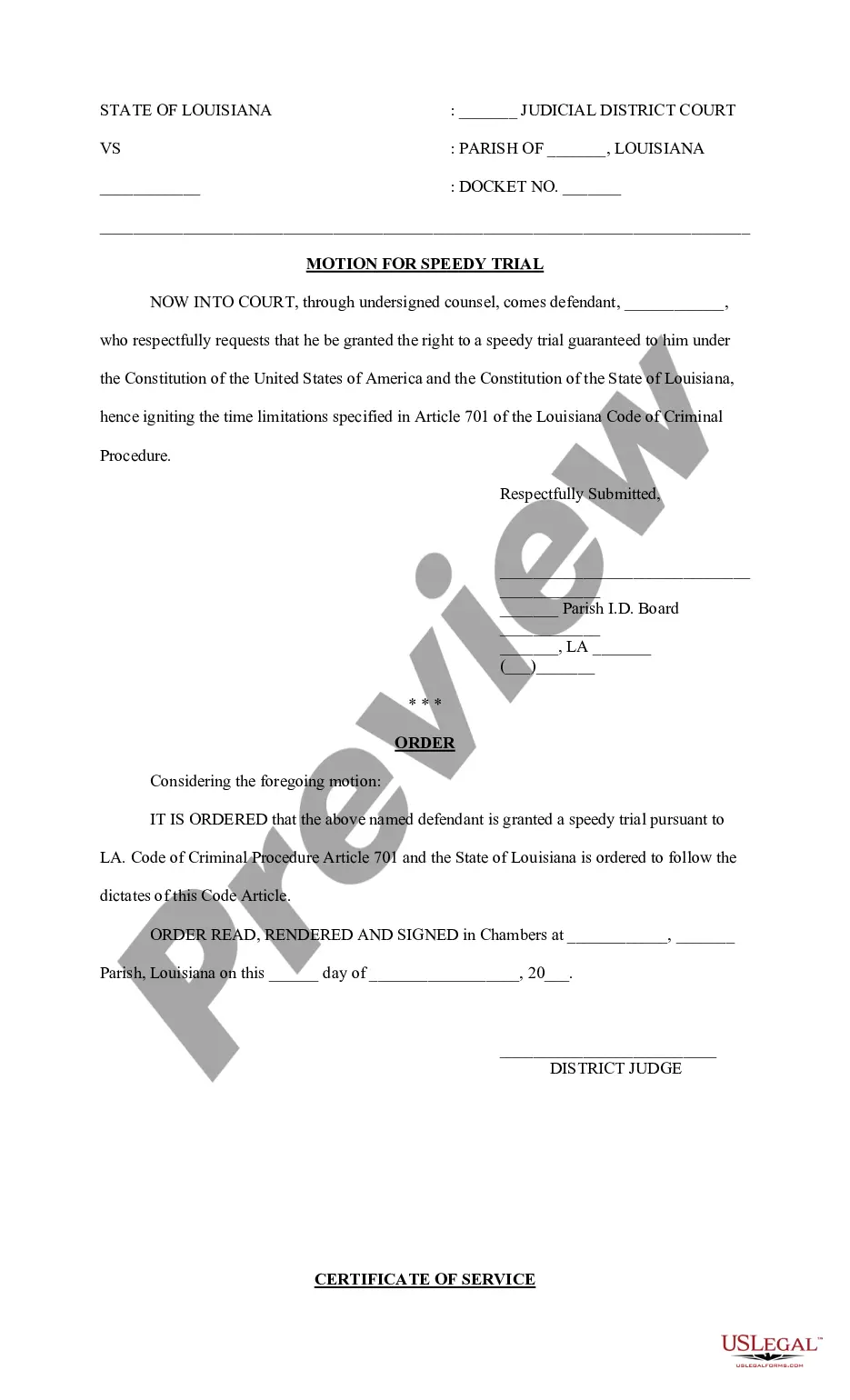
Get your form ready online
Our built-in tools help you complete, sign, share, and store your documents in one place.
Make edits, fill in missing information, and update formatting in US Legal Forms—just like you would in MS Word.
Download a copy, print it, send it by email, or mail it via USPS—whatever works best for your next step.
Sign and collect signatures with our SignNow integration. Send to multiple recipients, set reminders, and more. Go Premium to unlock E-Sign.
If this form requires notarization, complete it online through a secure video call—no need to meet a notary in person or wait for an appointment.
We protect your documents and personal data by following strict security and privacy standards.
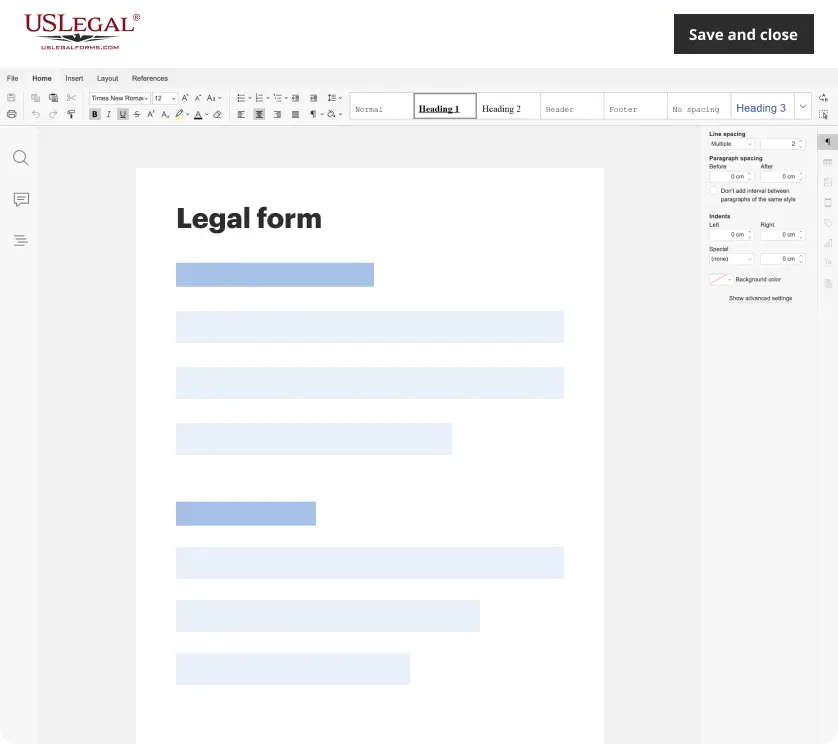
Make edits, fill in missing information, and update formatting in US Legal Forms—just like you would in MS Word.
Download a copy, print it, send it by email, or mail it via USPS—whatever works best for your next step.
Sign and collect signatures with our SignNow integration. Send to multiple recipients, set reminders, and more. Go Premium to unlock E-Sign.

If this form requires notarization, complete it online through a secure video call—no need to meet a notary in person or wait for an appointment.
We protect your documents and personal data by following strict security and privacy standards.
Looking for another form?
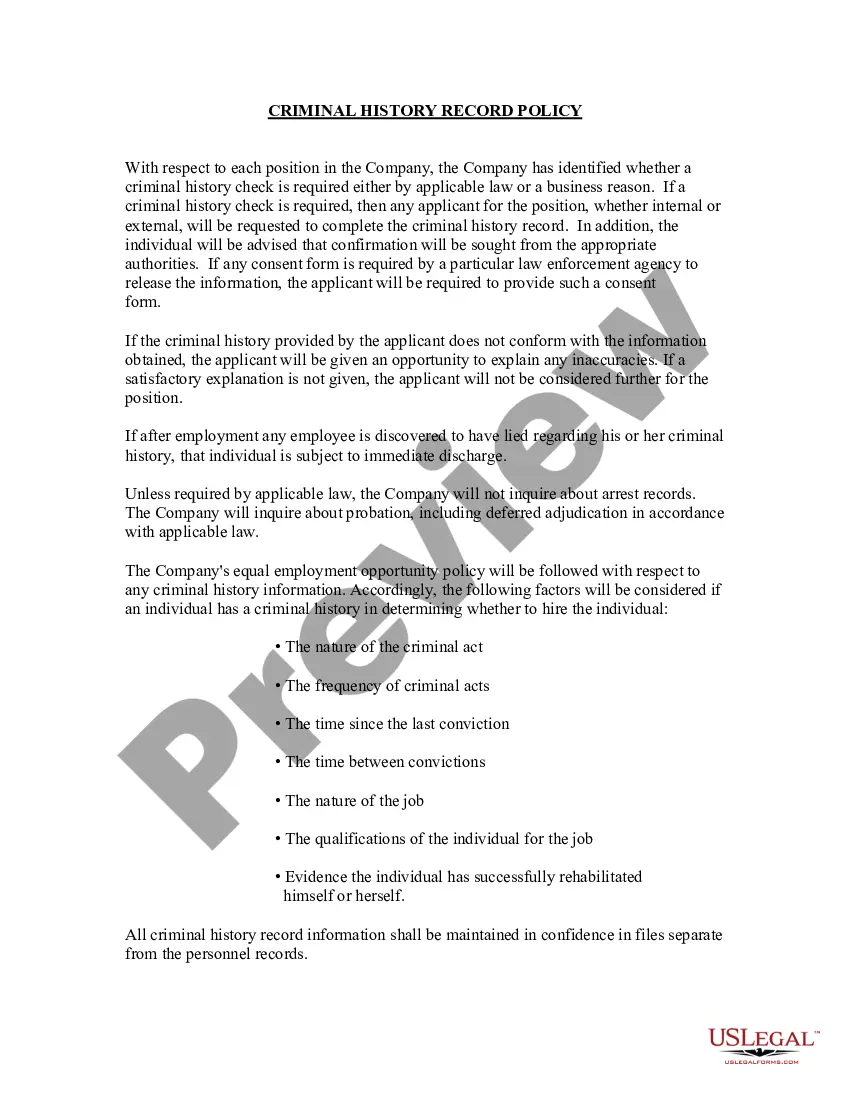
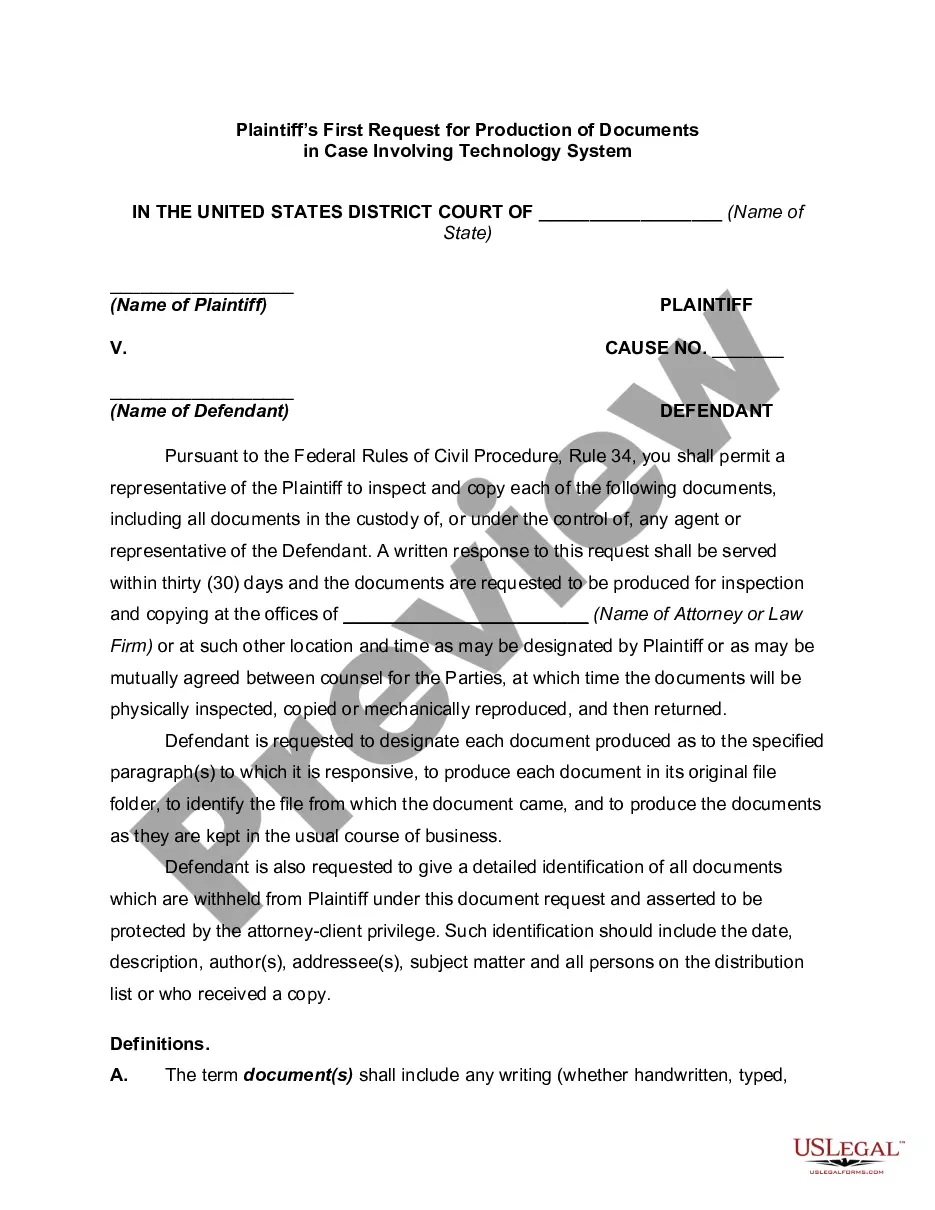

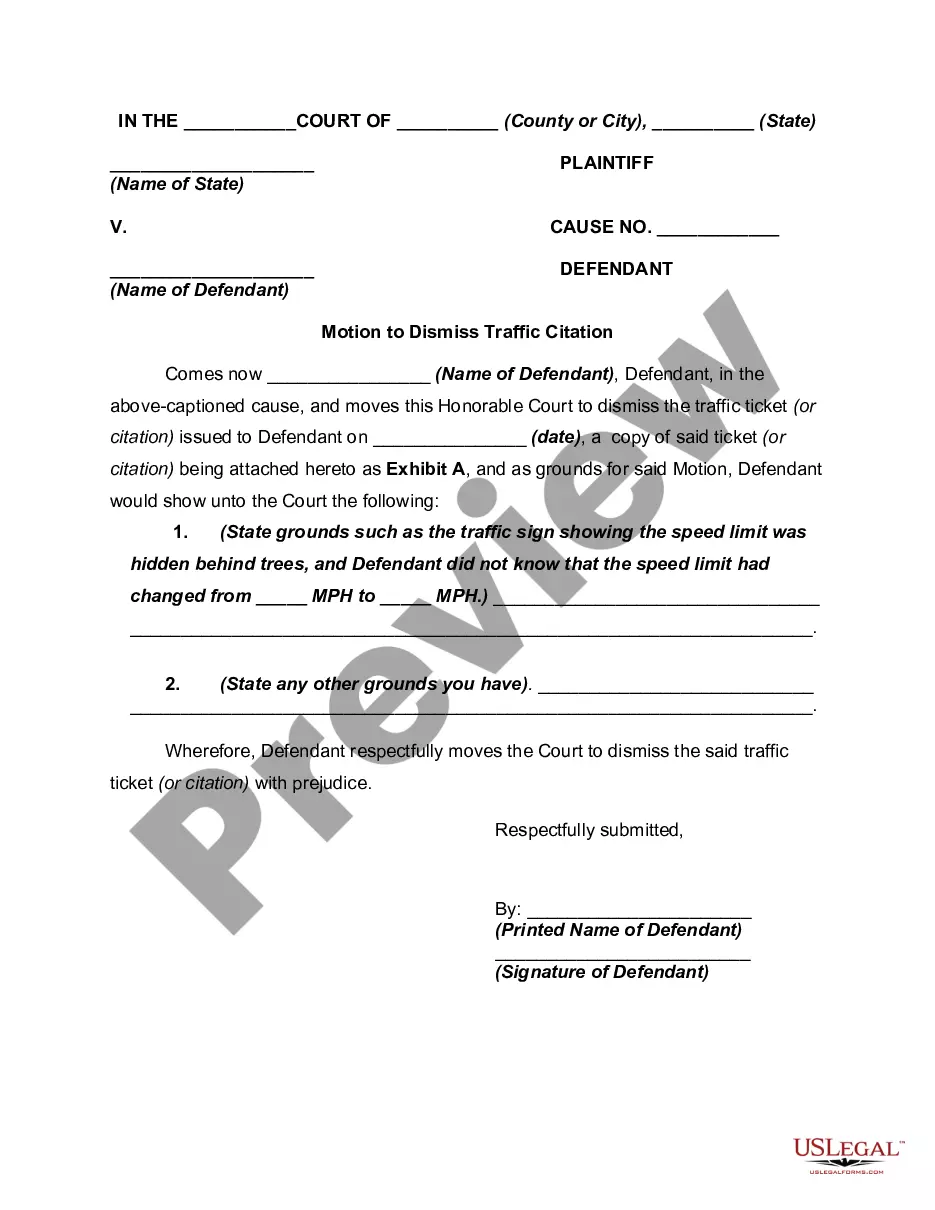
How to fill out Louisiana Motion For Speedy Trial And Order - Incarcerated Defendant?
Searching for Louisiana Motion for Expedited Trial and Directive - Imprisoned Defendant templates and completing them may pose a challenge.
To conserve time, expenses, and effort, utilize US Legal Forms and select the appropriate sample specifically for your state within just a few clicks.
Our attorneys prepare every document, so you simply need to fill them out. It's truly that straightforward.
You can print the Louisiana Motion for Expedited Trial and Directive - Imprisoned Defendant template or complete it using any online editor. No need to worry about making mistakes because your form can be utilized and submitted, and published as many times as you desire. Explore US Legal Forms and gain access to over 85,000 state-specific legal and tax documents.
- Log into your account and return to the form's page to download the document.
- All your downloaded templates are stored in My documents and are always available for future use.
- If you haven’t signed up yet, you should create an account.
- Check our detailed instructions on how to obtain the Louisiana Motion for Expedited Trial and Directive - Imprisoned Defendant form quickly.
- To obtain a suitable sample, verify its validity for your state.
- Examine the sample using the Preview feature (if it’s available).
- If there’s a description, read it to understand the details.
- Click on the Buy Now button if you found what you’re looking for.
Form popularity
FAQ
Rule of Evidence 702 governs the admissibility of expert testimony in court. This rule states that an expert's opinion must be based on sufficient facts or data and reliable methods. For defendants seeking to utilize expert testimony effectively, especially when filing a Louisiana Motion for Speedy Trial and Order - Incarcerated Defendant, understanding this rule is crucial.
Article 218.1 discusses the rights of incarcerated individuals regarding their trial timeline. This article emphasizes the importance of a prompt trial, aligning with the principles behind the Louisiana Motion for Speedy Trial and Order - Incarcerated Defendant. Knowing this law can empower defendants to advocate for their legal rights effectively.
Article 930.4 concerns the post-conviction relief process for defendants in Louisiana. It outlines the procedures for a defendant to appeal a conviction based on specific grounds. Understanding this article can be vital, especially when considering the implications of a Louisiana Motion for Speedy Trial and Order - Incarcerated Defendant in your case.
The 60-day rule in Louisiana pertains to the timeframe within which a trial must commence after a defendant has been charged. If you do not face trial within this period, you may have grounds to file a Louisiana Motion for Speedy Trial and Order. This rule is crucial for maintaining the integrity of the judicial process and protecting the rights of defendants. Staying informed about such regulations can significantly influence your legal strategy.
(1) A motion by the defendant for a speedy trial, in order to be valid, must be accompanied by an affidavit by defendant's counsel certifying that the defendant and his counsel are prepared to proceed to trial within the delays set forth in this Article.
Everyone has the right to a speedy trial, but in California, with a misdemeanor charge that is defined as within 45 calendar days from the day they were arraigned if they're not in custody, or 30 days if they are in custody. However, most people waive their right to a speedy trial, in order to mount a good defense.
Wingo (1972), the Supreme Court developed a four-part test that considers the length of the delay, the reasons for the delay, the defendant's assertion of his right to a speedy trial, and the prejudice to the defendant. A violation of the Speedy Trial Clause is cause for dismissal with prejudice of a criminal case.
A violation of the speedy trial rule means that any conviction and sentence must be wiped out, and the charges must be dismissed if the case has not reached trial.If the defendant is denied bail or cannot pay the bail amount, they will remain in jail until their trial date.
An arraignment in Louisiana is the first court appearance in criminal court in Louisiana. Prior to the arraignment, the prosecutor either filed a bill of information, which is the formal charge, or the grand jury returned a true bill indictinhg the defendant. The arraignment is then set.
Charges must be dismissed and the defendant released if the period expires without trial. However, defendants often waive the right to a speedy trial in order to prepare a stronger defense or negotiate a plea to a lesser offense.