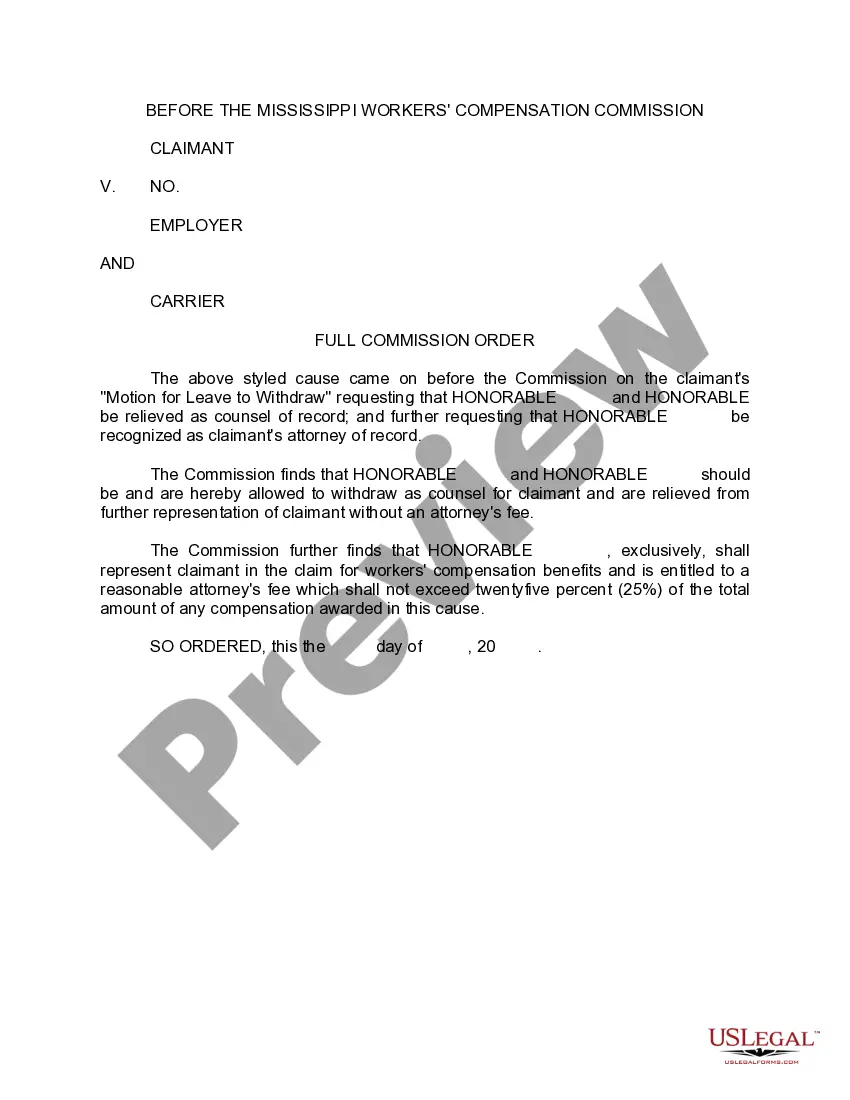
Louisiana Marital Domestic Separation and Property Settlement Agreement Adult Children
What is this form?
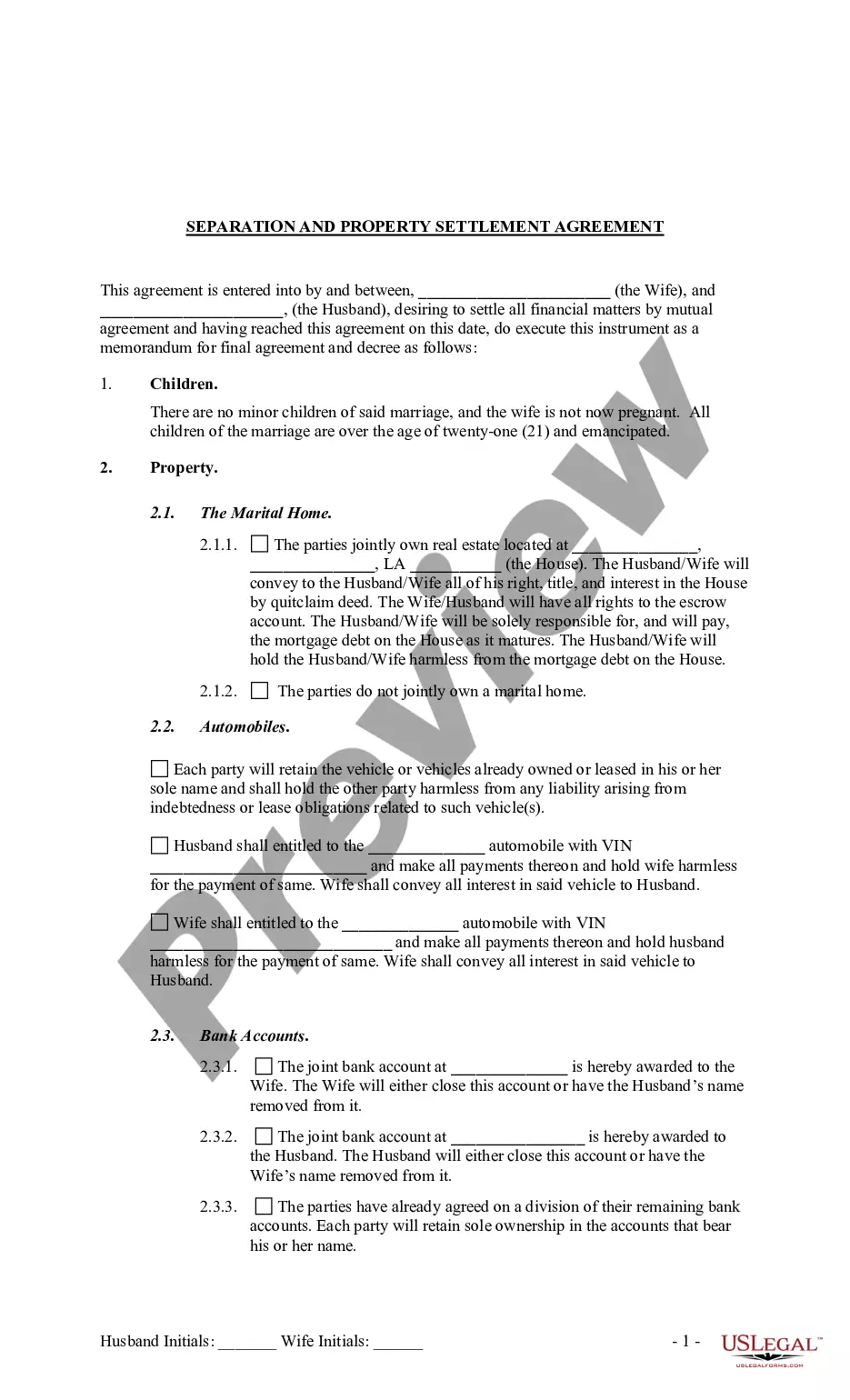
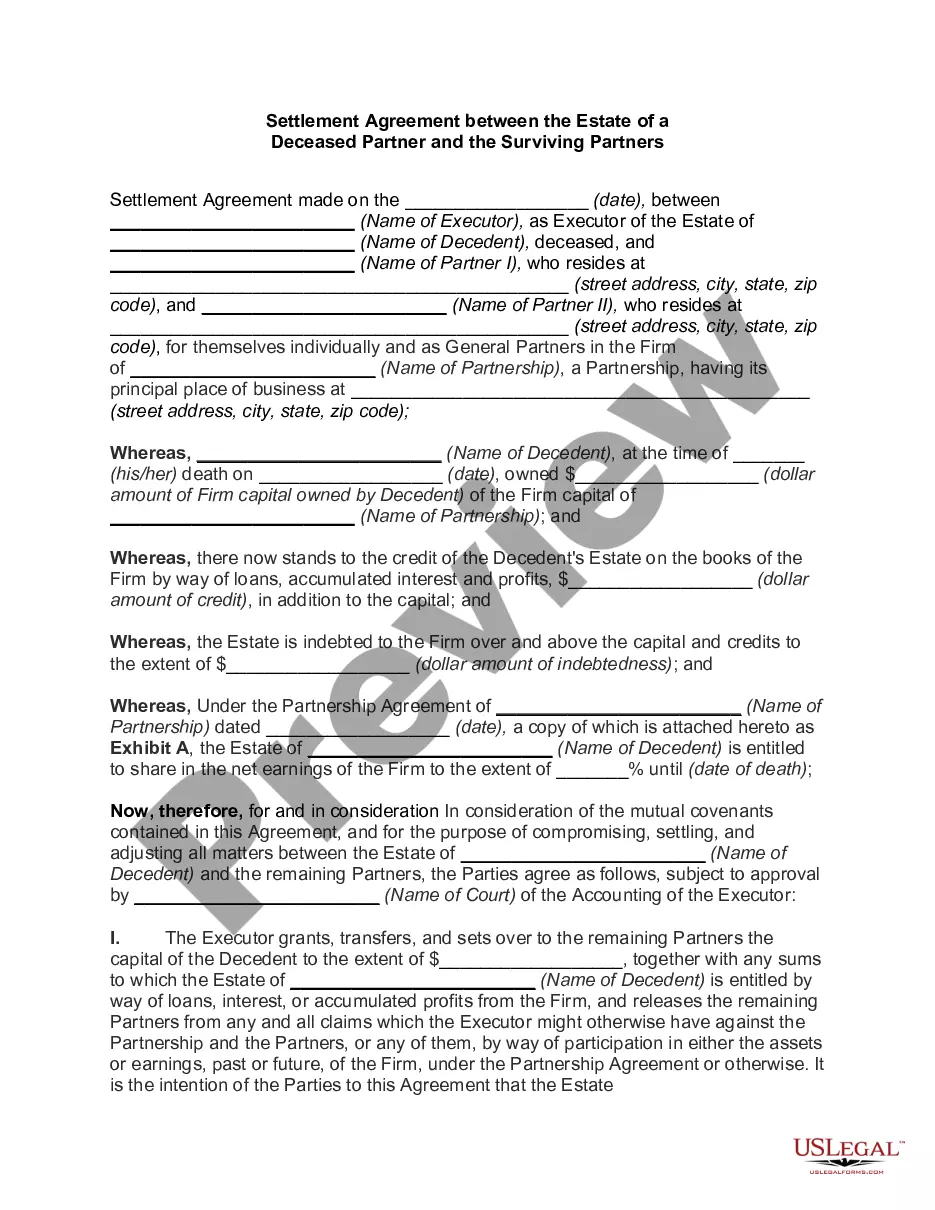
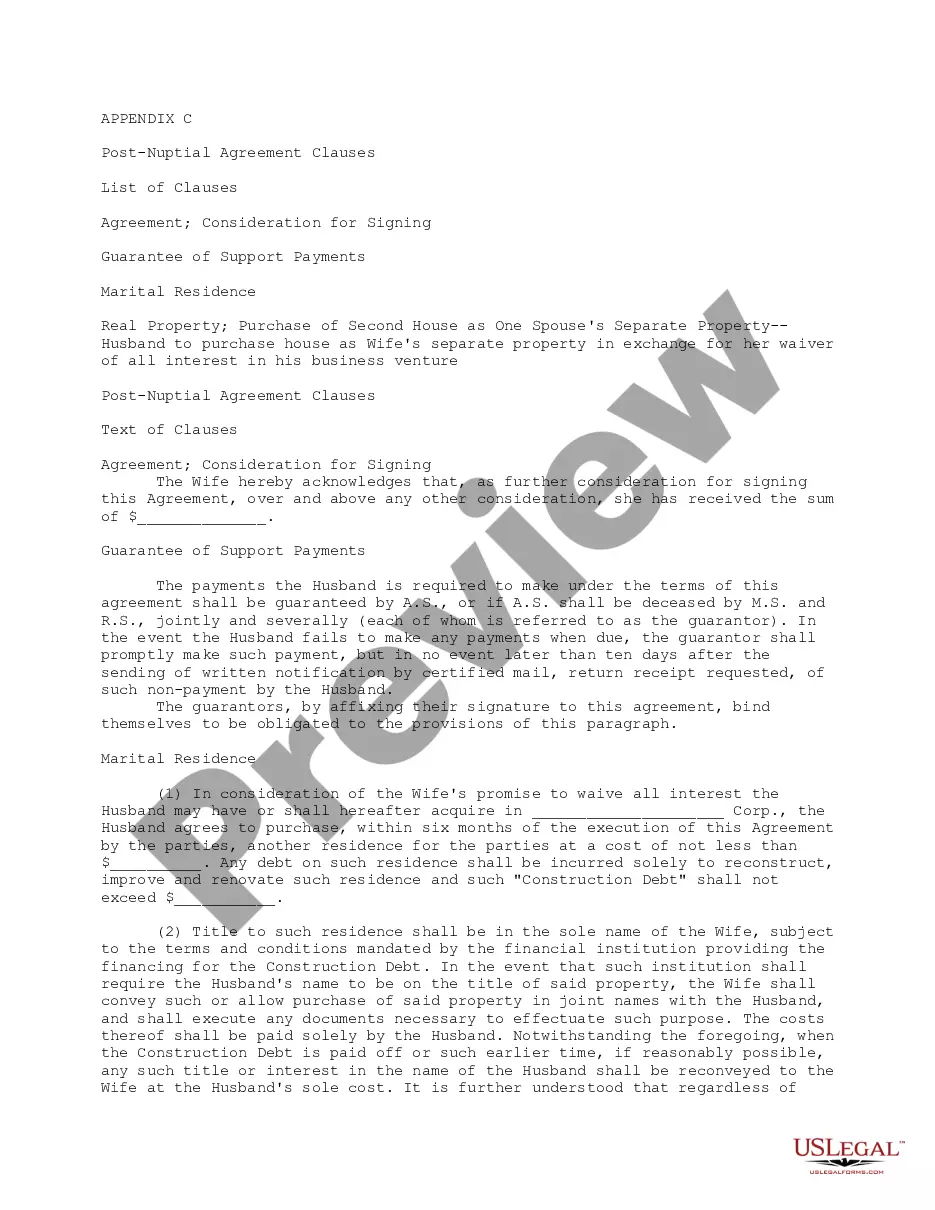
The Marital Domestic Separation and Property Settlement Agreement for Adult Children is a legal document designed for couples without minor children. It facilitates the final distribution of assets and debts, specifically addressing the needs of parties with adult children. This form ensures that both parties agree on financial matters and provides a clear outline for property division, creating a binding agreement that can be enforced in court.
Form components explained
- Identification of both parties involved in the agreement.
- Statement confirming there are no minor children and outlining children's emancipation.
- Details regarding the division of shared property, including real estate and vehicles.
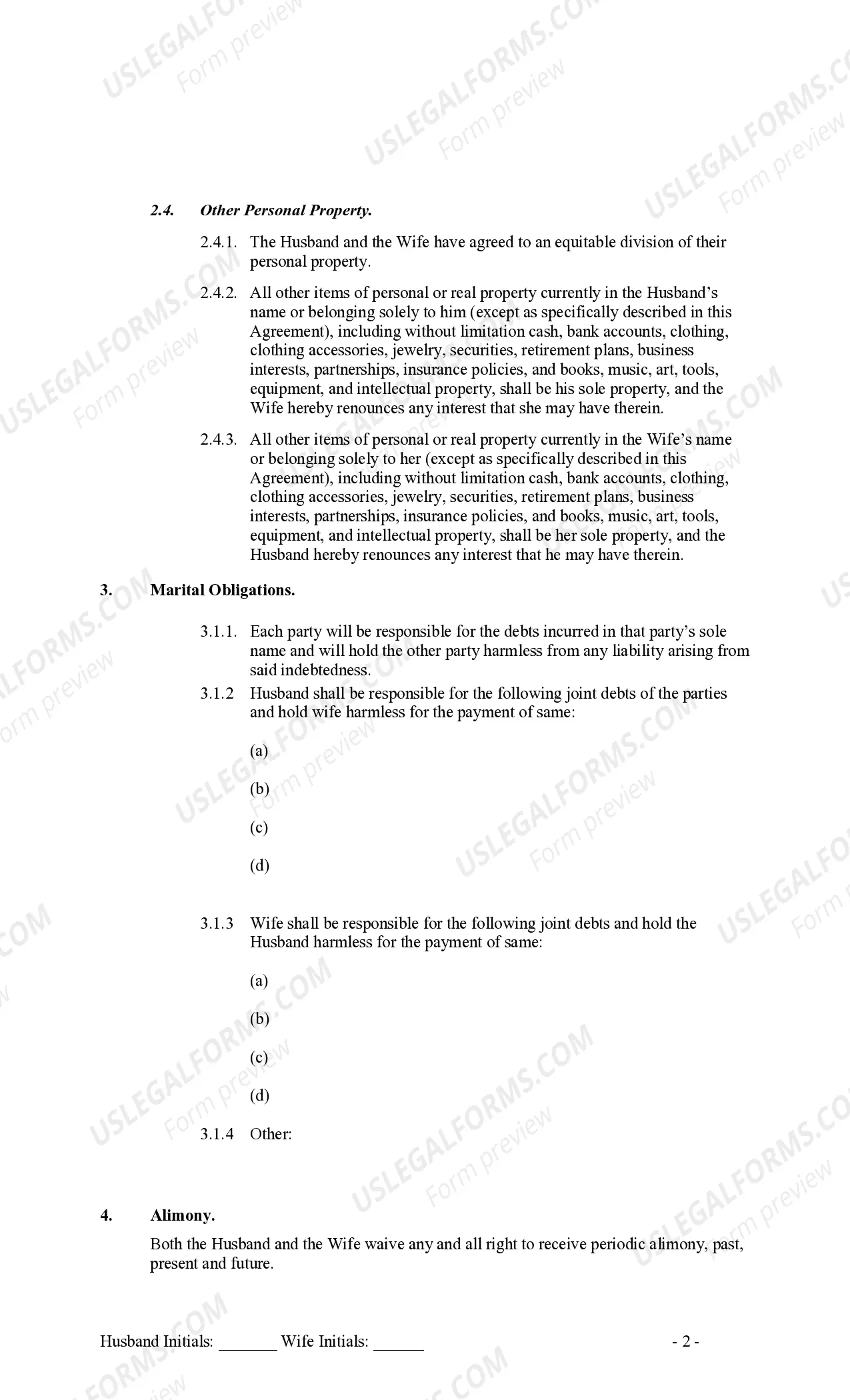
- Instructions for handling joint bank accounts and personal property.
- Specification of marital obligations and debt responsibilities.
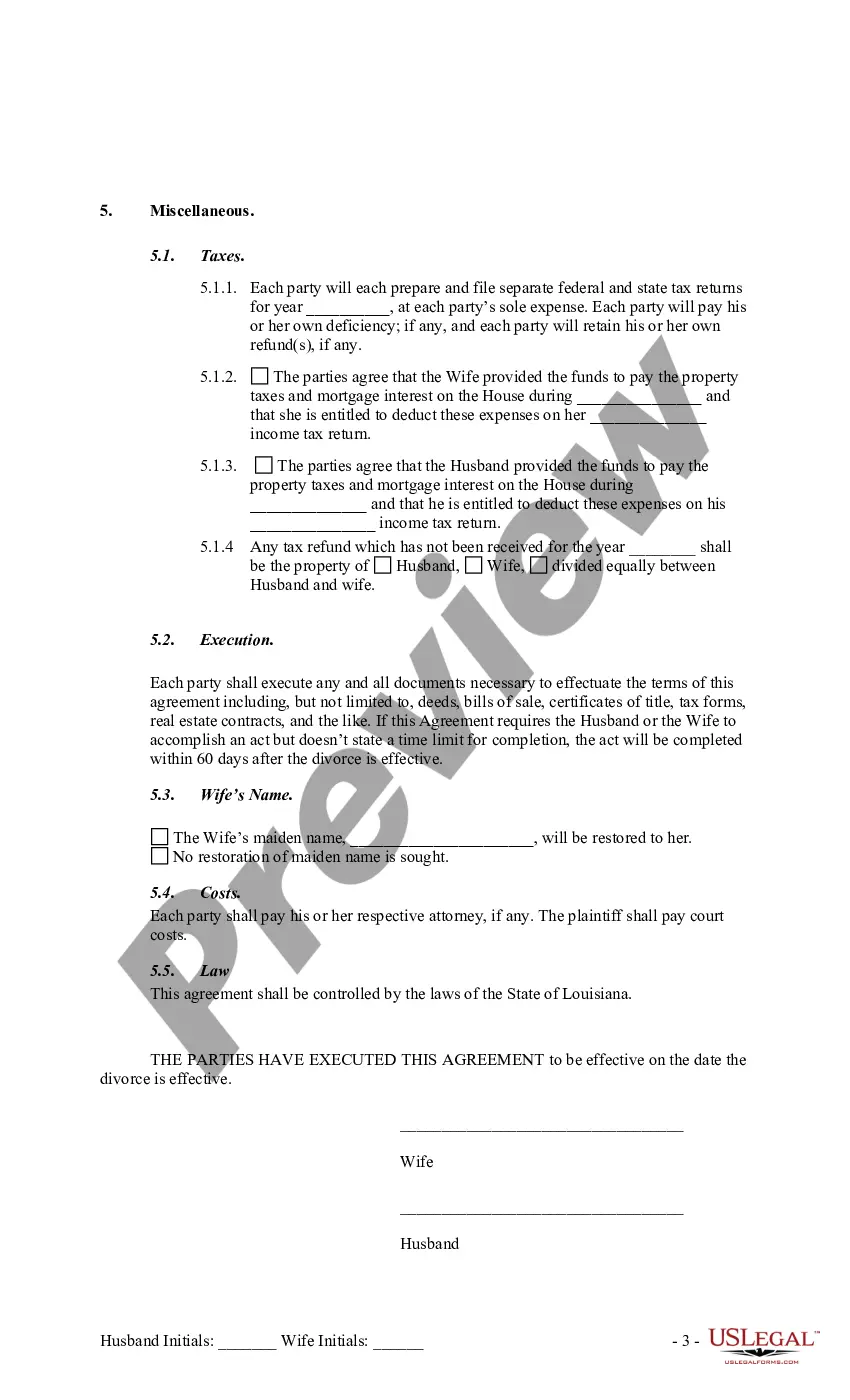
- Guidance on document execution and notarization requirements.


When to use this form
This form is ideal for couples who are legally separating and want to clarify their financial and property arrangements. It is particularly useful when both parties have reached an amicable agreement regarding their shared assets and debts, especially if they have adult children who no longer depend on them. This agreement provides a structured approach to finalize the separation process and can help prevent future disputes.
Who should use this form
- Couples planning to separate without minor children.
- Individuals who have reached a mutual agreement on financial and property matters.
- Those seeking a formalized approach to separation that is easily binding and clear.
- Parties wanting to clarify debt responsibilities and asset division in a systematic manner.
How to prepare this document
- Identify the parties: Clearly state the names of the Husband and Wife at the beginning of the document.
- Specify the property: Provide complete details about the marital home and any other shared assets, including vehicle information and bank accounts.
- Detail financial responsibilities: Outline who is responsible for each debt incurred and ensure both parties agree to hold each other harmless from certain liabilities.
- Enter dates: Clearly indicate the date the agreement is executed and when each party will fulfill their obligations.
- Sign and notarize: Ensure both parties sign the document and have it notarized to give it legal standing.
Notarization requirements for this form
Notarization is required for this form to take effect. Our online notarization service, powered by Notarize, lets you verify and sign documents remotely through an encrypted video session, available 24/7.
Get your form ready online
Our built-in tools help you complete, sign, share, and store your documents in one place.
Make edits, fill in missing information, and update formatting in US Legal Forms—just like you would in MS Word.
Download a copy, print it, send it by email, or mail it via USPS—whatever works best for your next step.
Sign and collect signatures with our SignNow integration. Send to multiple recipients, set reminders, and more. Go Premium to unlock E-Sign.
If this form requires notarization, complete it online through a secure video call—no need to meet a notary in person or wait for an appointment.
We protect your documents and personal data by following strict security and privacy standards.

Make edits, fill in missing information, and update formatting in US Legal Forms—just like you would in MS Word.

Download a copy, print it, send it by email, or mail it via USPS—whatever works best for your next step.

Sign and collect signatures with our SignNow integration. Send to multiple recipients, set reminders, and more. Go Premium to unlock E-Sign.

If this form requires notarization, complete it online through a secure video call—no need to meet a notary in person or wait for an appointment.

We protect your documents and personal data by following strict security and privacy standards.
Common mistakes
- Failing to fully disclose all assets and debts, leading to potential disputes later.
- Not specifying how joint accounts and shared property will be divided.
- Forgetting to sign the agreement or obtain notarization, which can invalidate it.
- Using vague language, leading to misinterpretation of responsibilities.
Benefits of completing this form online
- Convenience of downloading and completing the form at your own pace.
- Editability allows for personalized adjustments based on individual circumstances.
- Accessibility ensures you can revisit and update the form anytime needed.
- Prepared by licensed attorneys, ensuring legal validity and reliability.
Looking for another form?
Form popularity
FAQ
Separate property is property belongs exclusively to one of two spouses. Under Louisiana law, assets acquired by a deceased person while unmarried, or acquired during the marriage by gift, is considered to be separate property.
In Louisiana, legal separation is only available to couples in a covenant marriage. To file for a legal separation, you must provide the court with a legal reasonor, groundsfor your request. Additionally, you will need to participate in marital counseling before the judge can grant your petition for separation.
Louisiana's community property laws assert that all debts and assets acquired during a couple's marriage belong equally to both spouses. A judge dividing community property must make sure that each spouse receives property of equal net value.
Under Louisiana law, marital property, or property acquired during the marriage, is distributed equally (50-50) to each party unless the court finds such a division to be inequitable or parties agree to a different formula under which to divide property.
Louisiana is a community property state. This means that spouses generally share equally in the assets, income and debt acquired by either spouse during the marriage. However, some income and some property may be separate income or separate property.
Legally, you can date while going through divorce proceedings. If you have a covenant marriage, as recognized by the state of Louisiana, you may need to go through significant counseling before moving on, including dating, since a covenant marriage makes it much more difficult to pursue divorce.
The Clerk of Court fees vary from parish to parish, but expect to pay anywhere from $250-$400 to have your Petition for Divorce filed. This includes service and if you can talk with your ex and get them to agree to accept service, you will get a portion of this back.
At divorce, community property is generally divided equally between the spouses, while each spouse keeps his or her separate property. Equitable distribution. In all other states, assets and earnings accumulated during marriage are divided equitably (fairly), but not necessarily equally.