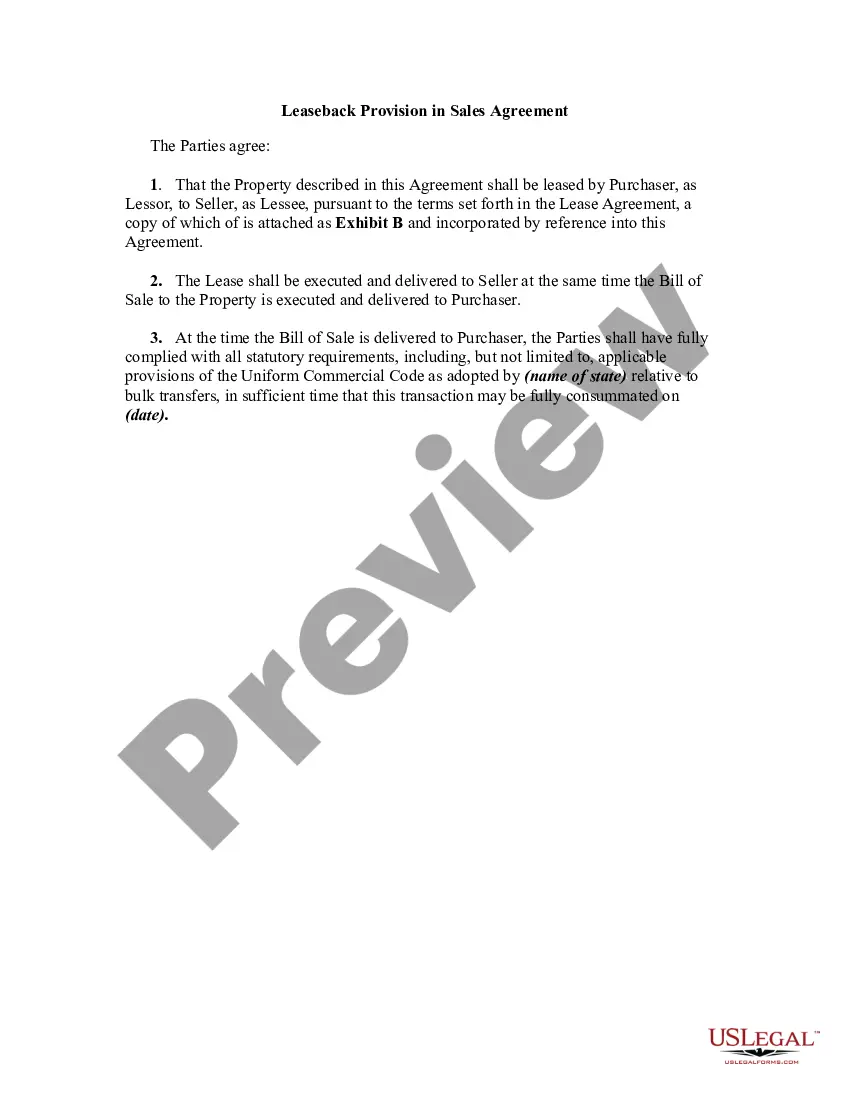
Massachusetts Leaseback Provision in Sales Agreement
Description
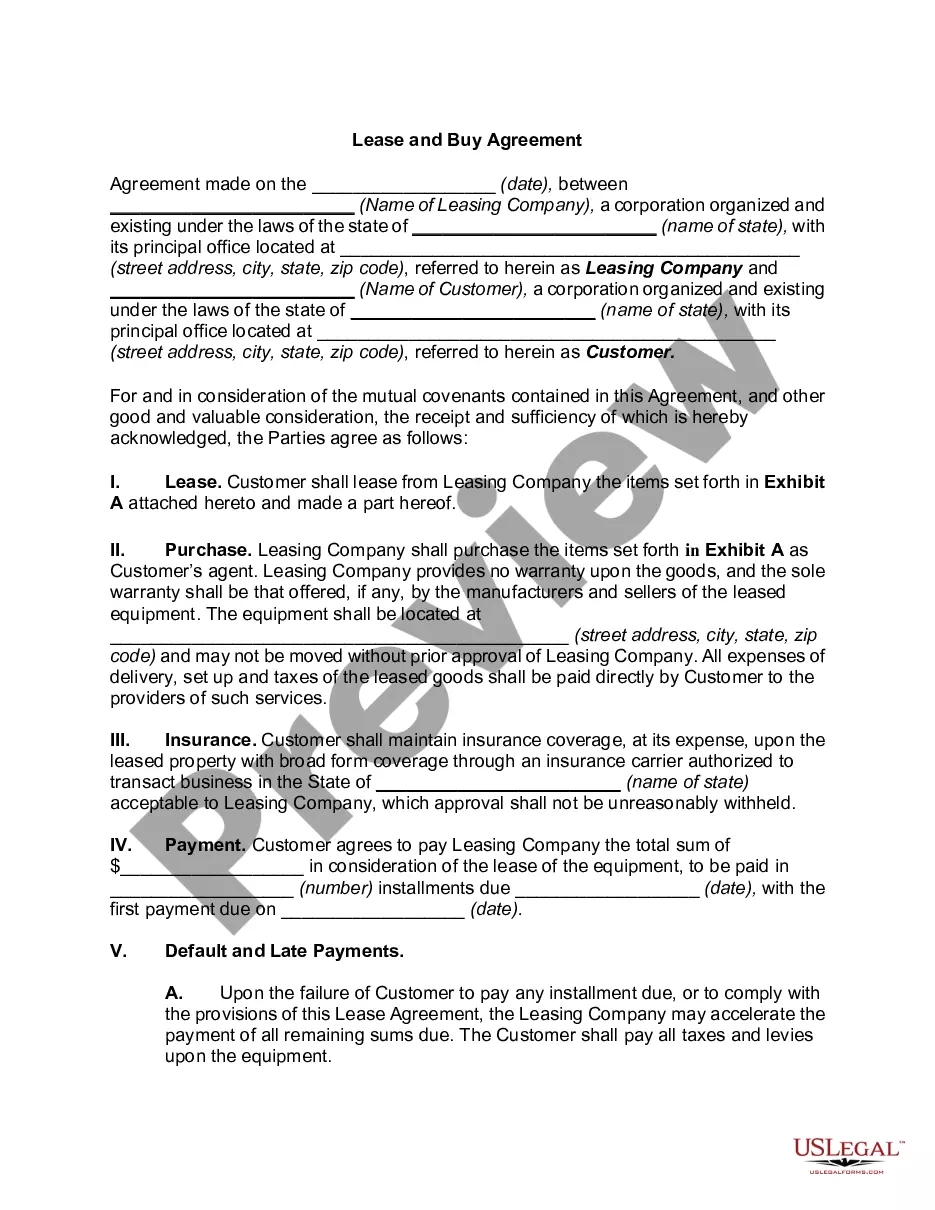
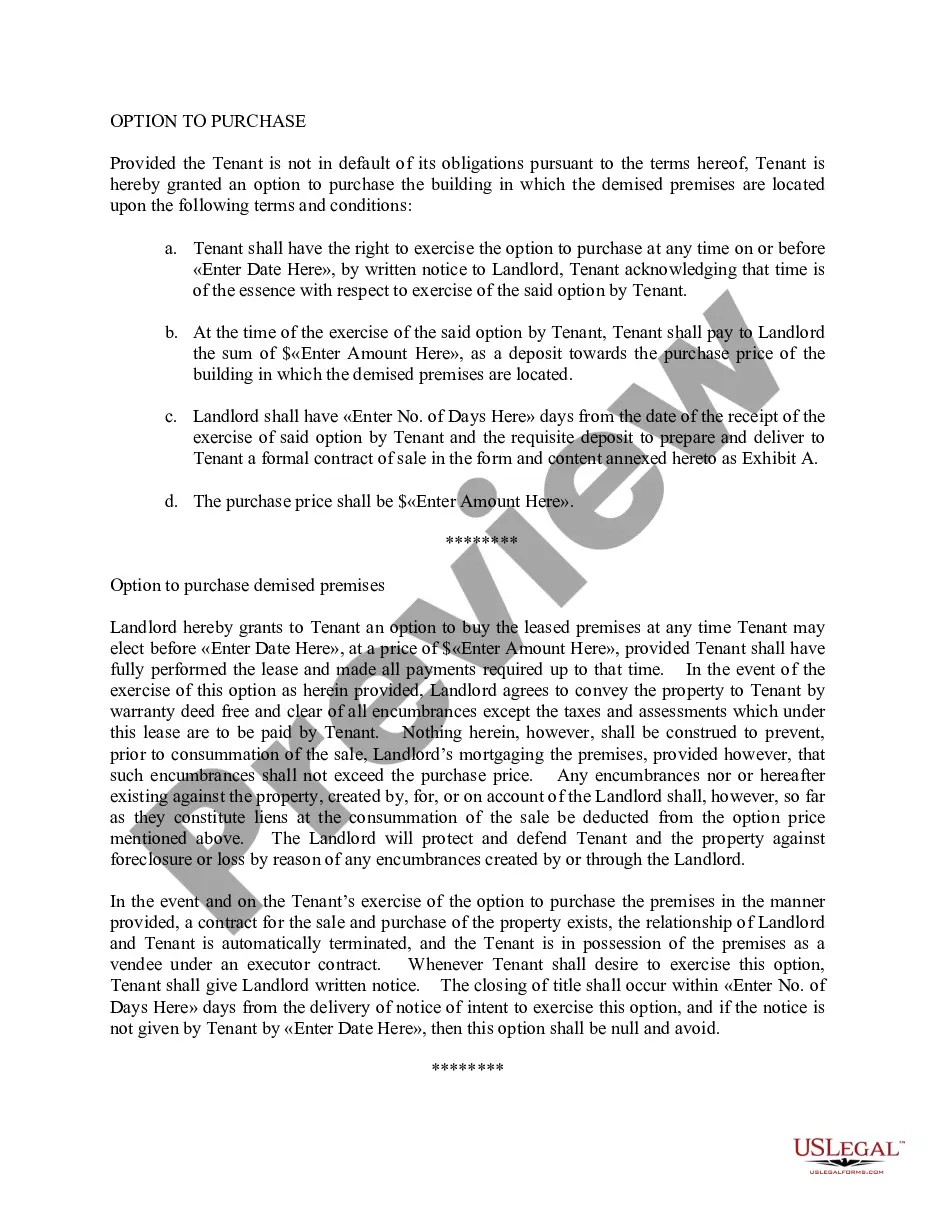

How to fill out Leaseback Provision In Sales Agreement?
If you want to be thorough, download, or create legal document templates, utilize US Legal Forms, the largest repository of legal documents available online.
Utilize the site's easy and convenient search feature to find the documents you need.
An assortment of templates for business and personal use is organized by categories and states, or keywords.
Step 4. Once you have found the form you need, click the Purchase now button. Select the pricing plan you prefer and provide your details to create an account.
Step 5. Complete the payment. You can use your credit card or PayPal account to finalize the transaction.
- Use US Legal Forms to locate the Massachusetts Leaseback Provision in Sales Agreement in just a few clicks.
- If you are already a US Legal Forms user, Log In to your account and click the Download button to access the Massachusetts Leaseback Provision in Sales Agreement.
- You can also access documents you have previously downloaded from the My documents section of your account.
- If you are using US Legal Forms for the first time, follow the instructions below.
- Step 1. Ensure you have chosen the form for your specific city/state.
- Step 2. Utilize the Preview option to review the form's details. Be sure to read the description.
- Step 3. If you are not satisfied with the form, use the Search field at the top of the screen to find other versions of the legal form template.
Form popularity
FAQ
Leasebacks come with several disadvantages, including potentially higher long-term costs compared to ownership and the loss of asset appreciation benefits. Additionally, businesses might face constraints in altering their leased properties without landlord approval. Therefore, it is essential to understand the Massachusetts Leaseback Provision in Sales Agreement to mitigate these pitfalls and make strategic decisions.
The cap rate for sale and leaseback transactions is a crucial metric that indicates the expected rate of return on the investment based on the property’s earning potential. Factors such as location, lease terms, and tenant stability play significant roles in determining the cap rate. When analyzing the Massachusetts Leaseback Provision in Sales Agreement, understanding the cap rate helps buyers assess the financial viability of the investment.
Under certain circumstances, a buyer can back out of an accepted offer in Massachusetts, but it often requires valid reasons defined by the contract. If the Massachusetts Leaseback Provision in Sales Agreement includes contingencies or conditions that are unmet, a buyer might have the right to withdraw. Consulting with a qualified attorney can help clarify options available in your specific case.
A leaseback condition in the context of the Massachusetts Leaseback Provision in Sales Agreement refers to the terms under which the seller continues to occupy the property after the sale. This condition typically specifies the rental terms, duration of the lease, and responsibilities of both the seller and buyer. It is an essential part of ensuring a smooth transition and providing financial flexibility for both parties involved.
To determine if a sale and leaseback qualifies as a sale, assess the intent behind the transaction and the terms outlined in the Massachusetts Leaseback Provision in Sales Agreement. Generally, if the property transfers ownership to the buyer while the original owner leases it back, it indicates a sale. Review the property’s usage, the duration of the lease, and the financial arrangements to ensure compliance with legal standards.
The process of sale and leaseback involves several key steps. First, the seller sells the asset to a buyer who is often an investor. Next, the seller signs a lease agreement allowing them to use the asset after the sale. For those in Massachusetts, including a Leaseback Provision in Sales Agreement can streamline this process and provide legal protection for both parties involved.
The term leaseback refers to an arrangement where the seller of an asset leases it back from the buyer after the sale. This transaction allows the seller to retain the use of the asset while freeing up capital for other investments. In the context of a Massachusetts Leaseback Provision in Sales Agreement, this arrangement benefits both parties by providing flexibility and liquidity.
An illustrative leaseback transaction could involve a healthcare facility selling its building to a real estate investment firm and then leasing it back to continue healthcare operations. This method can be beneficial for raising funds while keeping essential services intact. Utilizing the Massachusetts Leaseback Provision in Sales Agreement provides framework guidance for executing such transactions effectively.
An example of a leaseback situation occurs when a commercial property owner sells their office building to an investor and leases it back for a defined term. This allows the owner to continue operating from the property without owning it. Such arrangements may need careful consideration under the Massachusetts Leaseback Provision in Sales Agreement to ensure compliance and fairness.
The structure of a sale and leaseback transaction involves a straightforward process: first, the property owner sells the asset, and then they enter into a leasing agreement with the buyer. This arrangement specifies terms like the lease period and payment obligations. By understanding this structure, you can navigate the Massachusetts Leaseback Provision in Sales Agreement effectively for your specific needs.