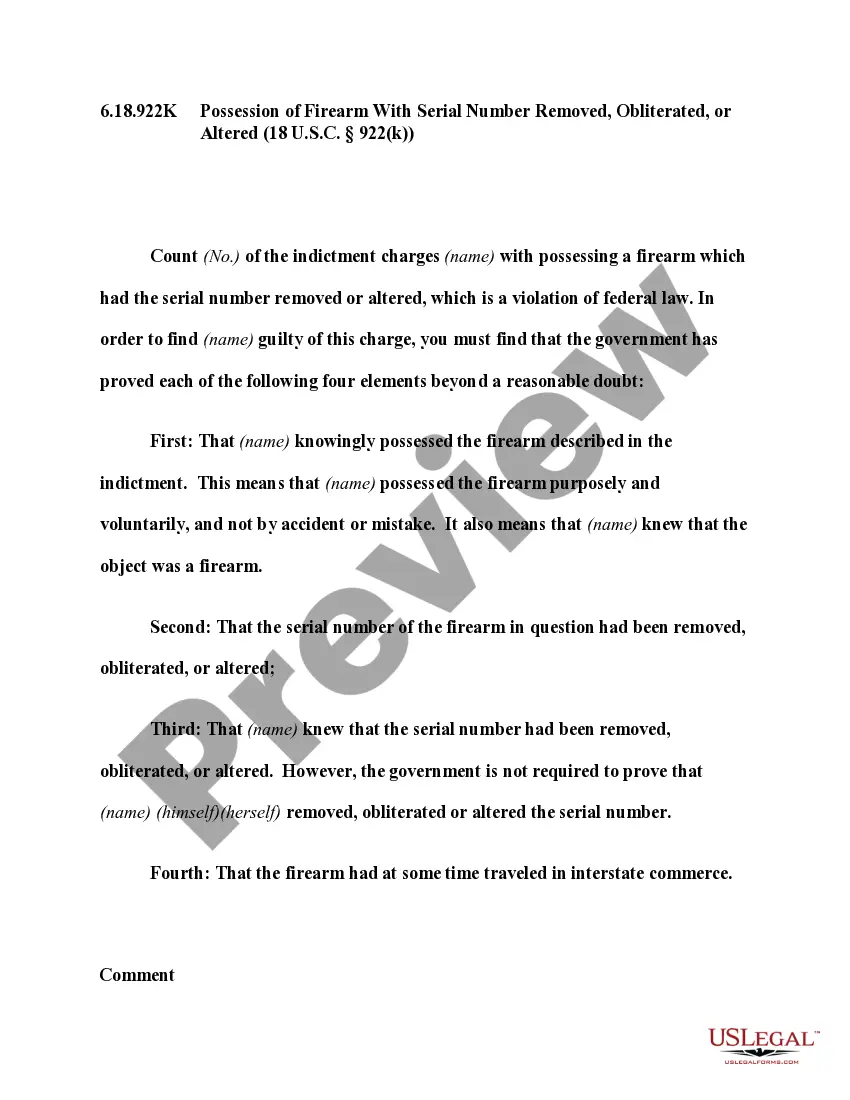
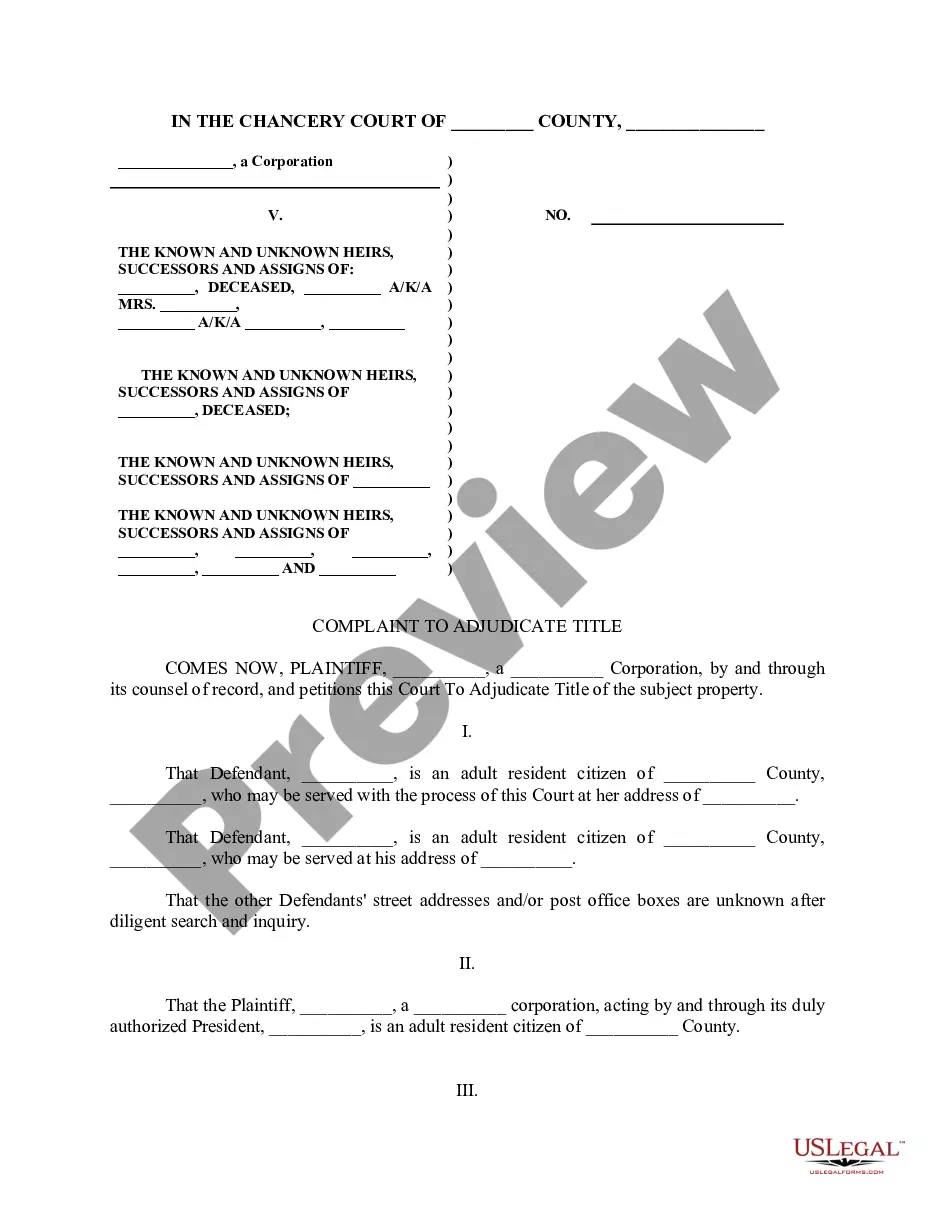
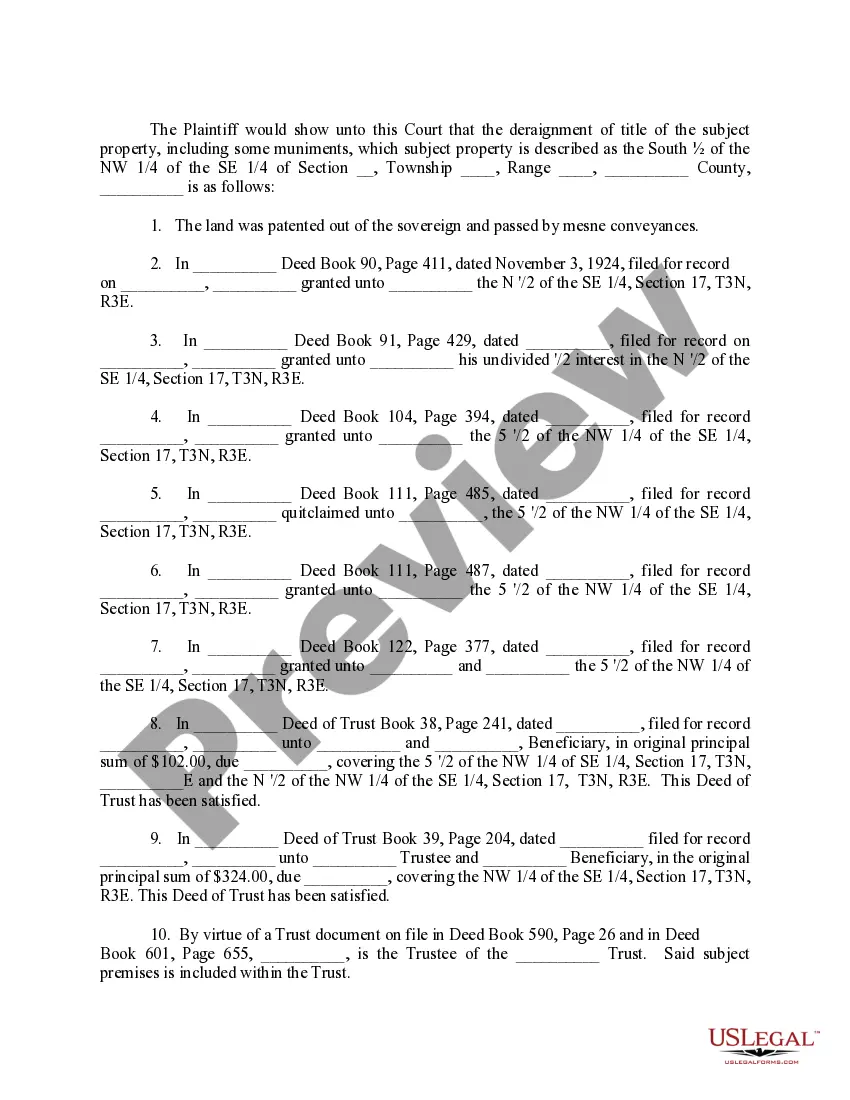
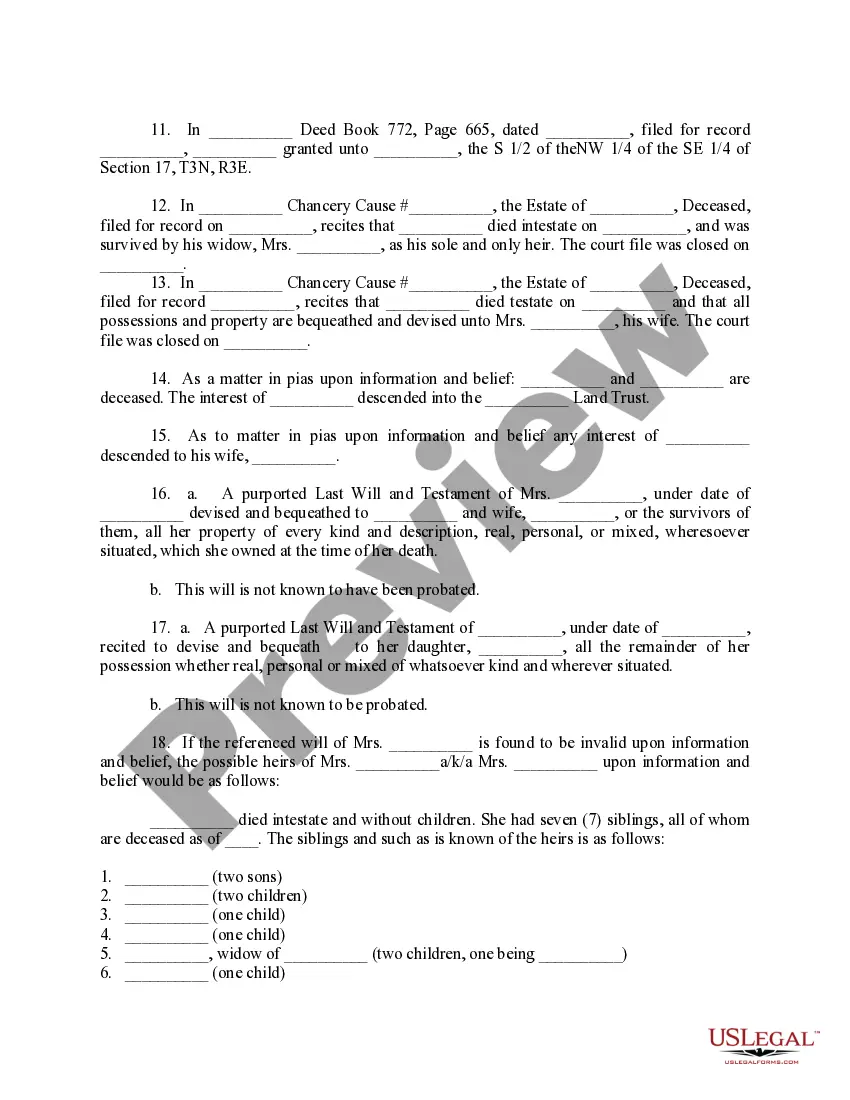
Massachusetts Complaint to Adjudicate Title
Description
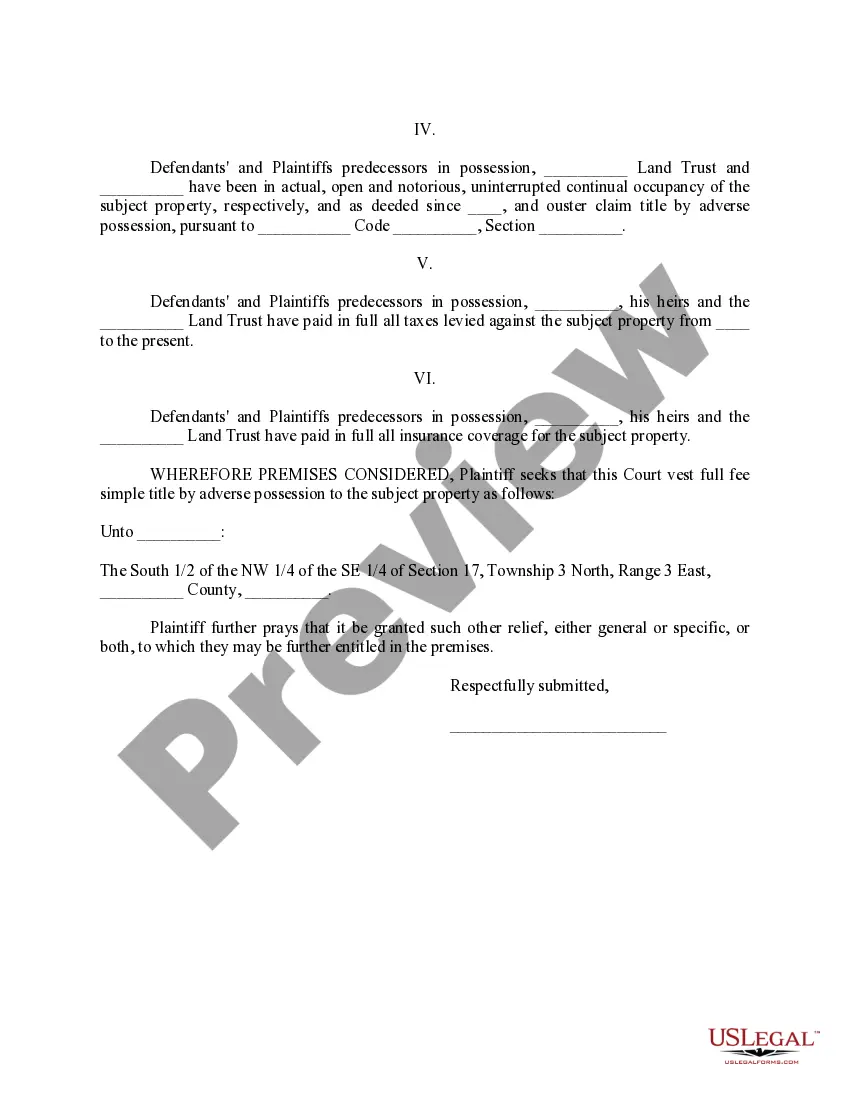
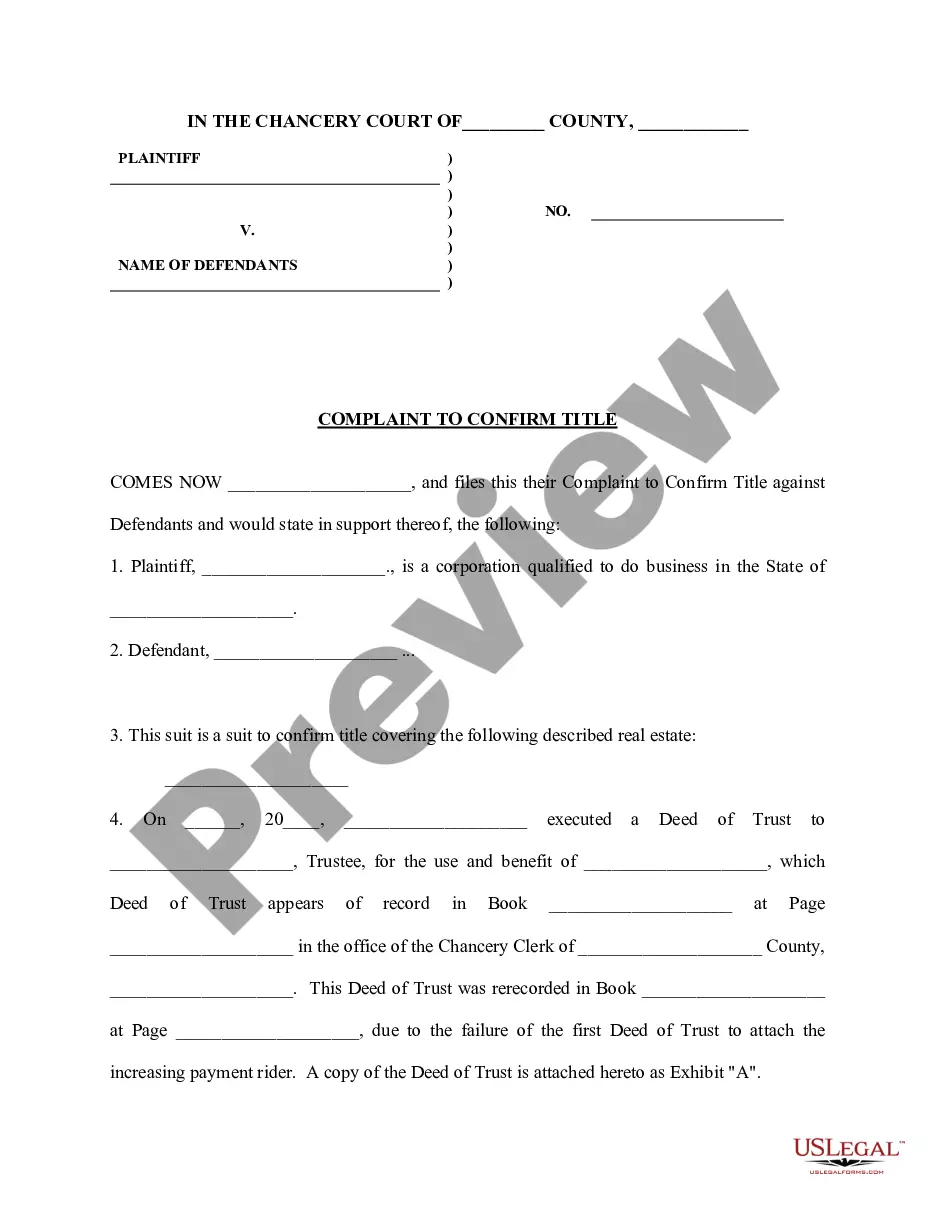
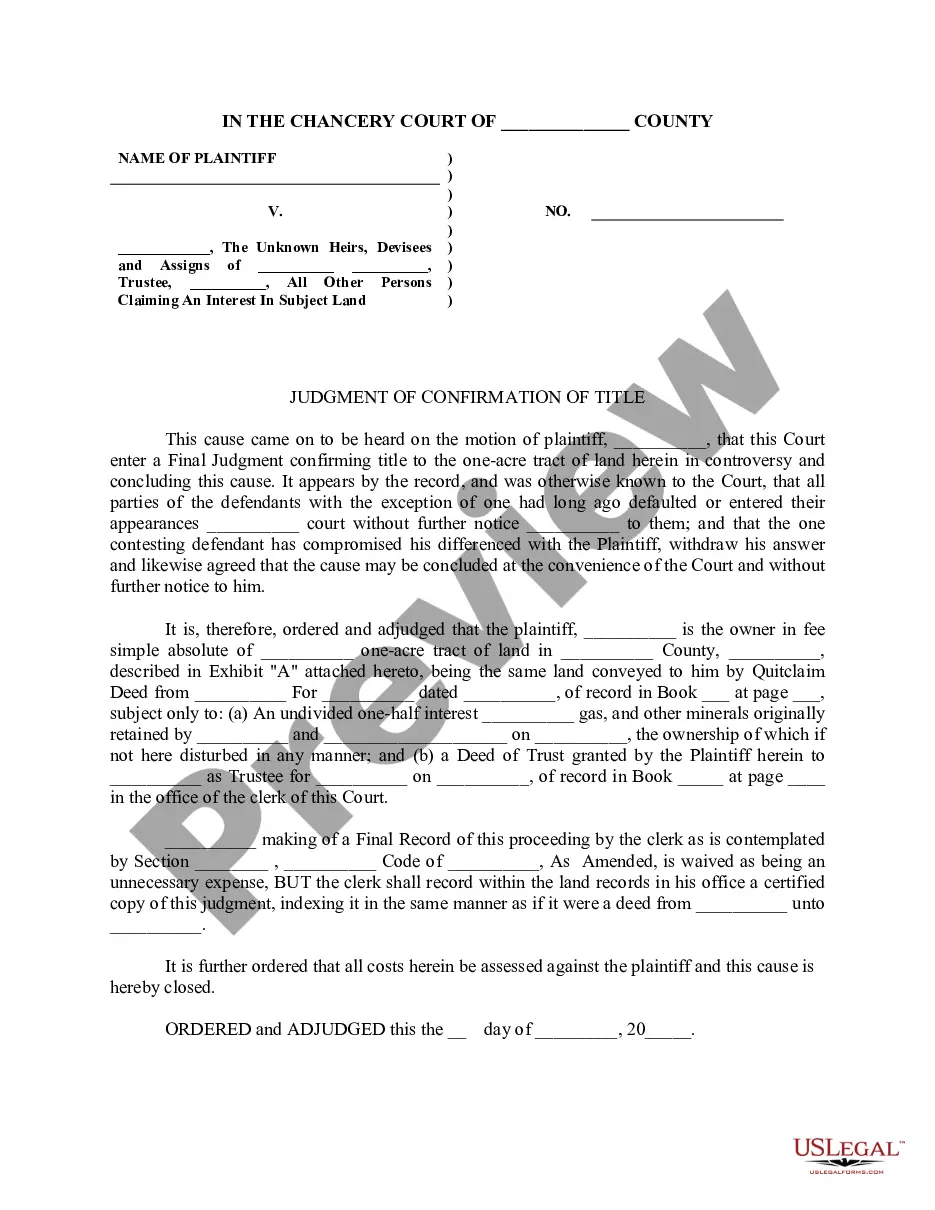

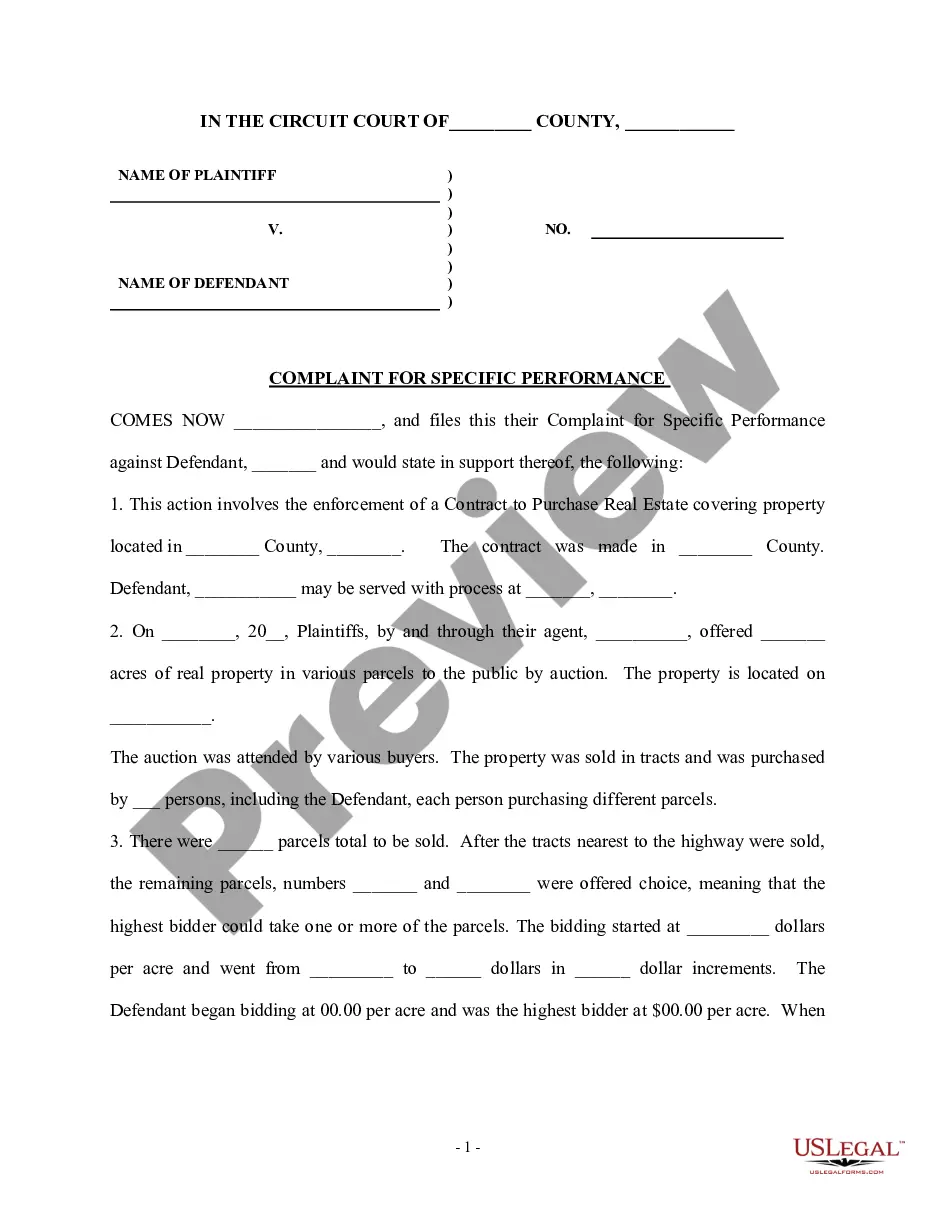

Get your form ready online
Our built-in tools help you complete, sign, share, and store your documents in one place.
Make edits, fill in missing information, and update formatting in US Legal Forms—just like you would in MS Word.
Download a copy, print it, send it by email, or mail it via USPS—whatever works best for your next step.
Sign and collect signatures with our SignNow integration. Send to multiple recipients, set reminders, and more. Go Premium to unlock E-Sign.
If this form requires notarization, complete it online through a secure video call—no need to meet a notary in person or wait for an appointment.
We protect your documents and personal data by following strict security and privacy standards.

Make edits, fill in missing information, and update formatting in US Legal Forms—just like you would in MS Word.

Download a copy, print it, send it by email, or mail it via USPS—whatever works best for your next step.

Sign and collect signatures with our SignNow integration. Send to multiple recipients, set reminders, and more. Go Premium to unlock E-Sign.

If this form requires notarization, complete it online through a secure video call—no need to meet a notary in person or wait for an appointment.

We protect your documents and personal data by following strict security and privacy standards.
Looking for another form?
How to fill out Complaint To Adjudicate Title?
If you desire to total, obtain, or create legal document templates, use US Legal Forms, the most significant collection of legal forms available online.
Utilize the site’s straightforward and user-friendly search to find the documents you require. Various templates for commercial and personal purposes are organized by categories and states, or keywords.
Use US Legal Forms to retrieve the Massachusetts Complaint to Adjudicate Title in just a few clicks.
Step 5. Complete the payment. You can use your credit card or PayPal account to finalize the transaction.
Step 6. Select the format of the legal form and download it to your device. Step 7. Complete, modify, and print or sign the Massachusetts Complaint to Adjudicate Title. Every legal document template you acquire is yours permanently. You have access to each form you downloaded within your account. Click on the My documents section and choose a form to print or download again. Compete and acquire, and print the Massachusetts Complaint to Adjudicate Title with US Legal Forms. There are countless professional and state-specific forms you can utilize for your business or personal requirements.
- If you are already a US Legal Forms user, Log In to your account and click the Obtain button to retrieve the Massachusetts Complaint to Adjudicate Title.
- You can also access forms you previously downloaded in the My documents section of your account.
- If you are using US Legal Forms for the first time, follow the steps below.
- Step 1. Ensure you have selected the form for the correct region/state.
- Step 2. Use the Preview option to review the form’s content. Don’t forget to read the details.
- Step 3. If you are not satisfied with the form, use the Search area at the top of the screen to find other versions of the legal form template.
- Step 4. After locating the form you need, click the Get now button. Choose the payment plan you prefer and provide your information to register for an account.
Form popularity
FAQ
Under Rule 65.3(g) a party must seek an "order permitting discovery," unlike the normal discovery provisions which permit parties, on their own, to initiate discovery. The rule requires the parties seeking discovery to particularize the need for, type, and timing of the discovery, sought.
Verified answer means an answer the truth of which is substantiated by oath or affirmation attested to by a notary public or other person who has legal authority to administer oaths.
Rule 15(d) provides that the court, upon motion of a party, may allow the party to serve a supplemental pleading setting forth transactions, occurrences, or events postdating the pleading sought to be supplemented.
Rule 12(f) indicates explicitly that although the court may, sua sponte, clean up the pleadings (literally and figuratively) at any time, it may strike an insufficient defense only if the plaintiff takes the initiative.
In California, if you are answering the verified complaint, every single paragraph must be answered with denial or an admission. The verification also needs to be signed by the defendant or their attorneys stating they have read the answers and that everything is correct to the best of their knowledge.
A verified complaint has a statement at the very end of the complaint, after the attorney's signature (or the plaintiff's signature if there is no attorney), that is signed under penalty of perjury stating that the statements in the complaint are true.
A complaint where the plaintiff (or, in limited cases, the plaintiff's counsel) swears to the allegations, demonstrating to a court that the plaintiff has investigated the charges against the defendant and found them to be of substance.
Under Rule 5(b), service may be made by mailing the paper to the party or attorney at his last known address; if no address is known, the paper may be left with the clerk of court. Prior Massachusetts practice made no provision in cases where the address was unknown.