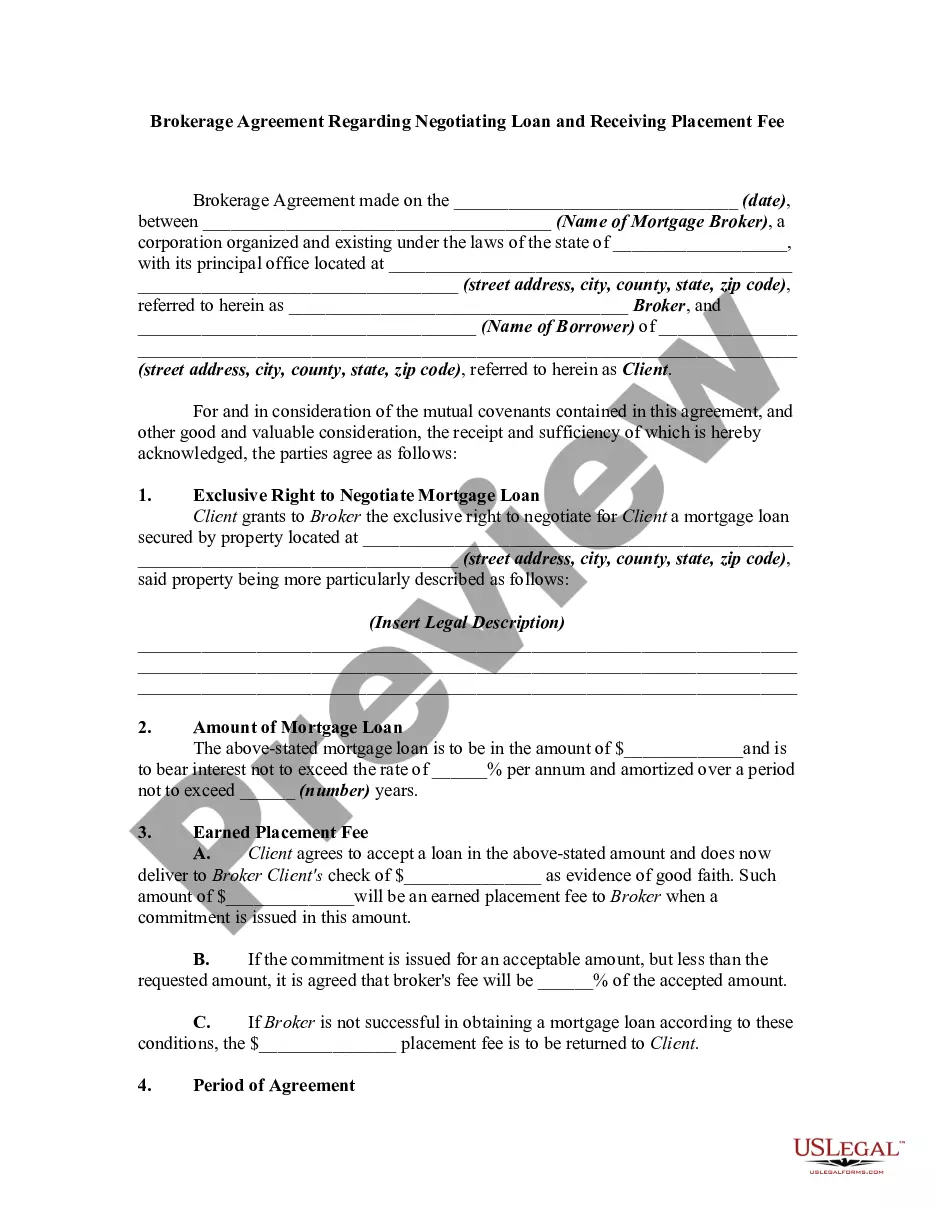
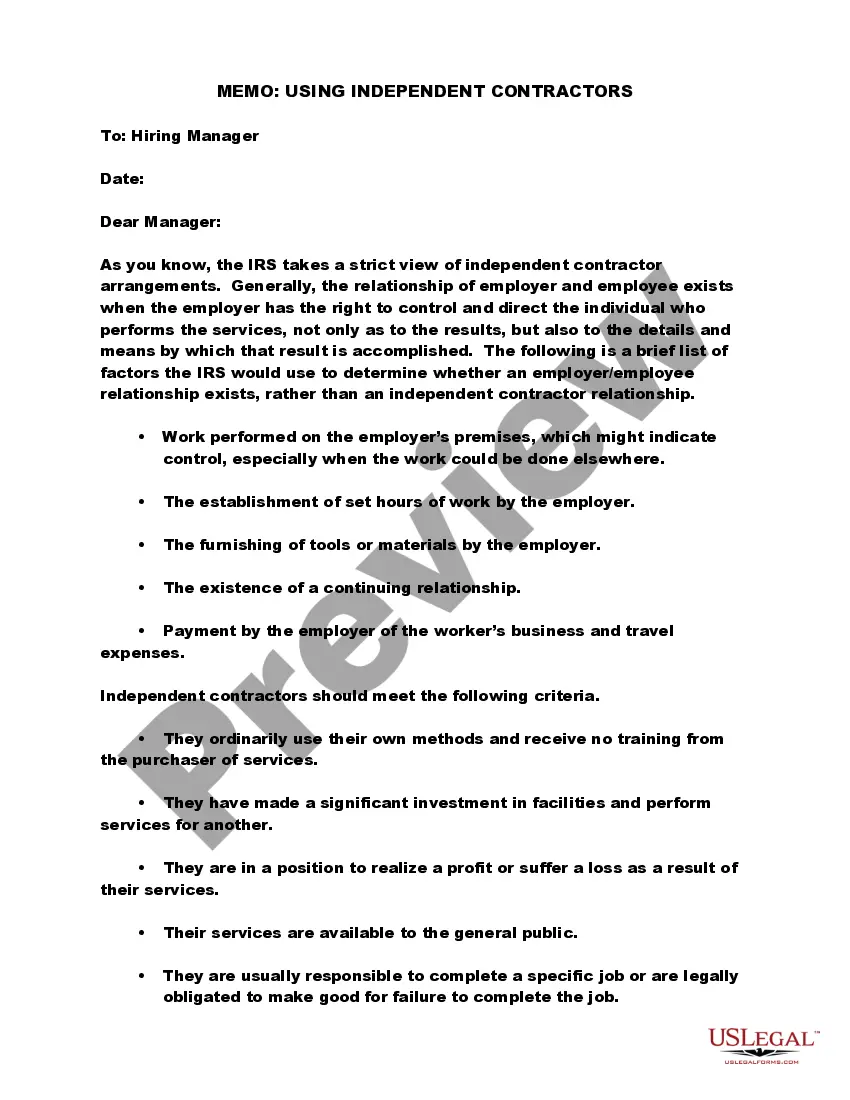
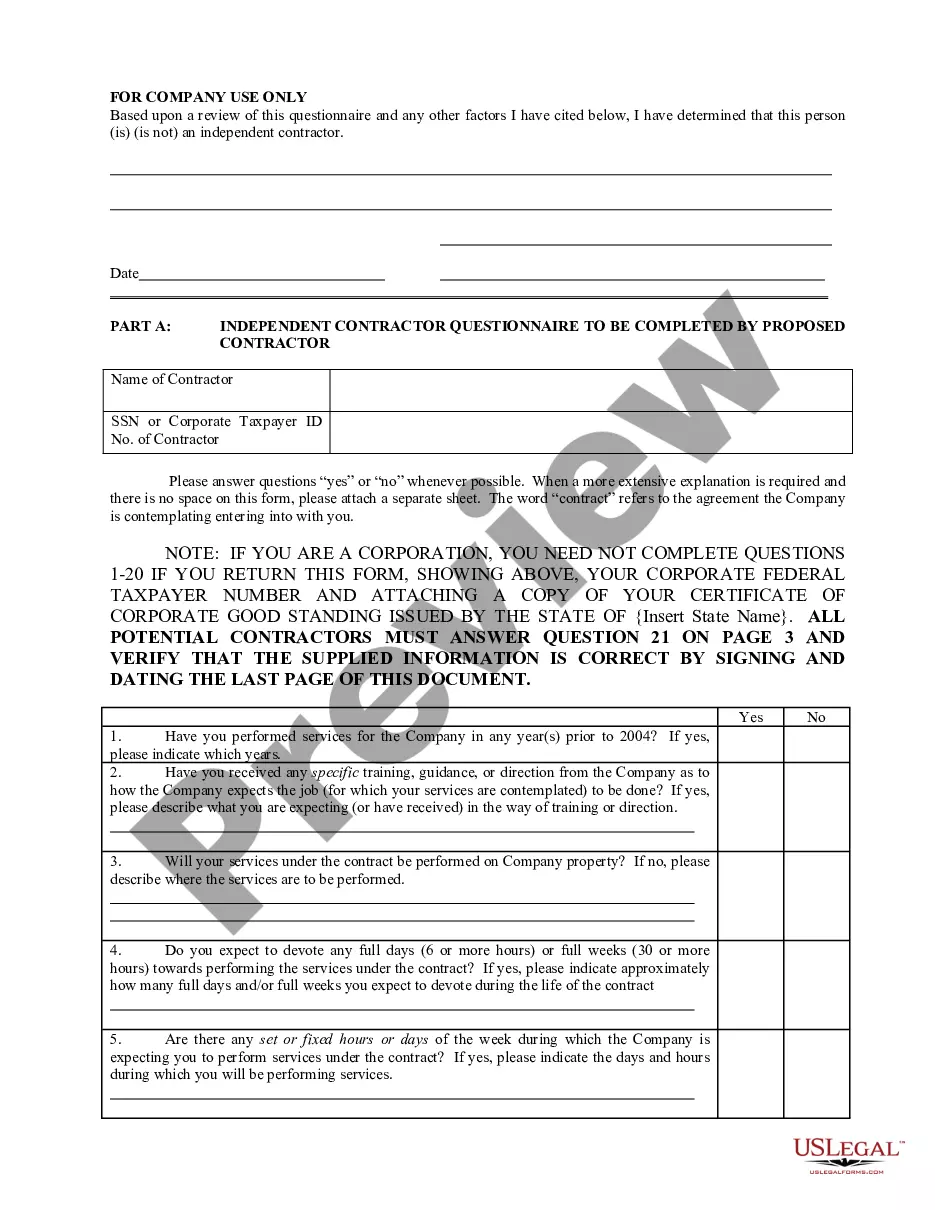
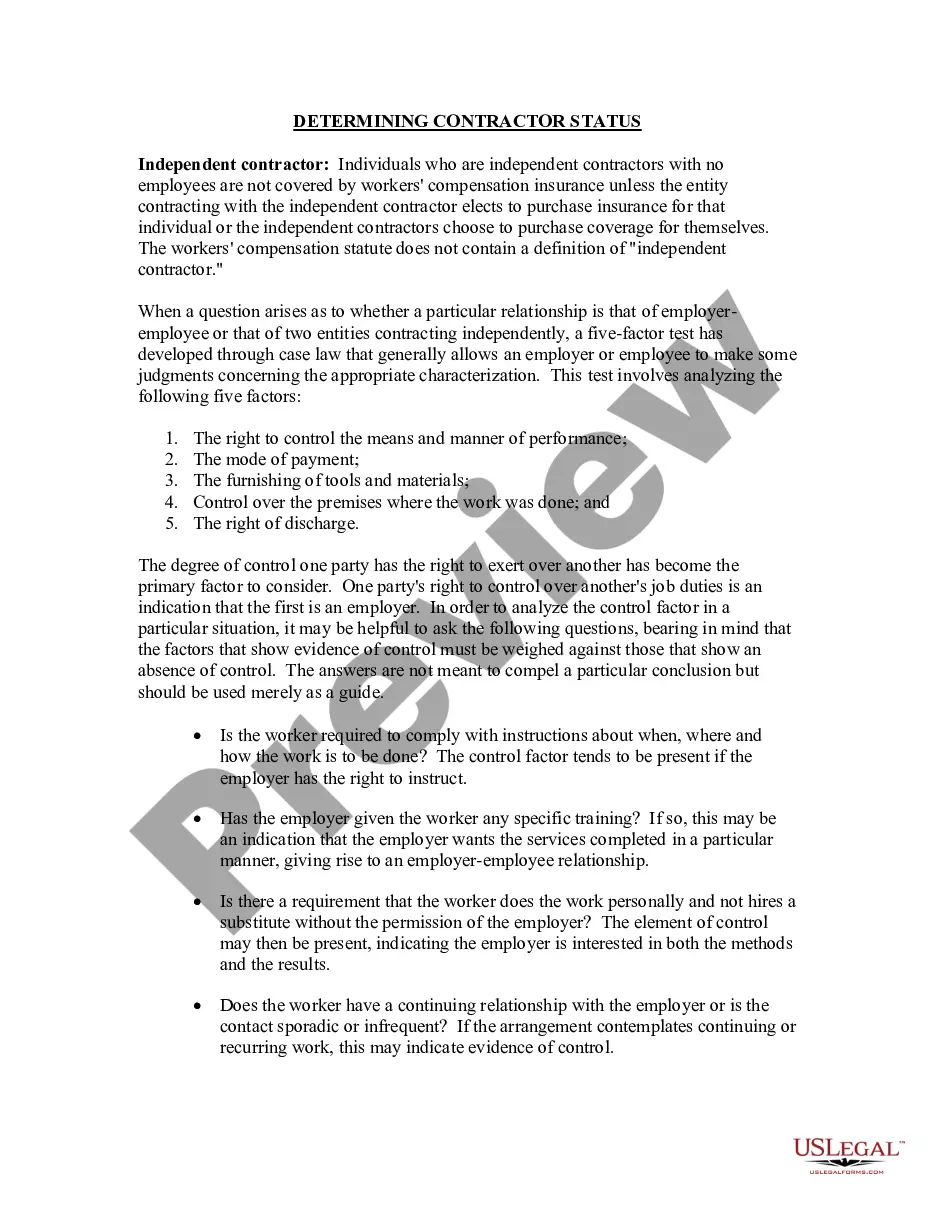
Massachusetts Memo - Using Self-Employed Independent Contractors
Description
Get your form ready online
Our built-in tools help you complete, sign, share, and store your documents in one place.
Make edits, fill in missing information, and update formatting in US Legal Forms—just like you would in MS Word.
Download a copy, print it, send it by email, or mail it via USPS—whatever works best for your next step.
Sign and collect signatures with our SignNow integration. Send to multiple recipients, set reminders, and more. Go Premium to unlock E-Sign.
If this form requires notarization, complete it online through a secure video call—no need to meet a notary in person or wait for an appointment.
We protect your documents and personal data by following strict security and privacy standards.
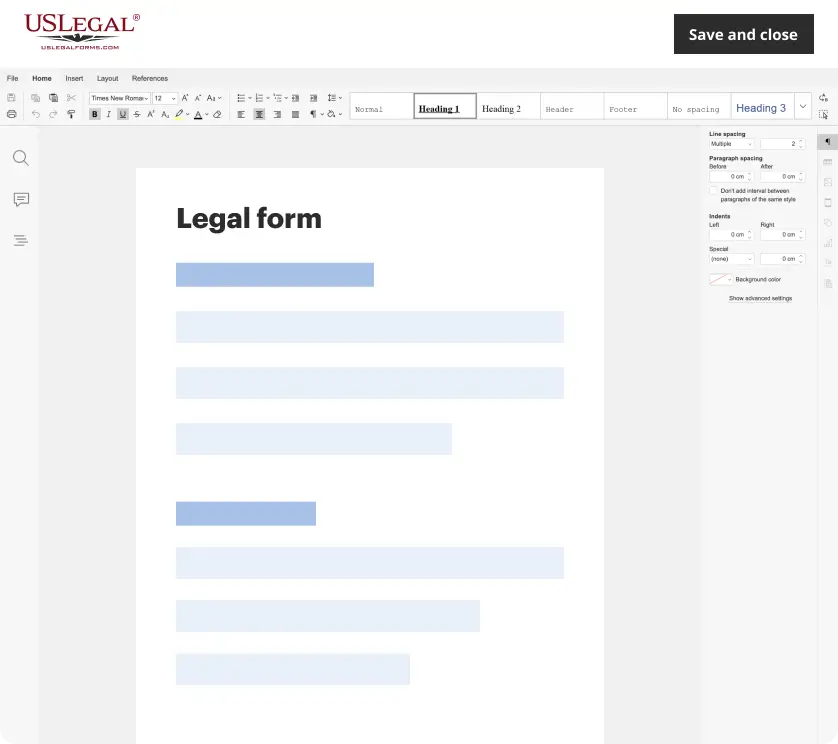
Make edits, fill in missing information, and update formatting in US Legal Forms—just like you would in MS Word.
Download a copy, print it, send it by email, or mail it via USPS—whatever works best for your next step.
Sign and collect signatures with our SignNow integration. Send to multiple recipients, set reminders, and more. Go Premium to unlock E-Sign.
If this form requires notarization, complete it online through a secure video call—no need to meet a notary in person or wait for an appointment.
We protect your documents and personal data by following strict security and privacy standards.
Looking for another form?
How to fill out Memo - Using Self-Employed Independent Contractors?
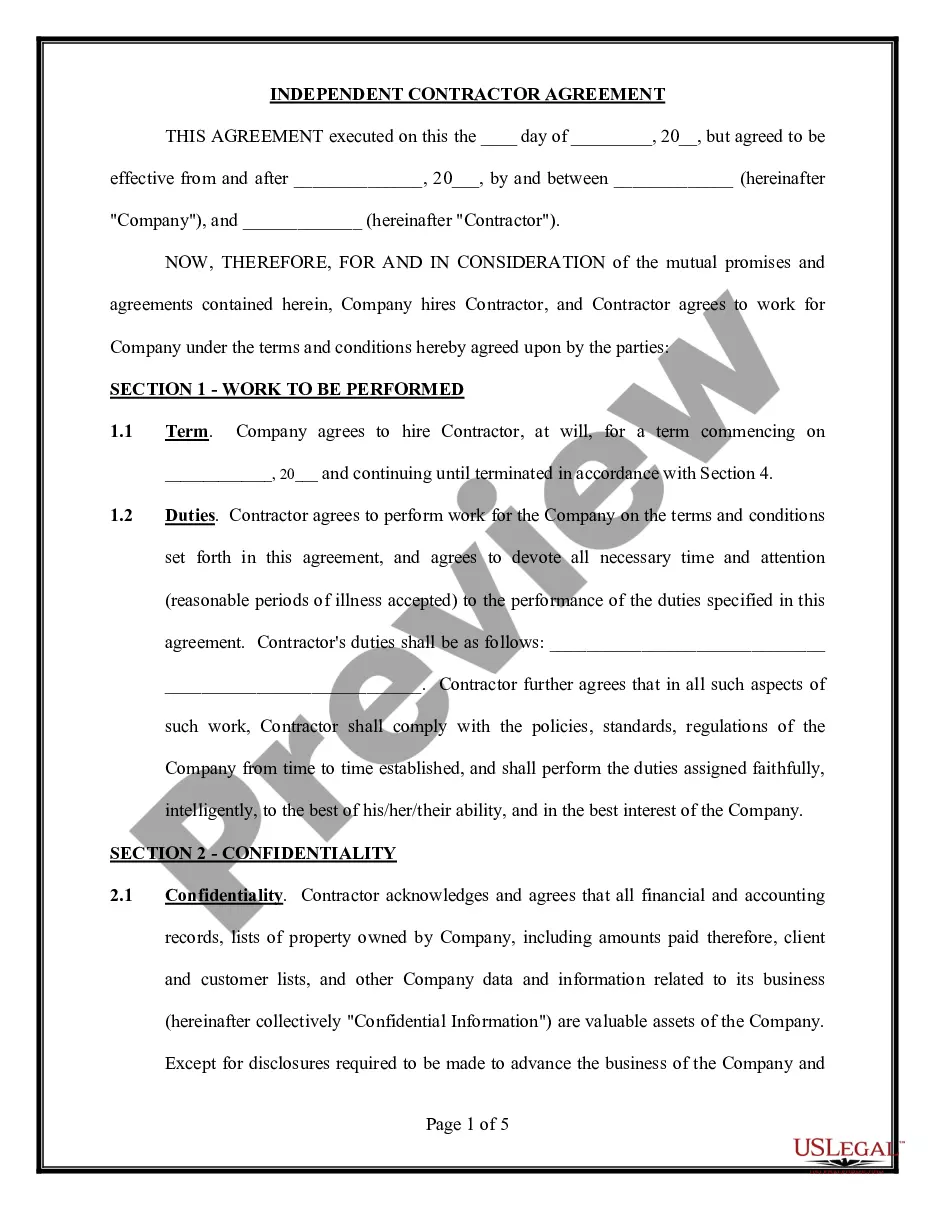
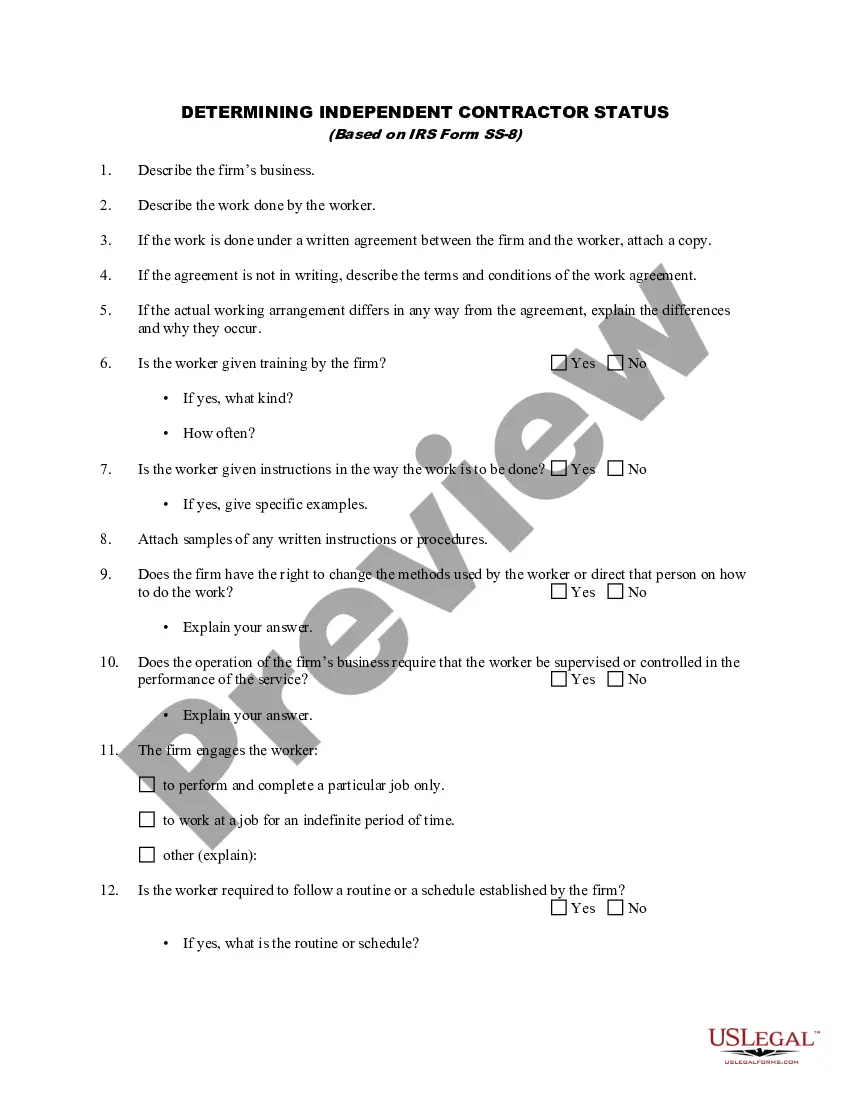
Locating the appropriate legitimate document template can be a challenge. Obviously, there is a multitude of templates accessible online, but how can you identify the authentic form you require? Utilize the US Legal Forms website. This service offers thousands of templates, including the Massachusetts Memo - Using Self-Employed Independent Contractors, which can be utilized for business and personal purposes.
All documents are reviewed by professionals and comply with federal and state regulations.
If you are already registered, Log In to your account and click the Download button to obtain the Massachusetts Memo - Using Self-Employed Independent Contractors. Use your account to search through the legal documents you have previously acquired. Navigate to the My documents tab in your account and download another copy of the document you need.
US Legal Forms is the largest repository of legal documents where you can find a variety of document templates. Take advantage of the service to download professionally crafted papers that comply with state regulations.
- If you are a new user of US Legal Forms, here are simple guidelines for you to follow.
- Firstly, ensure you have selected the appropriate form for your location/region.
- You can preview the document using the Preview button and examine the form details to confirm it is the correct one for you.
- If the form does not align with your requirements, utilize the Search area to find the suitable form.
- Once you are confident that the form is correct, click the Acquire Now button to obtain the document.
- Choose the pricing plan you prefer and enter the necessary information. Create your account and process the payment using your PayPal account or credit card.
- Select the document format and download the legal document template to your device.
- Complete, modify, print, and sign the obtained Massachusetts Memo - Using Self-Employed Independent Contractors.
Form popularity
FAQ
Contractors do not fall under most general employment legislation such as the ERA and the Holidays Act 2003, meaning they do not need to have a written employment agreement, and are not entitled to minimum wage or other employment entitlements, such as paid statutory holidays or sick leave.
During President Donald Trump's administration, the DOL issued a final rule clarifying when workers are independent contractors versus employees. The rule applied an economic-reality test that primarily considers whether the worker operates his or her own business or is economically dependent on the hiring entity.
On Monday, April 20, 2020, Massachusetts became one of the first states to begin providing unemployment benefits to gig workers, self-employed individuals, independent contractors, freelancers, and others not traditionally covered by unemployment compensation laws.
A 1099 employee is a US self-employed worker that reports their income to the IRS on a 1099 tax form. Freelancers, gig workers, and independent contractors are all considered 1099 employees. In contrast, actual company employees are considered W-2 employees.
The most common contractor payroll form is the 1099-MISC, which you're required to file if you pay a contractor more than $600 in a year. This can be a chore for the small business owner, as it means manually sending each contractor you hire their respective 1099.
If a person is truly an independent contractor (meaning they meet all three elements of the three part test), then the wage and hour laws are not applicable. This includes minimum wage, overtime, and rules for the timely payment of wages under the Massachusetts Wage Act.
Becoming an independent contractor is one of the many ways to be classified as self-employed. By definition, an independent contractor provides work or services on a contractual basis, whereas, self-employment is simply the act of earning money without operating within an employee-employer relationship.
An independent contractor is not an employee; therefore, he's not paid through the payroll. As a small-business owner with both employees and independent contractors, it is important that you know the differences between the two.
Some general protections provided under the Fair Work Act 2009 extend to independent contractors and their principals. Independent contractors and principals are afforded limited workplace rights, and the right to engage in certain industrial activities.
If you work for an employer, you're an employee. If you're self-employed, you're an independent contractor.