Massachusetts Acknowledgment for Witnessing Signature
What this document covers
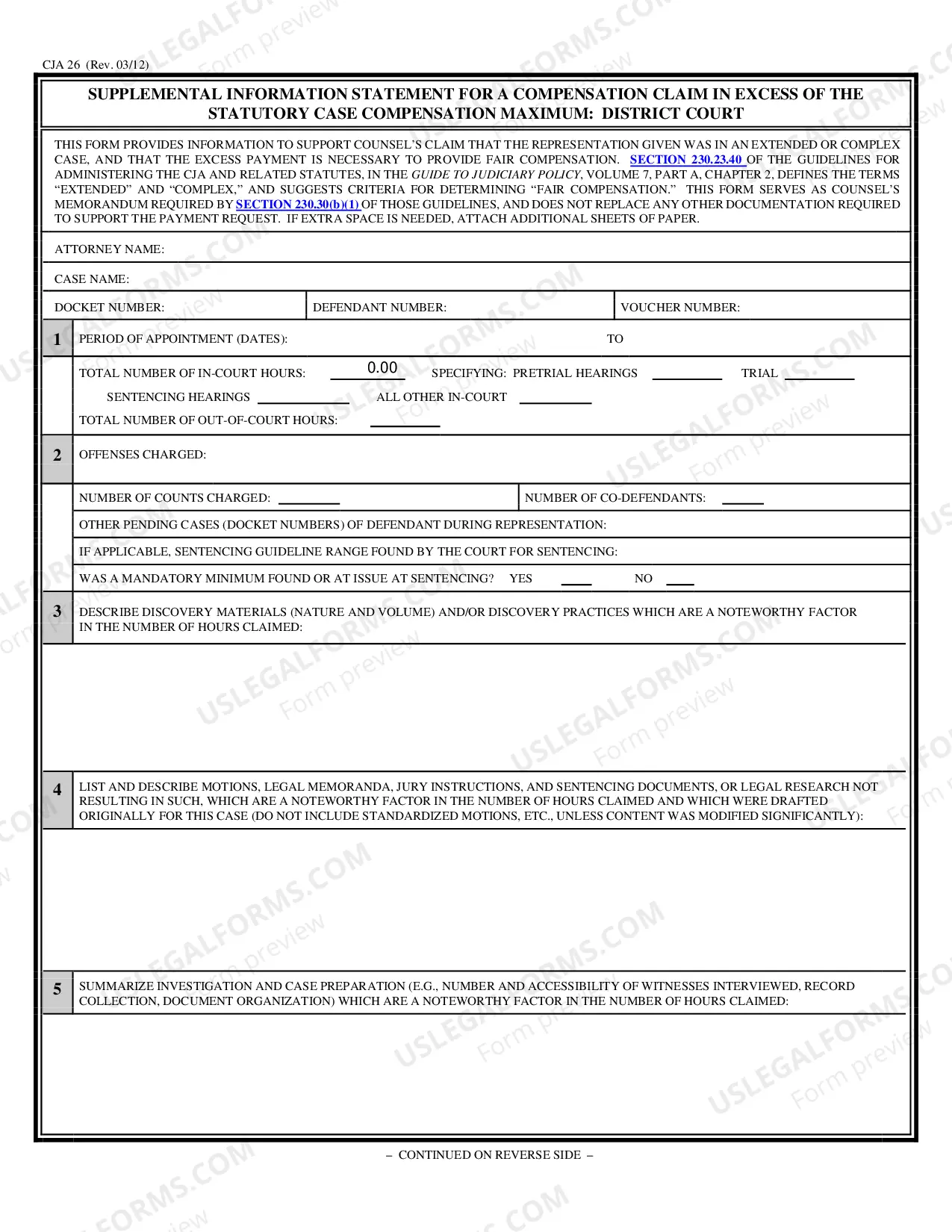
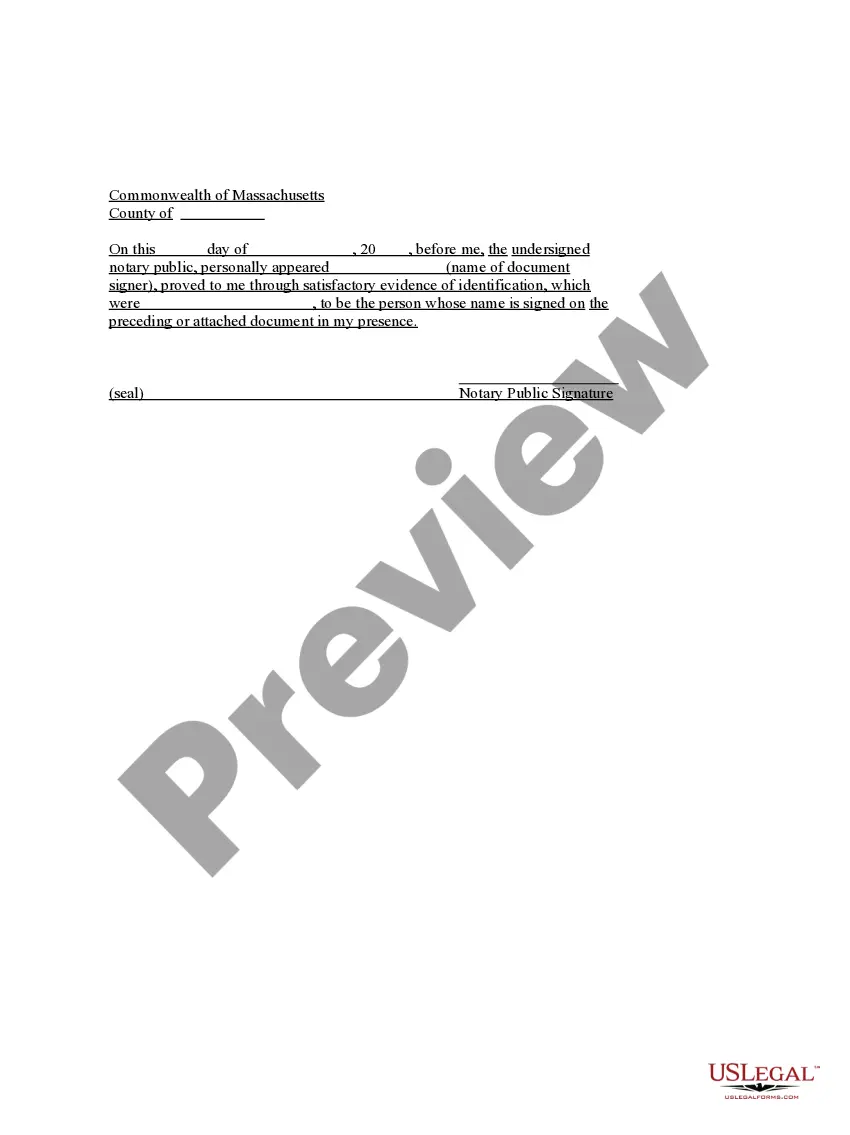
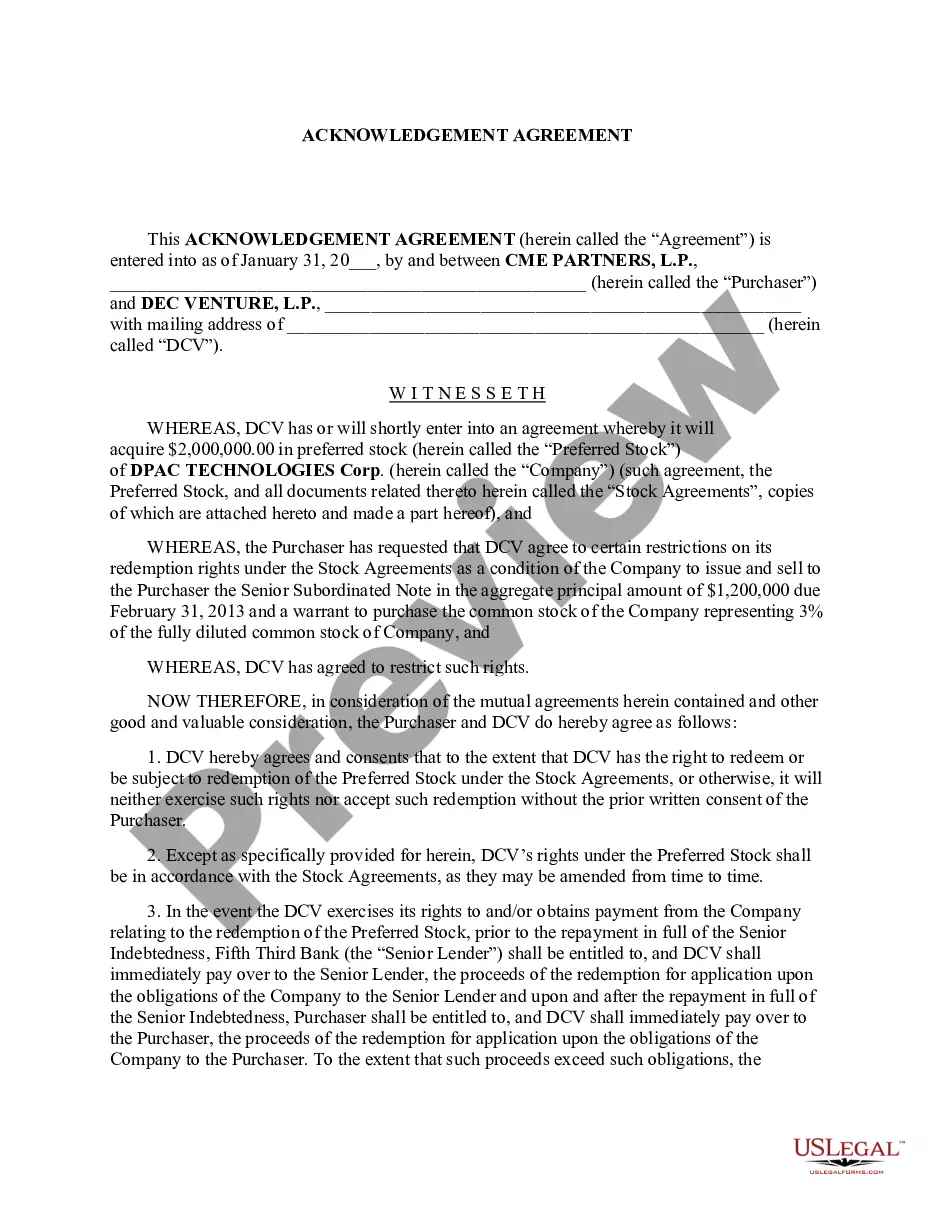
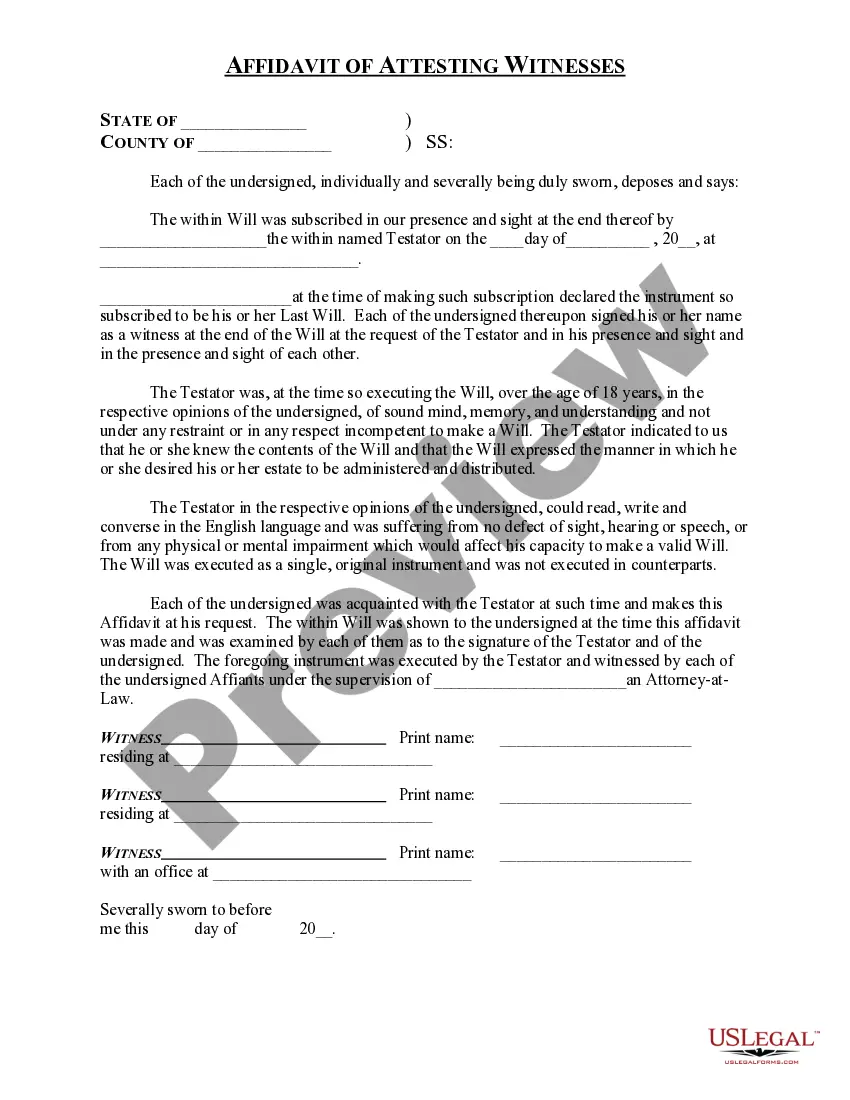
The Acknowledgment for Witnessing Signature is a legal document used to verify the identity of a person signing a document in the presence of a notary public. This form differs from other notarization forms as it specifically focuses on acknowledging the presence of a witness and their signature, ensuring the authenticity of the signing process. It is crucial in situations where legal documents require validation through a witness to prevent fraud and establish their legitimacy.
Main sections of this form
- Identification of the signer: The form requires the name of the individual signing the document.
- Evidence of identification: The notary must specify the type of identification used to confirm the signer's identity.
- Date and location: The form includes fields for the date of acknowledgment and the jurisdiction where the notarization occurs.
- Notary public information: The signature and seal of the notary public, which authenticate the acknowledgment.


When to use this document
This form is commonly used in scenarios where important legal documents must be signed in front of a witness to establish their validity. Examples include real estate transactions, will signings, and other legal agreements where the presence of a witness can help prevent disputes regarding the authenticity of signatures.
Intended users of this form
- Individuals involved in legal transactions requiring notarization.
- Witnesses who need to verify signatures on legal documents.
- Notary publics responsible for witnessing and validating signatures.
- Contracting parties seeking to enhance the legal weight of their documents.
Steps to complete this form
- Provide the date on which the acknowledgment is being made.
- Fill in the name of the document signer who appears before the notary.
- List the specific means of identification used to verify the signerâs identity.
- Have the signer provide their signature in the designated section.
- The notary public must complete their portion by signing and sealing the document.
Does this document require notarization?
Yes, this form must be notarized to be legally valid. The notary public's seal and signature are essential for confirming that the signer appeared before them and that their identity was properly authenticated. US Legal Forms provides an integrated online notarization service, allowing for secure video calls with notaries available 24/7, making the process easy and efficient.
Get your form ready online
Our built-in tools help you complete, sign, share, and store your documents in one place.
Make edits, fill in missing information, and update formatting in US Legal Forms—just like you would in MS Word.
Download a copy, print it, send it by email, or mail it via USPS—whatever works best for your next step.
Sign and collect signatures with our SignNow integration. Send to multiple recipients, set reminders, and more. Go Premium to unlock E-Sign.
If this form requires notarization, complete it online through a secure video call—no need to meet a notary in person or wait for an appointment.
We protect your documents and personal data by following strict security and privacy standards.

Make edits, fill in missing information, and update formatting in US Legal Forms—just like you would in MS Word.

Download a copy, print it, send it by email, or mail it via USPS—whatever works best for your next step.

Sign and collect signatures with our SignNow integration. Send to multiple recipients, set reminders, and more. Go Premium to unlock E-Sign.

If this form requires notarization, complete it online through a secure video call—no need to meet a notary in person or wait for an appointment.

We protect your documents and personal data by following strict security and privacy standards.
Common mistakes
- Failing to verify the identity of the signer adequately.
- Omitting the date or location of the acknowledgment.
- Not having the signer present when the notary completes the acknowledgment.
- Incorrectly filling in the fields or using unclear handwriting.
Advantages of online completion
- Convenience: Users can easily download and fill out the form from anywhere.
- Editability: The form can be customized to meet individual needs before printing.
- Reliability: Access to forms drafted by licensed attorneys ensures legal compliance.
What to keep in mind
- The Acknowledgment for Witnessing Signature verifies that a signer is present and willing to sign.
- This form is essential in personal and legal transactions requiring notarized documentation.
- Ensure compliance with local regulations, particularly in the state where the form is utilized.
Looking for another form?
Form popularity
FAQ
Yes, a signature is crucial in a Massachusetts acknowledgment for witnessing signature. The acknowledgment must include the signature of both the signer and the notary or witness to be legally valid. This ensures accountability and confirms that the document has been correctly acknowledged.
Filling up an acknowledgment involves entering the date, signer’s name, and specific details related to the document being signed. After that, you should provide your name as the person witnessing the signature, include your signature, and affix a seal if required by law. Clear, accurate details enhance the acknowledgment's legitimacy.
A solid example of an acknowledgment is a scenario where a borrower signs a mortgage document in front of a notary. The notary will complete the acknowledgment form, affirming that the borrower appeared willingly and signed the document. This serves a vital role in maintaining the integrity of the legal process.
A notary acknowledgment typically contains the date, the name of the signer, and the notary’s details. For instance, it would state that the signer appeared before the notary and acknowledged signing the document. An example could read, 'On this day, John Doe appeared before me and acknowledged that he signed this document.'
To fill out a Massachusetts acknowledgment for witnessing signature, first include the date and your name. Next, write down the name of the person whose signature you are witnessing. Finally, sign the form as the notary or authorized witness. Make sure all information is clear to ensure its validity.
Among other essential roles, signature guarantors and notaries also serve as witnesses. A witness is a neutral third-party whose sole purpose is to observe the person signing the document. By doing so, they can ensure the validity of the material and the identities of both signers.
Notaries must complete a notarial certificate for the signature witnessing. Notaries must sign the notarial certificate for the signature witnessing with their official signature and authenticate it with their Notary seal (in most states). Notaries may be required to record a journal entry for the act.
When you see (here insert the name and character of the officer) next to a blank as shown below, it means you should insert Your name, Notary Public in the blank.
Bring any witnesses with you who may also be required to sign the document so that they may do so in the presence of the notary. Meet with the notary at his office or another mutually agreeable location and present the document to him for notarization.
For an acknowledgment, the signer must always: Be positively identified by the Notary. The Notary must always identify the signer for an acknowledgement; whether the signer personally knows the Notary, presents an ID document, or is identified by a credible witness depends on the circumstances.