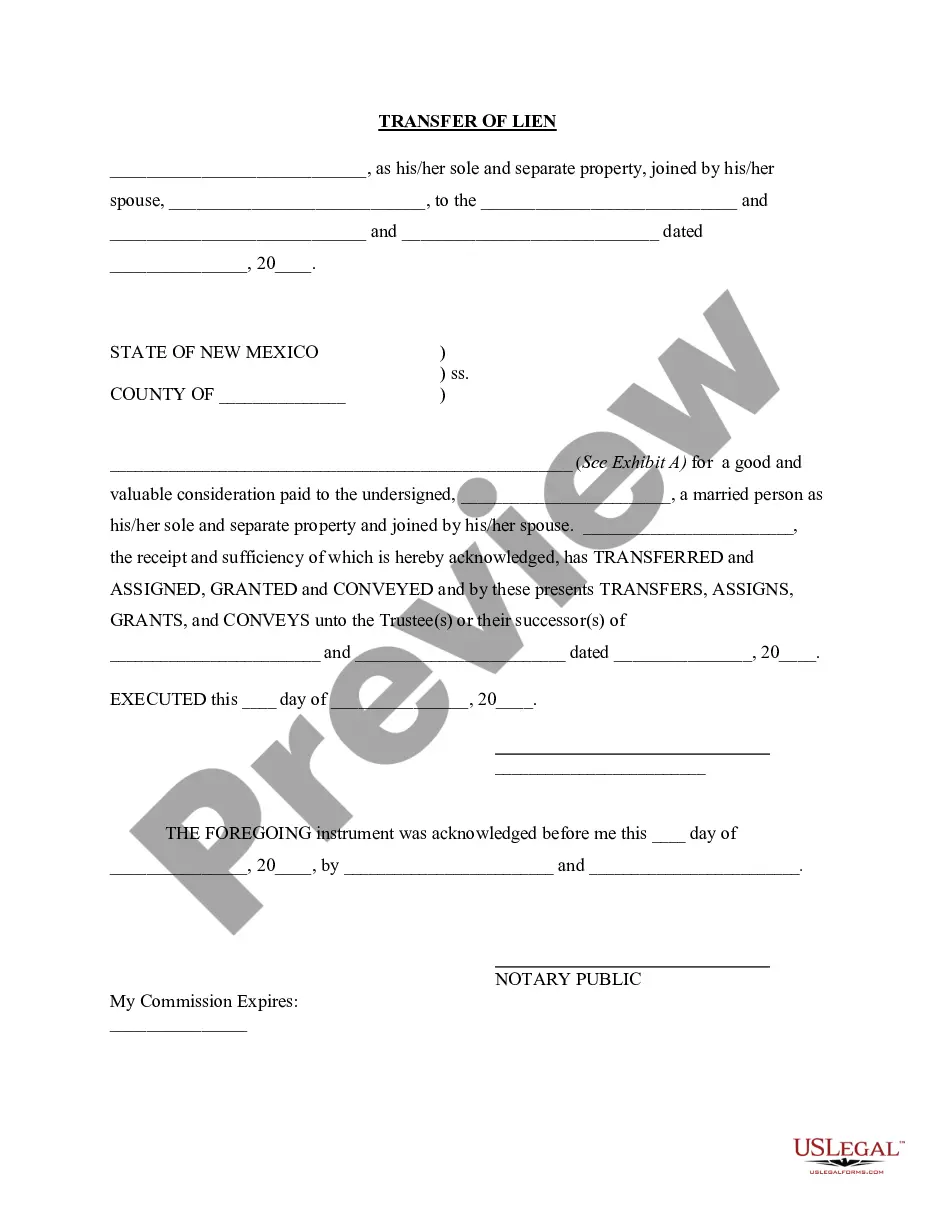
Maryland Warranty Deed from Individual to LLC
Overview of this form
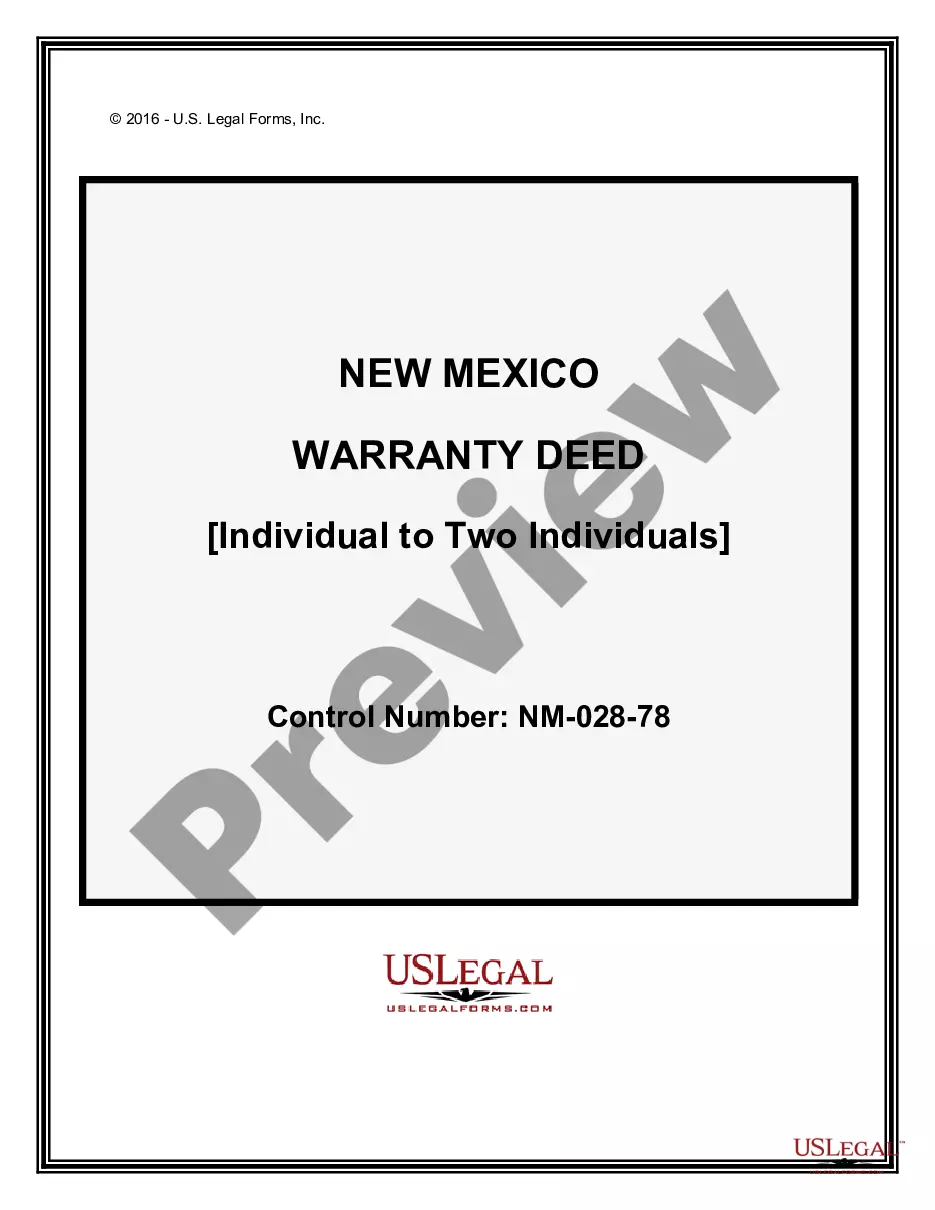
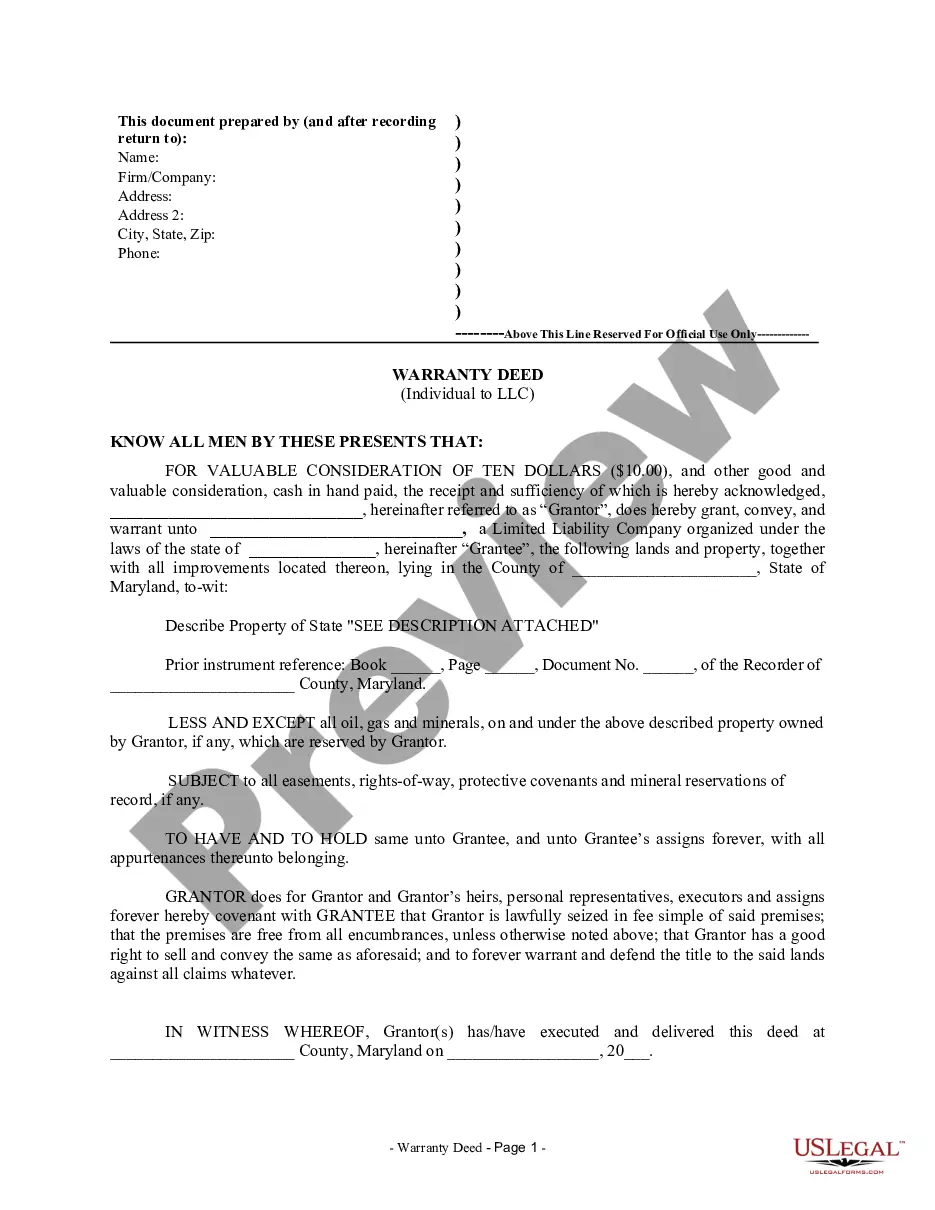
This Warranty Deed from Individual to LLC is a legal document that facilitates the transfer of property ownership from an individual, known as the grantor, to a limited liability company (LLC), known as the grantee. Unlike general deeds, this warranty deed explicitly guarantees that the grantor holds clear title to the property and has the right to transfer it, providing an added layer of protection for the LLC. This form is particularly important for individuals who wish to protect their personal assets by transferring real estate into a business entity.
What’s included in this form
- Description of Property: This section includes detailed information about the property being transferred.
- Grantor and Grantee Information: Names and legal designations of the individual and the LLC involved in the transaction.
- Reservation of Rights: Explicitly notes the reservation of oil, gas, and minerals beneath the property, if applicable.
- Covenants: The grantor's promises regarding the title and possession of the property.
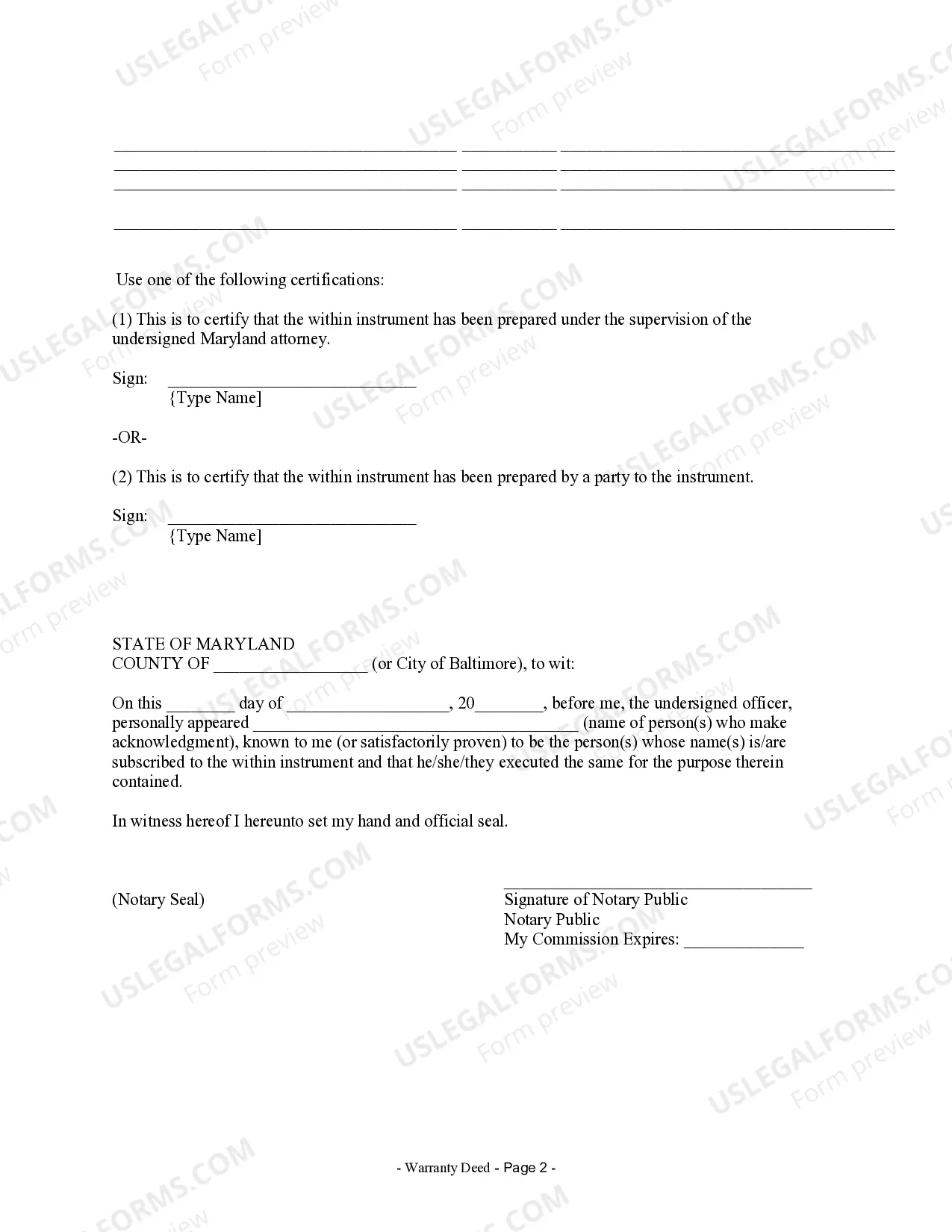
- Execution and Notarization: Includes space for dates, signatures, and notarization as required.




When to use this document
This warranty deed should be used in situations where an individual wishes to transfer ownership of real estate to their LLC. Common scenarios include property owned by sole proprietors looking to formalize their business structure, asset protection strategies, or when a business is acquiring real estate for its operations. This form is essential for ensuring that the deed transfer is legally recognized and that the grantor's title is protected.
Intended users of this form
- Individuals who own property and wish to transfer it to a limited liability company.
- Business owners seeking to protect personal assets by holding real estate under an LLC.
- Real estate investors looking for a structured ownership model for their investments.
- Attorneys overseeing property transactions for their clients involving LLCs.
How to prepare this document
- Identify the grantor and grantee by entering their full names and designations.
- Provide a detailed description of the property being conveyed, referencing prior instrument details.
- Clearly indicate any reservations, such as rights to oil, gas, or minerals.
- Sign and date the deed before a Notary Public as required.
- Ensure all relevant parties execute the document to complete the transfer legally.
Does this document require notarization?
This form must be notarized to be legally valid. US Legal Forms provides secure online notarization powered by Notarize, allowing you to complete the process through a verified video call.
Get your form ready online
Our built-in tools help you complete, sign, share, and store your documents in one place.
Make edits, fill in missing information, and update formatting in US Legal Forms—just like you would in MS Word.
Download a copy, print it, send it by email, or mail it via USPS—whatever works best for your next step.
Sign and collect signatures with our SignNow integration. Send to multiple recipients, set reminders, and more. Go Premium to unlock E-Sign.
If this form requires notarization, complete it online through a secure video call—no need to meet a notary in person or wait for an appointment.
We protect your documents and personal data by following strict security and privacy standards.

Make edits, fill in missing information, and update formatting in US Legal Forms—just like you would in MS Word.

Download a copy, print it, send it by email, or mail it via USPS—whatever works best for your next step.

Sign and collect signatures with our SignNow integration. Send to multiple recipients, set reminders, and more. Go Premium to unlock E-Sign.

If this form requires notarization, complete it online through a secure video call—no need to meet a notary in person or wait for an appointment.

We protect your documents and personal data by following strict security and privacy standards.
Typical mistakes to avoid
- Failing to provide a complete and accurate property description.
- Not reserving oil, gas, or mineral rights if applicable, leading to potential future disputes.
- Neglecting to have the document notarized, which could invalidate the deed.
- Omitting signatures from all necessary parties, making the deed unenforceable.
Advantages of online completion
- Convenient access to a professionally drafted legal document ideal for property transfer.
- Editable templates that allow for customization to meet specific needs.
- Reliability and assurance that the form meets current legal standards.
- Time-saving process as forms can be prepared and downloaded instantly.
Summary of main points
- The Warranty Deed from Individual to LLC serves as a crucial document for property transfer.
- Complete the form accurately to ensure legal protection and compliance with laws.
- Notarization is a necessary step in the execution of this deed.
- This form can be customized and downloaded conveniently online, facilitated by licensed attorneys.
Looking for another form?
Form popularity
FAQ
Retrieve your original deed. Get the appropriate deed form. Draft the deed. Sign the deed before a notary. Record the deed with the county recorder. Obtain the new original deed.
Both the warranty deed and deed of trust are recorded with the county clerk or recorder. Generally, the lender sends the documents to be recorded after the closing.The original warranty deeds are often mailed to the grantee after they are recorded.
Discuss the terms of the deed with the new owners. Hire a real estate attorney to prepare the deed. Review the deed. Sign the deed in front of a notary public, with witnesses present. File the deed on public record.
To change the names on a real estate deed, you will need to file a new deed with the Division of Land Records in the Circuit Court for the county where the property is located. The clerk will record the new deed.
Typically, the only cost is between $25 and $55 to record the new deed and obtain a certificate from the city/county to show that all taxes are current. The deed should be notarized and must be prepared by one of the parties or under the supervision of a Maryland attorney.
A consenting individual may be removed from a deed by filing a quitclaim deed. Under Maryland law each county has a separate procedure and requirements for filing a quitclaim deed.
Let's start with the definition of a deed: DEED: A written instrument by which one party, the Grantor, conveys the title of ownership in property to another party, the Grantee. A Warranty Deed contains promises, called covenants, that the Grantor makes to the Grantee.
Special warranty deed -- warrants that the seller did nothing personally during his ownership of the property that would create a defect in the title to the property. This is the type of deed most often used in Maryland.
A general warranty deed is not a contract of saleit does not include a price for the property or include any transfer of funds. Instead, it is the legal document that completes the sale by transferring the property from the grantor to the grantee.