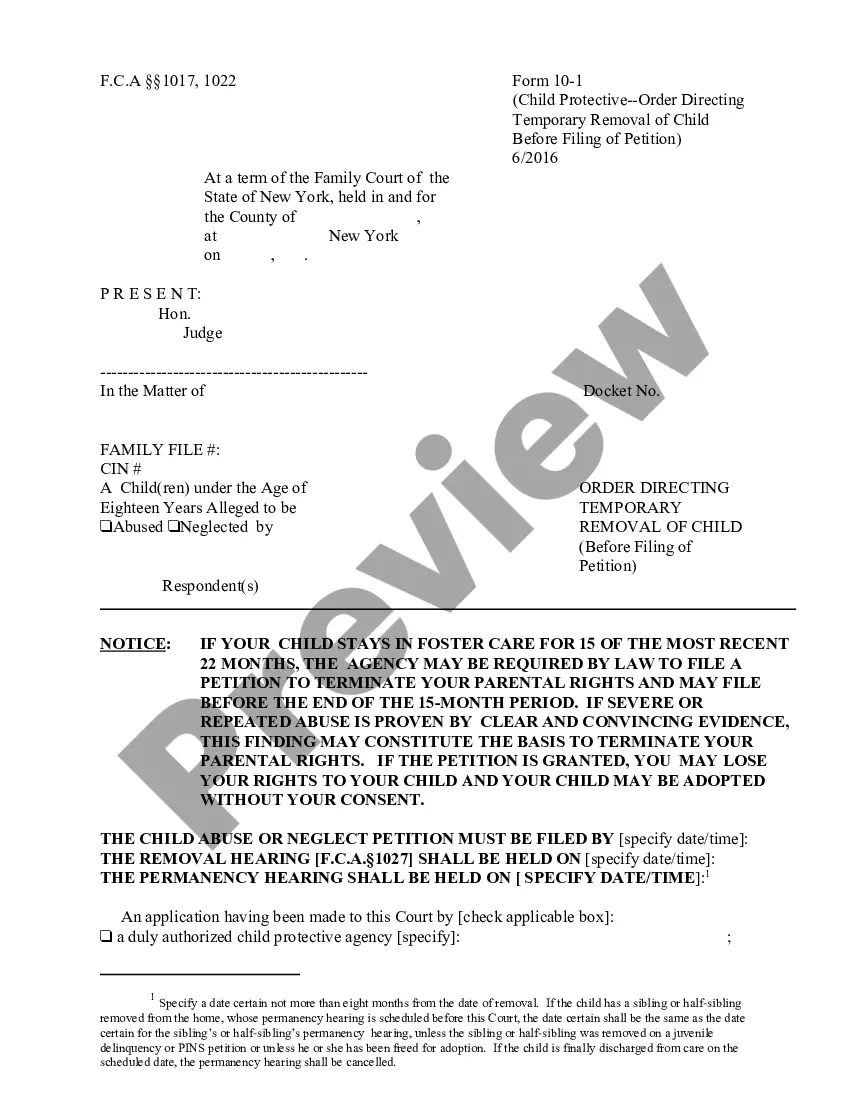
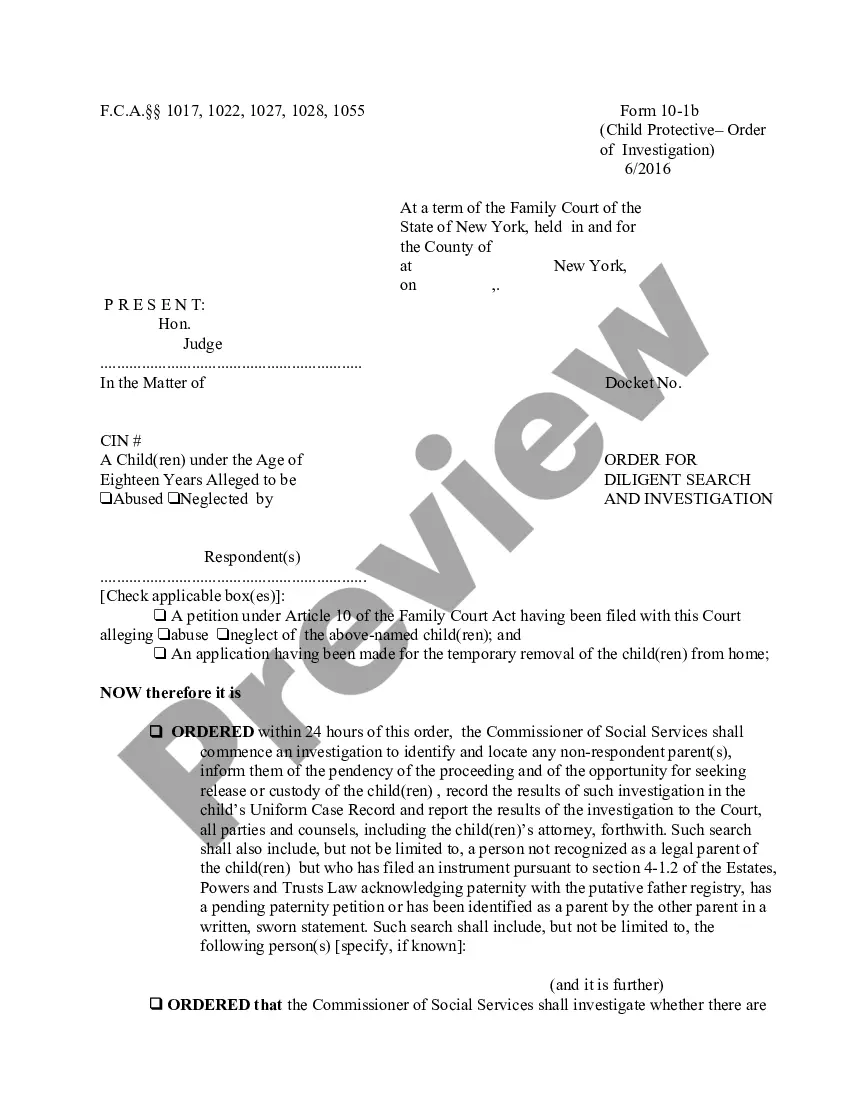
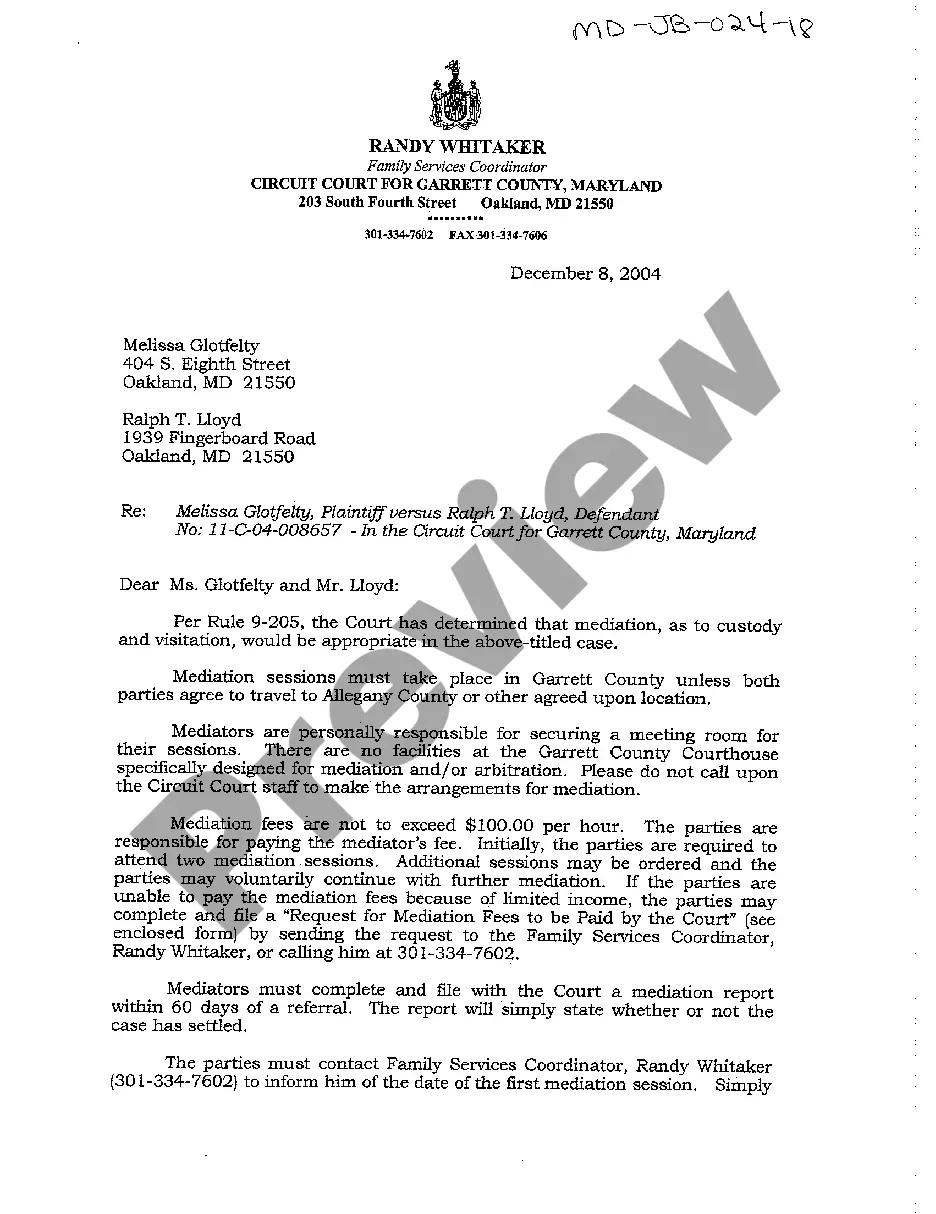
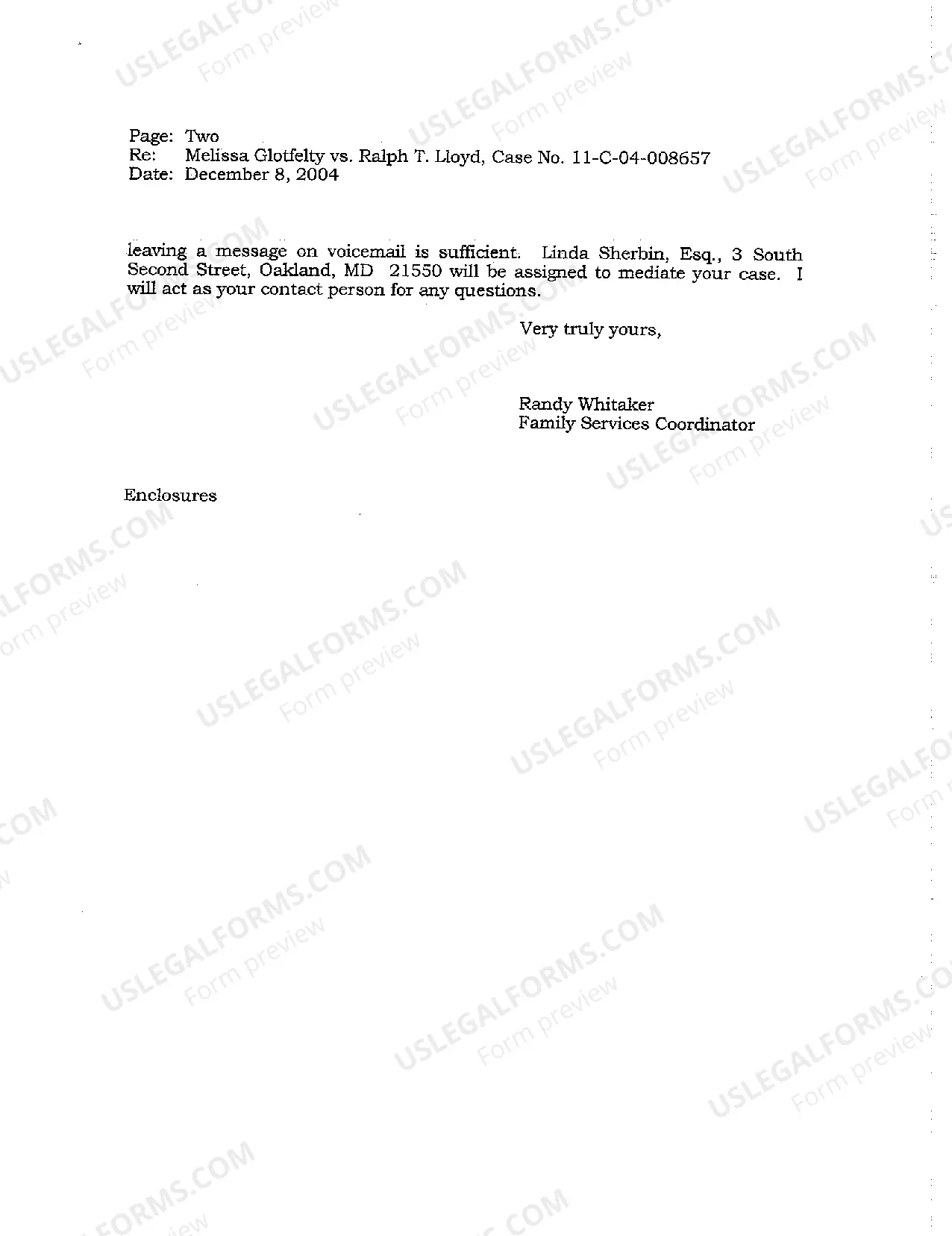
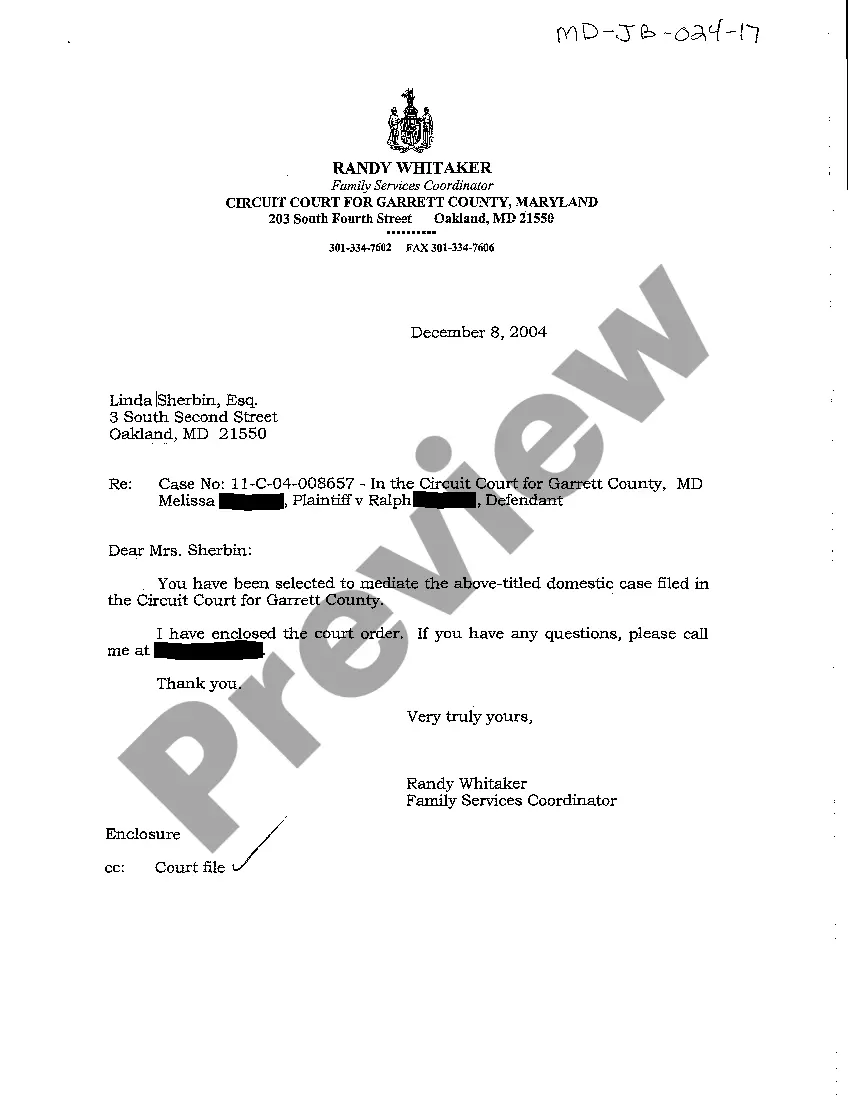
Maryland Letter Regarding Court Order
Description
Get your form ready online
Our built-in tools help you complete, sign, share, and store your documents in one place.
Make edits, fill in missing information, and update formatting in US Legal Forms—just like you would in MS Word.
Download a copy, print it, send it by email, or mail it via USPS—whatever works best for your next step.
Sign and collect signatures with our SignNow integration. Send to multiple recipients, set reminders, and more. Go Premium to unlock E-Sign.
If this form requires notarization, complete it online through a secure video call—no need to meet a notary in person or wait for an appointment.
We protect your documents and personal data by following strict security and privacy standards.
Make edits, fill in missing information, and update formatting in US Legal Forms—just like you would in MS Word.
Download a copy, print it, send it by email, or mail it via USPS—whatever works best for your next step.
Sign and collect signatures with our SignNow integration. Send to multiple recipients, set reminders, and more. Go Premium to unlock E-Sign.

If this form requires notarization, complete it online through a secure video call—no need to meet a notary in person or wait for an appointment.
We protect your documents and personal data by following strict security and privacy standards.
Looking for another form?
Key Concepts & Definitions
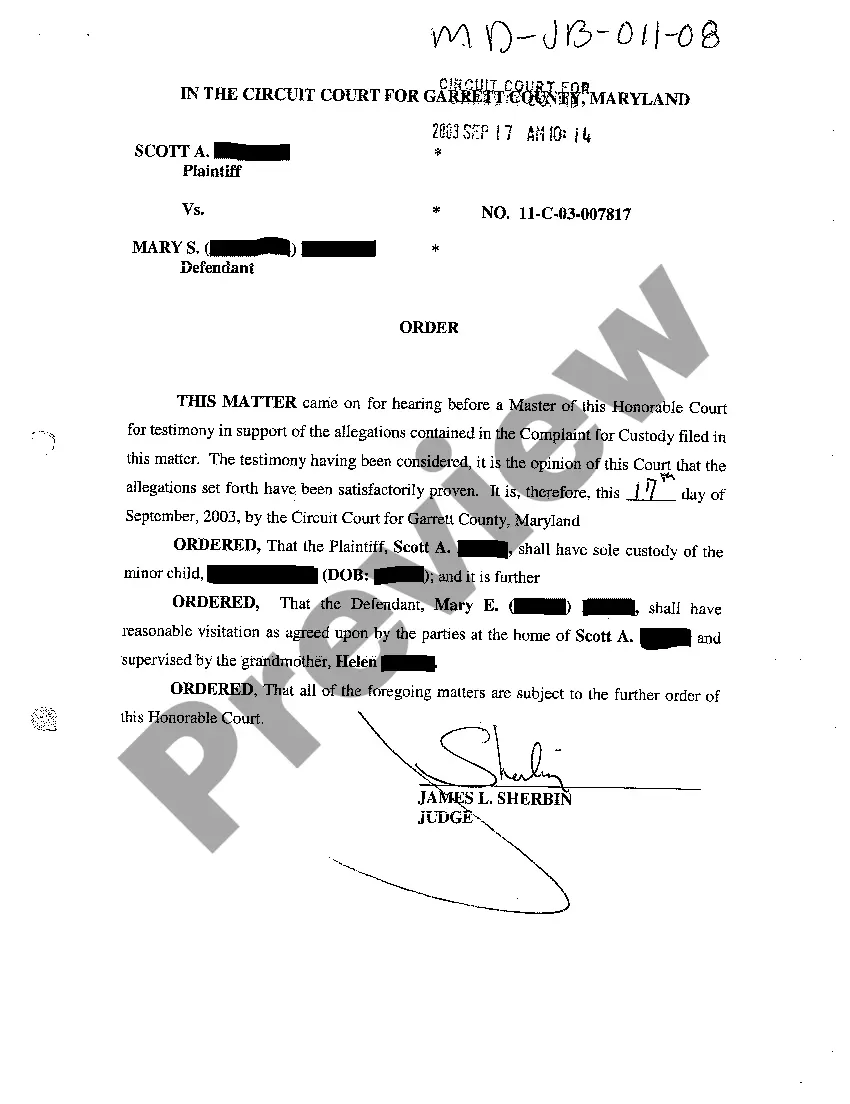
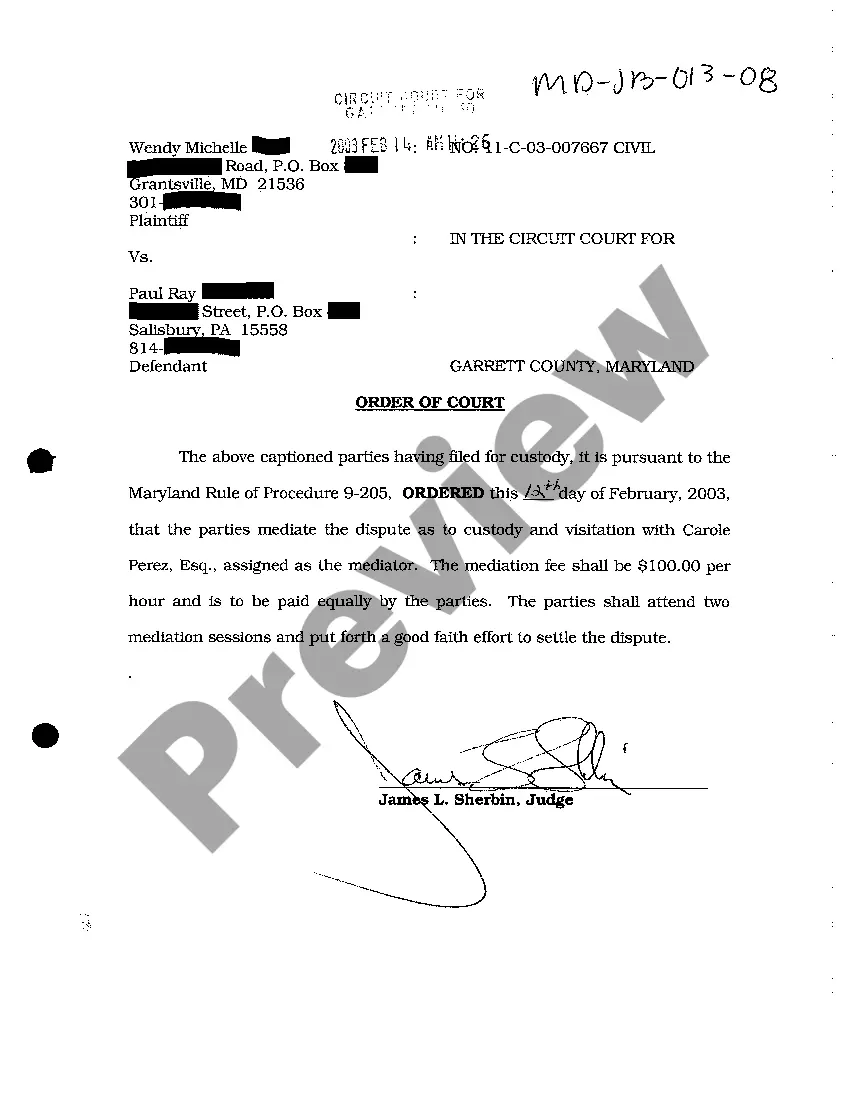
A19 Letter Regarding Court Order: A specific type of legal document written to address issues related to a court's decision, particularly in compliance contexts. This can involve arranging custody schedules per a parenting plan template or detailing changes in mortgage payments.
Step-by-Step Guide
- Gather Necessary Information: Collect all relevant details such as court order specifics, financial documentation for mortgage details, or custody arrangements.
- Select the Appropriate Template: Use an explanation letter template for financial explanations or a parenting plan template for child custody details.
- Draft the Letter: Start with a professional letter writing structure. Clearly state the purpose and reference the court order and legal obligations. Incorporate any required details like credit report explanation or mortgage payment specifics.
- Review and Compliance Check: Ensure the letter meets all legal requirements for court order compliance and addresses all points mandated by the court.
- Send the Letter: Deliver the document to the appropriate parties, either via mail or electronically, based on court requirements.
Risk Analysis
Failure to adequately follow the format and stipulated guidelines in an A19 letter can result in legal repercussions, including being found in contempt of court. Poorly structured or unclearly written letters may lead to misunderstandings or non-compliance accusations.
Best Practices
- Clarity and Conciseness: Use clear language and keep the letter concise to ensure the message is understood by all parties.
- Legal Accuracy: Ensure all the facts and descriptions comply with the legal interpretations and directives of the court order.
- Proofreading: Before sending, double-check the letter for any errors or omissions that could affect compliance.
Common Mistakes & How to Avoid Them
- Vague Language: Avoid vague terms; be specific about dates, amounts, and other pertinent details.
- Ignoring Legal Advice: Consult with a legal professional when drafting to ensure all legal standards are met.
- Delay in Sending: Timing can be critical; delay in sending the A19 letter can lead to legal disadvantages.
FAQ
- What is an A19 letter? It is a document written to comply with or address a court order in specific circumstances like child custody or mortgage adjustments.
- Why is professional letter writing important in legal contexts? It ensures the document is taken seriously and adheres to legal standards, helping prevent further legal issues.
- Can I download a template for an A19 letter? Yes, explanation letter templates and other specific legal letter formats are available for download and can be tailored to meet court order requirements.
How to fill out Maryland Letter Regarding Court Order?
Greetings to the most extensive repository of legal documents, US Legal Forms.
Here, you can locate any example such as Maryland Letter Regarding Court Order templates and store them (as many as you desire).
Prepare official documents in just a few hours, instead of days or weeks, without needing to spend a fortune with a lawyer or attorney.
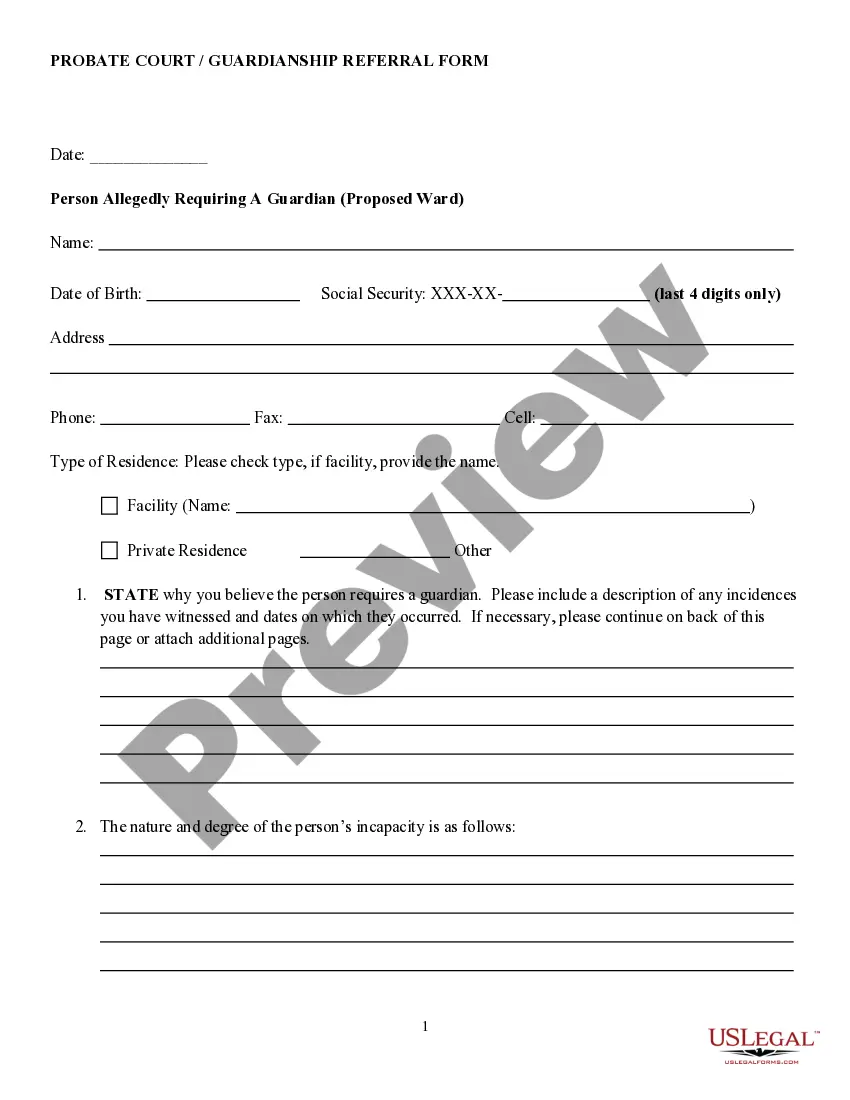
Review the description (if available) to determine if it’s the correct template. Explore more details with the Preview feature. If the template meets your requirements, click Buy Now. To create your account, choose a pricing plan. Use a credit card or PayPal account to sign up. Save the document in the format you prefer (Word or PDF). Print the document and fill it with your or your business’s information. After completing the Maryland Letter Regarding Court Order, send it to your attorney for validation. It’s an additional step but a critical one to ensure you’re fully protected. Join US Legal Forms today and gain access to thousands of reusable templates.
- Acquire your state-specific template with a few clicks and feel assured knowing it was created by our certified legal experts.
- If you’re already a registered user, simply Log In to your account and then select Download next to the Maryland Letter Regarding Court Order you require.
- Since US Legal Forms operates online, you will typically access your downloaded templates, regardless of the device you are using.
- Find them in the My documents section.
- If you do not have an account yet, what are you waiting for.
- Follow our guidelines below to get started.
- If this is a state-specific form, verify its approval in the state you reside.
Form popularity
FAQ
Rule 3-535 B in Maryland pertains to the enforcement of family law orders, allowing individuals to seek remedies for violations. This rule ensures that courts can take action against those who disregard orders related to custody or visitation. If you find yourself dealing with enforcement issues, refer to a Maryland Letter Regarding Court Order to better understand your options.
One significant mistake in a custody battle is failing to communicate properly with the other parent. Courts favor parents who can demonstrate effective co-parenting. A clear, documented agreement using a Maryland Letter Regarding Court Order can strengthen your position in any legal disputes.
A default divorce is one in which the courts pass judgment on the divorce after the respondent fails to respond. In other words, if a spouse ignores notices regarding a desired divorce, that spouse could find him/herself divorced anyway.
Except as provided in Rules 10-209(b), 10-213, and 10-705, upon the filing of a petition, the court shall issue a show cause order directing persons on whom it is served to show cause in writing on or before a specified date why the court should not take the action described in the order.
Default judgment is a binding judgment in favor of either party based on some failure to take action by the other party. Most often, it is a judgment in favor of a plaintiff when the defendant has not responded to a summons or has failed to appear before a court of law. The failure to take action is the default.
Default judgments happen when you don't respond to a lawsuit often from a debt collector and a judge resolves the case without hearing your side.Next up could be wage garnishment or a bank account levy, which allows a creditor to remove money from your bank accounts to repay the debt.
An order of default is a court order saying that one party (usually the plaintiff) has won the case, and the defendant has lost, because the defendant did not participate in the case.
The danger of allowing a default judgment against you is once this occurs the debt buyer can garnish your wages and your bank accounts.If you don't submit a written answer to the lawsuit the court can enter a default judgment giving the debt buyer everything they are asking for.
An order of default is a court order saying that one party (usually the plaintiff) has won the case, and the defendant has lost, because the defendant did not participate in the case.If the court enters an order of default, and the defendant still does not respond, the plaintiff can ask for a default judgment.
Default judgment is a binding judgment in favor of either party based on some failure to take action by the other party. Most often, it is a judgment in favor of a plaintiff when the defendant has not responded to a summons or has failed to appear before a court of law.