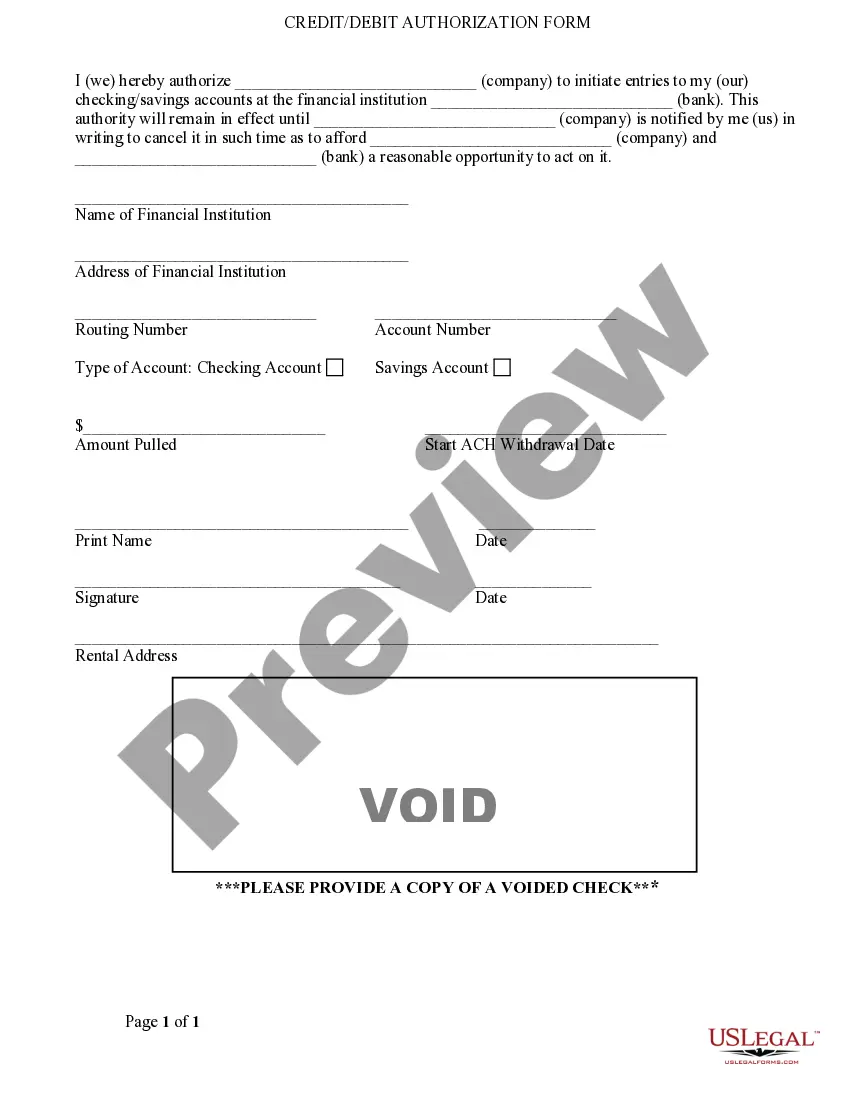
Maryland Waste Disposal Agreement for Municipality
Description
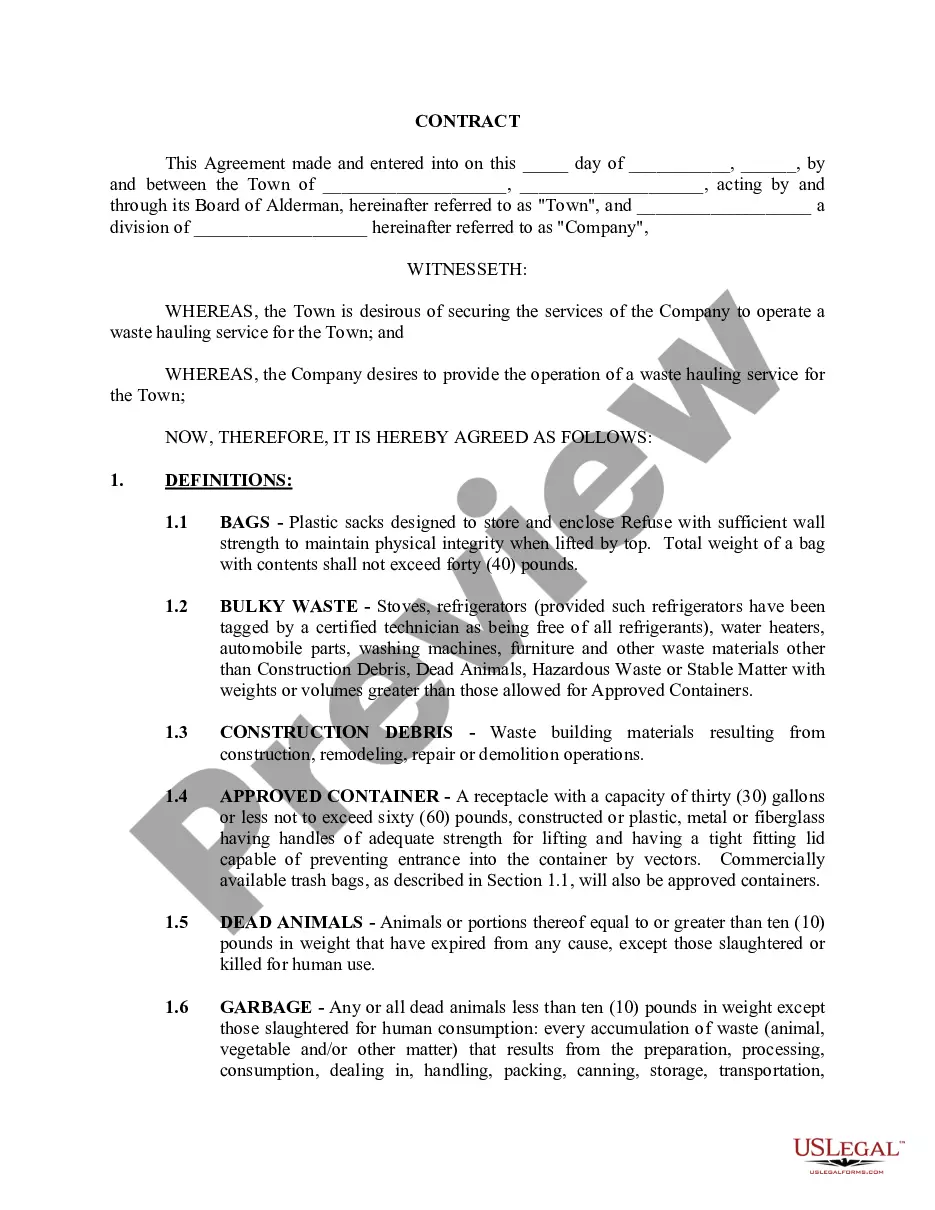
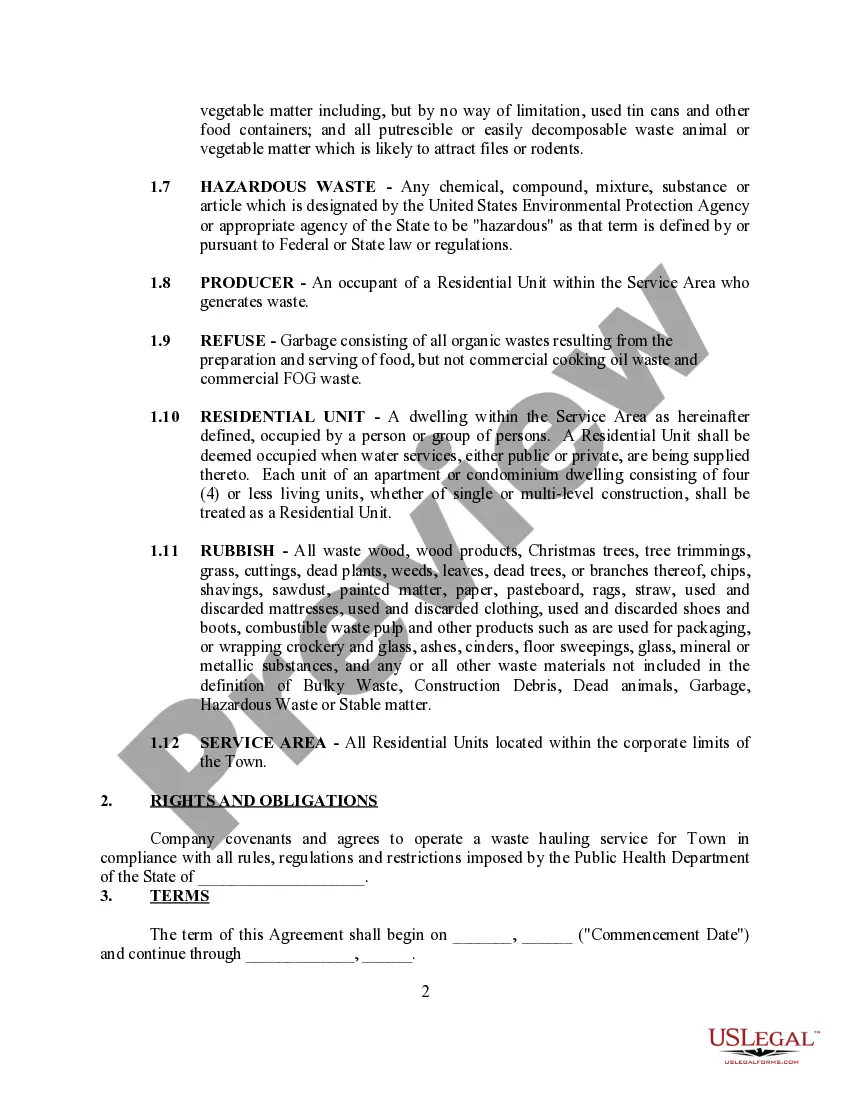
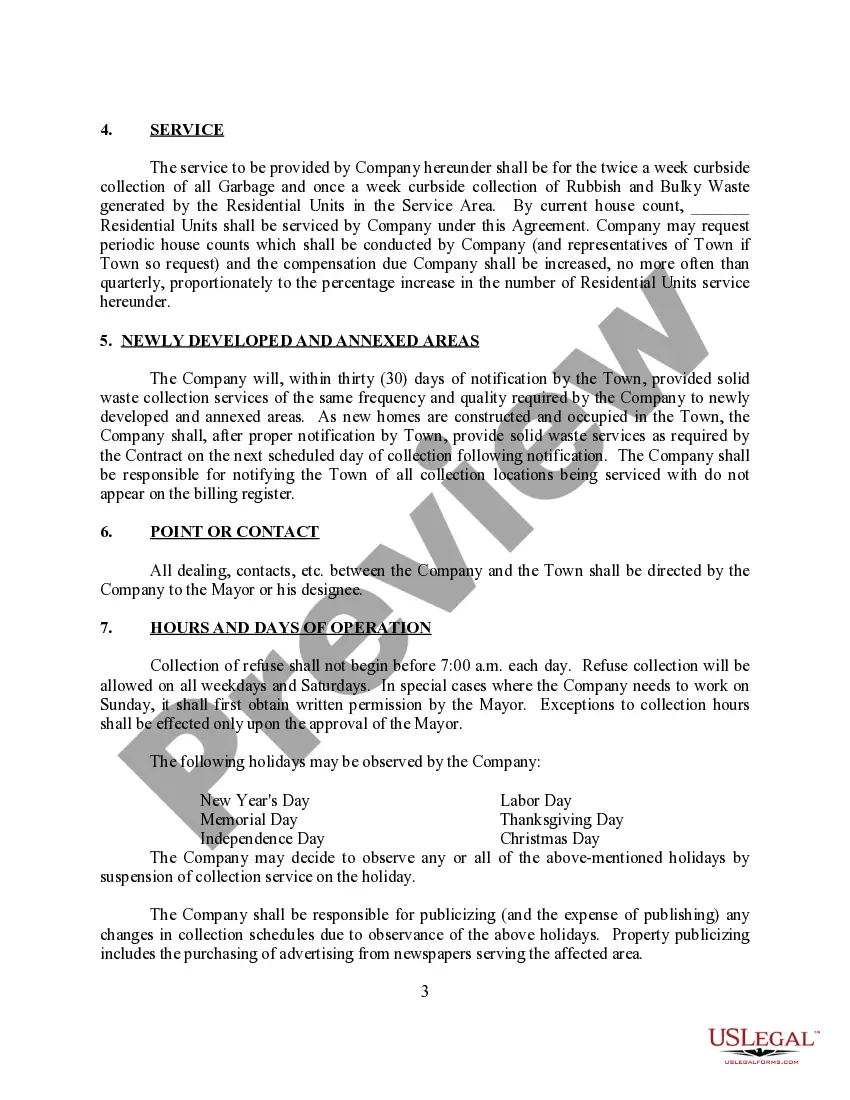
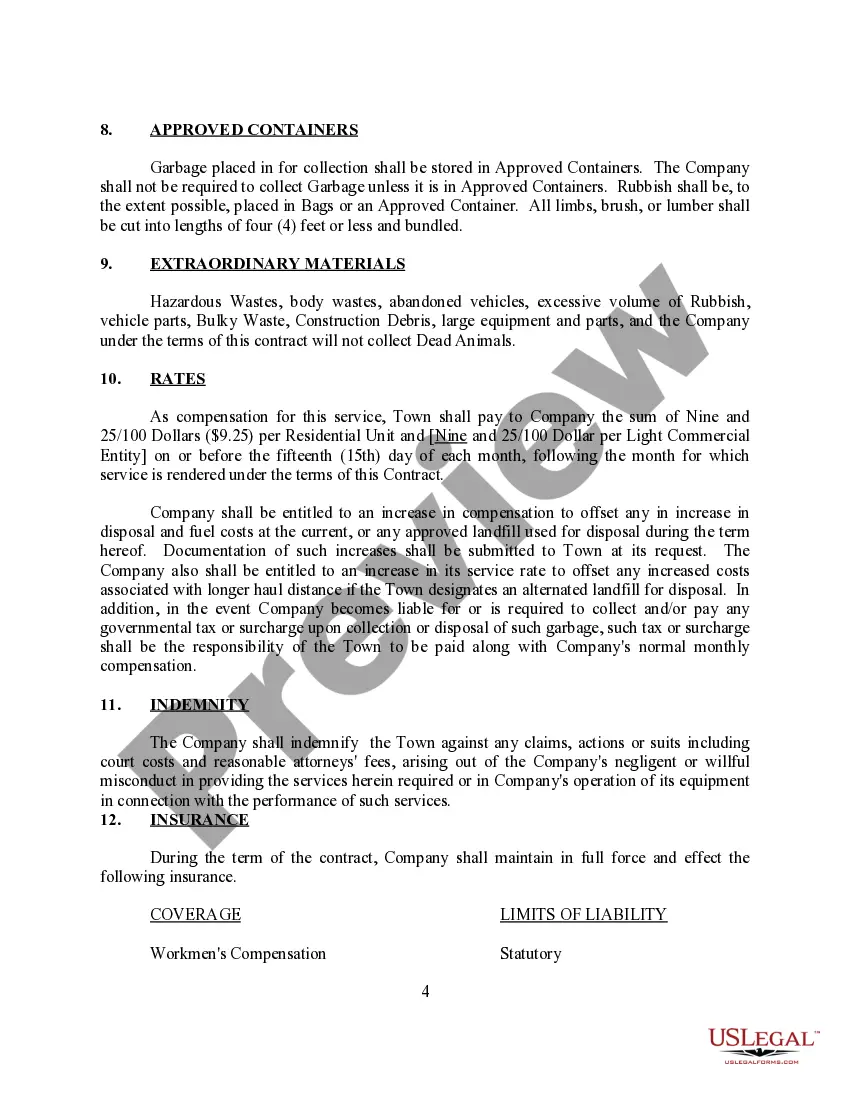
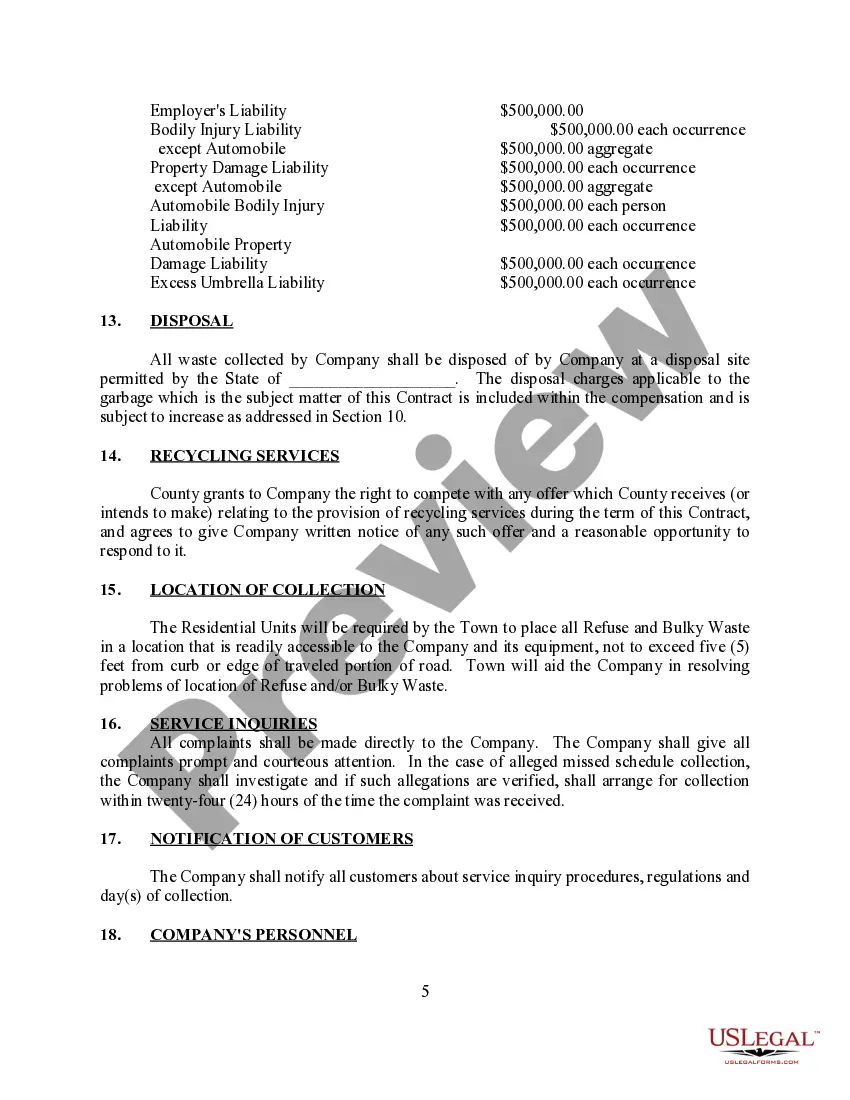
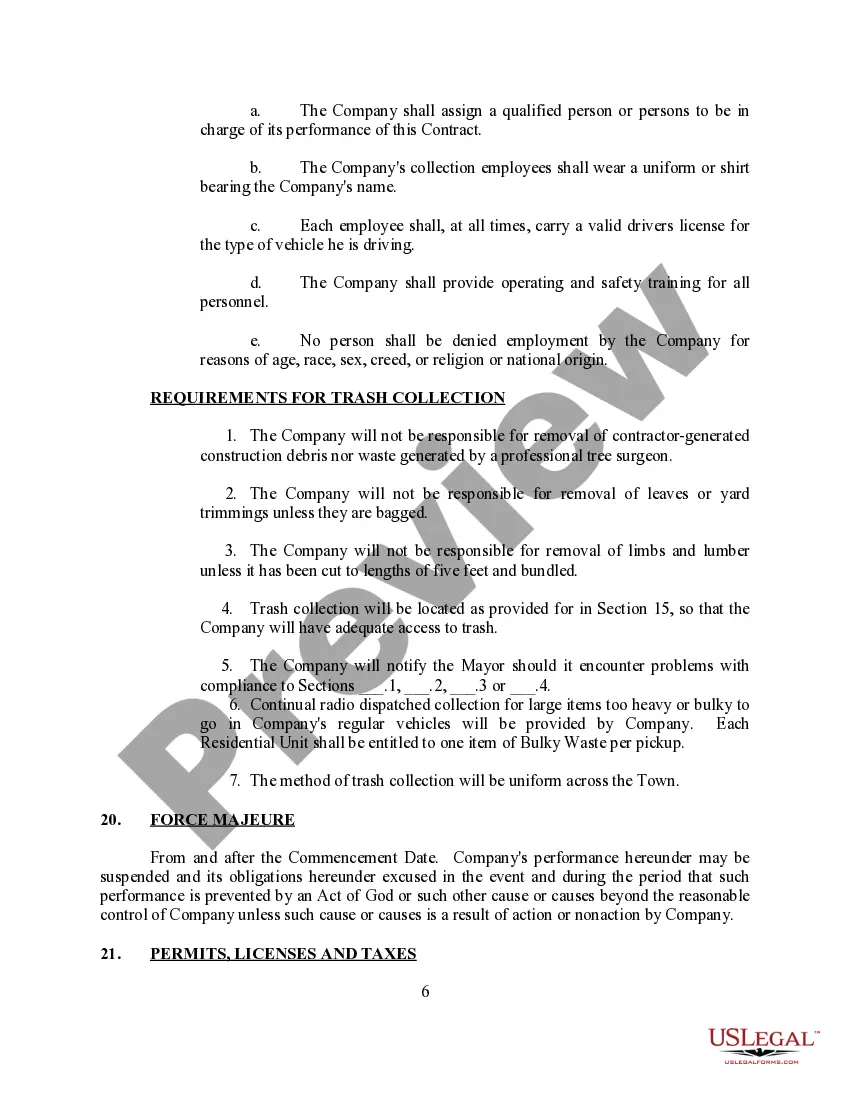
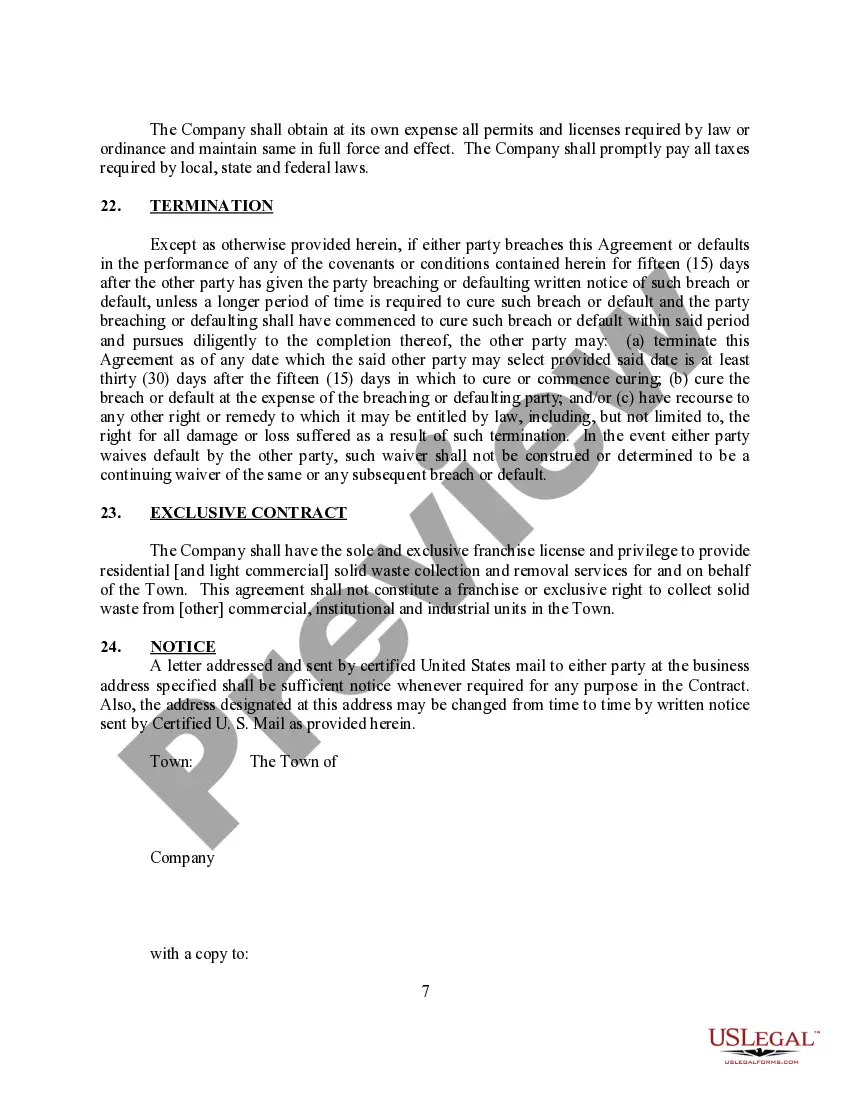
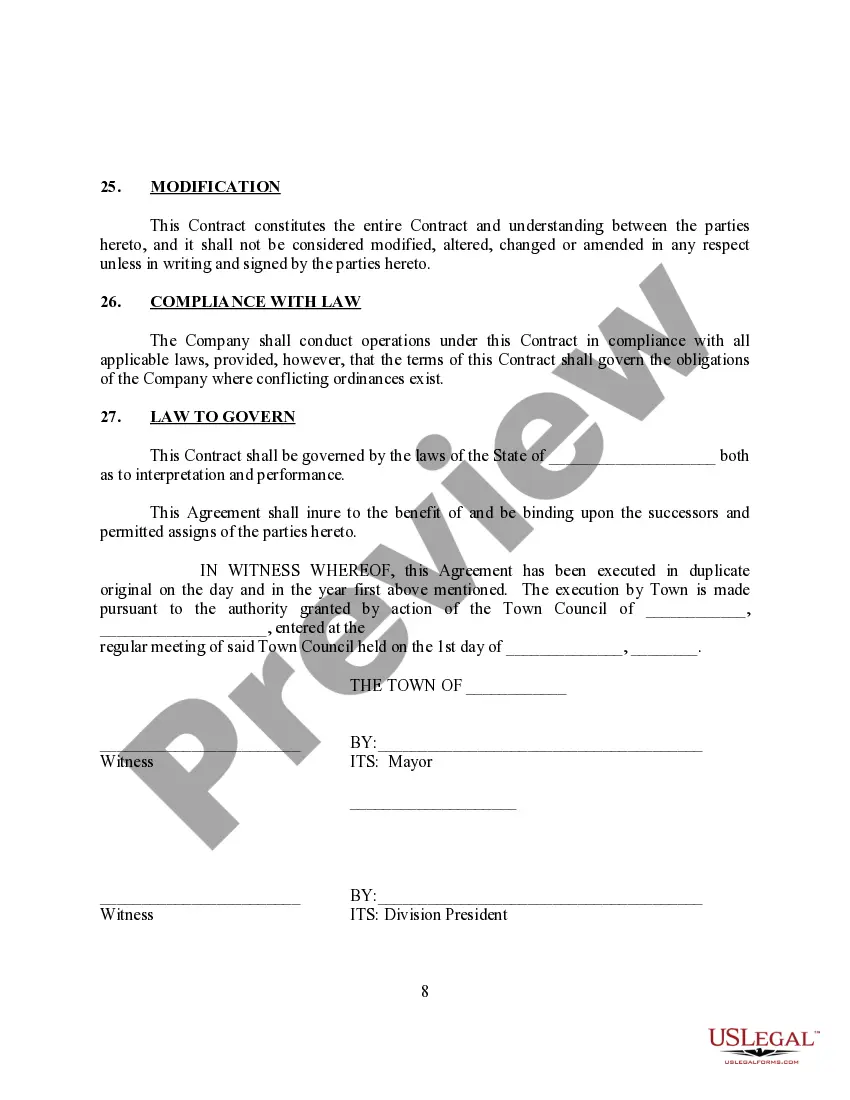


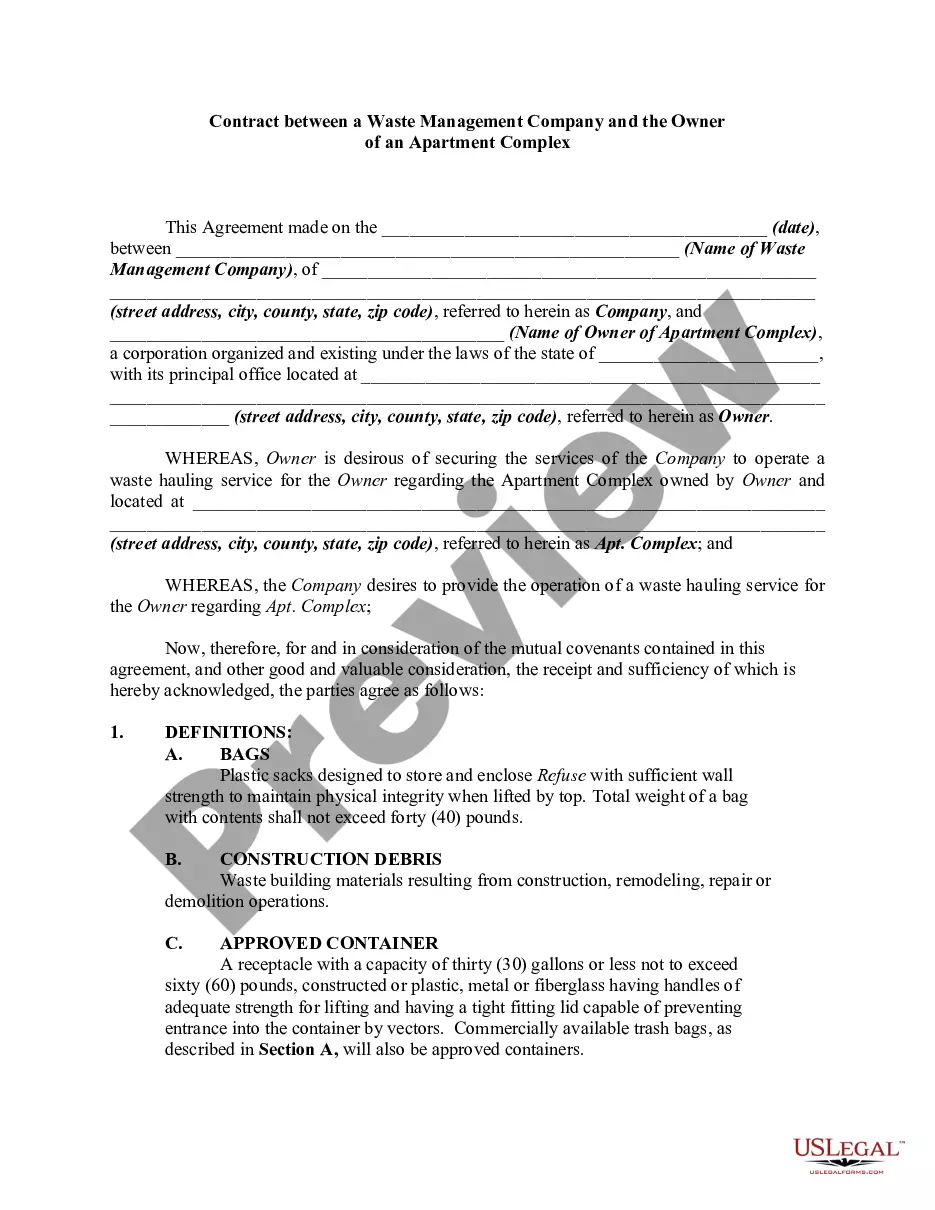
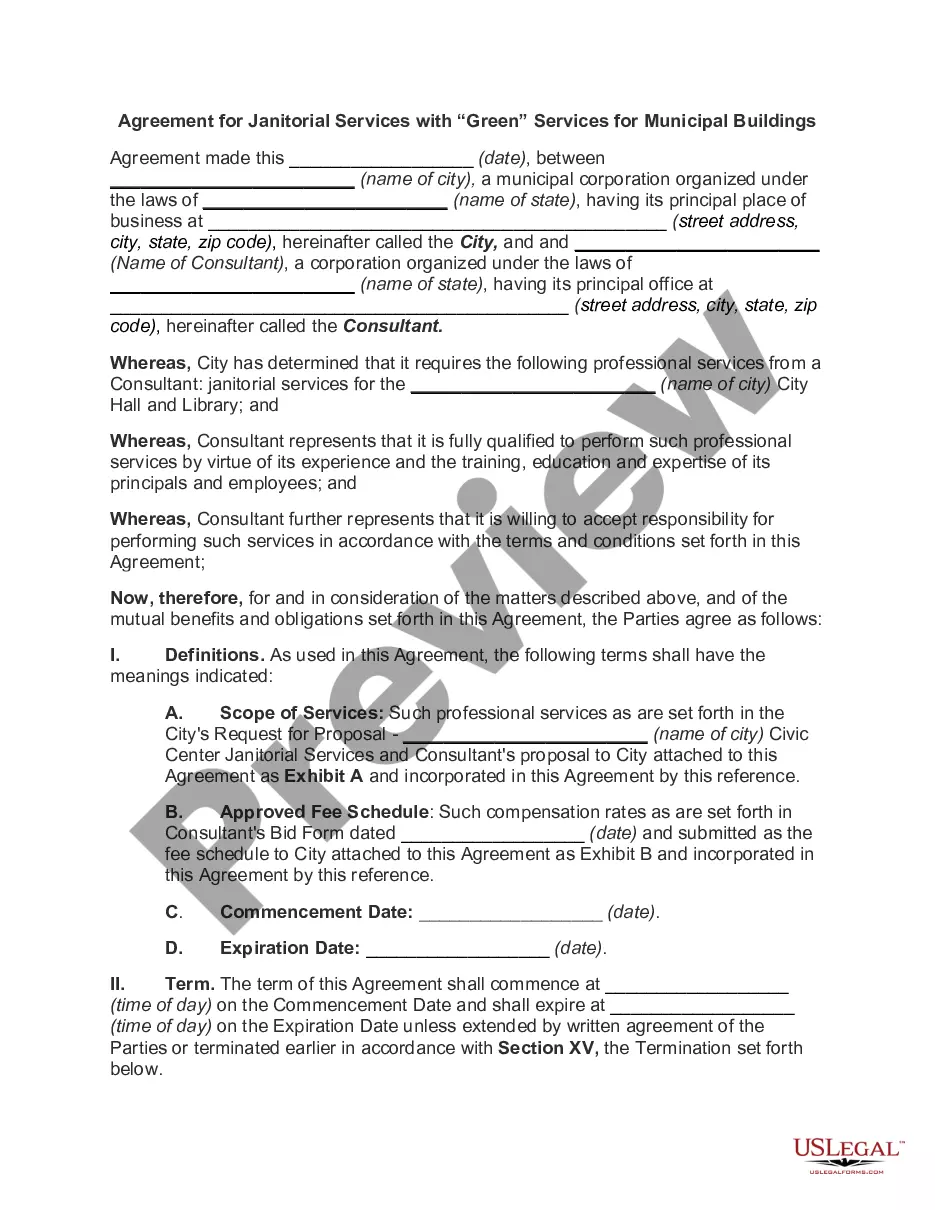
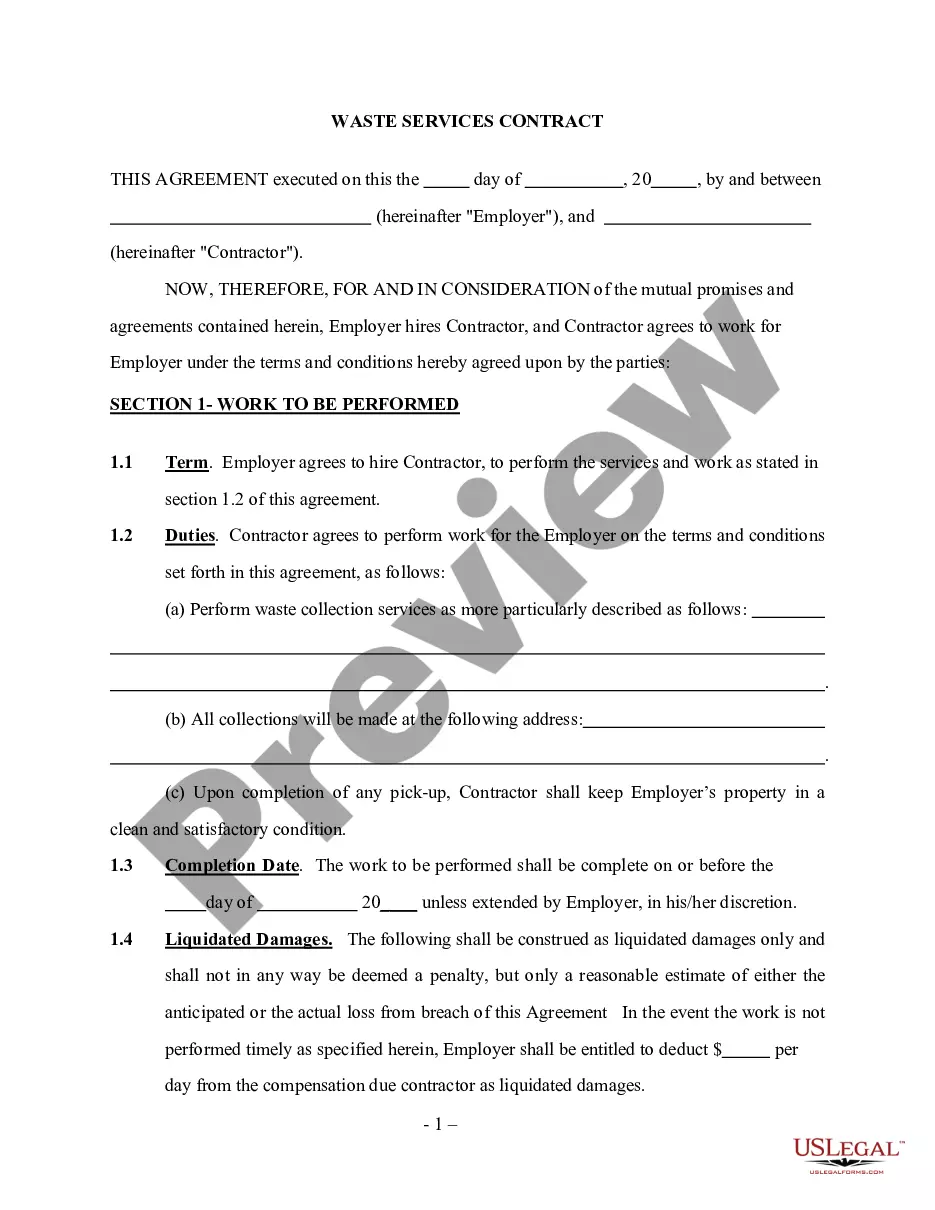
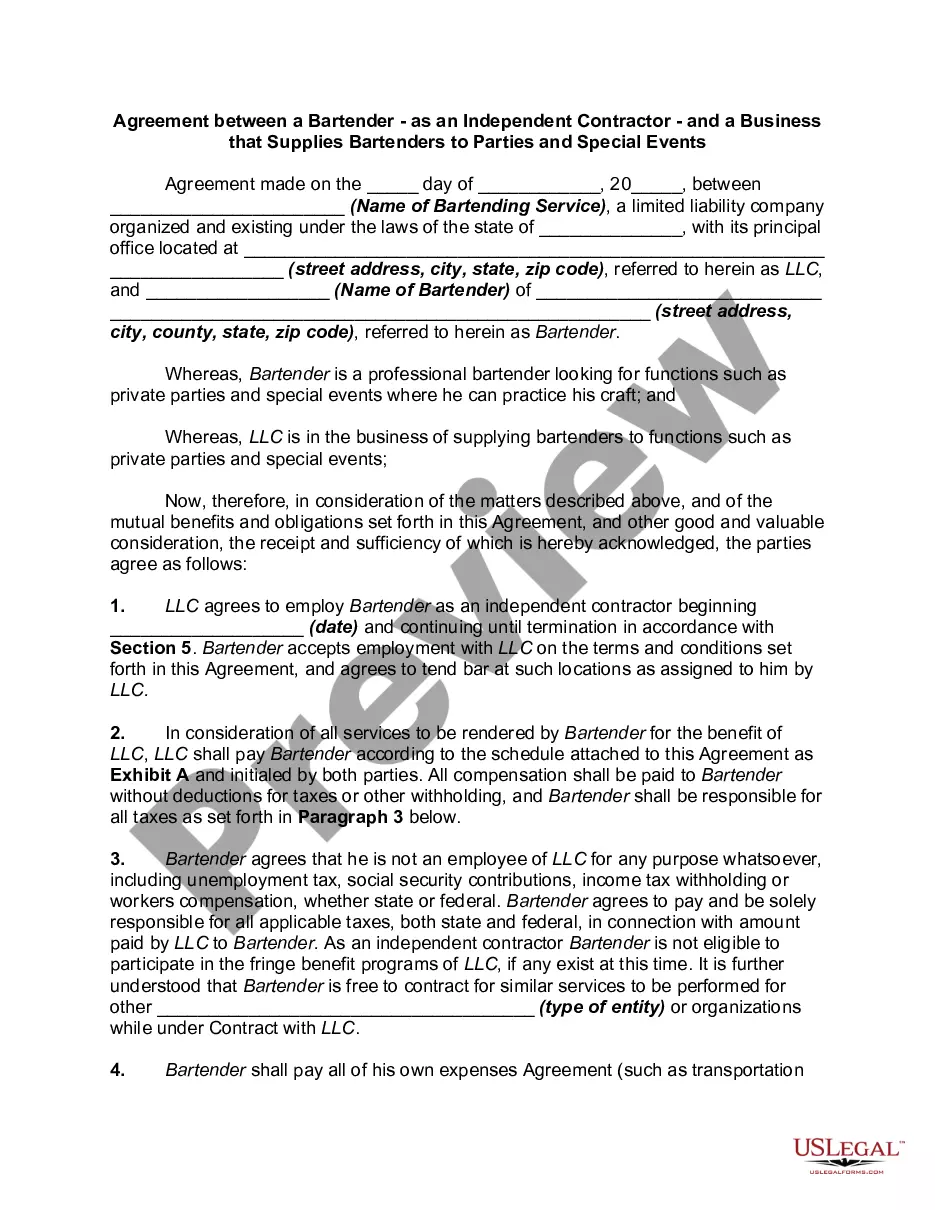
How to fill out Waste Disposal Agreement For Municipality?
Are you currently in a location where you require documentation for occasional business or specific purposes almost every day.
There are numerous legal document templates available online, but finding ones you can rely on isn't straightforward.
US Legal Forms offers thousands of document templates, including the Maryland Waste Disposal Agreement for Municipality, that are designed to comply with state and federal regulations.
Once you find the correct document, click Get now.
Choose the pricing plan you prefer, fill out the necessary information to create your account, and complete the order using your PayPal or credit card.
- If you are already familiar with the US Legal Forms website and have an account, simply Log In.
- Then, you can download the Maryland Waste Disposal Agreement for Municipality template.
- If you do not have an account and wish to start using US Legal Forms, follow these steps.
- Obtain the document you need and ensure it is for the correct area/county.
- Utilize the Preview button to view the form.
- Read the description to confirm that you have chosen the correct document.
- If the document isn't what you're looking for, use the Search field to find the document that fits your needs and requirements.
Form popularity
FAQ
Waste Business means the waste services provided for the collection, transport, disposal and treatment of waste at the Landfill.
Section 156(1)(a) of the Constitution, read with Schedule 5, assigns responsibility for refuse removal, refuse dumps, solid waste disposal and cleansing to local government.
How to start up a waste collection business Research your target market. Establish your customer profiles. Types of waste. What type of waste will you collect. Recycling. Pricing policy. Buy an existing business.
Waste management businesses make on average ~25% operating profit margin (EBITDA margin) after operating costs (salaries, etc). Indeed, there are various recurring costs involved in running a waste management business. The major expenses include costs of services, followed by salaries.
Whenever there is no sewerage infrastructure, commonly two alternate arrangements for sewage disposal are applied like: Septic tanks and other inexpensive on-site sanitation systems. Composting restrooms: This is a dry restroom.
First priority should be the source reduction. The second option, Recycling and composting. Disposal in the landfills should be the last option. Generally waste management methods include source reduction and reuse, recycling, composting, vermiculture, engineered landfills, incineration and land application.
There are three steps necessary to properly manage waste: Identify Wastes. Evaluate Waste. Manage Wastes.
Waste prevention and reuse measures are the first steps in a comprehensive waste reduction program. Successful waste prevention requires creative and analytical thinking first about how a reduction in materials can be accomplished, and then what can be done to reuse the materials that have been used once.