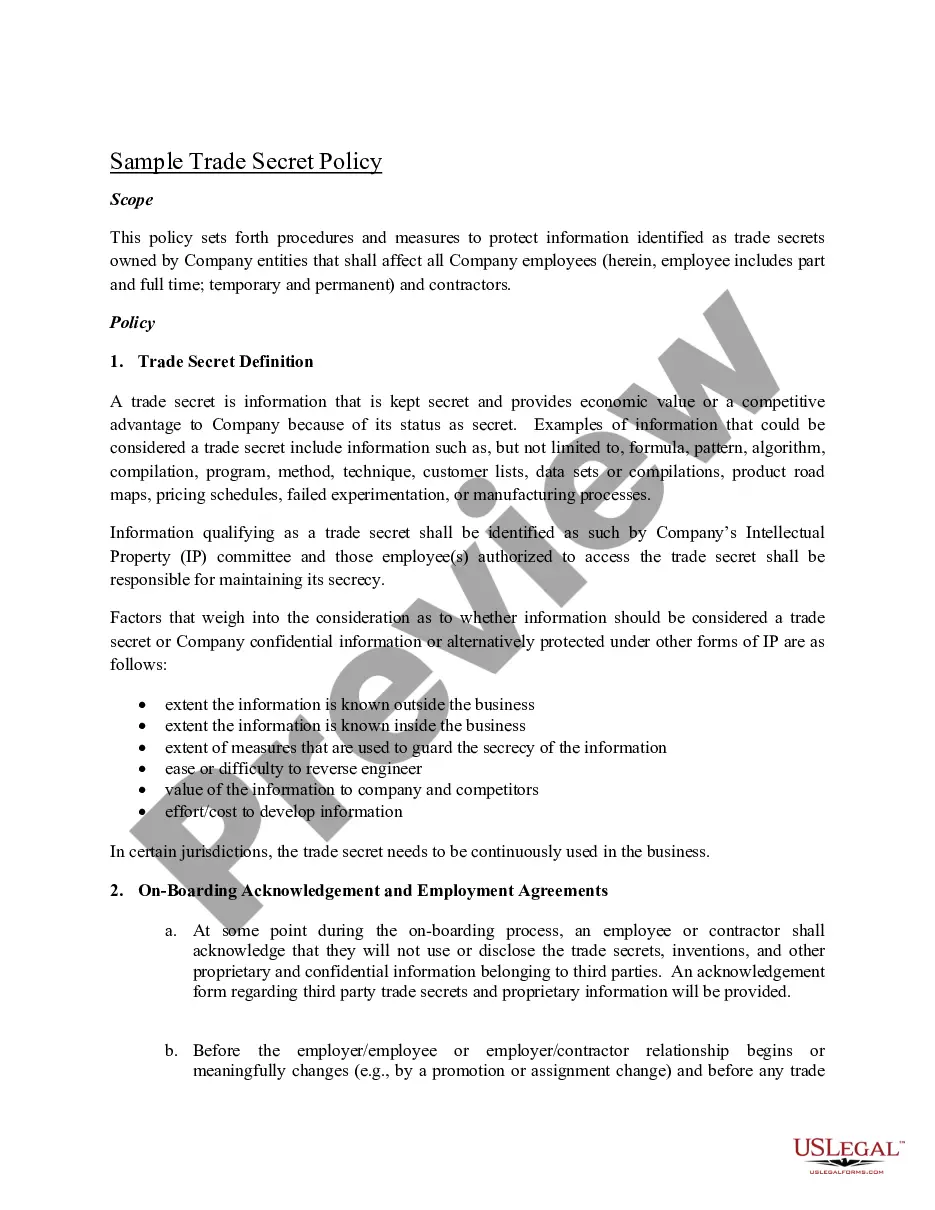
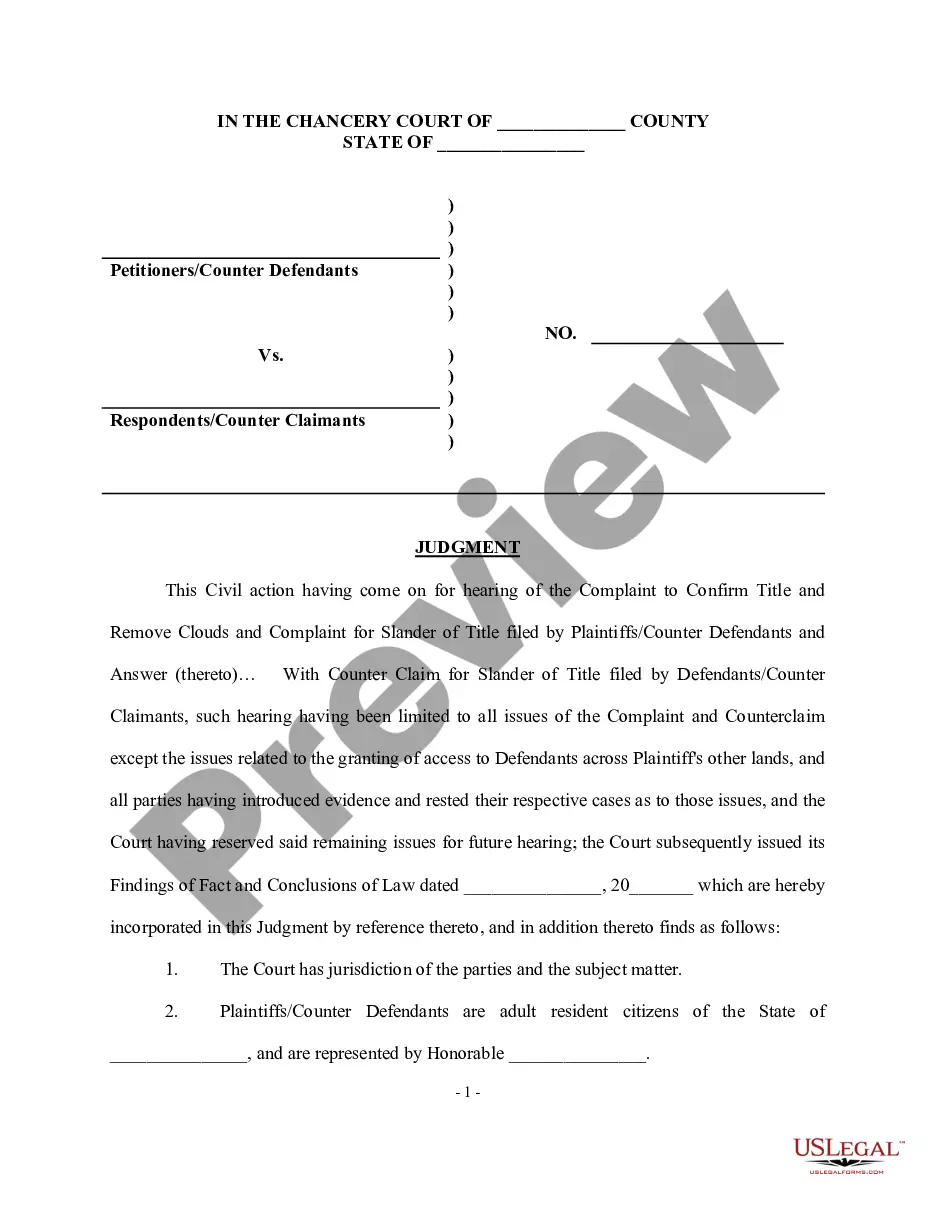
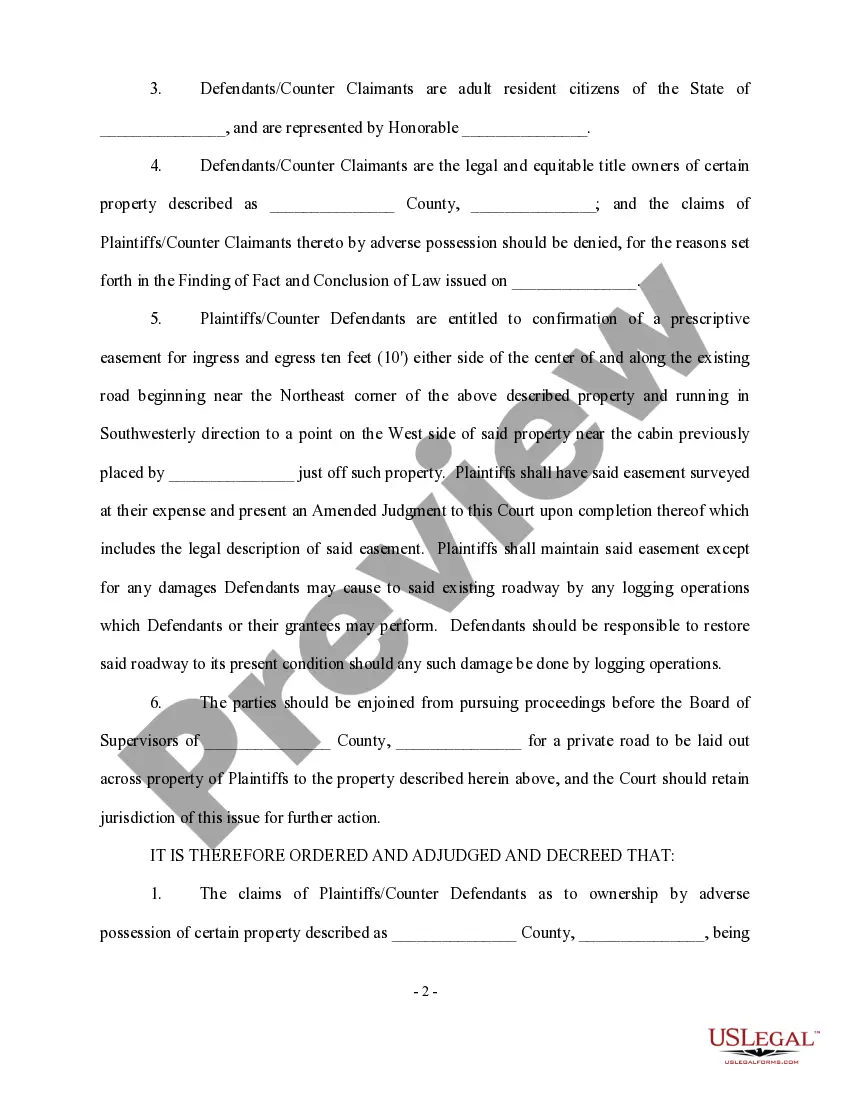
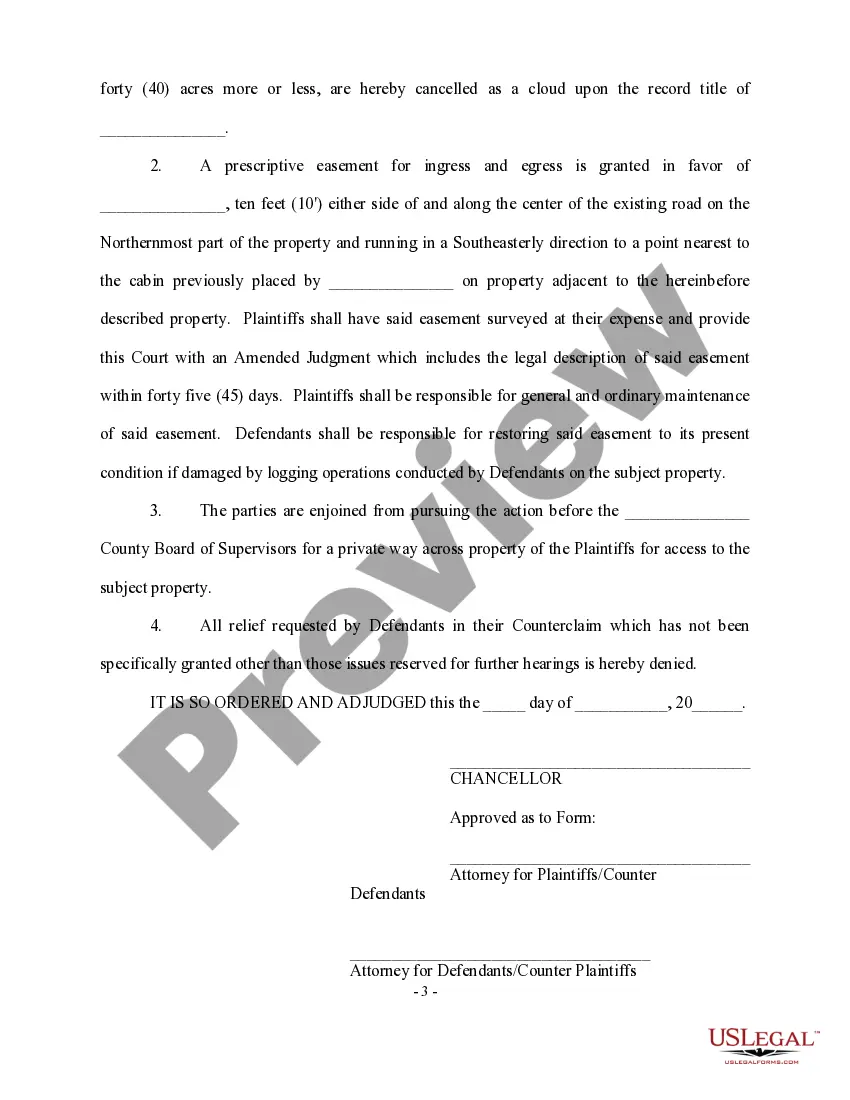
This form is a Judgment. The judgment provides that the plaintiffs/ counter defendants are entitled to a prescriptive easement for ingress and egress along an existing road. The judgment also provides that all relief requested by defendants in their counterclaim which was not specifically granted, other than those issues reserved for further hearing, are denied by the court.
Maryland Judgment regarding Boundary Line Dispute
Category:
State:
Multi-State
Control #:
US-00748
Format:
Word;
Rich Text
Instant download
Description
Free preview

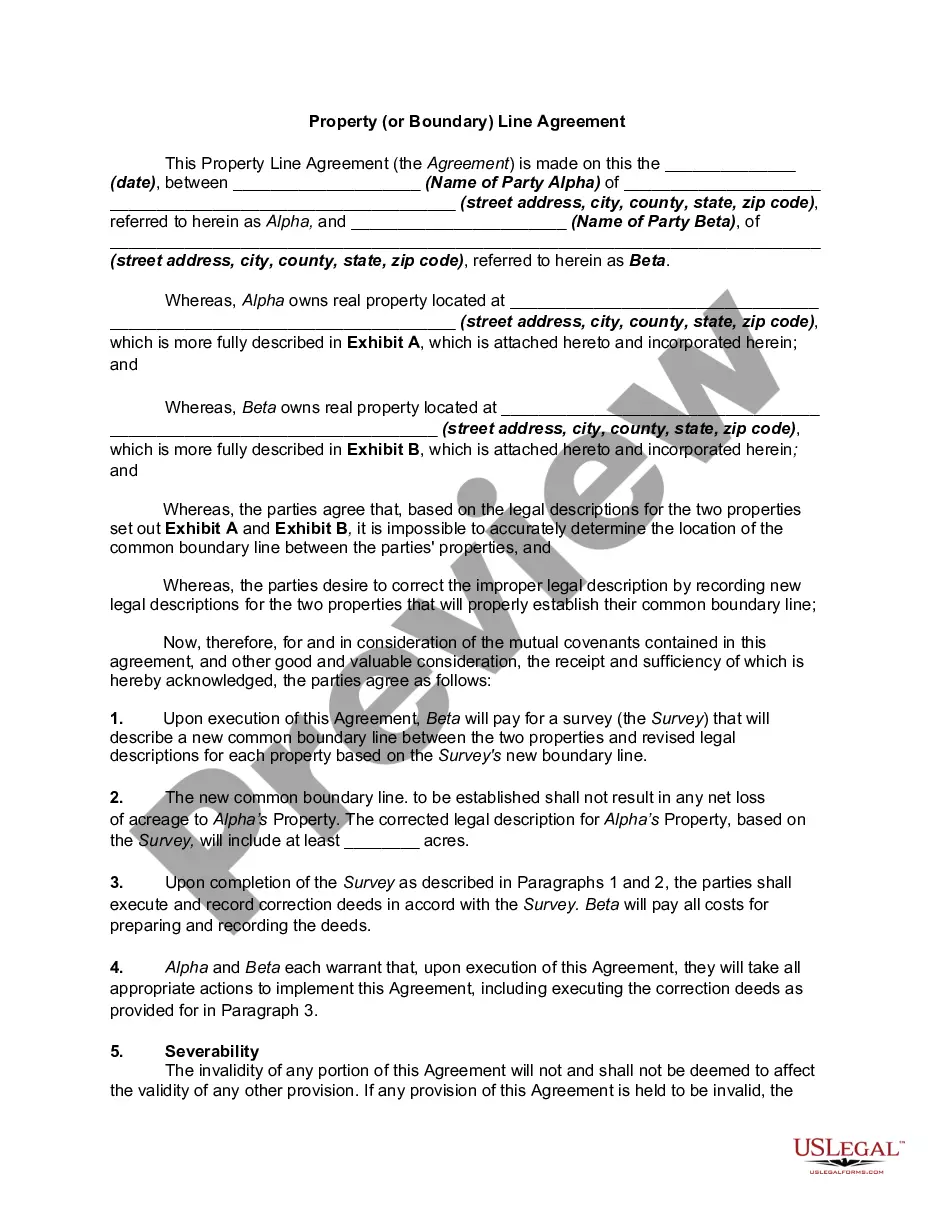
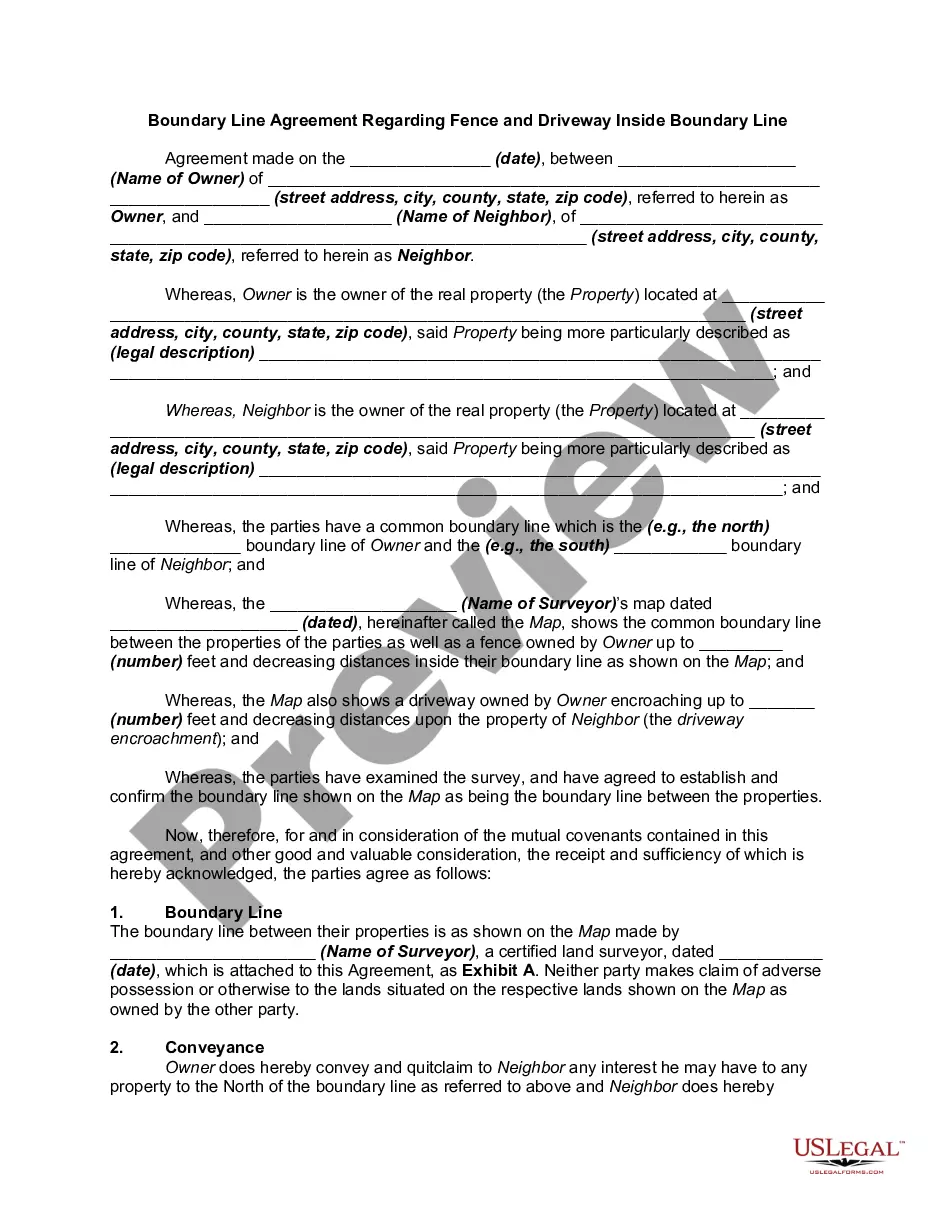
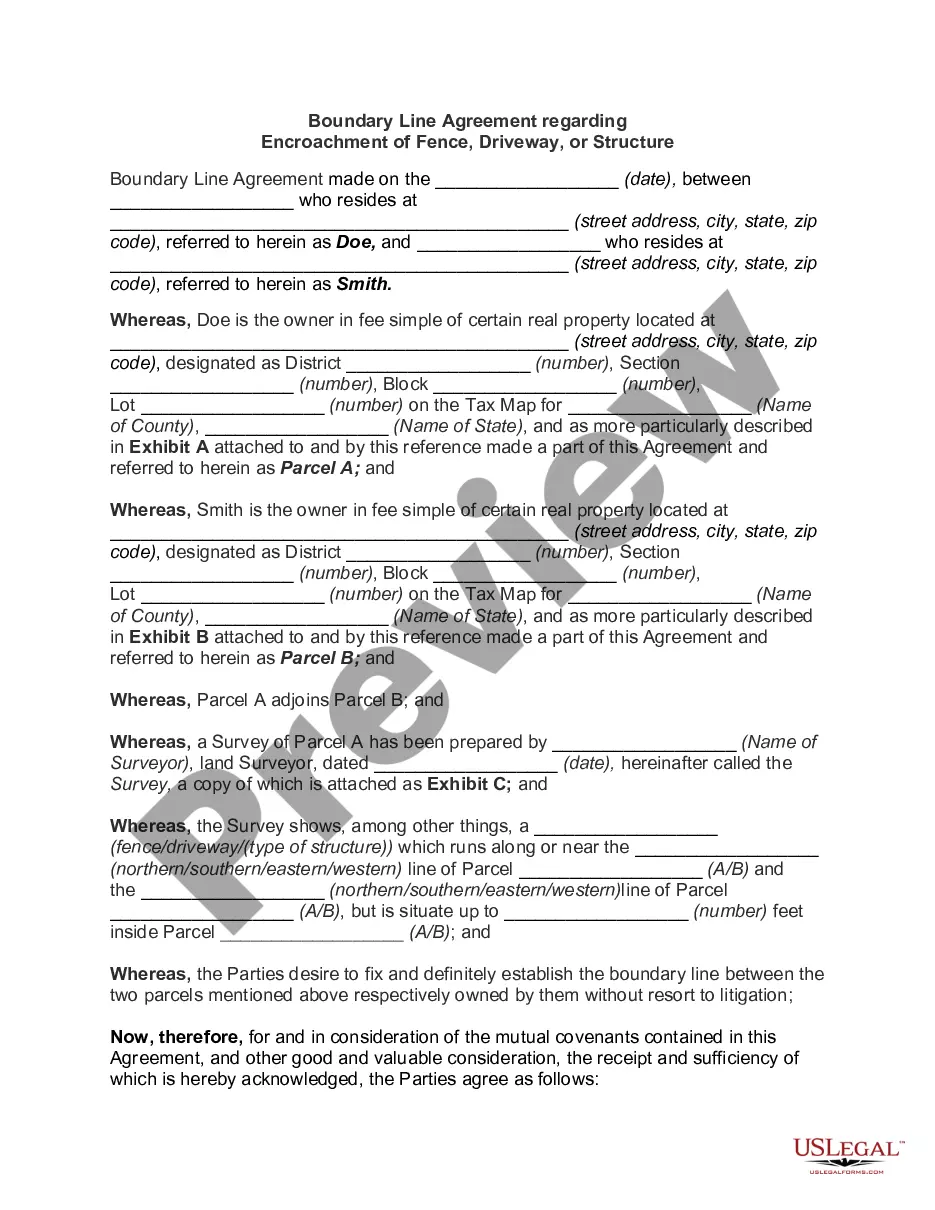
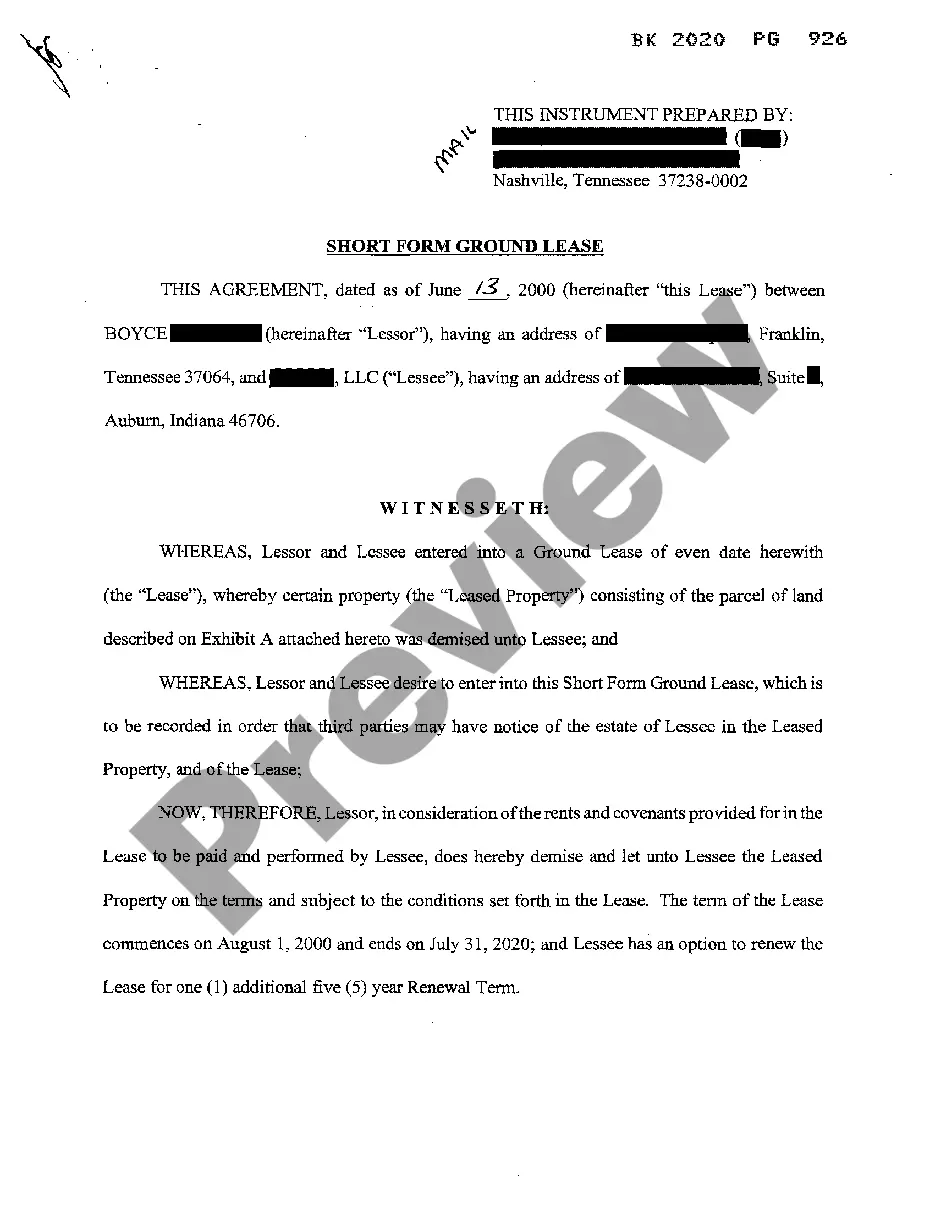

How to fill out Judgment Regarding Boundary Line Dispute?
Have you found yourself in the situation where you need documents for both business or personal reasons almost every time.
There are numerous legal document templates available online, but obtaining reliable versions can be challenging.
US Legal Forms provides an extensive collection of form templates, such as the Maryland Judgment regarding Boundary Line Dispute, which can be tailored to comply with state and federal regulations.
- If you are already familiar with the US Legal Forms website and have an account, simply Log In.
- You can then download the Maryland Judgment regarding Boundary Line Dispute template.
- If you do not have an account and wish to use US Legal Forms, follow these steps.
- Obtain the form you need and ensure it is for the correct city/state.
- Utilize the Preview button to review the form.
- Check the description to confirm that you have selected the right document.
- If the form is not what you are looking for, use the Search feature to find the form that suits your needs and requirements.
- Once you find the correct form, click Acquire now.
- Select the pricing plan you desire, complete the necessary information to create your account, and pay for the order using your PayPal or credit card.
- Choose a convenient file format and download your copy.
- Access all the document templates you have purchased in the My documents list. You can retrieve another copy of the Maryland Judgment regarding Boundary Line Dispute at any time if needed. Just click on the desired form to download or print the document template.
- Utilize US Legal Forms, the most extensive assortment of legal forms, to save time and avoid errors.
- The service offers properly designed legal document templates that you can use for various purposes.
- Create an account on US Legal Forms and start making your life a bit easier.
Form popularity
FAQ
The Potomac River as a 383-mile waterway which forms a clear interstate boundary between Maryland and Virginia on the one hand, and Maryland and West Virginia on the other.
It borders Virginia, West Virginia, and Washington, D.C., to its south and west; Pennsylvania to its north; and Delaware and the Atlantic Ocean to its east.
The Maryland and Virginia Boundary Agreement of 1785 is an interstate compact between Maryland and Virginia. The compact was created to settle upon an exact location for the boundary between the two member states.
Expert-Verified Answer. George Washington was prominent figure who helped to resolve a dispute between Virginia and Maryland and initiated Mount Vernon conference in which a resolution was drawn up to resolve the dispute between both parties.
Except for a small portion of its headwaters in West Virginia, the North Branch Potomac River is considered part of Maryland to the low water mark on the opposite bank. The South Branch Potomac River lies completely within the state of West Virginia except for its headwaters, which lie in Virginia.
Maryland and Virginia have bickered over control of the Potomac River since the 1700s. The roots of the dispute reach even farther back in time: Virginia's claims go back to a 1609 charter from King James I and a 1688 patent from King James II, both of which included the Potomac.
Maryland, 540 U.S. 56 (2003), is a case in which the Supreme Court of the United States settled a dispute between the Commonwealth of Virginia and the State of Maryland regarding Virginia's riparian rights to the Potomac River.
You can file a motion to revise or vacate (cancel) the judgment in writing within 30 days after the date of the judgment. This motion is usually filed to correct clerical errors, or to vacate a judgment if you believe that you were not served with the court papers or were not notified of the court date.