Maryland FMLA Information Letter to Employee
Description
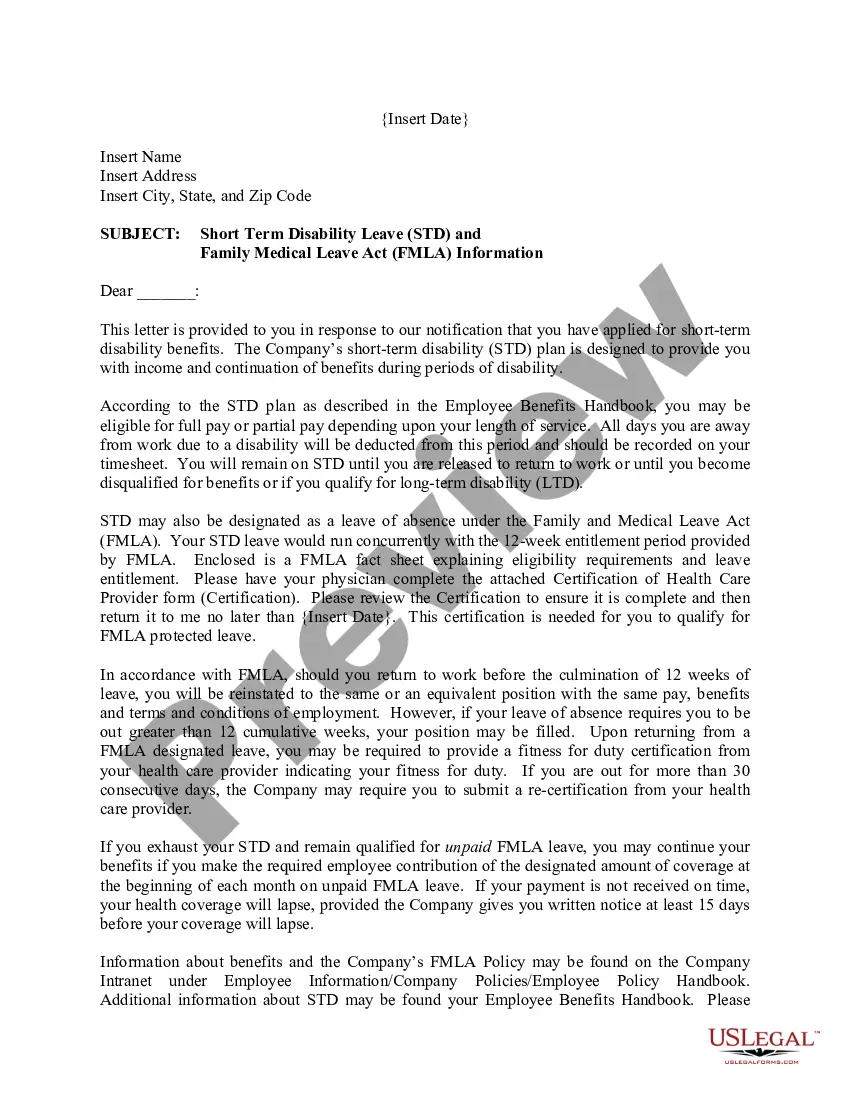
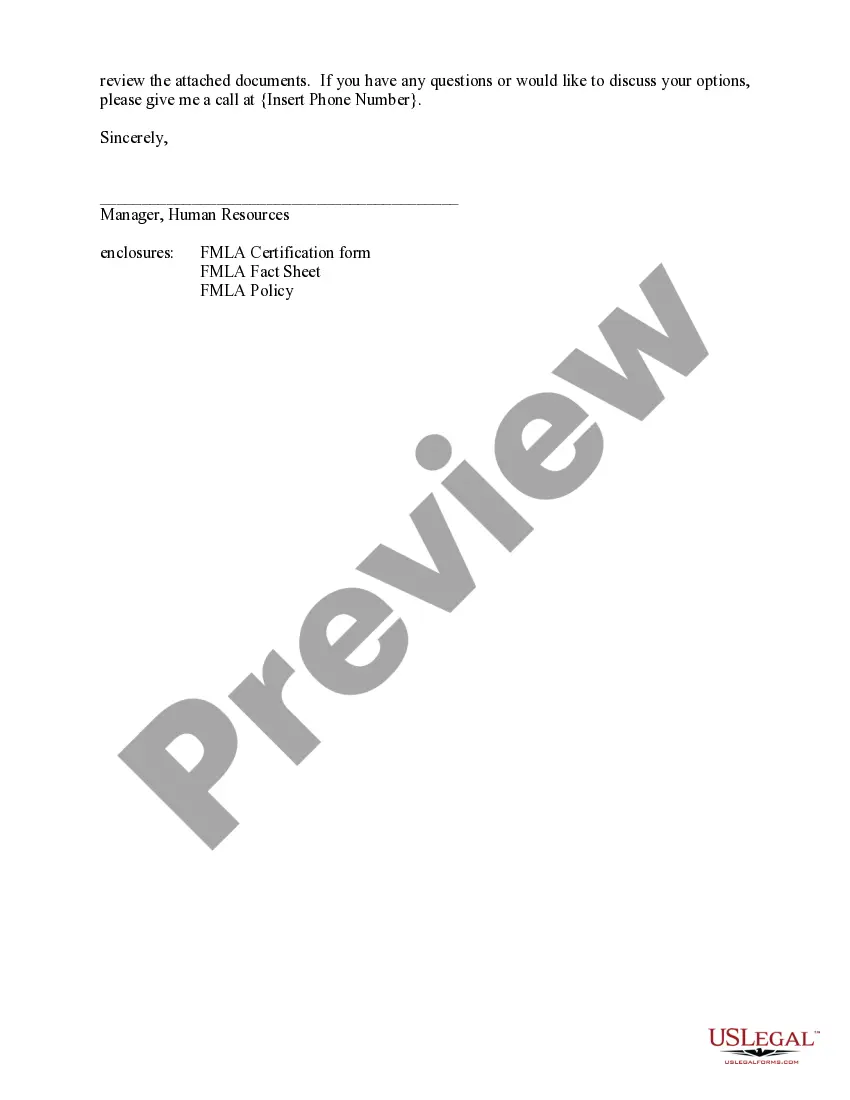
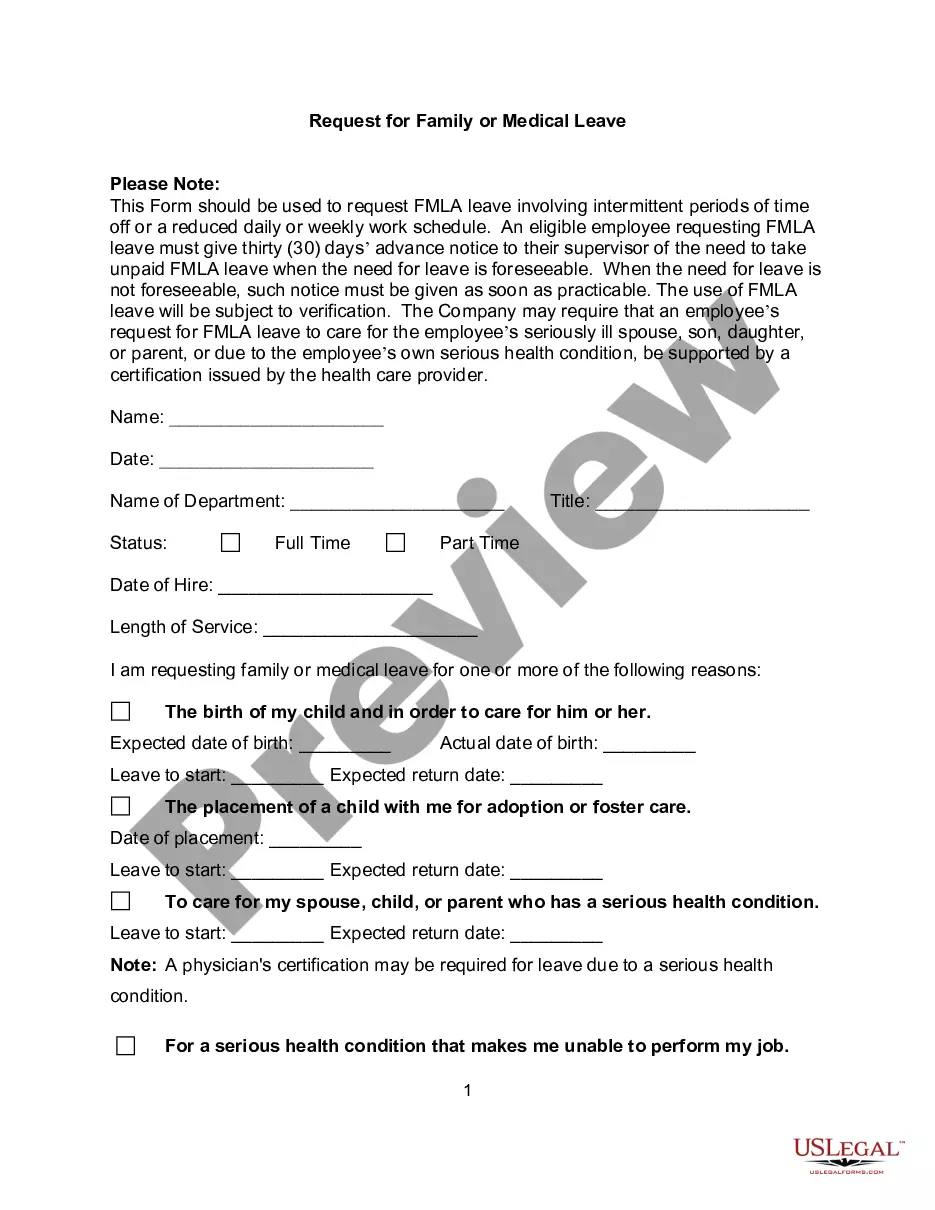
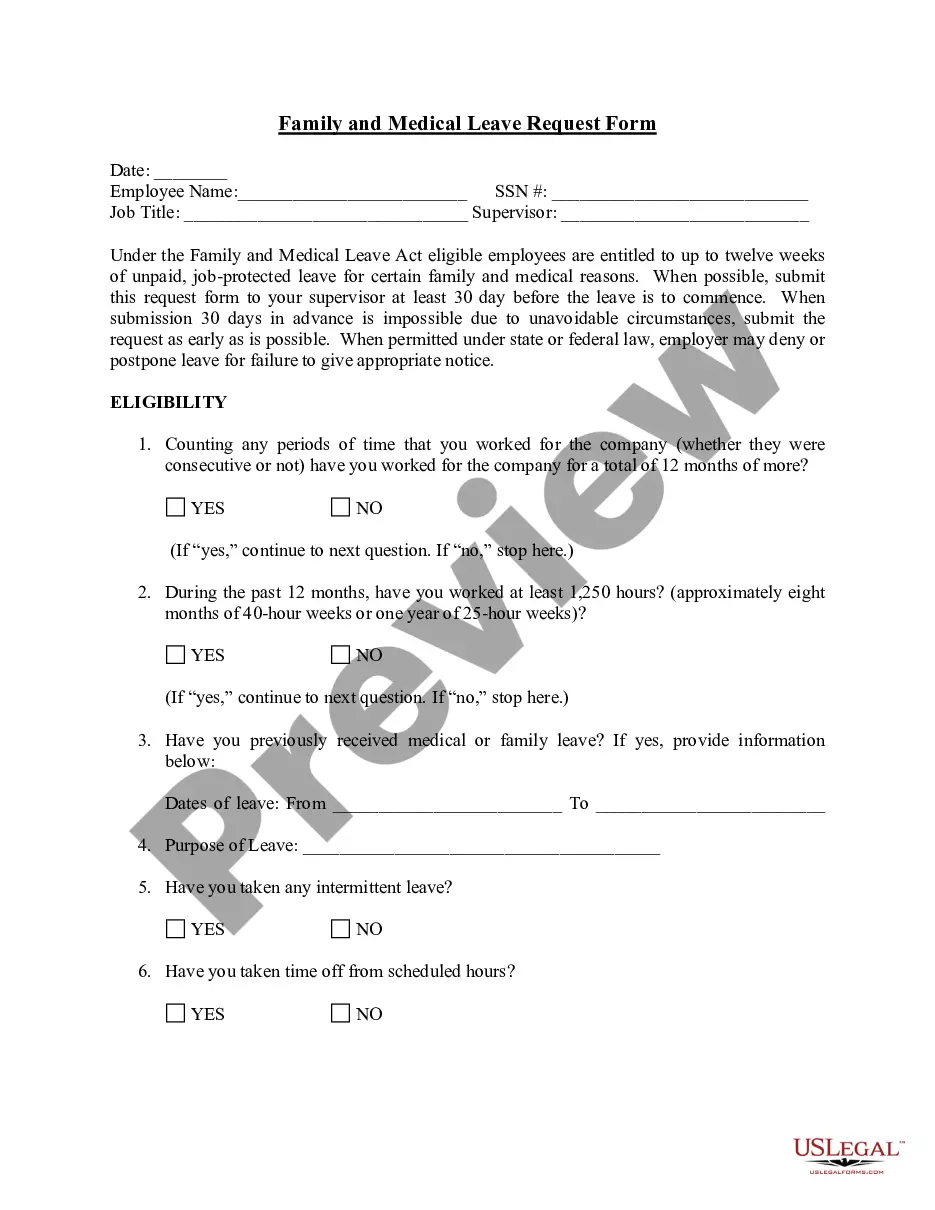
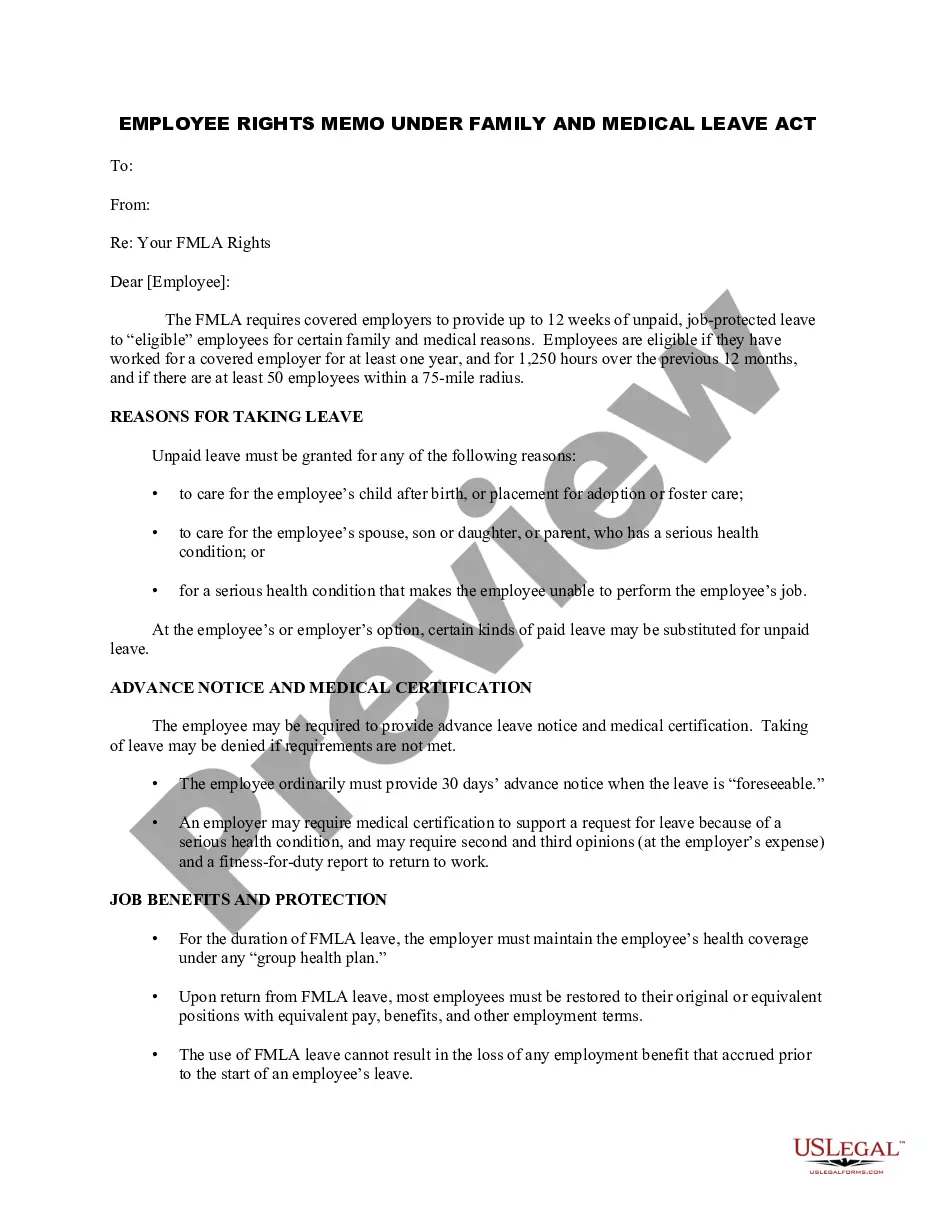
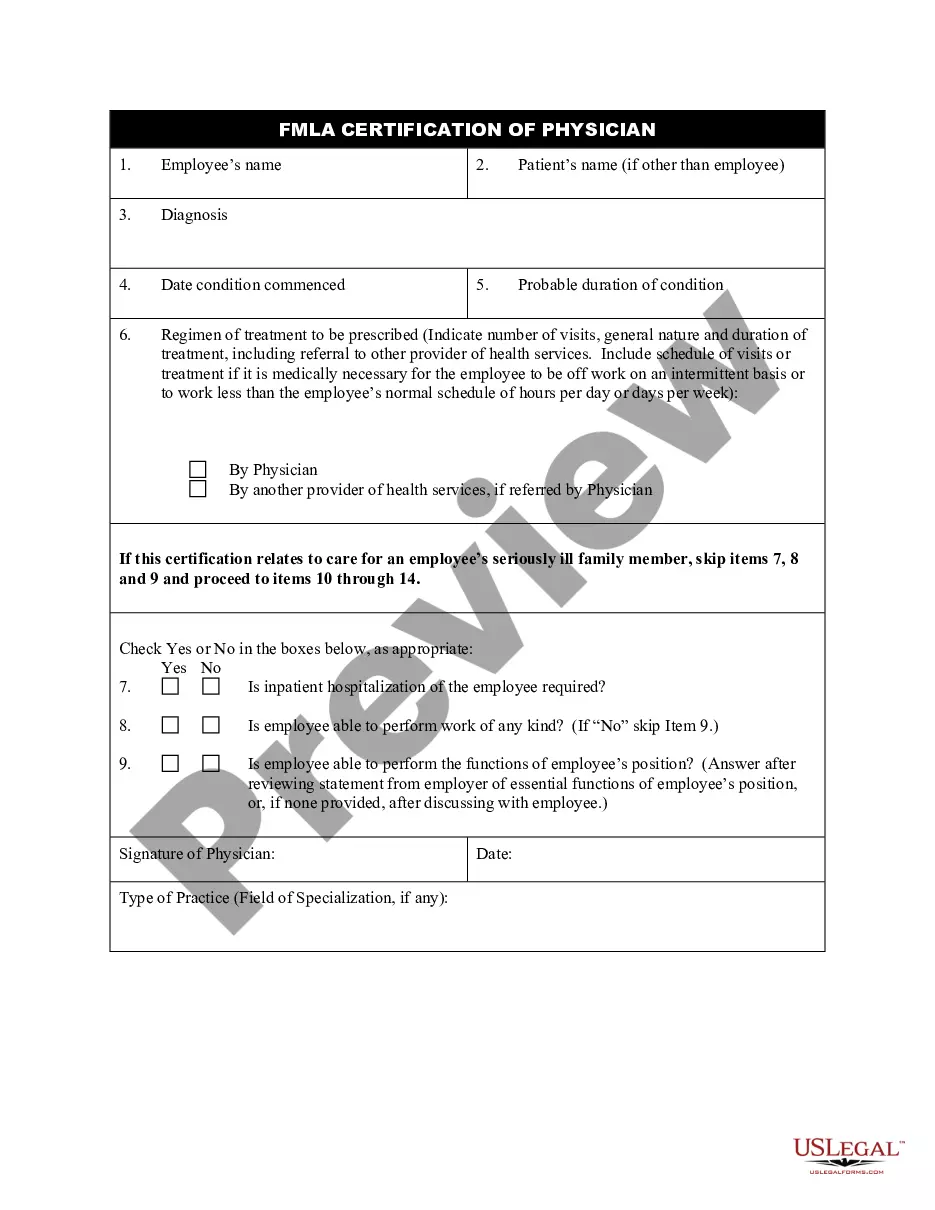
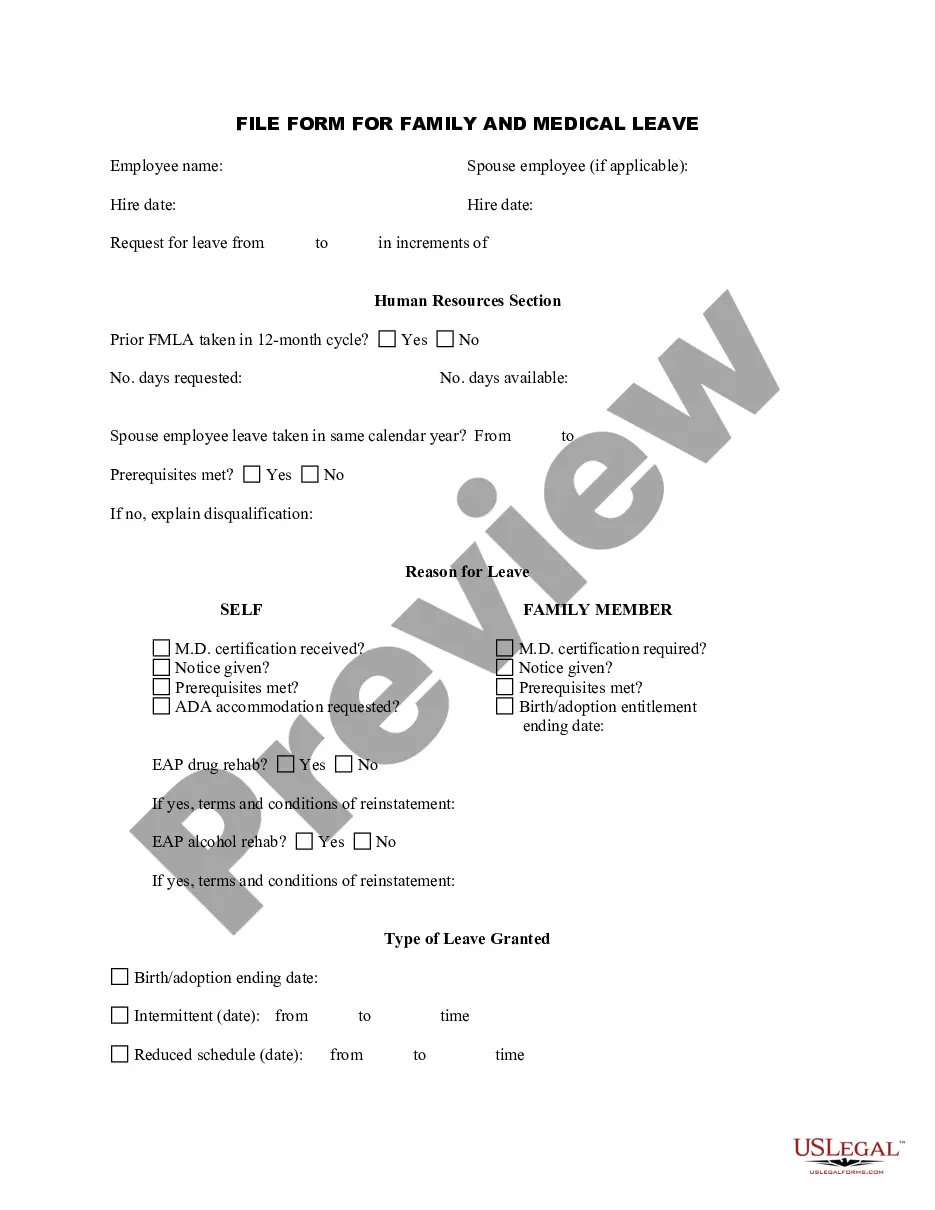



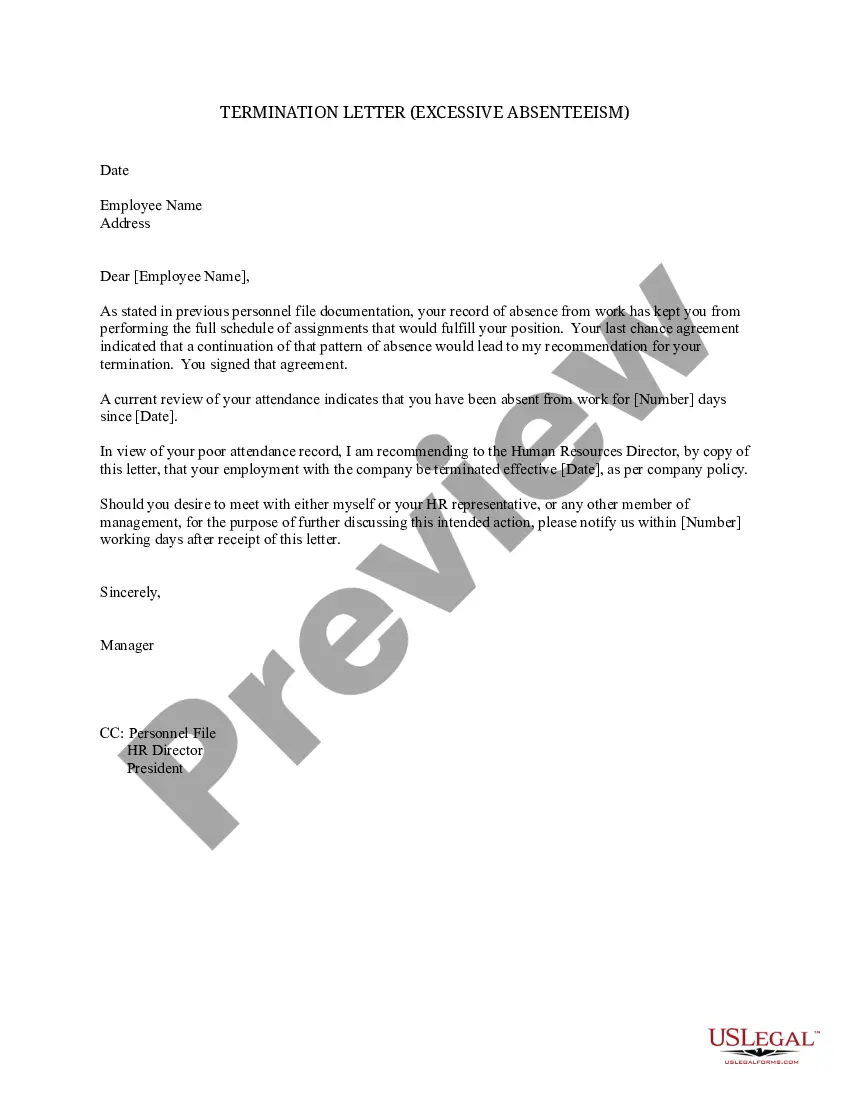
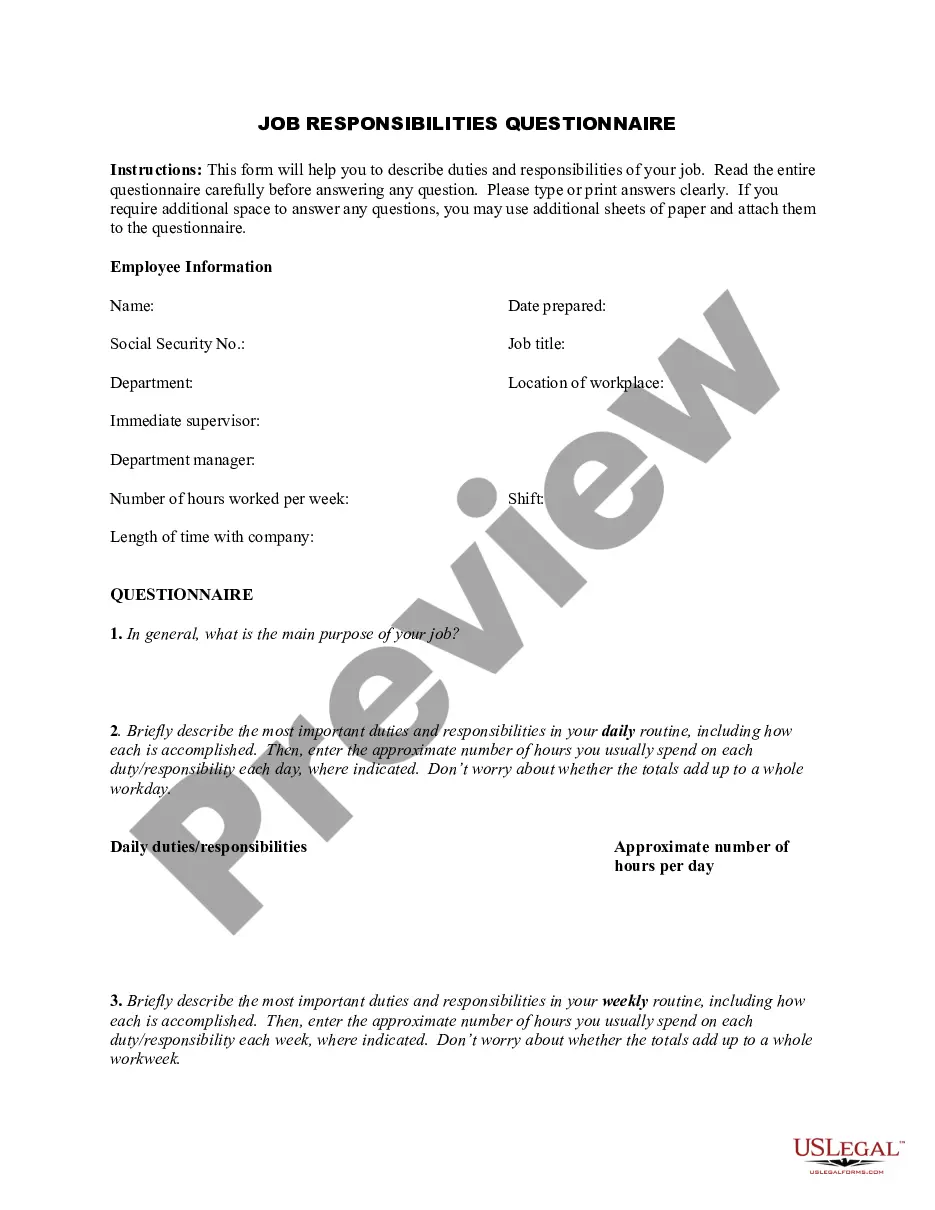
How to fill out FMLA Information Letter To Employee?
If you need to fill, download, or print legal document templates, utilize US Legal Forms, the largest compilation of legal forms available online.
Take advantage of the website's straightforward and user-friendly search feature to find the documents you need.
Various templates for business and personal purposes are organized by categories and states, or keywords.
Step 4. Once you have found the form you need, click the Download now button. Choose the pricing plan you prefer and enter your credentials to create an account.
Step 5. Complete the purchase. You can use your credit card or PayPal account to finalize the transaction.
- Utilize US Legal Forms to obtain the Maryland FMLA Information Letter to Employee in just a few clicks.
- If you are already a US Legal Forms user, Log In to your account and click on the Download button to obtain the Maryland FMLA Information Letter to Employee.
- You can also access forms you previously downloaded in the My documents tab of your account.
- If you are using US Legal Forms for the first time, refer to the instructions below.
- Step 1. Ensure you have selected the form for the correct city/state.
- Step 2. Use the Preview feature to review the form's content. Don’t forget to check the details.
- Step 3. If you are not satisfied with the form, use the Search box at the top of the screen to find alternative versions of the legal form template.
Form popularity
FAQ
You won't be eligible for unemployment benefits if you quit your job voluntarily, without good cause. In general, good cause means that you had a compelling work-related reason that left you no other choice than to leave.
Under MFLA, insurance provided under Employee Retirement Income Security Act plan, workers and unemployment compensation benefits; and disability benefits are excluded from "leave with pay." Only those employees who are primarily employed in the state are covered.
FMLA is a federal law providing for an unpaid period of protected absence of up to 12 weeks, or up to 26 weeks for Military Caregiver Leave, in a twelve-month period for a qualifying event (see FMLA Fact Sheet for more qualifications).
Eligible employees qualify for FMLA leave for any of the following purposes: The birth of a child or, within one year of birth, to bond with the child. Mothers and fathers have the same rights. Only continuous leave is required, but employers can allow intermittent leave.
The FMLA only requires unpaid leave. However, the law permits an employee to elect, or the employer to require the employee, to use accrued paid vacation leave, paid sick or family leave for some or all of the FMLA leave period.
Dear (Supervisor / HR Manager): Please be advised that I hereby request an FMLA leave for a period of (number of weeks) in connection with my serious health condition. The leave is to start on (date). Attached is my medical note reflecting the need for FMLA leave.
In order to be eligible to take leave under the FMLA, an employee must (1) work for a covered employer, (2) work 1,250 hours during the 12 months prior to the start of leave, (3) work at a location where 50 or more employees work at that location or within 75 miles of it, and (4) have worked for the employer for 12
Under the FMLA, eligible employees can take up to 12 workweeks of leave per 12-month periods without losing their job or health insurance. The guaranteed leave can be unpaid, and any paid leave can run concurrent to the FMLA leave at the employer's discretion.
Do I get paid for the time I am on leave? FMLA only requires unpaid leave. If your employer provides less than 12 weeks of paid leave (such as vacation, personal leave, etc.), then they are not required to pay you the difference.