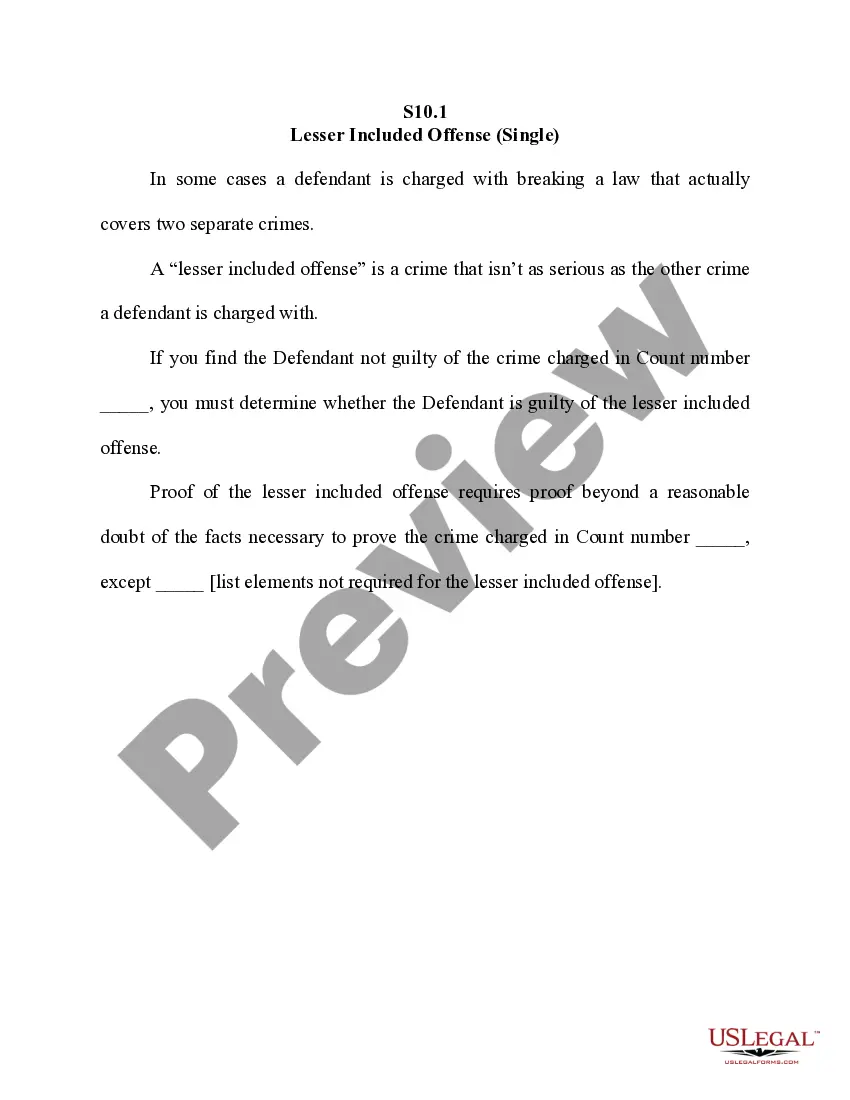
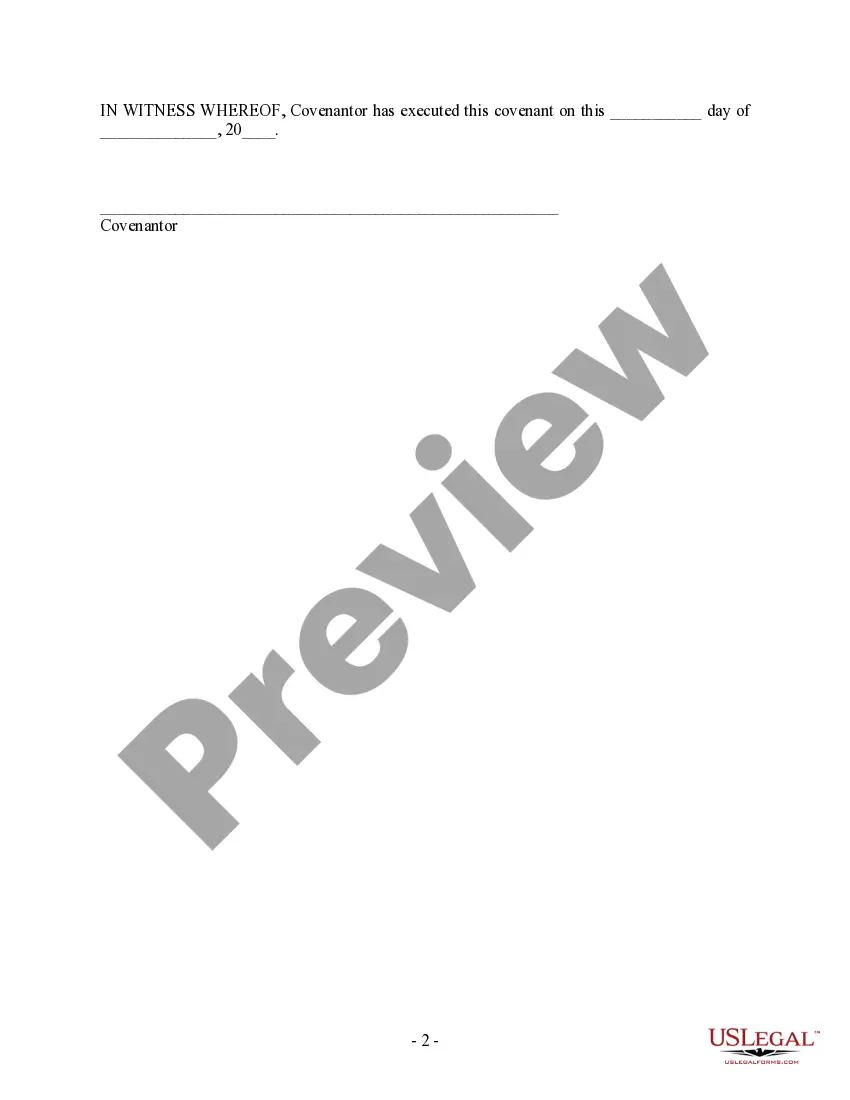
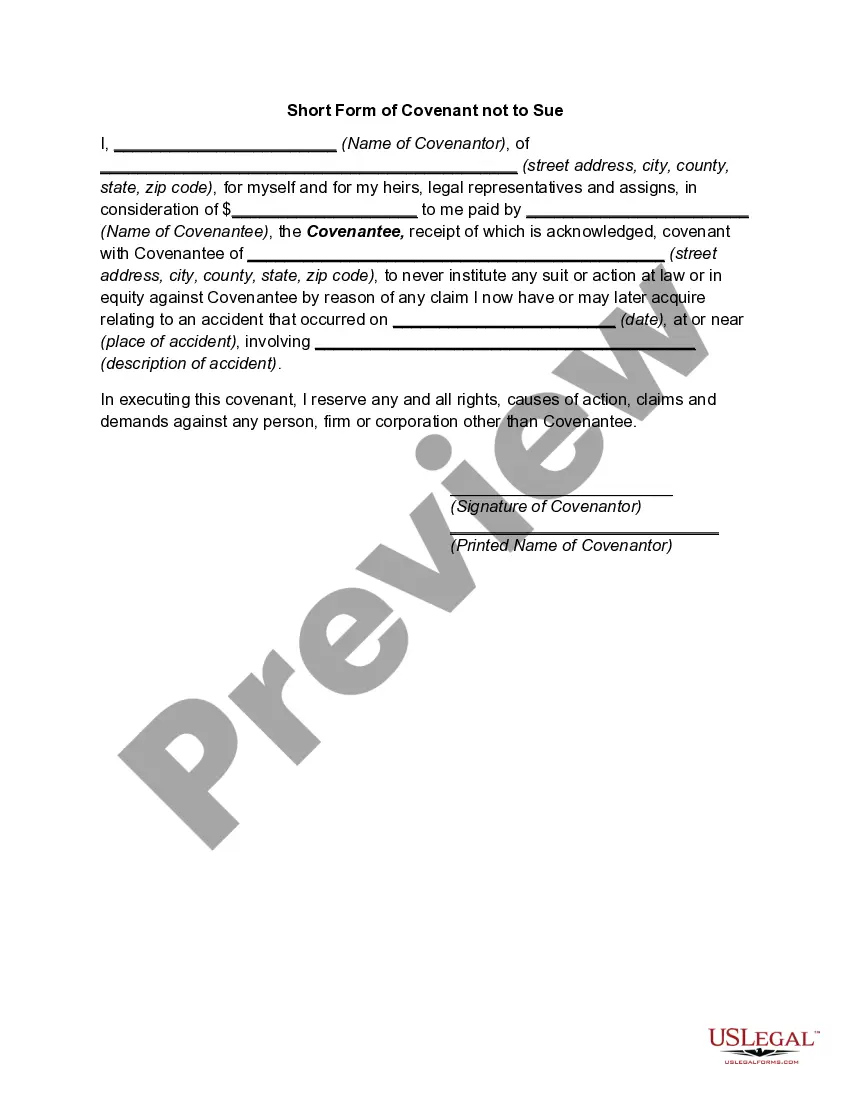
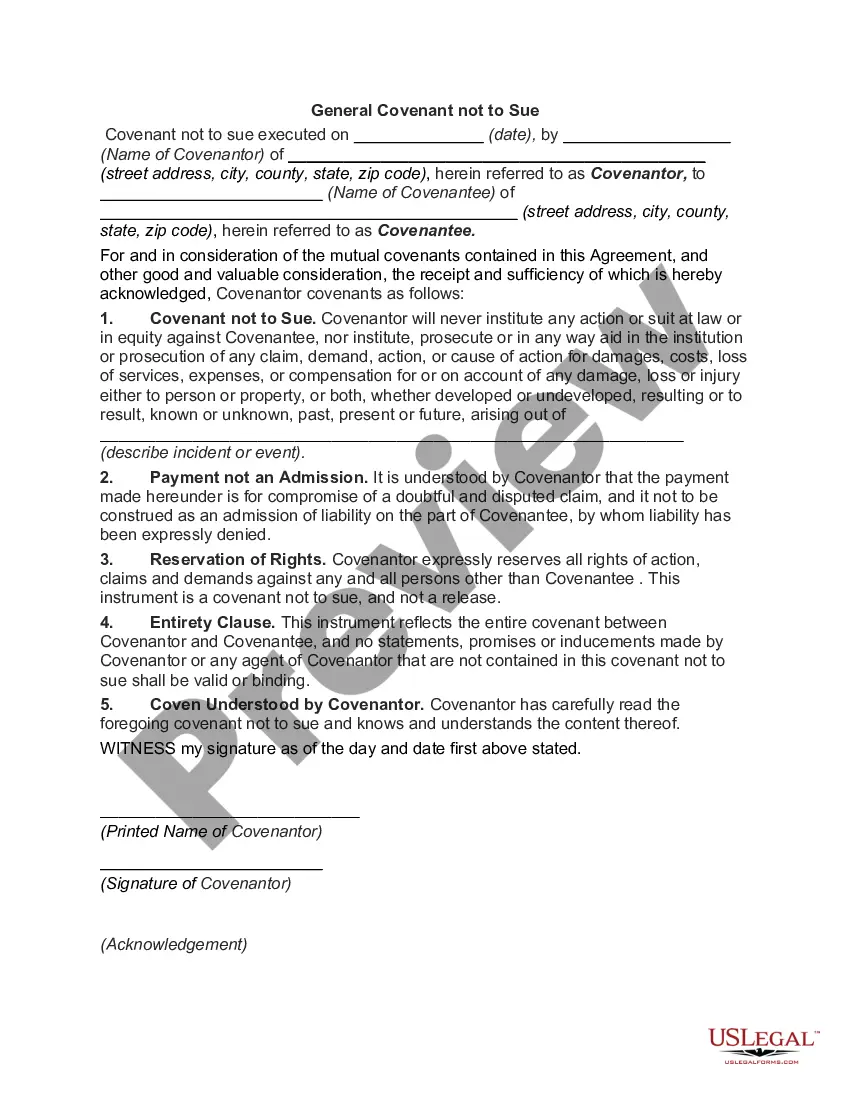
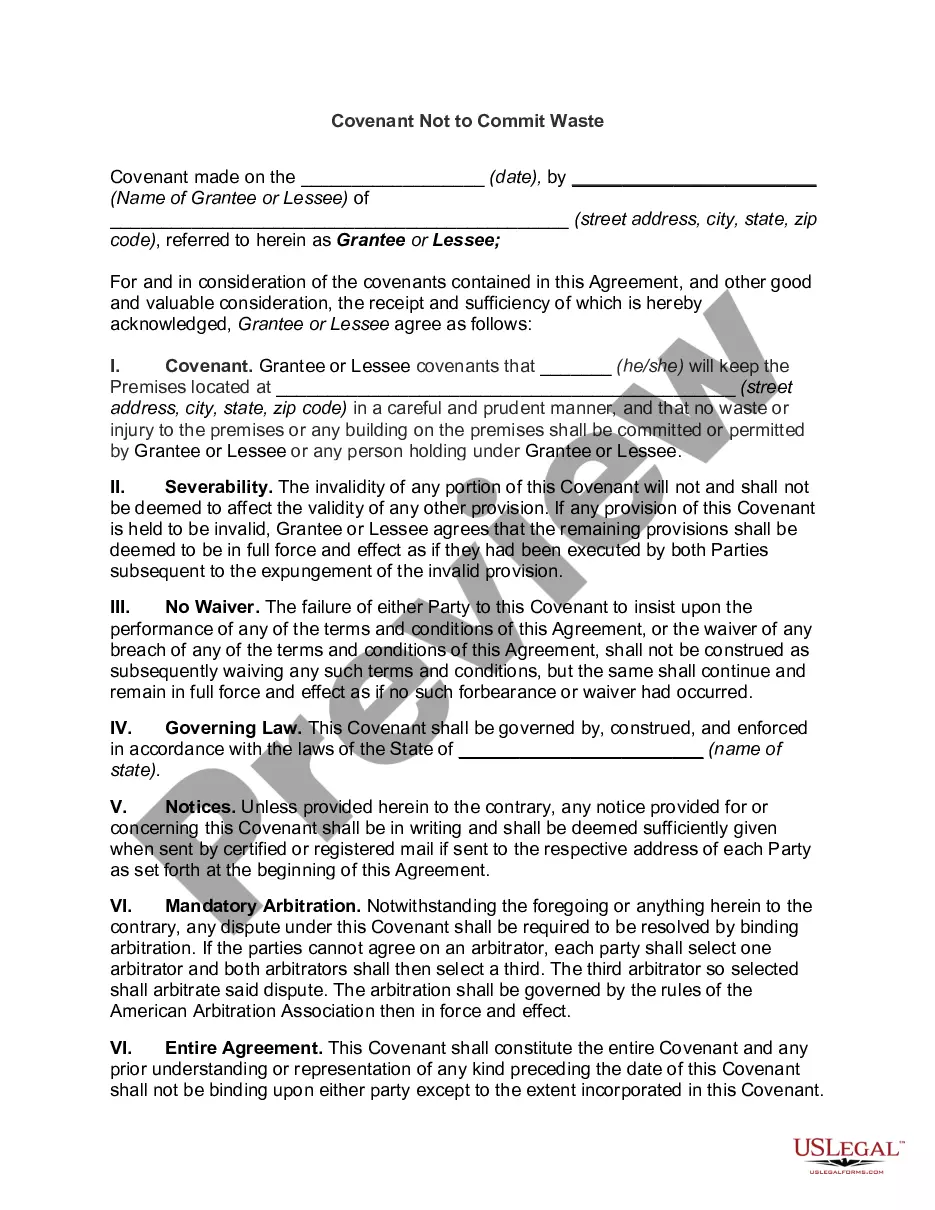
Maine Covenant Not to Sue
Description
Get your form ready online
Our built-in tools help you complete, sign, share, and store your documents in one place.
Make edits, fill in missing information, and update formatting in US Legal Forms—just like you would in MS Word.
Download a copy, print it, send it by email, or mail it via USPS—whatever works best for your next step.
Sign and collect signatures with our SignNow integration. Send to multiple recipients, set reminders, and more. Go Premium to unlock E-Sign.
If this form requires notarization, complete it online through a secure video call—no need to meet a notary in person or wait for an appointment.
We protect your documents and personal data by following strict security and privacy standards.

Make edits, fill in missing information, and update formatting in US Legal Forms—just like you would in MS Word.

Download a copy, print it, send it by email, or mail it via USPS—whatever works best for your next step.

Sign and collect signatures with our SignNow integration. Send to multiple recipients, set reminders, and more. Go Premium to unlock E-Sign.

If this form requires notarization, complete it online through a secure video call—no need to meet a notary in person or wait for an appointment.

We protect your documents and personal data by following strict security and privacy standards.
Looking for another form?



How to fill out Covenant Not To Sue?
If you want to be thorough, acquire, or print legal document templates, utilize US Legal Forms, the largest assortment of legal forms that are available online. Take advantage of the site’s straightforward and user-friendly search to find the documents you need. Various templates for business and personal purposes are organized by categories and states, or keywords. Use US Legal Forms to obtain the Maine Covenant Not to Sue within a few clicks.
If you are already a US Legal Forms customer, Log In to your account and click on the Download option to obtain the Maine Covenant Not to Sue. You can also access forms you have previously downloaded in the My documents tab of your account.
If you are using US Legal Forms for the first time, follow the steps below: Step 1. Ensure you have selected the form for the correct state/country. Step 2. Use the Preview option to review the form’s content. Don’t forget to read the description. Step 3. If you are not satisfied with the form, use the Search field at the top of the screen to find other versions in the legal form template. Step 4. Once you have located the form you need, click the Purchase now option. Choose the payment plan you prefer and enter your details to register for the account. Step 5. Complete the transaction. You can use your Visa or Mastercard or PayPal account to finalize the purchase. Step 6. Select the format of the legal form and download it to your device. Step 7. Fill out, modify, and print or sign the Maine Covenant Not to Sue.
- Every legal document template you obtain is yours for an extended period.
- You have access to every form you downloaded in your account.
- Click the My documents section and select a form to print or download again.
- Stay ahead and download, and print the Maine Covenant Not to Sue with US Legal Forms.
- There are thousands of professional and state-specific forms you can use for your business or personal needs.
Form popularity
FAQ
Notice given by or on behalf of the insured or the beneficiary to the insurer at (insert the location of such office as the insurer may designate for the purpose), or to any authorized agent of the insurer, with information sufficient to identify the insured, shall be deemed notice to the insurer. [PL 1969, c.
In order to begin his or her court case, a Maine medical malpractice plaintiff must prepare and file a "notice of claim," describing under oath "the professional negligence alleged and the nature and circumstances of the injuries and damages alleged"?in other words, details on what the health care provider did wrong, ...
A debt collector may not commence a collection action more than 6 years after the date of the consumer's last activity on the debt. This limitations period applies notwithstanding any other applicable statute of limitations, unless a shorter limitations period is provided under the laws of this State.
Except as provided in section 2902?B, actions for professional negligence must be commenced within 3 years after the cause of action accrues. For the purposes of this section, a cause of action accrues on the date of the act or omission giving rise to the injury.
The ?statute of limitations,? which is the amount of time a person has to file a personal injury claim against those responsible for their injuries, has a time limit of six years in Maine. There are a few exceptions, but for the majority of cases, the clock starts ticking from the time of the accident.
An action for breach of any contract for sale must be commenced within 4 years after the cause of action has accrued. By the original agreement the parties may reduce the period of limitation to not less than one year but may not extend it. (2).
Twenty years. An action on a breach of covenants in any deed or other instrument for the conveyance of real property in this State or any interest therein must be commenced within 20 years after the cause of action accrues.