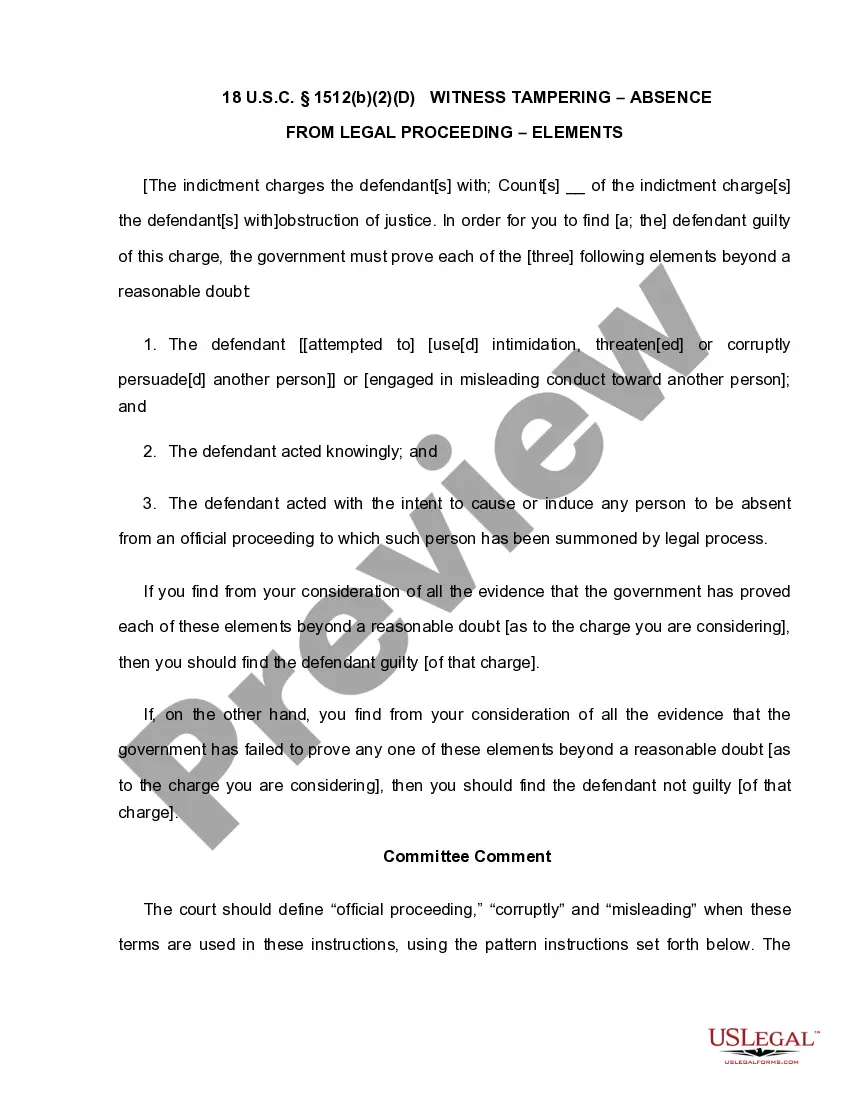
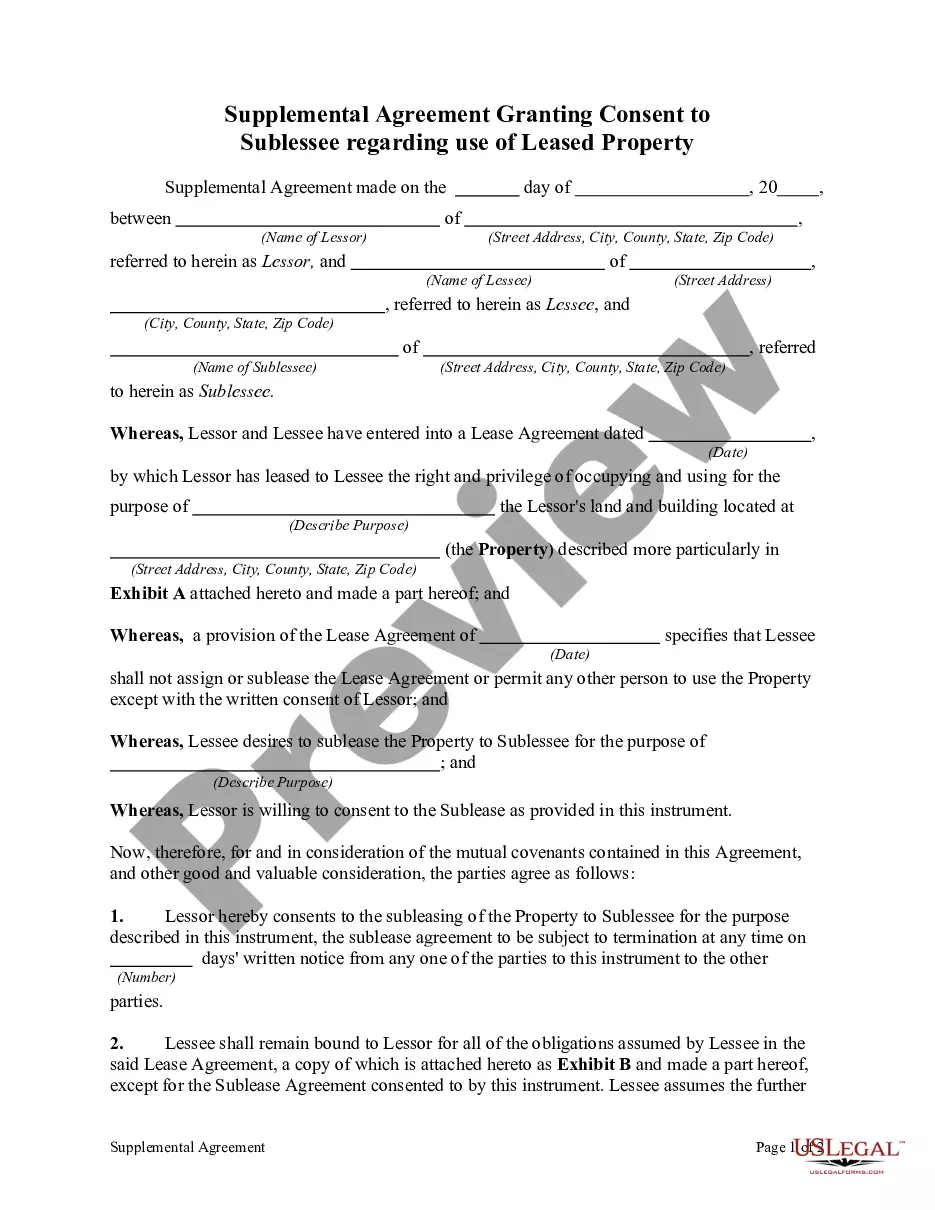
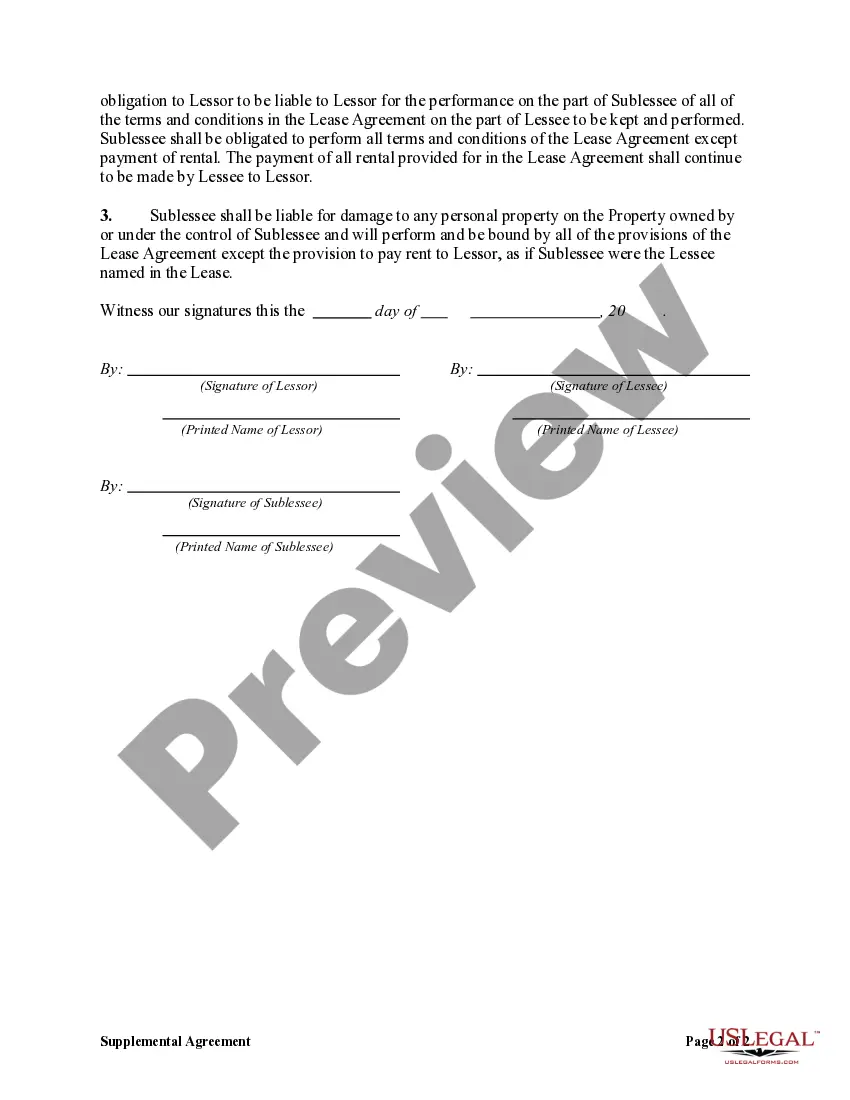
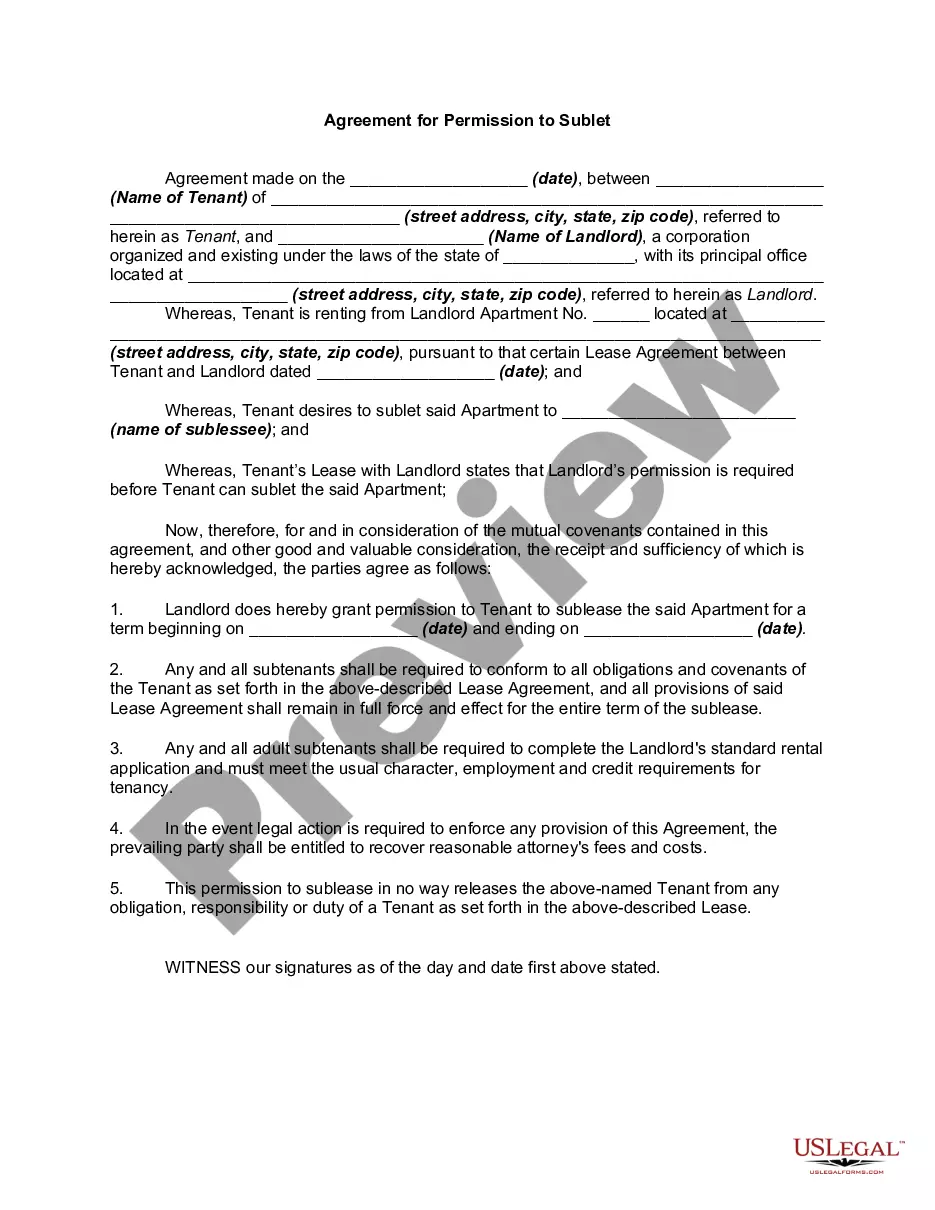
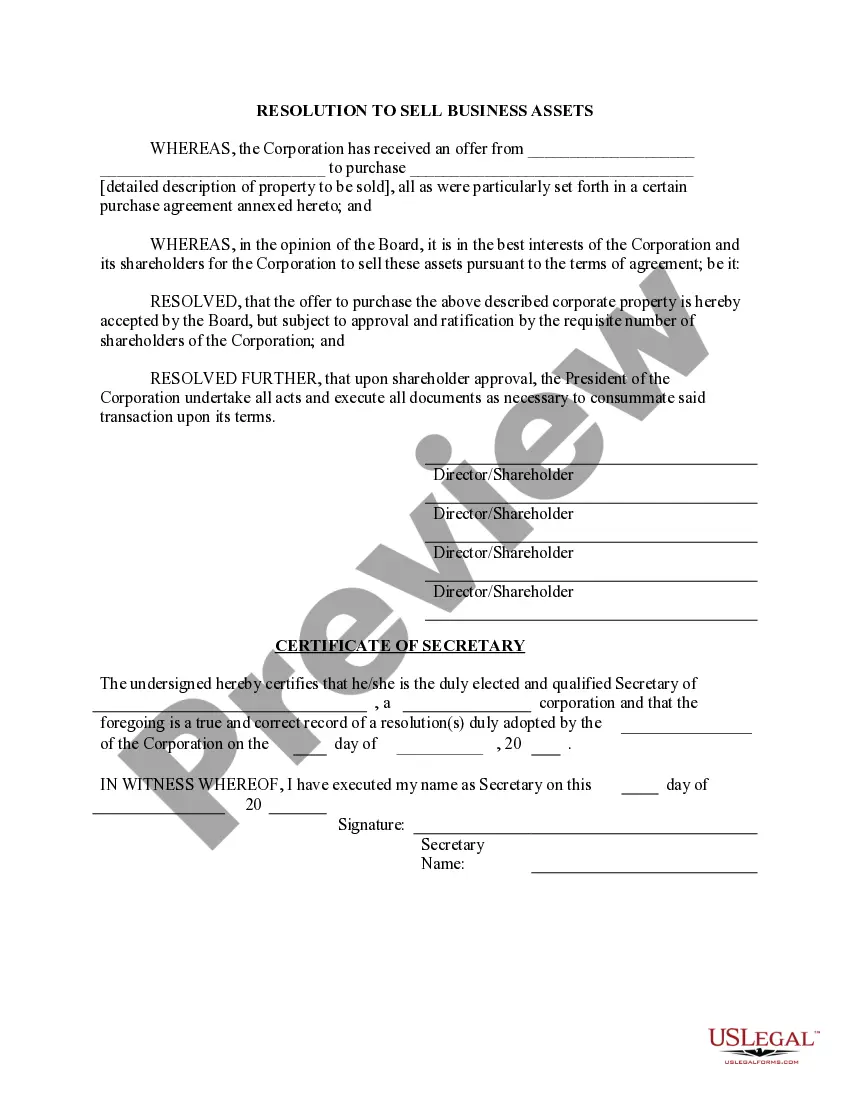
Maine Supplemental Agreement Granting Consent to Sublessee Regarding Use of Leased Property
Description
Get your form ready online
Our built-in tools help you complete, sign, share, and store your documents in one place.
Make edits, fill in missing information, and update formatting in US Legal Forms—just like you would in MS Word.
Download a copy, print it, send it by email, or mail it via USPS—whatever works best for your next step.
Sign and collect signatures with our SignNow integration. Send to multiple recipients, set reminders, and more. Go Premium to unlock E-Sign.
If this form requires notarization, complete it online through a secure video call—no need to meet a notary in person or wait for an appointment.
We protect your documents and personal data by following strict security and privacy standards.
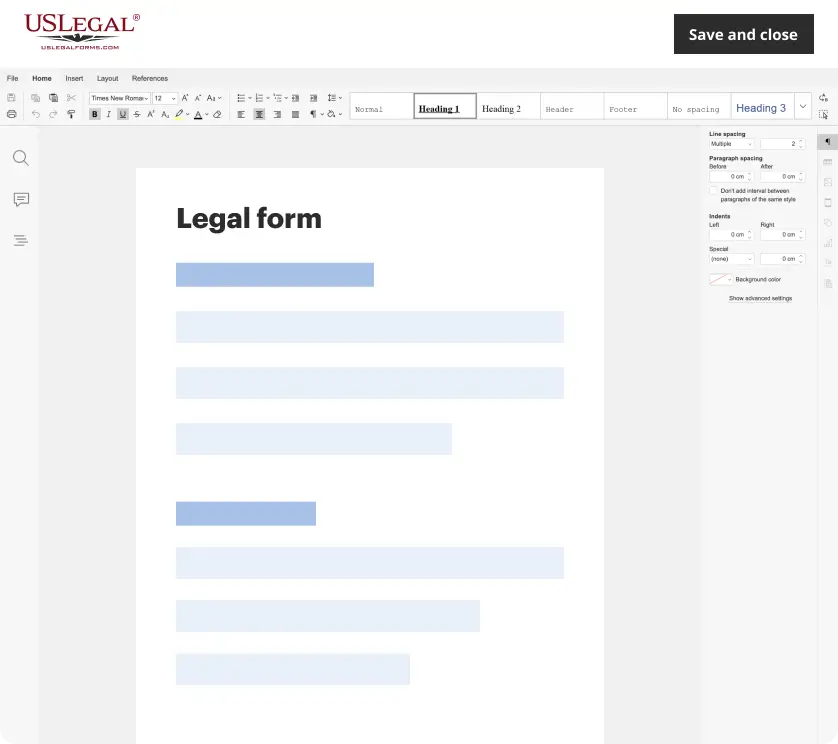
Make edits, fill in missing information, and update formatting in US Legal Forms—just like you would in MS Word.
Download a copy, print it, send it by email, or mail it via USPS—whatever works best for your next step.
Sign and collect signatures with our SignNow integration. Send to multiple recipients, set reminders, and more. Go Premium to unlock E-Sign.
If this form requires notarization, complete it online through a secure video call—no need to meet a notary in person or wait for an appointment.
We protect your documents and personal data by following strict security and privacy standards.
Looking for another form?


How to fill out Supplemental Agreement Granting Consent To Sublessee Regarding Use Of Leased Property?
Locating the appropriate legal document format can pose a challenge.
It goes without saying that numerous templates are accessible online, but how can you identify the legal form you require.
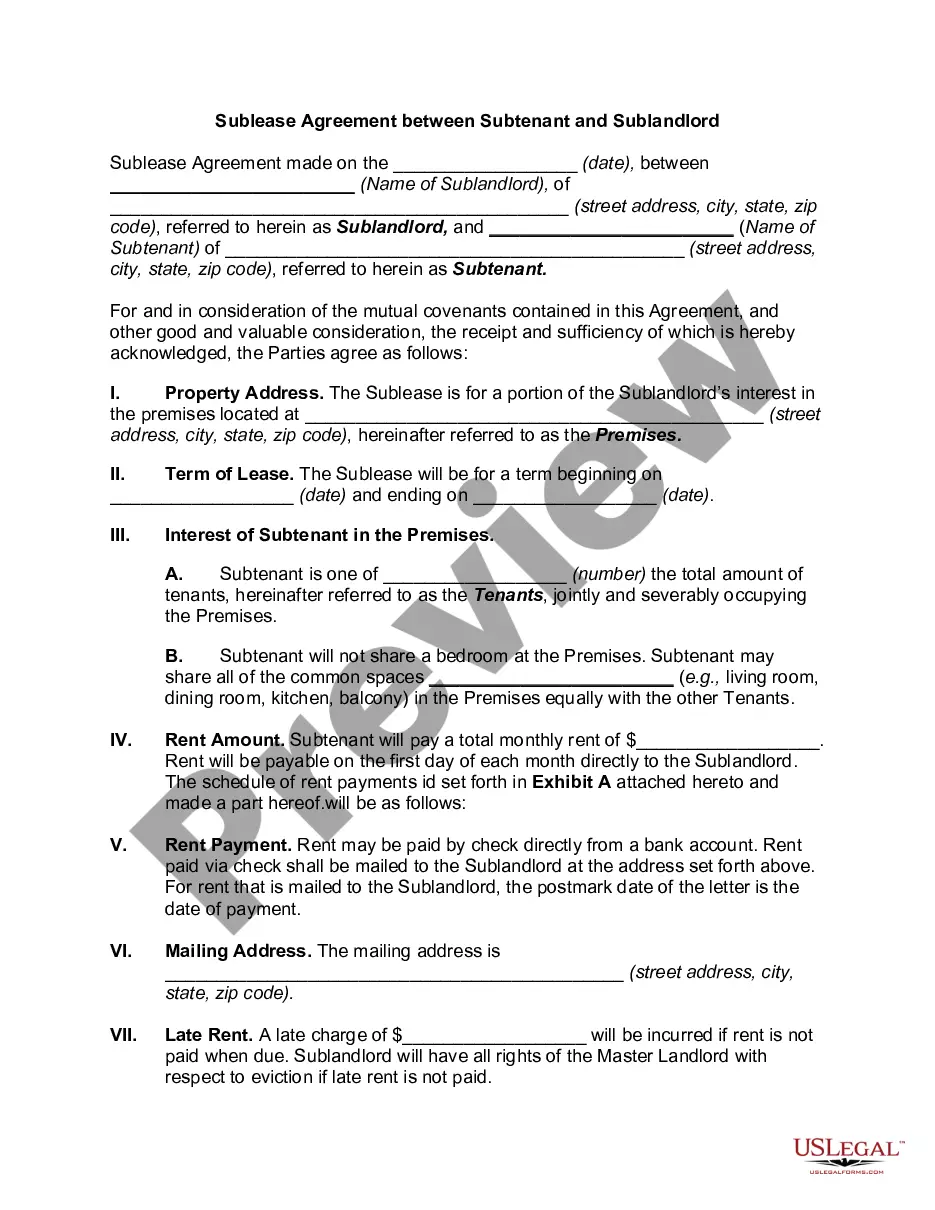
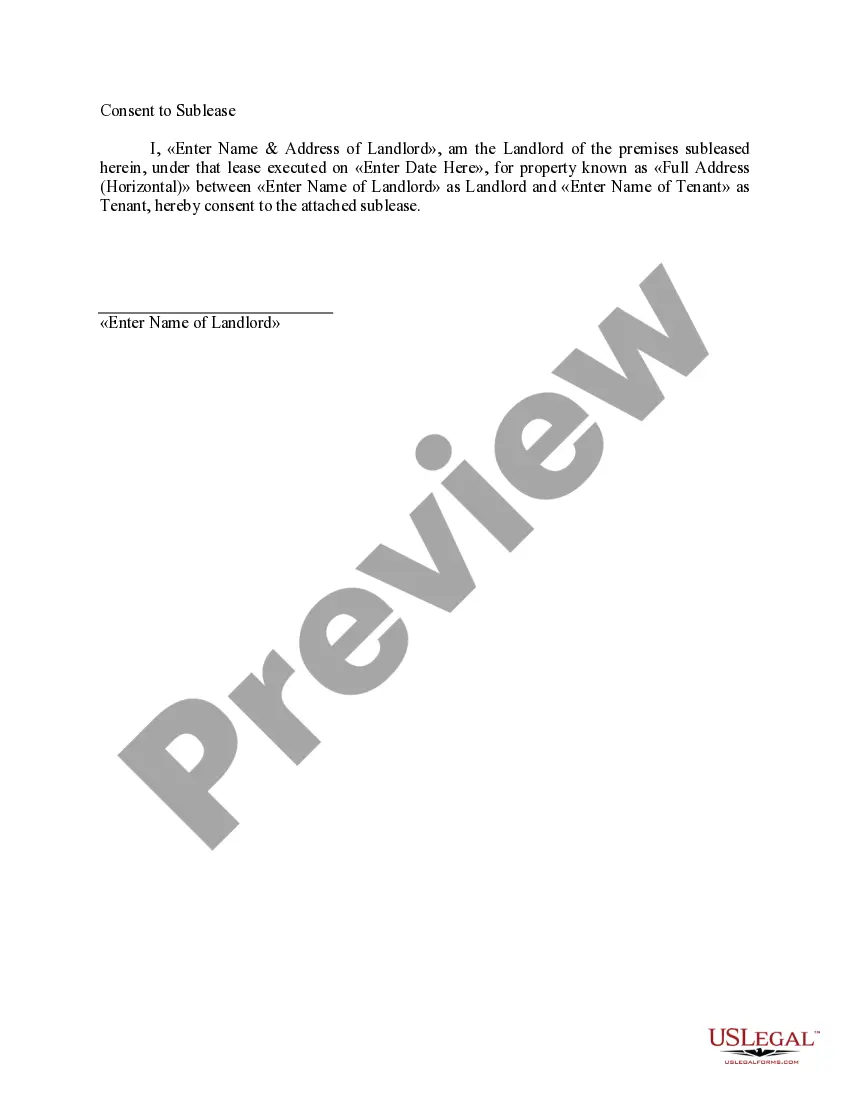
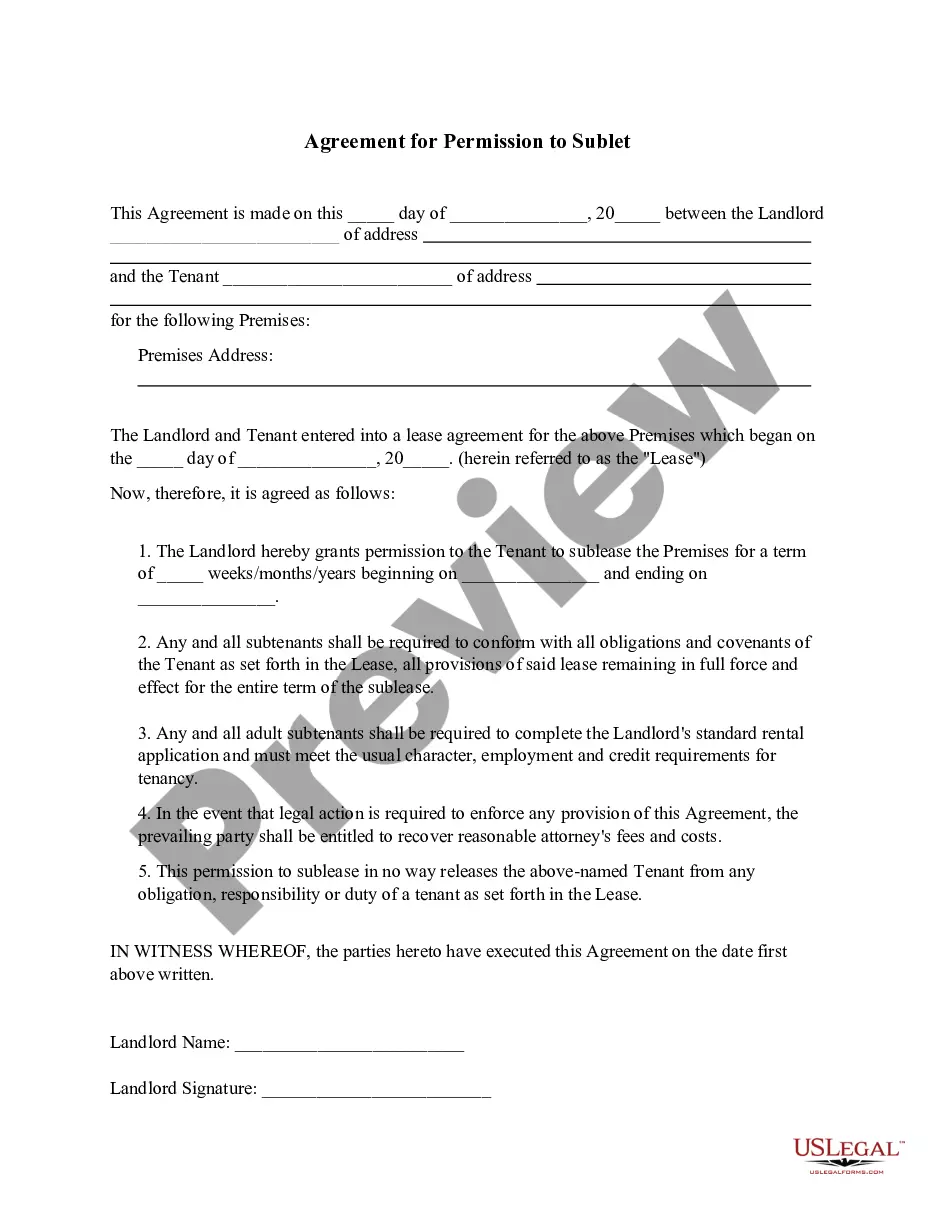
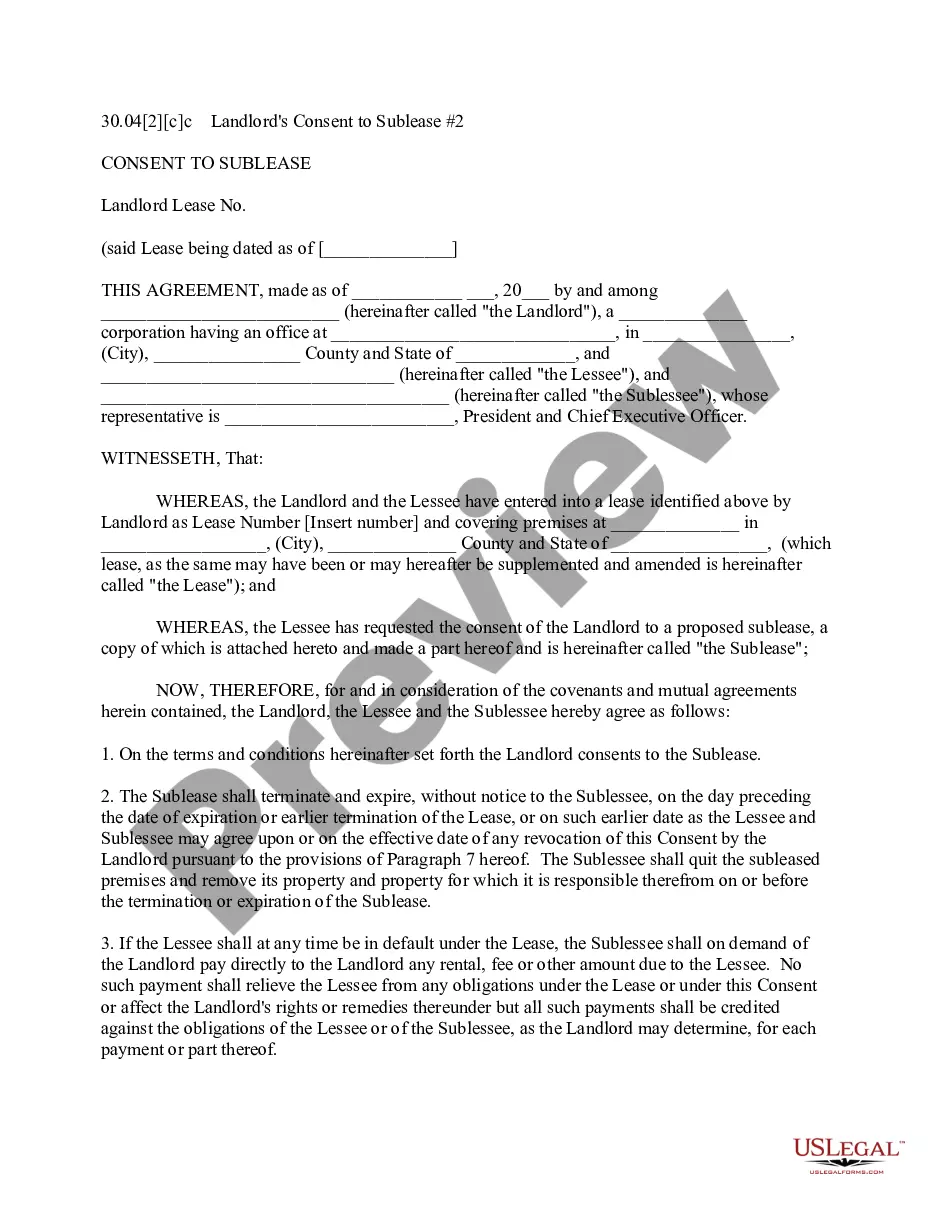
Utilize the US Legal Forms website. The platform offers a vast array of templates, such as the Maine Supplemental Agreement Granting Consent to Sublessee Regarding Use of Leased Property, suitable for both business and personal purposes.
If the form does not meet your needs, utilize the Search bar to find the suitable form. Once you are confident that the form is appropriate, click the Get now button to acquire the form. Choose your preferred pricing plan and provide the required information. Create your account and proceed to pay for the order using your PayPal account or credit card. Select the file format and download the legal document format to your device. Finally, complete, edit, print, and sign the Maine Supplemental Agreement Granting Consent to Sublessee Regarding Use of Leased Property. US Legal Forms is the largest repository of legal documents where you can find various record templates. Leverage the service to download professionally crafted documents that meet state requirements.
- All forms are reviewed by experts and comply with state and federal regulations.
- If you are already registered, sign in to your account and click the Download button to retrieve the Maine Supplemental Agreement Granting Consent to Sublessee Regarding Use of Leased Property.
- Use your account to browse through the legal documents you have previously purchased.
- Visit the My documents section of your account to obtain another copy of the document you need.
- For new users of US Legal Forms, here are simple instructions to follow.
- First, ensure you have selected the correct form for your city/state. You can review the document using the Review button and check the form description to confirm it is the right one for you.
Form popularity
FAQ
A subordination, non-disturbance, and attornment agreement (SNDA) addresses the priority of the rights of tenants and lenders. It deals with how and when the rights of tenants will be subordinate to the rights of lenders or, sometimes at lender's option, senior to the rights of lenders.
An SNDA is a tri-party agreement between a tenant, landlord, and landlord's mortgagee under which the tenant agrees to subordinate its lease to the mortgagee's lien in exchange for the mortgagee's agreement to honor the terms of the lease if mortgagee forecloses on the property.
An assignment is when the tenant transfers their lease interest to a new tenant using a Lease Assignment. The assignee takes the assignor's place in the landlord-tenant relationship, although the assignor may remain liable for damages, missed rent payments, and other lease violations.
A lender typically wants to have an SNDA because of its subordination clause if, in the absence of such an agreement, the lease would be prior to the mortgage.
The tenancy agreement should be signed by all tenants and your landlord. If there are joint tenants, each tenant should receive a copy of the agreement.
The process of assignment of a lease is essentially selling the lease to a third party (the assignee). If you are a commercial property tenant, your contract likely contains a clause that allows you to assign your lease to a new tenant. To do this, you will need to find a potential new tenant yourself.
The attornment clause is another crucial tool for managing lease and trust deed priority. It allows an owner-by-foreclosure to unilaterally avoid the elimination and unenforceability of a junior lease and instead obliges a tenant to recognize the new property owner as their substitute landlord.
Answer. A tenant has signed a lease or rental agreement with a landlord. A subtenant, on the other hand, is someone who subleases or rents all or part of the rental property from a tenant, and does not sign a lease or rental agreement with the landlord.
Attornment acknowledges the relationship between the parties in a transaction. Attornment may occur when a tenant leases an apartment and the building change hands to a new owner during the course of the lease. The attornment agreement only changes the rights of the new owner if it is signed by the tenant.
After a lease is created, the lessor cannot reserve to himself any share in the right of possession. The words 'transfer of a right to use the property' indicates that all rights of ownership are not transferred. A lease can be effected from year to year or can be for more than a year.