Michigan Amendment of Residential Lease
About this form
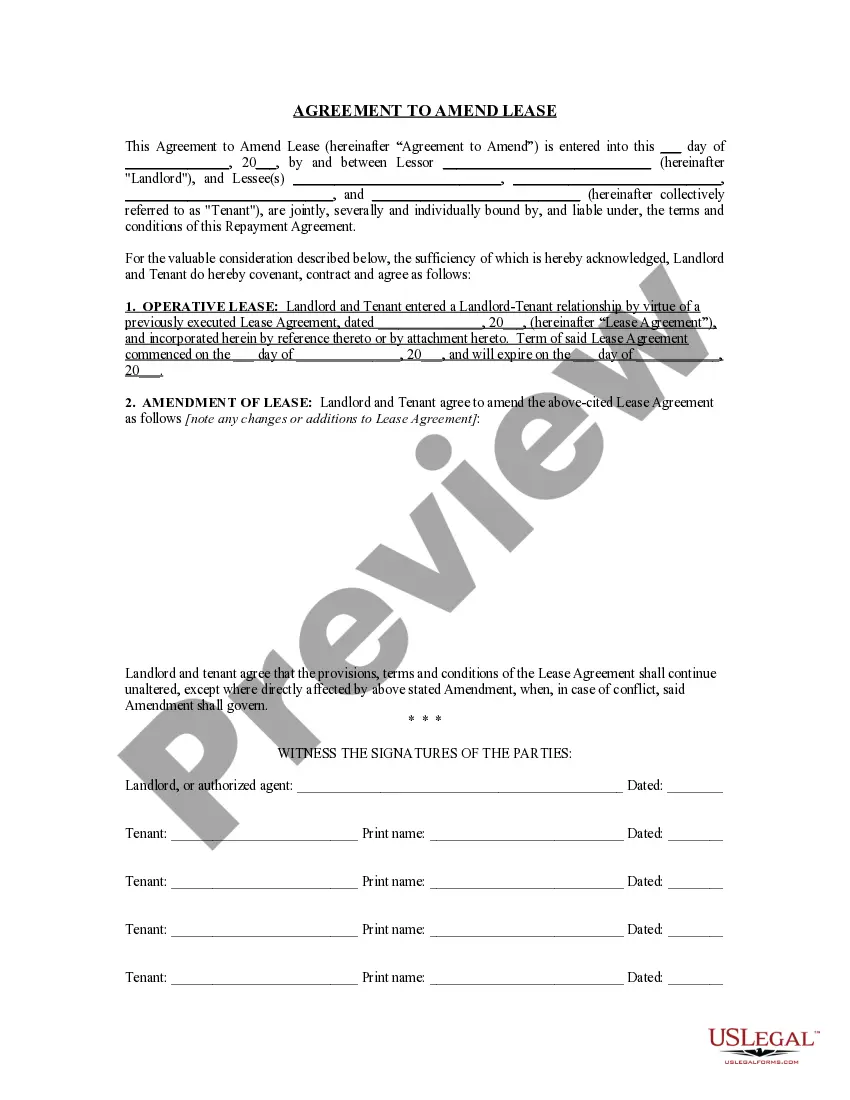
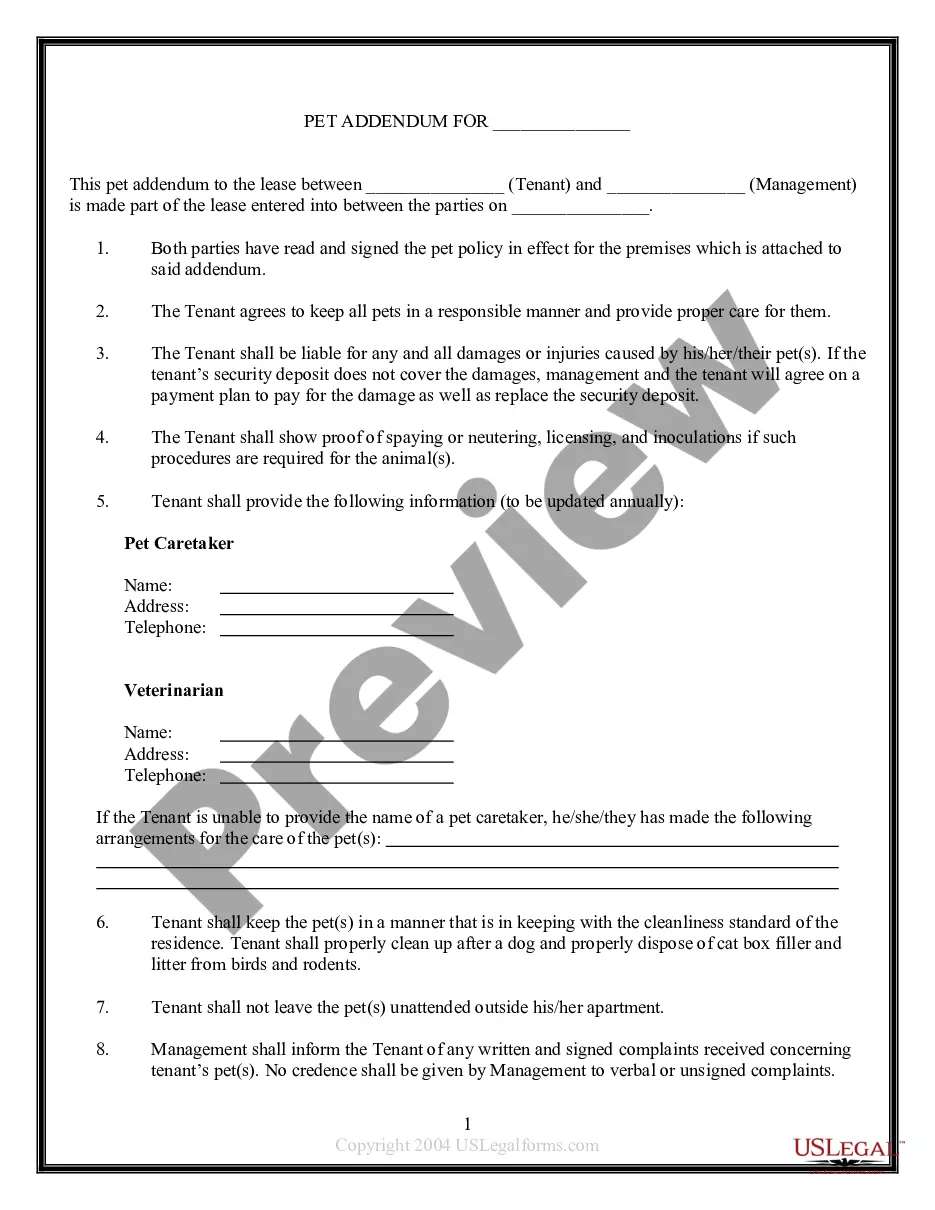
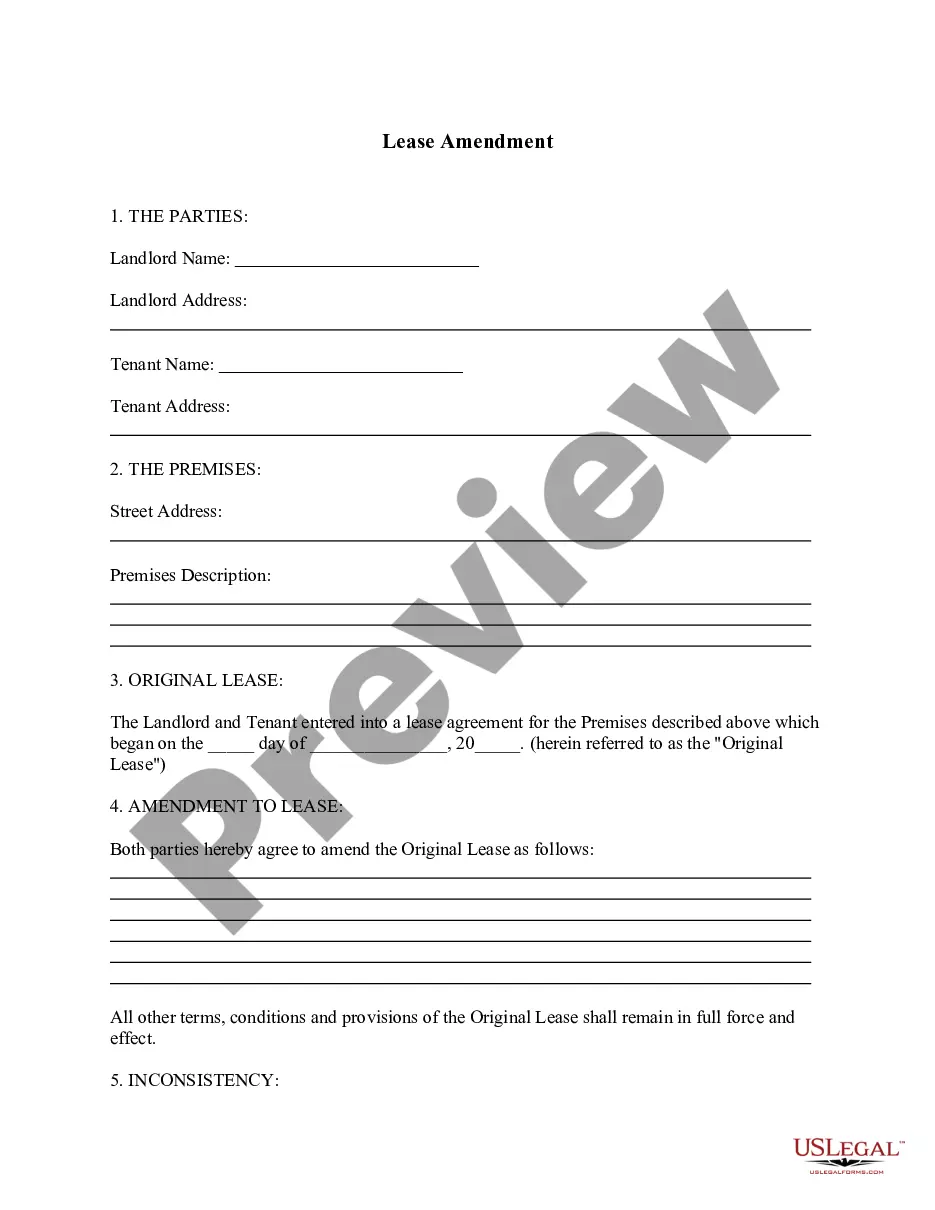
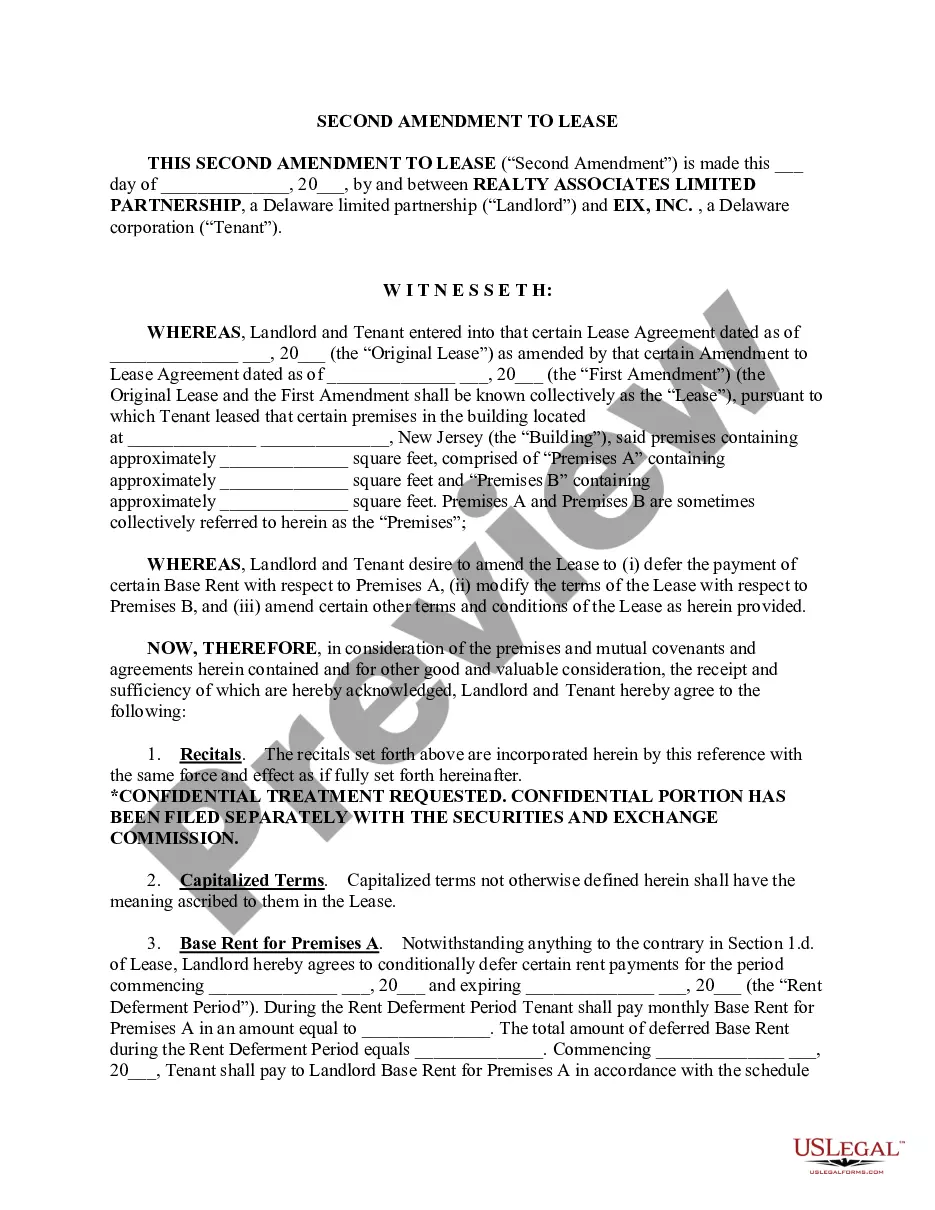
The Amendment of Residential Lease is a legal document that allows landlords and tenants to formalize changes to an existing lease agreement. This form ensures that any modifications are documented legally, helping to prevent disputes and misunderstandings. It is distinct in that it specifically addresses amendments to residential lease terms, ensuring compliance with state laws.
Key parts of this document
- Identifying Information: Lists the names and contact details of the landlord and tenants involved.
- Effective Date: Specifies the date upon which the amendments take effect.
- Original Lease Reference: Includes information on the original lease agreement being amended.
- Amendments: Details the specific changes agreed upon by both parties.
- Signatures: Requires signatures from all parties involved to validate the agreement.
Situations where this form applies
This form is necessary when there are changes to the terms of an existing lease, such as adjustments to the rent, modifications to the lease term, or updates to occupancy rules. It is also utilized when additional tenants are added or specific repairs or responsibilities are modified. Essentially, if any part of the lease needs to be changed, this amendment form is appropriate to ensure that both parties are in agreement and legally protected.
Who this form is for
- Landlords looking to change specific terms of a lease.
- Tenants who wish to negotiate alterations to their existing rental agreement.
- Individuals involved in any rental property modifications needing legal documentation.
- Parties entering into lease agreements with changes from the original terms.
Instructions for completing this form
- Identify the parties involved: Enter the names of the landlord and tenants.
- Specify the original lease: Fill in the details of the existing lease agreement, including its date and terms.
- Outline the amendments: Clearly state the specific changes being made to the lease agreement.
- Enter the effective date: Indicate when the changes will become effective.
- Obtain signatures: Ensure all parties sign and date the document to finalize the amendment.
Is notarization required?
Notarization is not commonly needed for this form. However, certain documents or local rules may make it necessary. Our notarization service, powered by Notarize, allows you to finalize it securely online anytime, day or night.
Get your form ready online
Our built-in tools help you complete, sign, share, and store your documents in one place.
Make edits, fill in missing information, and update formatting in US Legal Forms—just like you would in MS Word.
Download a copy, print it, send it by email, or mail it via USPS—whatever works best for your next step.
Sign and collect signatures with our SignNow integration. Send to multiple recipients, set reminders, and more. Go Premium to unlock E-Sign.
If this form requires notarization, complete it online through a secure video call—no need to meet a notary in person or wait for an appointment.
We protect your documents and personal data by following strict security and privacy standards.

Make edits, fill in missing information, and update formatting in US Legal Forms—just like you would in MS Word.

Download a copy, print it, send it by email, or mail it via USPS—whatever works best for your next step.

Sign and collect signatures with our SignNow integration. Send to multiple recipients, set reminders, and more. Go Premium to unlock E-Sign.

If this form requires notarization, complete it online through a secure video call—no need to meet a notary in person or wait for an appointment.

We protect your documents and personal data by following strict security and privacy standards.
Avoid these common issues
- Failing to specify the effective date for the amendments.
- Not including references to the original lease agreement.
- Leaving out signatures from all required parties.
- Using vague language that may lead to misunderstandings regarding the amendments.
Benefits of completing this form online
- Convenient: Download and complete your form from home without needing to visit a lawyer.
- Editability: Easily modify the document as needed to fit specific requirements.
- Reliability: Get access to quality templates drafted by licensed attorneys to ensure legal compliance.
What to keep in mind
- The Amendment of Residential Lease allows for the formal modification of lease agreements.
- Understanding what changes are necessary prevents legal disputes in the future.
- Ensure all parties review and sign the amendment for it to be valid.
Looking for another form?
Form popularity
FAQ
In Michigan, a lease amendment typically does not need notarization to be valid, as long as both parties agree to the changes and sign the document. However, having the amendment notarized can provide additional legal assurance. By utilizing USLegalForms, you can easily create and execute a Michigan Amendment of Residential Lease that meets your needs, with options for notarization if preferred.
Yes, you can e-file an amended Michigan tax return using tax software or select online platforms. Make sure you complete the necessary forms accurately to reflect any changes. This process ensures that your Michigan Amendment of Residential Lease, if it impacts your taxes, is properly declared, simplifying filing and compliance.
To add an amendment to your agreement, first review the original lease to identify the areas needing change. Next, draft the amendment clearly outlining the changes and include the date, tenant and landlord signatures. Utilizing resources like USLegalForms can help ensure your Michigan Amendment of Residential Lease is comprehensive and legally sound.
To write an effective Michigan Amendment of Residential Lease, start by clearly identifying the original lease agreement and its parties. Specify the changes you wish to make, ensuring that both landlord and tenant agree to the modifications. Use straightforward language to eliminate confusion, and have both parties sign the amendment. For added reassurance, consider utilizing the US Legal Forms platform, which provides templates and guidance for creating solid amendments tailored to your needs.
An addendum to a residential lease agreement is a document that modifies or adds to the terms of the existing lease. Often used to address specific issues or changes, it can outline new rules, adjust rent, or include additional details relevant to the tenancy. In Michigan, understanding the nuances of the Michigan Amendment of Residential Lease is crucial for both landlords and tenants, as it helps clarify rights and responsibilities. Using legal resources, such as the USLegalForms platform, can simplify this process, ensuring that you create a comprehensive addendum that meets Michigan's legal standards.
An amendment to a lease modifies the original agreement between landlord and tenant, changing specific terms without terminating the lease. A Michigan Amendment of Residential Lease serves as an official addition to the contract, allowing adjustments in areas such as rental amount, lease duration, or other conditions. It is essential to read and understand the amendment to ensure it aligns with your needs.
In Michigan, a lease amendment generally does not need notarization unless specified in the original lease or if local laws require it. However, having a Michigan Amendment of Residential Lease notarized can add an extra layer of authenticity and protection for both parties. Always check with local regulations or a legal expert for guidance on your specific situation.
Creating an amendment to a lease involves writing a new document that specifies the changes to the original lease. The Michigan Amendment of Residential Lease should state the specific clauses being modified and include both parties' signatures. You can use templates available on platforms like uslegalforms to make this process easier and ensure compliance with state laws.
Adding an amendment to a lease agreement requires clear communication between you and your landlord. You will need to draft a written document, commonly referred to as a Michigan Amendment of Residential Lease, detailing the changes. Both parties should review and sign the amendment to ensure mutual understanding and acceptance.
To amend a lease, both the landlord and tenant must agree to the changes in writing. Typically, this involves drafting a Michigan Amendment of Residential Lease document that outlines the new terms. Make sure both parties sign the amendment for it to be legally binding. Always keep a copy for your records.