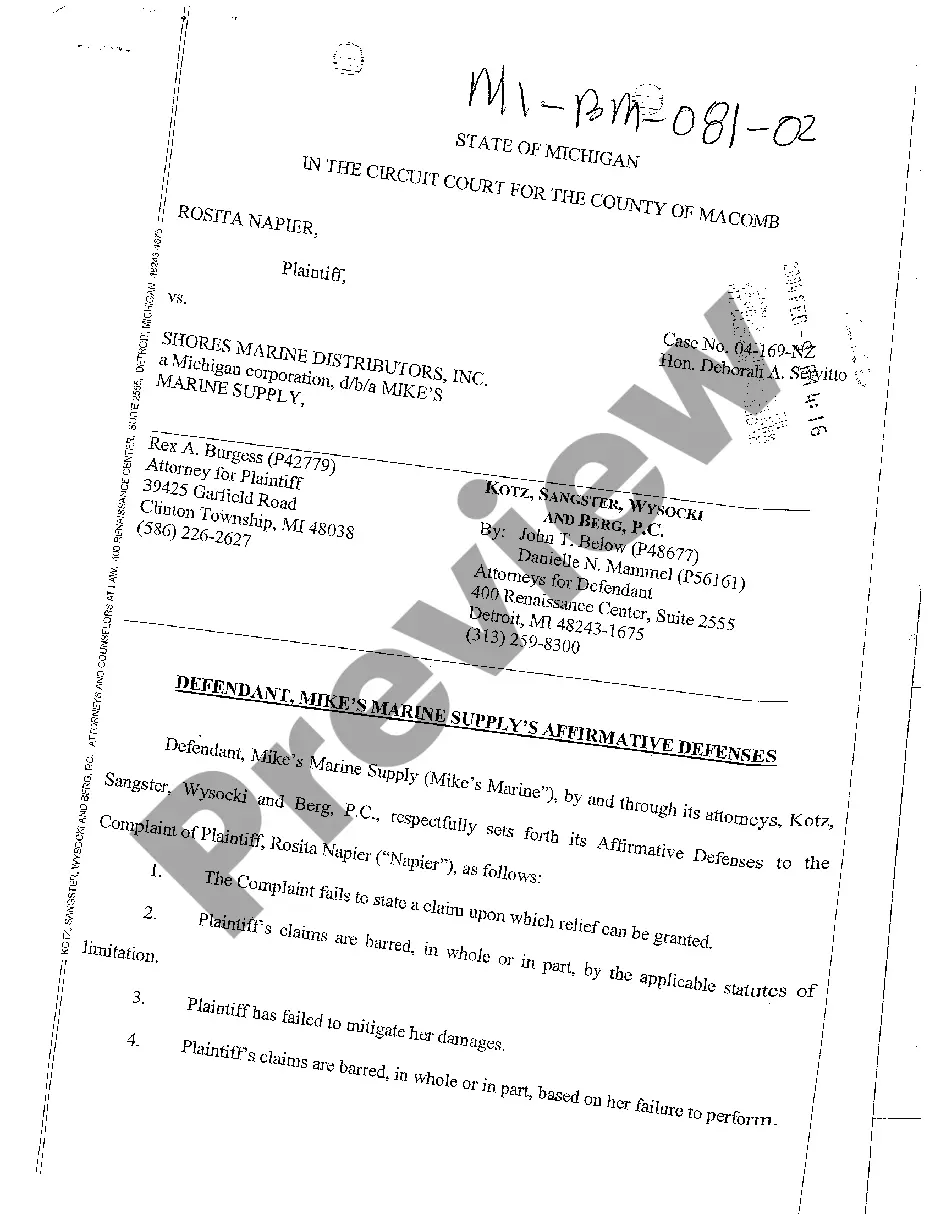
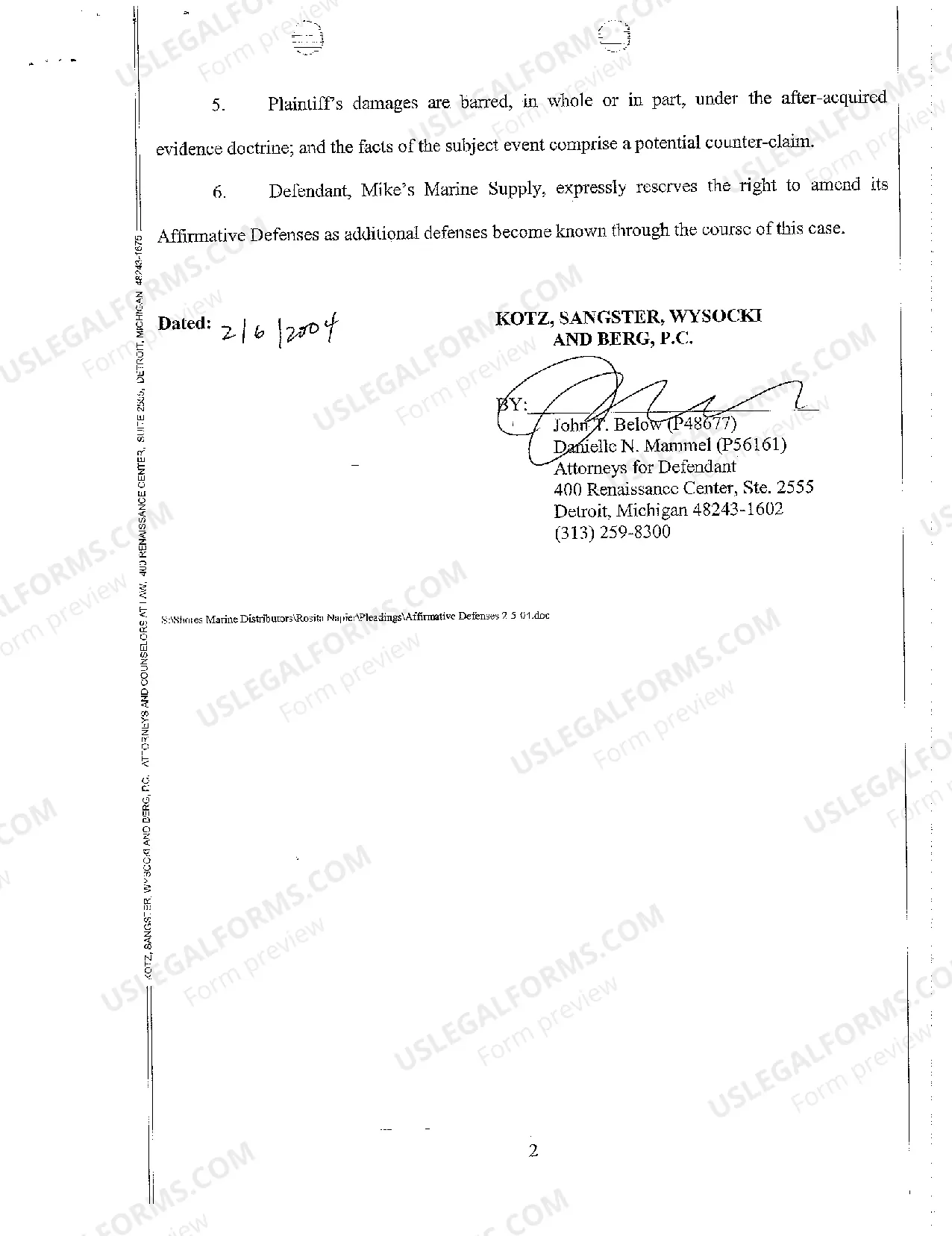
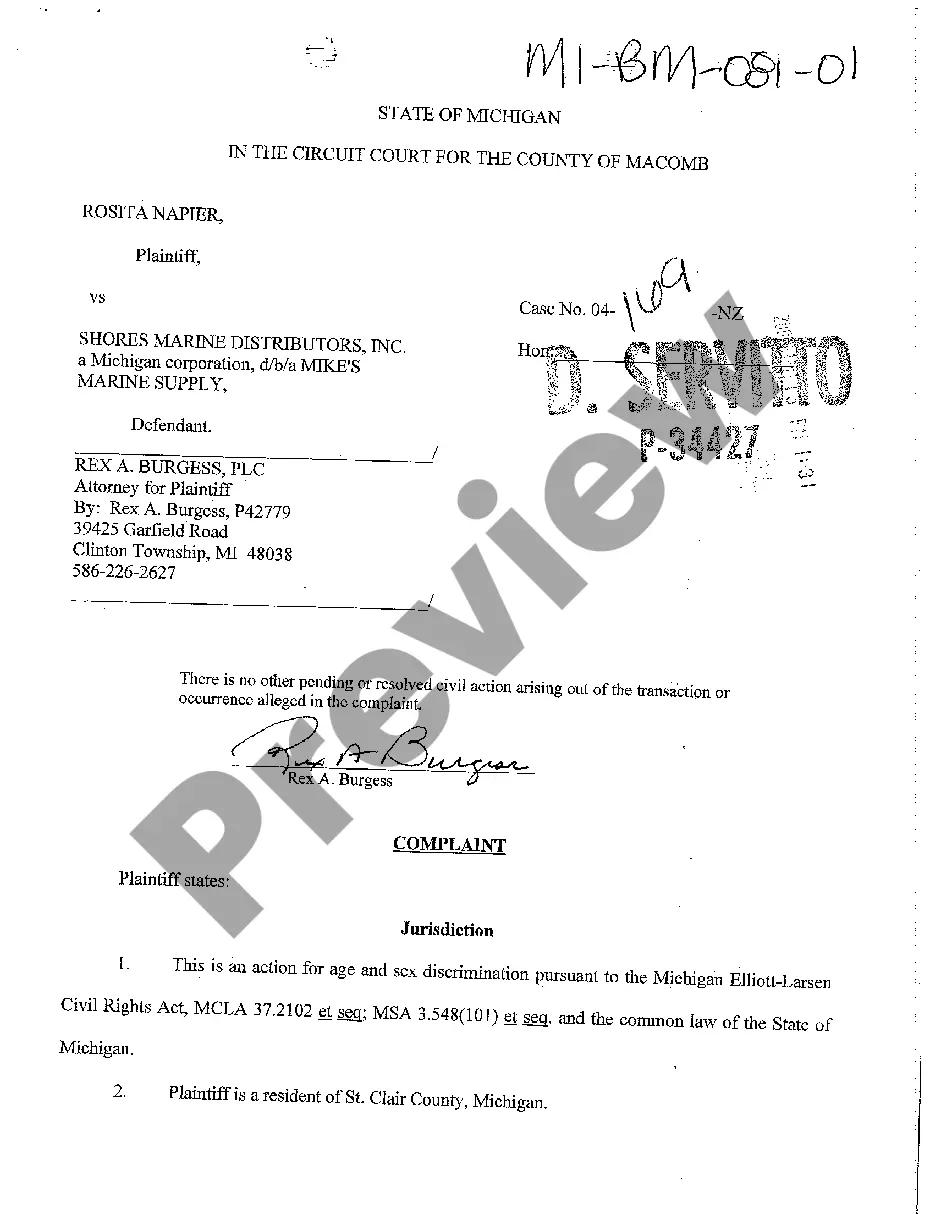
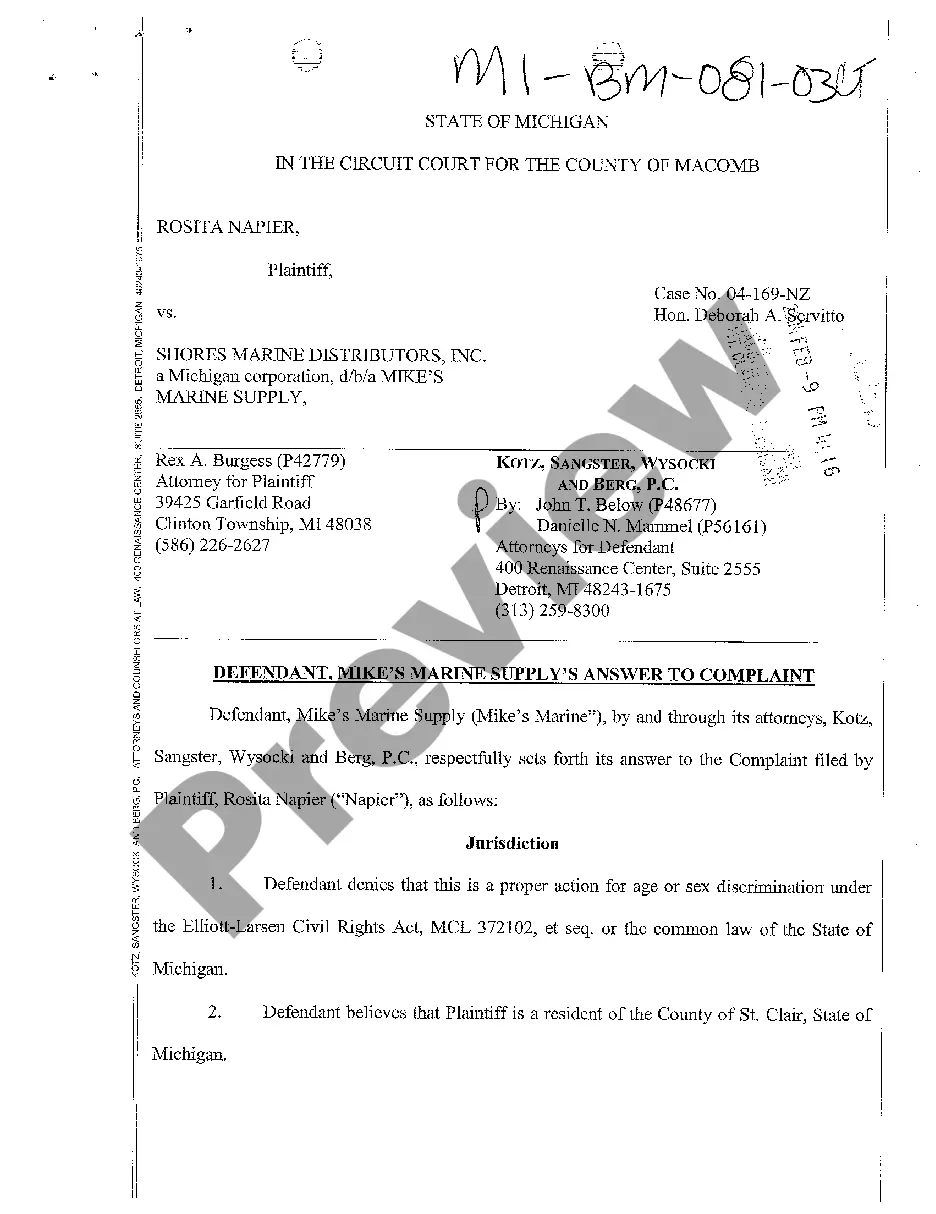
Michigan Defendant's Affirmative Defenses
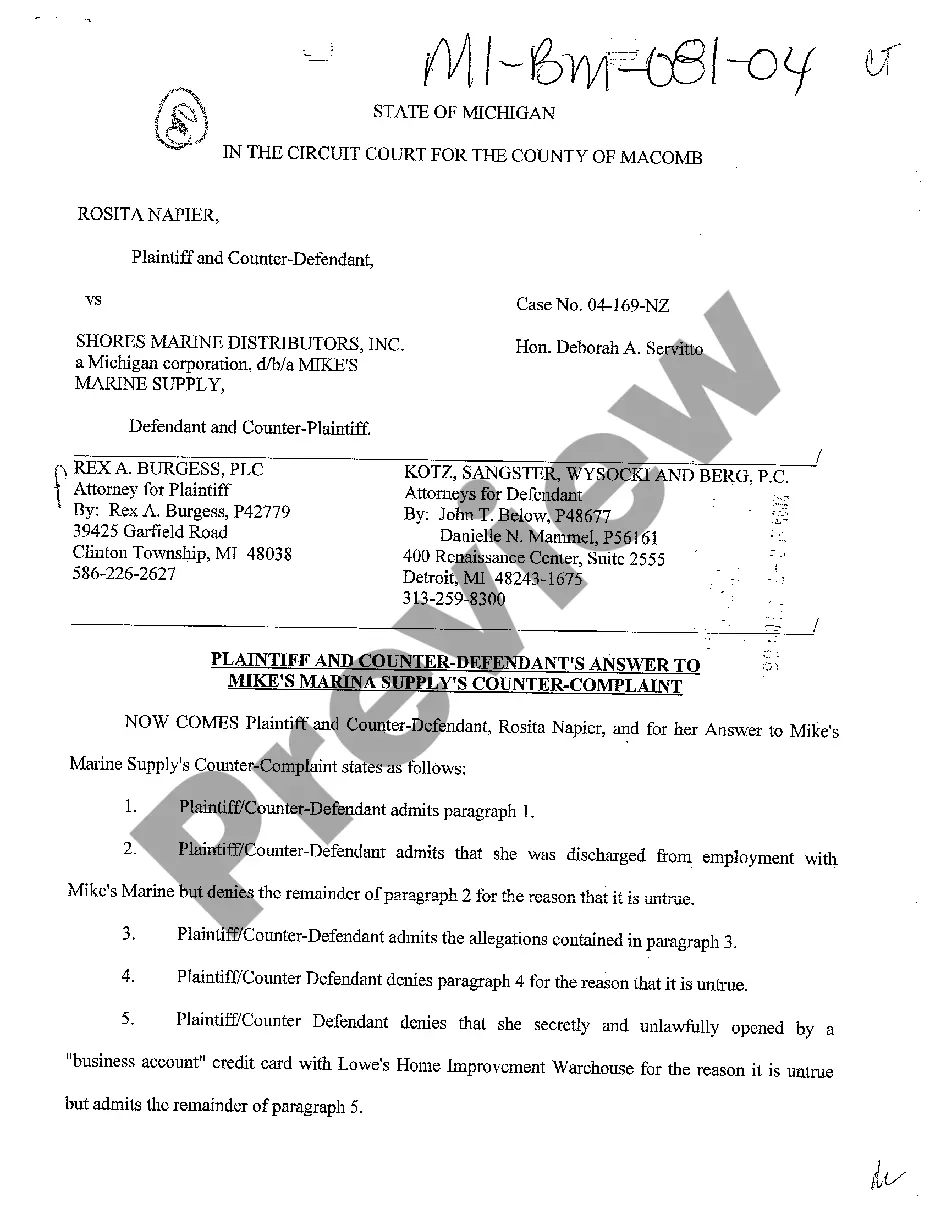
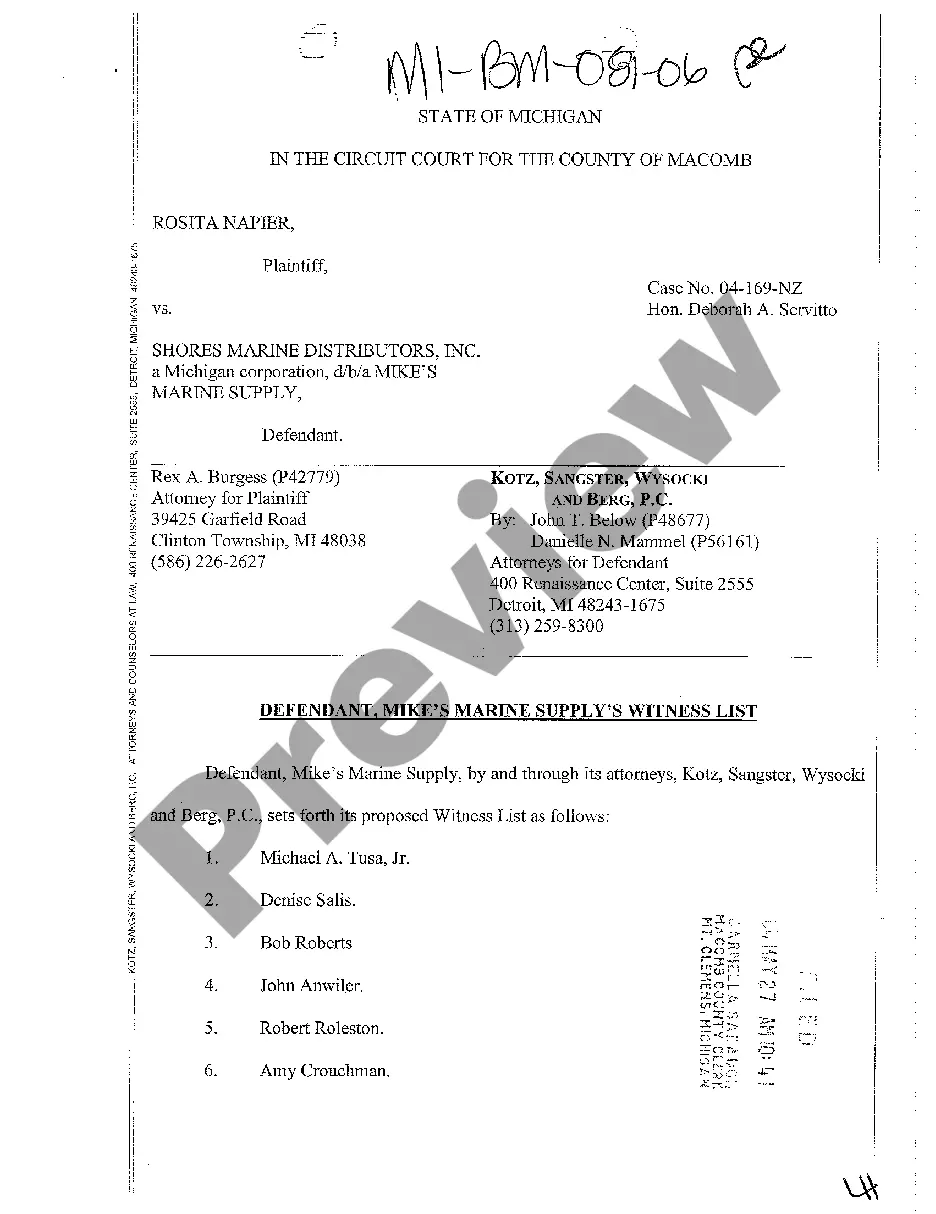
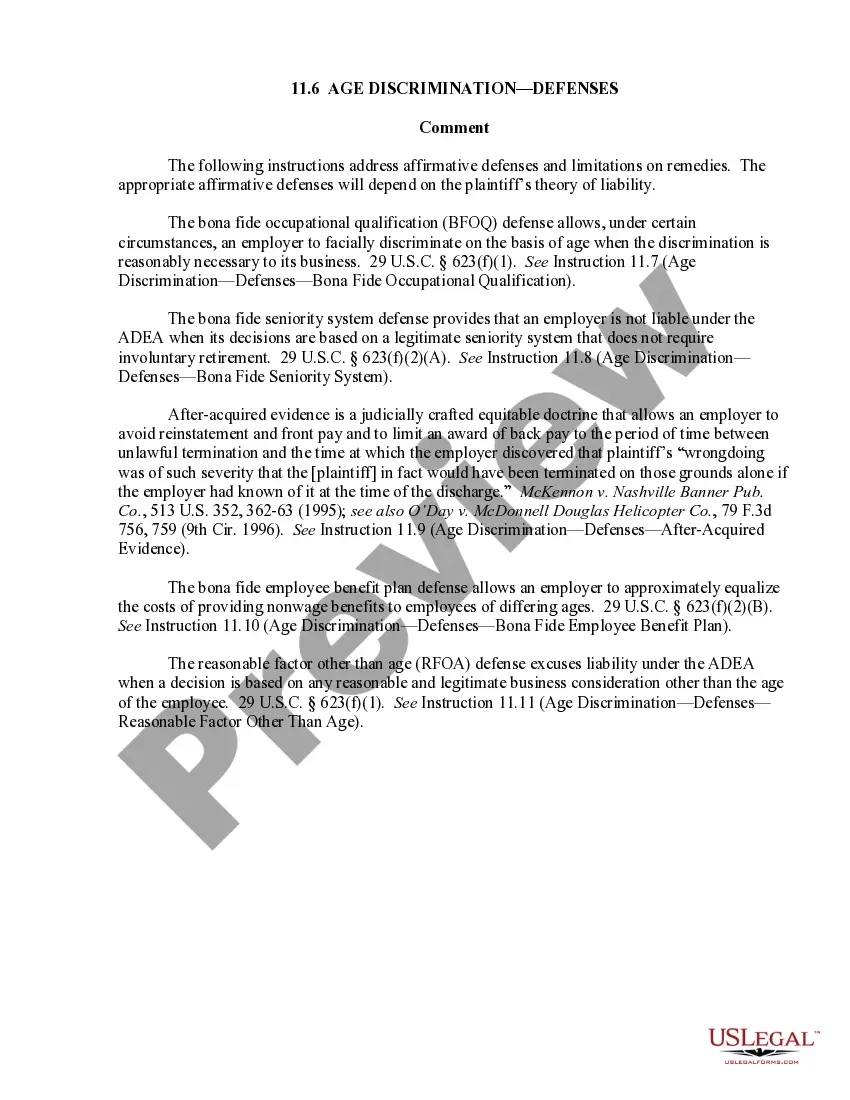
Description
Get your form ready online
Our built-in tools help you complete, sign, share, and store your documents in one place.
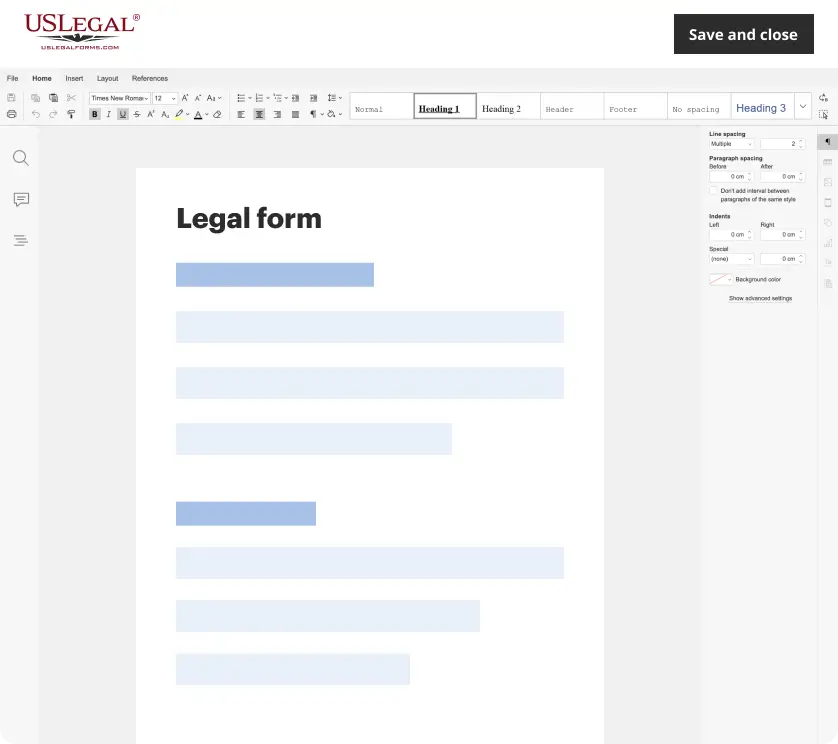
Make edits, fill in missing information, and update formatting in US Legal Forms—just like you would in MS Word.
Download a copy, print it, send it by email, or mail it via USPS—whatever works best for your next step.
Sign and collect signatures with our SignNow integration. Send to multiple recipients, set reminders, and more. Go Premium to unlock E-Sign.
If this form requires notarization, complete it online through a secure video call—no need to meet a notary in person or wait for an appointment.
We protect your documents and personal data by following strict security and privacy standards.
Make edits, fill in missing information, and update formatting in US Legal Forms—just like you would in MS Word.
Download a copy, print it, send it by email, or mail it via USPS—whatever works best for your next step.
Sign and collect signatures with our SignNow integration. Send to multiple recipients, set reminders, and more. Go Premium to unlock E-Sign.

If this form requires notarization, complete it online through a secure video call—no need to meet a notary in person or wait for an appointment.
We protect your documents and personal data by following strict security and privacy standards.
Looking for another form?
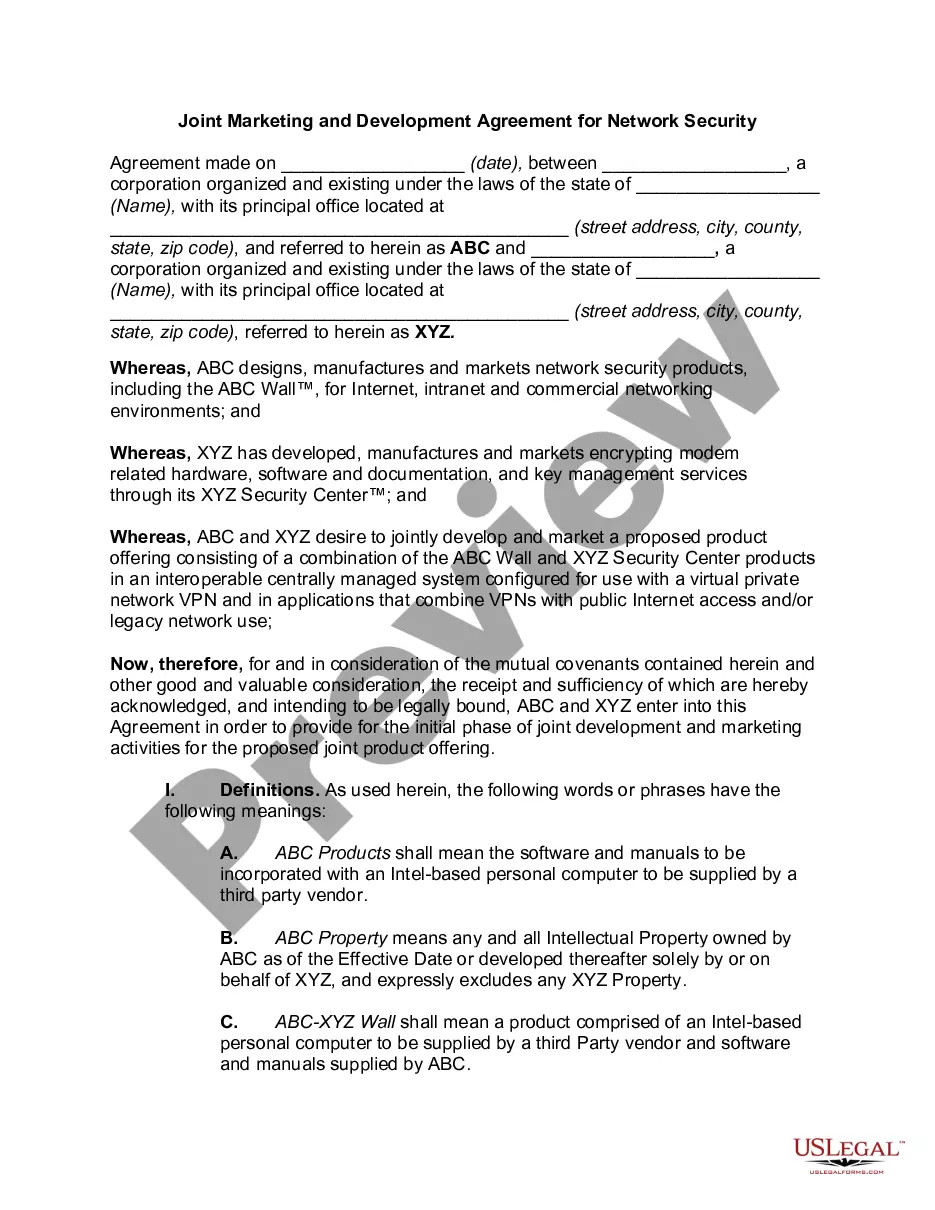
How to fill out Michigan Defendant's Affirmative Defenses?
Obtain any template from 85,000 legal documents such as Michigan Defendant's Affirmative Defenses online with US Legal Forms. Each template is created and refreshed by state-certified legal experts.
If you already possess a subscription, Log In. Once you’re on the form’s page, hit the Download button and navigate to My documents to access it.
If you haven’t subscribed yet, follow the steps below.
Once your reusable template is ready, print it out or save it to your device. With US Legal Forms, you will always have prompt access to the appropriate downloadable sample. The service provides you access to documents and categorizes them to ease your search. Utilize US Legal Forms to acquire your Michigan Defendant's Affirmative Defenses swiftly and effortlessly.
- Verify the state-specific requirements for the Michigan Defendant's Affirmative Defenses you intend to use.
- Review the description and preview the sample.
- Once you are assured that the template meets your needs, simply click Buy Now.
- Select a subscription plan that suits your financial situation.
- Establish a personal account.
- Make a payment in one of two suitable methods: by credit card or through PayPal.
- Choose a format for downloading the document; two options are available (PDF or Word).
- Download the document to the My documents tab.
Form popularity
FAQ
Read the summons and make sure you know the date you must answer by. Read the complaint carefully. Write your answer. Sign and date the answer. Make copies for the plaintiff and yourself. Mail a copy to the plaintiff. File your answer with the court by the date on the summons.
Legal defenses fall into two broad categories: justifications and excuses. Justification defenses are those where a defendant claims that the positives of the act outweigh the negatives.
The defendant may also raise counterclaims or affirmative defenses. If a defendant does raise counterclaims in her answer, the plaintiff must respond to those counterclaims with a pleading called an "answer to a counterclaim." The form and content of an "answer to a counterclaim" is similar to that of an answer.
13 (When pleadings deemed denied and put in issue). Under the codes the pleadings are generally limited. A reply is sometimes required to an affirmative defense in the answer.In other jurisdictions no reply is necessary to an affirmative defense in the answer, but a reply may be ordered by the court.
Courts have developed a three part test in examining the affirmative defenses subject to a motion to strike: (1) the matter must be properly pleaded as an affirmative defense; (2) the matter must be adequately pleaded under the requirements of Federal Rules of Civil Procedure 8 and 9; and (3) the matter must withstand
31 Affirmative Defenses And How To Assert Them.
While the availability of an affirmative defense will depend on the state, there are generally two categories of affirmative defenses, justifications and excuses.
Mental disorder (insanity) Automatism. Intoxication. Mistake of fact. Necessity/lesser harm. Lawful capacity of office. Self-defense. Duress.
An affirmative defense operates to prevent conviction even when the prosecutor has proof beyond a reasonable doubt as to every element of the crime. Some jurisdictions place the burden on the defendant to prove the defense, while others require that the prosecution disprove the defense beyond a reasonable doubt.