Michigan Demand for Notice of Aggravating and for Disclosure of Evidence Supporting Mitigating Circumstances
Description
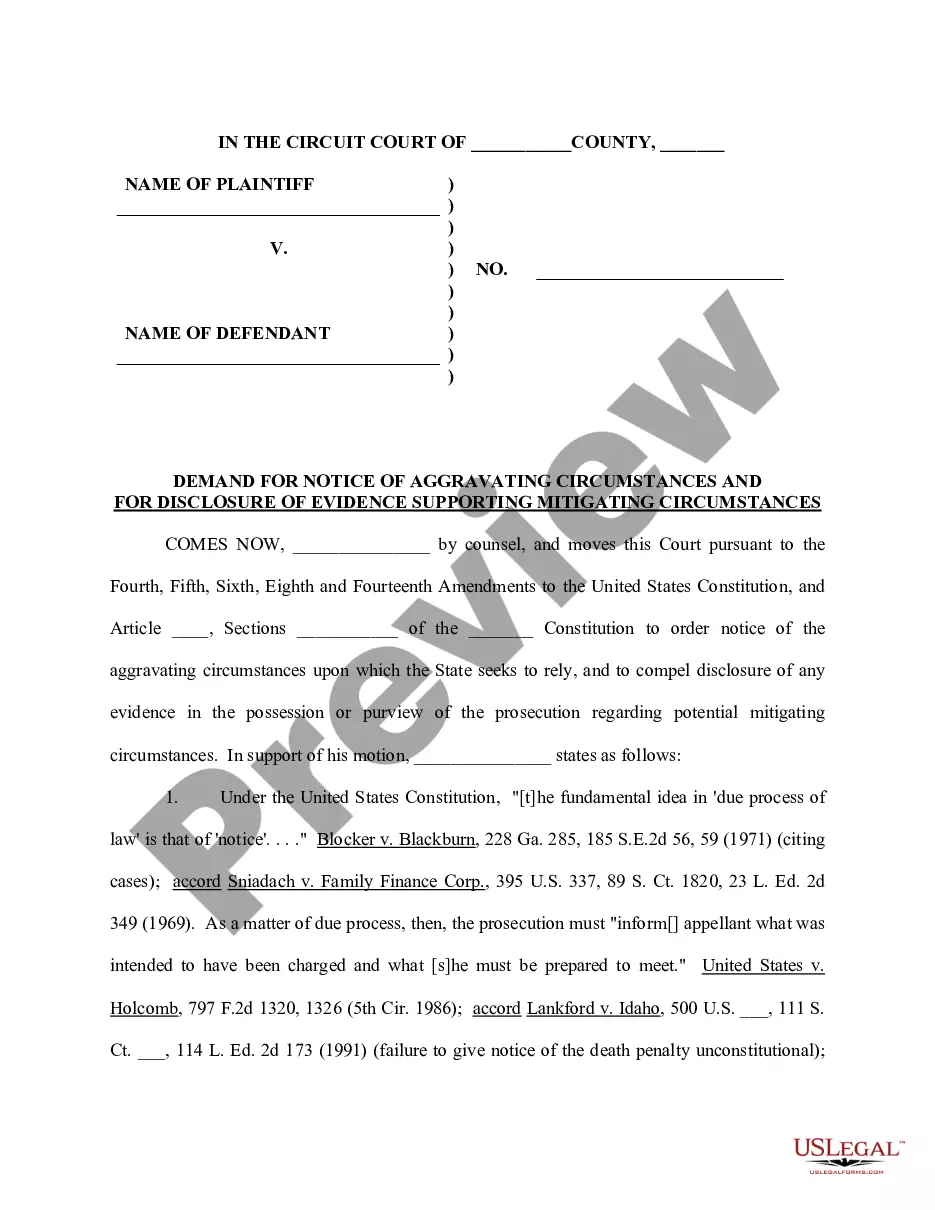
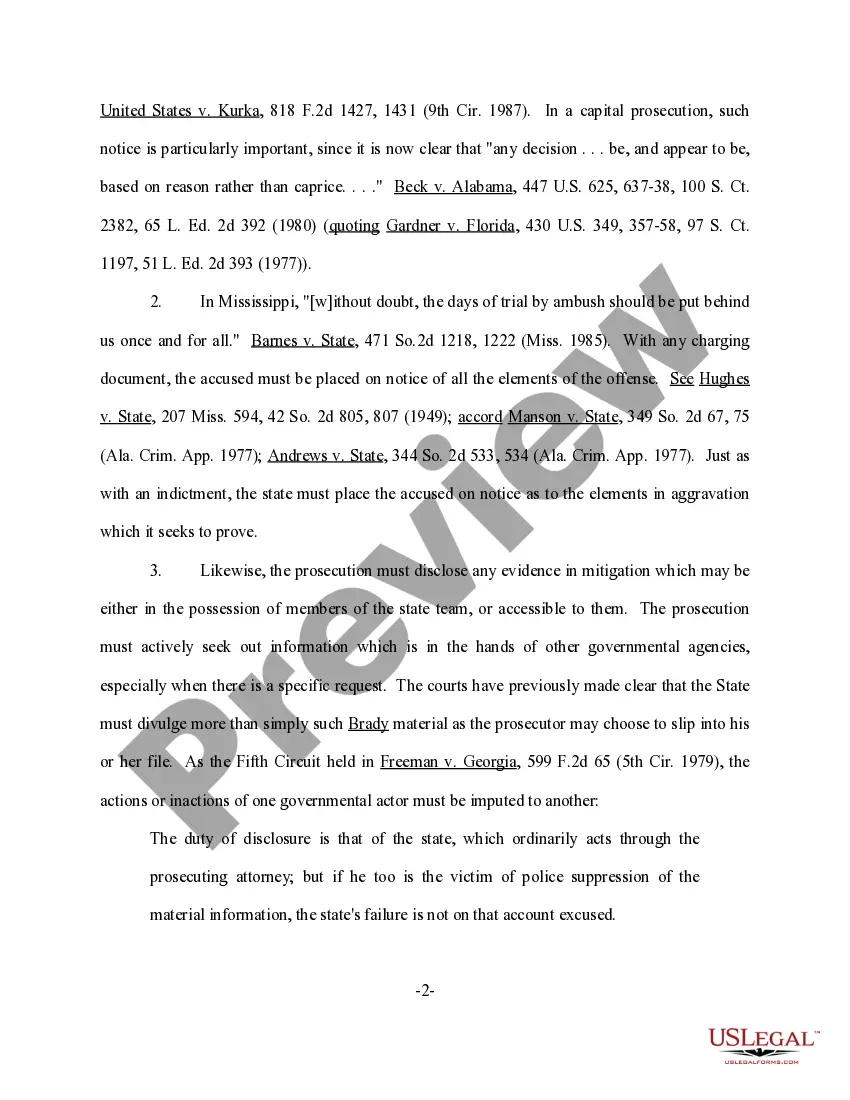
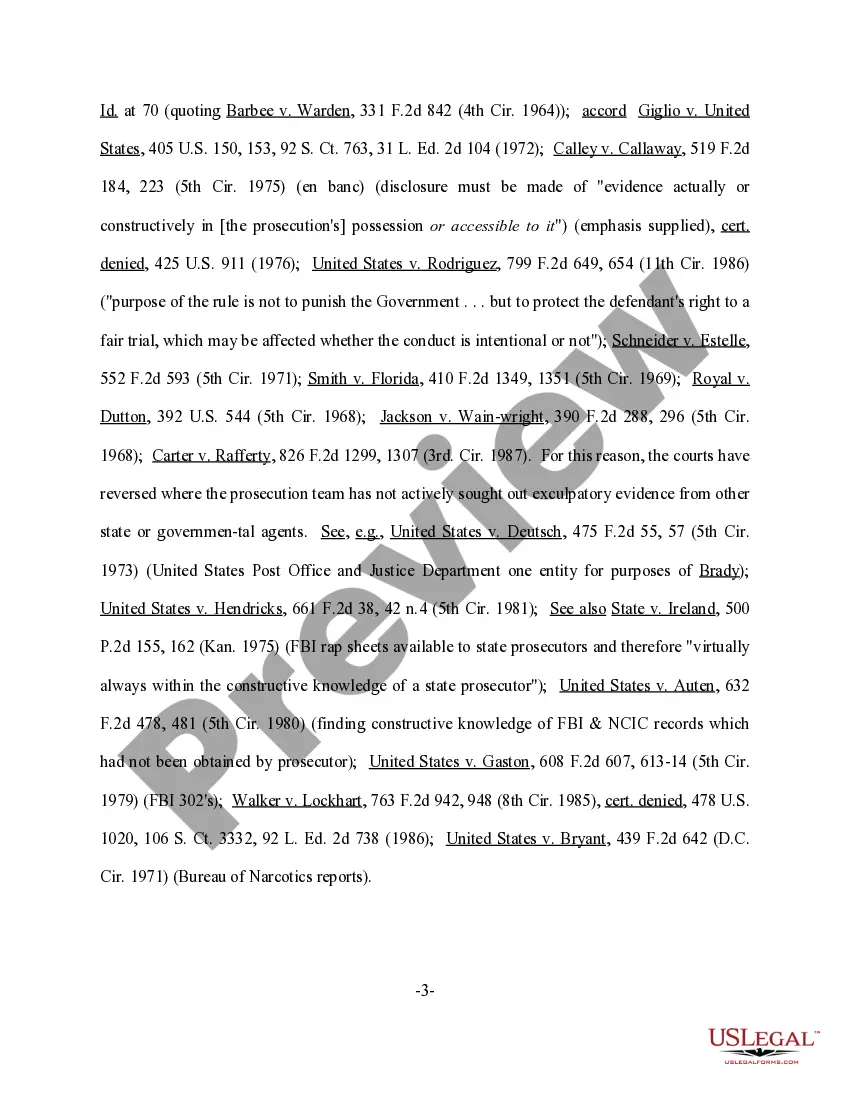
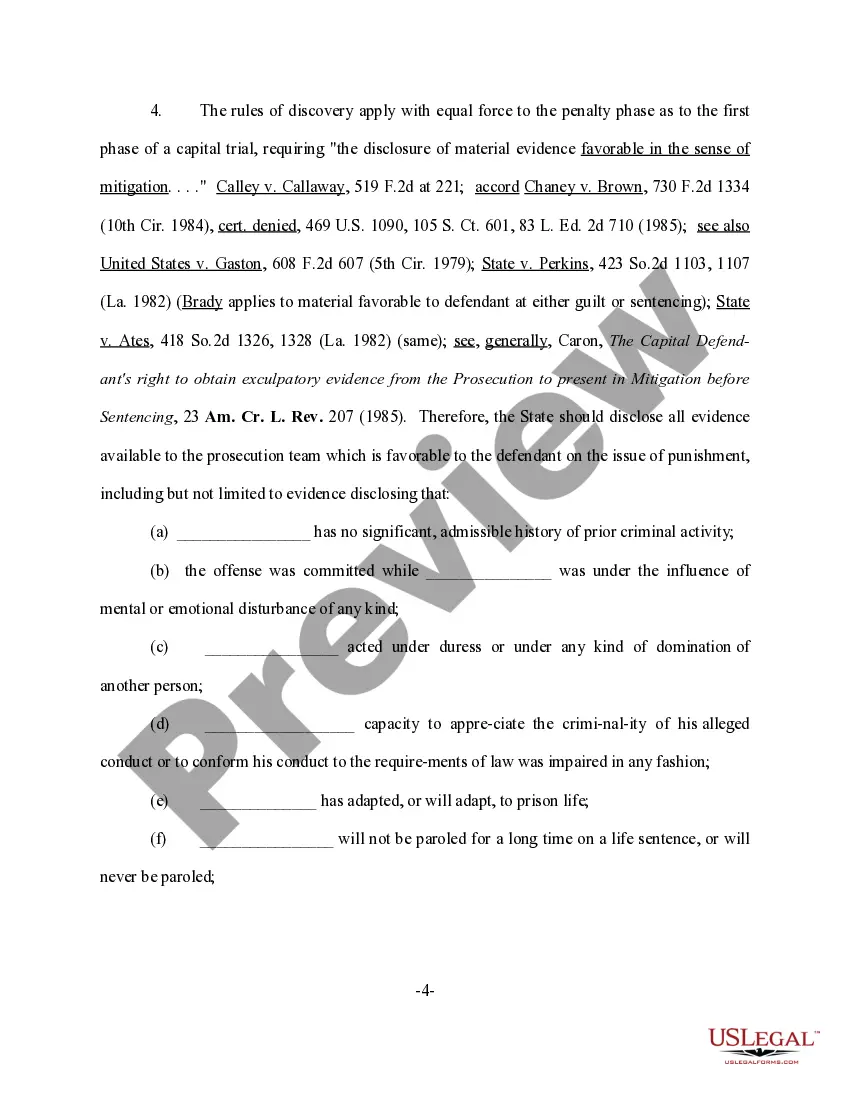
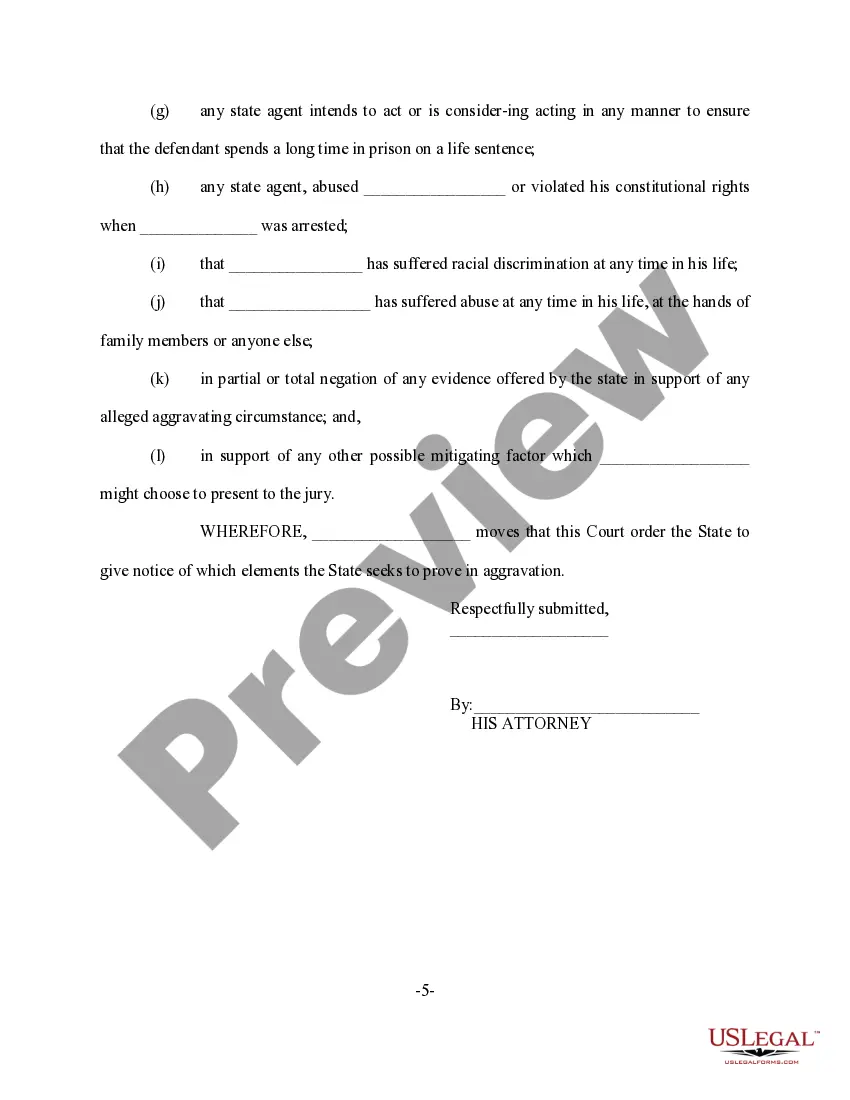
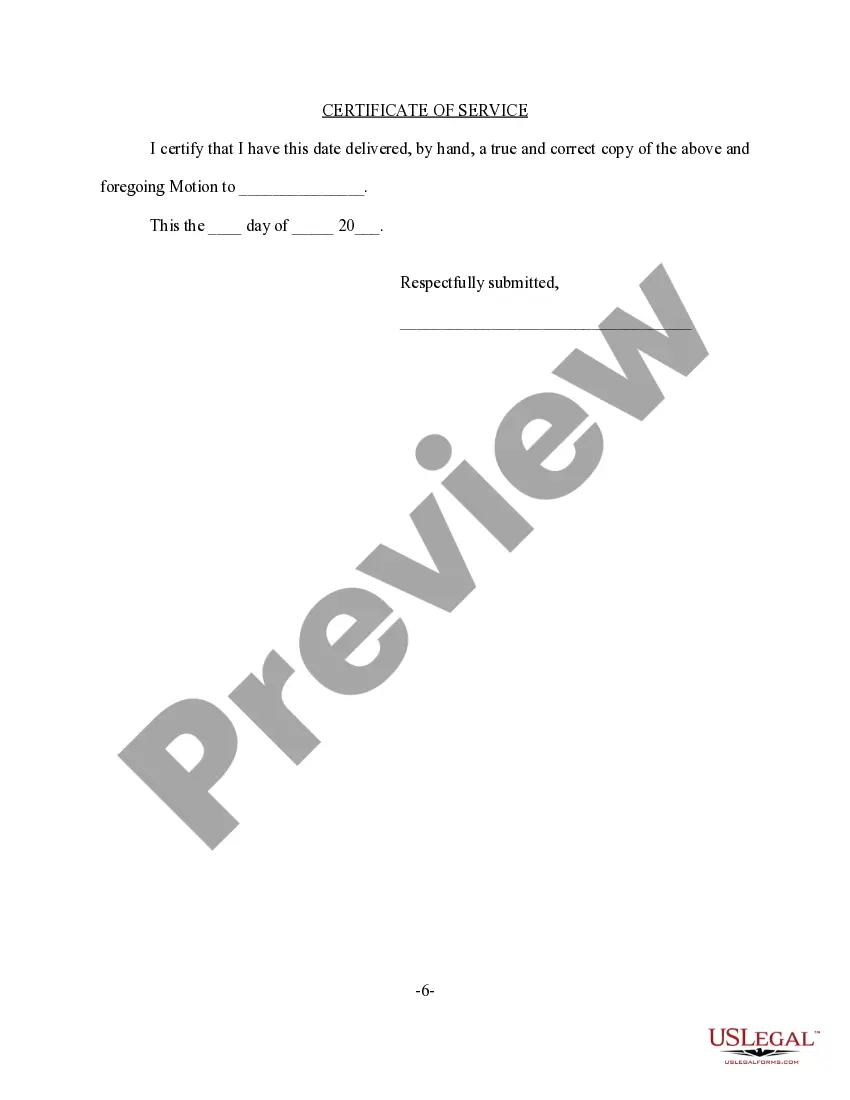
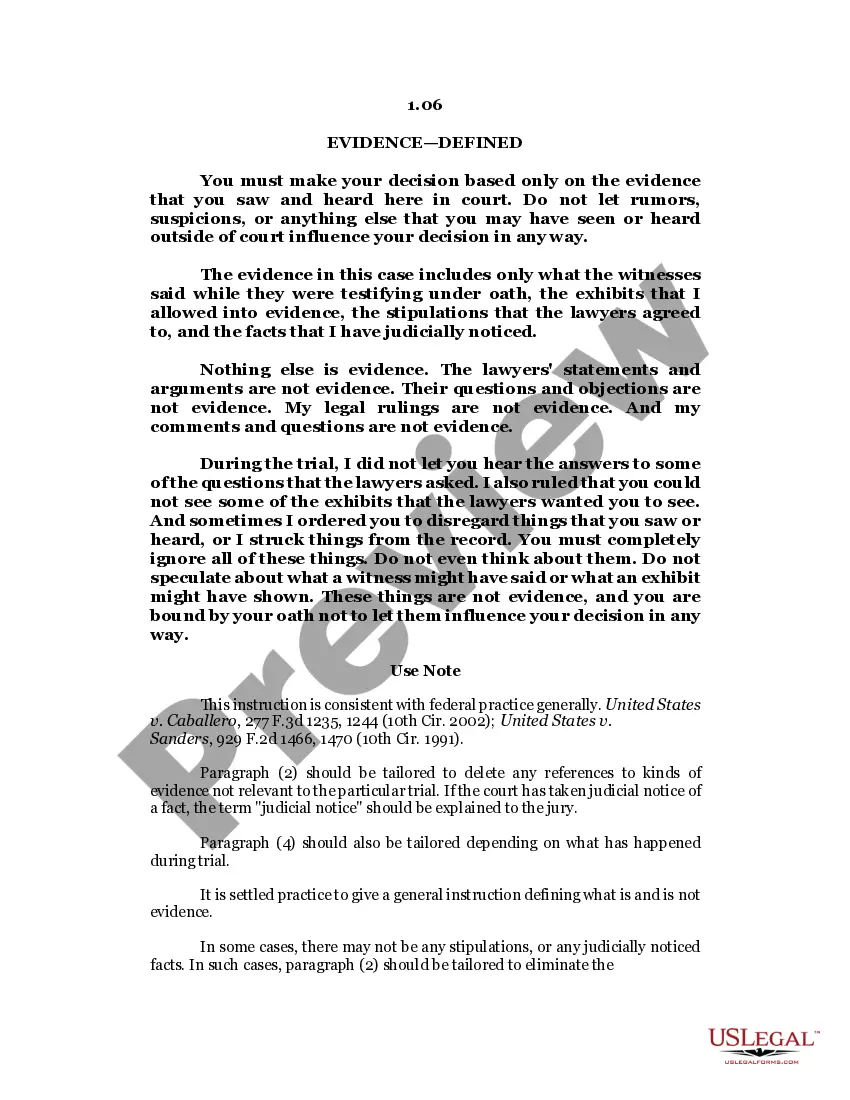
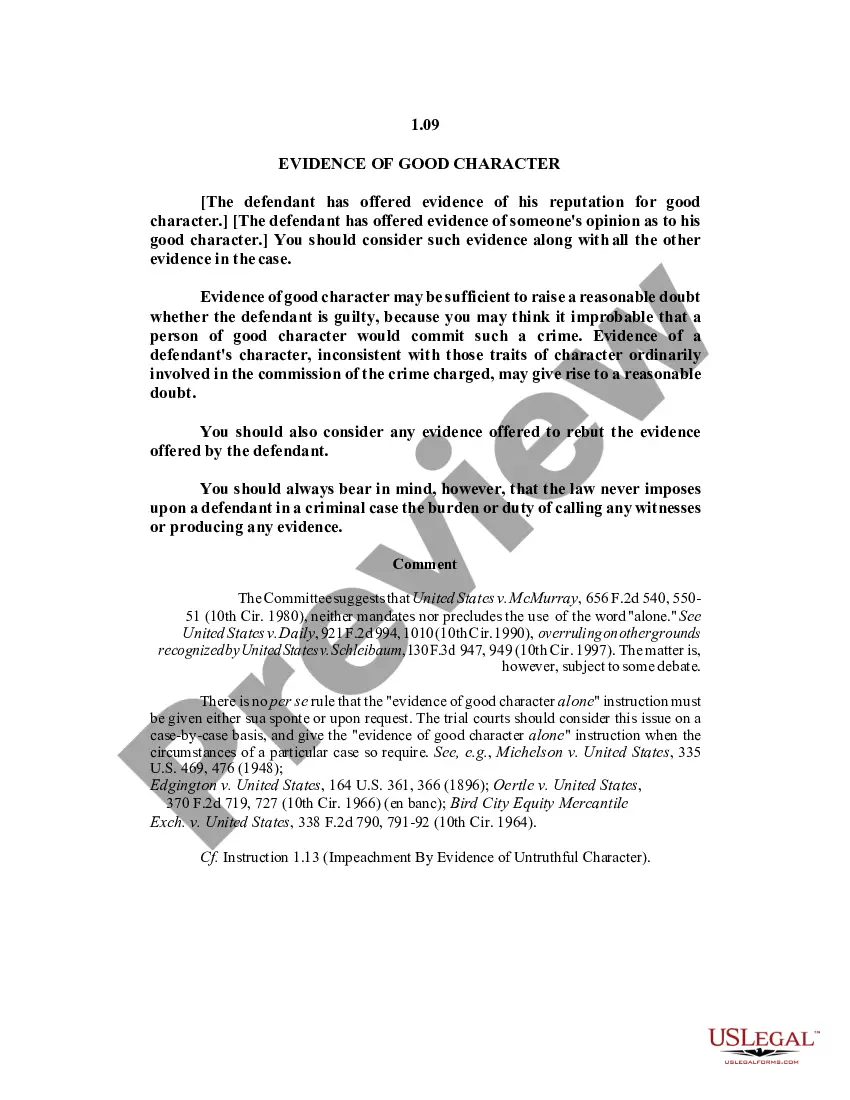
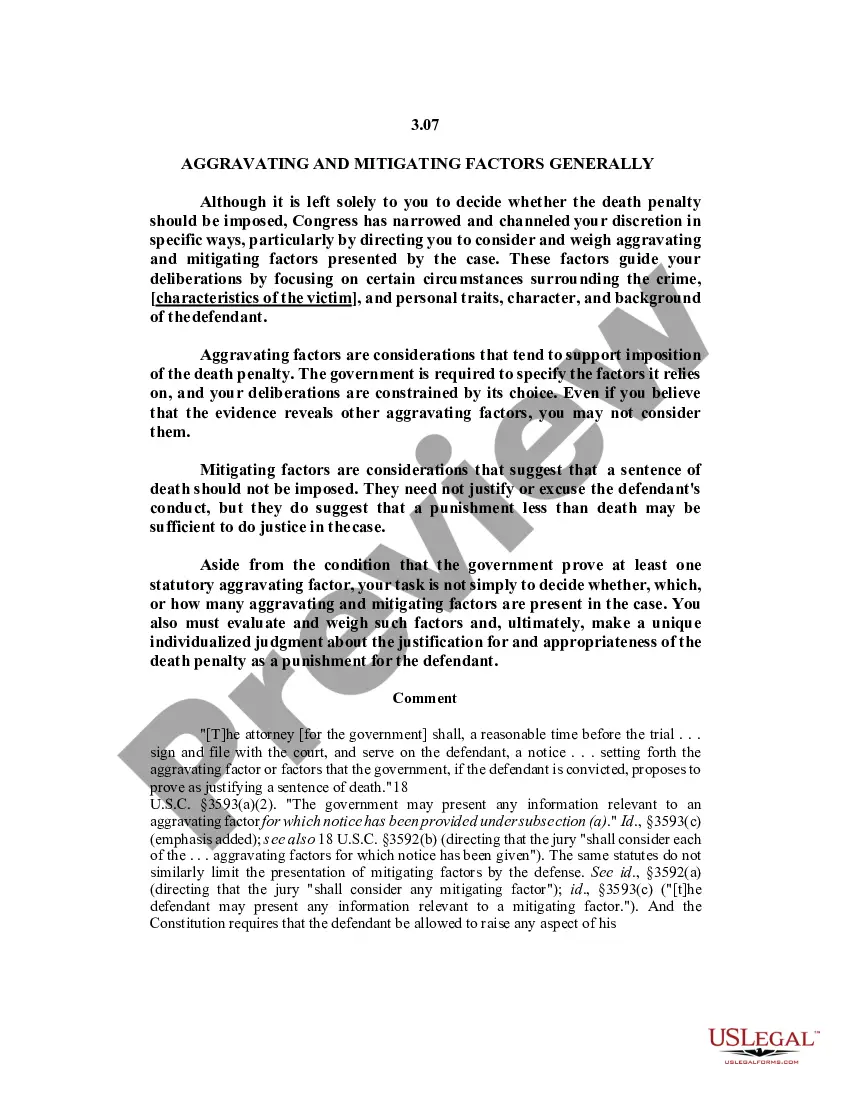
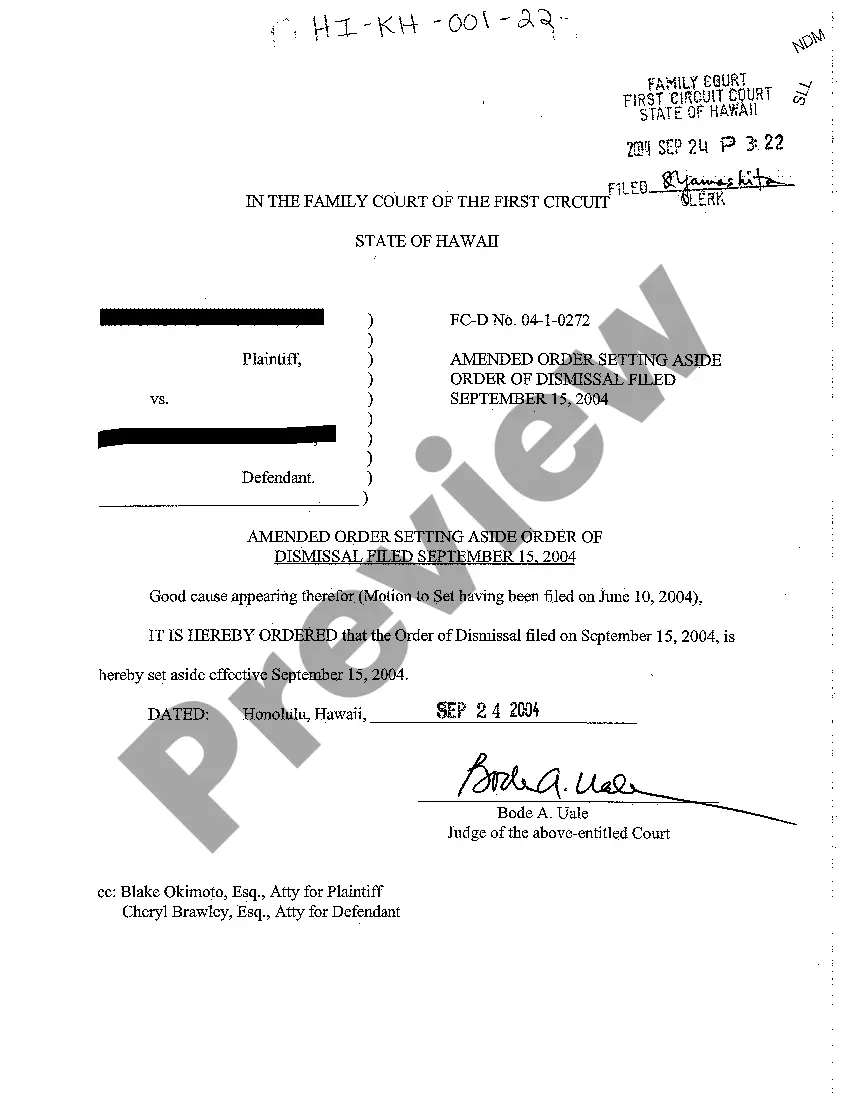

How to fill out Demand For Notice Of Aggravating And For Disclosure Of Evidence Supporting Mitigating Circumstances?
Are you presently in the position where you require documents for either organizational or personal activities every day? There are numerous legal document templates available online, but finding ones you can trust isn’t simple. US Legal Forms provides a vast array of form templates, such as the Michigan Request for Notice of Aggravating and for Disclosure of Evidence Supporting Mitigating Circumstances, that are designed to meet state and federal requirements.
If you are already familiar with the US Legal Forms website and have an account, simply Log In. After that, you can download the Michigan Request for Notice of Aggravating and for Disclosure of Evidence Supporting Mitigating Circumstances template.
If you do not have an account and wish to start using US Legal Forms, follow these steps: Get the form you need and ensure it is for your specific city/county. Use the Preview button to view the form. Review the description to confirm that you have selected the correct form. If the form isn’t what you are looking for, use the Search field to find the form that suits you and your needs. Once you locate the appropriate form, click on Purchase now. Choose the pricing plan you want, fill in the required information to create your account, and complete your order using your PayPal or credit card. Select a convenient file format and download your copy.
- Find all the document templates you have purchased in the My documents section. You can obtain another copy of the Michigan Request for Notice of Aggravating and for Disclosure of Evidence Supporting Mitigating Circumstances at any time, if needed. Just click the necessary form to download or print the document template.
- Utilize US Legal Forms, the most extensive selection of legal forms, to save time and avoid errors. The service provides appropriately crafted legal document templates that you can use for various purposes. Create an account on US Legal Forms and start simplifying your life.
Form popularity
FAQ
Overview of Aggravating and Mitigating Factors Judges have some discretion with regard to sentencing, and a sentencing hearing allows both prosecutors and defendants the chance to present evidence for the court to consider. Aggravating factors may increase a sentence, while mitigating factors may decrease a sentence.
Mitigating circumstances might include a significant short-term illness or injury, a long-term or recurring medical or mental health condition, the death or illness of a close family member, acute stress from personal or financial issues, absence for public service (e.g. jury service), or technical issues during an ...
Some generally recognized aggravating circumstances include heinousness of the crime, lack of remorse, and prior conviction of another crime.
Aggravating factors are typically laid out by statute and vary depending on the jurisdiction and specific underlying offense. Typical examples of aggravating factors include recidivism, lack of remorse, amount of harm to the victim, or committing the crime in front of a child, and many others.
Aggravating factors are facts or details about the offence, the victim and/or the offender that tend to increase the seriousness of the offence and the sentence to be imposed. Mitigating factors are a fact or detail about the offender and their offence that tend to reduce the severity of their sentence.
Mitigating factors are extenuating circumstances that might lead to a reduced sentence. Aggravating factors are circumstances that increase the defendant's culpability and could lead to an enhanced or maximum sentence.