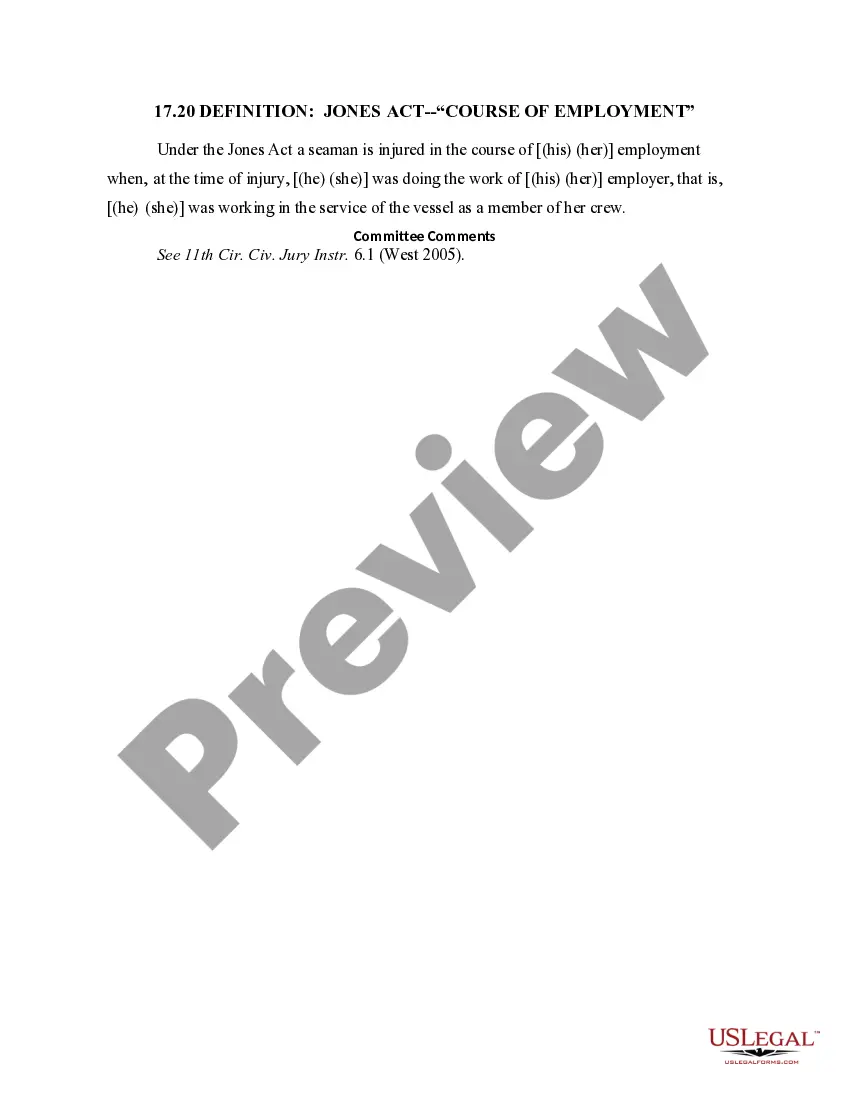
Michigan Motion to Adjourn at a Reasonable Time
Description
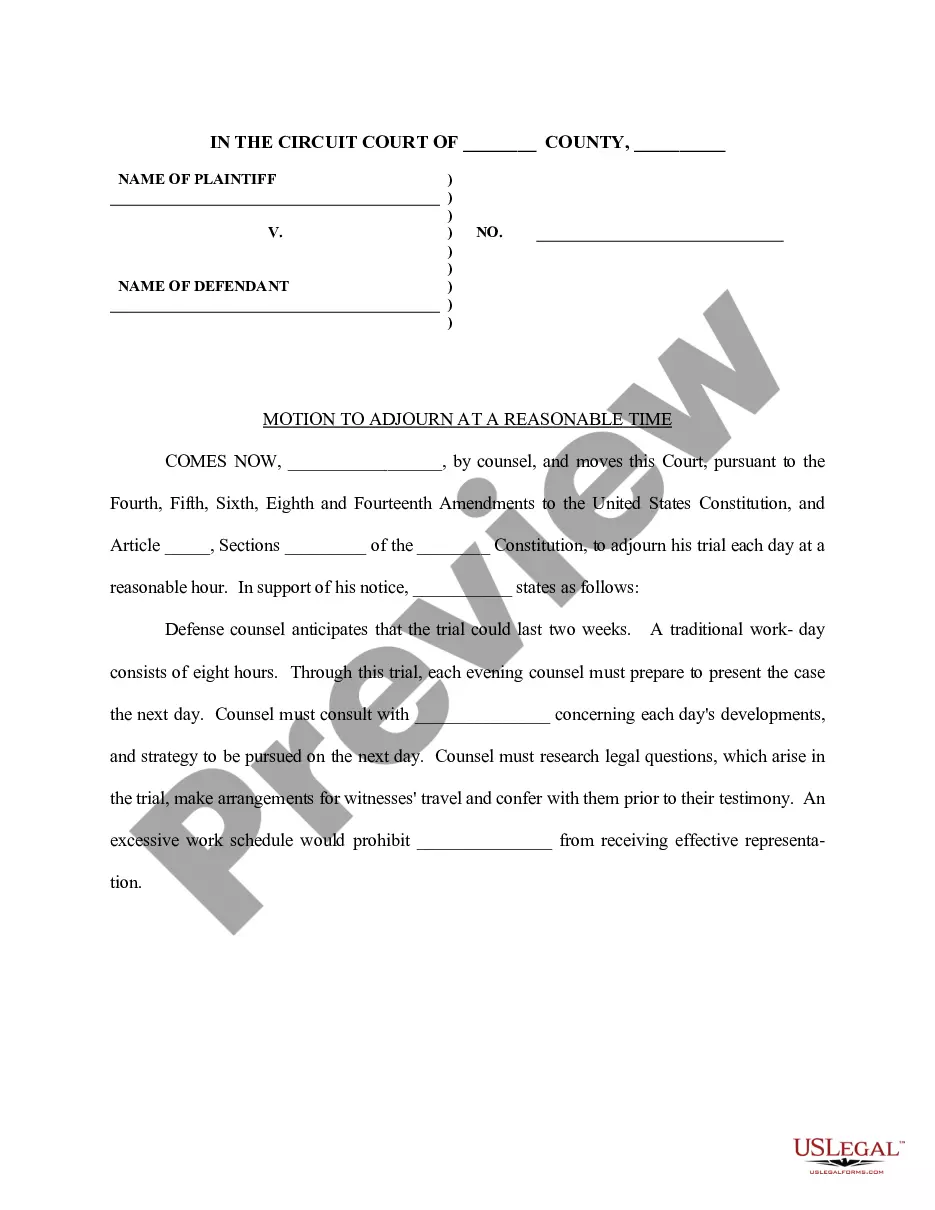
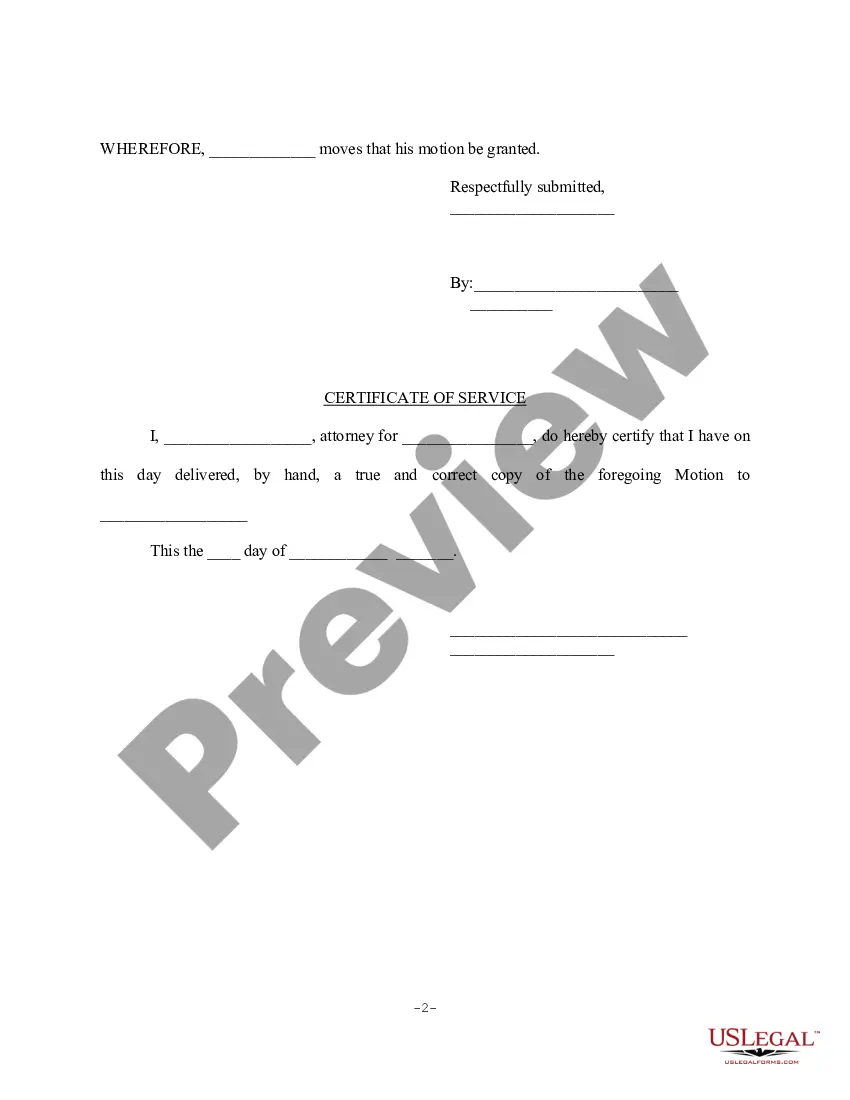
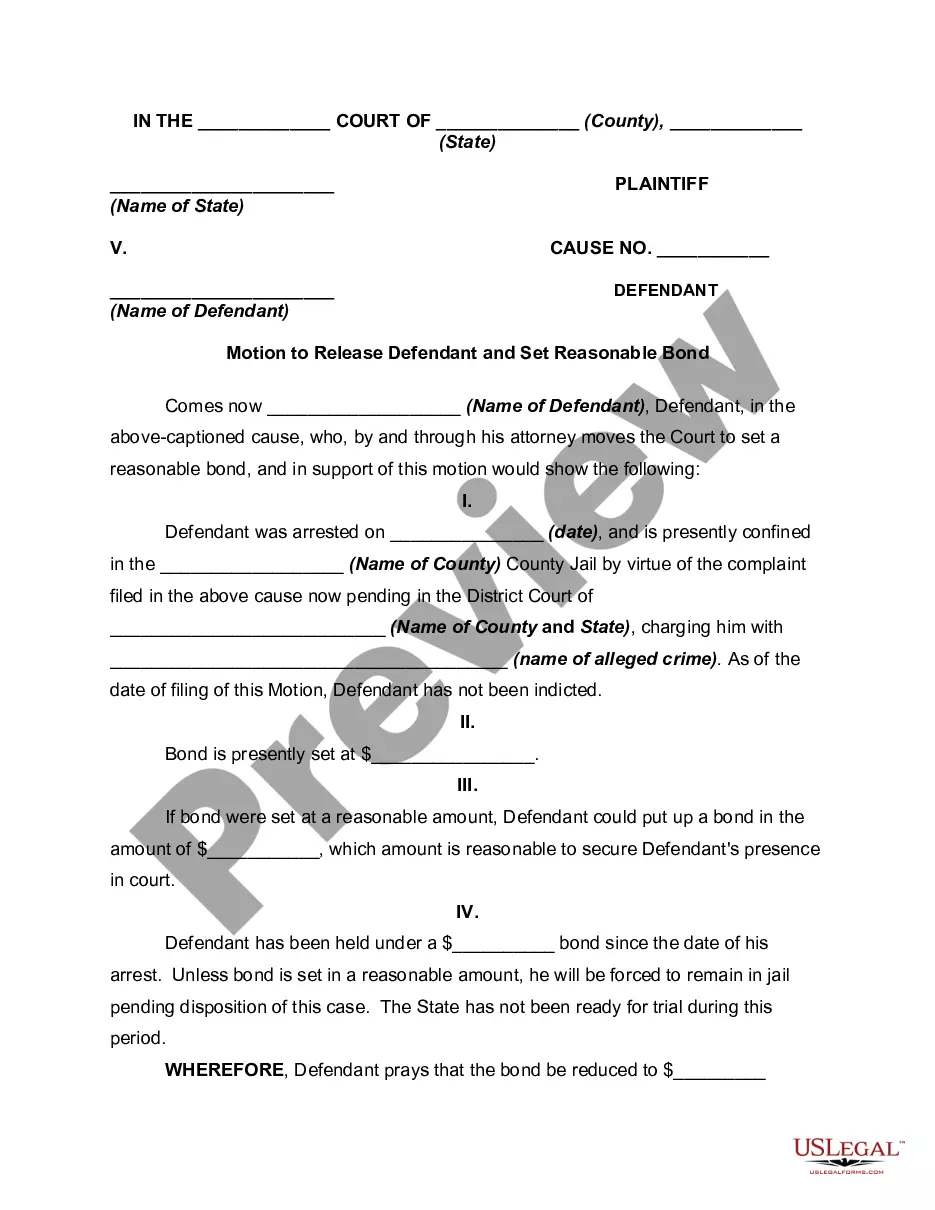
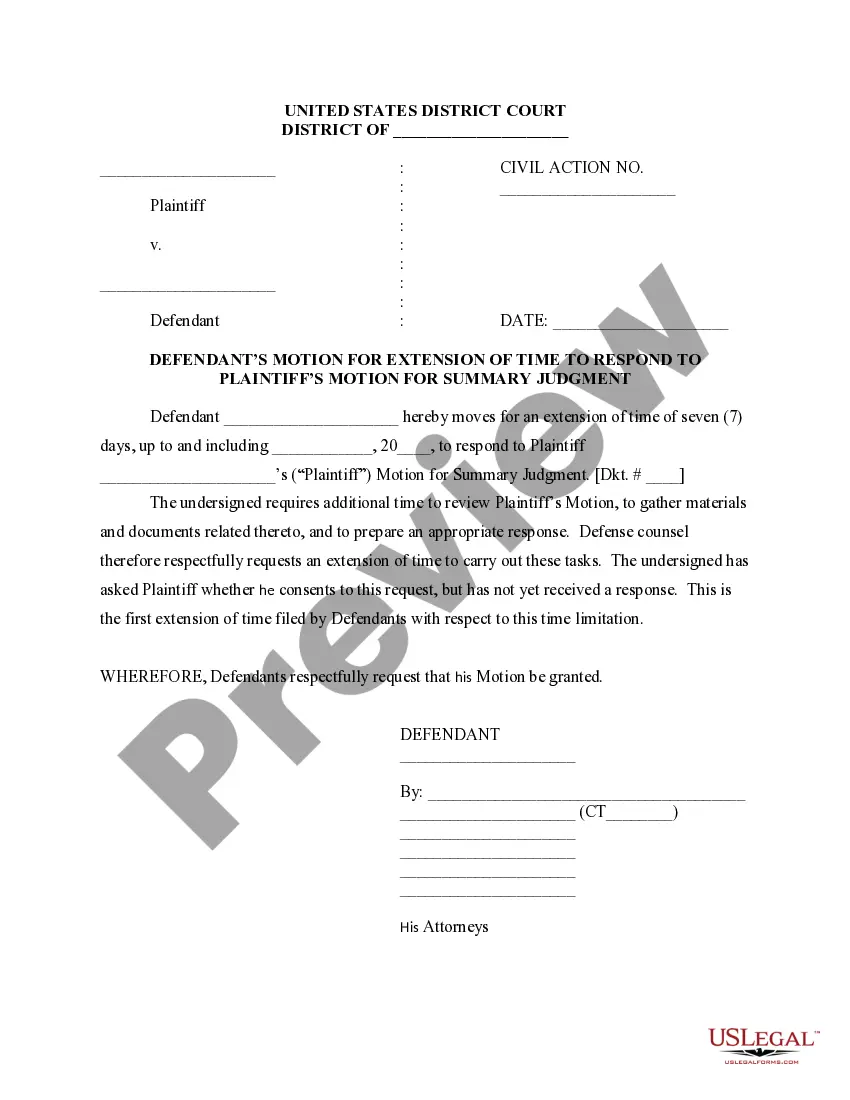
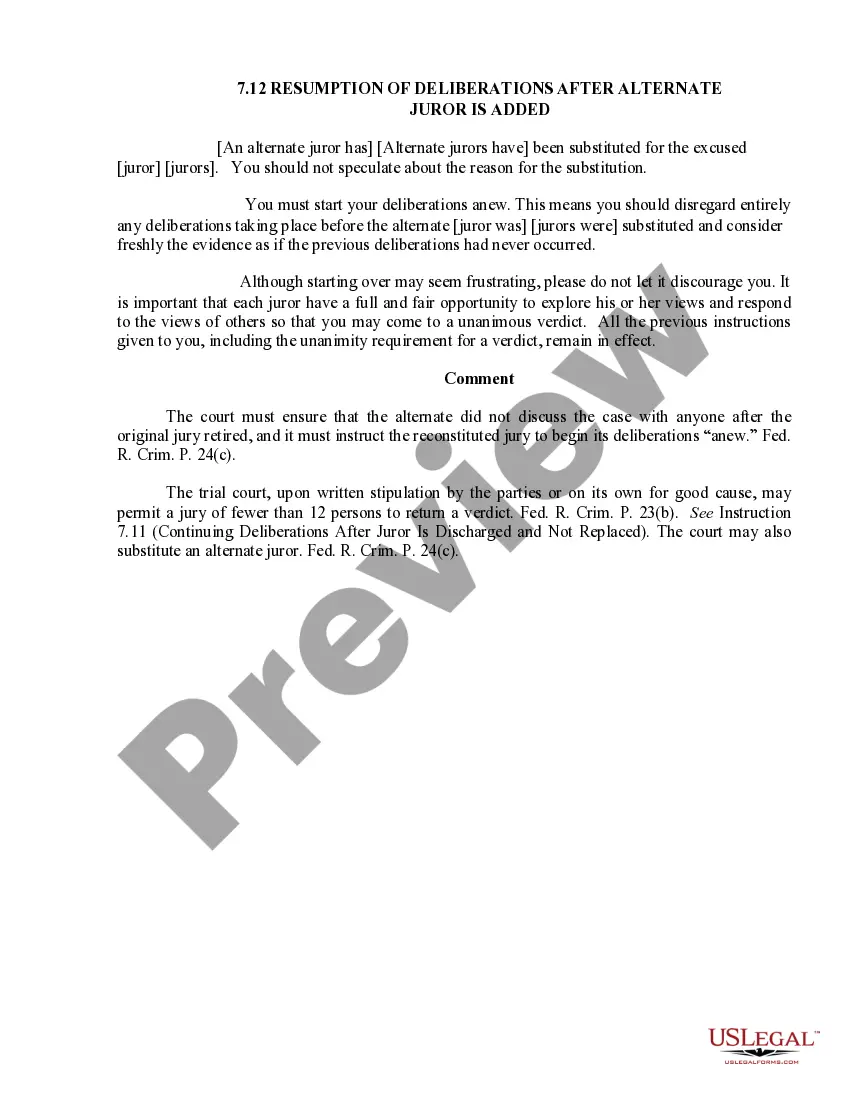

How to fill out Motion To Adjourn At A Reasonable Time?
US Legal Forms - one of the largest collections of legal documents in the United States - provides a range of legal form templates that you can download or print.
By utilizing the website, you will discover thousands of forms for business and personal purposes, organized by categories, states, or keywords. You can find the most recent versions of forms such as the Michigan Motion to Adjourn at a Reasonable Time in just moments.
If you already have a membership, Log In and download the Michigan Motion to Adjourn at a Reasonable Time from the US Legal Forms library. The Download button will appear on every form you view. You can access all previously downloaded forms from the My documents section of your account.
Complete the transaction. Use your credit card or PayPal account to finalize the transaction.
Choose the format and download the form to your device. Make adjustments. Fill out, edit, and print and sign the downloaded Michigan Motion to Adjourn at a Reasonable Time. Each template you added to your account has no expiration date and is your property forever. Therefore, if you want to download or print another copy, simply go to the My documents section and click on the form you need. Access the Michigan Motion to Adjourn at a Reasonable Time with US Legal Forms, the most comprehensive collection of legal document templates. Utilize thousands of professional and state-specific templates that cater to your business or personal needs and requirements.
- If you wish to use US Legal Forms for the first time, here are simple steps to get you started.
- Ensure you have selected the correct form for your area/region. Click the Preview button to review the form's details.
- Review the form description to ensure you have chosen the right form.
- If the form does not meet your needs, use the Search box at the top of the page to find one that does.
- If you are satisfied with the form, confirm your choice by clicking the Purchase now button.
- Then, select the payment plan you prefer and provide your details to register for an account.
Form popularity
FAQ
A ?motion to dismiss? is typically filed in response to a complaint and is made in lieu of filing an ?answer.? Technically, a plaintiff can move to ?strike? a defense that a defendant has pled, given that defenses are subject to the same pleading requirements as are the plaintiff's claims.
To request an adjournment, a defense attorney or prosecutor must contact the opposing party to gain consent to adjourn the proceeding. The requesting party must then file a stipulation and order with the Court that also includes a reason for the request to adjourn the proceeding.
In a legal sense, to adjourn means to suspend court proceedings to another time or place, or to end them. It is different from recess, which is a break in a trial, other adjudicatory proceedings or legislative session until a specified date and time. For example: The court adjourned for the day and everyone went home.
A motion to adjourn is a formal procedure that ends a meeting. If there is any unfinished business at the time of adjournment, it is typically carried over to the next meeting. Prior to the motion to adjourn, the chair should be sure that no important matters have gone unnoticed.
An adjournment is re-scheduling of a court proceeding, be it arraignment, plea, trial, sentencing, or otherwise. The granting of an adjournments is at the discretion of the judge (e.g. see s. 571 and 645; 669.1(2)), but in practice is a frequent occurrence.
The basic rules for adjournment are: A board member cannot interrupt a speaker who has the floor. A motion to adjourn must be seconded. A motion to adjourn is not debatable or amendable. A motion to adjourn must have a majority vote.
This means that the party requesting an adjournment of the hearing must file a complaint with the court at the commencement of the hearing in order to postpone the hearing for that day. Our judicial system has all the power to postpone the hearing. In other words, the court can also choose not to postpone the hearing.
The chairperson has adjourned the meeting. Court is adjourned until tomorrow. The meeting adjourned at . Congress will not adjourn until the budget has been completed.