Michigan Grantor Retained Income Trust with Division into Trusts for Issue after Term of Years
Description
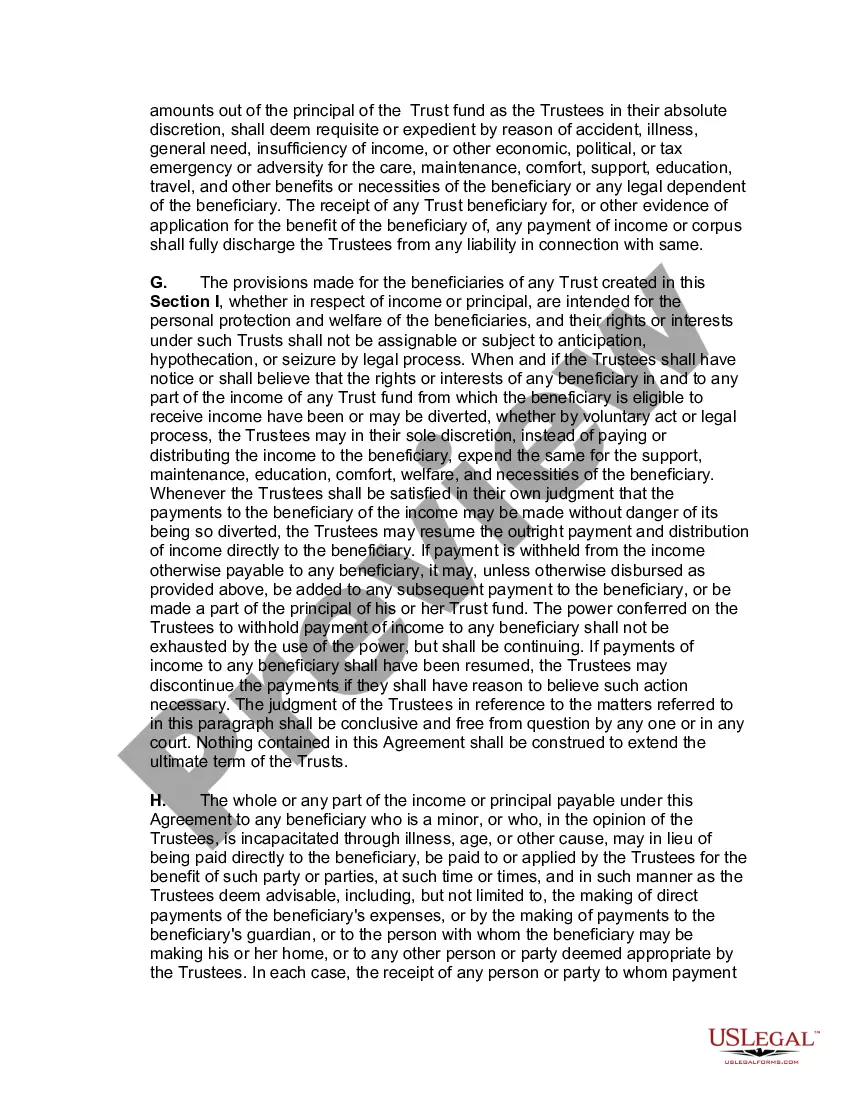
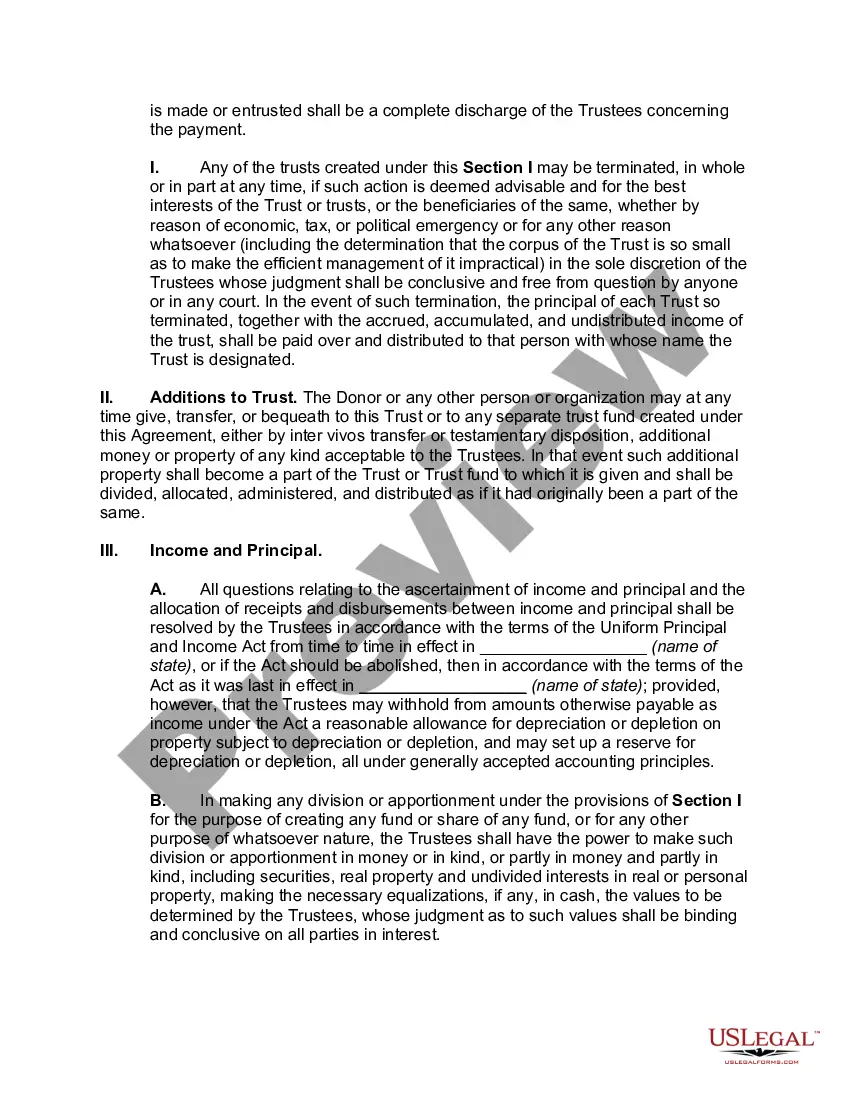
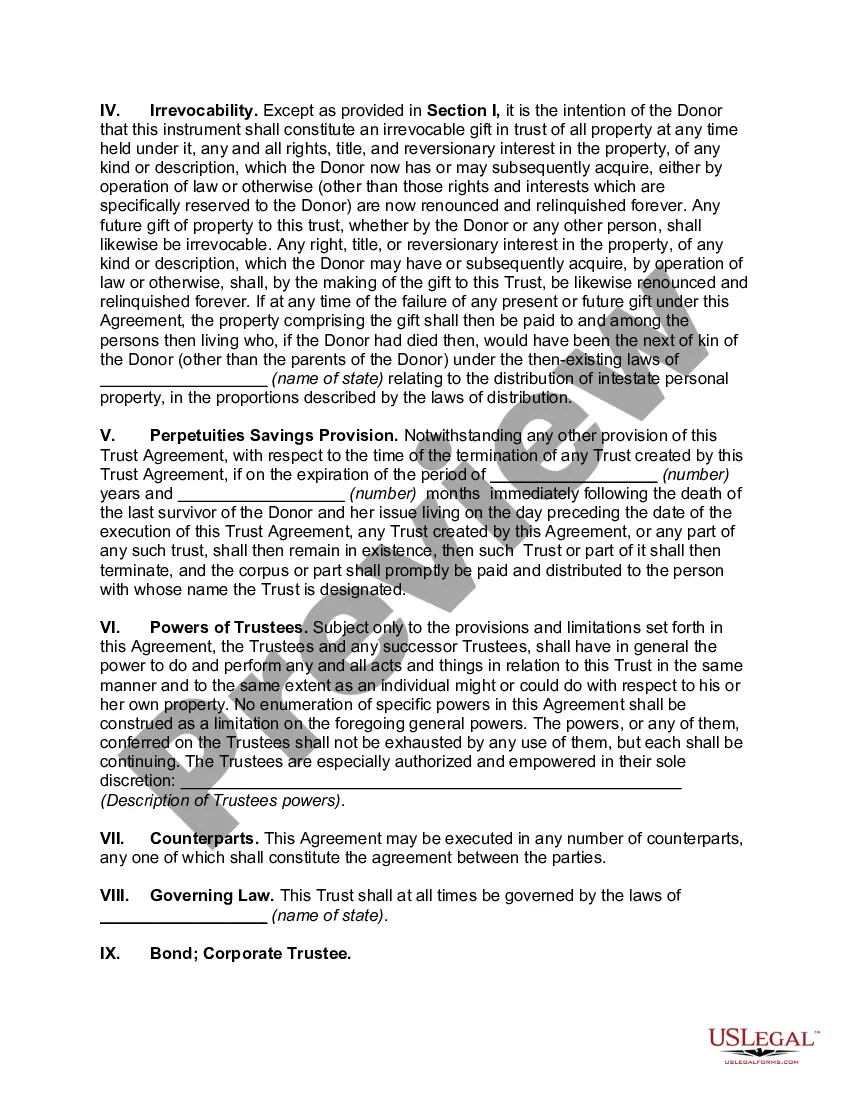
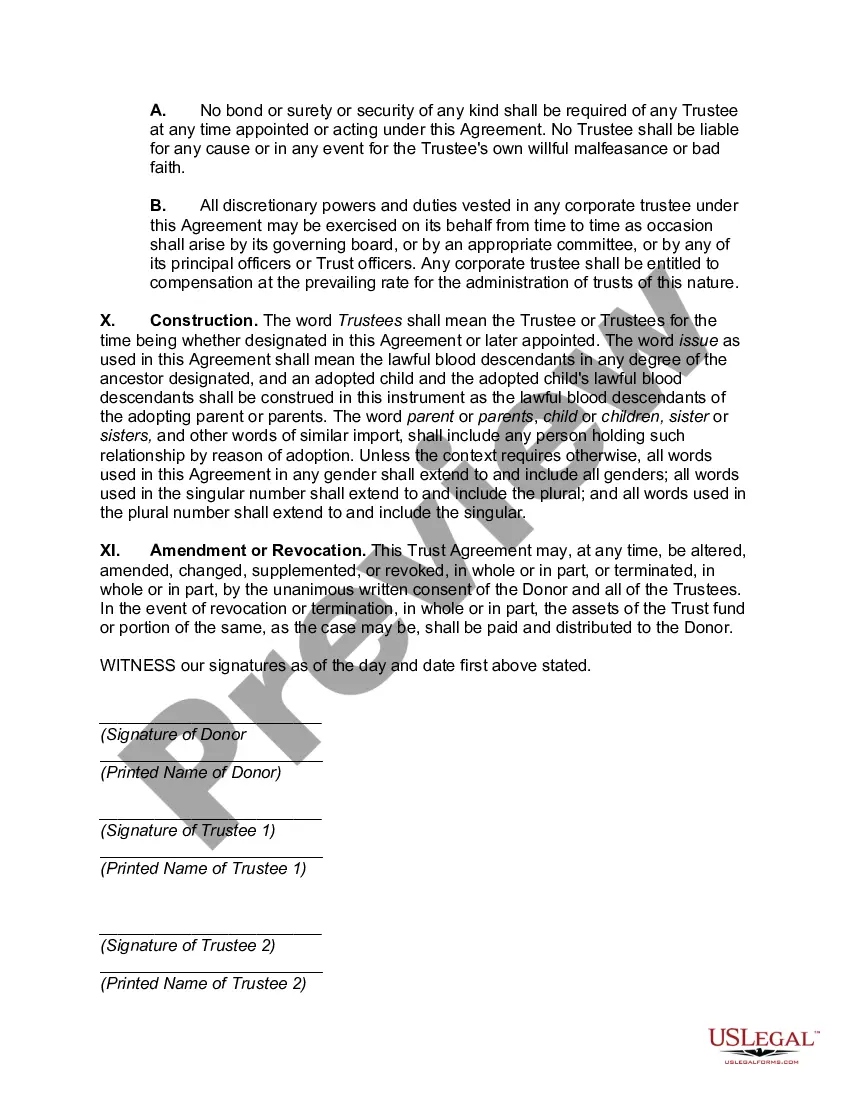

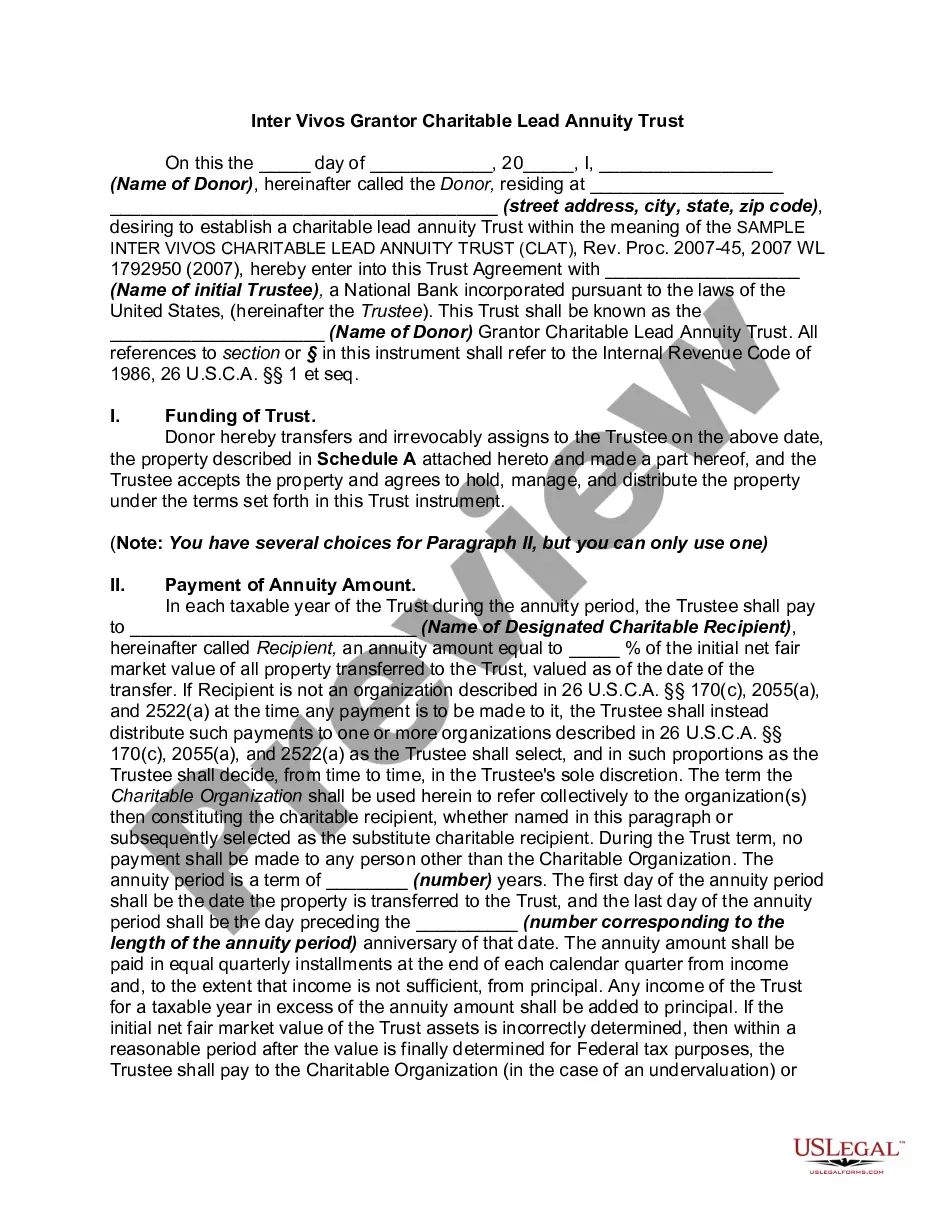
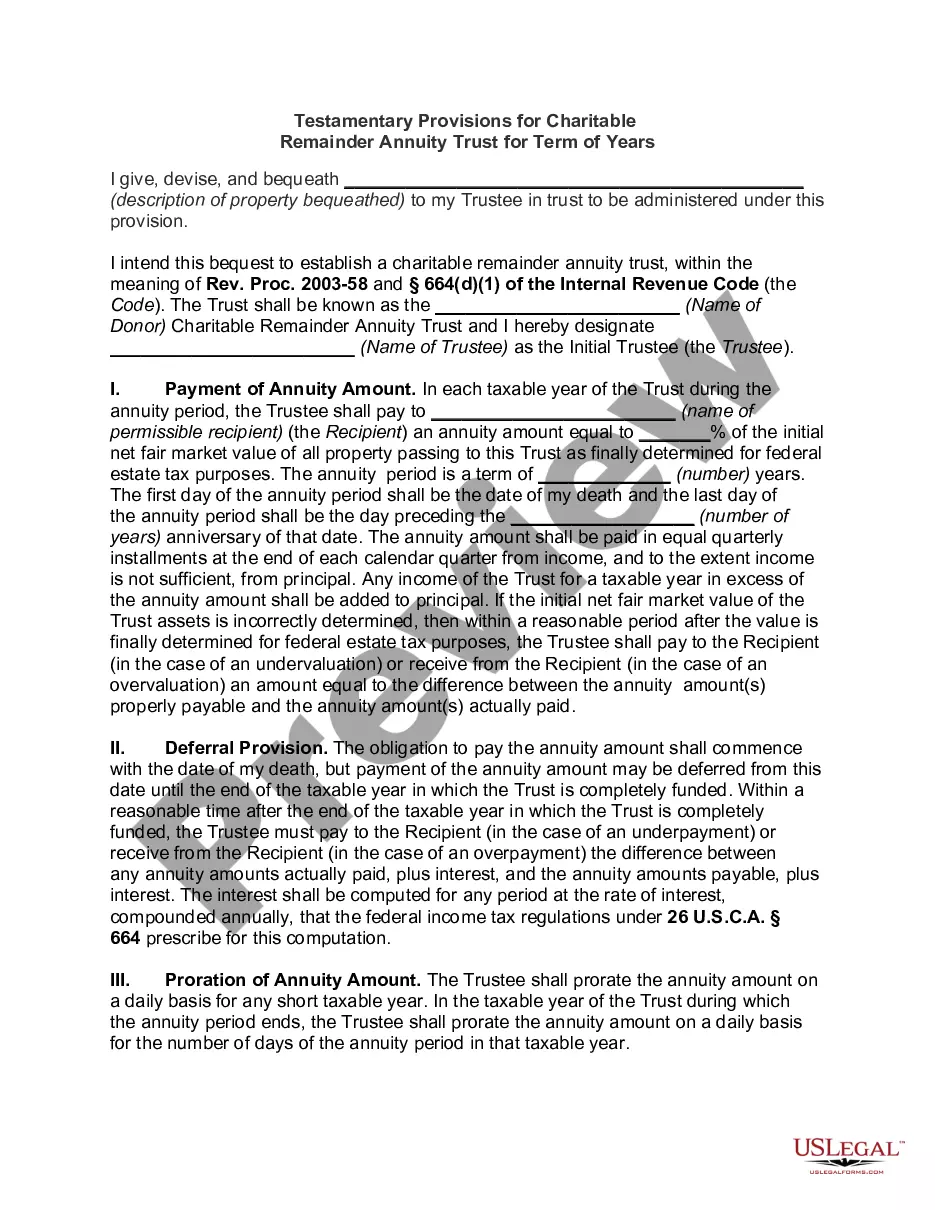
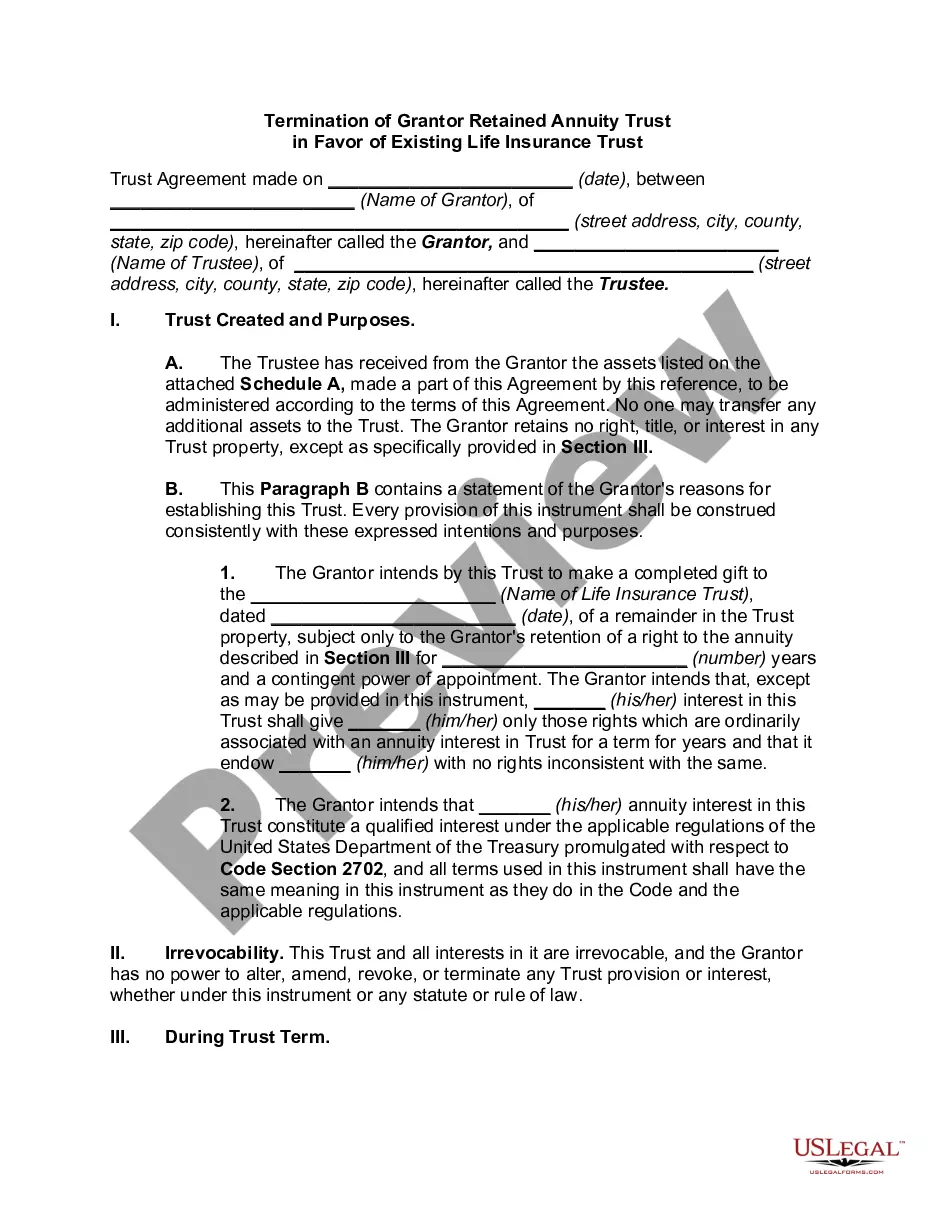
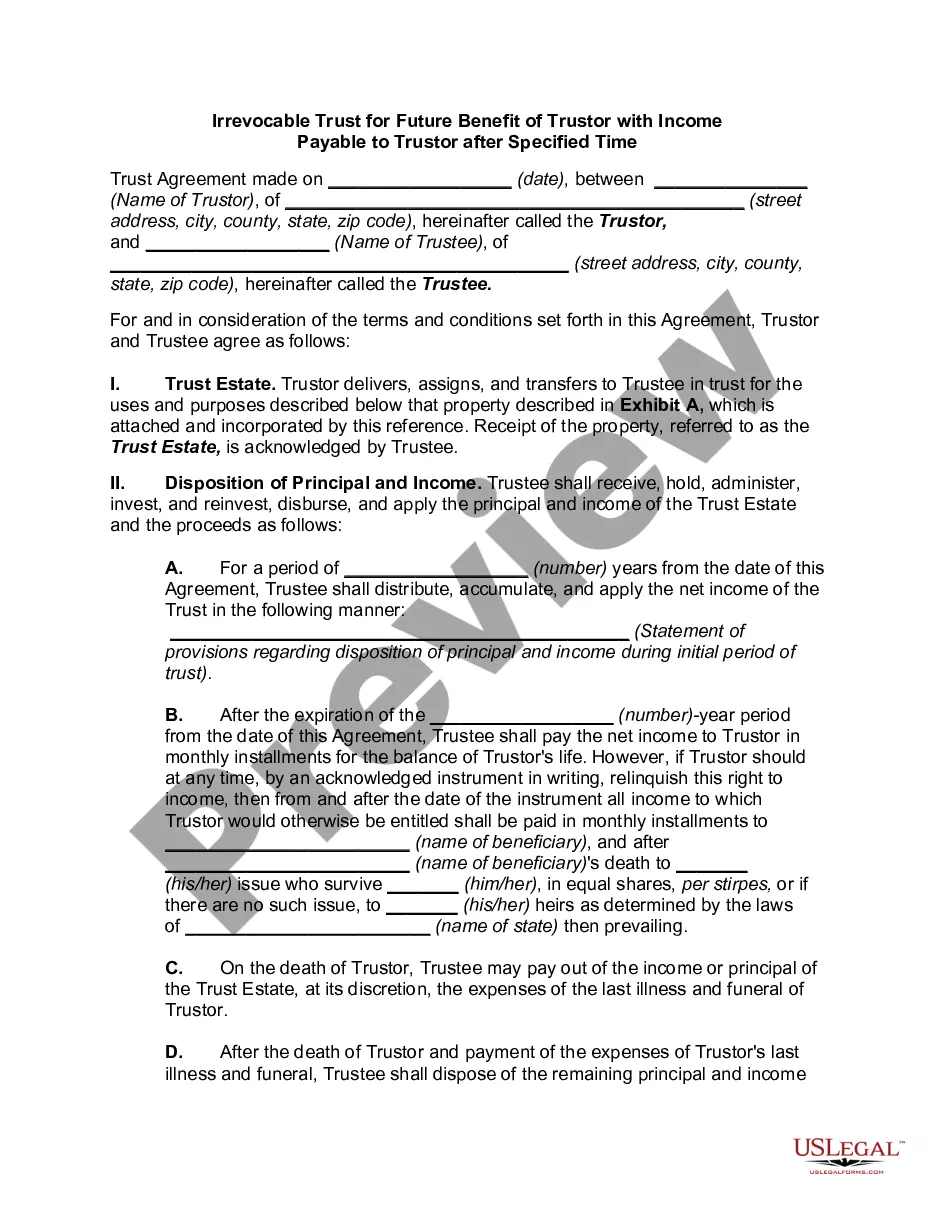
Get your form ready online
Our built-in tools help you complete, sign, share, and store your documents in one place.
Make edits, fill in missing information, and update formatting in US Legal Forms—just like you would in MS Word.
Download a copy, print it, send it by email, or mail it via USPS—whatever works best for your next step.
Sign and collect signatures with our SignNow integration. Send to multiple recipients, set reminders, and more. Go Premium to unlock E-Sign.
If this form requires notarization, complete it online through a secure video call—no need to meet a notary in person or wait for an appointment.
We protect your documents and personal data by following strict security and privacy standards.

Make edits, fill in missing information, and update formatting in US Legal Forms—just like you would in MS Word.

Download a copy, print it, send it by email, or mail it via USPS—whatever works best for your next step.

Sign and collect signatures with our SignNow integration. Send to multiple recipients, set reminders, and more. Go Premium to unlock E-Sign.

If this form requires notarization, complete it online through a secure video call—no need to meet a notary in person or wait for an appointment.

We protect your documents and personal data by following strict security and privacy standards.
Looking for another form?

How to fill out Grantor Retained Income Trust With Division Into Trusts For Issue After Term Of Years?
Have you ever found yourself in a situation where you need documents for various corporate or personal needs almost daily.
There are countless legal document templates available online, but locating trustworthy ones can be challenging.
US Legal Forms offers thousands of template options, including the Michigan Grantor Retained Income Trust with Division into Trusts for Issue after Term of Years, designed to meet state and federal requirements.
Once you locate the correct form, click Purchase now.
Select your preferred pricing plan, provide the necessary information to create your account, and place an order using your PayPal or Visa or Mastercard.
- If you are already familiar with the US Legal Forms website and possess an account, simply Log In.
- After logging in, you can download the Michigan Grantor Retained Income Trust with Division into Trusts for Issue after Term of Years template.
- If you do not have an account and wish to start using US Legal Forms, follow these steps.
- Identify the form you need and ensure it is for the correct area/state.
- Use the Review button to evaluate the form.
- Read the description to confirm that you have chosen the appropriate document.
- If the form does not meet your requirements, use the Search feature to find the document that suits your needs.
Form popularity
FAQ
Some of the grantor trust rules outlined by the IRS are as follows: The power to add or change the beneficiary of a trust. The power to borrow from the trust without adequate security. The power to use the income from the trust to pay life insurance premiums.
Grantor Retained Income Trust, DefinitionA GRIT is a type of irrevocable trust, meaning the transfer of assets is permanent and can't be reversed.
Since a GRAT represents an incomplete gift, it is not a suitable vehicle to use in a generation-skipping transfer (GST), as the value of the skipped gift is not determined until the end of the trust term.
Section 7108 (Principal Place of Administration). The trustee is free to do so after 63 days unless a beneficiary objects.
To implement this strategy, you zero out the grantor retained annuity trust by accepting combined payments that are equal to the entire value of the trust, including the anticipated appreciation. In theory, there would be nothing left for the beneficiary if the trust is really zeroed out.
At the end of the initial term retained by the Grantor, if the Grantor is still living, the remainder beneficiaries (or a trust to be administered for the benefit of the remainder beneficiaries) receive $100,0000 plus all capital growth (which is the amount over and above the net income that was paid to the Grantor).
Under current law assets in a grantor trust do not receive a step up in basis upon the grantor's death and are not included in the taxable estate of the grantor.
The creator of the trust (the Grantor) transfers assets to the GRAT while retaining the right to receive fixed annuity payments, payable at least annually, for a specified term of years. After the expiration of the term, the Grantor will no longer receive any further benefits from the GRAT.
Too bad, says the IRS, unless you are an estate or trust. Under Section 663(b) of the Internal Revenue Code, any distribution by an estate or trust within the first 65 days of the tax year can be treated as having been made on the last day of the preceding tax year.
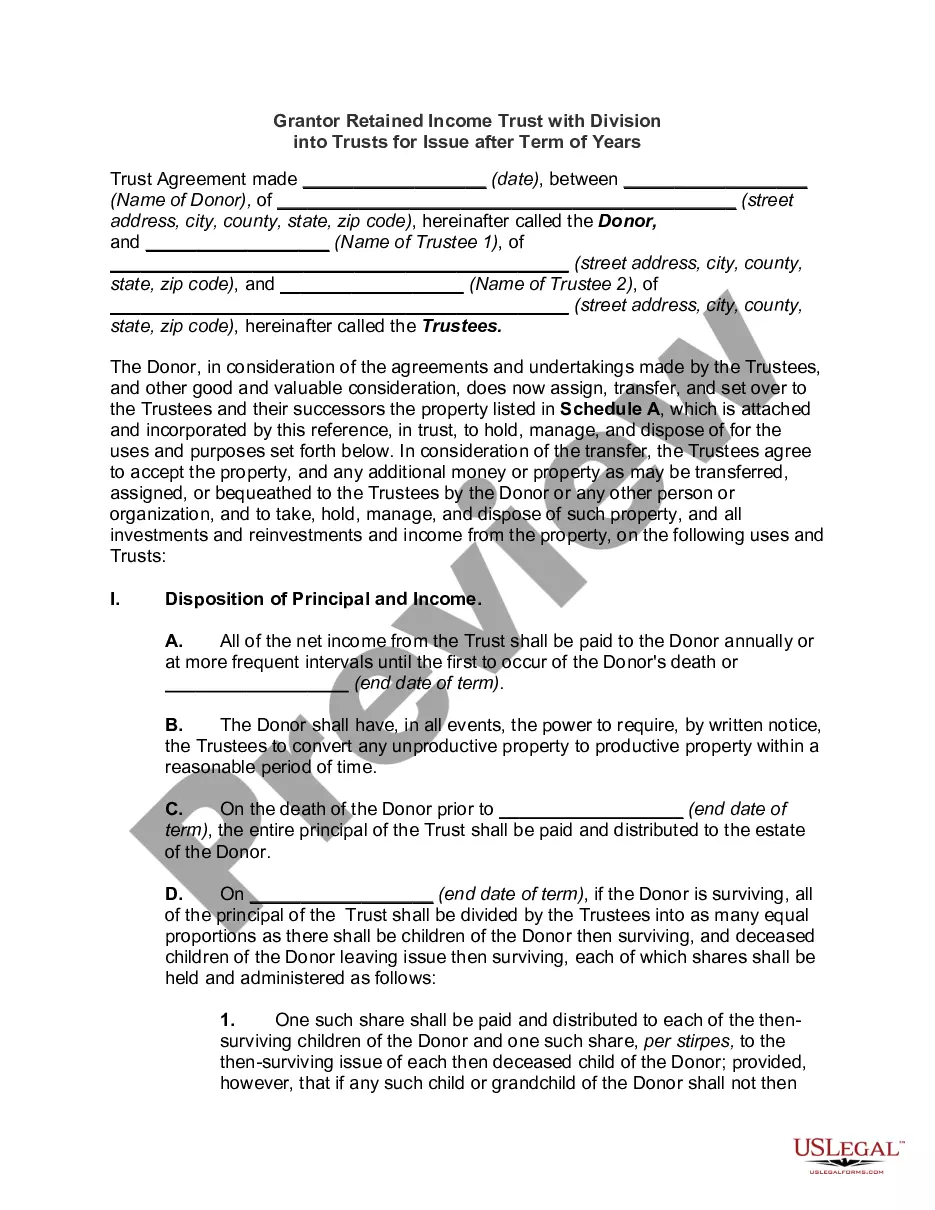
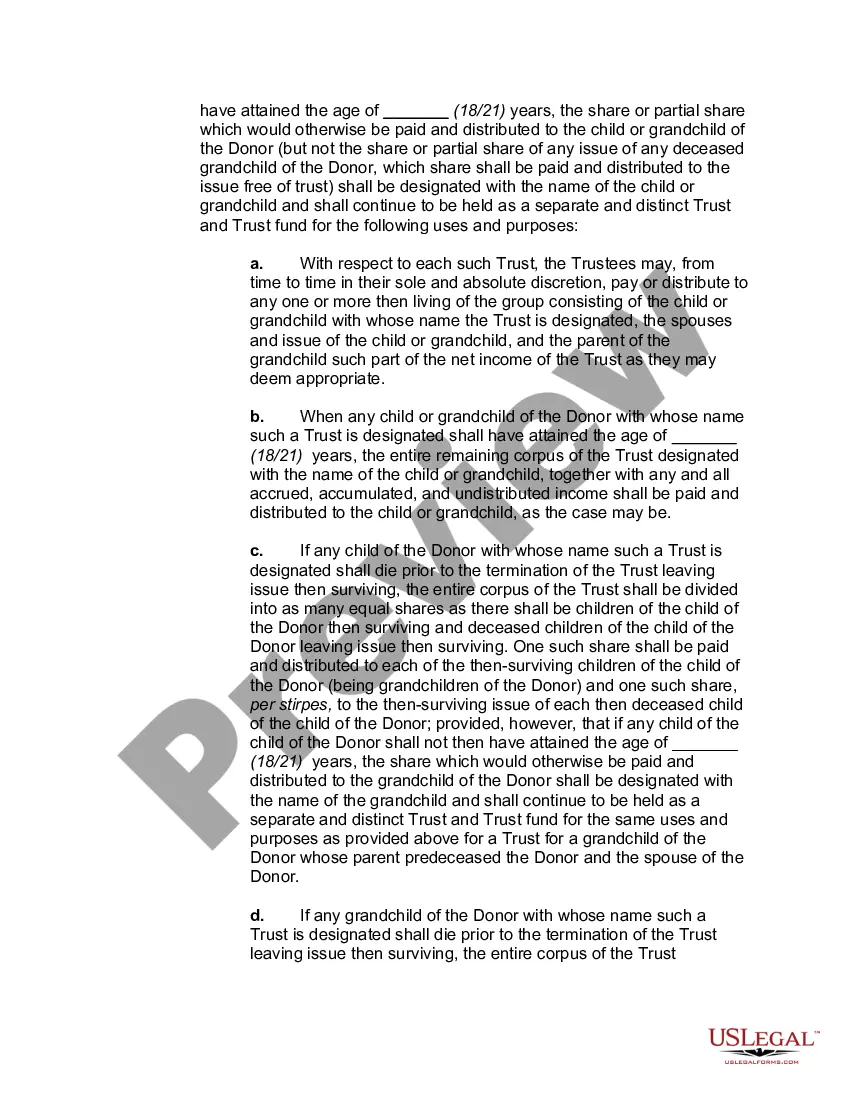
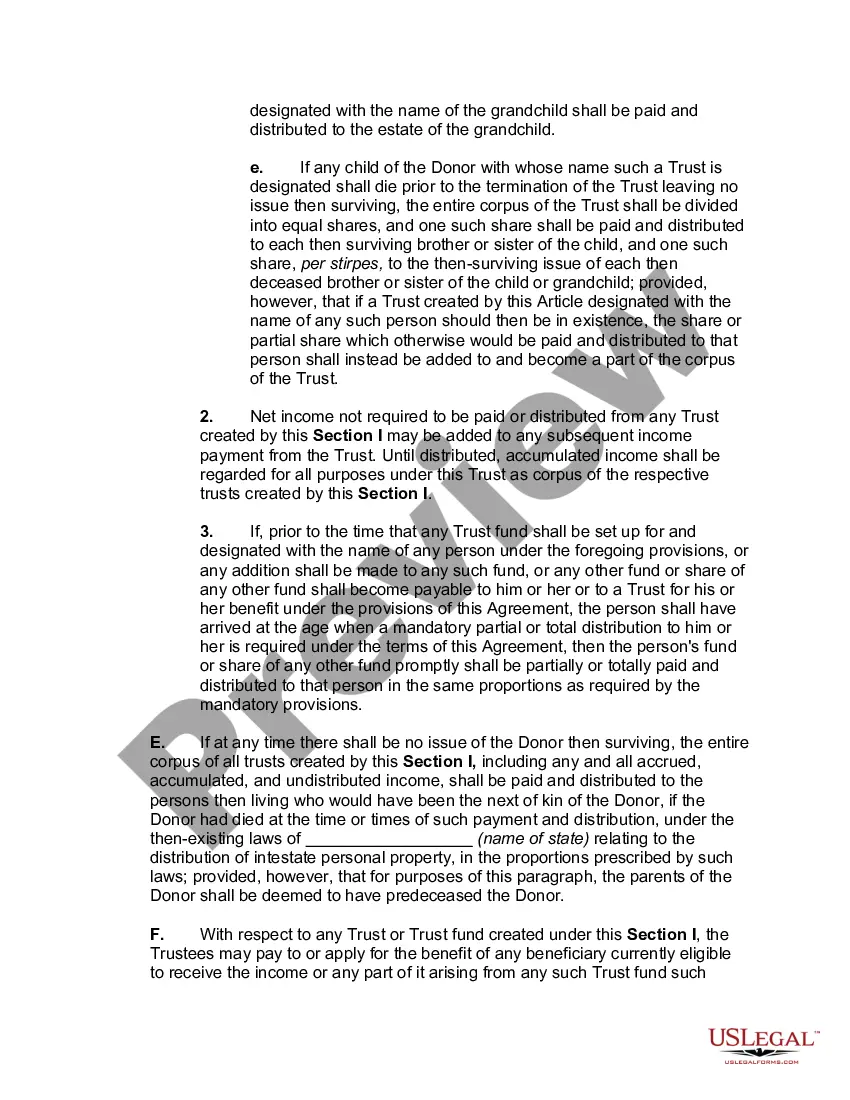
Grantor Retained Income Trust, Definition A grantor retained income trust allows the person who creates the trust to transfer assets to it while still being able to receive net income from trust assets. The grantor maintains this right for a fixed number of years.