Minnesota Quitclaim Deed from Individual to a Trust
About this form
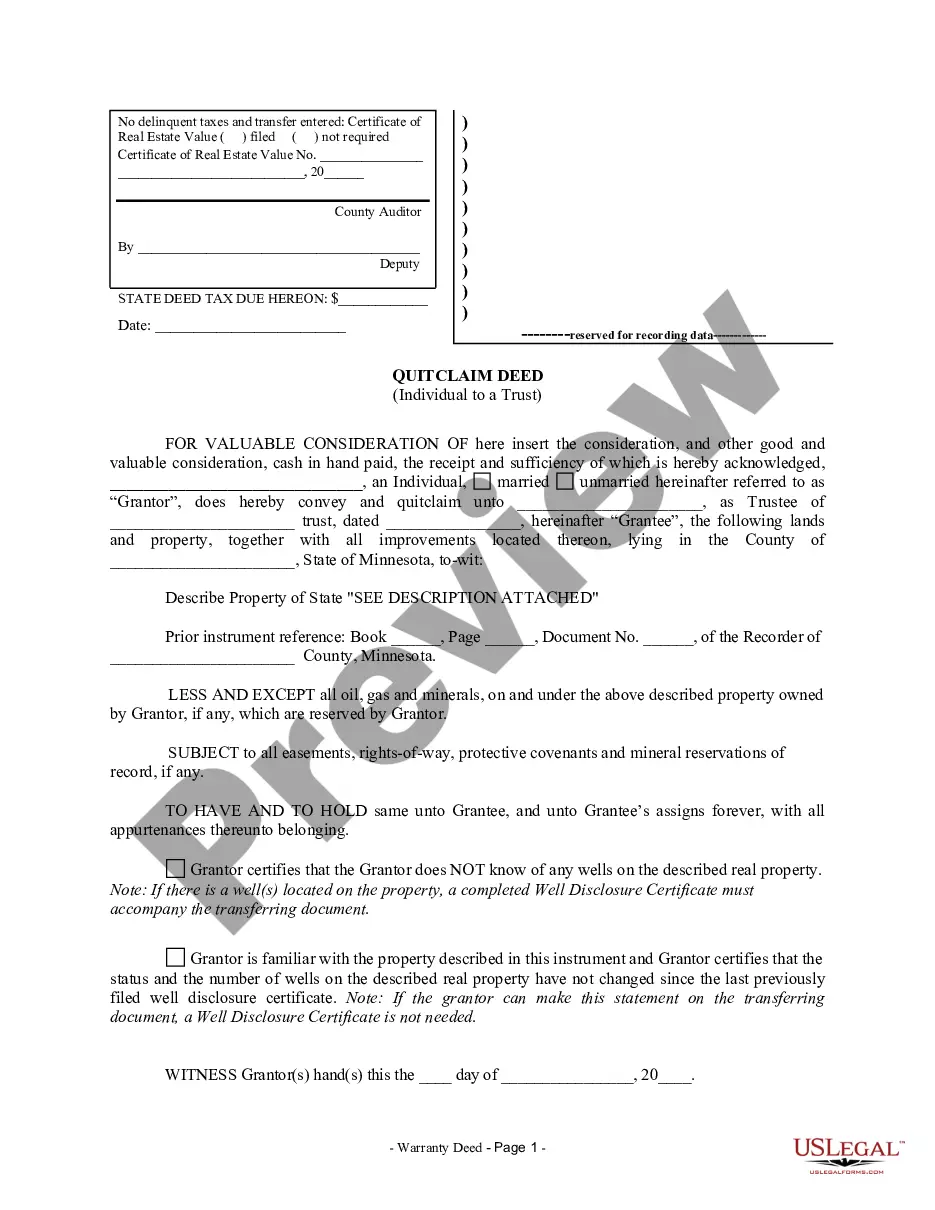
The Quitclaim Deed from Individual to a Trust is a legal document used to transfer ownership of real estate from an individual (the grantor) to a trust (the grantee). Unlike other types of deeds, the quitclaim deed does not guarantee that the grantor holds title or has the right to transfer the property. Instead, it simply relinquishes any claim the grantor may have to the property, making it essential for clearing any ambiguities regarding ownership.
Form components explained
- Grantor and Grantee Information: Names and statuses (married or unmarried) of the parties involved.
- Property Description: A clear and detailed description of the property being transferred.
- Consideration Amount: The value shared in exchange for the property, typically written in words and numerals.
- Wells Disclosure Statement: Certification regarding the presence or absence of wells on the property.
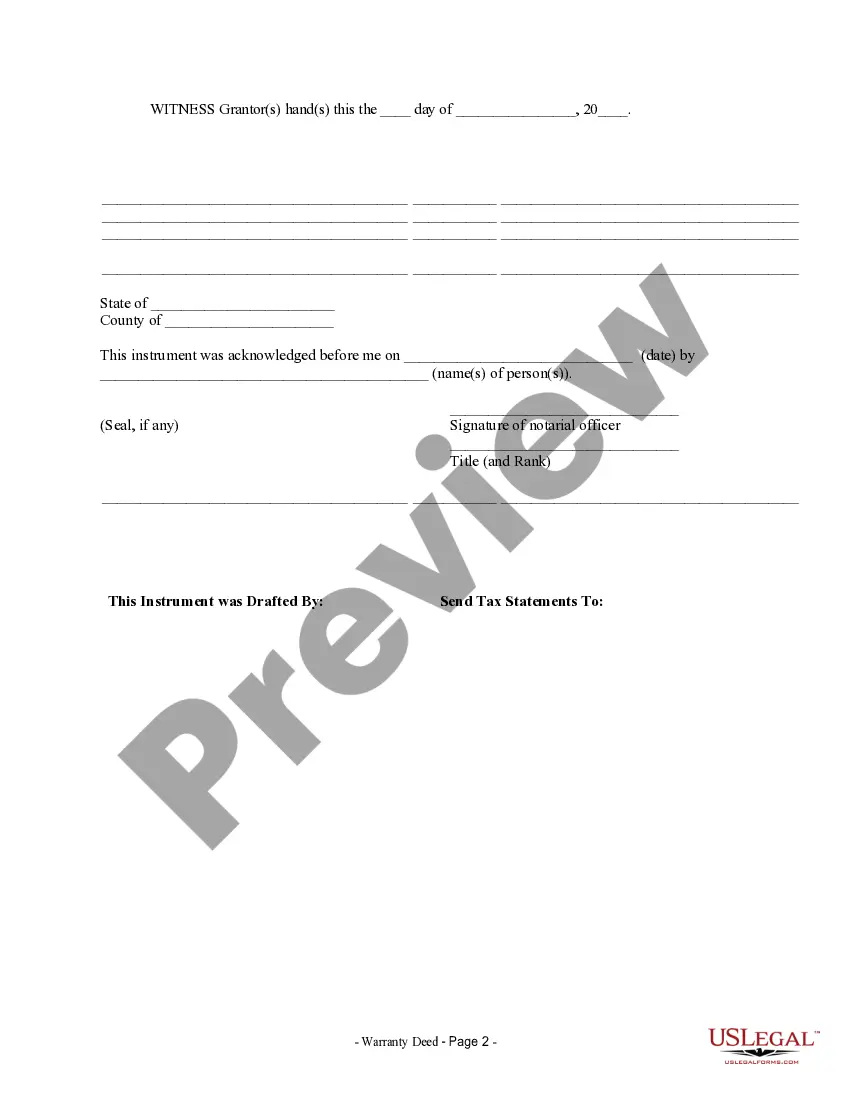
- Notarization Section: Requirements for signing in front of a notary public to validate the document.



When to use this form
This quitclaim deed should be used when an individual wishes to transfer property to a trust, often for estate planning purposes. It is frequently used to simplify the transfer process without the formalities required by warranty deeds, making it ideal for family transactions and transfers within estate planning structures.
Who can use this document
- Individuals who are the current owners of a property and wish to transfer it into a trust.
- Trustees who are receiving property as part of estate planning or asset management strategies.
- Individuals seeking a straightforward method for transferring their property rights without extensive legal formalities.
How to prepare this document
- Identify the parties involved by entering the names of the grantor and the trustee.
- Specify the property by providing a complete description and any relevant identification numbers.
- Enter the date of the transfer and the consideration amount being exchanged for the property.
- Have the grantor sign the document in the presence of a notary public to ensure legal validity.
- Ensure all necessary references to previous instruments and legal provisions are included for record-keeping.
Notarization guidance
This document requires notarization to meet legal standards. US Legal Forms provides secure online notarization powered by Notarize, allowing you to complete the process through a verified video call, available 24/7.
Get your form ready online
Our built-in tools help you complete, sign, share, and store your documents in one place.
Make edits, fill in missing information, and update formatting in US Legal Forms—just like you would in MS Word.
Download a copy, print it, send it by email, or mail it via USPS—whatever works best for your next step.
Sign and collect signatures with our SignNow integration. Send to multiple recipients, set reminders, and more. Go Premium to unlock E-Sign.
If this form requires notarization, complete it online through a secure video call—no need to meet a notary in person or wait for an appointment.
We protect your documents and personal data by following strict security and privacy standards.
Make edits, fill in missing information, and update formatting in US Legal Forms—just like you would in MS Word.
Download a copy, print it, send it by email, or mail it via USPS—whatever works best for your next step.
Sign and collect signatures with our SignNow integration. Send to multiple recipients, set reminders, and more. Go Premium to unlock E-Sign.
If this form requires notarization, complete it online through a secure video call—no need to meet a notary in person or wait for an appointment.
We protect your documents and personal data by following strict security and privacy standards.
Mistakes to watch out for
- Failing to include a detailed property description can lead to disputes or legal issues.
- Not having the document notarized, when required, may invalidate the deed.
- Omitting the consideration amount can result in complications in the transfer process.
- Not disclosing the presence of wells, if applicable, can lead to legal repercussions in the future.
Why complete this form online
- Convenience of downloading and completing the form from home.
- Editability allows for personalized entries and accuracy of details.
- Access to reliable templates drafted by licensed attorneys.
- Time-saving process compared to traditional methods of form acquisition.
Looking for another form?



Form popularity
FAQ
To complete a Minnesota Quitclaim Deed from Individual to a Trust, you first need to obtain the appropriate form, which is available online or through legal service providers. Next, fill out the deed with accurate property descriptions and the names of the individuals transferring the property to the trust. After that, sign the deed in front of a notary public to ensure its validity. Finally, file the completed deed with your county recorder’s office to make the transfer official.
You do not necessarily need a lawyer to obtain a Minnesota Quitclaim Deed from Individual to a Trust. Many individuals successfully complete this process on their own by following the right steps and using the appropriate forms. However, consulting with a legal professional can provide clarity and ensure that all legal requirements are met. If you prefer a more straightforward approach, consider using US Legal Forms, which offers easy access to the necessary documents and guidance for your specific situation.
Transferring property to a family trust involves creating a Minnesota Quitclaim Deed from Individual to a Trust. Begin by drafting the deed to reflect the transfer accurately, and include the trust's name as the new owner. Once completed, sign the document in front of a notary, and file it with your local county recorder's office. Using US Legal Forms can simplify this process, providing you with the necessary templates and guidance.
To file a Minnesota Quitclaim Deed from Individual to a Trust, start by obtaining the appropriate form from a reliable source, such as US Legal Forms. Fill out the form accurately, ensuring all required information is included. After completing the deed, you must have it signed in the presence of a notary public. Finally, submit the signed deed to your local county recorder's office to complete the filing process.
Choosing between a quitclaim deed and a trust depends on your goals. A quitclaim deed is useful for transferring property quickly, while a trust can offer comprehensive estate planning benefits. Using a Minnesota Quitclaim Deed from Individual to a Trust can combine the advantages of both, providing a streamlined transfer process and a structured approach to asset management.
A quitclaim deed cannot be used in situations where there are existing liens or disputes over the property title. Additionally, if the property is subject to court orders or foreclosure, a quit claim deed may not be a viable option. Always consult with a legal professional to determine the best approach for your specific case.
While a quit claim deed is a straightforward way to transfer ownership, it has some disadvantages. Notably, it does not provide any warranties regarding the title, which means the recipient may inherit potential liabilities. Additionally, using a quit claim deed may not be the best option for all situations, so it's wise to consider your unique circumstances.
To retitle a house into a trust, you will need to complete a quit claim deed that specifies the trust as the new owner. After preparing the deed, you must sign it and have it notarized, then file it with the appropriate county office. Using the Minnesota Quitclaim Deed from Individual to a Trust ensures that your property is correctly titled and managed under the trust.
Yes, you can quit claim a house to a trust. This transfer helps in managing the property within the trust structure and can offer estate planning advantages. It is important to ensure that the quit claim deed is executed properly to reflect the trust as the new owner.
In Minnesota, a quit claim deed allows an individual to transfer their interest in a property to another party, such as a trust. The deed does not guarantee that the property has clear title, meaning it simply conveys what the grantor owns. By using a Minnesota Quitclaim Deed from Individual to a Trust, you can effectively manage your assets and simplify estate planning.